Reviewed · SHIBUYA TOURS
Tokyo Walk through: Shinjuku, Harajuku, Omotesando & Shibuya
Tokyo’s best introduction may be a walk across its contrasts: Shinjuku’s giant transport hub, Shibuya’s youthful pulse, Harajuku’s pop culture, and Omote Sando’s polished shops. This tour links them with local context instead of treating each district as a separate photo stop.
In This Article
- Key points to know before booking
- Starting beneath the Gucci sign in Shinjuku
- One hour in Shinjuku: shopping, food, and city scale
- A quiet pause at Shinjuku Gyoen
- Shibuya and the younger side of Tokyo
- Harajuku and the uninhibited pop-culture strip
- Omote Sando: polished avenues and quieter side streets
- What the guide adds to the experience
- Is four hours enough for four Tokyo districts?
- Price, group size, and practical value
- Who should book this Tokyo walking tour?
- My verdict: book it for orientation, not exhaustive sightseeing
- FAQ
- Where does the Tokyo walking tour meet?
- How long does the tour last?
- Which Tokyo areas are included?
- Is Shinjuku Gyoen included?
- What language is the tour conducted in?
- How large is the group?
- Are meals and shopping included in the price?
I like the small groups of up to eight, which give the guide room to adjust the route. I also like the chance to visit Shinjuku Gyoen, a quiet garden that provides a welcome pause from the city. The drawback is simple: four hours on foot is a lot, and the schedule may feel rushed if you want long shopping stops.
Key points to know before booking
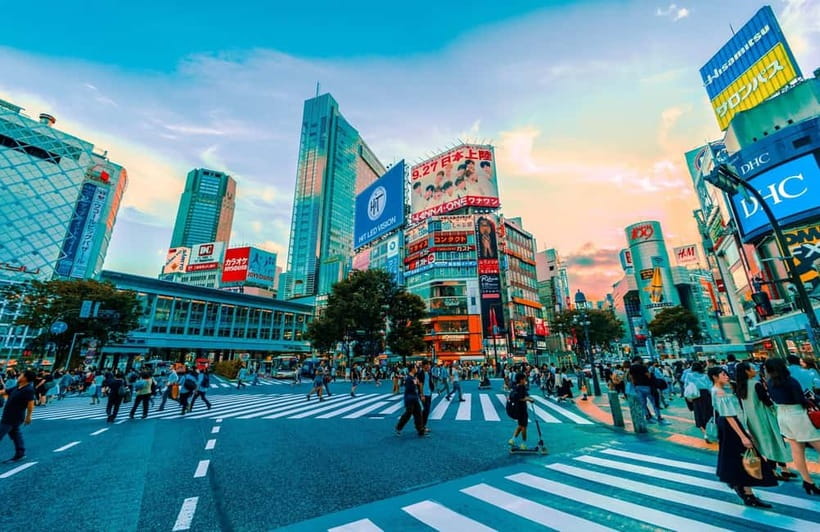
- Shinjuku Gyoen adds calm to a busy route: Weather permitting, you get a garden break among formal Japanese, English, and French-style garden areas.
- The route crosses four distinct districts: Shinjuku, Shibuya, Harajuku, and Omote Sando each show a different side of present-day Tokyo.
- The guide can shape the walk around you: Past guides including Hiroshi, Tina, Scott, Renault, and others have helped with food, culture, trains, and local areas.
- Eight people is the group limit: That is small enough for questions and a more personal pace than a large city tour.
- Harajuku and Omote Sando make a useful pair: You see youth fashion and pop culture beside high-end stores and quieter side streets.
- Bring walking shoes and weather-ready clothing: The tour covers a lot of ground, and rain or heat can affect the garden visit.
Starting beneath the Gucci sign in Shinjuku
The meeting point is directly in front of the Gucci Shinjuku M Square Store. That gives you a clear landmark, but Shinjuku Station is famously large, so allow time to reach the correct exit and street level. The tour does not include transportation to the meeting point.
Starting in Shinjuku makes sense because this district is one of Tokyo’s main modern centers. Its enormous station handles an extraordinary flow of people, and the surrounding streets mix department stores, ordinary shopping, restaurants, bars, entertainment, and office towers.
Your guide begins by explaining how post-war Tokyo developed. As the city’s population grew and daily life changed, districts such as Shinjuku and Shibuya were planned and expanded as major urban hubs. That context helps you read the streets instead of seeing only a mass of signs and buildings.
I appreciate this kind of beginning because it turns Tokyo’s apparent disorder into something easier to understand. The city can seem like a collection of unrelated neighborhoods, but this walk shows how transport, commerce, housing, and leisure shaped the city you see today.
A few more Tokyo tours and experiences worth a look

One hour in Shinjuku: shopping, food, and city scale
The Shinjuku section focuses on the district’s everyday energy. You can expect mainstream stores, well-known eating areas, and drinking streets, along with explanations of how the neighborhood works as a place where people shop, eat, commute, and meet friends.
This is not a specialist food tour, and meals are not included. Still, food is part of the route’s appeal. The guide can point out places suited to your interests, and Tina, one of the named guides, helped a group finish the tour at a ramen restaurant and assisted with ordering. That sort of practical help can be especially useful early in a Japan trip.
The area also has art and cultural sights tucked into its busy streets. The exact stops can depend on the guide and your preferences, so you should think of this as an orientation walk rather than a fixed museum itinerary. If you want shopping, food suggestions, architecture, or a better grasp of Tokyo life, tell your guide early.
One useful benefit is learning how to move through Tokyo. Hiroshi helped explain train use and daily life in the city during one tour. That can be worth more than a few extra photographs, since knowing how to handle stations and local transport makes the rest of your trip easier.
A quiet pause at Shinjuku Gyoen
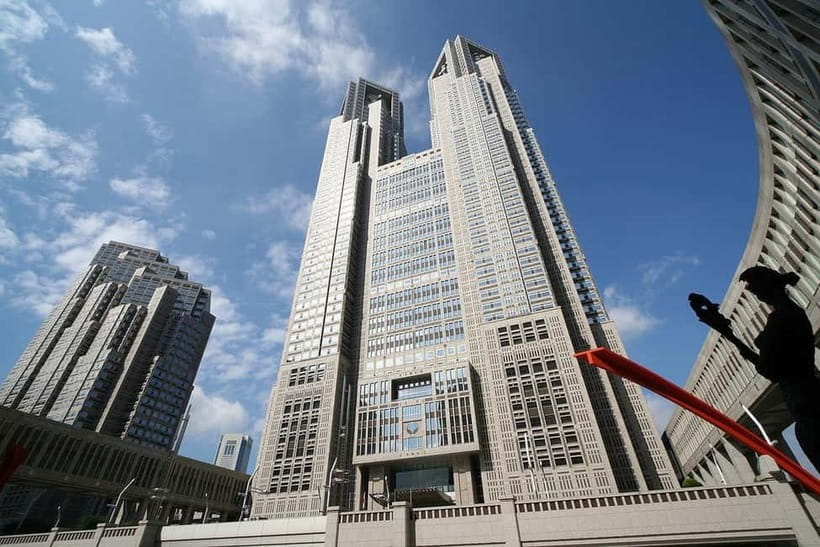
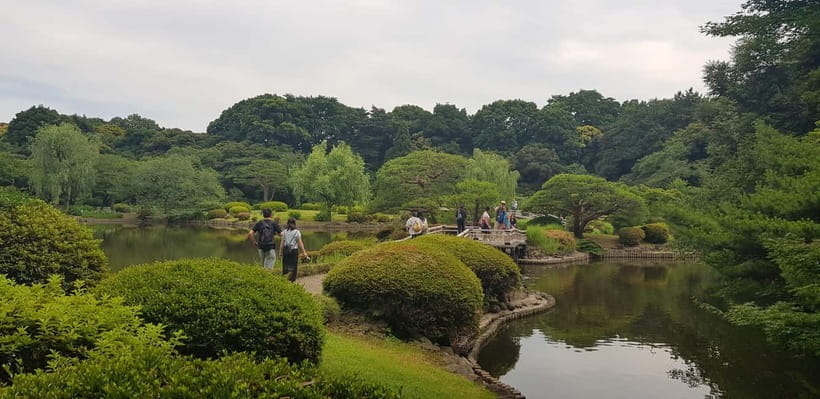
If the weather is decent, the route includes Shinjuku Gyoen. This garden is one of the most valuable stops because it changes the mood completely. After the signs, crowds, traffic, and tall buildings, you get open space, planted paths, and a slower setting in the middle of Tokyo.
The garden brings together several styles and approaches. You are not simply seeing one traditional Japanese garden, but a broader mix of formal design ideas. That variety gives the guide something useful to explain and gives you a chance to look closely at how Tokyo makes room for calm within a dense city.
The visit depends on suitable weather, so it should not be treated as guaranteed in every condition. If the garden matters greatly to you, ask about the plan at the start. Also remember that the stop still involves walking, and the tour may continue at a steady pace afterward.
I like this pause for another reason: it keeps the tour from becoming a four-hour march through commercial streets. You get a better sense of Tokyo’s range, from engineered urban intensity to carefully maintained open space.
Shibuya and the younger side of Tokyo
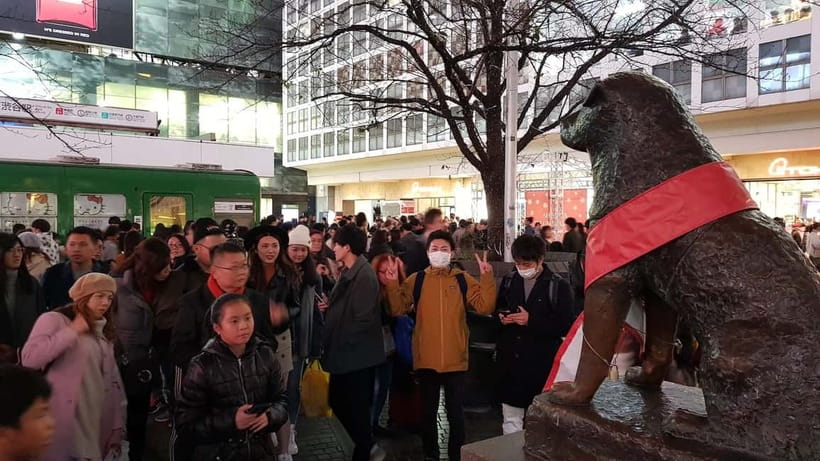
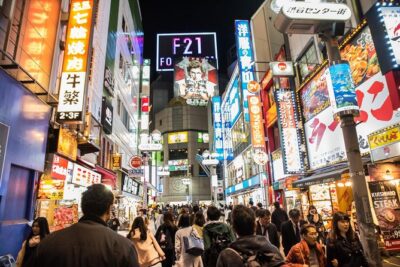
Shibuya brings the tour back into the city’s modern cultural center. The district is associated with younger crowds, new trends, entertainment, and a mildly experimental style. The experience here is less about ticking off one landmark and more about noticing how Japanese youth culture appears in shops, streets, signs, and public spaces.
The tour description calls Shibuya’s style tame funky and mildly avant-garde. That is a useful expectation. You may see plenty of polish and commercial design, but also unusual combinations of fashion, music, advertising, and street life.
The route aims to show more than the famous crossing. Your guide can point out lesser-known corners and explain what they mean within Tokyo’s youth culture. Since the group is small, you can ask for more emphasis on fashion, food, design, or local customs, depending on what interests you.
There is a practical trade-off here. Shibuya is easy to enjoy at your own pace, especially if you want to browse stores or take photographs. A guided walk gives you context and saves orientation time, but four hours does not allow long stops in every district. If shopping is your main goal, treat the tour as a sampler and return later on your own.
Harajuku and the uninhibited pop-culture strip
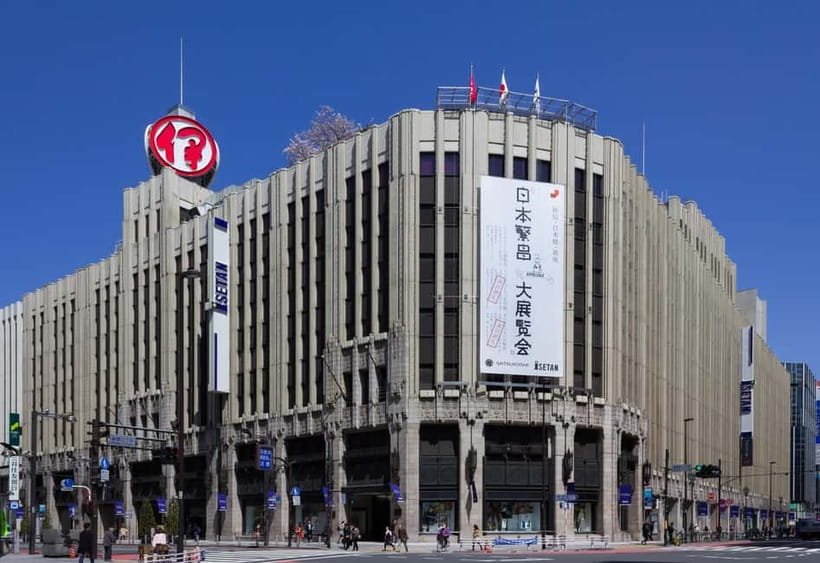
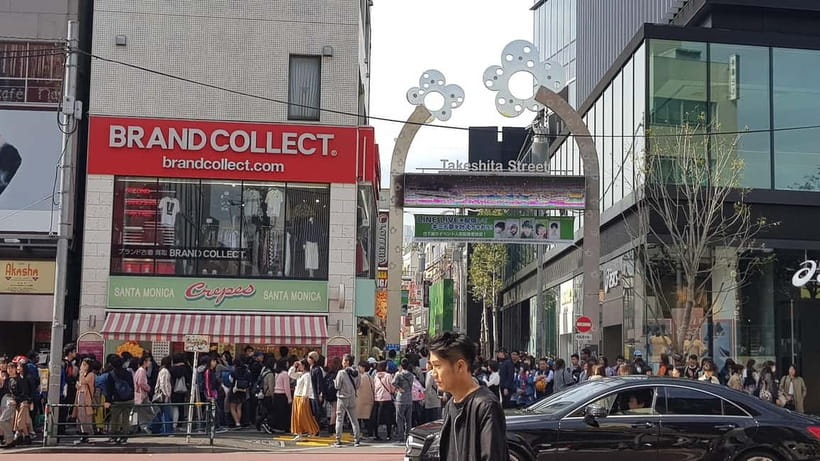
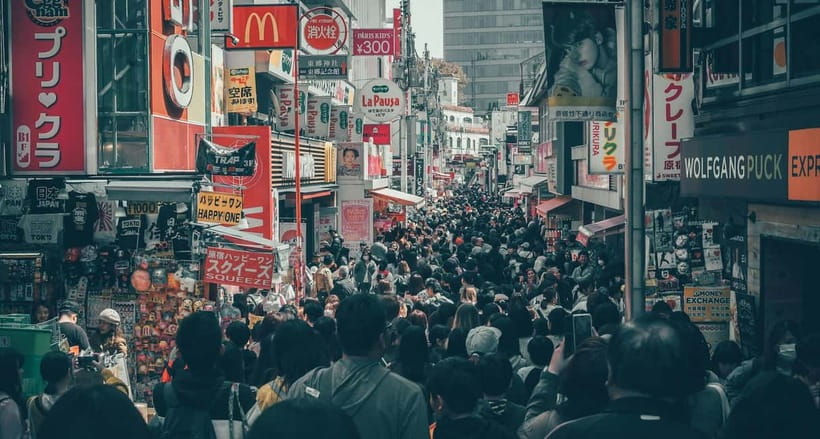
Harajuku offers one of the clearest changes in tone. Takeshita-dori is aimed largely at the 12 to 16 age market, and its shops present Japanese pop culture in a direct, colorful, and highly commercial form.
This is a place to observe rather than over-romanticize. It can be crowded and intense, and the shops are not aimed at every age group or taste. Still, it is a useful stop because it shows a very specific part of Tokyo’s youth culture, one that you might miss if you only visit temples, department stores, and famous viewpoints.
The guide can help explain what you are seeing and place the street within the wider Harajuku area. That matters because the district is not only Takeshita-dori. A short walk can take you from teenage-oriented stores to a different type of fashion and design.
Keep your belongings secure and watch your footing in crowded areas. Photography is allowed, but you should respect restrictions where they apply. The tour gives you a framework for understanding the district, while a later return lets you browse without watching the clock.
A few more Tokyo tours and experiences worth a look






Omote Sando: polished avenues and quieter side streets
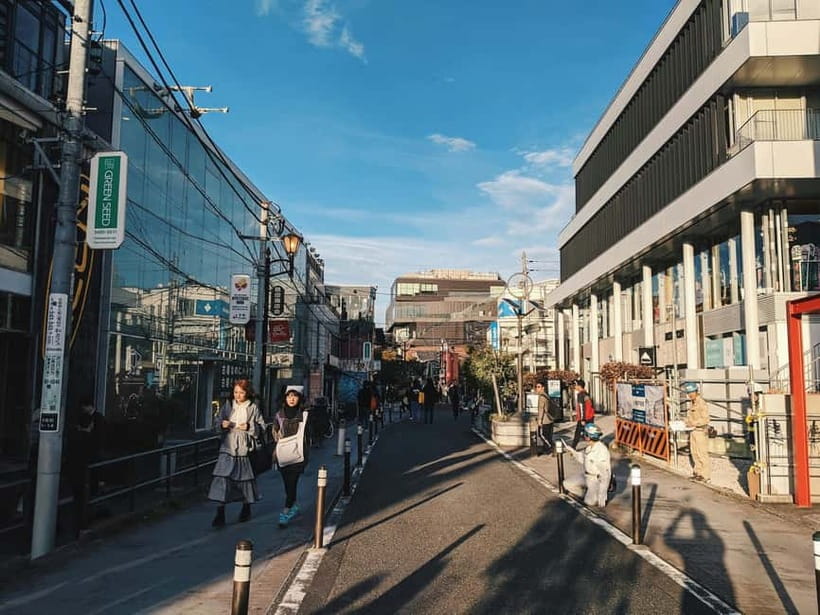
Across from Harajuku’s youthful commercial strip, Omote Sando presents a more restrained form of style. The main avenue is known for luxury brands, carefully designed shops, and understated wealth. The contrast is one of the tour’s best features.
Omote Sando is not only about expensive storefronts. Its backstreets offer smaller fashion finds and a less obvious side of the area. Your guide can help you see the difference between the main shopping avenue and the quieter streets behind it.
I find this pairing especially useful for first-time visitors. Harajuku and Omote Sando sit close together, yet they speak to very different customers and ideas of style. Seeing both in one walk makes Tokyo’s fashion culture easier to read.
The limitation is that shopping time remains limited. Personal purchases are not included, and the $67 price does not cover food, drinks, entry costs beyond the stated garden visit, or anything you buy. Consider the fee payment for orientation and local explanation, not a shopping budget.
What the guide adds to the experience
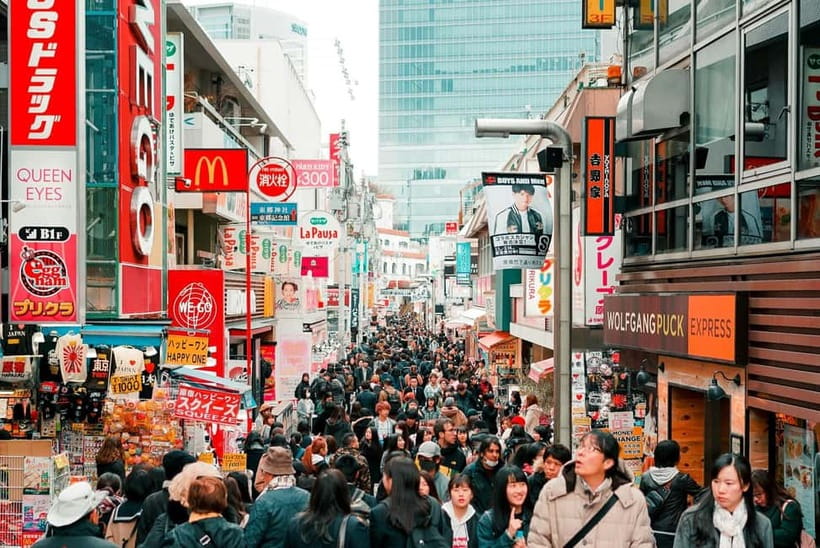
The strongest part of this tour is its flexible human element. The experience is conducted in English, and the guide can tailor the walk to your interests. Renault was described as friendly and willing to shape the outing around what the group wanted to see, while also explaining Japanese culture.
That flexibility matters because Tokyo’s districts can mean different things to different people. You might want restaurant help, fashion, trains, architecture, everyday customs, or a general introduction. Tell the guide your priorities at the beginning rather than hoping the route happens to match them.
The small-group limit of eight supports this approach. You have a better chance to ask questions, stop briefly for clarification, and get practical advice. It is not a private tour, despite the personalized feel described in the activity details, so the guide still has to balance the group’s interests.
The different guide names associated with the experience also suggest that the tone may vary from one departure to another. Hiroshi brought useful train and daily-life advice. Tina offered food guidance and ordering help. Scott shared his time and knowledge after a difficult start to one outing. These details point to a tour that depends partly on the individual guide, as any walking tour does.
Is four hours enough for four Tokyo districts?
Four hours is enough for an introduction, but not enough for deep exploration of every neighborhood. You will move between areas, hear background information, visit the garden if conditions allow, and get ideas for places to revisit.
The stated schedule gives about an hour each to Shinjuku, Harajuku, and Omote Sando, while the broader route also includes Shibuya. That means the timing should be viewed as approximate rather than as three long, separate visits. Ask at the start how the guide plans to divide the time.
This format works well near the beginning of a Tokyo stay. You learn where districts sit in relation to one another, find food and shopping ideas, and gain basic confidence with the city. It also works for a short visit when you want several neighborhoods in one outing.
You may want something else if your priority is a long garden visit, detailed historical interpretation, extensive shopping, or a full meal. The walk covers breadth rather than depth.
Price, group size, and practical value
At $67 per person, the tour is reasonably priced for four hours with an English-speaking guide and a group limited to eight. Its value depends on how much you want help making sense of Tokyo.
I would book it for the explanations, route planning, and personal advice, not simply for access to the neighborhoods. Shinjuku, Shibuya, Harajuku, and Omote Sando are all accessible on your own, but a guide can show how they connect and help you avoid spending your first day lost in station corridors.
The price does not include meals, drinks, shopping, or transportation to the starting point. Plan for those costs separately. If the guide leaves you at a useful ramen restaurant, as Tina did for one group, you still pay for the meal yourself.
Free cancellation is available up to 24 hours before the activity for a full refund, and you can reserve now while paying later. The duration is four hours, with starting times subject to availability.
The activity is listed as wheelchair accessible, but it is also marked as unsuitable for people with mobility impairments. Those details do not fully match, so anyone with mobility concerns should confirm the route and walking requirements before booking.
Who should book this Tokyo walking tour?
I think this walk suits first-time Tokyo visitors who want a practical introduction rather than a tightly scripted sightseeing checklist. It is especially useful if you want to combine urban planning, youth culture, fashion, food advice, and basic train guidance in one morning or afternoon.
It also suits couples, families with older children, and small groups who prefer conversation over a large tour bus. The English-language format and small group make it easier to ask about customs and daily life.
You should think twice if you dislike walking, need frequent rest periods, or want to spend most of the day shopping. The route covers several busy districts, and comfortable shoes are essential. Dress for the weather, since the garden portion and much of the route are outdoors.
My verdict: book it for orientation, not exhaustive sightseeing
Book this tour if you want Tokyo explained as a living city. The best parts are the district-to-district contrast, Shinjuku Gyoen’s calm, and the guide’s ability to adjust the walk toward food, trains, culture, or shopping.
Skip it if you already know these neighborhoods well or prefer to explore at your own slow pace. Four hours and $67 buy a useful overview, but not a full visit to each district. For a first day in Tokyo, though, it can give you a strong map in your head and several good ideas for the rest of your trip.
FAQ
Where does the Tokyo walking tour meet?
The meeting point is directly in front of the Gucci Shinjuku M Square Store.
How long does the tour last?
The walking tour lasts four hours. Starting times depend on availability.
Which Tokyo areas are included?
The experience includes guided exploration of Shinjuku, Shibuya, Harajuku, and Omote Sando.
Is Shinjuku Gyoen included?
Yes. The tour includes a visit to Shinjuku Gyoen Garden, weather permitting.
What language is the tour conducted in?
The live tour guide speaks English.
How large is the group?
The tour is limited to eight participants.
Are meals and shopping included in the price?
No. Meals, drinks, personal shopping, and transportation to the meeting point are not included.
More Walking Tours in Tokyo



More Shibuya Tours in Tokyo
More Shinjuku Tours in Tokyo


More tours in Tokyo we've reviewed












Shibuya Tours, compared.
 ★ 5.0Official Street Go-Kart in ShibuyaFrom $76
 ★ 5.0Shibuya Meltdown Nightlife Tour: All-You-Can-Drink Bar HoppingFrom $106
 ★ 4.9Tokyo: Street Kart Experience in ShibuyaFrom $99
 ★ 5.0Shibuya Official Street Go-Kart in Shibuya AnnexFrom $69
 ★ 5.0Tokyo: Shibuya Food Tour (13 dishes and 4 Eateries)From $77
 ★ 5.0Best of Shibuya Food TourFrom $217