Reviewed · TOKYO
Tokyo: AR Activity Experience HADO
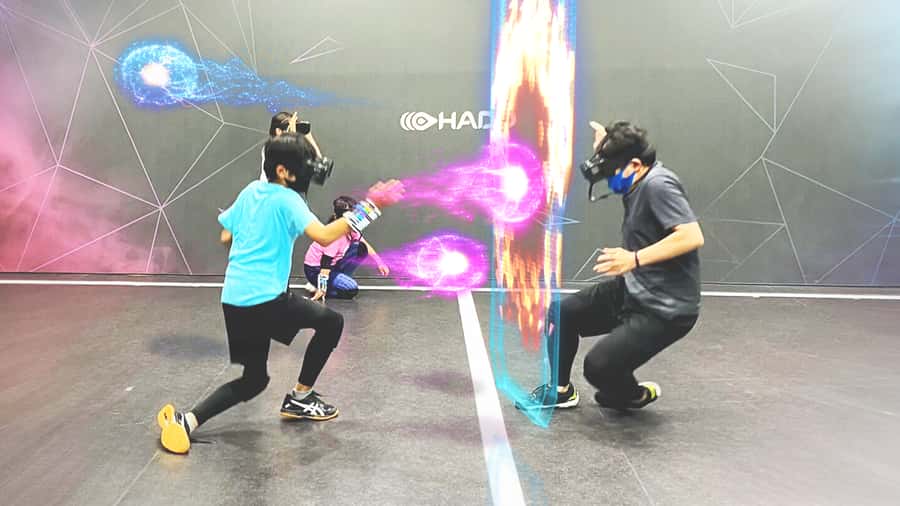
Imagine throwing a glowing energy ball from your hand, then leaping aside as one comes flying back at you. That is HADO, a Japanese AR sport that turns a small indoor court into a fast, playful game world. You do not need gaming experience. An instructor explains the rules and shows you how to play before the match begins.
In This Article
- Key Points to Know Before You Play
- What HADO Actually Feels Like
- Your 30-Minute Session, From Arrival to Final Match
- Why the AR Technology Matters
- Is 3,000 Yen Good Value?
- A Good Choice for Rainy Tokyo Days
- Playing With Children
- The Location and How to Plan Your Day
- Group Size, Language, and Comfort
- What the Experience Does Best
- What Could Be Better
- Who Should Book HADO?
- FAQ
- Where does the HADO experience take place?
- How long does the HADO activity last?
- How much does HADO cost?
- What is included in the price?
- Is an instructor present?
- Is the activity available in English?
- Can children take part?
- Can children under 5 participate?
- Can I do HADO when it rains?
- When is HADO available?
I like the rain-proof setting and the fact that the activity works for adults and children alike. The 30-minute format also fits neatly before or after sightseeing in Tokyo. The main catch is finding the correct location inside the building, so allow extra time and check the meeting instructions carefully.
Key Points to Know Before You Play

- Japanese-born AR sport: HADO began in Japan and now has world championships.
- Hand-powered attacks: You fire virtual energy balls and use movement to dodge them.
- Short 30-minute session: The compact format is easy to fit into a busy Tokyo day.
- Indoor in all weather: Rain will not spoil your plans, and indoor shoes are supplied.
- Small groups: A maximum of six people keeps the match active and personal.
- Family-friendly age rules: Children aged 7 and over may play alone, while 5 and 6 year olds need a parent with them.
What HADO Actually Feels Like
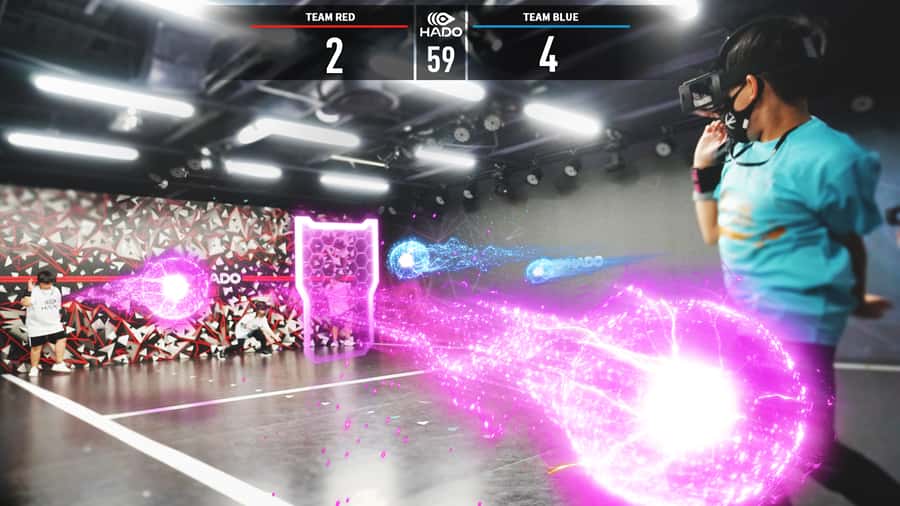
HADO is best understood as a futuristic version of dodgeball. Instead of throwing a real ball, you make hand gestures to fire virtual energy beams or balls. You move, jump, crouch, and try to avoid incoming attacks.
The AR technology supplies the fantasy. Your body supplies the action. That mix is what makes HADO more than a screen-based game. You are not sitting with a controller while watching someone else move. You are part of the action, and even a short match can leave you laughing and slightly out of breath.
The activity takes place indoors, so you do not need to worry about Tokyo rain, summer heat, or winter cold. That matters in a city where weather can quickly disrupt an outdoor plan. HADO gives you a reliable option for a free afternoon or a break between museums, shopping, and sightseeing.
The game is designed for first-timers. Before the match, an instructor explains how to play, reviews the rules, and demonstrates the movements. After one match, beginners and children should have a much clearer feel for the timing and controls.
No instructor names are provided, but an instructor is present throughout the introduction and match setup. English is available, which makes the experience easier for international visitors who do not speak Japanese.
If you're still narrowing it down, here are other tours in Tokyo we've reviewed.



Your 30-Minute Session, From Arrival to Final Match
The full experience lasts about 30 minutes. That is long enough to understand the game and enjoy a proper round, but short enough that it will not take over your Tokyo itinerary.
You begin at the designated meeting point, which may vary according to the option you book. This is the part that needs the most care. One published review pointed out that it was difficult to find the right location inside the building. You should not arrive at the last minute, especially if you are meeting friends or have another booking afterward.
Once you are in the correct place, indoor shoes are provided. This is a useful inclusion because you do not need to pack special footwear or worry about wearing the right shoes from the start. The change into indoor shoes also signals that you are moving from ordinary sightseeing into a more active part of the day.
The instructor then gives you the basic lesson. You learn how to fire the virtual energy balls, how to dodge, and how to move around the field. The explanation is meant for complete beginners, so you do not need to study the rules before arriving.
The first match acts as your practical tutorial. You may need a little time to coordinate your hand movements with what you see through the AR system. That learning curve is part of the fun, but it also means you should not expect expert-level play right away.
After the introduction, you get into the match itself. Energy balls fly across the field, and you use quick movement to avoid them. The action depends on both attack and defense. You cannot simply wave your hands and stay in one place. You need to watch what is happening, move your body, and decide when to fire.
The session ends back at the meeting point. Since the total time is only 30 minutes, you can easily pair HADO with nearby sightseeing, provided you leave enough time to locate the venue.
Why the AR Technology Matters

The technology is not just decoration. It changes a simple ball game into something that feels closer to a live-action video game.
You see the effects of your arm movements as virtual attacks. The result is playful rather than technical. You do not need to understand how the AR system works to enjoy it. You only need to follow the instructor and react to what appears around you.
This also gives HADO a useful social quality. A conventional arcade game can leave one person playing while others watch. HADO encourages the whole group to move. Adults can play with children, and friends can compete without needing previous sports ability.
The activity is still physical, though it is not described as a long workout. You will be moving, jumping, and dodging for a short period. If you want a full afternoon of exercise, this is not it. If you want a lively break from walking around Tokyo, the length works well.
The game’s Japanese origins add a little cultural interest, too. HADO is not simply an imported attraction using a Japanese setting. It began in Japan and has grown enough to support world championships. That gives the activity a real place in Japan’s modern entertainment scene.
Is 3,000 Yen Good Value?
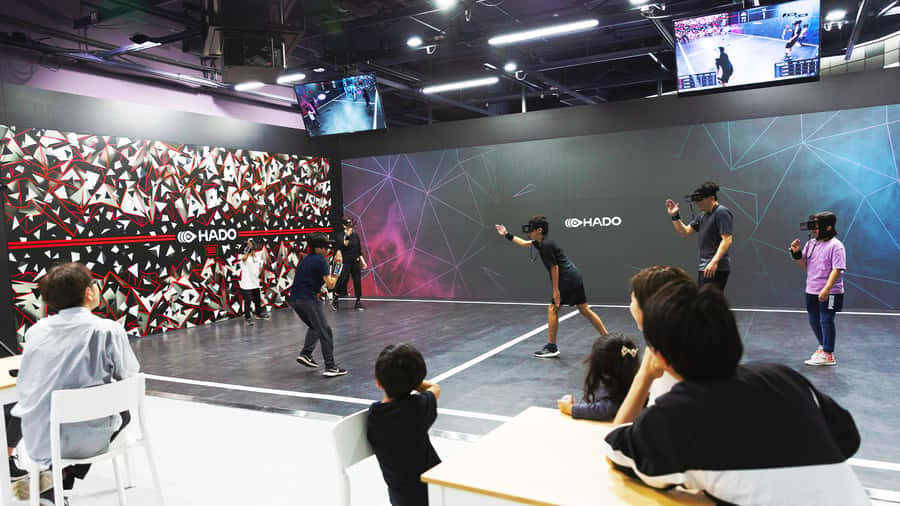
The listed price is 3,000 yen per person, shown at about $20. For a 30-minute activity, that is not the cheapest way to spend half an hour in Tokyo. You should think of the fee as payment for a guided AR game, equipment, venue use, and indoor shoes rather than as admission to a major attraction.
The value improves if you are traveling with children or with friends who want something different from temples, department stores, and observation decks. HADO offers a shared activity. You are not just looking at something, you are taking part in it together.
The price also includes instruction, which matters for first-time players. Without a guide, you might spend much of the session trying to work out the controls. Here, the instructor teaches the rules before the match and helps you get started.
The 30-minute duration can be either a strength or a weakness. It is a strength when you have a tight schedule or want to add a quick activity near other sights. It may feel short if you are paying mainly for a large block of entertainment.
The best comparison is not with a full-day tour. Compare it with another paid indoor activity that gives your group a shared memory. On that basis, the cost is reasonable for families, friends, and visitors who enjoy games.
A Good Choice for Rainy Tokyo Days

Tokyo is easy to explore in bad weather, but long stretches of rain can make an outdoor-heavy itinerary tiring. HADO gives you a way to keep moving without getting wet.
You can schedule it on a rainy weekday afternoon or evening. Weekday availability is listed from 2:00 p.m. to 9:00 p.m., giving you room to fit it around lunch, shopping, or an evening meal.
The late operating hours are useful for visitors who spend the morning at a museum or sightseeing in another part of the city. You should still confirm the exact option and meeting point when booking, since the meeting location can vary.
The indoor setting also helps during very hot or cold weather. You will not need to plan around a long outdoor wait or carry rain gear through the activity. This is especially handy for families, since children can burn out quickly after several hours of city walking.






Playing With Children
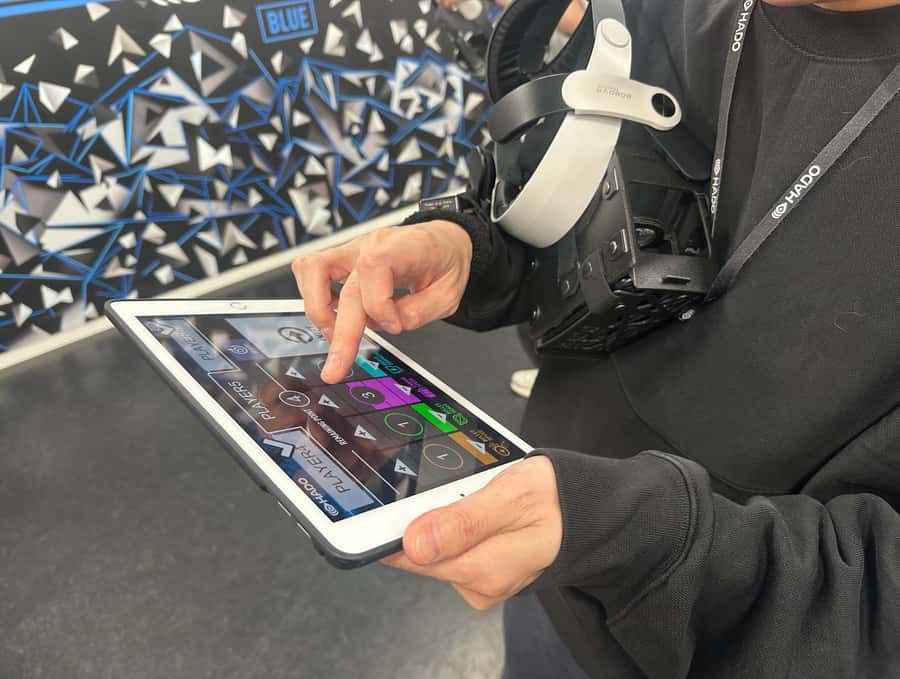
HADO is open to children from age 5, but the rules differ by age. Children aged 5 and 6 must be accompanied by a parent. Children aged 7 and over can take part by themselves.
That makes the activity suitable for a mixed-age family, but parents should think about the child’s comfort with movement and instructions. The game involves dodging and jumping, so a child who dislikes fast action may not enjoy it as much as a child who likes active play.
The instructor’s introduction is important here. Young players can watch the demonstration, try the basic movements, and learn the rules before the match. The first round is also designed to help beginners get used to the system.
The maximum group size is six people. For a family or small group of friends, that is a useful limit. It prevents the activity from becoming an anonymous crowd, though larger groups may need to split their plans or check available options.
Children under 5 cannot take part. That is a firm planning point for families with preschool children. You may need one adult to stay with a younger child while the rest of the group plays.
The Location and How to Plan Your Day

HADO is located near tourist attractions, making it easier to add to a Tokyo sightseeing plan. The information provided does not identify a single fixed meeting address for every booking, so you need to check the location attached to your selected option.
This is more important than it sounds. An attraction inside a large building can take extra time to find, and one review specifically noted trouble locating the correct place indoors. Give yourself a buffer before the scheduled start.
I would plan to arrive early enough to handle three things: finding the building, locating the correct interior meeting point, and getting ready for the activity. This is especially important if you are traveling with children or have a meal reservation afterward.
Because the session lasts only 30 minutes, HADO works well as a supporting activity rather than the main purpose of a day. You might place it near other attractions, then continue sightseeing once the session ends.
The activity finishes back at the meeting point. That keeps the arrangement simple, but you should not assume the venue is right beside your next stop unless you have checked the map and travel time.
Group Size, Language, and Comfort
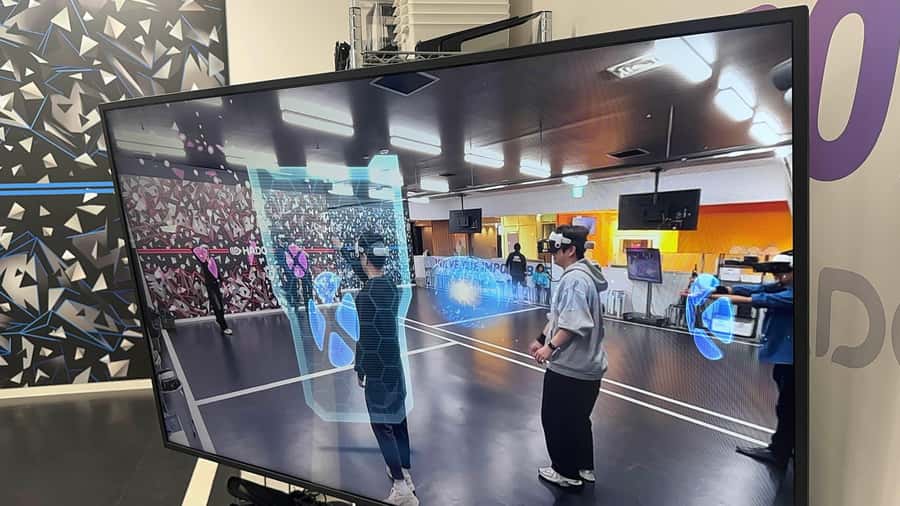
The maximum group size is six. A small group usually makes it easier to hear the instructions and get enough room to move. It also suits families and friend groups who want to play together.
English is available. That does not mean every part of the surrounding venue will necessarily be in English, so the clear meeting instructions still matter. Once you meet the instructor, the rules and demonstration should help you follow the activity.
Indoor shoes are included. The information does not give a detailed clothing requirement, but you should expect to move actively. Comfortable clothes are the sensible choice, especially if you plan to jump and dodge during the match.
There is no indication that this is an accessible or low-movement activity. The supplied information describes beams, jumping, dodging, and active play. If you have mobility concerns, contact the provider before booking rather than assuming the format will suit you.
The activity is not suitable for children under 5. For older children, the parent requirement applies only to ages 5 and 6. From age 7, children may participate on their own.
What the Experience Does Best
The strongest part of HADO is its easy entry point. You do not need to be a gamer, athlete, or expert in AR. The instructor gives you a starting point, and the game teaches you more once the action begins.
It also creates a good change of pace. Tokyo sightseeing can involve a lot of walking and looking. HADO asks you to move, react, and play. That makes it a useful choice when your group wants a break from standard cultural attractions.
The activity is especially appealing to people who like new technology but do not want a passive demonstration. You get a direct role in the game. The beams come from your own movements, and the need to dodge gives the session a physical edge.
The high overall rating of 4.7 from 9 ratings supports the idea that the format works well for many people. Still, the sample is small, and one practical complaint about finding the venue deserves attention. The fun begins only after you reach the right place.
What Could Be Better
The short length may leave some people wanting more. Thirty minutes is enough for an introduction and match, but it is not a long activity. If your group is expecting a full gaming session, check the exact format before you pay.
The price can also seem high if you judge it only by minutes. It makes more sense when you value the instructor, equipment, indoor venue, and group entertainment.
The location instructions are the clearest practical concern. Because the meeting point may vary and the building can be confusing, do not rely on a quick arrival. Save the booking information, check the address, and allow time to find the correct interior spot.
Finally, HADO is not a quiet cultural experience. It is noisy, active, and playful by design. That is precisely why many people choose it, but it may not suit someone looking for a calm afternoon.
Who Should Book HADO?
I would recommend HADO to families with children aged 5 and over, groups of friends, and visitors who enjoy technology-based activities. It is also a smart backup for a rainy weekday in Tokyo.
You should book it if you want a short, social activity that gets everyone moving. The English-speaking instruction and beginner-friendly introduction remove much of the worry about not knowing the rules.
You may want to skip it if you dislike competitive games, cannot comfortably dodge or jump, or want a longer attraction for your money. You should also be ready to spend a few extra minutes finding the correct location inside the building.
For most people, the decision comes down to the kind of Tokyo day you want. If your itinerary already has plenty of temples, shops, and museums, HADO adds a playful modern contrast. At 3,000 yen and 30 minutes, it is a manageable experiment rather than a major commitment.
FAQ
Where does the HADO experience take place?
It takes place in Tokyo, on Honshu, Japan. The exact meeting point may vary depending on the option booked.
How long does the HADO activity last?
The experience lasts 30 minutes.
How much does HADO cost?
The listed price is 3,000 yen per person, or about $20 per person.
What is included in the price?
The price includes the HADO experience ticket and indoor shoes.
Is an instructor present?
Yes. An instructor explains how to play, teaches the rules, and demonstrates the activity before the match.
Is the activity available in English?
Yes. English is listed as an available language.
Can children take part?
Children aged 5 and over can take part. Children aged 5 and 6 must be accompanied by a parent, while children aged 7 and over can experience it by themselves.
Can children under 5 participate?
No. The activity is not suitable for children under 5.
Can I do HADO when it rains?
Yes. HADO takes place indoors, so the activity can be enjoyed regardless of the weather.
When is HADO available?
Weekday sessions are available from 2:00 p.m. to 9:00 p.m. Check the selected booking option for the exact time.
More tours in Tokyo we've reviewed












Tokyo, compared.
 ★ 5.0Mt Fuji and Hakone 1-Day Bus Tour Return by Bullet TrainFrom $163
 ★ 5.01-Day Tokyo Bus TourFrom $129
 ★ 4.6Tokyo: teamLab Planets TOKYO Digital Art Museum Entry TicketFrom $251 day
 ★ 4.0Mt Fuji & Hakone Cruise, Drum Show Bullet Train 1 Day from TokyoFrom $149
 ★ 5.0Tokyo: Shinjuku Food Tour (13 Dishes at 4 Local Eateries)From $86
 ★ 4.4Tokyo Mt Fuji 5th St & Hakone Cruise Bus Tour w/Bullet TrainFrom $15410 hours