Reviewed · TEA CEREMONY & MATCHA
Tokyo:Tea ceremony experience at Komaba Warakuan
Komaba Warakuan offers something many Tokyo tea experiences cannot: a ceremony held through a historic tea school with a direct link to Kobori Enshu and the third Tokugawa shogun. You learn the movements, taste Japanese tea and sweets, and take part rather than simply watch.
In This Article
- Key points to know before booking
- Why Komaba Warakuan feels different from a quick tea demonstration
- Arriving, changing socks and entering the tea room
- Choosing rich tea or light tea
- Learning to make tea instead of only watching
- Tea tools, sweets and the small details
- How much value do you get for $56?
- Finding the location without wasting your morning
- Who will enjoy this tea ceremony most?
- Booking advice and final verdict
- FAQ
- How long does the Komaba Warakuan tea ceremony last?
- How much does the experience cost?
- Is the tea ceremony suitable for beginners?
- What is the difference between rich tea and light tea?
- Is the experience taught in English?
- How many people can join the tea ceremony?
- Are socks and tea tools provided?
- Can I cancel for a full refund?
I like the small four-person limit, which gives the instructor room to teach beginners carefully. I also like the choice between rich tea, suited to quiet concentration, and light tea, where conversation is more relaxed and lively.
The main drawback is practical: the location can be hard to find, and the class is conducted in Japanese. At $56 per person, the price is fair for a small, specialized lesson, but it may feel high if you want only a quick cup of tea.
Key points to know before booking
- Historic school setting: Komaba Warakuan taught the Kobori Enshu school and served as tea ceremony instructor for the third Tokugawa shogun.
- Two distinct tea styles: Choose rich tea for a quieter, more private mood or light tea for a brighter social setting.
- Beginner-friendly instruction: The instructor explains the process and teaches you how to make the tea step by step.
- Small group of four: The limited size allows closer guidance than a large demonstration.
- Tabi socks and tea tools provided: Tabi socks are supplied, and tools such as a folding fan, paper and toothpick are available.
- Allow up to two hours: The listed duration is 90 minutes to two hours, so avoid placing it between tight Tokyo plans.
Why Komaba Warakuan feels different from a quick tea demonstration
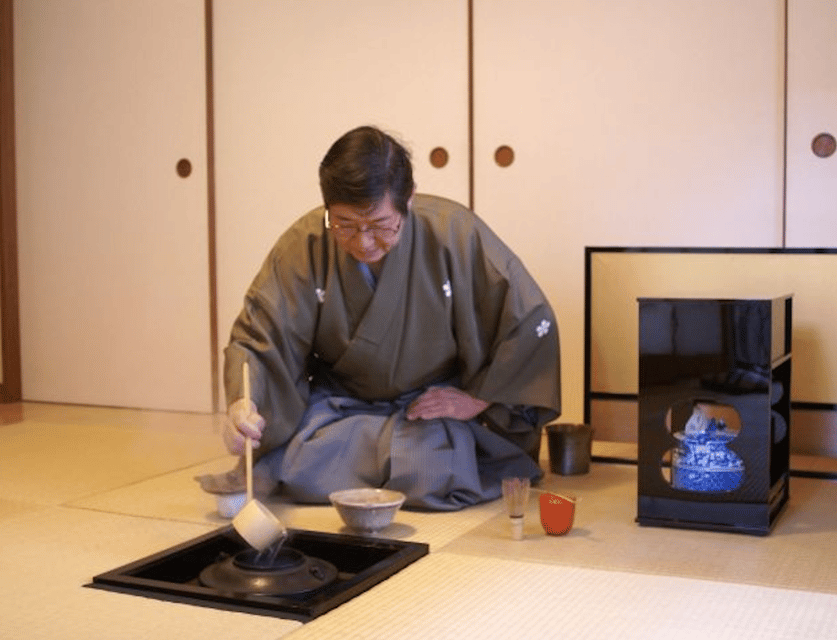
A Japanese tea ceremony can be presented as a polished show for visitors, with little chance to understand what your hands and posture are doing. Komaba Warakuan takes a more useful approach for beginners. You receive an explanation of the process, change into tabi socks, walk through the open ground to the tea room, and receive instruction before making tea yourself.
That sequence matters. The tea room is not just a backdrop for photographs. The walk into it, the clothing change and the careful preparation help mark a shift from ordinary sightseeing to a formal cultural activity. You may not master every movement in one sitting, but you will understand why the ceremony has such a deliberate pace.
The school’s connection to Kobori Enshu gives the experience a stronger cultural frame. Kobori Enshu was associated with a tea tradition known for refined design and formal practice. You are not simply being shown a generic Japanese custom. You are learning inside a school connected with a particular lineage.
The information provided does not give the instructor’s name, so you should not expect a named celebrity teacher. What is clear is that the instructor teaches in Japanese and is prepared to explain the process carefully to first-time participants.
A few more Tokyo tours and experiences worth a look

Arriving, changing socks and entering the tea room
The experience begins with an explanation of how the session will work. This is useful if you know little about tea ceremony etiquette, since the order of events can otherwise feel mysterious. Listen closely at this stage, especially if you are unsure when to bow, how to handle the bowl or where to place your hands.
You then change into tabi socks. Tabi are traditional Japanese socks with a separate section for the big toe. They are provided, although you can bring your own pair if you prefer.
After changing, you are led to the tea room through the open ground. The available details do not specify whether the route includes stairs or how far you walk, so wear clothing that allows easy movement and arrive ready to remove ordinary footwear. Because the location has caused trouble for some people to find, give yourself extra time and study the meeting instructions before leaving.
This arrival routine is one of the experience’s appealing details. It gives you a small taste of the etiquette surrounding a tea room, instead of dropping you straight into a seated lesson. It also means the activity feels more like entering a traditional school than attending a standard food-and-drink workshop.
Choosing rich tea or light tea
Your biggest decision is the tea plan. The two options are not just different strengths of the same drink. They set different moods for the ceremony.
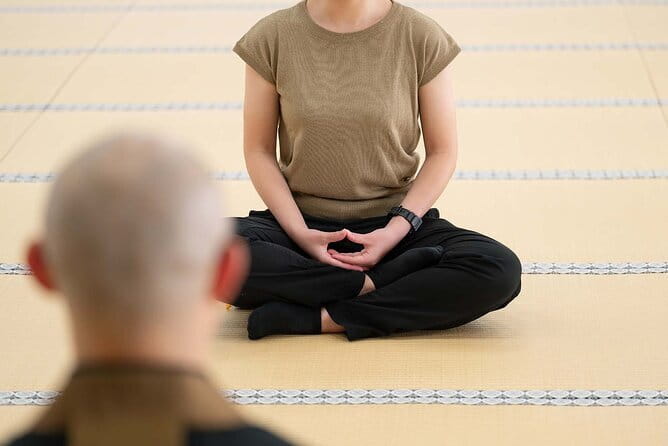
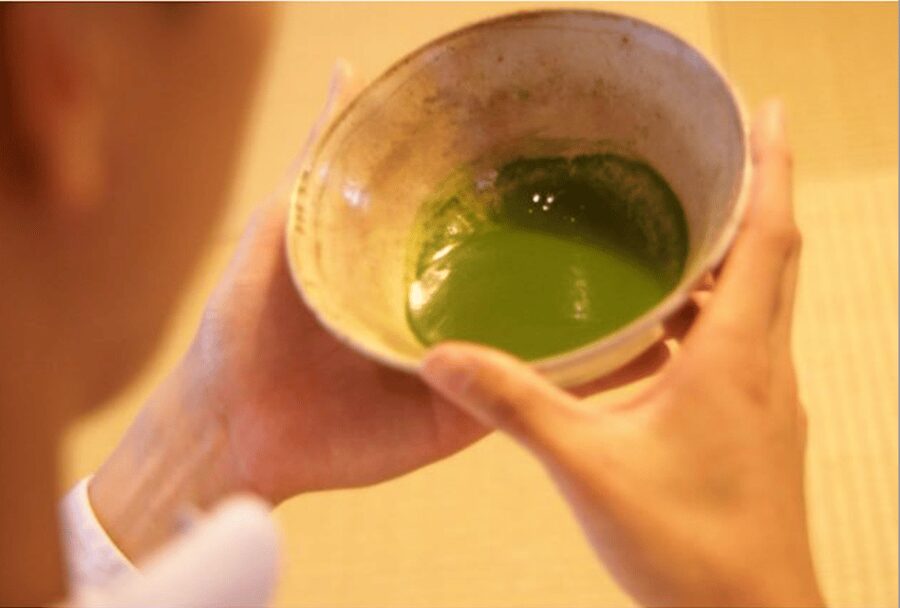
Rich tea, described as a quiet seat, is suited to people who want a more focused and restrained experience. The tea is prepared in a thicker style, and the setting is intended for quiet attention. Choose this option if you are interested in the formal side of tea ceremony or prefer a calm session with less conversation.
Rich tea may be the better choice for a solo visitor, a couple looking for a reflective activity or anyone who wants to pay close attention to the utensils and movements. You should also expect the flavor to be more intense than light tea. If you are sensitive to strong green tea, keep that in mind before choosing.
Light tea, described as the seat of the sun, offers a brighter and more conversational mood. The session allows lively conversation, so it may suit families, friends and first-time participants who feel more comfortable learning through questions and discussion.
Neither plan is presented as the correct choice. The useful point is that you can match the tea to your personality. Pick rich tea for quiet formality. Pick light tea if you want an easier social setting.
All three available courses include Japanese tea and traditional sweets. The supplied information does not spell out the third course in detail, so check the exact plan name and inclusions when you select a time. Do not assume that every course has the same mood as rich tea or light tea.
Learning to make tea instead of only watching
After the introduction, the instructor teaches you how to make the tea. This is the heart of the visit, and it is where the small group matters most.
A group of up to four participants creates space for individual correction. You can watch the instructor, copy the movements and ask for help without competing with a busload of people. For a first tea ceremony, that personal attention is worth more than a long list of included extras.
The class is conducted in Japanese. That is the clearest practical limitation. The supplied information does not promise interpretation or instruction in English, French, Italian or another language. If you do not speak Japanese, expect to learn through demonstration, simple explanation and careful observation rather than a full translated lecture.
This does not make the session unsuitable for beginners. The activity is specifically designed to teach newcomers, and the instructor is described as explaining each part carefully. Still, you should be comfortable following visual instruction and accepting that some historical or etiquette details may be difficult to understand fully.
Tea ceremony rewards patience. You may find that the most valuable part is not producing a perfect bowl, but noticing the order of actions: how the tools are handled, how the tea is prepared and how the room is approached. The session gives you a practical memory of the ceremony rather than a vague impression that it was formal.
Tea tools, sweets and the small details
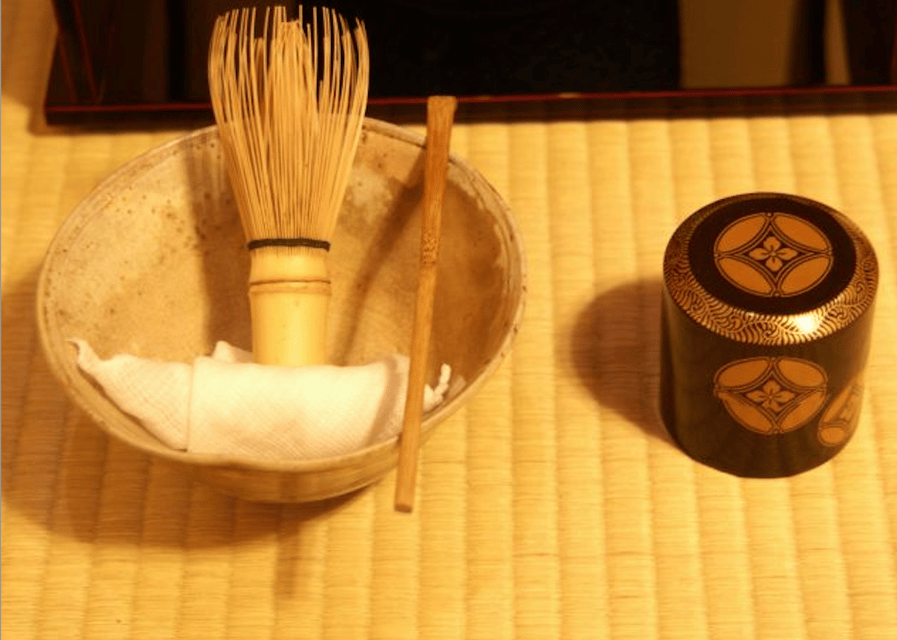
Fukusa scissors are listed among the supplied items, along with a folding fan, paper and toothpick. The wording appears to refer to the traditional tea tools and accessories used during the ceremony. These are provided for participants, so you do not need to bring a personal tea set.
If you already own the appropriate items, you are welcome to bring them. That option may appeal to someone who studies tea ceremony or has practiced at home, but beginners should not feel pressured to arrive with special equipment.
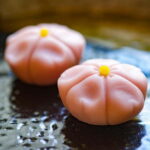
The traditional sweets are an important part of the tasting. In tea ceremony, sweets help prepare your palate for the bitterness of the tea. They also add a small seasonal and visual element to the experience, although no specific sweet is guaranteed in the details provided.
Because the activity includes both tea and sweets, it works well for someone seeking a cultural food experience without committing to a full meal. It is not a cooking class, and the focus remains on ceremony, etiquette and tea preparation.





How much value do you get for $56?
At $56 per person, this is not the cheapest way to taste matcha or green tea in Tokyo. You can find a drink and sweet for far less. The price makes more sense when you consider what is included: a 90-minute to two-hour lesson, a small group capped at four, traditional sweets, tea, equipment and an instructor-led visit in a historic school.
The value depends on what you want from the afternoon. If you want a quick cultural photo opportunity, the cost may seem steep, especially after one Italian participant felt the price was high compared with other options. If you want structured instruction and a quieter setting tied to a specific tea tradition, the fee is easier to justify.
The school’s history is the main reason to choose this over a casual café ceremony. Its connection with Kobori Enshu and the third Tokugawa shogun gives the lesson context that a modern commercial tea room may not provide.
I would also factor in the group size. A four-person limit is a real benefit for a hands-on lesson. You are paying not just for tea, but for room to practice and receive direction.
Finding the location without wasting your morning
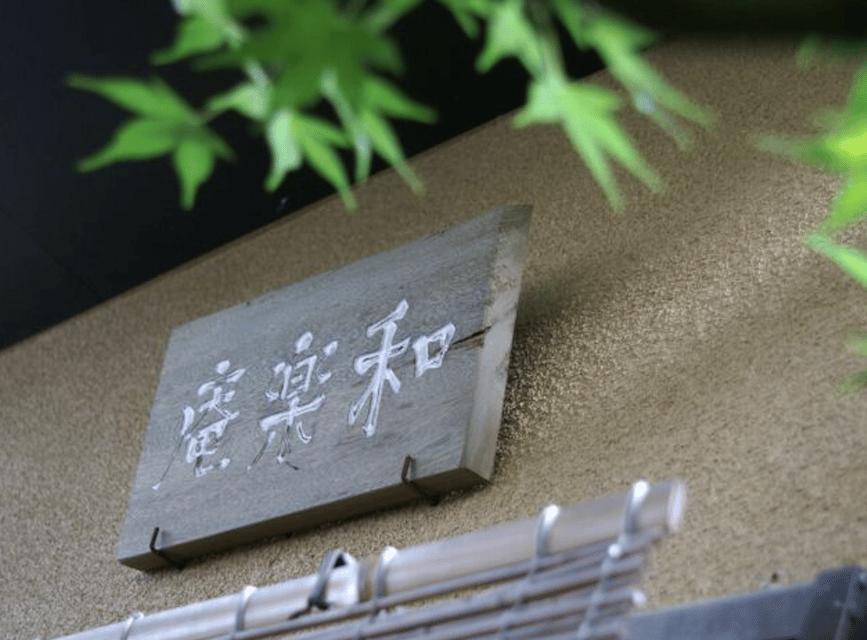
Directions are the weakest part of the experience. Several details point to difficulty finding the site, including one family that had great trouble locating it. Better pictures of the entrance would help, and the description does not provide a simple landmark or transport route.
Plan for this before you leave. Save the meeting information, check the map pin carefully and allow extra time. Do not assume that being in a central Tokyo neighborhood means the entrance will be obvious. Traditional schools can occupy quiet or less clearly marked premises, and arriving late could cut into the teaching time.
This is especially important because the full activity may last two hours. A late arrival could mean missing the introductory explanation, the sock change or part of the tea-room entry sequence. Build a cushion before dinner, a museum reservation or a train connection.
Once you find the site, the open-ground approach to the tea room becomes part of the experience rather than another navigation problem. The trick is to solve the practical challenge before the ceremony begins.
Who will enjoy this tea ceremony most?
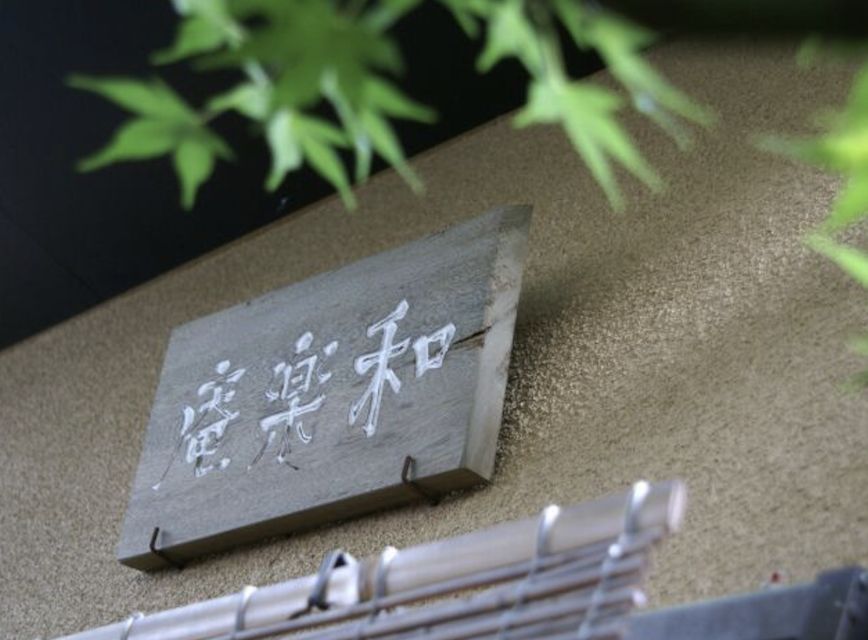
This is a strong match for first-time visitors who want to understand what happens during a Japanese tea ceremony. You do not need prior experience, and the instructor teaches the preparation rather than expecting you to know the gestures already.
Families can also consider it. The activity has been suitable for children aged 14 and 11, with the older child and younger child both able to learn from the ceremony. The Japanese-only instruction may require extra patience for children, but the hands-on format gives them something concrete to follow.
Choose the light tea plan if your group enjoys conversation and wants an easiergoing atmosphere. Choose rich tea if everyone is comfortable with silence and wants to focus on the formal side of the tradition.
This may not suit you if you need English instruction, dislike sitting through a careful ritual or have only a short gap in your Tokyo schedule. It is also less suitable if your main goal is simply to drink tea cheaply.
Booking advice and final verdict
Komaba Warakuan is a good choice when you want a small, hands-on cultural lesson rather than a staged performance. Its strongest features are the four-person limit, beginner-friendly teaching, traditional sweets and the school’s important connection to Japanese tea history.
Book it if you value authenticity, patience and context, and if $56 feels reasonable for nearly two hours of instruction. Pick the tea style to match your mood, then allow extra time to find the entrance.
Skip it if you need multilingual guidance, have a tight schedule or are comparing prices only by the cost of the tea itself. For the right visitor, this is a thoughtful way to spend part of a Tokyo day, but it asks you to slow down and pay attention.
FAQ
How long does the Komaba Warakuan tea ceremony last?
The experience lasts between 90 minutes and two hours. Starting times vary, so check availability when booking.
How much does the experience cost?
The listed price is $56 per person. The experience fee and tax are included.
Is the tea ceremony suitable for beginners?
Yes. The instructor explains the process and carefully teaches participants how to make the tea.
What is the difference between rich tea and light tea?
Rich tea is intended as a quieter, more focused setting. Light tea offers a brighter atmosphere with more lively conversation. Choose the plan that best matches your preference.
Is the experience taught in English?
The instructor language is Japanese. No English-language instruction is listed.
How many people can join the tea ceremony?
The experience is limited to four participants, making it a small-group lesson.
Are socks and tea tools provided?
Tabi socks are provided, and you may bring your own. Tools and accessories including a folding fan, paper and toothpick are also provided, although you may bring your own items if you have them.
Can I cancel for a full refund?
You can cancel up to three days in advance for a full refund.
More Tea Ceremony & Matcha in Tokyo


More tours in Tokyo we've reviewed












Tea Ceremony & Matcha, compared.
 ★ 5.0Matcha Making Class in Tokyo with Authentic Japanese Sweets SetFrom $21
 ★ 5.0Kimono Tea Ceremony at Tokyo, Asakusa MaikoyaFrom $55
 ★ 5.0Tokyo: Traditional Tea Ceremony with a Tea MasterFrom $381 hour
 ★ 4.5Dynamic Tokyo: Tokyo Tower, Tea Experience, Bay Cruise Day TourFrom $99
 ★ 4.9Tokyo: Matcha Making Experience with Mochi Sweets in AsakusaFrom $221 hour
 ★ 4.7Tokyo: Matcha and Kimono ExperienceFrom $57