Reviewed · TOURS
From Osaka: Kyoto & Nara Highlights Day Tour (7 attractions)
Nara’s deer, Kyoto’s scarlet torii gates, and the golden Phoenix Hall at Byodoin all fit into one long day from Osaka. That is the appeal here: you get a quick but meaningful look at seven major sights without sorting out regional trains, bus connections, or temple locations yourself. The small-group minivan also makes this feel more personal than a large coach tour.
In This Article
- Key points to know before booking
- A long but efficient day from Osaka
- Nara Park and the deer
- Todaiji Temple and the Great Buddha
- Kasugataisha’s lantern paths
- Byodoin and the Phoenix Hall in Uji
- Uji Omotesando and a self-paid lunch
- Fushimi Inari’s vermilion torii
- Kiyomizu-dera and the Kyoto view
- What the $53 price really covers
- Guides, group feel, and comfort
- Pace, crowds, and the real tradeoff
- Who should book this day tour
- Should you book it?
- FAQ
- Where does the tour start and finish?
- What languages are available?
- Is lunch included?
- Are temple admission fees included?
- Can I bring a stroller or wheelchair?
- Is an infant charged?
- Can the itinerary change?
I like the mix of famous places and free time, especially the chance to eat Uji matcha treats on your own schedule. I also like the guides’ practical help. Jo, Min, Jeon, and Tae Hyun are specifically praised for clear English, safe driving, photos, food tips, and patient assistance. The tradeoff is simple: this is a packed day, and one person found the pace too much, with limited time for historical explanation at some stops.
Key points to know before booking
- Seven major sights in one day: Visit Nara Park, Todaiji Temple, Kasugataisha Shrine, Byodoin Temple, Uji Omotesando, Fushimi Inari Taisha, and Kiyomizu-dera.
- A small-group minivan format: The vehicle and group size can make transfers easier and more relaxed than a big bus.
- Lunch is in Uji: Food is not included, but you can choose from local restaurants and try Uji’s famous matcha sweets.
- The guides add practical help: Jo, Min, Jeon, Min, and Tae Hyun have been praised for friendly service, safe driving, photos, cultural explanations, and restaurant suggestions.
- Expect crowds and a long day: Kyoto’s best-known temples and shrines can be packed, and the itinerary may change with traffic, weather, or the legal vehicle limit.
- The price is low, but admissions cost extra: At $53 per person, transport and guiding are included, while entrance fees, meals, insurance, and personal spending are not.
A long but efficient day from Osaka
Meet in front of Tsurutontan Soemoncho before 7:50 AM for an 8:00 AM departure. Jtourstory staff will be waiting at the meeting point, and the tour returns there at the end of the day.
The route covers two major cultural centers, Nara and Kyoto, with Uji between them. That means you are not simply visiting one temple district at a leisurely pace. You are crossing several destinations in one day, so the value comes from seeing a lot with minimal planning.
Transportation and an English or Korean-speaking guide are included. The small-group minivan setup is especially useful for this route. You can sit back during the longer transfers instead of managing train platforms and local connections. The downside is that road traffic can affect the day, particularly when moving between Nara, Uji, and Kyoto.
Japanese law limits vehicles to 10 hours of operation. If traffic or weather causes trouble, the guide may adjust the route or time spent at each place. Go in expecting a carefully managed overview, not an unhurried study of every temple.
If you're still narrowing it down, here are other tours in Tokyo we've reviewed.
Nara Park and the deer
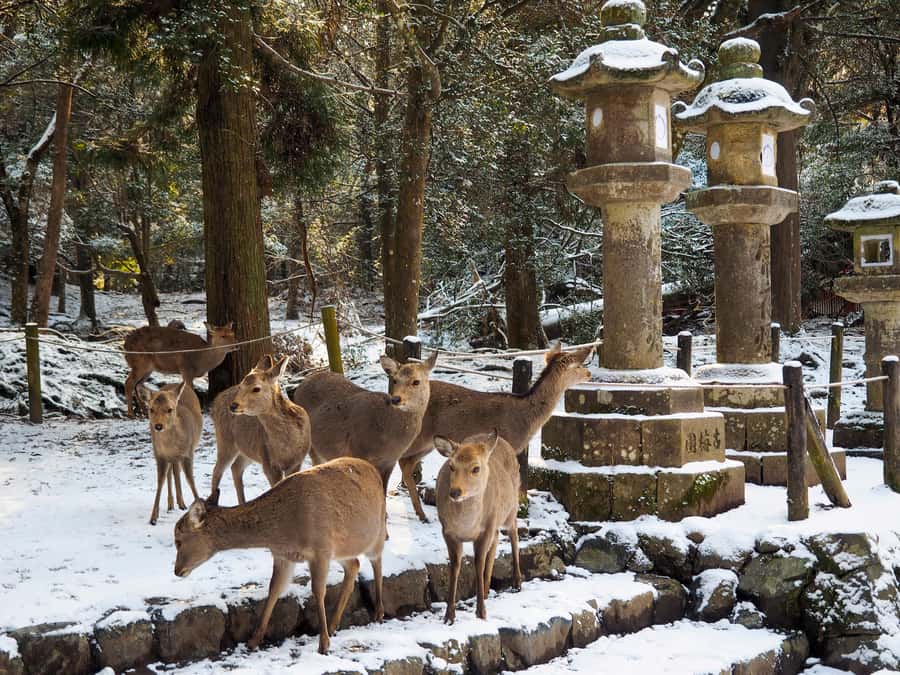
Nara Park is the first stop, and it gives you an immediate change of pace from Osaka. Hundreds of deer roam freely around the park, often close to the paths and temple grounds.
You can interact with the deer and feed them. They are accustomed to people, but you still need to pay attention and follow local guidance. Keep food controlled, move calmly, and watch your belongings. The appeal is not just the animals. The open park, old religious buildings, and wooded setting give Nara a calmer feel than central Kyoto.
Weather matters here. Rain can make the visit less comfortable, and one family had wet conditions during its time in the park. Still, the park is a memorable opening stop because it gives you something different before the temples begin.
You may have time to walk at your own pace, but do not assume this is a long nature outing. The schedule must also allow for Todaiji and Kasugataisha. If deer are your main reason for booking, keep your expectations realistic. The tour includes an encounter, not a full morning devoted only to the park.
Todaiji Temple and the Great Buddha

Todaiji is one of the day’s most powerful stops. Inside its huge wooden hall sits the Great Buddha, one of Japan’s largest bronze Buddha statues.
The scale is the point. Even if you have visited several temples already, Todaiji gives you a different visual experience through its size and monumental interior. The building and statue show how religious sites could also serve as major public projects.
Admission is not included, so bring money for the entrance fees at the attractions you choose to enter. The tour description lists admission fees and activity charges among the exclusions, but does not give a total amount. That makes it wise to budget separately rather than treating the $53 price as an all-inclusive ticket.
Crowds can affect the experience. At popular temples, you might find it difficult to linger inside or get a clear view of every detail. Your guide can help you understand the main features, but the amount of explanation and free time will depend on the day’s conditions.
Kasugataisha’s lantern paths
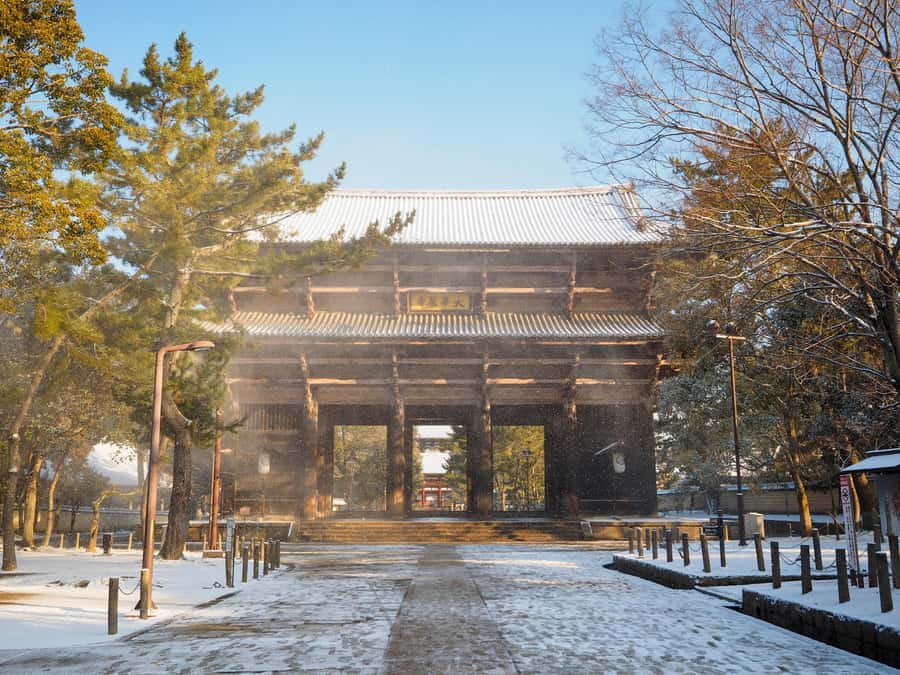
Kasugataisha Shrine shifts the mood from the massive hall at Todaiji to a more atmospheric Shinto setting. Its paths are decorated with hundreds of stone and bronze lanterns, creating a quieter, more ceremonial feel.
This is a good place to notice the difference between Buddhist and Shinto spaces. You are not just collecting buildings for photographs. The shrine’s lanterns, forest paths, and sacred layout help show how Japanese religious traditions use architecture and setting together.
The visit is likely to suit you if you enjoy atmosphere as much as famous landmarks. It may feel less dramatic than Todaiji at first glance, but the details reward slower looking. On a tight day, though, you may not have as much time as you would on a private walking tour.
The guide’s role is useful here. Jeon was praised for explaining facts throughout the trip, while Min was described as giving detailed cultural and historical information. Ask questions when the group pauses, since the route leaves little room for extended talks at every site.
Byodoin and the Phoenix Hall in Uji
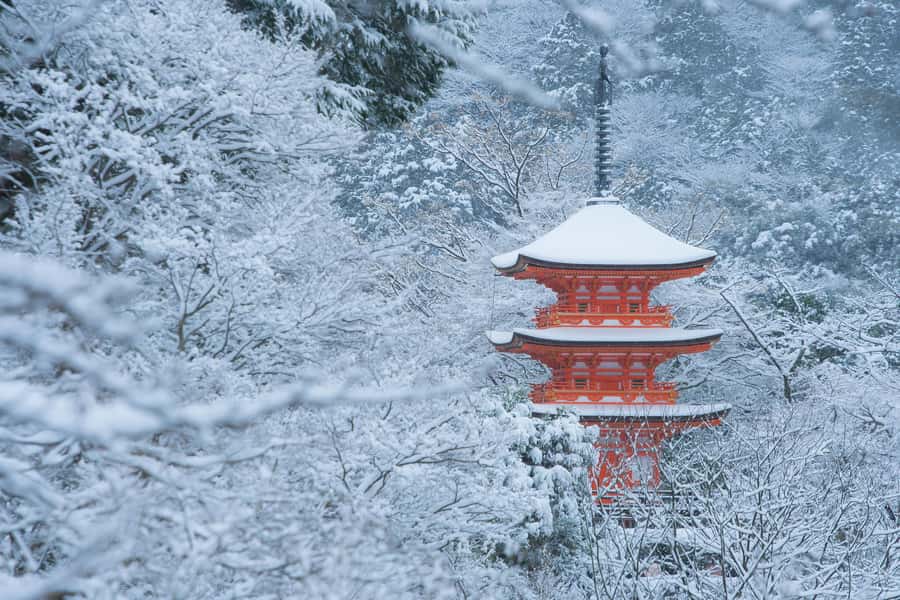
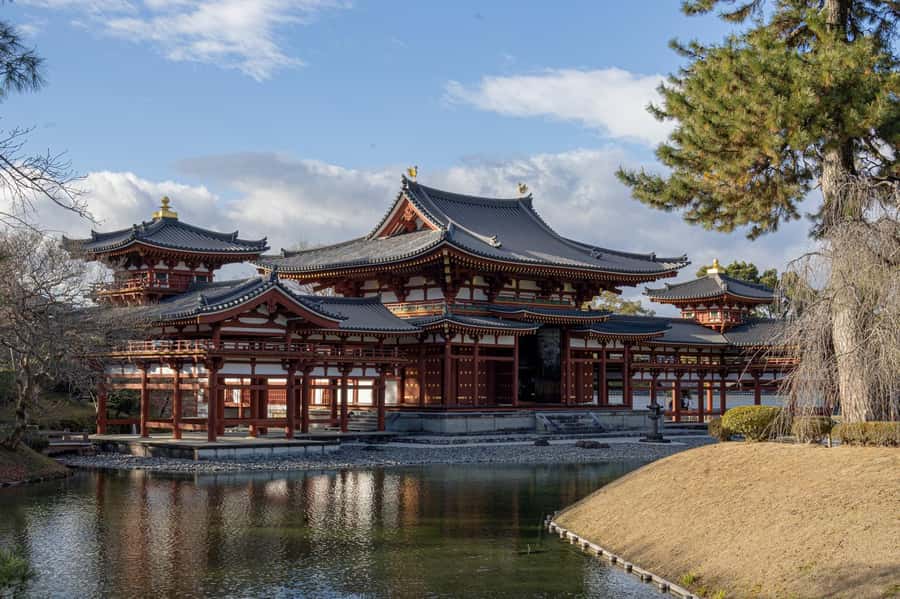
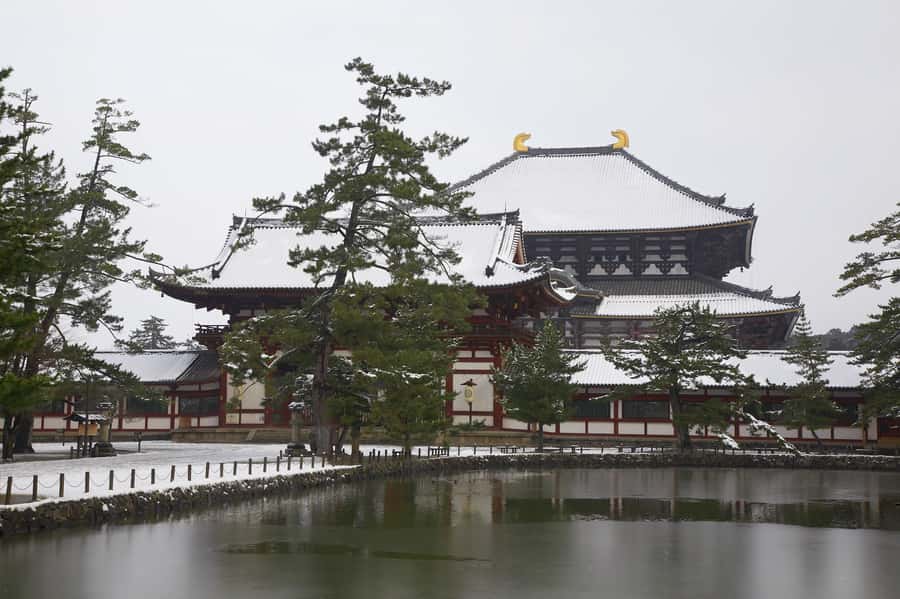
Byodoin Temple is the visual centerpiece of Uji. Its Phoenix Hall sits beside a pond, with its golden form reflected in the water. The building is also pictured on Japan’s 10-yen coin, a detail that makes the visit especially satisfying once you recognize the image.
The setting gives you a welcome pause after Nara’s large temple grounds. Look across the pond before rushing toward the next photograph. The reflection, roofline, and surrounding water are what make Byodoin memorable.
Entrance fees are not included, and the exact admission amount is not provided. You should also allow for the possibility that access to certain areas or activities may depend on conditions at the site.
Byodoin is one of the places where a guide can add useful context. Without explanation, you may simply see a beautiful hall beside a pond. With a short introduction, you can connect the building to Japanese Buddhist art and to the everyday coin you may already have in your pocket.


Uji Omotesando and a self-paid lunch
After Byodoin, you have time around Uji Omotesando, a traditional street lined with tea houses and food shops. This is the most flexible meal stop of the day.
Lunch is at your own expense, which is both a limitation and an advantage. You pay separately, but you are not locked into one group menu. You might choose udon, fried rice, a duck burger, or another local option. One group enjoyed udon, while another split up and found fried rice and duck burgers.
Uji is known for matcha, so this is the natural place to try matcha sweets or drinks. The street setting also gives you a chance to browse rather than simply eat and leave. If you are watching costs, ask your guide for suggestions before ordering. Min and Jo have been praised for useful restaurant recommendations.
Do not expect a long independent lunch if traffic has already cut into the schedule. The tour needs to reach Fushimi Inari and Kiyomizu-dera later in the day. Still, Uji is an important part of the route because it breaks up the temples with food, shops, and a little personal choice.
Fushimi Inari’s vermilion torii
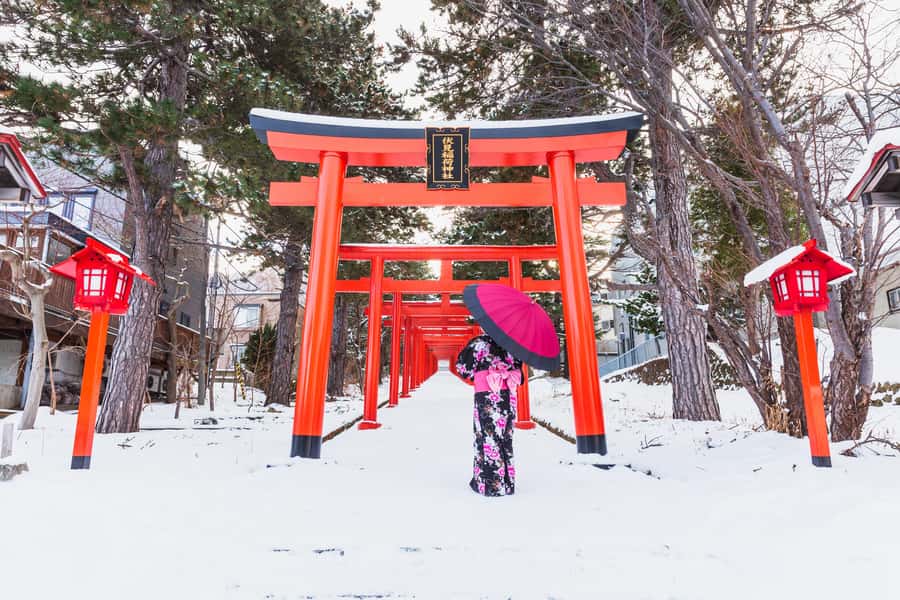
Fushimi Inari Taisha is famous for its thousands of vermilion torii gates, which form tunnels along Mount Inari. This is the kind of place you recognize immediately from photographs, but walking beneath the gates gives you a much stronger sense of their scale.
The main route can be crowded, particularly near the lower entrance. You may need patience for photographs, and you should not assume you will walk the entire mountain trail during this tour. The schedule includes several other major stops, so your time here will likely focus on the most accessible section.
Even a shorter walk can be worthwhile. The repeated gates create a striking rhythm, and the path feels different from the open spaces at Nara Park or Byodoin. Take a moment to look at the inscriptions on the gates if the crowd allows. They reflect the way individuals and businesses support the shrine.
This is also a place where comfortable shoes matter. The route includes walking, steps, and uneven surfaces across multiple sites. The tour is stroller-friendly if you tell the provider in advance, but it is not wheelchair-accessible.
Kiyomizu-dera and the Kyoto view
Kiyomizu-dera is the final major stop, and its wooden terrace gives the day a strong finish. From the elevated stage, you can look across Kyoto and see the city framed by the temple grounds and surrounding hills.
Season changes the character of the visit. Cherry blossoms are the draw in spring, while maple leaves color the grounds in autumn. The description does not promise a particular seasonal display, so book this for the temple and view first, with seasonal scenery as a bonus.
The temple is popular, and crowds can be heavy. You might find that the most famous buildings are easier to appreciate from outside than inside, especially when the site is full. The nearby streets and market areas can also be crowded and tourist-focused, with prices aimed at visitors.
This is where the guide’s practical help can save time. Jo has been praised for leading the group from place to place, taking photos, and helping a slower walker. If you want photographs of your group, let the guide know early rather than waiting until the last few minutes.
What the $53 price really covers
At $53 per person, this tour is priced as a transport and orientation service rather than a fully paid sightseeing package. You are paying for the minivan, the guide, and the convenience of linking Nara, Uji, and Kyoto in one day.
That is a strong value if you want a broad first look and do not want to manage the logistics yourself. Rail fares, local buses, transfers, and entrance fees can add up when you arrange this route alone, and the time savings have real value during a short Osaka visit.
The price does not cover meals, admission fees, activity charges, travel insurance, or personal expenses. Plan for lunch in Uji and additional money at the temples and shops. The tour page does not list the total admission cost, so check current fees when planning your budget.
The price is less compelling if you prefer deep time at one or two sites. A self-planned day could let you stay longer at Fushimi Inari, walk farther at Nara Park, or spend more time in Uji. This tour makes the most sense when breadth matters more than a slow pace.
Guides, group feel, and comfort
The strongest personal element is the guide service. Jo has been praised for finding the meeting point easily, speaking very good English, driving safely, offering history, suggesting food, taking photos, and helping a slower walker. Min has been praised for detailed explanations, restaurant tips, photo spots, and attentive care.
Jeon has been described as friendly and helpful, with interesting facts during the trip and useful Osaka dinner suggestions. Tae Hyun has been praised for safe driving and making a family feel comfortable. English and Korean guiding are available, though the guide assigned to your departure may vary.
The small group and minivan can make the day feel almost private, particularly when your group is small. A one-year-old can join free of charge, but no seat is provided for the infant. Families should consider how comfortably the child can manage a full day with walking and several transfers.
The tour is stroller-friendly if you inform the provider that you are bringing one. It is not wheelchair-accessible, so anyone needing wheelchair access should not book this route without a direct confirmation about their needs.
Pace, crowds, and the real tradeoff
The best way to understand this tour is as a highlights circuit. You will see many of the places people most want to see in Nara and Kyoto, but you will not have unlimited time at any of them.
One person found the day too much like a marathon, with short visits and not enough historical explanation. That criticism is fair as a warning, even though other experiences describe plenty of time at each stop. The difference may come from traffic, weather, crowd levels, walking speed, and the guide’s handling of the day.
Crowds are another real issue. Kiyomizu-dera, Fushimi Inari, Todaiji, and the surrounding market streets are popular. You may need to wait for photographs, move with the flow, or accept that the inside of a temple will be harder to see clearly.
I would wear comfortable shoes, carry water, and keep lunch flexible. Leave room in your budget for entrance fees and snacks. Most important, arrive early at the meeting point, before 7:50 AM, because a late start can put pressure on every later stop.
Who should book this day tour
I would choose this tour if you are staying in Osaka and want to see Nara and Kyoto’s major sights in one day. It is especially useful for a first visit, a short trip, families who prefer assisted transport, and anyone who would rather have a guide handle the route.
You are also likely to appreciate it if food matters almost as much as temples. Uji gives you a proper lunch break and a chance to try matcha, while the guides can point you toward udon, fried rice, duck burgers, and other options.
I would hesitate if you dislike crowds, need long quiet periods, or want detailed teaching at every stop. A private or slower custom day would suit those needs better. The tour’s value depends on accepting the schedule and using free moments wisely.
Should you book it?
Book this tour if you want a high-value overview of Nara and Kyoto from Osaka, with transport, a guide, and seven well-known cultural stops for $53. The combination of deer, the Great Buddha, lantern paths, Uji tea culture, torii gates, and Kyoto views gives you a broad first taste of the region.
Skip it if you want to linger, hike far up Mount Inari, or spend a full afternoon at one temple district. This is a busy day, but the right guide can make it feel organized and personal. Arrive ready for crowds, walking, extra entrance fees, and a late return, and you will be in a good position to enjoy what the tour does best.
FAQ
Where does the tour start and finish?
Meet in front of Tsurutontan Soemoncho before 7:50 AM for the 8:00 AM departure. The tour ends back at the same meeting point.
What languages are available?
The tour includes an English or Korean-speaking guide. Guides named in the available information include Jo, Min, Jeon, and Tae Hyun, but the assigned guide can vary.
Is lunch included?
No. Lunch is taken at Uji Omotesando and paid for separately. You can choose from local restaurants and try Uji matcha treats.
Are temple admission fees included?
No. Admission fees and activity charges are not included in the $53 price. Meals, insurance, and personal expenses are also excluded.
Can I bring a stroller or wheelchair?
The activity is stroller-friendly, but you must inform the provider if you are bringing a stroller. It is not wheelchair-accessible.
Is an infant charged?
Infants are free of charge, but no seat is provided for the infant.
Can the itinerary change?
Yes. Traffic, weather, seasonal conditions, and the legal 10-hour vehicle operating limit can affect the route and the time spent at each stop.
More tours in Tokyo we've reviewed




Tours, compared.
 ★ 5.0Mt Fuji and Hakone 1-Day Bus Tour Return by Bullet TrainFrom $163
 ★ 5.01-Day Tokyo Bus TourFrom $129
 ★ 5.0Tokyo: Shinjuku Food Tour (13 Dishes at 4 Local Eateries)From $86
 ★ 4.4Tokyo Mt Fuji 5th St & Hakone Cruise Bus Tour w/Bullet TrainFrom $15410 hours
 ★ 5.0Flagship 2-Hours Official Street Go-Kart Tour – Tokyo Bay ShopFrom $642 hours to 2 hours 30 minutes (approx.)
 ★ 4.7Tokyo: Mt. Fuji Tour, Hakone Ropeway, Owakudani, Lake AshiFrom $5410 hours