Reviewed · MT FUJI DAY TRIPS
Private Hakone Tour – View of Mt. Fuji, Nature and Culture
Hakone packs volcanoes, hot springs, Shinto worship, mountain railways, and possible Mt. Fuji views into one long day. This private tour makes the complicated part easy: your guide meets you at your hotel, helps you reach the right station, and leads you through trains, buses, boats, ropeways, and mountain railways without leaving you to decode the system alone.
In This Article
- Key points to know before booking
- Why this private Hakone day works
- 7:30 AM pickup and the ride to Odawara
- Hakone-Yumoto and the mountain route
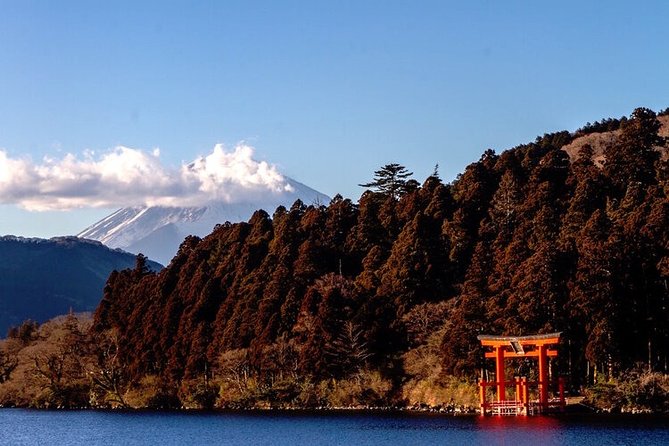
- Hakone Shrine and the torii in the water
- Lake Ashi by sightseeing boat
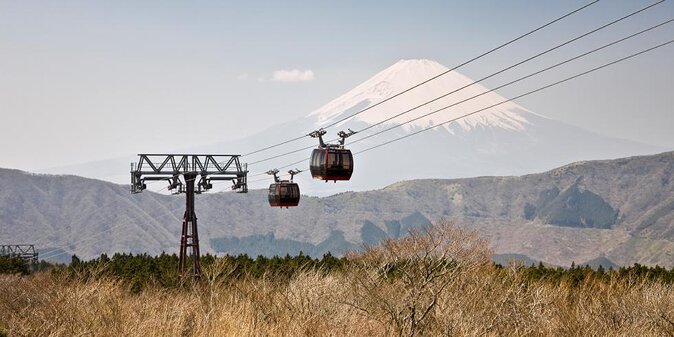
- Riding the Hakone Ropeway above the volcano
- Owakudani, sulfur fumes, and black eggs
- From Gora’s cable car to your final choice
- The Hakone Open-Air Museum
- The traditional onsen
- Hakone-Yumoto, Odawara, and the return to Tokyo
- What $867 per person really buys
- Walking, weather, and the day’s real demands
- Who should book this Hakone tour?
- Should you book it?
- FAQ
- Where does the tour begin?
- How do I reach the bullet train?
- Is the bullet train included?
- How long is the tour?
- Is this a private tour?
- Can I choose between the Open-Air Museum and an onsen?
- How much walking is required?
- Is Mt. Fuji guaranteed to be visible?
I like the private format, which gives you room to ask questions and choose between the Open-Air Museum and a traditional onsen. I also like the clever mix of nature and culture, from the red torii gate at Hakone Shrine to the sulfur vents of Owakudani. The tradeoff is a demanding schedule with roughly 9 to 12 kilometers of walking, stairs, slopes, and transfers, all for a steep $867 per person.
Key points to know before booking
- Your day starts at your hotel: Pickup runs between 7:30 and 8:30 AM, depending on your location, with help getting to Tokyo or Shinagawa Station.
- The bullet train saves valuable time: Round-trip Shinkansen travel between Tokyo and Odawara is included.
- Lake Ashi and the ropeway provide two Fuji viewpoints: Both depend on weather, so clear skies matter.
- Owakudani adds a volcanic twist: You can see sulfur fumes and try the famous black eggs included in the tour.
- You choose the final major stop: Spend about 90 minutes at the Hakone Open-Air Museum or at a traditional onsen.
- This is active sightseeing: You need to walk unaided, manage stairs and slopes, and board buses independently.
Why this private Hakone day works
The best feature here is not one attraction. It is the way the day links several kinds of Japan without asking you to plan the connections yourself. Hakone is spread across a mountainous area, and the route uses a local train, sightseeing boat, ropeway, cable car, buses, and bullet train.
That variety keeps the day interesting, but it also makes independent planning a little fussy. A private guide can explain what you are seeing while keeping an eye on the clock. You are not simply being moved from stop to stop. You have someone to answer questions, help with directions, and explain Shinto customs at the shrine.
If Yasu is your guide, you may especially appreciate help with Tokyo’s subway and station maze. One particularly useful part of the experience is the morning handoff from your hotel to the correct long-distance train. You can ask to go by subway or taxi to Tokyo or Shinagawa Station, though those local transport costs are not included.
The tour is designed for one private party only. That makes it a better fit for families, couples, or friends who want to move at their own pace rather than join a larger group. It does not turn the day into a relaxed stroll, however. The route remains long and active.
A few more Tokyo tours and experiences worth a look
7:30 AM pickup and the ride to Odawara
Your guide meets you in your hotel lobby at a time between 7:30 and 8:30 AM, based on the hotel’s location. From there, you travel to either Tokyo Station or Shinagawa Station by subway, or by taxi if you prefer.
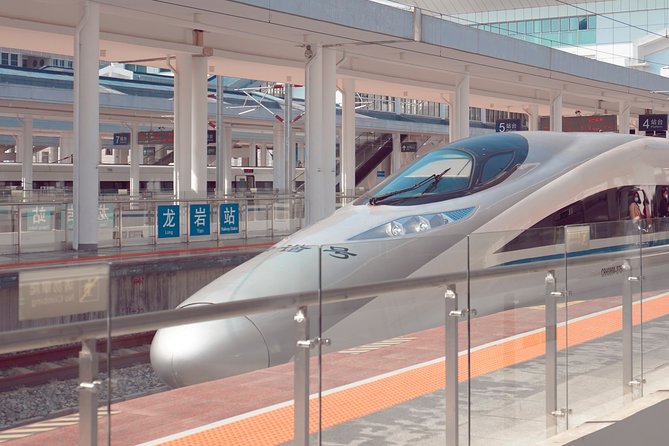
The tour includes the bullet train from Tokyo to Odawara, but not the cost of getting from your hotel to the station. Your guide helps you handle this first connection, which is valuable if you find Tokyo’s rail stations confusing or are carrying luggage.
From Odawara, the tour enters the Fuji-Hakone-Izu National Park area. The Shinkansen is one of the day’s practical wins. It avoids a slower journey from central Tokyo and leaves more time for Hakone itself.
The early start is necessary. You have a lot to cover, and the final return to Tokyo also involves several connections. Bring water and wear shoes that feel good on pavement, stairs, and uneven paths.
Hakone-Yumoto and the mountain route
At Odawara, you transfer to a local train for Hakone-Yumoto, a hot spring town and one of the main access points for the area. This transfer takes about 30 minutes and gives you your first taste of Hakone’s slower mountain rhythm after the speed of the bullet train.
Hakone-Yumoto is also where you return near the end of the day for a short look around the souvenir shops. That final stop is brief, about 30 minutes, so do not count on a long shopping session. Think of it as a chance to browse local goods before heading back to Tokyo.
The route can feel busy in terms of transport. You will board trains, buses, and cable systems during the day, so keep your small items organized and listen closely when your guide gives meeting instructions. The private arrangement helps, but it does not remove the need to stay mobile and alert.
Hakone Shrine and the torii in the water
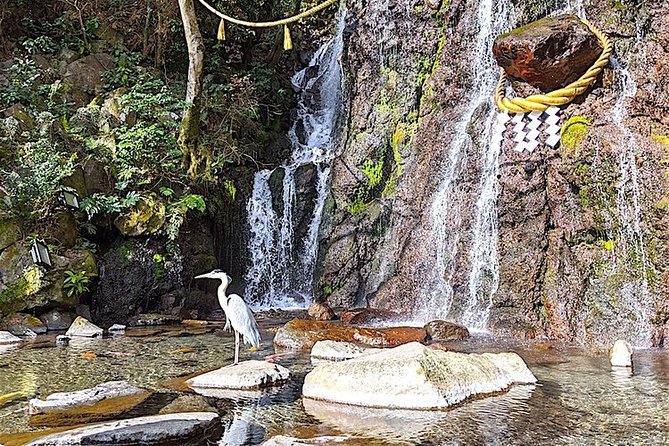
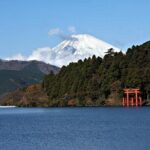
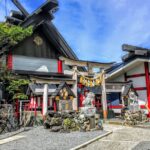
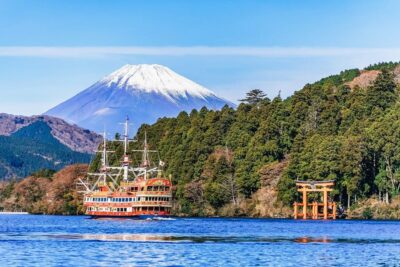
Hakone Shrine is one of the cultural anchors of the tour. Founded in 1667, it is known for its large torii gate set at the edge of Lake Ashi. The gate makes a striking picture, but the setting matters as much as the structure. Forest paths, mountain air, and the lakeshore give the shrine a strong sense of place.
You spend about an hour here, learning about the shrine and Japan’s indigenous Shinto religion. This is where a guide adds real value. Shinto customs can be easy to observe without understanding, and a personal explanation helps you see the shrine as more than a scenic photo stop.
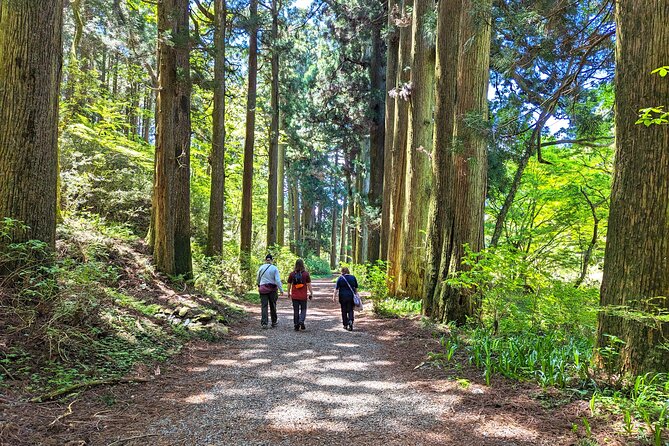
Expect stairs and uneven ground around the shrine and nature trail. The paths are well maintained, but this is not a flat, effortless walk. If your knees are sensitive or you tire quickly, tell your guide early so expectations are clear.
The shrine is also one of the places where weather affects the mood. Mist can make the forest feel quiet and mysterious, while clear conditions give you a better sense of the lake and mountains. Either way, the stop provides a useful cultural counterpoint to the mechanical rides that come later.
Lake Ashi by sightseeing boat
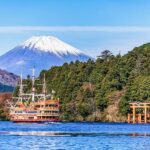
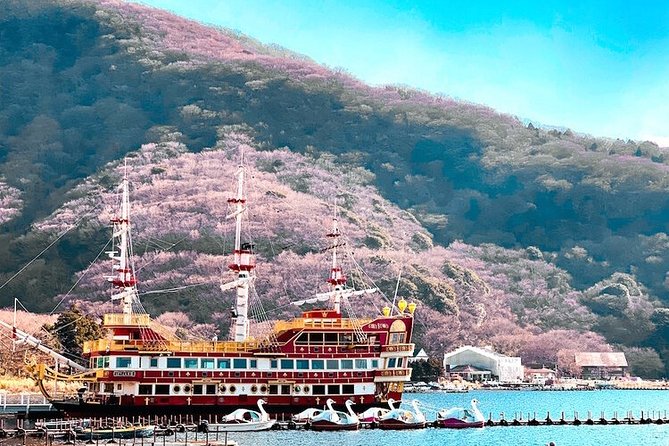
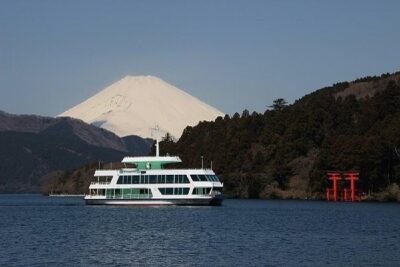
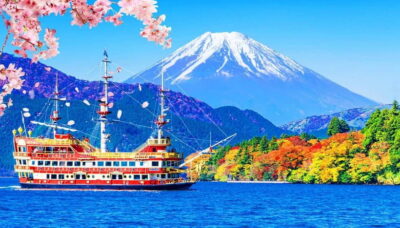
After the shrine, you board a sightseeing cruise across Lake Ashi. The cruise lasts about 25 minutes and is included in the tour price.
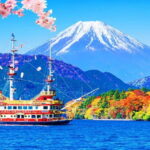
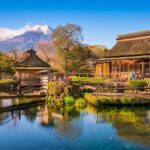
The main prize is the chance to see Mt. Fuji from the water, but this view is weather-dependent. Fuji can disappear behind cloud even when the rest of the day looks pleasant, so you should book this tour for the full Hakone experience rather than for one guaranteed photograph.
Lake Ashi also gives you a welcome break from walking. You can sit, look across the water, and watch the scenery change as the boat moves toward the next part of the route. The short cruise fits neatly into the busy schedule, though anyone hoping for a long, leisurely lake outing may find it brief.
This is a good moment to keep your camera ready, but do not let the Fuji hunt take over the entire day. The shrine, volcanic valley, and mountain transport are worthwhile even if the famous peak remains hidden.
A few more Tokyo tours and experiences worth a look
Riding the Hakone Ropeway above the volcano
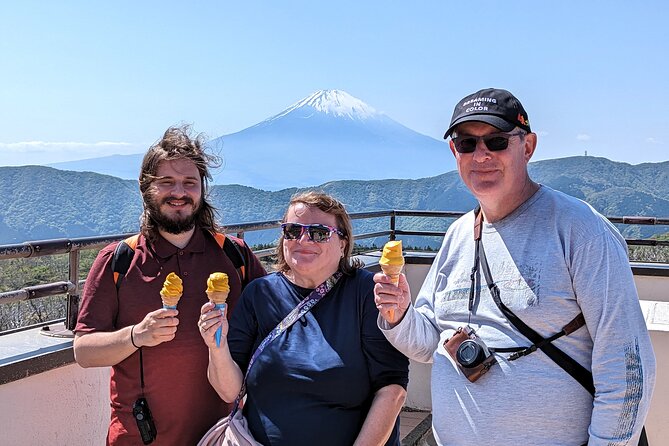
The Hakone Ropeway carries you up Mount Hakone and offers another possible view of Mt. Fuji. The listed ride segment takes about 10 minutes, but the wider route continues through the mountain area and includes additional ropeway travel toward Gora.
The attraction here is the change in viewpoint. You are no longer seeing Hakone from ground level or from the lake. You can look across the volcanic area and understand how the region’s hot springs and fumes connect to its geology.
Again, visibility depends on weather. A cloudy day may limit the Fuji view, but the ropeway still serves as an efficient way to reach Owakudani. The ride can be exciting for some people and uncomfortable for others, especially if you dislike heights. The tour data does not promise special access or a private cabin, so expect a standard ropeway experience shared with other riders.
Owakudani, sulfur fumes, and black eggs
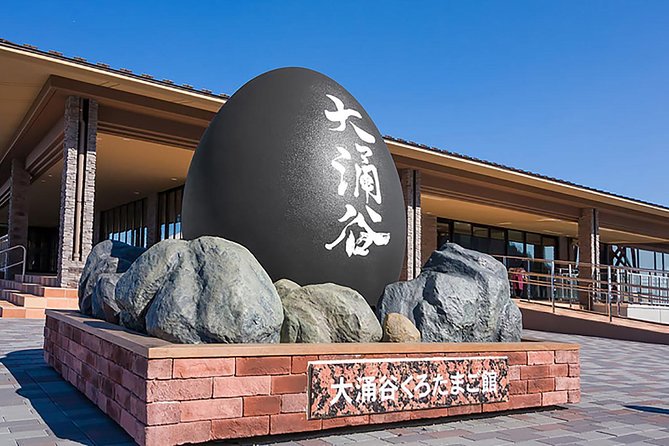
Owakudani is the day’s most unusual stop. Known as the valley of hell, it is an active volcanic area where sulfurous fumes rise from the ground. You spend about 90 minutes here, with time to see the volcanic features and try the local black eggs.
The eggs are cooked in the area’s hot springs and are included in the tour. Their dark shells make them a memorable local specialty, and they offer a small taste of Hakone’s hot spring culture without turning the stop into a full meal.
The smell of sulfur is part of the experience. It can be strong, and conditions around an active volcanic site can change. The provided details do not list specific closures or restrictions, so your guide will be the person to follow if access or timing changes.
Owakudani gives the itinerary some edge. Hakone is not only temples, scenic lakes, and polished museums. It is also a place shaped by heat beneath the earth. That contrast makes the day feel more complete.
From Gora’s cable car to your final choice
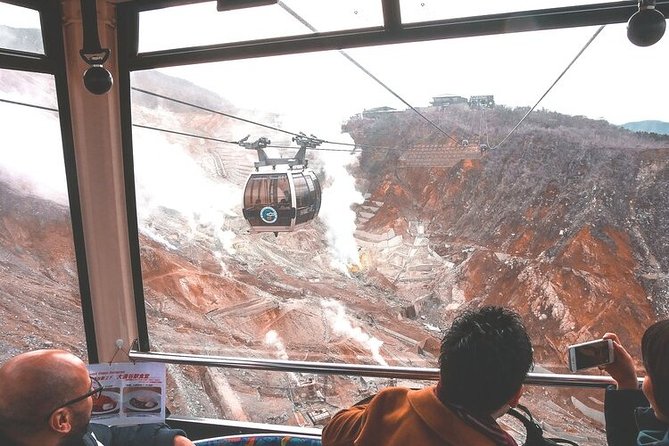
From Owakudani, you continue by ropeway toward Gora Station. There, you transfer to the Hakonetozan Cable Car, a mountain railway built into the slopes. The ride itself takes about 10 minutes in the listed schedule, though transfers and waiting can make the overall section longer.
This is a fun part of the day for anyone who enjoys rail travel. The cable car is not simply a way to get from one attraction to another. It shows how Hakone’s steep terrain has shaped local transport.
At this point, you choose between two very different experiences: the Hakone Open-Air Museum or a traditional Japanese onsen. Discuss the choice with your guide before the day begins if you have a strong preference, since each option suits a different mood.
The Hakone Open-Air Museum
The Open-Air Museum brings sculpture and nature together. You spend about 90 minutes walking among outdoor works and indoor displays, with the mountains providing the setting.
I would choose the museum if you want culture without committing to a bathing experience, or if your group includes people who are not comfortable with traditional hot springs. It is also a good match for anyone who enjoys art but does not want to spend an entire day inside galleries.
The drawback is simple: after several hours on your feet, another large area to walk can be tiring. You have already covered the shrine, lake connections, Owakudani, and mountain stations. The museum is rewarding, but it adds more walking when your legs may be ready for a chair.
The traditional onsen
The onsen offers a calmer finish. A traditional Japanese hot spring is a chance to slow down after a day of transport and walking, but the tour information does not specify the particular bath, bathing rules, or whether towels are supplied.
Choose this option if you want a cultural experience centered on rest rather than art. You should be comfortable following the customs of a Japanese bath and should confirm any practical questions with the guide before you commit to this choice.
The onsen may feel like the more restorative ending, but it is not automatically the better choice for every group. Some people prefer to see more sights, while others will value the chance to soak after a strenuous day.
Hakone-Yumoto, Odawara, and the return to Tokyo
After the museum or onsen, you return to Hakone-Yumoto for a quick look around the souvenir shops. The tour then uses a local train back to Odawara, followed by the bullet train to Tokyo.
Your guide accompanies you to Tokyo or Shinagawa Station and can help you arrange a taxi or subway route back to your hotel. If you want the guide to continue with you beyond the station, ask about that before the tour ends, since the standard tour finishes at the station.
This final sequence is efficient but not restful. You will still need to board trains and manage station movement after a full day outside Tokyo. Keep your return plans simple, and avoid scheduling a demanding evening activity.
What $867 per person really buys
At $867 per person, this is an expensive day trip. The price makes the most sense when you value private guiding, door-to-door assistance at the start, included transportation, and a fully arranged route through a complicated mountain region.
Included costs cover the round-trip bullet train, local Hakone transport, Lake Ashi cruise, ropeway, cable car, buses, attraction fees, black eggs, taxes, and either the Open-Air Museum or onsen. You still pay for extra food and drinks, and gratuities are optional.
The price is harder to justify if you are comfortable using Japanese trains and buses on your own, or if you prefer a slow day with only two or three stops. Independent visitors can spend less, but they take on the work of understanding Hakone’s transport network and fitting the route together.
The private format has special value for a family or small group that can share the cost and wants flexibility. For a solo visitor, $867 is a much heavier price for one day. Compare the cost with the amount of help you need, not just with the number of attractions included.
Walking, weather, and the day’s real demands
Take the walking warning seriously. You need to cover about 9 to 12 kilometers, walk up and down stairs at Hakone Shrine, manage uneven nature paths, handle slopes near stations, and get yourself on and off buses.
This is not suitable for someone who needs regular physical assistance or cannot walk unaided. The tour requires moderate physical fitness, and the number of transport changes means you must stay capable throughout the day.
Good weather is also important. The Lake Ashi cruise and ropeway views of Mt. Fuji depend on clear conditions. If poor weather forces cancellation, you are offered another date or a full refund, but the experience is otherwise non-refundable and cannot be changed for other reasons.
Pack a light bag, water, weather protection, and comfortable shoes. Food beyond the black eggs and drinks are not included, so plan to buy anything else you need during the day.
Who should book this Hakone tour?
I would point this tour toward first-time visitors to Japan who want Hakone in one day but do not want to manage its transport alone. It also suits families, couples, and private groups who value a guide’s attention and the ability to ask questions throughout the route.
It is a strong choice if you want several sides of Hakone in one outing: Shinto culture, a lake cruise, mountain transport, volcanic scenery, and either art or bathing. The itinerary gives you a clear sense of the region rather than reducing it to a single Fuji viewpoint.
I would hesitate if your main goal is a guaranteed view of Mt. Fuji. No tour can control clouds, and both the lake and ropeway views depend on weather. I would also hesitate if you want a gentle day, dislike frequent transfers, or are not comfortable with long walks.
Should you book it?
Book this private Hakone tour if you want a packed, well-supported day and are willing to pay for convenience. The included bullet train, local transport, entry fees, and personal guide remove much of the planning burden, while the shrine, volcano, lake, and museum or onsen give the day real variety.
Skip it if $867 per person feels out of proportion to your budget, or if you would rather explore Hakone slowly over more than one day. For the right group, especially one that wants help with Tokyo and Hakone’s transport systems, the private format can make a complicated outing feel manageable. Just bring strong walking shoes and keep your expectations about Mt. Fuji weather realistic.
FAQ
Where does the tour begin?
Your guide meets you in your hotel lobby between 7:30 and 8:30 AM, depending on your hotel’s location.
How do I reach the bullet train?
You travel from your hotel to either Shinagawa Station or Tokyo Station by subway, or by taxi if you prefer. Your guide helps with this connection, but the local transport cost is not included.
Is the bullet train included?
Yes. Round-trip bullet train travel between Tokyo and Odawara is included.
How long is the tour?
The experience lasts approximately 11 hours.
Is this a private tour?
Yes. Only your own group participates, and no other party joins the activity.
Can I choose between the Open-Air Museum and an onsen?
Yes. The final major stop is a choice between the Hakone Open-Air Museum and a traditional Japanese onsen. Each option receives about 90 minutes.
How much walking is required?
You should be prepared to walk approximately 9 to 12 kilometers over the course of the day. You also need to manage stairs, uneven ground, slopes, buses, and train stations independently.
Is Mt. Fuji guaranteed to be visible?
No. Views of Mt. Fuji from Lake Ashi and the Hakone Ropeway depend on the weather.
More Private Tours in Tokyo



More Hakone Day Trips in Tokyo
More Mt Fuji Day Trips in Tokyo

More tours in Tokyo we've reviewed



Mt Fuji Day Trips, compared.
 ★ 5.0Mt Fuji and Hakone 1-Day Bus Tour Return by Bullet TrainFrom $163
 ★ 4.0Mt Fuji & Hakone Cruise, Drum Show Bullet Train 1 Day from TokyoFrom $149
 ★ 4.4Tokyo Mt Fuji 5th St & Hakone Cruise Bus Tour w/Bullet TrainFrom $15410 hours
 ★ 4.5From Tokyo: Mount Fuji Full-Day Sightseeing TripFrom $6810 hours
 ★ 4.7Tokyo: Mt. Fuji Tour, Hakone Ropeway, Owakudani, Lake AshiFrom $5410 hours
 ★ 4.4Tokyo:Mt.Fuji,Kawaguchiko Oishi Park,Arakurayama Sengen ParkFrom $5410 hours