Reviewed · SHIBUYA TOURS
【NEW】Shibuya Tea Ceremony Tokyo-Chaan
A bowl of matcha can look simple, but the ritual around it is the real lesson. At Tokyo-Chaan in Shibuya, you watch an experienced tea instructor perform the Otemae ceremony, then use the same traditional tools to prepare your own tea in a tatami room.
In This Article
- Key points to know before booking
- What this Shibuya tea ceremony really offers
- Arriving at the Dogenzaka meeting point
- The welcome and introduction
- Watching the Otemae demonstration
- Making your own bowl of matcha
- Why the tatami room changes the experience
- What the $18 price includes
- Who should book this experience
- Small practical details that matter
- Should you book Tokyo-Chaan?
- FAQ
- Where does the Shibuya tea ceremony take place?
- Does the activity end at the meeting point?
- What is included in the price?
- Is the experience offered in English?
- Who leads the tea ceremony?
- Can I make my own matcha?
- Are children under four allowed to participate?
- Do children aged four and older need tickets?
- Can I cancel for a refund?
I like the clear English instruction and the calm setting. I also like that this is hands-on rather than a performance you simply watch. Sakura and Kini are among the instructors associated with the experience, and both guide you through the meaning, manners, and method of tea ceremony.
The main consideration is that this is a focused cultural activity, not a long sightseeing tour. If you dislike bitter green tea, or want a large-scale show with many elements, the quiet pace and small ritual may feel too narrow.
Key points to know before booking
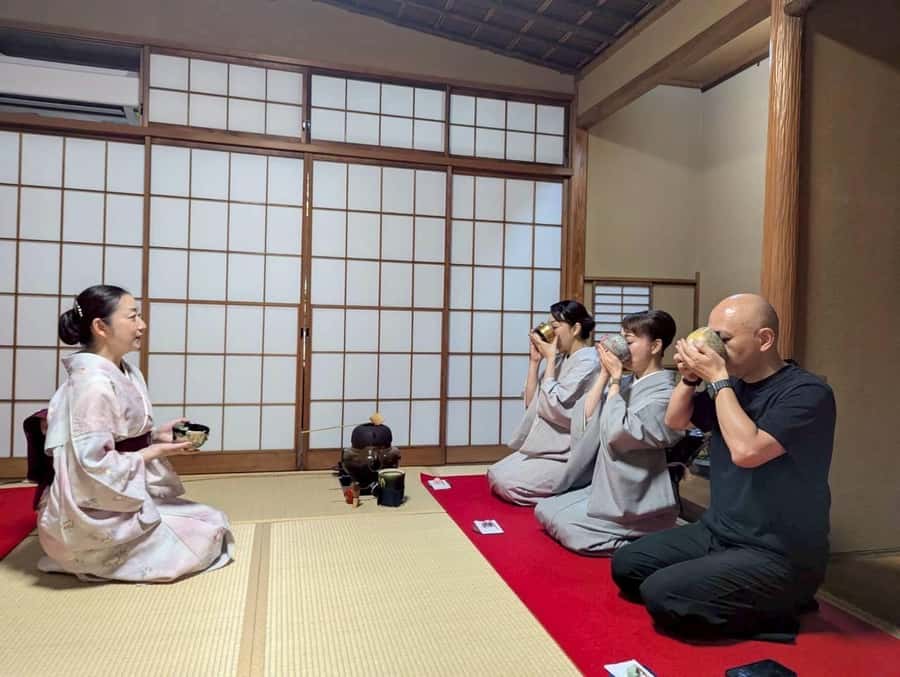
- You make your own matcha: After the demonstration, you whisk a bowl yourself with authentic tea utensils.
- English-speaking Japanese instructors: The guides wear kimono and have more than 10 years of tea ceremony experience.
- A traditional tatami room: The setting gives the ceremony a peaceful, distinctly Japanese feel.
- Seasonal sweets are included: A Japanese confection is served with the matcha to soften its strong flavor.
- A convenient Shibuya meeting point: The activity starts and finishes at 1-15-9 Dogenzaka, on the second floor of the Manji Building.
- Good value at $18: The fee includes admission, matcha, and sweets, with no payment required at booking if you choose the pay-later option.
What this Shibuya tea ceremony really offers
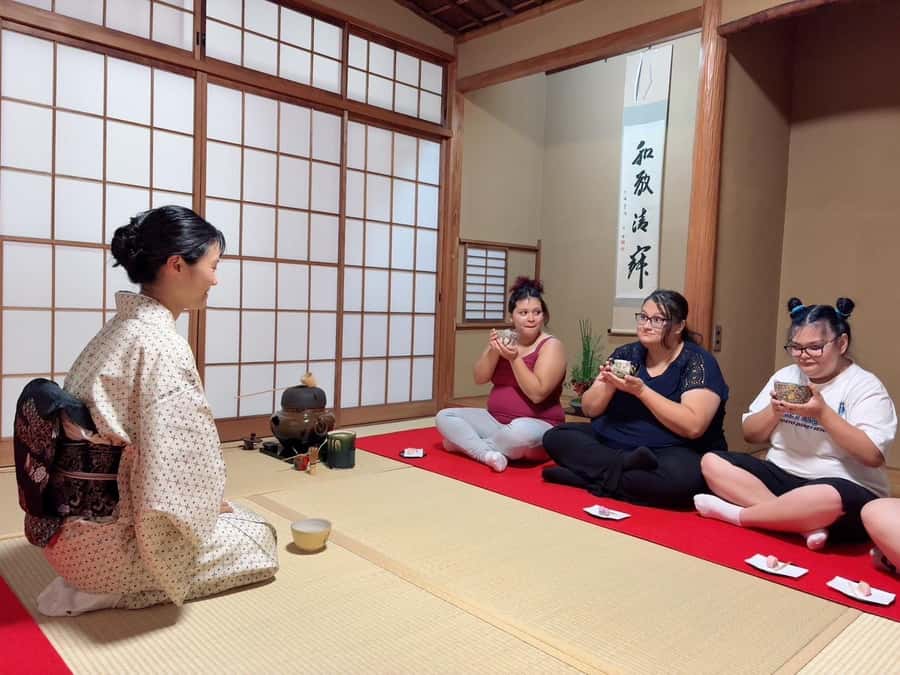
Many first-time visitors to Japan know matcha as a drink, but not as a formal act of hospitality. This experience shows you the difference. The tea is prepared with care, and each movement has a purpose, from handling the utensils to serving and receiving the bowl.
You are not expected to arrive with prior knowledge. The instructor explains the background of tea ceremony, then breaks the process into manageable steps. That makes this a useful first encounter for anyone who wants cultural context without committing to a long class.
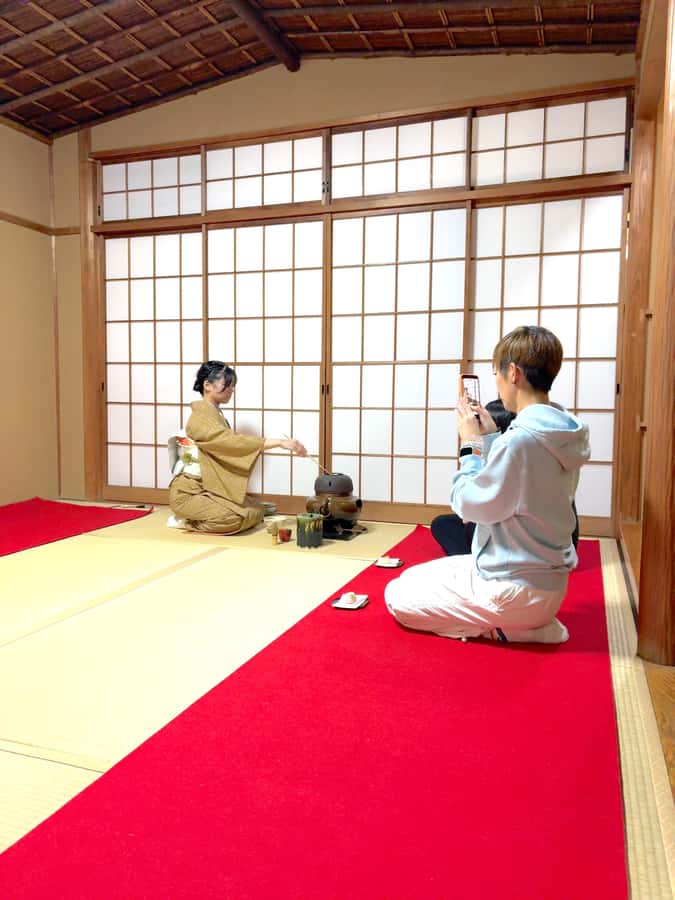
The setting matters. You meet in a traditional Japanese room with tatami flooring, rather than a modern café or a busy restaurant. The room is designed to keep your attention on the tea, the tools, and the quiet exchange between host and participant.
The activity is offered in English, which removes one of the biggest barriers for an international audience. You can ask questions and follow the etiquette lesson without trying to copy movements you do not understand.
A few more Tokyo tours and experiences worth a look



Arriving at the Dogenzaka meeting point
The meeting point is on the second floor of the Manji Building at 1-15-9 Dogenzaka, Shibuya-ku, Tokyo 150-0043. The Japanese address is 〒150-0043 東京都道玄坂1-15-9 万字ビル 2F.
You should allow yourself enough time to find the building and reach the second floor. The activity does not begin at a major landmark, so checking the address before setting out is sensible. Keep the Japanese address available on your phone if you need to ask for directions.
Shibuya is a lively part of Tokyo, but the ceremony itself shifts you into a quieter mood. That contrast is part of the appeal. You can spend time among the district’s bright signs and crowded streets, then enter a room where the pace slows and the focus turns to one bowl of tea.
The experience returns to the same meeting point at the end. That makes it easy to fit into a day of exploring Shibuya, though the exact duration is not provided. You should avoid scheduling another fixed activity too tightly afterward.
The welcome and introduction
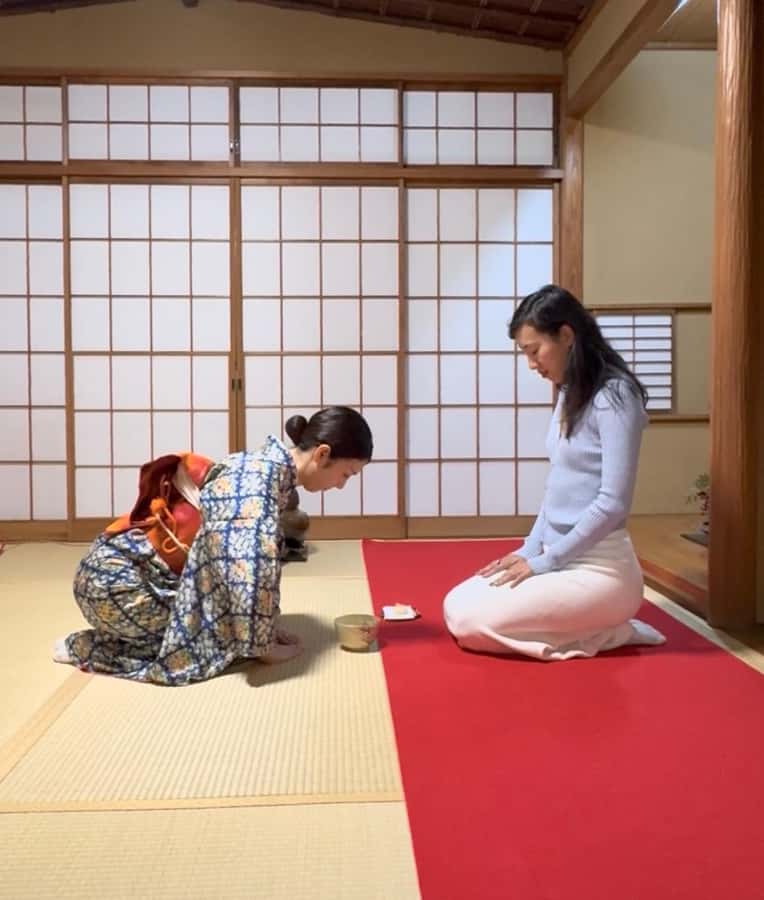
The first stage is a welcome in the traditional room. Your instructor introduces the tea ceremony and explains why the ritual matters in Japanese culture.
This opening is valuable because it gives meaning to the actions that follow. Without an explanation, the bowing, utensil placement, and serving movements can seem formal for the sake of formality. With context, you begin to see the ceremony as a carefully ordered way to show respect and attention.
The instructors are Japanese, wear traditional kimono, and speak English fluently. Each has more than 10 years of tea ceremony experience. That combination should suit you well if you want instruction from someone familiar with the art, but still need the process explained in straightforward terms.
Sakura is specifically associated with the class, and the experience also names Kini as a host. Their role is not just to prepare tea for you. They explain what you are seeing and help you take part without making the etiquette feel intimidating.
The introduction should also help you understand how to behave in the room. Tea ceremony has manners, but you are not being tested. Listen carefully, follow the instructor’s lead, and take the chance to ask questions while the setting is still relaxed.
Watching the Otemae demonstration
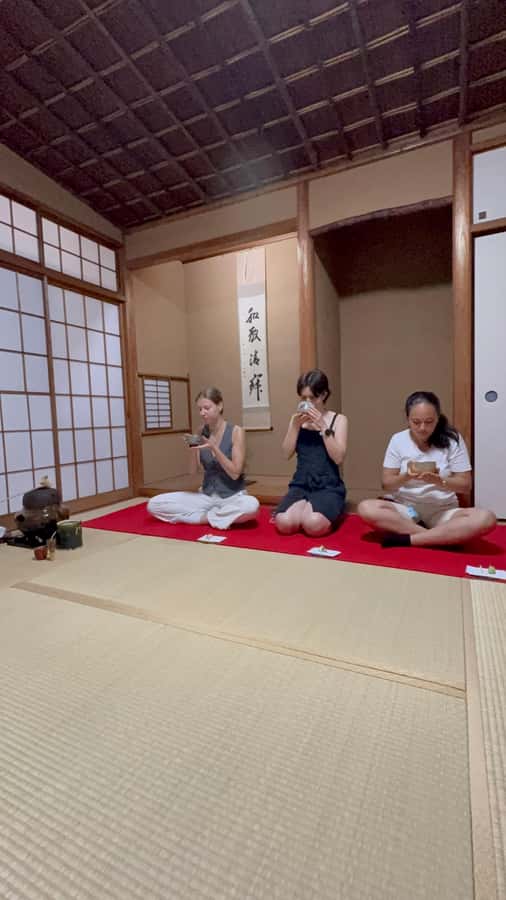
Next comes the live Otemae demonstration. The instructor prepares matcha while showing you how the tea tools are used and explaining the basic manners of serving and drinking tea.
This is the part where you can watch the complete flow before attempting it yourself. Pay attention to the small details. The order of movements, the handling of each utensil, and the way the tea is presented all help create the ceremony’s sense of calm.
You may notice that the preparation is slower and more deliberate than making an everyday cup of tea. That is the point. Tea ceremony gives ordinary actions a formal structure, making you aware of each step rather than rushing toward the drink.
For a first-time participant, the demonstration is also a practical guide. It lets you see the motions in full before breaking them down for your turn. If you are worried about remembering every detail, do not be. The instructor guides you through the process.
The ceremony’s quiet nature may not suit everyone. There is no indication of a large theatrical presentation, historical display, or broad cultural show. You are here to observe a traditional practice closely. I would choose it for concentration and participation, not for constant entertainment.
Making your own bowl of matcha
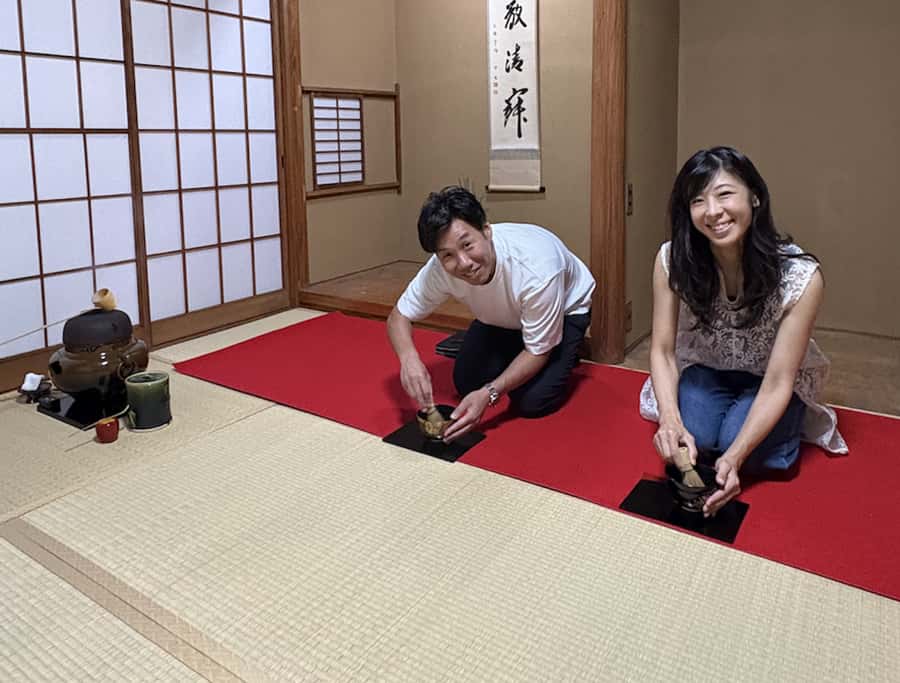
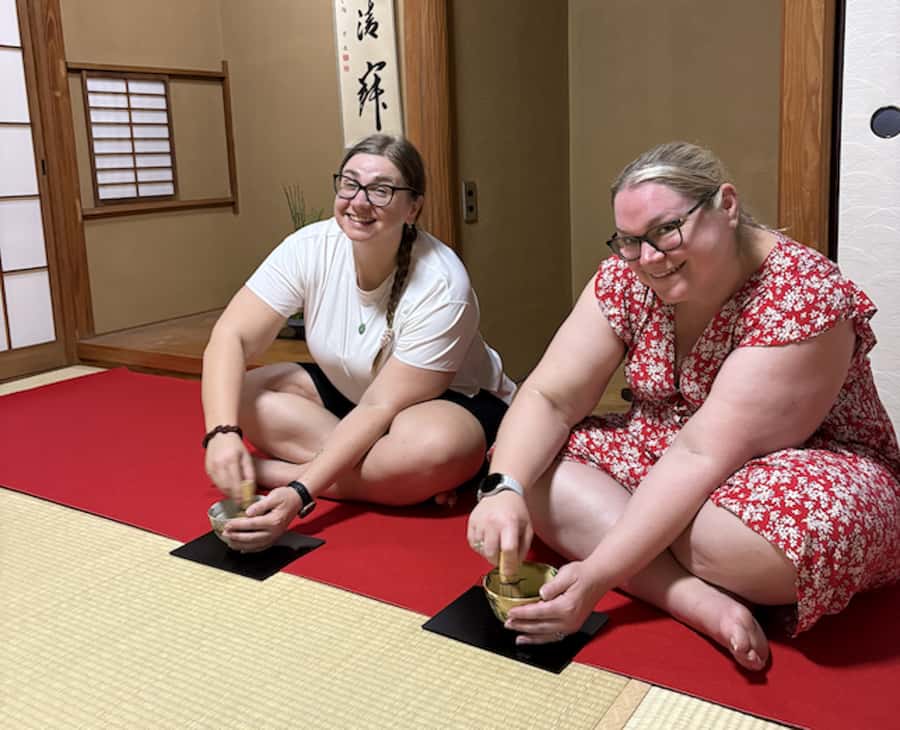
After watching the demonstration, you take the tools and prepare your own matcha. You use traditional utensils and freshly ground powdered green tea, following the instructor’s directions.
This hands-on step gives the activity its strongest value. Watching a tea ceremony can be interesting, but making the tea yourself helps you remember how the tools work and why the movements are controlled. You get a direct feel for the practice rather than only an explanation.
The instructor shows you how to handle the utensils and prepare the tea. You do not need to bring special equipment or know the Japanese terms in advance. The tools and ingredients are included in the admission fee.
Matcha has a distinct taste. It is concentrated, earthy, and often more bitter than the sweetened green-tea drinks you may know from cafés. The seasonal confection served alongside it provides a useful balance. The sweet is not an extra purchase or an unrelated snack. It is part of the traditional pairing and helps you appreciate how the flavors work together.
If you already enjoy matcha, you will appreciate the chance to prepare it in a formal setting. If you are unsure about the flavor, this is still a sensible way to try it. The portion is part of a cultural lesson, not a commitment to a full meal.
The hands-on portion also makes this activity a good choice for couples, friends, and families with older children. Everyone who participates needs a ticket from age four onward, so the whole group can take part rather than having some people watch from outside.
A few more Tokyo tours and experiences worth a look



Why the tatami room changes the experience
The traditional tatami room is more than a decorative backdrop. It gives the ceremony the right physical setting and encourages you to sit, watch, and listen with care.
A modern venue could teach you the same basic steps, but the tatami room adds a stronger sense of place. You are not simply learning how to whisk powdered tea. You are learning how tea is presented within a Japanese room designed for this kind of quiet gathering.
The peaceful atmosphere is one of the experience’s most appealing features. Shibuya can be energetic and crowded, so a calm room offers a useful pause in the middle of a Tokyo day.
Still, the calm setting requires some cooperation from you. This is not the best pick if your group wants to move quickly, talk loudly, or keep children entertained with constant activity. Children under four cannot participate, and the provider asks you to contact them in advance if you are accompanied by a child under that age.
What the $18 price includes
At $18 per person, this is a modestly priced cultural activity for central Tokyo. The fee includes the entrance cost, matcha, and seasonal confections. You are paying for instruction and participation, not just a drink and a sweet.
That distinction matters. A café matcha may cost less, but it will not normally include a demonstration of tea ceremony, an explanation of etiquette, or the chance to prepare the tea with traditional tools.
The price is especially reasonable if you want a short cultural experience that fits between other plans. The exact length is not stated, so I would not compare it directly with a full-day class. Think of it as a compact introduction with a demonstration, a lesson, and a tasting.
The value depends on what you want from Japan. If you are looking for a broad cultural program, this activity covers one tradition in detail and does not claim to cover everything. If you want one clear, approachable introduction to matcha and tea ceremony, the cost is easy to justify.
You can also reserve now and pay later, which keeps your plans flexible. Cancellation is allowed up to 24 hours before the activity for a full refund. Those terms are useful when your Tokyo schedule may change.
Who should book this experience
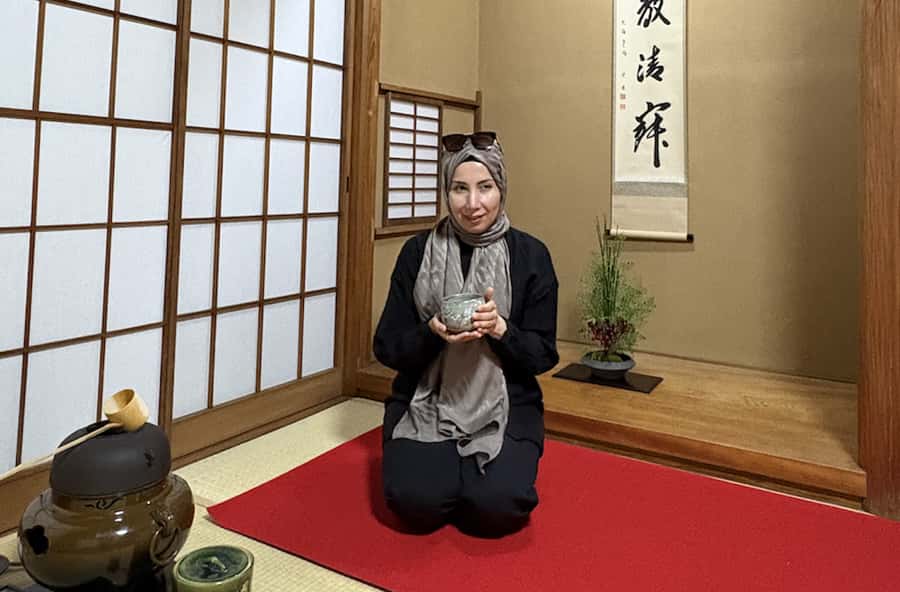
I would recommend Tokyo-Chaan to you if this is your first time encountering Japanese tea ceremony. The English explanations, live demonstration, and guided practice keep the tradition accessible without stripping away its formal character.
It also suits you if you want a quiet break from sightseeing. The tatami room and measured pace offer a change from Shibuya’s busy streets, while the central location makes the activity easy to pair with time in the district.
Families can consider it for children aged four and older, but remember that every child needs a ticket. The experience may work best for children who can sit calmly, listen to instructions, and take part in a quiet ritual.
Food-focused visitors should also find value here, particularly if you want to understand the relationship between a bitter tea and a seasonal sweet. This is not a cooking class or a meal, but it does give you a more informed way to taste matcha.
You might skip it if you have already taken several formal tea ceremony classes and want something more advanced. You might also prefer another activity if your main goal is a large cultural performance or a full overview of Japanese traditions.
Small practical details that matter
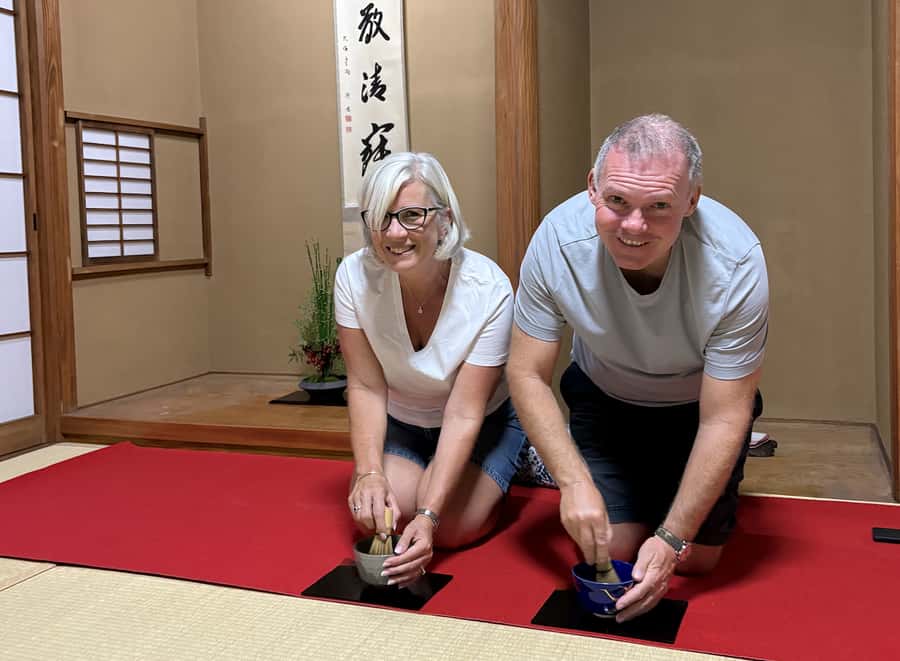
The activity is conducted in English, so you can follow the explanation and ask questions directly. The instructors’ experience also means you are not left to guess what to do with unfamiliar tea tools.
Wear something that allows you to sit comfortably in a traditional room. The provided information does not specify a required dress code, so you do not need to plan a special outfit. You should still be prepared for a setting where quiet attention and respectful behavior are expected.
Do not book a place for a child under four. Children aged four and above require their own tickets, even when accompanied by a paying adult. If a child under four will be with your party, contact the provider before booking because entry may be refused.
The activity begins and ends at the Dogenzaka address. Since no transport is included, you are responsible for reaching the building. Matcha, sweets, and the entrance fee are covered, so you do not need to budget for those separately.
Should you book Tokyo-Chaan?
Book it if you want a reasonably priced, hands-on introduction to Japanese tea ceremony in a traditional setting. The strongest reasons are the fluent English guidance, the instructors’ long experience, the chance to make your own matcha, and the seasonal sweet served with it.
I would give it particular weight if you are choosing between a passive cultural show and an activity that lets you participate. The Otemae demonstration gives you the formal picture, while your own bowl of tea turns the lesson into something personal and memorable.
Skip it only if the quiet, focused format does not match your plans. For $18, Tokyo-Chaan offers a clear cultural experience rather than a padded sightseeing package, and that is exactly why it works.
FAQ
Where does the Shibuya tea ceremony take place?
It takes place at the second floor of the Manji Building, 1-15-9 Dogenzaka, Shibuya-ku, Tokyo 150-0043, Japan.
Does the activity end at the meeting point?
Yes. The activity ends back at the same meeting point.
What is included in the price?
The $18 price includes the entrance fee, matcha powdered green tea, and confections.
Is the experience offered in English?
Yes. English is the listed language for the experience.
Who leads the tea ceremony?
Japanese instructors wearing traditional kimono lead the activity. The instructors each have more than 10 years of tea ceremony experience. Sakura and Kini are named as hosts connected with the class.
Can I make my own matcha?
Yes. You watch a tea ceremony demonstration first, then use traditional tea utensils to prepare and taste your own bowl of matcha.
Are children under four allowed to participate?
No. Children under four cannot participate, and entry may be refused if you arrive with a child under four. Contact the provider in advance if this applies to your group.
Do children aged four and older need tickets?
Yes. Every child aged four and older must have their own ticket, even if an adult in the group has a ticket.
Can I cancel for a refund?
Yes. You can cancel up to 24 hours in advance for a full refund. You can also reserve and pay later, so no payment is required today when using that option.
More Tea Ceremony & Matcha in Tokyo
More Shibuya Tours in Tokyo



More tours in Tokyo we've reviewed










Shibuya Tours, compared.
 ★ 5.0Official Street Go-Kart in ShibuyaFrom $76
 ★ 5.0Shibuya Meltdown Nightlife Tour: All-You-Can-Drink Bar HoppingFrom $106
 ★ 4.9Tokyo: Street Kart Experience in ShibuyaFrom $99
 ★ 5.0Shibuya Official Street Go-Kart in Shibuya AnnexFrom $69
 ★ 5.0Tokyo: Shibuya Food Tour (13 dishes and 4 Eateries)From $77
 ★ 5.0Best of Shibuya Food TourFrom $217