Reviewed · SUMO EXPERIENCES
Unique Afternoon Live Sumo training tour in Tokyo
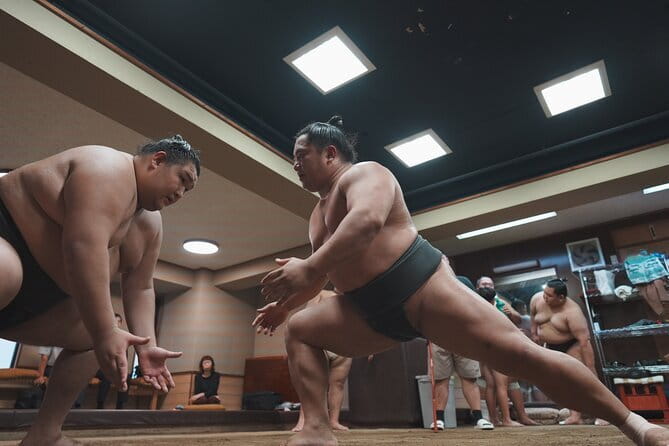
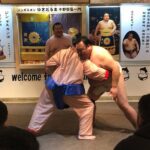
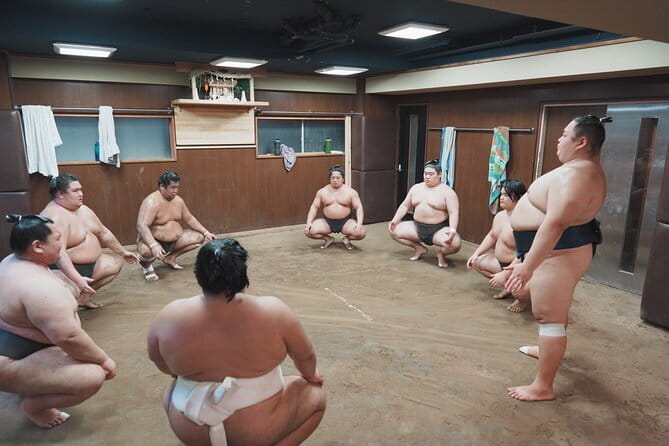
At Nakamura-beya, you watch real sumo practice, not a staged performance built for tourists. The first part is quiet and ritual-heavy as wrestlers warm up, stretch, stomp, and prepare. Then the room changes quickly: bodies collide, the floor shakes, and the training becomes startlingly forceful.
In This Article
- Key points before you book
- Why this sumo visit feels different
- Inside Nakamura-beya during the 90-minute session
- Real training, not a tourist performance
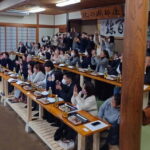
- Seating, comfort, and the small-group setting
- Language help without losing the local feel
- What is included for the $137.71 price
- Planning your visit in Ryōgoku
- How to get the most from the warm-up
- Who should book this experience
- Cancellation and practical booking notes
- Should you book the Nakamura-beya sumo training visit?
- FAQ
- Where does the sumo training tour take place?
- How long does the experience last?
- Is the training held in the afternoon?
- Is transportation included?
- What languages are available?
- Is a photo with the sumo wrestlers included?
- Is seating provided?
- How many people can join the activity?
- Can I cancel for a refund?
I like the small maximum group of 10, which keeps the experience more personal than a large arena visit. I also like the useful extras: a photo with the wrestlers, free Wi-Fi, phone charging, and an audio guide in 10 languages.
The main thing to consider is the pace. The first 20 to 30 minutes can feel uneventful if you expect immediate bouts. Seating also varies, with chairs for only 8 to 10 people and floor seating for everyone else, so this may not suit anyone who needs a standard chair.
Key points before you book
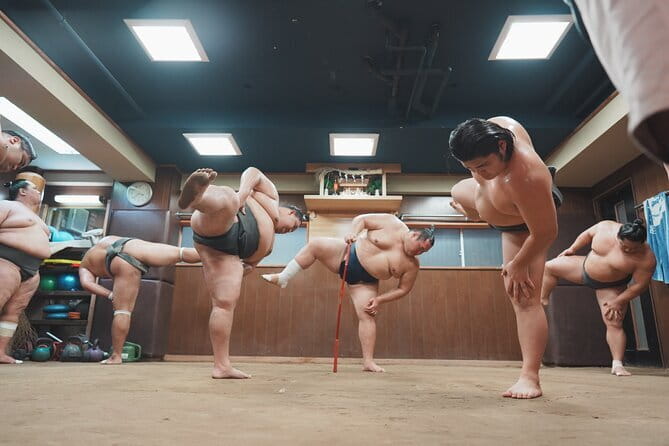
- Watch genuine keiko at Nakamura-beya: You see wrestlers train in their own stable, with no stage show or tournament crowd.
- Expect a slow start: Warm-ups come first, while the most intense clashes arrive later.
- Keep the group small: The experience accepts no more than 10 people.
- Bring home a wrestler photo: A photo with the sumo athletes is included in the price.
- Use the language support: The guide can speak English, Japanese, and Korean, while the audio guide offers 10 languages.
- Check the start time carefully: Training usually takes place in the afternoon, but some sessions happen in the morning.
Why this sumo visit feels different
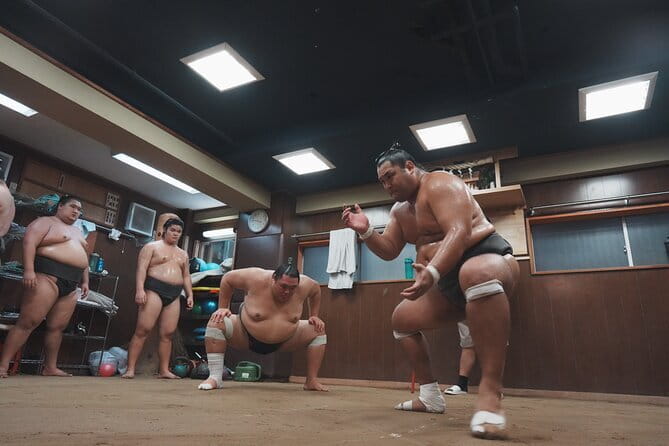
Tokyo gives you many ways to see sumo. You can attend a formal tournament, watch a television clip, or visit a museum display. This experience offers something else: a close look at the daily work behind the sport.
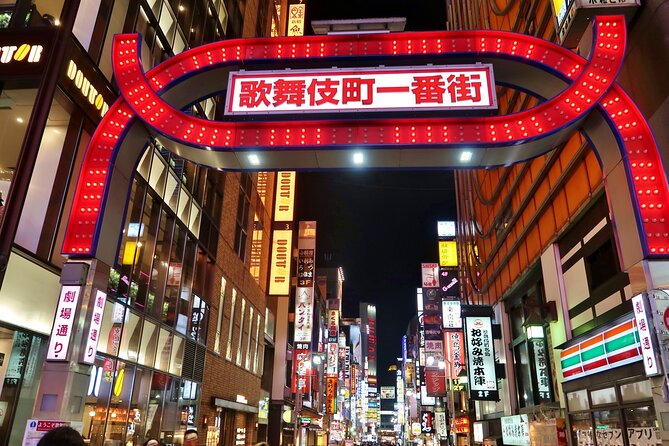
The setting is Nakamura-beya Sumo Stable in Ryōgoku, Tokyo’s well-known sumo district. You are not watching a polished stage act with theatrical introductions. You are watching athletes follow their training routine, with all the pauses, repetition, silence, and sudden power that come with it.
That distinction matters. Sumo is not only about the few seconds when two wrestlers charge at one another. The preparation is part of the sport. Stomping, stretching, balance work, and controlled movement all prepare the wrestlers for the harder clashes.
I would set your expectations properly before you arrive. This is a cultural observation experience, not a full tournament. You may spend a good part of the first half simply watching the athletes warm up. If you can appreciate the ritual and discipline, the slower opening adds meaning. If you want nonstop action, you may find the beginning too subdued.
A few more Tokyo tours and experiences worth a look
Inside Nakamura-beya during the 90-minute session
The full visit lasts about one hour and 30 minutes, all at the sumo stable. There is no hotel pickup or drop-off, and the activity begins and ends at the meeting point at 1-chōme-18-7 Ryōgoku, Sumida City.
Once inside, you watch the wrestlers prepare for practice. The early movements can look simple at first, but they show the control expected in sumo. A large athlete must stay balanced, repeat exact motions, and conserve focus before the hard work begins.
The famous stomps are especially striking at close range. You do not need a stadium crowd to understand the physical force involved. When the wrestlers begin pushing and clashing, you can feel the difference between a ceremonial movement and a serious training session.
The most active part comes after the warm-up. One account of the timing puts the first 20 to 30 minutes in the quiet preparation phase, followed by much more intense action once several wrestlers begin wrestling. Plan on patience. The session rewards you for staying attentive through the opening routine.
This is also why the 90-minute length works well. It is long enough to show the contrast between preparation and combat without turning into an all-day commitment. Families can fit it into an afternoon of sightseeing, and frequent Tokyo visitors get a focused look at a side of local culture they may have missed on an earlier trip.
Real training, not a tourist performance
The strongest reason to book is the chance to see sumo as work. The wrestlers are not simply appearing for a photo opportunity. They are training, repeating movements, and testing strength in a setting designed for their practice.
That gives the visit a more honest feel. You may not get a tidy sequence of matches or a dramatic explanation before every movement. Instead, you watch the routine as it unfolds. For me, that is the point.
Families seem particularly well matched to this experience. Children and teenagers can grasp the physical side of sumo quickly, while adults can pay closer attention to the ritual and concentration. The activity has also been described as well organized and a good length for both children and adults.
Still, you should talk with your family before booking. The opening may not hold the attention of a child who needs constant action. A short explanation of what to watch for can help: the wrestlers’ footwork, balance, repeated movements, and the change in mood when bouts begin.
Seating, comfort, and the small-group setting
The group limit is 10 people, a useful feature in a compact training environment. A small group means fewer people competing for a view, and it makes it easier to hear the guide or follow the audio material.
Do not assume every place has a normal chair. Chair-style seating is available for 8 to 10 people, while the remaining people may sit on the floor. The exact seating mix can depend on the group and the space available that day.
This is the most important comfort issue. If floor seating would be difficult for you, contact the operator before booking rather than taking the arrangement for granted. The activity is suitable for most people, but the seating information is clear enough that you should plan ahead.
The free phone charging service is a small but useful touch. You can arrive with a low battery after a full day in Tokyo and still have a way to keep your phone running. Free Wi-Fi also helps if you need to send a message or check your next stop.
These extras do not make the experience valuable by themselves. They simply remove a few common travel annoyances, especially if you are fitting the stable visit between other plans.
Language help without losing the local feel
The guide speaks English, Japanese, and Korean. In addition, an audio guide is available in 10 languages, and a pamphlet explains sumo keiko, the traditional training session.
That combination is practical. You can watch the physical action without much translation, but the explanations help you understand what you are seeing. Sumo training includes repeated actions that can be easy to mistake for a simple warm-up unless someone explains their role.
The audio guide also gives first-time visitors a way to follow along without requiring the live guide to repeat every point in several languages. If you prefer to watch in silence, you can focus on the wrestlers and use the pamphlet as a reference.
The supplied information does not identify the individual guide by name, so you should not book this expecting a named celebrity host. What is clear is the language coverage and the presence of live support in English, Japanese, and Korean.




What is included for the $137.71 price
At $137.71 per person, this is not a cheap quick photo stop. The price makes more sense if you value access to a real stable, a small group, explanations, and a close look at a traditional sport.
Your admission to the 90-minute training session is included. You also receive the audio guide, the sumo training pamphlet, the photo with sumo wrestlers, Wi-Fi, and charging service.
The photograph is a nice part of the package because it gives you a concrete reminder of the visit. It also helps distinguish this from simply watching a public practice from a distance. You get both the observation and a personal souvenir.
The value depends on your interest. If sumo is high on your Tokyo list, the cost may be reasonable for a rare, tightly focused experience with no need to commit half a day. If you are only mildly curious, the price may feel high for 90 minutes, especially since food, hotel transport, and other sightseeing are not included.
I would compare it with the cost of a formal sumo tournament ticket, but the two experiences serve different purposes. A tournament gives you a public event with many bouts and a larger crowd. This visit gives you training, proximity, and a look at the athletes’ preparation. Choose based on the kind of sumo you want to see.
Planning your visit in Ryōgoku
The stable is near public transportation, but pickup and drop-off are not included. You need to make your own way to Nakamura-beya and arrive at the stated meeting time.
The session is usually held in the afternoon, which makes it easy to pair with other Tokyo plans. Do not rely on that assumption, though. Sometimes the training takes place in the morning, so check the confirmed time carefully when you book.
The activity is often booked about 25 days ahead. That does not guarantee every date will sell out, but it tells you to plan earlier than you might for a casual neighborhood activity. The 10-person maximum naturally limits capacity.
You receive confirmation at the time of booking, and the ticket is mobile. Keep it available on your phone, particularly if you are moving around Tokyo without a printed itinerary.
The meeting point and end point are the same. That makes the visit easier to fit into your day because you are not left at a different neighborhood after the session.
How to get the most from the warm-up
The best way to handle the first 20 to 30 minutes is to treat them as the lesson, not the delay. Watch how the wrestlers move before the forceful bouts begin.
Pay attention to the contrast between control and power. The warm-up shows the controlled side of sumo, while the later clashes show what that preparation supports. The stomps and repeated motions also give you something specific to focus on during the quieter period.
Your audio guide or pamphlet can add context, but do not spend the whole time looking down at your phone. The most interesting details are physical: posture, foot placement, balance, and the way the athletes reset between efforts.
If you are bringing teenagers, tell them the action builds slowly. The experience becomes more rewarding when they know the first part is not the main event. Several family-focused comments point to the appeal for both adults and children, with teenage boys especially enjoying the athletic side.
Who should book this experience
I would recommend it most strongly to:
- First-time Tokyo visitors who want more than the usual temples, shopping streets, and observation decks
- Returning visitors looking for a local cultural activity
- Families with children or teenagers who enjoy sport and physical demonstrations
- Sumo fans who want to see training rather than only a public match
- People who value small groups and multilingual support
- Visitors with a free morning or afternoon who can manage their own transport to Ryōgoku
I would think twice if you need guaranteed chair seating, dislike quiet observation, or want a full tournament with a long succession of bouts. This is also not the right choice if you expect hotel pickup or a guided tour around several sumo-related sites.
Cancellation and practical booking notes
You can cancel for a full refund up to 24 hours before the experience start time. Cancellations made less than 24 hours before the start are not refunded, and changes within that period are not accepted.
The cutoff follows Tokyo local time. That detail matters if you are booking from another country or changing plans across time zones.
The activity is operated by NexSpark Co., Ltd. Most people can participate, but remember the floor seating possibility and confirm the time because the session is not always held in the afternoon.
Should you book the Nakamura-beya sumo training visit?
Book it if you want to see sumo as a daily discipline, not just as a contest. The small group, real training setting, multilingual help, and included photo make this more personal than a quick look from the outside.
The price is substantial for 90 minutes, and the warm-up requires patience. Yet the later clashes, the close setting, and the chance to watch athletes prepare in a genuine stable give the experience a clear purpose.
My practical advice is simple: check the time, prepare for possible floor seating, and explain the slow opening to children before you arrive. If those points suit you, this is a memorable way to add a different side of Tokyo to your plans.
FAQ
Where does the sumo training tour take place?
The experience takes place at Nakamura-beya Sumo Stable, located at 1-chōme-18-7 Ryōgoku, Sumida City, Tokyo 130-0026, Japan.
How long does the experience last?
The training visit lasts approximately one hour and 30 minutes.
Is the training held in the afternoon?
It is usually held in the afternoon, but sometimes the training takes place in the morning. Check the confirmed time carefully.
Is transportation included?
No. Hotel pickup and drop-off are not included. You are responsible for reaching the meeting point, which is near public transportation.
What languages are available?
The guide can speak English, Japanese, and Korean. An audio guide is also available in 10 languages.
Is a photo with the sumo wrestlers included?
Yes. A photo with the sumo wrestlers is included in the experience.
Is seating provided?
There are chair-style seats for 8 to 10 people. Other participants may sit on the floor.
How many people can join the activity?
The maximum group size is 10 people.
Can I cancel for a refund?
Yes. You can cancel at least 24 hours before the local start time for a full refund. Cancellations or changes made less than 24 hours before the start are not accepted.
More Sumo Experiences in Tokyo

More tours in Tokyo we've reviewed












Sumo Experiences, compared.
 ★ 4.8Tokyo: Sumo Show Experience with Chicken Hot Pot and a PhotoFrom $1032 hours
 ★ 4.8Tokyo: Sumo Show and Dining ExperienceFrom $7990 minutes - 2 hours
 ★ 5.0the SUMO showFrom $89
 ★ 5.0Tokyo Sumo Entertainment Show with Chicken Hot Pot and PhotoFrom $106
 ★ 4.6Tokyo: Sumo Tournament Tour with Chair Seat TicketsFrom $141
 ★ 5.0Tokyo Grand Sumo Tournament Viewing Tour with TicketsFrom $124