Reviewed · GUIDED
Private Omiya Bonsai Village Tour with Licensed Guide
Omiya Bonsai Village gives you a quiet, highly specific side of Japan that most first-time Tokyo plans miss. About an hour from central Tokyo, this historic district is home to six bonsai gardens and the Omiya Bonsai Art Museum, where the trees are treated as living art rather than simple potted plants.
In This Article
- Key points to know before booking
- Why Omiya Bonsai Village is worth the train ride
- The journey from Tokyo takes about an hour each way
- Six gardens create a better bonsai lesson
- The Omiya Bonsai Art Museum puts the trees in context
- What the private guide adds
- Buying a bonsai plant as a souvenir
- Price, timing, and what you really receive
- Who will enjoy this half-day outing
- Practical tips for making the afternoon work
- Should you book the Omiya Bonsai Village tour?
- FAQ
- How long does the private Omiya Bonsai Village tour last?
- How long does it take to reach Omiya Bonsai Village from Tokyo?
- Where do I meet the guide?
- Is private car transportation included?
- Are admission fees included in the price?
- Is lunch included?
- Can I buy a bonsai plant during the tour?
- Is the Omiya Bonsai Art Museum always open?
I like the private format, since you can ask endless questions and set the pace around your interests. I also like the personal touch from guides such as Kahori, who has taught origami on the train, and Miyuki, who brings the history of bonsai to life with clear explanations.
The main drawback is cost control. The $107.50 price covers the licensed English-speaking guide, but not public transport, garden or museum admissions, lunch, or other personal expenses. You are paying for time and guidance, not an all-inclusive excursion.
Key points to know before booking
- Six bonsai gardens in one historic district: You can compare different garden settings and collections rather than visiting a single display.
- A private English-speaking guide: Kahori and Miyuki are named guide examples, and the private setup lets you ask questions freely.
- About two hours on public transport: The journey takes roughly one hour each way from Tokyo, so the trip itself is a meaningful part of the half-day.
- The Omiya Bonsai Art Museum adds context: A 30-minute visit helps explain the tradition and care behind the trees.
- Bonsai plants may be available to buy: This gives plant lovers a chance to take home a small, memorable souvenir.
- Admissions and transport are extra: Bring room in your budget beyond the listed tour price.
Why Omiya Bonsai Village is worth the train ride
Tokyo has no shortage of famous sights, but many of them put you in a crowd following the same route. Omiya Bonsai Village offers a different kind of afternoon. The pace is slower, the subject is focused, and the visit rewards patience rather than speed.
The district developed about 100 years ago, when pioneers of bonsai relocated here. That detail matters because you are not simply looking at decorative plants in a modern shop. You are walking through an area shaped by generations of growers and collectors.
The gardens display rows of bonsai, giving you the chance to compare trees and settings from one stop to the next. You might notice different forms, ages, and styles, but the exact displays can change with the season and garden schedule. Your guide is especially useful here, since the meaning of a tree is not always obvious at first glance.
I would not book this tour only to fill a spare hour. With roughly four hours on the clock and two hours spent getting there and back, you need to care at least a little about plants, Japanese art, gardens, or local history. If that sounds like you, the distance becomes part of the reward.
Other guided tours in Tokyo
The journey from Tokyo takes about an hour each way
You meet your guide at your Tokyo hotel or another agreed place in the city. The guide then accompanies you to Omiya Bonsai Village and returns with you to Tokyo after the visit.
The tour does not include a private car. Transportation fees are also excluded, so you should expect to use public transportation and pay those fares separately. The guide helps you get to the gardens, which is useful if you are not comfortable sorting out a train route in an unfamiliar part of the Tokyo area.
The return journey brings the total travel time to about two hours. That leaves around two hours in the district itself, with approximately 90 minutes in the bonsai village and 30 minutes at the museum.
This arrangement has both strengths and limits. You avoid the stress of navigating alone, and the trip can become a useful chance to ask questions. One guide, Kahori, even taught origami sculptures during the train ride, adding a personal activity to what could otherwise be simple transit time.
On the other hand, you are not getting door-to-door private transport. If you want a car, a long lunch, or several extra sights in the area, this tour is not built for that. Think of it as a guided public transport outing from Tokyo.
Six gardens create a better bonsai lesson
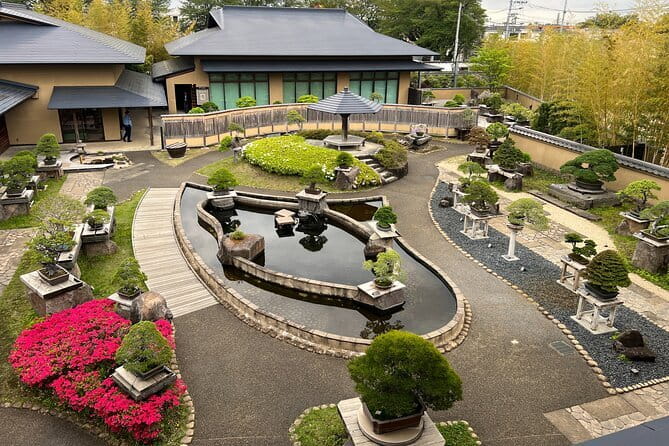
The main visit to Omiya Bonsai Village lasts about 90 minutes. The area contains six distinguished bonsai gardens, with rows of trees arranged for viewing and care.
Seeing several gardens is more useful than a single nursery stop. You can compare how each place presents its trees and ask your guide about the differences. If you already grow plants, bring specific questions about shaping, age, care, or the role of the pot. If you are new to bonsai, ask for the basic principles first, then let the visit build from there.
The private format is important here. In a large group, a guide must keep moving and deliver the same explanation to everyone. With only your party, you can pause at a tree that catches your eye or return to a subject you did not understand.
The gardens also make strong photo stops. Their rows of carefully trained trees provide a more unusual souvenir than another picture of a Tokyo crossing. Still, photography should not become the whole point. Bonsai depends on close attention to shape, proportion, and care, so give yourself time to look without constantly checking your phone.
The exact experience can vary by garden, season, and what is open on the day. The supplied details promise access to six gardens in the district, but they do not guarantee that every garden will receive an identical amount of time. Your guide can help you use the 90-minute visit well.
The Omiya Bonsai Art Museum puts the trees in context
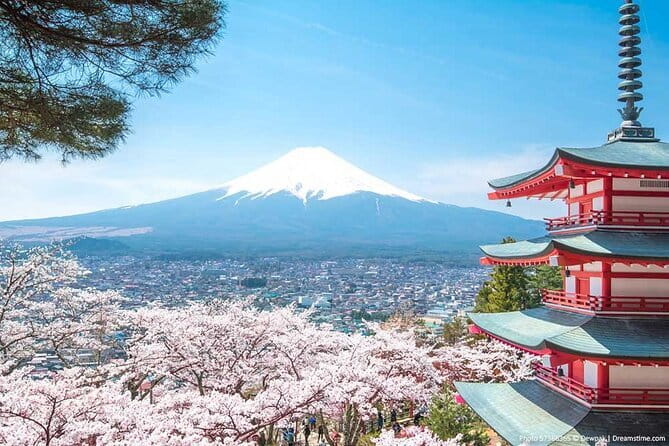
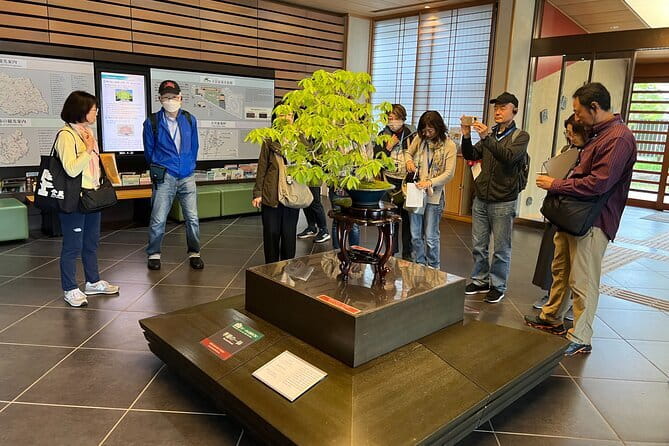
The Omiya Bonsai Art Museum sits at the edge of the village. The visit lasts about 30 minutes and adds an important layer to the garden stops.
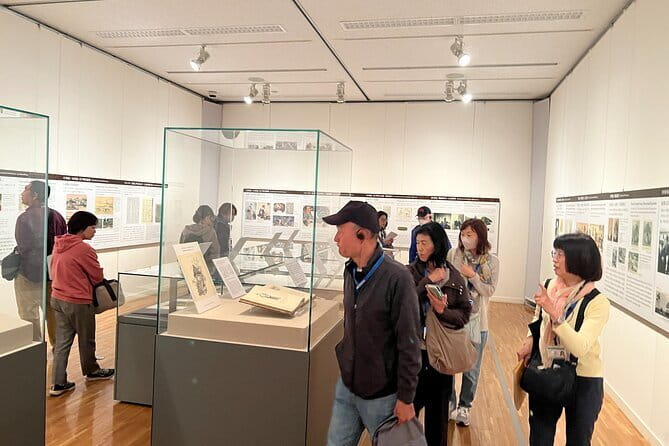
A garden shows you the trees in a working setting. The museum helps explain bonsai as a Japanese horticultural art form and places the local tradition in a wider historical frame. The museum is arranged in a logical order, so you can follow the subject without needing specialist knowledge.
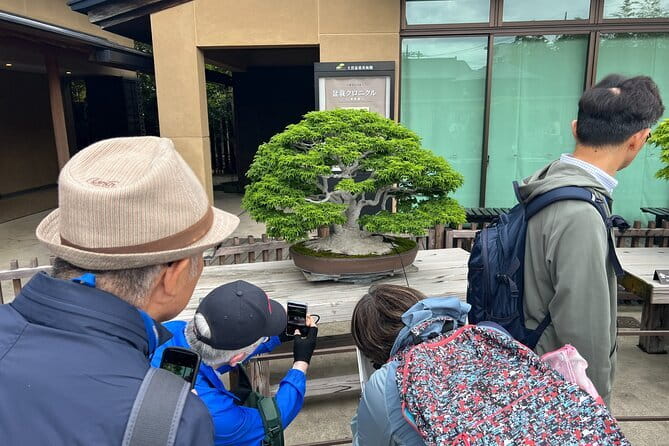
One especially notable tree is a thousand-year-old Ezo spruce. That single example gives you a sense of the patience behind bonsai. You are looking at an art form measured over decades and centuries, not a quick craft project.
Thirty minutes is enough for a focused museum visit, but not a full museum afternoon. Plant lovers may want more time, while casual visitors may find the compact stop just right. If the museum matters most to you, ask the guide how the time will be divided between the gardens and museum.
Check the museum status before booking around a specific date. It was scheduled to close for renewal from November 5, 2024, through March 20, 2025. Since opening details can change, confirm that the museum is operating for your chosen visit.
What the private guide adds
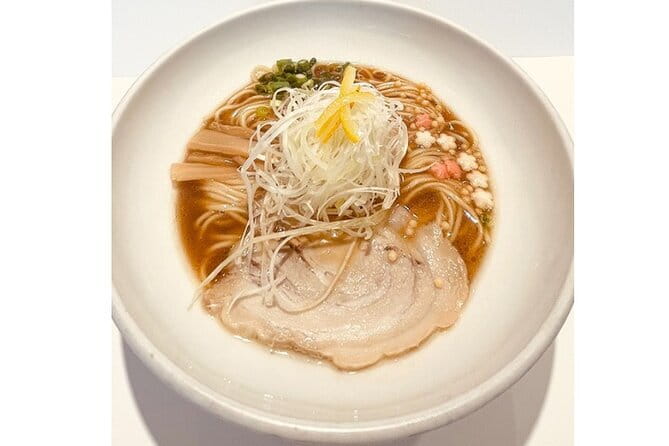
The licensed English-speaking guide is the central reason to choose this experience instead of visiting independently. Bonsai can look beautiful without explanation, but a guide gives you a way to understand what you are seeing.
Kahori has been praised for patience and for sharing plant knowledge with an interested couple. Her origami lesson on the train suggests a friendly, personal approach rather than a script delivered at each stop.
Miyuki is another named guide connected with the experience. She explains bonsai history and the subject in general, and she may help you notice details that a quick independent visit would miss. Her reference to the museum’s thousand-year-old Ezo spruce points to the kind of specific detail that can make the afternoon more memorable.
Your assigned guide may not be Kahori or Miyuki, so treat these names as examples rather than a guarantee. The important feature is the private arrangement. You can ask about Japanese history, gardening, tree care, photography, or buying a plant without worrying that you are holding up a busload of people.
The guide also helps with the practical side of reaching the village from your hotel. That support is valuable if you want a local person beside you during the public transport journey, but remember that the guide does not replace the transport fare or admission costs.
Other private tours in Tokyo




Buying a bonsai plant as a souvenir
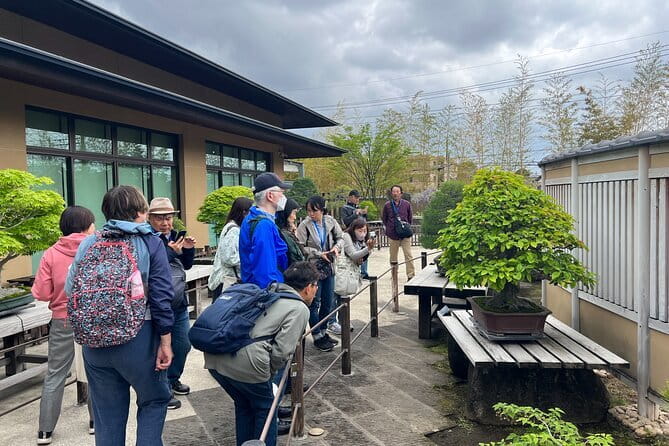
The tour offers a chance to purchase a souvenir bonsai plant. For a plant lover, this can be the most tempting part of the afternoon. A small living tree is more personal than a standard shop souvenir, and it connects directly to the place you visited.
Buying a plant also requires some thought. The supplied details do not specify the plant size, price, species, packaging, or rules for taking it home internationally. You should ask your guide or the seller about those points before paying.
If you are flying home, check your country’s plant import rules yourself. The tour information does not promise export paperwork or special packing. A bonsai that looks easy to carry may still create problems at customs or during a long journey.
You do not need to buy anything to enjoy the tour. The gardens and museum are the main experience, and the plant purchase is an optional extra. I would see it as a bonus rather than a reason to book unless you already know you want to bring a plant home.
Price, timing, and what you really receive
At $107.50 per person, this is not the cheapest way to see bonsai. The price covers a licensed English-speaking guide and the private nature of the outing. It does not cover transportation, admission fees, lunch, or other personal spending.
The value depends on your group size and your interest level. A solo visitor or couple pays more per person for privacy, while a small group can make better use of the private format. Group discounts may be available, though the exact terms are not provided.
The tour lasts about four hours, including the return to Tokyo. That is a sensible length for a half-day activity, but the long train journey means you should not expect a packed day of sightseeing. You are choosing depth in one subject over a long list of attractions.
The fact that this experience is often booked about 52 days ahead suggests you should not leave it until the last minute if the date matters to you. That figure is an average, not a guarantee of availability, but it is a useful planning signal.
Free cancellation is available if you cancel at least 24 hours before the start time. Changes or cancellations inside that window are not accepted for a refund. The cut-off follows local time, so check your timing carefully.
Who will enjoy this half-day outing
This tour is a strong match for:
- Plant lovers, gardeners, and nature-focused visitors
- People interested in Japanese art and traditional crafts
- First-time visitors who want a quieter experience outside central Tokyo
- Anyone who prefers asking questions instead of following a fixed group
- Families or friends who want a private pace
- Visitors who like taking distinctive photos
- People curious about buying a bonsai plant
It may be less suitable if your Tokyo schedule is extremely tight. Spending about two hours on transport for roughly two hours at the site is a poor trade if bonsai does not interest you.
It is also not ideal if you want a private vehicle, a full meal, or several unrelated attractions. The tour has a clear focus, and that focus is its strength.
Most people can participate, and service animals are allowed. The meeting is on foot at your Tokyo location, and the activity is near public transportation. The supplied details do not give a more specific mobility assessment, so if you have particular access needs, confirm the transport and garden arrangements before booking.
Practical tips for making the afternoon work
Wear comfortable shoes. Even with a guide, you will spend time moving between gardens and using public transportation.
Keep your schedule open around the four-hour estimate. The stated duration is approximate, and train travel can affect the pace. Do not book a tight restaurant reservation or another timed attraction immediately after the return.
Bring questions. This is one of the rare tours where your curiosity can shape the experience. Ask about the thousand-year-old spruce, the village’s origins, tree training, seasonal changes, or the care needed for a bonsai you may want to purchase.
Budget separately for transport and admissions. The listed price is not the final spend, and lunch is also your responsibility.
If you are visiting during the museum renewal period listed above, check whether the museum is open before committing. The village gardens remain the main outdoor focus, but the museum provides important context and is part of the planned experience.
Should you book the Omiya Bonsai Village tour?
Book it if you want a calm, focused half-day with a private guide and you are happy to spend about an hour each way on public transport. The combination of six gardens, the museum, and direct time with a guide such as Kahori or Miyuki gives you more than a quick bonsai photo stop.
Skip it if your main goal is central Tokyo sightseeing, if you dislike public transport, or if the extra costs for fares and admissions make the price feel too high. You will get the most from this tour when you treat the journey, the questions, and the careful looking as part of the experience.
For gardeners and plant lovers, I think the private format makes the $107.50 starting price easier to justify. For everyone else, choose it only when you want to slow down and see a thoughtful, less familiar side of Japan.
FAQ
How long does the private Omiya Bonsai Village tour last?
The experience lasts approximately four hours, including the journey from Tokyo to Omiya Bonsai Village and the return trip.
How long does it take to reach Omiya Bonsai Village from Tokyo?
The journey takes about one hour each way, making the total round trip approximately two hours.
Where do I meet the guide?
You meet the guide at your Tokyo hotel or another desired meeting place in Tokyo. The guide then accompanies you back to Tokyo after the tour.
Is private car transportation included?
No. A private car is not included, and transportation fees are listed as an extra cost. The guide helps you reach the gardens using public transportation.
Are admission fees included in the price?
No. Admission fees for Omiya Bonsai Village and the Omiya Bonsai Art Museum are not included.
Is lunch included?
No. Lunch and other personal expenses are not included.
Can I buy a bonsai plant during the tour?
Yes. The experience includes a chance to purchase a souvenir bonsai plant, though the available plants, prices, and purchase conditions are not specified.
Is the Omiya Bonsai Art Museum always open?
The museum was scheduled to close for renewal from November 5, 2024, through March 20, 2025. Check its operating status for your chosen date before booking.
More Private Tours in Tokyo
More Guided Tours in Tokyo


More tours in Tokyo we've reviewed












Guided, compared.
 ★ 5.0Tokyo 6hr Private Tour with Government-Licensed GuideFrom $155
 ★ 4.9Tokyo: Shinjuku Local Bar and Izakaya Guided Walking TourFrom $343 hours
 ★ 4.8Tokyo: Private City Highlights Tour with Local GuideFrom $1064 - 8 hours
 ★ 4.9Tokyo: Tsukiji Fish Market Guided Walking TourFrom $222 hours
 ★ 5.0Tokyo 4hr Private Tour with Government-Licensed GuideFrom $109
 ★ 5.0Tokyo Guided Small-Group Biking TourFrom $106