Reviewed · MT FUJI DAY TRIPS
Mt. Fuji 6 Attractions Tour: Lake Kawaguchi, Oshino Hakkai
Mt. Fuji reveals itself in many moods on this full-day outing from Tokyo: beside a red pagoda, above a quiet rural street, behind cherry blossoms, and reflected in Lake Kawaguchi. The most memorable stop is Shinkurayama Sengen Park, where 398 steps lead to one of Japan’s classic mountain views.
In This Article
- Key points to know before booking
- Why this $50 Mt. Fuji day trip works
- From Tokyo to the Path of Faith
- Shinkurayama Sengen Park and the 398-step climb
- Hikawa Clock Shop and Honcho Street
- Oshino Hakkai and the eight clear springs
- Lake Kawaguchi and Oishi Park
- The Lawson viewpoint and a modern Japan moment
- The return to Tokyo and the traffic problem
- Who will get the most from this tour
- Is the $50 price fair?
- Should you book this Mt. Fuji tour?
- FAQ
- Where does the Mt. Fuji tour start and finish?
- What time does the tour leave Tokyo?
- What time will I return to Tokyo?
- Is Mt. Fuji guaranteed to be visible?
- Are meals included?
- Is the tour suitable for wheelchair users?
- What languages are available on the tour?
I like the mix of sacred sites and ordinary local places, especially Oshino Hakkai’s clear spring pools and the nostalgic Hikawa Clock Shop street. I also like the practical price, $50 per person, which covers transport, a guide, and attraction admission. The tradeoff is a long day with a fixed schedule, and Mt. Fuji can disappear behind clouds.
Key points to know before booking
- 398 steps to the pagoda view: Shinkurayama Sengen Park rewards the climb with Mt. Fuji, a five-story pagoda, and Fujiyoshida rooftops in one frame.
- Oshino Hakkai brings the mountain underground: Snowmelt filters through volcanic rock for decades before appearing in eight clear springs.
- The best scenery changes by season: Cherry blossoms, autumn maples, and winter snow each give Lake Kawaguchi a different look.
- Guides make the stops easier: Anna received particular praise for clear explanations, photo advice, and care with families. Evita is also named as a friendly guide.
- The Lawson stop is deliberately simple: You get a brief rest and a modern Mt. Fuji photo angle, not a major attraction.
- Traffic can reshape the day: The scheduled return is around 6:00 PM, but peak-season delays may push arrival as late as 9:00 PM.
Why this $50 Mt. Fuji day trip works
This is a sightseeing circuit, not a mountain-climbing tour. You leave Tokyo by air-conditioned coach, visit several of the most recognizable places around Mt. Fuji, and return to the same meeting point.
At $50, the value is strong if you want to cover a lot without arranging separate trains, buses, and local transfers. Your fee includes attraction admission, the coach, professional driver, and a guide who speaks English, Japanese, or other listed languages depending on the departure. Meals, drinks, and personal purchases cost extra.
The day also gives you more than a single postcard view. You see a sacred shrine, a historic-looking shopping street, a spring-fed village, a lakeside park, and a distinctly modern convenience-store viewpoint. That variety helps you understand how Mt. Fuji fits into daily life, religion, photography, and local tourism.
The main limitation is pace. You will have set stops and a group to keep together. This works well if you want an efficient introduction, but less well if you prefer long meals, quiet wandering, or a flexible schedule. The bus must leave on time, and late arrival at the meeting point is treated as a no-show without a refund.
A few more Tokyo tours and experiences worth a look
From Tokyo to the Path of Faith
The day begins at 8:00 AM at a designated meeting point in Tokyo. The exact location can vary with the option you book, so check the final message sent by 9:00 PM the night before. That message contains the guide, bus, and driver details.
The coach ride takes you from Tokyo toward the Mt. Fuji area, with countryside views along the way. A coach is useful here because the stops are spread across different towns and lake districts. You avoid changing trains and then finding local transport at each site.
This is a group tour with people from several countries, and the guide may explain things in multiple languages. That can make commentary less continuous than on a private tour, but it also keeps the price low. Guides work to gather everyone before departure, so listen carefully to meeting instructions at every stop.
Shinkurayama Sengen Park and the 398-step climb
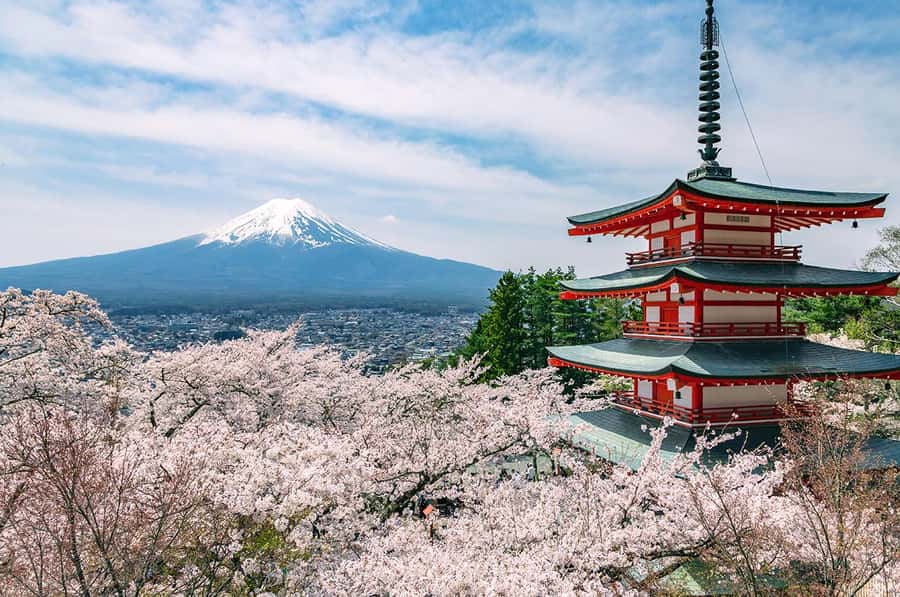
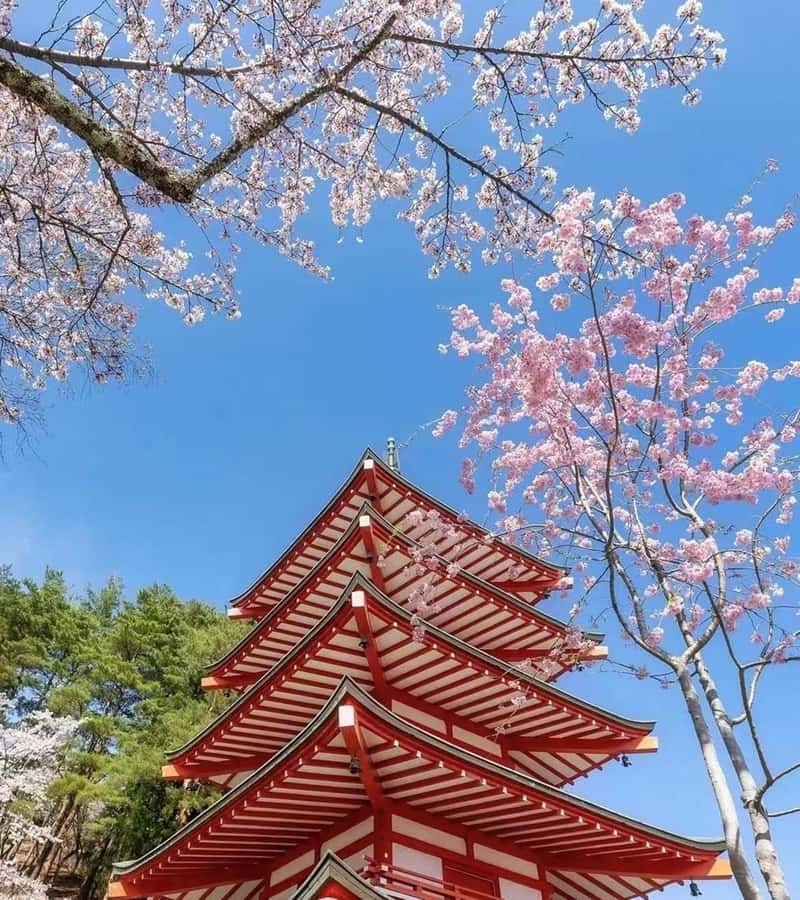
Your first major stop is Arakura Sengen Shrine and Shinkurayama Sengen Park, reached at about 10:30 AM. This is the image many people associate with Japan: Mt. Fuji behind a five-story pagoda, with the town of Fujiyoshida spread below.
Getting to the viewpoint requires climbing 398 steps. The climb is not a technical hike, but it is still a meaningful physical effort, especially early in the day or in hot weather. Wear shoes that are comfortable on stairs and bring water, since the itinerary does not include meals or drinks.
The park is part of the mountain’s sacred route, often described as the Path of Faith. That religious setting matters. You are not simply stopping at a photo platform. The shrine and park connect Mt. Fuji with the long tradition of pilgrimage, prayer, and reverence for natural forces.
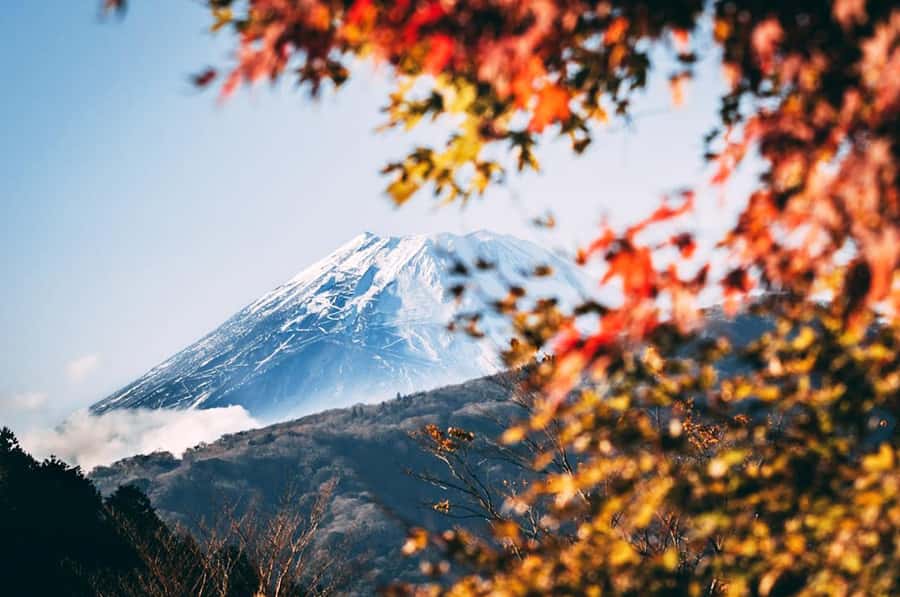
The view changes sharply with the calendar. In spring, cherry blossoms soften the pagoda and mountain. Autumn brings warm foliage, while winter can offer a snow-covered peak and a quieter feel. Summer is the best season for climbing Mt. Fuji itself, but this tour only provides views of the mountain.
The stop is excellent for photography, though the famous angle may be busy. You have time to take pictures and look around, but the coach schedule prevents a long, unhurried visit. If the mountain is hidden by cloud, the shrine and town view still give you something to see, but the classic composition may not appear.
Hikawa Clock Shop and Honcho Street
At about 11:40 AM, the group moves to Hikawa Clock Shop and Honcho Street, known for its Sky Ladder Town view. The road seems to point directly toward Mt. Fuji, creating a striking line between a normal town street and the distant peak.
This stop has a different mood from the pagoda. Instead of a formal park, you walk past shopfronts and older buildings that recall Japan’s Showa era. The appeal is the contrast between everyday town life and the mountain that seems close enough to touch, yet remains far away.
You will want to follow local instructions here. Streets are active public spaces, and the best photographs should never block traffic or disturb residents. Your guide can help you find the right angle and explain why the view has such symbolic force.
The visit is short, but that is part of the point. You get a brief look at rural Fujiyoshida rather than a long shopping session. If you want cafes, stores, or time to explore every side street, the fixed schedule may feel tight. For a first visit, though, this unusual street view adds character to the day.
Oshino Hakkai and the eight clear springs
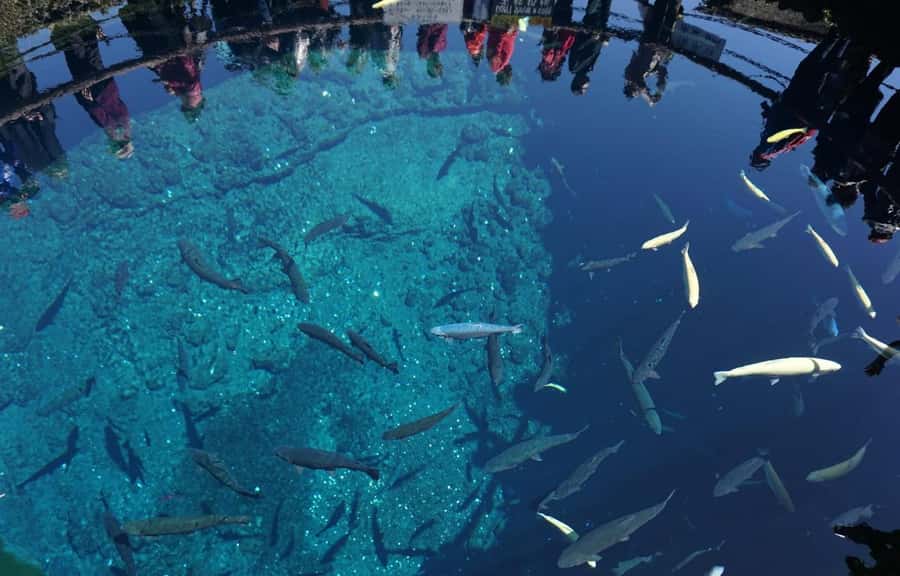
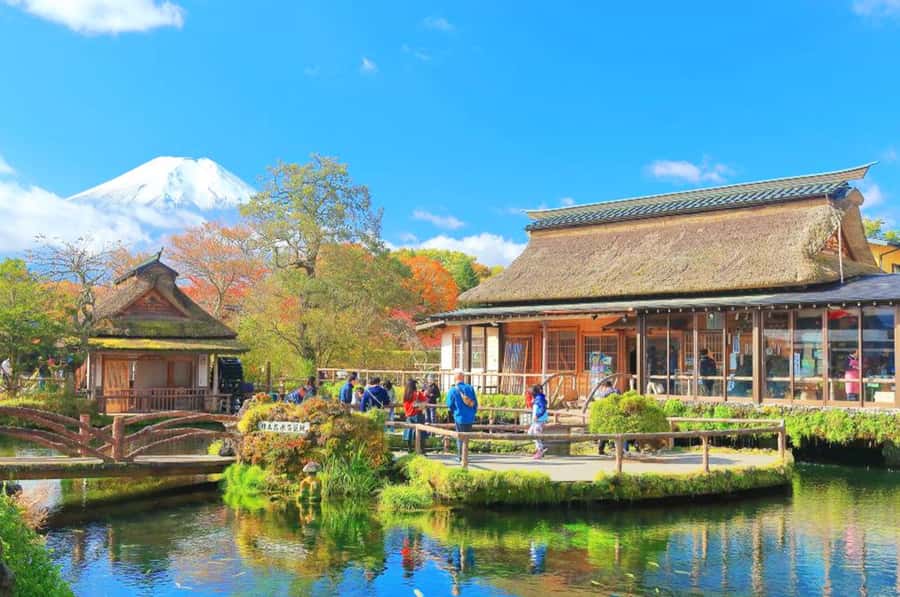
Around 12:30 PM, you reach Oshino Hakkai, one of the most worthwhile stops on the route. The village is known for eight springs fed by Mt. Fuji snowmelt. Water filters through layers of volcanic rock over many years before emerging clear and cold.
That detail gives the place more meaning than a simple pond visit. Mt. Fuji is not only visible above ground. Its snow and rock shape the water, farming, and settlement below. The springs are recognized as a Natural Monument and form part of the Mt. Fuji UNESCO World Heritage area.
Oshino Hakkai preserves a traditional rural setting, with water channels, old-style buildings, and a quiet religious atmosphere. You can walk among the spring pools and take photographs, but do not expect a wilderness experience. It is a popular stop with shops and other people around.
This is also the point where you will need cash. Some local shops and attractions may not accept cards. Meals are not included, so bring money for food, snacks, or drinks if you want them. The supplied information notes that lunch can be booked on the bus, and a McDonald’s is located next to the area, giving you a practical backup.
The timing works well for a midday stop, but lunch may feel rushed if you spend too long at the springs. Follow your guide’s return instructions closely. The most useful guides here do more than point at the water. Anna, one named guide, is described as offering cultural explanations, photo tips, and considerate help for families with children.



Lake Kawaguchi and Oishi Park
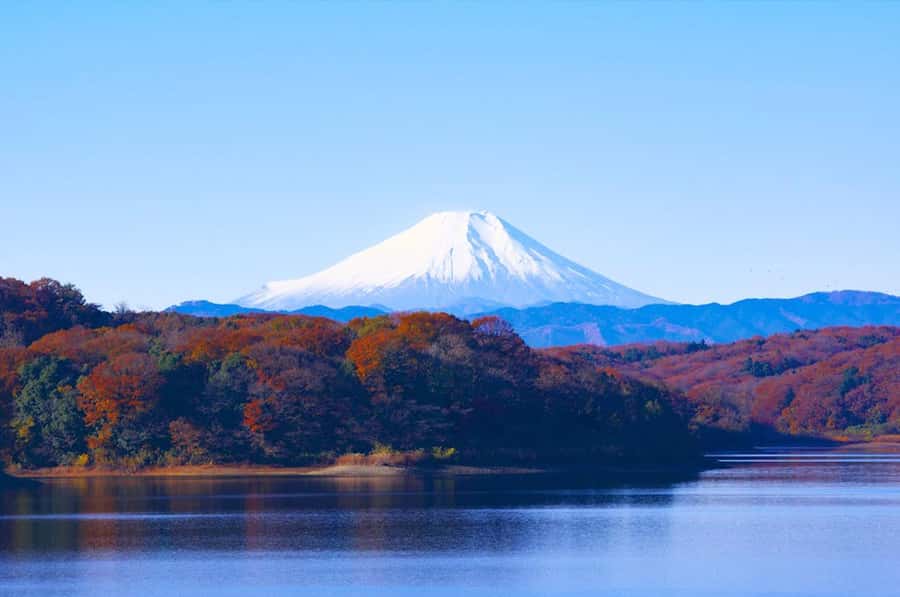
At about 2:30 PM, the coach reaches Kawaguchiko Oishi Park on the northern shore of Lake Kawaguchi. This is one of the day’s best places for a broad Mt. Fuji view, with the mountain rising beyond the lake and seasonal flowers in the foreground.
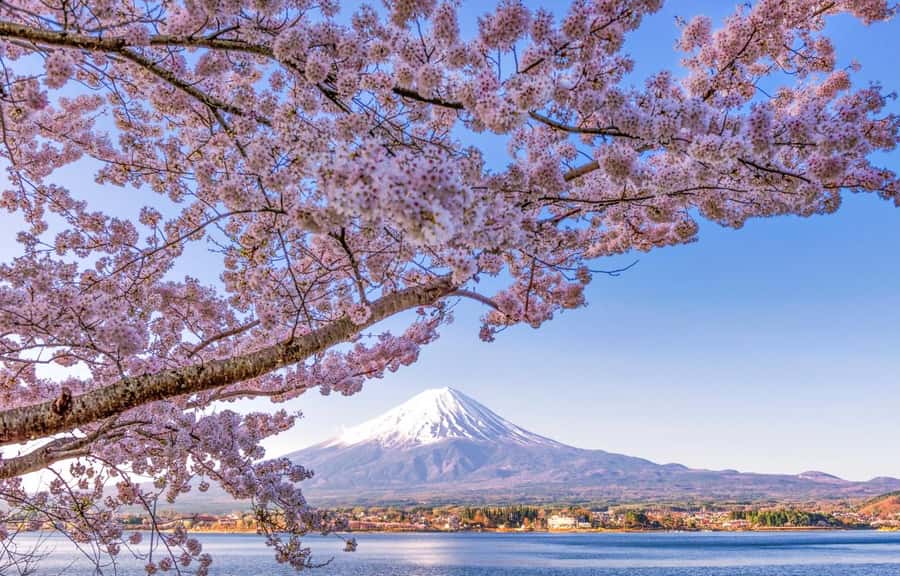
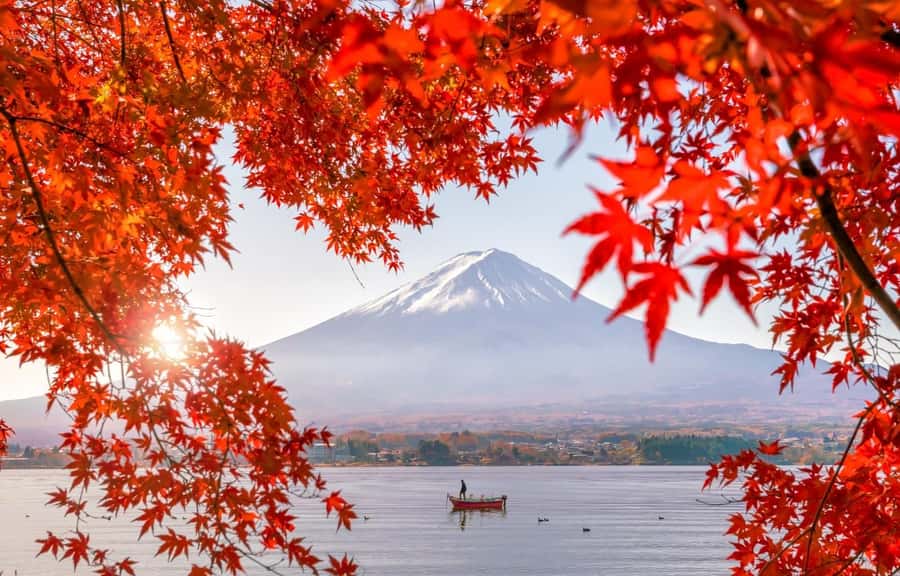
The park’s appeal depends heavily on timing and weather. Spring brings cherry blossoms and reflective lake views. Other periods offer different flowers, while autumn is especially strong at the nearby Maple Corridor, where red leaves frame the snowy peak. Winter can give you the cleanest snow-covered outline, although cold conditions are part of the bargain.
A seasonal cherry blossom festival takes place along the northern shore, creating a particularly popular composition of mountain, lake, and pink blossoms. The Maple Corridor is also a limited seasonal sight, so the tour should not be judged by the same photo promise in every month.
The park includes the Mt. Fuji Assembly Memorial Monument, built with rocks gathered from across Japan. It adds a symbolic touch to the visit, though the main attraction remains the mountain view. Allow yourself time to look beyond the camera. The lake, flowers, mountain, and changing light are the real experience.
Oishi Park is also one of the places where visibility matters most. Mt. Fuji may be fully visible, partly hidden, or absent behind cloud. No tour can control that. Spring blossoms and autumn color can improve the foreground, but they cannot guarantee a clear summit.
The Lawson viewpoint and a modern Japan moment
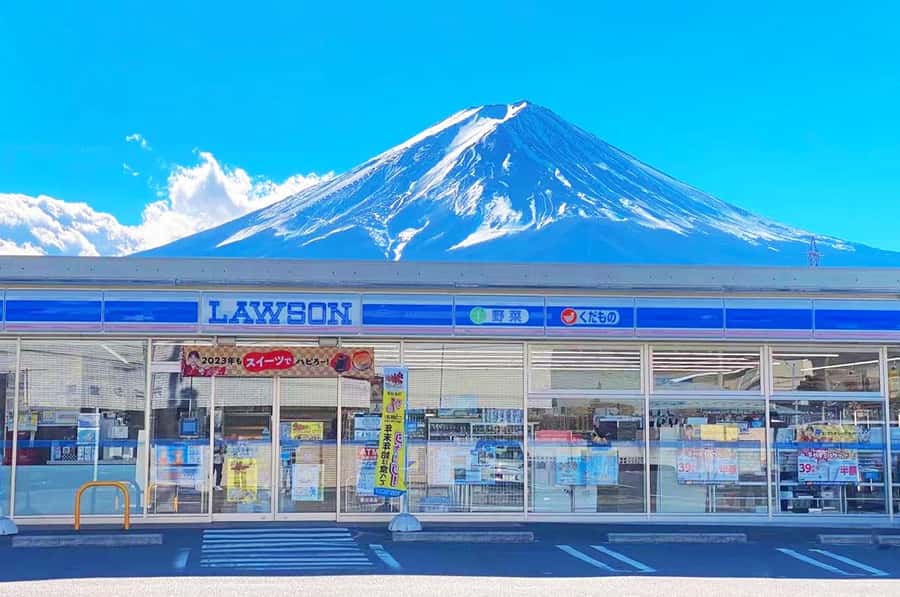
At about 3:40 PM, you make a short stop at the Lawson Convenience Store near Lake Kawaguchi. At first, this may sound less special than a shrine or lake park. Its appeal is the unusual combination of a familiar modern store and Mt. Fuji rising behind it.
The stop gives you a different angle for photographs and a chance to rest. You can see how the mountain appears beside the places people use every day, not only at formal viewing points. That small contrast helps keep the tour from becoming a string of sacred sites and scenic platforms.
Do not expect a long visit. This is a brief pause before the return journey, and the parking area is the main viewing area. It is useful for snacks or drinks, but personal purchases are not included.
The return to Tokyo and the traffic problem
The coach is scheduled to leave for Tokyo at 4:00 PM, with arrival usually around 5:00 to 6:00 PM depending on the meeting point and traffic. The formal schedule lists a 6:00 PM arrival, but peak seasons can produce much longer delays, with arrival as late as 9:00 PM.
That uncertainty matters if you have an evening train, flight, restaurant reservation, or show. I would avoid booking anything that cannot be changed after the tour. The traffic risk is especially important during cherry blossom season, autumn foliage, weekends, and other busy periods.
The return ride gives you a chance to rest after the stairs and walking. Guides such as Anna have been praised for keeping people together and working to stay on schedule. That care helps, but it cannot overcome congestion on the road.
Who will get the most from this tour
I would choose this outing if you are staying in Tokyo and want to see several Mt. Fuji highlights in one day without managing regional transport. It suits first-time visitors, photographers, families who can manage stairs, and anyone who wants cultural context along with scenic stops.
It is also a good fit if you like a clear plan. You know where you are going next, the coach handles the transfers, and the guide provides explanations in the listed languages. The mix of shrine, village, lake, street, and convenience store gives you a broad introduction rather than one narrow attraction.
You may want another option if you need wheelchair access, since this activity is not suitable for wheelchair users. It is also not suitable for people over 95 years old. The 398-step climb and amount of walking deserve attention if stairs are difficult for you.
Bring comfortable walking shoes, cash, water, sun protection in warm months, and layers in cooler seasons. Most important, bring patience for weather and traffic. Mt. Fuji visibility is never guaranteed, even on a clear-looking morning in Tokyo.
Is the $50 price fair?
For $50, the tour offers a lot of transport and sightseeing in a region where independent connections can take time and planning. You get a coach, driver, guide, and admission to the included attractions, while meals and drinks remain your responsibility.
The value is strongest when you want convenience and coverage. You visit six distinct points in one day, including places that would be awkward to combine without a vehicle. The value is weaker if you dislike group schedules or already plan to spend several days around Lake Kawaguchi.
Guide quality can shape the experience. Anna is specifically associated with clear history, careful timing, family-friendly help, and useful photography advice. Evita is also described as friendly and enjoyable. Since the exact guide varies, treat those names as examples rather than a guarantee.
You can cancel up to 24 hours ahead for a full refund, and reserve now while paying later. The final guide and bus details arrive by email the evening before departure, so check your inbox rather than assuming the meeting point from an earlier booking screen.
Should you book this Mt. Fuji tour?
Book it if you want an affordable, well-packed day from Tokyo with strong photo stops and a guide to explain the spiritual and local meaning of the area. The pagoda view, Oshino Hakkai springs, and Oishi Park give you three genuinely different ways to experience Mt. Fuji.
Skip it if you need a relaxed pace, guaranteed mountain visibility, wheelchair access, or a dependable early return to Tokyo. For everyone else, $50 is a reasonable price for the transport and range of stops, provided you accept stairs, group timing, and the possibility of a late arrival.
FAQ
Where does the Mt. Fuji tour start and finish?
The tour starts at a designated meeting point in Tokyo, which may vary by booking option. It ends back at the meeting point after returning from the Mt. Fuji area.
What time does the tour leave Tokyo?
Departure is scheduled for 8:00 AM. You should check the final message sent by 9:00 PM the day before for the exact meeting, guide, bus, and driver details.
What time will I return to Tokyo?
The usual return is between 5:00 and 6:00 PM, with the schedule listing a 6:00 PM arrival. During peak seasons and heavy traffic, arrival may be as late as 9:00 PM.
Is Mt. Fuji guaranteed to be visible?
No. Visibility depends on the weather. The tour operates even if clouds hide the mountain, so you should not book it expecting a guaranteed summit view.
Are meals included?
No. Meals and beverages are not included. You may book lunch on the bus, and a McDonald’s is located next to the Oshino Hakkai area. Bring cash because some local shops may not accept cards.
Is the tour suitable for wheelchair users?
No. The activity is not suitable for wheelchair users. It is also not suitable for people over 95 years old.
What languages are available on the tour?
The tour information lists English and Japanese, with English, Chinese, and Japanese-speaking guides included in the tour details. Explanations may be given in multiple languages for the multinational group.
More Mt Fuji Day Trips in Tokyo
More tours in Tokyo we've reviewed












Mt Fuji Day Trips, compared.
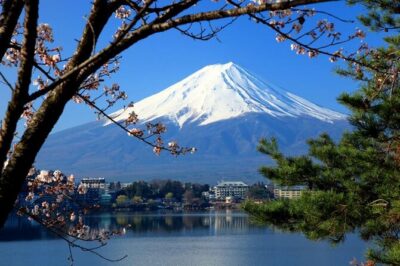 ★ 5.0Mt Fuji and Hakone 1-Day Bus Tour Return by Bullet TrainFrom $163
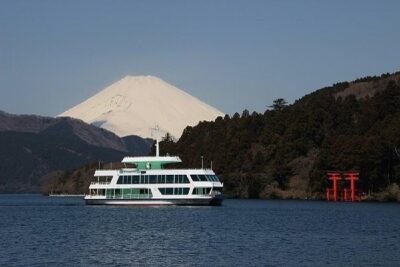 ★ 4.0Mt Fuji & Hakone Cruise, Drum Show Bullet Train 1 Day from TokyoFrom $149
 ★ 4.4Tokyo Mt Fuji 5th St & Hakone Cruise Bus Tour w/Bullet TrainFrom $15410 hours
 ★ 4.5From Tokyo: Mount Fuji Full-Day Sightseeing TripFrom $6810 hours
 ★ 4.7Tokyo: Mt. Fuji Tour, Hakone Ropeway, Owakudani, Lake AshiFrom $5410 hours
 ★ 4.4Tokyo:Mt.Fuji,Kawaguchiko Oishi Park,Arakurayama Sengen ParkFrom $5410 hours