Reviewed · SUMO EXPERIENCES
Tokyo:Luxury Sumo Show Experience & Japanese cuisine & Drink
Tokyo sumo is often hard to decode from the outside. This two-hour Asakusa show fixes that with clear English and Japanese commentary, demonstrations, jokes, live bouts, and a chance to push against a retired wrestler in the ring. You get the sport explained before the action begins, not just a noisy match with no context.
In This Article
- Key points to know before booking
- What kind of sumo experience is this?
- The geisha dance opens the evening
- Sumo history becomes easier to follow
- The ring is the center of the meal and show
- What you eat during the two-hour show
- Picking between Standard, Business, and First Class
- The sumo challenge is fun, but not guaranteed
- Photos and souvenirs at the end
- Location, timing, and practical matters
- Who will enjoy this most?
- Should you book the Asakusa Sumo Club Annex?
- FAQ
- How long does the Asakusa Sumo Club Annex experience last?
- Where is the meeting point?
- Is the commentary available in English?
- Is this a performance by active sumo wrestlers?
- Does the experience include a meal?
- Are drinks included?
- Can I join the sumo challenge?
- Are vegetarian or vegan meals available?
- Is the venue wheelchair accessible?
- Can I cancel my booking?
I like the mix of A5 wagyu sukiyaki and chanko hot pot, and I like how much the staff bring you into the room. The geisha dance gives the evening a graceful opening, while the wrestlers and MC keep things warm and funny. The main caution is simple: this is staged entertainment by retired wrestlers, not a visit to an active sumo stable, and the price can feel high if you choose the Standard seat and do not buy extra drinks.
Key points to know before booking
- A real sumo ring sits inside the restaurant, putting the action close to your table or sofa.
- Live commentary is in English and Japanese, with explanations of rules, rituals, history, and training moves.
- The meal combines wagyu sukiyaki, chanko nabe, and matcha dessert, with vegetarian and vegan meals available only by advance request.
- The sumo challenge is genuinely interactive, but places are limited and may be assigned by lottery.
- Business and First Class include unlimited drinks, while Standard includes one complimentary drink.
- The Annex is intimate but not wheelchair accessible, since stairs are required.
What kind of sumo experience is this?
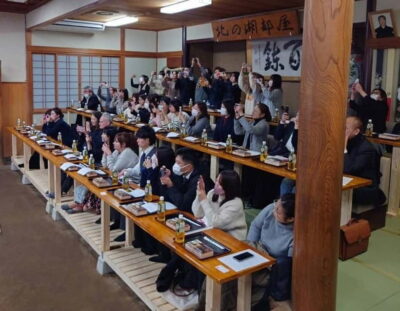
Asakusa Sumo Club Annex is a small, polished restaurant venue built around entertainment. The ring is in the center, so the room feels more like a dinner theater than a sports arena. You are close enough to see the wrestlers’ footwork, expressions, and playful exchanges without needing binoculars.
The performers are retired sumo wrestlers. That matters. You are seeing people with real experience of the sport, but you are not watching active athletes prepare for an official tournament. The show uses that experience to explain sumo in a friendly way, with demonstrations and comic moments that make the rules easier to follow.
I would choose this experience if you want an accessible first look at sumo, especially if you are visiting with children or friends who do not know the sport. If your goal is to observe the strict routine of an active stable before breakfast, this is the wrong choice. The activity itself clearly separates those two ideas.
The setting is designed to feel private and comfortable. You may be seated with other people, but the Annex has a more intimate feel than a large public performance space. That smaller scale helps during the question-and-answer portions, when you can ask about moves, training, and sumo customs.
A few more Tokyo tours and experiences worth a look
The geisha dance opens the evening
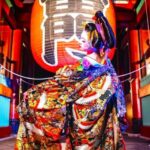
The first stage performance is a Japanese dance by a geisha. It is a quiet contrast to the noisy, comic sumo demonstrations that follow. Pay attention to the small hand movements and controlled steps. The performance offers a glimpse of a different traditional art before the room turns toward the ring.
After the dance, you can take a photo with the geisha. This is a useful moment for families and couples who want a keepsake beyond the final wrestler photo. It also gives you time to settle in, look around the venue, and understand that the evening is built from several parts rather than one long match.
The dance is not a full geisha cultural lesson, so do not book this expecting an in-depth presentation on geisha life or training. It works best as a short, elegant introduction to the evening.
Sumo history becomes easier to follow
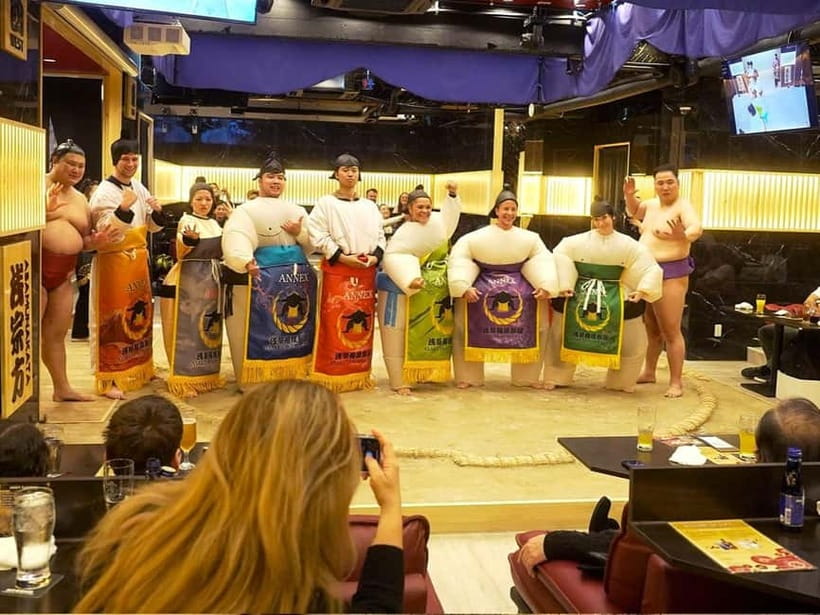
The host then explains the basic history, rules, rituals, and traditions of sumo. This is one of the strongest parts of the experience because the explanations come with live movement. Instead of trying to remember unfamiliar Japanese terms from a printed guide, you see how the wrestlers use their bodies and the ring.
The bilingual commentary is especially helpful for first-time viewers. It keeps the show moving for English speakers while also presenting the material in Japanese. The hosts have been praised for clear English, humor, and a willingness to answer questions. Some sessions feature hosts identified as Luke or Go, though the exact presenter may vary.
You will learn how the action works, what a wrestler is trying to achieve, and why certain gestures and ring rituals matter. The tone is light. Expect jokes and audience participation rather than a formal lecture.
Come with a few questions ready. The question-and-answer time can be a highlight, particularly if you want to ask about training, techniques, or the daily world of sumo. The explanations are aimed at a broad audience, so experienced sumo followers may find the material basic.
The ring is the center of the meal and show
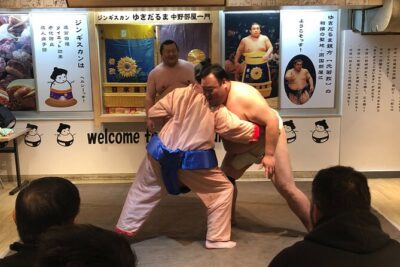
A real sumo ring sits in the middle of the restaurant. That arrangement gives the meal a useful advantage: you can eat while still watching the demonstrations and bouts. The ring also makes the show feel more immediate than a performance viewed from a distant stage.
The wrestlers demonstrate training techniques before moving into dynamic bouts. You will see the strength and balance that make sumo so compelling, but the mood remains playful and welcoming. The wrestlers interact with the audience, pose for photos, and help make the rules understandable.
Some parts can be loud and energetic. If you prefer a quiet dinner, this is not the place for it. You are buying dinner theater, with conversation, applause, movement, and regular invitations to participate.
The show is suitable for families, couples, solo visitors, and groups. Children are allowed, and the interactive format works well for them. A seven-year-old has been singled out as having a wonderful time, while teenagers have enjoyed taking part in the challenge. Babies under one year are not suitable for the activity.
What you eat during the two-hour show
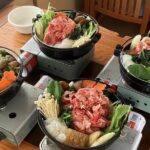
The core meal is a sukiyaki bento made with Japanese A5 rank wagyu beef, chanko nabe, and matcha dessert. Sukiyaki brings the rich, sweet-savory flavor of thinly sliced beef cooked in a seasoned broth. Chanko nabe is the hearty hot pot associated with sumo wrestlers, making it a fitting dish for the setting.
The meal is generous enough to feel like dinner rather than a small snack between acts. Food quality has received strong praise, though one useful warning is that dishes may not always arrive as hot as you want. If temperature matters to you, eat the food when it reaches the table rather than waiting through a long stretch of the performance.
Standard seating includes the sukiyaki meal, chanko hot pot, matcha dessert, and one complimentary drink. Additional drinks are available for purchase.
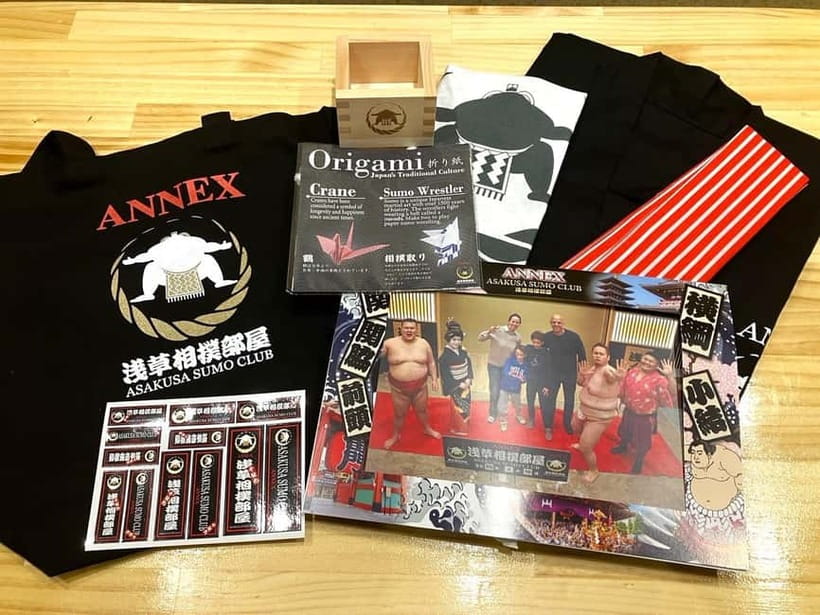
Business seating adds tempura and unlimited drinks. You also get a sofa seat, which may be more comfortable during a full two-hour program. First Class adds front-row sofa seating, unlimited drinks including premium Japanese whisky such as Yamazaki, and an exclusive souvenir set with a happi coat.
Vegetarian and vegan meals are possible, but you must request them at least two days before the reservation date. The venue cannot prepare those meals on the day. Gluten-free and halal meals are not provided, though you may bring your own food if needed.
A few more Tokyo tours and experiences worth a look



Picking between Standard, Business, and First Class
The advertised price is $103 per person, but your value depends heavily on the seat category. Confirm exactly which category you are booking before you pay, since the dining, drink, and souvenir benefits change.
Standard is the practical choice if you mainly want the performance and a decent meal. You get table seating, a clear view, and one drink. It makes sense for families watching their budget, especially if children will not use the bar benefits.
Business is the middle option and may be the best fit for many adults. Sofa seating gives you a more relaxed place to sit, tempura adds to the meal, and unlimited drinks remove the need to count each beer, soft drink, or Japanese beverage. If you value comfort and plan to drink during the show, the added cost may make sense.
First Class is for people who want the closest possible view and the full package. Front-row sofa seating, premium Yamazaki whisky, and the happi coat souvenir make it a special-occasion purchase. I would not choose it simply because the name sounds luxurious. Choose it if the front-row position and drink package are genuinely important to you.
The show itself remains the main attraction in every category. A higher seat does not turn the performance into official sumo competition, so do not pay more expecting a different level of sporting authenticity.
The sumo challenge is fun, but not guaranteed
The audience challenge is the evening’s biggest interactive hook. You may be invited into the ring to test your strength against a wrestler in a friendly bout or pushing contest. The staff guide you through it, and they help with photos and video so you do not have to hand your phone to a stranger.
There is a limit to the number of challengers at each performance. If too many people want to participate, the final names are selected by lottery. You should treat the challenge as a possible bonus, not a promised part of your booking.
That lottery system can be a small disappointment if you have your heart set on wrestling. Still, the rest of the audience remains involved through questions, cheering, demonstrations, and other chances to interact. Children and teenagers often enjoy watching a parent or sibling take the risk.
Wear something that lets you move comfortably if you hope to enter the ring. The supplied information does not set out a dress code, so I would simply avoid clothing that makes bending or stepping difficult.
Photos and souvenirs at the end
After the bouts, you can pose with the sumo wrestlers and receive a printed commemorative photo. The staff also take photos and video during the event, which is helpful when you are participating and cannot operate your own camera.
Souvenirs vary by seating category and season. Standard, Business, and First Class do not receive identical gifts. First Class includes a special souvenir set with a happi coat, while other categories receive gifts appropriate to their booking.
The photo is a pleasant final touch because it records the experience in a way a phone snapshot may not. You also have the earlier photo opportunity with the geisha. If you enjoy collecting small reminders from a trip, these extras add real value.
Location, timing, and practical matters
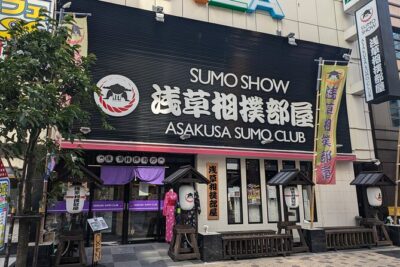
The meeting point is along Asakusa Kokusai Street, next to Matsuya Restaurant. This is a convenient place to pair with an evening around Asakusa, though you should check the exact venue carefully because the main Asakusa Sumo Club and the Annex are separate locations. A visitor who went to the wrong branch was walked over by staff, but it is easier to start at the correct meeting point.
The experience lasts two hours, with different starting times depending on the date. An evening booking leaves room to visit Asakusa beforehand. At a late weekday time, some nearby businesses may be closed, so allow time to enjoy the temple area and small streets before the show rather than after it.
The venue has stairs and is not wheelchair accessible. It is not suitable for wheelchair users, and babies under one year should not attend. Seating may be shared with other people, which can be a plus if you enjoy a social dinner theater atmosphere, but it is worth knowing if you want a private table.
Cancellation is free up to 24 hours before the experience, and you can reserve now and pay later. Those policies help if your Tokyo schedule is still shifting.
Who will enjoy this most?
I would recommend it first to people who want a fun introduction to sumo without needing specialist knowledge. The bilingual explanations, demonstrations, and chance to ask questions make the sport much easier to understand.
Families are a particularly good match. Children can follow the jokes, see the action close up, and possibly enter the ring. Couples get a memorable dinner with a built-in show, while solo visitors can take part without feeling ignored. Staff make a point of helping with photos and conversation, which matters when you are attending alone.
Food-focused visitors should look closely at the seat category. Standard includes a good central meal, while Business and First Class add tempura and more generous drink arrangements. People seeking serious cultural study should temper their expectations. You will learn useful facts about sumo, but the evening is designed for cheerful participation.
With a 4.7 rating from 577 reviews, the strongest pattern is clear: the staff, wrestlers, host, audience interaction, and overall fun are the reliable strengths. Food is usually well received, but not every dish will arrive at your preferred temperature, and a few people feel the total price is high.
Should you book the Asakusa Sumo Club Annex?
Book it if you want sumo explained in plain English, a filling Japanese meal, close-up bouts, and plenty of chances to laugh and take photos. It is one of the easier ways to add traditional Japanese culture to a Tokyo evening without needing to understand the sport beforehand.
Skip it if you want to watch an active stable train in silence, need wheelchair access, require gluten-free or halal food, or dislike audience participation. For everyone else, the Standard category is a sensible entry point, Business is the strongest comfort-and-drinks upgrade, and First Class is best saved for a special occasion.
FAQ
How long does the Asakusa Sumo Club Annex experience last?
The experience lasts two hours.
Where is the meeting point?
The meeting point is along Asakusa Kokusai Street, next to Matsuya Restaurant.
Is the commentary available in English?
Yes. Live commentary is provided in English and Japanese throughout the show.
Is this a performance by active sumo wrestlers?
No. The show is performed by retired sumo wrestlers for entertainment.
Does the experience include a meal?
Yes. The meal includes Japanese A5 wagyu sukiyaki, chanko nabe hot pot, and matcha dessert.
Are drinks included?
Standard seating includes one complimentary drink. Business and First Class include unlimited drinks, and First Class includes premium Japanese whisky such as Yamazaki.
Can I join the sumo challenge?
You may be able to join the challenge, but places are limited. If many people want to participate, the final participants are chosen by lottery.
Are vegetarian or vegan meals available?
Yes, but you must request a vegetarian or vegan meal at least two days before the reservation date. Requests made on the day cannot be accommodated.
Is the venue wheelchair accessible?
No. The venue has stairs and is not wheelchair accessible.
Can I cancel my booking?
You can cancel up to 24 hours in advance for a full refund. Reserve now and pay later is also available.
More VIP Experiences in Tokyo





More Shows & Performances in Tokyo
More Sumo Experiences in Tokyo
More tours in Tokyo we've reviewed












Sumo Experiences, compared.
 ★ 4.8Tokyo: Sumo Show Experience with Chicken Hot Pot and a PhotoFrom $1032 hours
 ★ 4.8Tokyo: Sumo Show and Dining ExperienceFrom $7990 minutes - 2 hours
 ★ 5.0the SUMO showFrom $89
 ★ 5.0Tokyo Sumo Entertainment Show with Chicken Hot Pot and PhotoFrom $106
 ★ 4.6Tokyo: Sumo Tournament Tour with Chair Seat TicketsFrom $141
 ★ 5.0Tokyo Grand Sumo Tournament Viewing Tour with TicketsFrom $124