Reviewed · BAY & RIVER CRUISES
Tokyo: Yakatabune Dinner Cruise with Japanese Show & Drinks
A shamisen melody, steaming sukiyaki, lantern-lit woodwork, and Tokyo’s skyline make this more than a boat ride. You eat inside a traditional Yakatabune, then head to the open-air upper deck for views of Rainbow Bridge, Tokyo Tower, and the bay at night. I like the genuine cultural setting and the friendly hosting, with multilingual staff such as Yoyo, Karen, and Sheila helping the evening along.
In This Article
- Key points to know before booking
- A Tokyo evening that starts with a shamisen
- Boarding at Etchūjima Pier
- Inside the cabin: sukiyaki and soft drinks
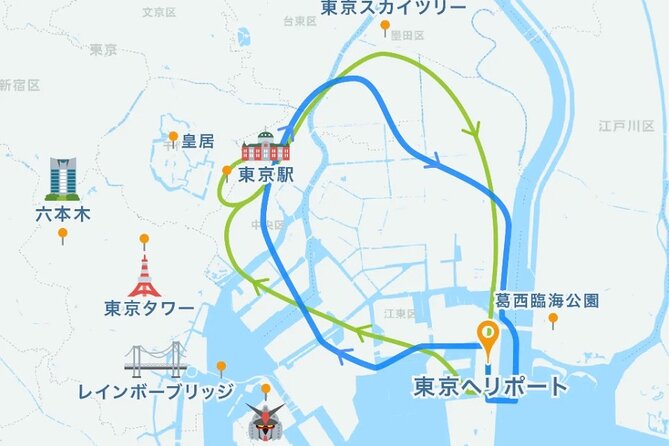
- The route: bridges, landmarks, and open water
- What the show feels like on board
- Is $104 good value?
- Who will enjoy this cruise most?
- Practical ways to make the evening better
- Should you book the Tokyo Yakatabune dinner cruise?
- FAQ
- Where does the Yakatabune dinner cruise start?
- Where does the cruise finish?
- How long is the cruise?
- Is dinner included?
- Can I request pork or vegetarian food?
- What languages are available?
- Can I cancel the booking?
I also like the generous food portions, unlimited soft drinks, and the way the music can become interactive, with singing, dancing, and simple hand movements. The main trade-off is time: 1.5 hours passes quickly, and shared tables, shoe removal, rain, and limited space on board may not suit everyone.
Key points to know before booking
- A historic Yakatabune setting: The houseboat tradition reaches back to the Heian period and later became popular with nobles and merchants during the Edo period.
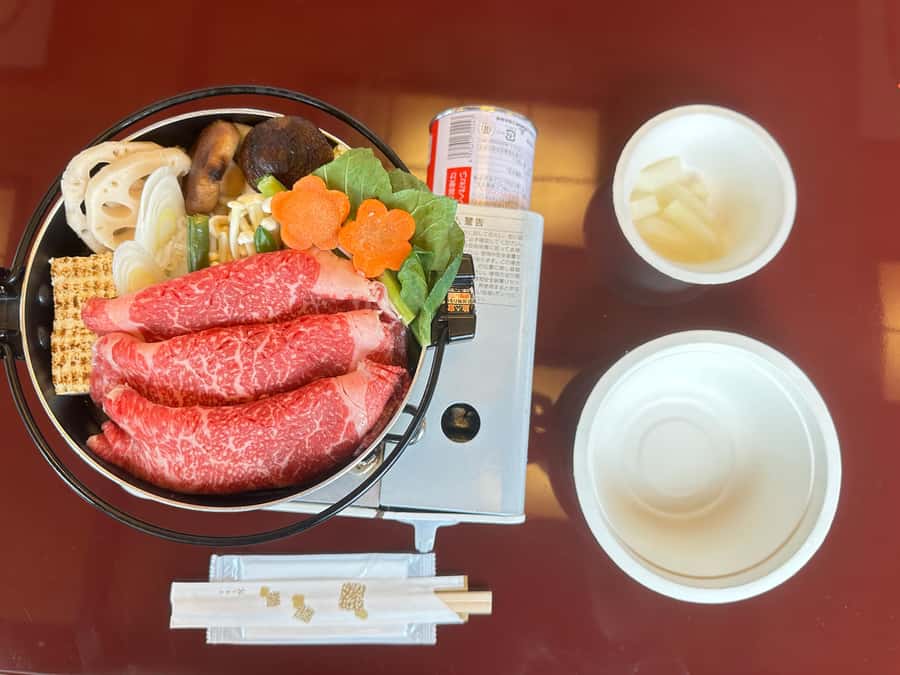
- Sukiyaki cooked and served on board: The beef meal is filling, with pork or a non-strict vegetarian version available if requested at least three days ahead.
- Traditional music with audience participation: A shamisen performer and folk singer provide the entertainment, though the exact performers and format change by date.
- Tokyo views from the upper deck: The boat passes Rainbow Bridge, Tokyo’s Statue of Liberty, and Tokyo Tower, with a stop or pause for deck viewing and photos.
- Helpful multilingual hosting: English, Chinese, and Japanese support is available, and hosts may explain sights, help with photos, and draw people into the show.
- A firm departure time: Arrive 15 minutes early at Etchūjima Pier. Late arrivals are not accommodated.
A Tokyo evening that starts with a shamisen
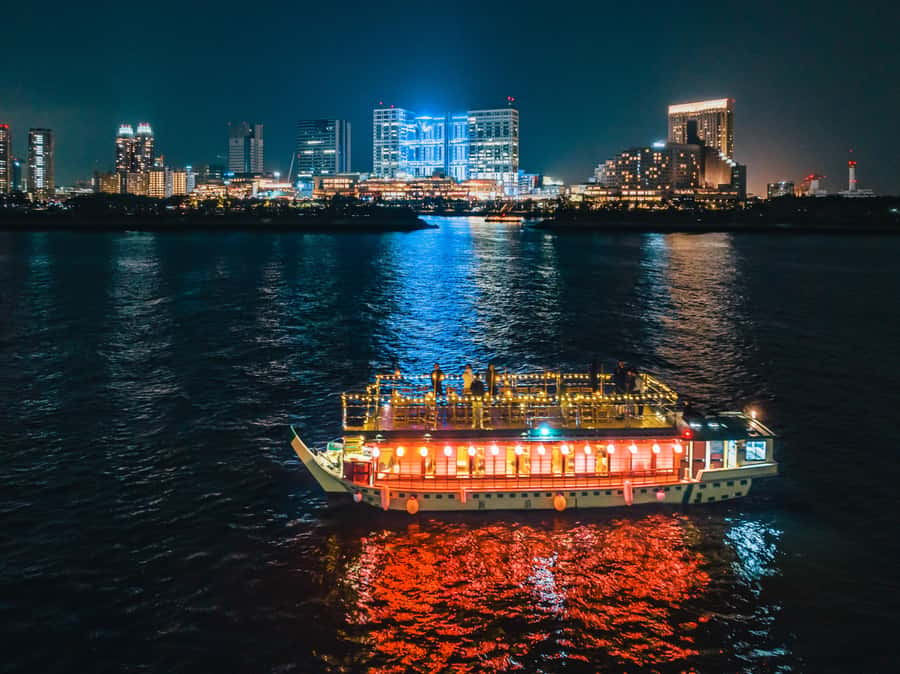
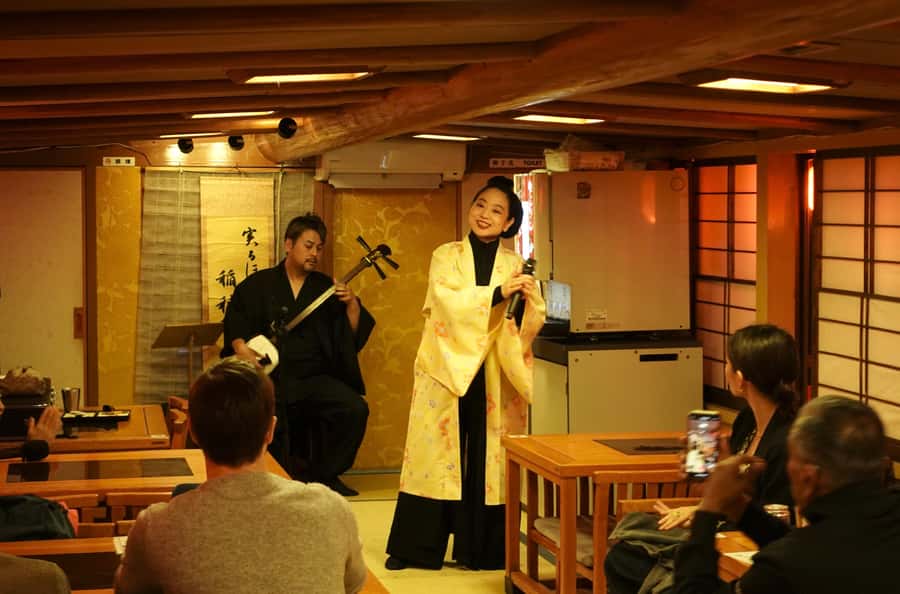
The Yakatabune is the star of this experience. These traditional houseboats have been used for entertainment in Japan for centuries, and the atmosphere feels very different from a modern sightseeing vessel. Lanterns, Japanese furnishings, floor seating, and the sound of a shamisen give the cruise a clear sense of place.
You sit inside the cabin for the meal while the boat moves through Tokyo Bay. The entertainment is not a fixed stage production, which is important to understand before you book. One evening may feature a particular shamisen musician and singer, while another may have different professionals and a slightly different performance style.
That uncertainty is part of the charm, but it also means you should not book expecting the exact performer shown in promotional images. The format may include instrumental music, traditional folk songs, dancing, audience participation, and short explanations from the host.
The show has earned especially warm praise for its friendly energy. Hosts such as Yoyo, Karen, Sheila, and Ashley have been singled out for making people feel welcome and helping international visitors follow the activity. You may be asked to copy a hand movement or join a simple dance. This is light participation, not a formal lesson, and you can enjoy it from your seat if you prefer.
A few more Tokyo tours and experiences worth a look
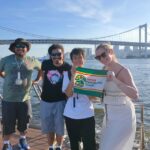
Boarding at Etchūjima Pier
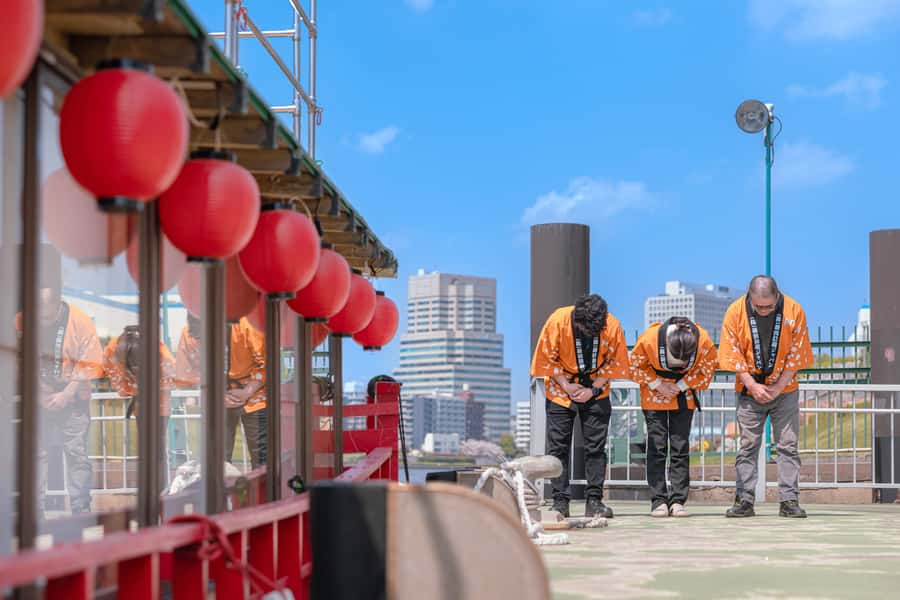
The meeting point is Etchūjima Pier at 1-chōme-3-3 Etchūjima, Koto City. You need to arrive 15 minutes before departure because the boat leaves on time, and late arrivals cannot be accommodated.
The taxi instruction is worth noting. If you use a taxi, give the driver 1-chōme-3-23 Etchūjima, Koto City, rather than the pier address. From there, you still need to walk a few minutes to the boat. Allow extra time if you are unfamiliar with the area or traveling after dark.
The public pier may have more than one SINA boat in operation. Boarding on SINA 1 or SINA 2 is assigned randomly according to the day’s traffic, so do not worry if the boat number differs from what you expected.
The cruise returns to the same starting point. There is no hotel pickup or drop-off, so you handle your own way to and from Etchūjima.
Inside the cabin: sukiyaki and soft drinks
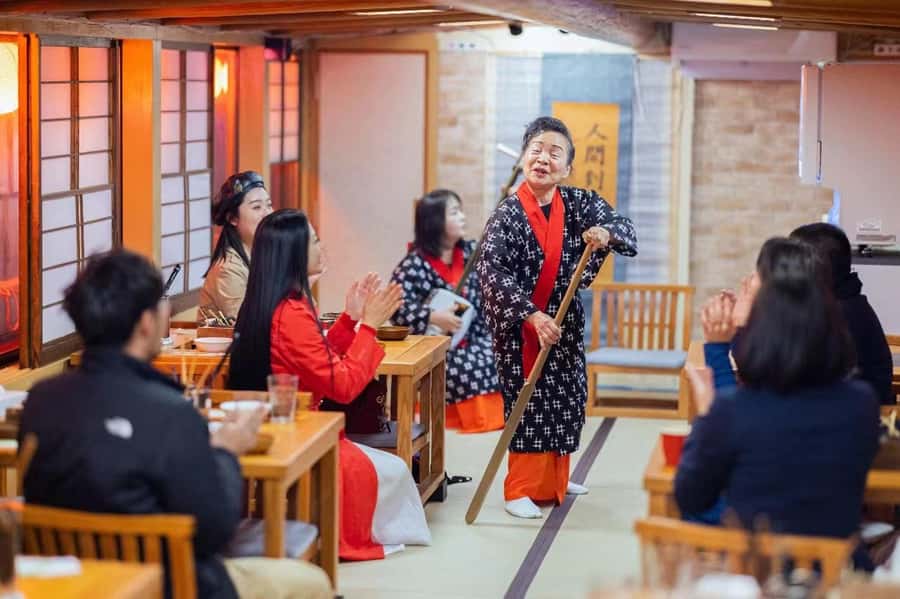
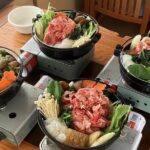
The dinner option centers on Japanese sukiyaki, a hot pot meal built around beef, vegetables, and a sweet soy-based broth. The ingredients are prepared on board, and part of the pleasure comes from eating a warm Japanese meal while the boat moves through the city at night.
The portions are reported to be substantial. I would avoid eating a large meal just before boarding, especially if you want to enjoy every part of the dinner. The meal is not designed as a small tasting menu. It is a proper, filling dinner.
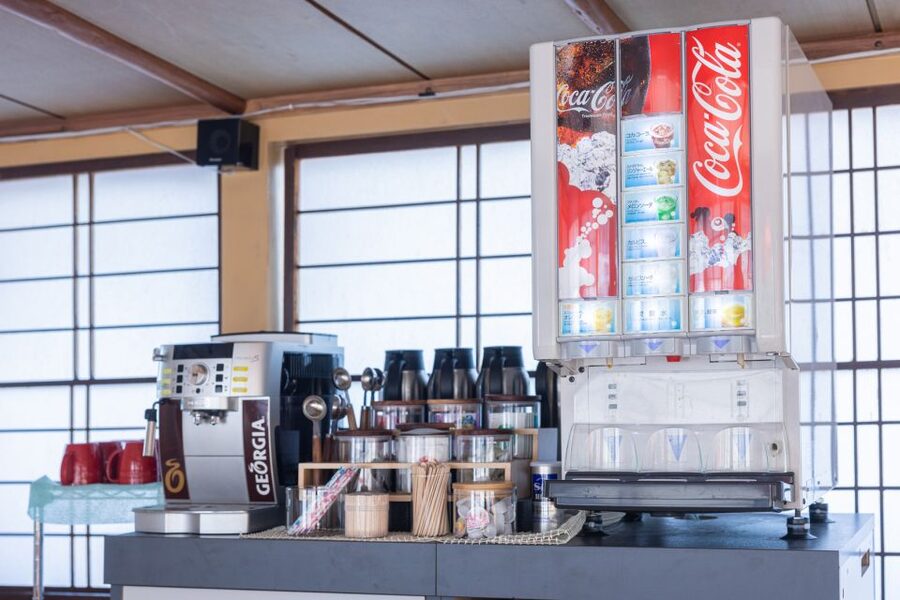
Unlimited soft drinks are included with the dinner cruise. If you want alcohol, that is not part of the stated package, though drinks may be available for purchase on board. One evening included sparkling sake as an additional purchase, but you should not assume alcohol is included in the price.
Food flexibility requires planning. A pork version or a non-strict vegetarian version can be requested, but you must leave a note at least three days in advance. The vegetarian arrangement removes the meat and keeps vegetables in the sweet soy sauce broth, so it is not presented as a separate vegan menu.
If food is a major reason for booking, check the exact option during reservation. The information lists the sukiyaki meal as included when the dinner option is selected, so do not assume every cruise ticket carries the same meal package.
The cabin uses traditional Japanese seating arrangements, and shared tables may be required. You also need to remove your shoes before taking part. Wear socks you are comfortable being seen in, and choose footwear that is easy to remove.
The route: bridges, landmarks, and open water
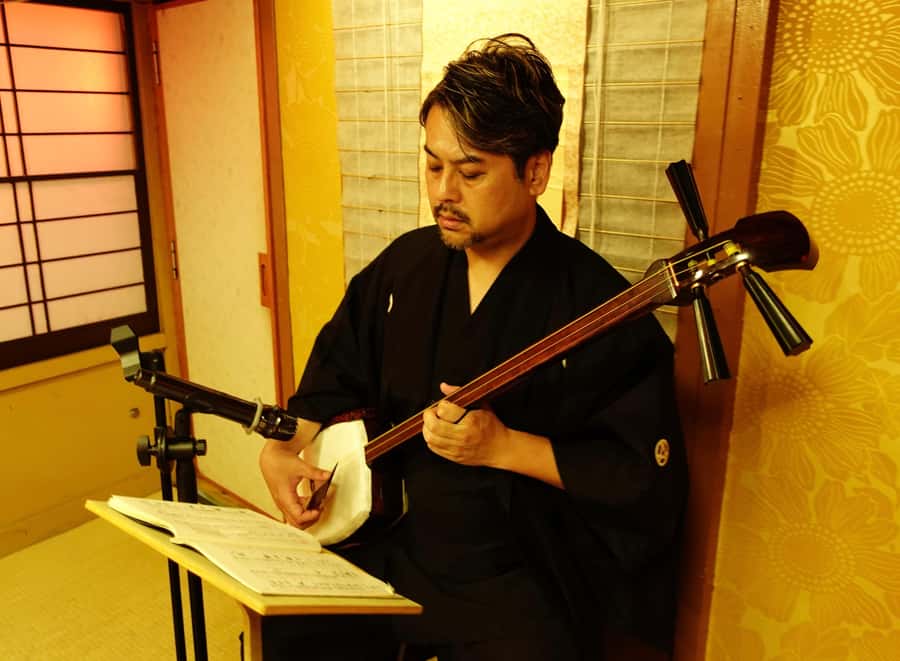
The cruise lasts about 1.5 hours. It is not a long harbor voyage, but the route packs several recognizable Tokyo sights into a short evening.
One of the first major sights is Rainbow Bridge. The boat passes beneath or near the bridge, giving you a water-level view that is quite different from seeing it from Odaiba or a road crossing. The route includes roughly five minutes of cruising around this point.
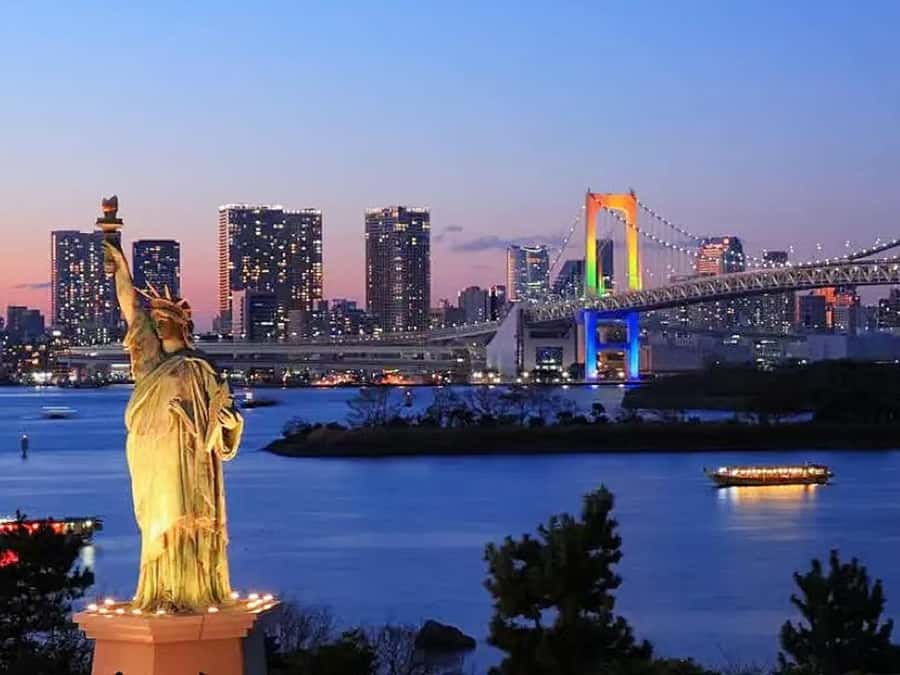
The boat also passes Tokyo’s Statue of Liberty. This smaller replica near Odaiba is an amusing sight, especially from the water, though it is not the original Paris or New York monument. The view works best as part of the city’s collection of modern waterfront oddities.
Tokyo Tower is another listed pass-by point. From the bay, the tower becomes part of a wider nighttime view rather than a close-up visit. You will not tour the tower during this cruise, but seeing it framed by the water and city lights adds a strong Tokyo finish to the route.
The upper deck is the best place for skyline photos. It has an open-air viewing platform and a specially designed outdoor observation area. You may be able to go up during the cruise for photos and fresh air, but the time outside is limited because the meal and show remain central to the experience.
Weather matters. In rain, access to the deck may be less enjoyable or restricted, and you could lose the best photo opportunity. On a clear evening, the upper deck can be the highlight, particularly during cherry blossom season when the city views may include blossoms and Tokyo Skytree in the distance.
Some parts of the route may be accompanied by explanations about bridges, Sakura, and the surrounding area. A few people have found the microphone hard to hear at times, so stay near the host if you want to catch every detail.
What the show feels like on board
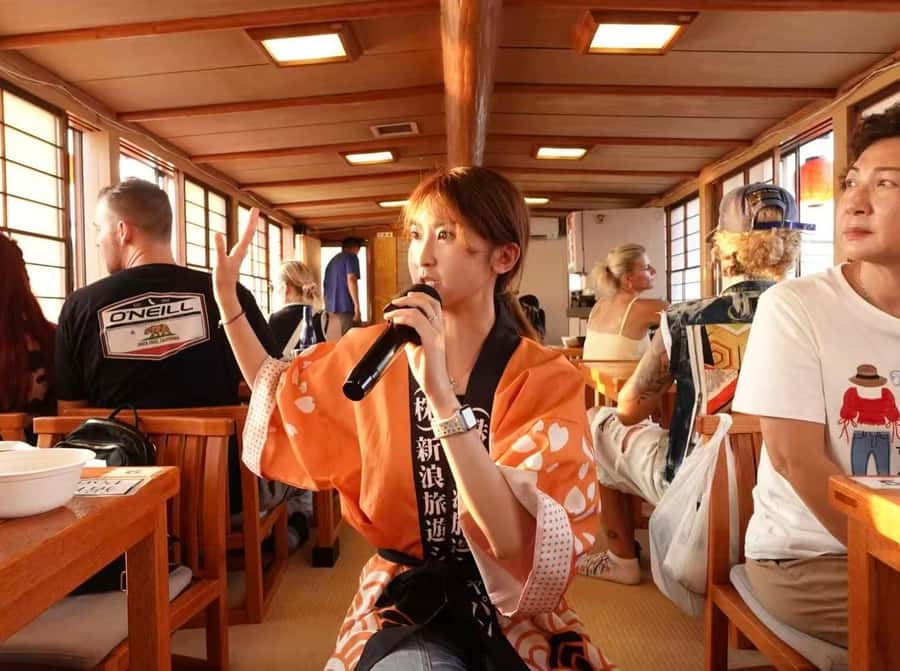
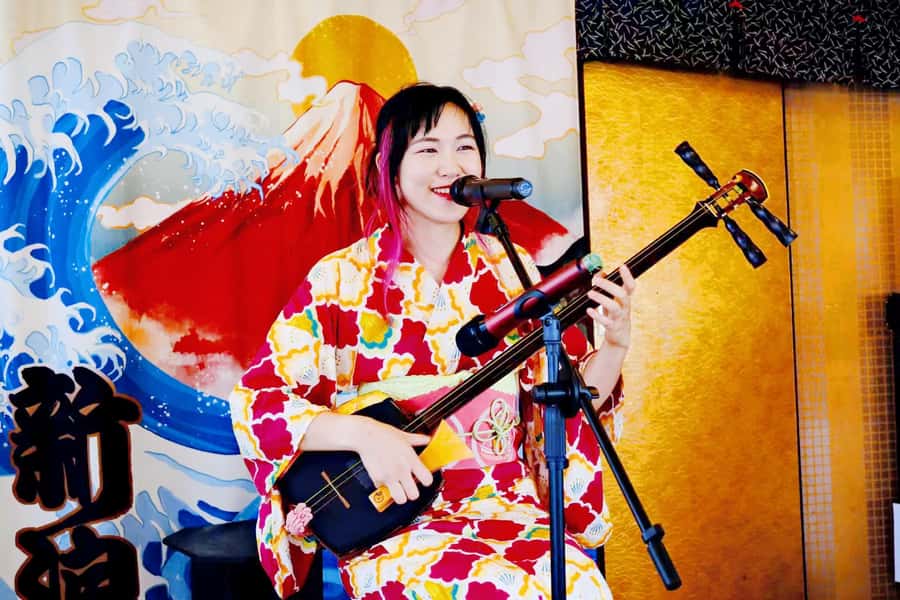
The performance is usually built around the shamisen, a three-stringed Japanese instrument with a sharp, expressive sound. The musician may be joined by a folk singer, and the program can include traditional songs, dancing, and audience interaction.
This is not a quiet concert where everyone remains still. The atmosphere can become social, with the singer encouraging people to participate and the host helping visitors understand what to do. That makes the evening appealing if you want something more personal than a recorded audio guide.
At the same time, the changing format means the experience is not perfectly predictable. The promotional photo represents one possible performance, not a guarantee of the exact artist or sequence. I see that as a reasonable trade for a live cultural program.
The staff are a big part of the evening. A host may explain Tokyo sights, refill soft drinks, take photos, translate parts of the show, and help different language groups join in. English, Chinese, and Japanese support is available.
The strongest praise has focused on this human side of the cruise. Hosts have been described as warm, energetic, helpful, and good at bringing people together. That matters on a shared boat, where a quiet group could otherwise make the meal feel formal or distant.
A few more Tokyo tours and experiences worth a look
Is $104 good value?
At about $104 per person, this is not a budget sightseeing boat. You are paying for several elements at once: a 1.5-hour Tokyo Bay cruise, a traditional boat interior, sukiyaki, unlimited soft drinks, live entertainment, and a multilingual host.
The value is strongest if you want a complete evening activity rather than a simple view of the skyline. Buying dinner, finding a cultural performance, and arranging a separate bay cruise would take more time and could cost as much or more. Here, the food, music, and scenery are combined in one booking.
The value is weaker if your main goal is photography or a long cruise. The time on deck is limited, the route is compact, and weather can reduce the quality of the views. You may also feel the evening is rushed if you want to sit outside for a long stretch or eat slowly.
The meal helps justify the cost. Portions are generous, and the sukiyaki is more substantial than a small snack served for atmosphere. If you choose the dinner package and enjoy live music, the price is easier to defend.
I would consider it a special-occasion purchase rather than an everyday Tokyo activity. It works well for a first visit, a birthday, a family evening, or anyone who wants a cultural night without committing to a full formal dinner show.
Who will enjoy this cruise most?
You should consider booking if you want to combine Japanese food, traditional music, and Tokyo’s modern waterfront in one compact experience. It suits couples, families with older children, and small groups who enjoy a social setting.
Teenagers can enjoy it too. The meal is filling, the show is interactive, and the full activity lasts only 90 minutes, so it does not consume an entire evening. Younger children may find the seating and formal meal less comfortable, and children under three are not accepted.
This is not suitable for pregnant women, people over 80, or anyone over 254 pounds, or 115 kilograms, according to the stated restrictions. Non-folding wheelchairs and electric wheelchairs are not allowed, and the activity is not suitable for wheelchair users.
You also need to be comfortable removing your shoes and possibly sharing a table. Anyone who needs a private table, a fully accessible boat, or a guaranteed vegetarian menu should check carefully before paying.
Practical ways to make the evening better
Arrive early. The departure is firm, and the taxi drop-off point is not the actual pier, so give yourself a cushion.
Wear clean socks and easy-to-remove shoes. This is a small point, but it makes boarding and settling in more comfortable.
Request food changes three days ahead. Last-minute requests for pork or the non-strict vegetarian version may not be possible.
Keep your phone ready for the upper deck. The best views may come during a short outdoor window, and rain can change the plan.
Do not fill up before boarding. The sukiyaki portions are described as large, and you will want room for the full meal.
If hearing the commentary matters to you, sit close to the host or performer. The microphone may not always carry clearly across the cabin.
Ask the host for help with photos. Hosts such as Yoyo and Sheila have been especially attentive about explaining the area and taking pictures, and this can save you from trying to frame a night shot alone.
Should you book the Tokyo Yakatabune dinner cruise?
Book it if you want a warm, social Japanese evening with real food, live shamisen music, and city views from an unusual setting. The boat, lanterns, performance, and host-led interaction create a stronger cultural experience than a standard sightseeing cruise.
Skip it if you want a long, quiet boat ride, a guaranteed performer, extensive time on the open deck, or a private table. The 1.5-hour schedule is efficient but tight, and the shared seating and shoe removal are part of the deal.
For most visitors, I think the best reason to choose this cruise is the mix. You get sukiyaki, traditional music, a short Tokyo Bay route, and personal help from a multilingual host without spending a full night moving between separate activities. At $104, it is a splurge, but a sensible one for a special evening and a strong introduction to Tokyo’s old and new sides.
FAQ
Where does the Yakatabune dinner cruise start?
The cruise starts at Etchūjima Pier, 1-chōme-3-3 Etchūjima, Koto City, Tokyo. Arrive 15 minutes before departure.
Where does the cruise finish?
The activity ends back at the Etchūjima Pier meeting point.
How long is the cruise?
The experience lasts approximately 1.5 hours. Starting times depend on availability.
Is dinner included?
Japanese sukiyaki is included when you select the dinner option. Unlimited soft drinks and the traditional performance are also included with the stated dinner cruise package.
Can I request pork or vegetarian food?
Yes. You need to leave a request at least three days in advance. The vegetarian option is non-strict vegetarian, with meat removed and vegetables served in the sweet soy sauce broth.
What languages are available?
The host or greeter support is available in Chinese, English, and Japanese.
Can I cancel the booking?
You can cancel up to 24 hours in advance for a full refund. A reserve-now-and-pay-later option is also available.
More Boat Tours & Cruises in Tokyo
More Shows & Performances in Tokyo
More Bay & River Cruises in Tokyo
More tours in Tokyo we've reviewed












Bay & River Cruises, compared.
 ★ 4.0Mt Fuji & Hakone Cruise, Drum Show Bullet Train 1 Day from TokyoFrom $149
 ★ 4.4Tokyo Mt Fuji 5th St & Hakone Cruise Bus Tour w/Bullet TrainFrom $15410 hours
 ★ 4.2Tokyo: Mt. Fuji 5th Station & Hakone Cruise 1-Day Bus TourFrom $12911 hours
 ★ 4.7Tokyo: Meiji Shrine, Asakusa, Skytree Bus Tour and CruiseFrom $12210 hours
 ★ 4.0Mt Fuji & Hakone Cruise, Drum Show Bus 1 Day from TokyoFrom $122
 ★ 4.6Sumida River: Japanese Traditional Yakatabune Dinner CruiseFrom $1032h 30m