Reviewed · MUSASHINO
Explore Kichijoji: Walk Through One of Tokyo’s Beloved Districts
Kichijoji’s best trick is that it feels like a real Tokyo neighborhood, not a sightseeing set. In about two hours, you move from the 300-meter Sunroad shopping street to a quiet Zen temple, then through old shops, cafés, and small boutiques before finishing in Harmonica Yokocho, a maze of tiny bars and eateries.
In This Article
- Key things to know before booking
- Why Kichijoji makes a good break from central Tokyo
- Sunroad, where Kichijoji starts with shopping
- Gesso-ji Temple and the story behind Kichijoji
- Nakamichi-dori and the pleasure of looking closely
- Harmonica Yokocho, from black market to evening stop
- What the $45.98 price buys you
- Who will get the most from this walk
- Practical details that affect the experience
- Should you book Explore Kichijoji?
- FAQ
- Where does the Kichijoji tour start?
- Where does the tour end?
- What time does the tour begin?
- How long does the experience last?
- How large is the group?
- Is food or a drink included?
- Can I cancel for a full refund?
I like the way this walk explains why Kichijoji became such a desirable place to live, rather than simply pointing out fashionable shops. I also like the small-group size, capped at eight people, and the chance to try one drink with two yakitori skewers at the end. The main drawback is pace: two hours is enough for an introduction, but not enough to browse every shop or linger over food.
Key things to know before booking

- A neighborhood-focused walk: You see everyday Kichijoji, from covered shopping streets to long-running stores and stylish new businesses.
- A useful history lesson: Gesso-ji Temple helps explain why Kichijoji formed in this location after a major earthquake roughly 350 years ago.
- A small group: The tour allows no more than eight people, making it easier to ask questions and keep up in narrow streets.
- A food-focused finish: Harmonica Yokocho offers one drink and two yakitori skewers in a setting shaped by its postwar black-market origins.
- Convenient Tokyo access: Kichijoji is about 15 minutes by train from Shibuya or Shinjuku.
- Personal guiding: Kate and Michi are named guides connected with the walk, both praised for explaining local history, shops, and culture.
Why Kichijoji makes a good break from central Tokyo
Kichijoji sits in Musashino, west of central Tokyo. It is close enough to reach easily from Shibuya or Shinjuku, yet it has a different rhythm from the giant crossings, department stores, and neon-heavy shopping zones farther east.
You get a useful mix here. There are busy commercial streets, small independent businesses, old temples, cafés, antique shops, and narrow food alleys. That combination helps explain Kichijoji’s reputation as one of Japan’s most desirable places to live.
I think this tour works best if you want to understand a neighborhood rather than collect famous sights. There is no single grand monument dominating the walk. Instead, the guide links ordinary places together: a shopping street, a temple, a side road, a pottery shop, and a food alley. That is the point.
The 3:00 pm start also makes sense. The afternoon light and open shops give you time to see Kichijoji as a functioning town. The tour ends near Kichijoji Station’s north exit, so you can continue eating, shopping, or visiting another part of the district afterward.
Other walking tours we've reviewed in Musashino
Sunroad, where Kichijoji starts with shopping

The walk begins at 1-chōme-1-24 Kichijōji Minamichō, near the south side of Kichijoji Station. The first stop is Sunroad Shopping Street, a covered 300-meter arcade with about 150 shops.
Sunroad is useful as an opening because it quickly shows how local Tokyo shopping streets work. You might find practical stores, food businesses, familiar chains, and smaller shops sharing the same roof. The covered design also makes this section less exposed to sun or rain, though the street can feel busy at popular times.
The visit here lasts about 15 minutes, so you should not expect a shopping expedition. Instead, your guide uses the street to point out the area’s commercial character and explain why Tokyo residents rated Sunroad as the city’s second-favorite shopping street in 2022, just after Ameyoko.
I like this stop because it avoids the usual Tokyo checklist. You are not being rushed toward a landmark with a long line. You are seeing the type of place where people actually buy food, meet friends, and handle daily errands.
If you want to purchase something, keep it simple. The short schedule means you may have to return later for serious shopping. That is easy enough, since the station and shopping streets remain convenient after the walk.
Gesso-ji Temple and the story behind Kichijoji
After Sunroad, the group visits Gesso-ji Temple for about 15 minutes. This peaceful Zen Buddhist temple is surrounded by greenery and offers a sharp change from the commercial streets.
The temple matters because it gives Kichijoji its historical starting point. The town was originally formed around this religious center. The guide also connects the district’s creation to a major earthquake around 350 years ago, a detail that adds useful context to what might otherwise seem like a quiet temple visit.
This is one of the tour’s strongest sections. The temple is not treated as a quick photo stop. It helps you see that Kichijoji’s identity did not begin with cafés and boutiques. The modern district grew from older religious and community roots.
The temple also gives the walk breathing room. After the signs, storefronts, and covered arcade of Sunroad, you have a chance to slow down and listen. Depending on the season and local activity, you might encounter a small cultural event. One experience included writing a wish on a tanzaku, a strip of paper used during the Tanabata star festival, and hanging it as part of the celebration.
That kind of moment is valuable because it links a local custom to a real neighborhood setting. Still, you should not book this as a formal temple tour. The visit is short, and the main goal is to understand Gesso-ji’s place in Kichijoji’s story.
Nakamichi-dori and the pleasure of looking closely

The longest part of the walk, about one hour, takes place around Kichijoji Nakamichidori and nearby streets. This is where the tour has room to show how old and new Tokyo sit side by side.
You pass shops that have served the area for more than half a century alongside newer cafés, sweets shops, boutiques, and independent businesses. The appeal is in the contrast. One storefront may feel traditional and practical, while the next has a cleaner, newer style aimed at current tastes.
This is also the section where a guide can make the biggest difference. Kate is praised for her feel for the neighborhood and for showing special places that are easy to miss. Michi is also named as a guide who explains both older Kichijoji and its newer trends. The value is not just getting from one street to another. It is learning how to read the area.
You might see artisan stores, antique shops, and pottery gathered from different parts of Japan. Those shops offer a stronger connection to Japanese culture than a standard souvenir store, though the tour does not promise a particular shop or a guaranteed purchase opportunity. If ceramics interest you, allow extra time after the walk to return and browse.
I would pay attention to the guide’s explanations here rather than trying to photograph every storefront. The streets are the subject, but the connections are the real benefit. You learn why some businesses have lasted for decades, how newer shops fit into the neighborhood, and why Kichijoji appeals to people looking for both city convenience and a more relaxed local feel.
The one-hour section may feel short if you love shopping. That is the tradeoff. The tour gives you a map in your head and a set of leads, but it cannot give every store the time it deserves. I see that as a reason to plan your afternoon carefully: take the guided walk first, then revisit the shops that caught your eye.
Harmonica Yokocho, from black market to evening stop

The tour ends at Harmonica Yokocho, a short walk from the north exit of Kichijoji Station. This narrow maze of small bars and eateries is one of the district’s most distinctive places.
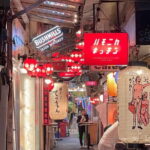
Its name comes from the tight alleys, which resemble the reeds of a harmonica. The area began as a postwar black market, and its compact layout still feels different from the broad, orderly shopping streets nearby. Red lanterns, small entrances, and closely packed businesses create a setting made for a final drink rather than a hurried pass-through.
The food portion includes one drink and two yakitori skewers. That is modest, but it is enough to give you a taste of the alley’s character without turning the tour into a long dinner. Yakitori is a sensible choice here: simple grilled skewers suit the casual setting and let you finish with something distinctly Japanese.
I like ending here because the tour moves from the broad public spaces of Sunroad to the private, close-up feel of tiny bars. It also leaves you in a useful position. If you want more food, you can stay in the area and choose another place. If you prefer to continue sightseeing, the station is close.
The setting may not suit someone who wants a quiet, polished meal. Harmonica Yokocho is compact and informal. That is exactly why it works as a final stop, but you should expect a local alley atmosphere rather than a spacious restaurant.



What the $45.98 price buys you

At $45.98 per person, this is not the cheapest way to walk around Kichijoji. You can enter Sunroad, Gesso-ji Temple, Nakamichi-dori, and the Harmonica Yokocho area without paying separate admission.
The value comes from the guide’s local explanation, the carefully connected route, and the included food and drink at the end. If you simply want to wander and shop, you may prefer to explore independently. Kichijoji is accessible and easy to reach by train.
I think the price makes more sense for a first visit, especially if you have limited time in Tokyo. A guide can show you how the temple, shopping streets, artisan businesses, and food alleys fit together. Without that context, you might enjoy the streets but miss the reasons the district developed as it did.
The small group also matters. With a maximum of eight people, the walk should be more manageable than a large bus-style outing, especially in narrow streets and arcades. You can ask about a shop, a local custom, or the area’s past without trying to catch a guide’s attention across a crowd.
The tour is booked, on average, 33 days ahead, so it is sensible to reserve early if the afternoon time suits your plans. Confirmation arrives within 48 hours, subject to availability.
Who will get the most from this walk

I would choose this experience if you want a gentle introduction to a Tokyo district with local character. It suits first-time visitors who have already seen the major central areas and want to add a less familiar part of the city.
It is also a good fit for anyone interested in:
- Small shops and local shopping streets
- Japanese pottery and antique stores
- The link between temples and modern neighborhoods
- Food alleys and casual yakitori
- A short, guided outing rather than a full-day excursion
- A group small enough for direct conversation
The walk may be less useful if your main goal is a long shopping session, a formal temple lecture, or a major attraction with a long list of sights. You also need to be comfortable walking for roughly two hours, with time on your feet through shopping streets and narrow lanes.
The Ghibli Museum is nearby, making this a possible companion to a museum visit. Still, you should treat the two as separate plans. The walk starts at 3:00 pm, and the supplied details do not promise museum admission or coordination with a museum ticket.
Practical details that affect the experience

The mobile ticket keeps entry simple, but you should check the meeting point carefully. The walk starts at 1-chōme-1-24 Kichijōji Minamichō in Musashino, Tokyo, and ends at Harmonica Yokocho, 1-chōme-1 Kichijōji Honchō, near the station’s north exit.
The tour lasts about two hours. The listed stops add up to about one hour and 45 minutes, leaving some time for moving between locations, explanations, and the final food stop.
Most people can take part, and the group limit is eight. No special access restrictions are stated, so you should still be prepared for ordinary city walking and time spent standing.
Free cancellation is available if you cancel at least 24 hours before the 3:00 pm start. Changes or cancellations made inside that window are not accepted for a refund. If the minimum number is not reached and the tour is canceled, you are offered another date or experience, or a full refund.
Should you book Explore Kichijoji?
I would book this walk if you want a compact, well-explained look at Tokyo life beyond the headline sights. The best parts are the connection between Gesso-ji Temple and the town’s origins, the mix of old and new businesses along Nakamichi-dori, and the food-focused finish at Harmonica Yokocho.
Kate and Michi are useful names to look for when booking, since both are associated with particularly strong guiding on this route. The walk has earned a 4.9 rating from 21 ratings, with 100 percent recommending it, and the praise centers on clear explanations, special local shops, and the feeling of seeing a side of Tokyo that guidebooks can miss.
I would skip it only if you want lots of free shopping time or a major landmark-centered tour. For everyone else, $45.98 buys more than a stroll. It gives you a story for Kichijoji, a few places to revisit, and a relaxed way to finish with a drink and yakitori.
FAQ
Where does the Kichijoji tour start?
The tour starts at 1-chōme-1-24 Kichijōji Minamichō, Musashino, Tokyo 180-0003, Japan.
Where does the tour end?
It ends at Harmonica Yokocho, 1-chōme-1 Kichijōji Honchō, Musashino, Tokyo 180-0004, Japan, a short walk from the north exit of Kichijoji Station.
What time does the tour begin?
The start time is 3:00 pm.
How long does the experience last?
The walk lasts approximately two hours.
How large is the group?
The maximum group size is eight people.
Is food or a drink included?
The final stop at Harmonica Yokocho includes one drink and two yakitori skewers.
Can I cancel for a full refund?
Yes. You must cancel at least 24 hours before the experience start time for a full refund. Cancellations or changes made less than 24 hours before the start are not accepted for a refund.
More Walking Tours in Musashino
More tours in Musashino we've reviewed
Musashino, compared.
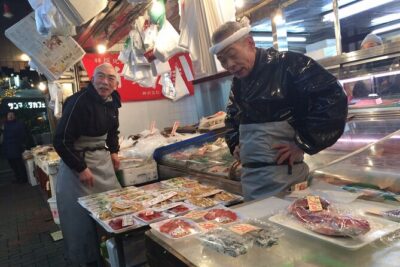 ★ 5.0Small Town in the Big City: Tasting Tokyo’s KichijojiFrom $195
 ★ 5.0The 10 Tastings of Tokyo With Locals: Private Street Food TourFrom $199
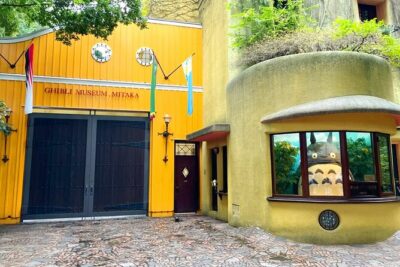 ★ 4.5Whimsical Walk to a Hidden Anime World: Tokyo Half-Day TourFrom $43
 ★ 5.0Kichijoji Food & Anime Tour in Tokyo with LunchFrom $120
 ★ 5.03-Hour Manga Drawing Workshop in TokyoFrom $97
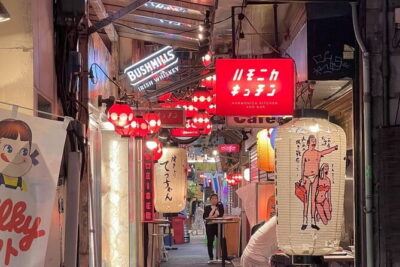 ★ 5.0Tokyo Kichijoji Twilight: Explore Instagram-Worthy Hidden SpotsFrom $39