Reviewed · AKIHABARA & ANIME TOURS
Kichijoji Food & Anime Tour in Tokyo with Lunch
The best part of this four-hour outing is the combination of everyday Kichijoji and the hard-to-arrange Ghibli Museum. You begin with old-fashioned food lanes and a Japanese lunch, then enter a museum where Studio Ghibli’s films become rooms, objects, and short animations.
In This Article
- Key points at a glance
- Why this Kichijoji and Ghibli pairing works
- Starting at Hanako the elephant at 1:30 pm
- Harmonica Yokocho and the first taste of Kichijoji
- Lunch in Kichijoji, with room for preferences
- The walk toward Mitaka and the Ghibli Museum
- Entering the Ghibli Museum for two hours
- What the small group changes
- Is $120.14 a fair price?
- Who should book this afternoon?
- Booking details worth knowing
- Should you book the Kichijoji Food and Anime Tour?
- FAQ
- Where does the tour start?
- What time does the tour begin?
- Where does the tour end?
- How long does the experience last?
- Is lunch included?
- Is taiyaki included?
- Is admission to the Ghibli Museum included?
- Does the guide stay inside the museum?
- How many people can join the tour?
- Can I cancel for a full refund?
I like the small group, limited to two people, and the flexible food planning. Guides such as Shinjo have helped with food choices, taken photos, and kept the outing on time. The main consideration is price: at $120.14 per person, this makes sense chiefly if the Ghibli Museum entry and personal guiding solve a real problem for you.
Key points at a glance
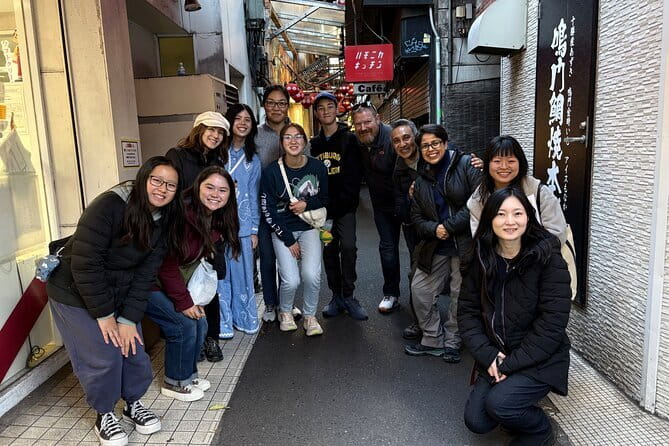
- Taiyaki in Harmonica Yokocho: Begin with a freshly made fish-shaped Japanese cake in Kichijoji’s retro food alleys.
- Lunch shaped around your preferences: The meal may be sushi, a seafood bowl, or grilled meat, depending on the day and what suits you.
- A tiny group of two: The guide can answer questions, help choose food, and offer to take photos without managing a large crowd.
- Ghibli Museum entry included: The tour handles admission to one of Tokyo’s most sought-after cultural stops.
- Independent museum time: The guided portion ends after entry, so you can explore the museum at your own pace until closing.
- Easy afternoon timing: Meet at 1:30 pm by Hanako the elephant and finish at the museum in Mitaka.
Why this Kichijoji and Ghibli pairing works
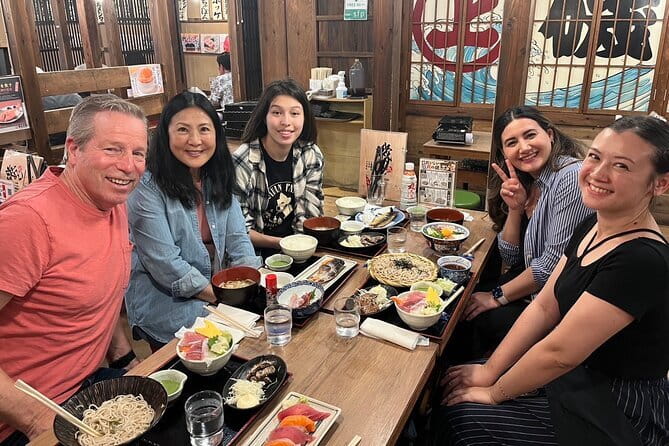
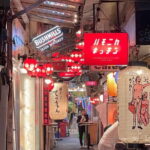
Kichijoji gives you a view of Tokyo that is less about famous landmarks and more about how a neighborhood feels at street level. The area’s Harmonica Yokocho lanes are narrow, nostalgic, and lined with small shops and cozy bars. It is a good setting for a short walk before lunch because you get local atmosphere without spending the whole afternoon on formal sightseeing.
Then the mood changes. The Ghibli Museum is whimsical, enclosed, and carefully designed around the worlds of Studio Ghibli. That shift from food stalls and retro lanes to animated fantasy gives the outing a clear rhythm. You are not simply visiting a museum after lunch. You are moving from a real Tokyo neighborhood into a very different kind of Japanese storytelling.
I especially like that the experience does not treat the museum as the entire day. If you already have a Ghibli ticket, you may not need this tour. If getting admission is the difficult part, though, the combination of a local walk, lunch, dessert, and museum access has a practical logic.
The tour is capped at two people. That is a major advantage for anyone who wants to ask questions, discuss food preferences, or stop briefly for photos. It also means this is not a big social group experience. You get close attention, but there is less of a group atmosphere if you were hoping to meet other people.
A few more Musashino tours and experiences worth a look
Starting at Hanako the elephant at 1:30 pm
The meeting point is the Statue of Hanako the elephant at 1 Chome-15 Kichijoji Honcho in Musashino. The 1:30 pm start gives you a useful afternoon window, especially if you prefer a slower morning elsewhere in Tokyo.
At the beginning, confirm the plan for lunch and any food preferences. The guide can adjust the meal around what you like, and that matters because the lunch is not locked to one single dish. Depending on the day, you may receive sushi, a seafood bowl, or grilled meat.
This flexibility is one of the tour’s stronger features. Food tours can be frustrating when the menu is fixed and you dislike one main ingredient. Here, the guide is specifically able to ask what you want, which makes the meal more useful for mixed tastes.
The walk itself is part of the value. You are not being driven from a restaurant to a museum with no sense of place. The first portion lets you see Kichijoji on foot, with the guide adding information about the area along the way.
Harmonica Yokocho and the first taste of Kichijoji
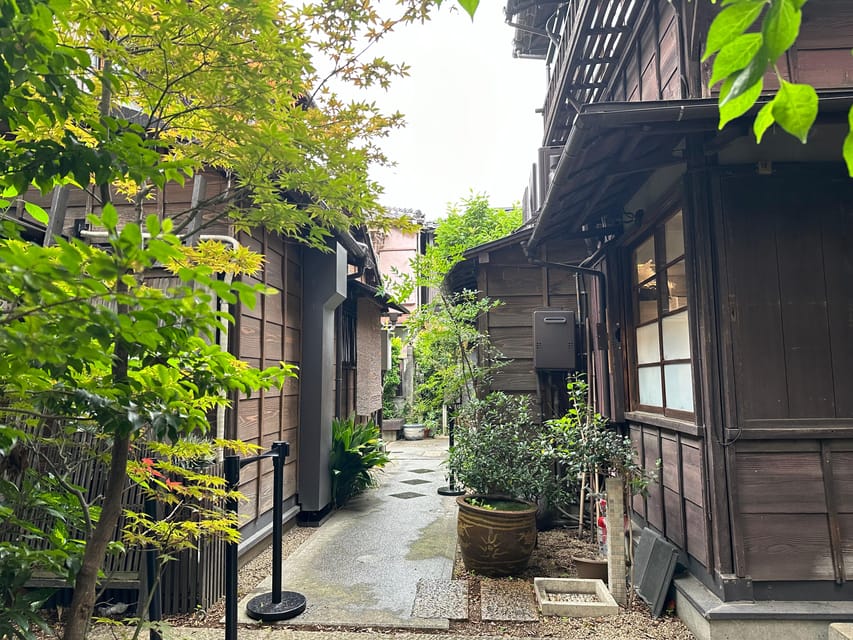
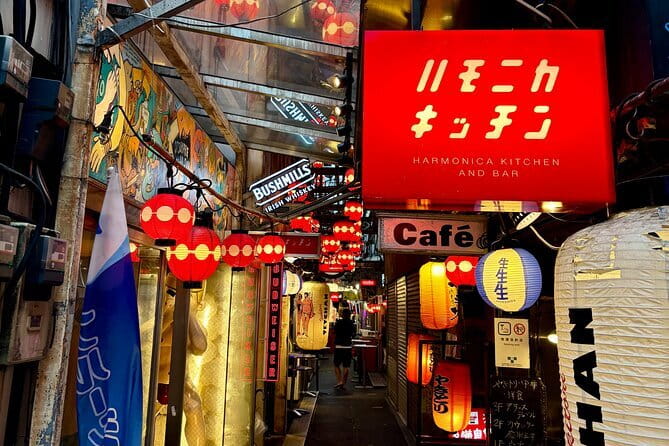
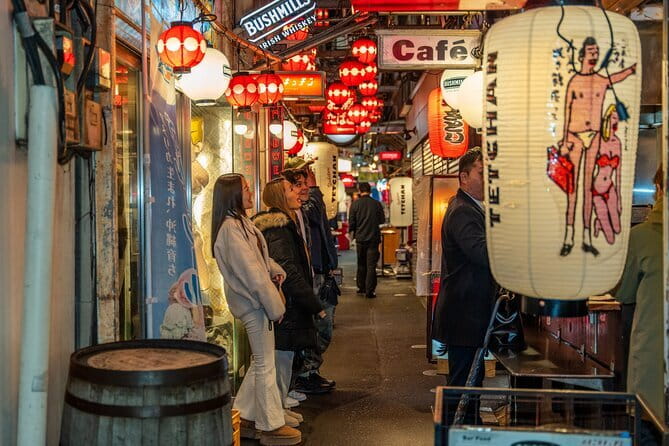
Harmonica Yokocho takes about 30 minutes. Its retro alleys are packed with small storefronts, bars, and food stops. The setting is compact, so this is a brief taste rather than an exhaustive food crawl.
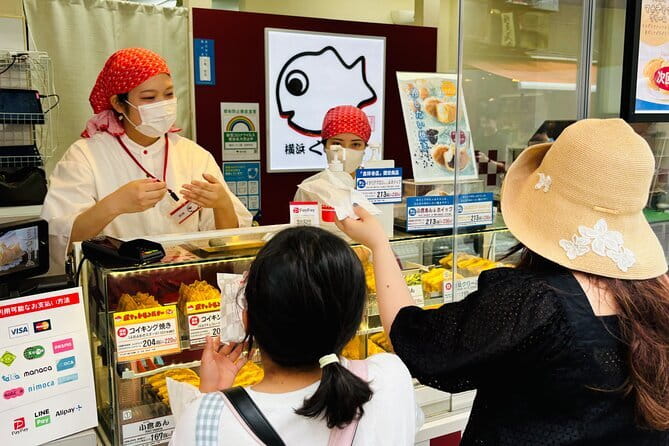
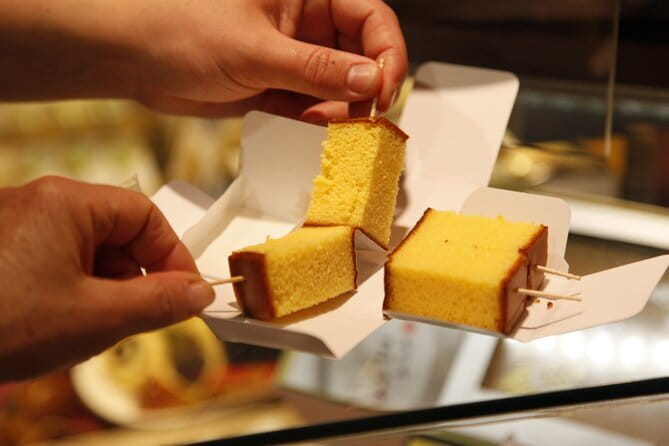
The featured snack is taiyaki, a fish-shaped cake usually cooked in a mold and filled with a sweet center. Here, the important detail is that it is freshly made. You get it as part of the walk, not as a packaged souvenir after the fact.
Taiyaki is a simple treat, but it gives the tour a nice local-food starting point. It is warm, easy to eat, and tied to ordinary Japanese snack culture. If you have already tried sushi and ramen, this offers a different kind of food memory.
Do not expect Harmonica Yokocho to feel like a quiet historic quarter. The alleys are cozy and full of life, with shops and bars close together. The attraction is the atmosphere and the chance to see a compact older-style food district, not a long list of major sights.
Lunch in Kichijoji, with room for preferences

The lunch stop lasts about 45 minutes. The meal may include sushi, a seafood bowl, or grilled meats, depending on the day. Because the exact restaurant and dish are not fixed in advance, you should treat the meal as a guided local stop rather than a guaranteed specialty restaurant.
That uncertainty can be a plus. You get a meal selected around the day’s options and your preferences, rather than a standard plate chosen for every booking. It also means you should not book this expecting one exact dish or a particular restaurant interior.
The timing is fairly brisk. Forty-five minutes is enough for lunch, but it is not a long restaurant stay with several courses and leisurely conversation. You will want to be ready to eat when you arrive, especially since the museum entry later gives the afternoon its firm endpoint.
The food portion may also include more than the formal lunch. The outing has been described as including lunch, street snacks, and dessert, while the listed stops specifically call out taiyaki. That makes the food experience feel broader than one meal, but you should still see it as a tasting-style afternoon rather than a full-scale culinary tour.
The walk toward Mitaka and the Ghibli Museum
After Kichijoji, the route continues toward the Ghibli Museum in Mitaka. The museum address is 1 Chome-1-83 Shimorenjaku, Mitaka, Tokyo. The exact walking or transport details are not specified, so keep your phone charged and follow the guide’s directions between the neighborhoods.
The route is part of the appeal. A guide can point out details around Kichijoji and the surrounding area that you might miss if you simply arrived at the museum by yourself. The walk has also included photo opportunities, and the guide may offer to take pictures of you rather than leaving you to rely on timed selfies.
One past experience included a particularly beautiful park on the way. Since the precise route can vary, I would not book the tour solely for that park, but the possibility adds a pleasant change of pace between lunch and the museum.
The guide’s role is most useful here as a local host. A good host keeps the outing punctual, explains where you are going, and helps the transition feel easy. Shinjo is one guide associated with this experience, and the available feedback specifically highlights his friendly manner and attention to food choices.
A few more Musashino tours and experiences worth a look

Entering the Ghibli Museum for two hours
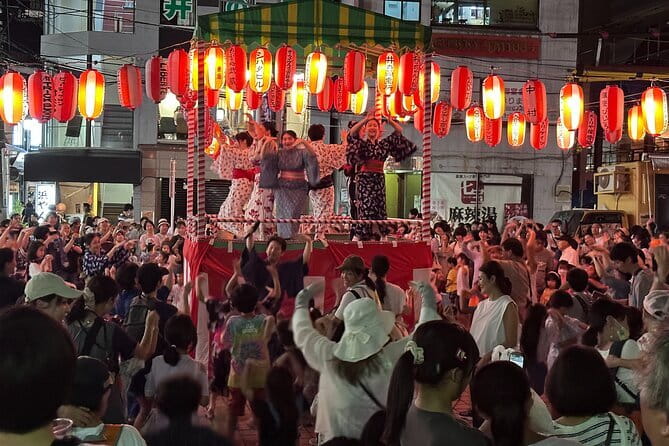
The Ghibli Museum is the clear headline attraction. Admission is included, and the guided portion ends once you enter. From that point, you explore the exhibits independently until closing time.
That arrangement deserves attention. Some people want a guide beside them through every gallery. Others prefer to look closely at displays, move at their own pace, and linger over the rooms that interest them most. This tour chooses the second approach inside the museum.
You can expect whimsical exhibits connected to Studio Ghibli’s beloved films, along with exclusive short animations. The museum is known for its enchanting design, so the pleasure comes not only from individual displays but also from the feeling of walking through a world built around animation.
The museum portion is scheduled for two hours. That is a meaningful block of time, but the museum can reward slow looking. If you are a serious Ghibli fan, you may wish you had even longer. If you know only a few of the films, two hours should give you a manageable introduction without turning the stop into an all-day commitment.
Because the tour ends after entry, check the closing arrangements before you go. You are free to continue inside until closing, but the guide is no longer accompanying you. The stated end point is the museum, not a return to Kichijoji or a later drop-off.
What the small group changes
A maximum of two participants makes this feel closer to a private outing than a standard group tour. The guide can hear your questions, adjust food suggestions, and avoid the slow shuffle that comes with a large party.
This is especially useful at the lunch stop. If one person wants seafood and another prefers grilled meat, there is more room for a direct conversation with the guide. The same goes for photography. The guide can offer to take photos instead of rushing through a fixed group schedule.
Small groups also tend to make walking easier. You are less likely to spend time waiting for people at the back or gathering everyone before crossing to the next stop. The tour has been praised for punctuality, which matters when museum entry forms the afternoon’s fixed appointment.
The tradeoff is cost. At $120.14 per person, you are paying for more than food. The price includes lunch, the walking tour, a guide, and Ghibli Museum admission. Even so, the value depends on how much you want personal help and how important museum access is to your Tokyo plans.
Is $120.14 a fair price?
I would judge the price in three parts: the museum ticket, the food, and the private attention. If you would otherwise struggle to arrange Ghibli Museum admission, the included entry carries real weight. The small group also gives you a level of personal service that a larger, cheaper walking tour cannot match.
Lunch and snacks add practical value, especially if you want to combine sightseeing and eating without planning every stop yourself. The guide helps choose among sushi, seafood bowls, or grilled meats, and the experience includes taiyaki plus other food moments described as street snacks and dessert.
Still, this is not the best value for every visitor. If you are comfortable arranging your own meals, know Kichijoji well, and already hold a Ghibli ticket, the price may feel high. You are paying for convenience, a local host, and a very small group.
The strongest case for booking comes from the combination. You get a neighborhood walk, a sit-down Japanese lunch, a traditional sweet, and museum entry in one afternoon. For a first visit to Tokyo, or for a Ghibli-focused day that needs structure, that package is easier to justify.
Who should book this afternoon?
I would recommend this tour to Ghibli fans who want more than a museum visit. The Kichijoji portion gives you food and neighborhood context before the main attraction, so the day has variety.
It also suits couples, friends, and families who prefer a private-style experience. The two-person limit makes it easier to ask questions and make food choices without feeling self-conscious in front of a large group.
Food-curious visitors should enjoy the mix of taiyaki, lunch, and dessert. This is not a specialist tour for people seeking rare ingredients or detailed cooking instruction. It is better for anyone who wants to taste familiar Japanese favorites while walking through a well-loved part of Tokyo.
I would be more cautious if you need a fully guided museum visit, a guaranteed restaurant, or a return to your original meeting point. The museum is self-guided after entry, the lunch menu can vary, and the tour ends in Mitaka.
Booking is often made well ahead, with the typical booking point around 24 days before the visit. That suggests you should plan early, especially if Ghibli Museum access is central to your Tokyo schedule.
Booking details worth knowing
Your meeting point is Hanako the elephant in Kichijoji at 1:30 pm. The experience lasts about four hours, though the guided section finishes when you enter the museum.
A mobile ticket is provided, and confirmation is received at booking. The area is near public transportation, and most people can participate. The booking allows free cancellation up to 24 hours before the start time for a full refund. Changes or cancellations inside that 24-hour window are not accepted for a refund.
The experience is provided by O2 Japan travel. Since only two people can join, make sure your booking reflects the correct number in your party.
Should you book the Kichijoji Food and Anime Tour?
Book it if you want Ghibli Museum admission tied to a personal food walk, and if $120.14 feels reasonable for lunch, snacks, guiding, and a two-person group. The best features are the flexible meal, freshly made taiyaki, punctual pacing, and the freedom to explore the museum on your own after entry.
Skip it if you already have museum tickets and prefer to plan Kichijoji independently. You may also want another option if a fixed restaurant, a longer food crawl, or a guide inside the museum matters more to you.
For the right visitor, this is a smart afternoon plan. It pairs the ordinary pleasures of Kichijoji with the quiet magic of Studio Ghibli, without forcing you to spend the entire day on only one attraction.
FAQ
Where does the tour start?
It starts at the Statue of Hanako the elephant, at 1 Chome-15 Kichijoji Honcho, Musashino, Tokyo 180-0004, Japan.
What time does the tour begin?
The start time is 1:30 pm.
Where does the tour end?
The tour ends at the Ghibli Museum at 1 Chome-1-83 Shimorenjaku, Mitaka, Tokyo 181-0013, Japan.
How long does the experience last?
The experience lasts approximately four hours.
Is lunch included?
Yes. Lunch is included, with possible options such as sushi, a seafood bowl, or grilled meat depending on the day.
Is taiyaki included?
Yes. The walk through Harmonica Yokocho includes a freshly made taiyaki tasting.
Is admission to the Ghibli Museum included?
Yes. Admission to the Ghibli Museum is included in the experience.
Does the guide stay inside the museum?
No. The guided portion ends after you enter the museum, and you can then explore the exhibits at your own pace until closing time.
How many people can join the tour?
The experience has a maximum of two participants.
Can I cancel for a full refund?
Yes. You can cancel at least 24 hours before the experience start time for a full refund. Cancellations or changes made less than 24 hours before the start time are not accepted for a refund.
More Food Experiences in Musashino
More Akihabara & Anime Tours in Musashino
More tours in Musashino we've reviewed




Akihabara & Anime Tours, compared.
 ★ 5.0Official Street Go-Kart Tour – AkihabaraFrom $61
 ★ 5.0Tokyo Go Kart: Asakusa, Skytree, and Akihabara **IDP MUST**From $99
 ★ 4.5Tokyo Studio Ghibli Museum and Ghibli Film Appreciation TourFrom $193
 ★ 5.0Akihabara Anime & Game Adventure Walking Tour (Group or Private)From $90
 ★ 4.6Asakusa/Tokyo Bay & Akihabara Go Karting ToursFrom $70
 ★ 4.8Akihabara: Private Anime and Pop Culture TourFrom $953 hours