Reviewed · MUSASHINO
Small Town in the Big City: Tasting Tokyo’s Kichijoji
Kichijoji gives you a useful answer to a common Tokyo question: where can I eat like a local without spending the day crossing the city? This six-hour walk focuses on one neighborhood, moving from a department-store food hall to old-school yakitori, street snacks, sushi, and a three-generation senbei maker. Kichijoji is the subject, not just the setting, and that keeps the food story focused.
In This Article
- Key points to know before booking
- Why Kichijoji makes a smart food-tour base
- Starting at Kichijoji Station
- The depachika: Tokyo food culture below a department store
- Along the shotengai with yakitori and octopus balls
- Meeting a three-generation senbei-making family
- Inokashira Onshi Park and the pace of the afternoon
- What the $195 price really buys
- Who will get the most from this Kichijoji walk
- Booking details that matter
- Should you book Small Town in the Big City?
- FAQ
- Where does the tour start?
- Where does the tour end?
- How long does the experience last?
- How many people can join the tour?
- What food and drinks are included?
- Is transportation included?
- Can I cancel for a full refund?
I like the small maximum of six people, which should make crowded food stops easier to manage and questions easier to ask. I also like the range: polished depachika displays, daily shopping streets, family craftsmanship, and casual counter food all appear in one outing. If Phoebe is your guide, expect a warm, patient host with clear enthusiasm for the food.
The main drawback is the price: $195 per person is a serious spend for a walking food tour, especially since private transportation is not included. You are paying for a long, guided meal with several included tastings and a very small group, not simply for lunch.
Key points to know before booking
- Kichijoji is the focus: You explore one Tokyo neighborhood in detail instead of rushing between famous sights.
- The food starts at a depachika: A department-store food hall introduces Japanese sweets, pickles, fruit, snacks, and sushi.
- Street food is part of lunch: Expect food such as yakitori skewers and octopus balls served around the shotengai shopping street.
- A family senbei maker adds local character: You meet three generations of an artisanal rice-cracker business.
- The group is capped at six: This is a more personal format than a large coach or mass-market tasting.
- The tour lasts about six hours: Lunch, snacks, bottled water, and coffee or tea are included, but transportation to Kichijoji is not.
Why Kichijoji makes a smart food-tour base
Tokyo can make food planning harder than it first appears. The city has famous restaurants in almost every district, but a long list of celebrated addresses does not always help you understand how people eat day to day. Kichijoji offers a smaller frame.
This tour treats the neighborhood as a food map. You see how a department-store basement presents food as an art form, how a shopping street supplies quick meals and household needs, and how long-established makers keep traditional snacks alive. That mix gives you more context than a simple sequence of restaurant visits.
I like the choice of Kichijoji for another reason: the experience is not built around one expensive specialty meal. It shows several levels of Japanese eating, from carefully presented sushi to food served from a street-side stand. You get a clearer sense of texture, presentation, convenience, and ritual.
The itinerary lists Kichijoji as the main stop and includes Inokashira Onshi Park within the route. The park entry is not described in detail, so you should see it as part of the neighborhood setting rather than book this as a park sightseeing tour. The food remains the main event.
If you're still narrowing it down, here are other tours in Musashino we've reviewed.


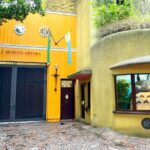
Starting at Kichijoji Station
The meeting point is Kichijoji Station, at 2 Chome-1 Kichijoji Minamicho in Musashino, Tokyo. This matters because you need to reach the neighborhood on your own. Private transportation is not included, so leave enough time to arrive before the start.
Once the group meets, the short opening portion at Kichijoji helps set the location before the food stops begin. The tour is built for walking and local movement, not for a vehicle ride between scattered restaurants. That makes the station a practical starting point, since the neighborhood itself becomes the route.
A group of six is especially useful here. Food halls and shopping streets can be tight, and a small party is less awkward when the guide pauses to explain an ingredient or direct you toward a counter. You also have a better chance to ask about dishes as they appear instead of waiting for a guide to address a large crowd.
The tour uses a mobile ticket, which is convenient, though you should still have your meeting details ready before you reach the station. The available information does not give a detailed walking-distance estimate, so plan for a substantial half-day on your feet.
The depachika: Tokyo food culture below a department store
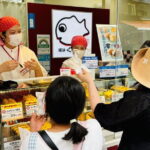
The first major food setting is a depachika, one of Tokyo’s department-store food halls. This is a strong opening because it quickly shows how seriously Japan treats prepared food and presentation.
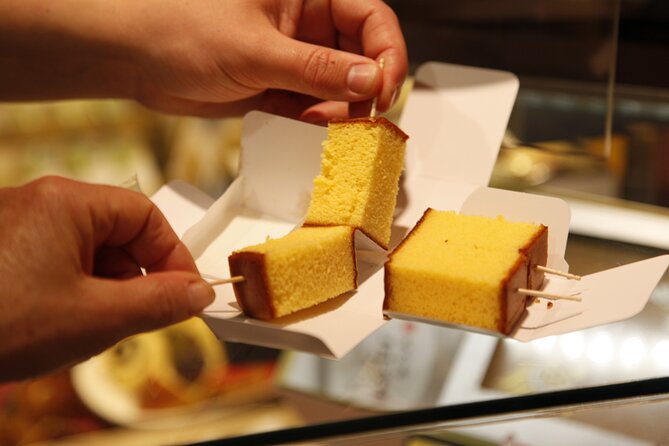
You move past prized pickles, fruit presented as a luxury item, and aisles of Japanese snack food. These are not just random samples. Together, they introduce the range of Japanese food shopping, from staples preserved for the table to gifts and treats designed to look as good as they taste.
The fruit display is particularly useful for understanding price and presentation in Japan. The tour description refers to fruit fit for a king, which signals that you will see produce treated as a premium purchase rather than a casual grab-and-go item. You may not buy everything you see, but the setting helps explain why Japanese food culture includes such careful attention to packaging and appearance.
The aisle of Japanese junk food gives the stop a lighter touch. A food tour should not pretend that every Japanese snack is solemn or traditional. You get room for the everyday, the playful, and the highly polished.
The depachika stop also leads to a sushi bar favored by locals. The exact sushi selection is not specified, so you should not expect a promised menu. What is clear is the contrast: after viewing food arranged for display and gifting, you sit with one of the neighborhood’s preferred sushi options.
That progression is one of the tour’s best ideas. You first look at food as a shopper, then encounter it as a diner.
Along the shotengai with yakitori and octopus balls
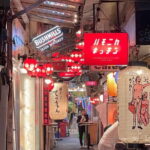
From the food hall, the route moves along Kichijoji’s shotengai shopping street. A shotengai is a traditional covered or defined shopping street where people buy food, household goods, and other daily needs. Here, the setting connects the tastings to ordinary neighborhood life.
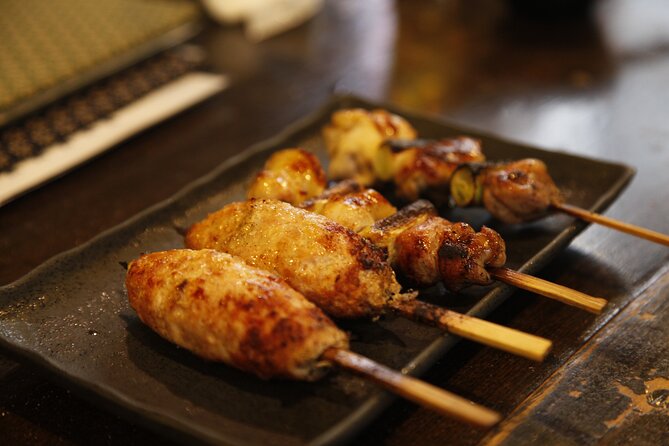
You will learn some basics of Japanese cuisine while stopping for foods such as yakitori skewers and octopus balls. Yakitori gives you the familiar smell and directness of grilled food on a stick. Octopus balls, commonly known as takoyaki, add a different experience, with a soft center and street-side preparation.
The value here is not only the food. It is the chance to see how quick eating fits into a shopping district. The tour does not isolate you in a formal restaurant for six hours. It places snacks in the same kind of setting where people shop, pause, and eat during the day.
I would expect this section to feel less polished than the depachika, and that is part of its appeal. Street food can be messier, more immediate, and less predictable. You should be ready for a moving route and compact food stops rather than a long seated meal at every stage.
The food list is broad but not fully itemized. That is worth noting if you have strict dietary needs or dislike surprises. The tour includes lunch and snacks, but the supplied details do not specify substitutions, allergy handling, or a complete tasting menu. Ask before booking if those issues affect your decision.
Meeting a three-generation senbei-making family
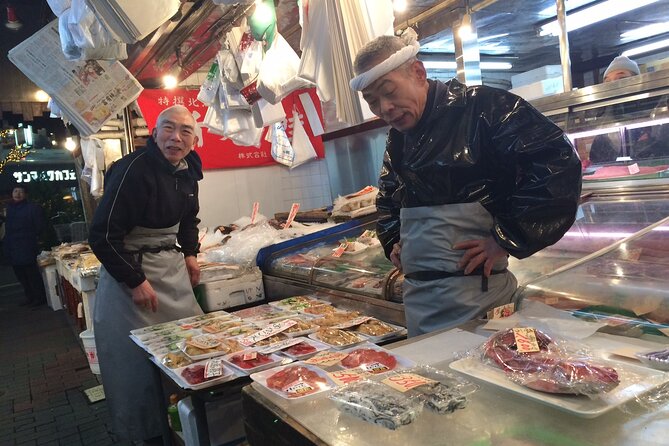
The most distinctive stop is the visit with a three-generation family of artisanal senbei makers. Senbei are Japanese rice crackers, and this encounter gives the tour a human story that a standard restaurant crawl usually lacks.
You are not only tasting a packaged snack. You are seeing how a family business can carry a food tradition across generations. The description does not provide the family’s name, production process, or exact tasting selection, so I would avoid expecting a full factory tour. Still, the three-generation detail tells you that this is meant to be a personal introduction to a local craft.
This stop also balances the more commercial depachika. In the department store, food is displayed for a wide market. At the senbei maker, the emphasis shifts to the people and methods behind one category of snack.
A family-owned business can be especially valuable on a food tour because it gives you something to remember beyond flavor. You leave with a better sense of how rice-based snacks fit into Japanese food culture and how a small maker differs from a generic convenience-store product.
The information available does not say that purchases are included, so bring a payment method if you think you may want to buy senbei or other food along the way. Treat that as a practical possibility, not as part of the tour price.


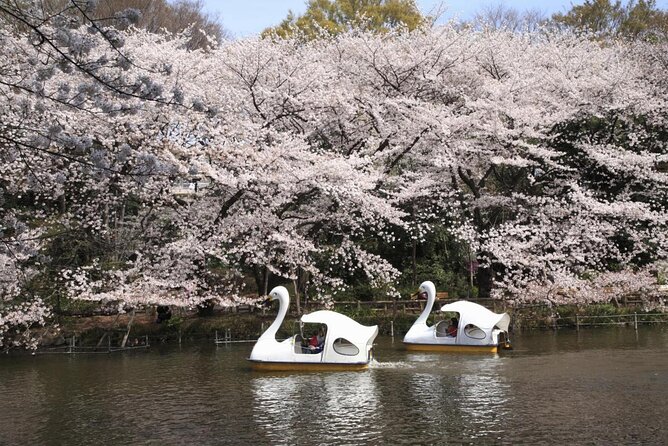
Inokashira Onshi Park and the pace of the afternoon
Inokashira Onshi Park is included among the tour stops, but the available description gives far more detail about the food route than about the park itself. That tells you where to place your expectations. This is not sold as a garden tour or a major sightseeing visit with a long list of park attractions.
The park helps widen the day beyond counters and shopping streets. A food walk benefits from changes of pace, and a park setting can give the group room to reset between tastings. Still, you should not book this experience mainly for a detailed guided tour of the park, because no such program is specified.
The overall duration is about six hours. That is long for a food tour, but the length makes sense if you value conversation, several food settings, and time to move through the neighborhood without rushing. It may feel too long if you prefer one market visit followed by a short lunch.
Coffee or tea, bottled water, snacks, and lunch are included. Those inclusions make the day easier to manage, but they do not mean every drink or extra purchase is covered. The description does not promise alcohol, dessert at every stop, or a particular number of dishes.
What the $195 price really buys
At $195 per person, this experience belongs in the premium food-tour category. The price is easier to justify if you want a small group, a long format, a guide who explains what you are eating, and a mix of included meals and tastings.
The six-person limit is the clearest value point. You are not paying for private transportation, and you are not receiving a private tour, but the group is small enough to feel personal. That matters in a food hall or on a crowded shopping street, where a large group can split up or block the flow.
Lunch is included along with snacks, coffee or tea, and bottled water. The tour also reaches places that can be hard to interpret on your own, especially the depachika and the family senbei maker. You are paying for access and explanation as much as for food.
Still, the value depends on your eating style. If you would rather spend $195 on one highly rated restaurant meal, this may not be the best match. If you want a neighborhood lesson with food built into every stage, the price has a stronger case.
The 99 percent recommendation rate and five-star score from 195 ratings indicate very strong approval, with the strongest praise focused on the variety of treats and the guide’s personal manner. One particularly warm account singles out Phoebe as patient and enthusiastic, and highlights the sushi and original rice cracker experience. If Phoebe leads your departure, that would be a welcome bonus, but guide assignments can vary.
Who will get the most from this Kichijoji walk
I would recommend this tour to first-time visitors who want an organized introduction to Japanese food without spending the day navigating menus alone. It also suits repeat visitors who have already seen central Tokyo and want a neighborhood-based experience.
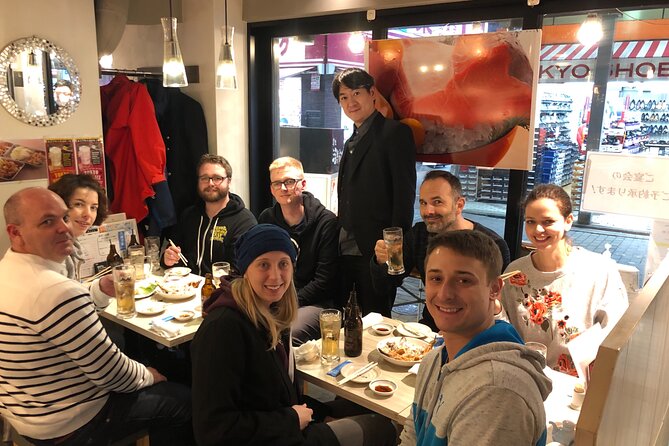
Food-focused couples and small groups should appreciate the format. The maximum of six encourages conversation, and the route offers enough variety that one person can enjoy sushi while another finds more interest in grilled snacks or senbei.
You should also consider it if you like food stories. The three-generation rice-cracker maker and the contrast between department-store displays and street-side food give the day a clear theme.
I would hesitate to recommend it to anyone seeking a quick activity, a private car, or a fully specified tasting menu. Six hours is a commitment, and the food details are described by category rather than by a fixed list. It is also a poor choice if you need guaranteed dietary accommodations that have not been confirmed.
Most people can participate, and the tour is near public transportation. Even so, the walking format and six-hour duration mean you should be comfortable moving around a neighborhood for much of the day.
Booking details that matter
The experience requires a minimum number of participants, and it may be canceled if that minimum is not reached. Poor weather can also cause cancellation, with the choice of another date or a full refund offered in those cases.
For your own plans, free cancellation is available if you cancel at least 24 hours before the start time. Cancellations or changes made inside that window are not refunded or accepted. The cut-off follows local Tokyo time, so check the clock carefully if you are booking from another country.
The tour begins and ends at Kichijoji Station. That return point is useful for planning the rest of your day, but the exact finish time can vary because the experience lasts approximately six hours.
Should you book Small Town in the Big City?
Book it if you want to understand Kichijoji through food rather than simply collect a list of restaurant names. The depachika, sushi bar, yakitori, octopus balls, and three-generation senbei maker create a well-rounded look at how Japanese food can be refined, casual, commercial, and family-made in the same neighborhood.
The strongest reasons to go are the six-person limit, the six-hour pace, and the chance to meet a traditional rice-cracker family. The clearest reason to pause is the $195 cost, especially with transportation excluded and the exact menu not fully listed.
For a visitor who values guidance and local context, I think the price can be fair. For a budget-minded eater or someone who wants a short, tightly defined tasting, save your money and explore Kichijoji independently.
FAQ
Where does the tour start?
It starts at Kichijōji Station, located at 2 Chome-1 Kichijoji Minamicho, Musashino, Tokyo 180-0003, Japan.
Where does the tour end?
The activity ends back at the meeting point.
How long does the experience last?
The tour lasts approximately six hours.
How many people can join the tour?
The experience has a maximum of six participants.
What food and drinks are included?
Lunch, snacks, bottled water, and coffee or tea are included.
Is transportation included?
Private transportation is not included. You need to make your own way to Kichijoji Station.
Can I cancel for a full refund?
Yes. You can cancel at least 24 hours before the experience start time for a full refund. Cancellations made less than 24 hours in advance are not refunded.
More tours in Musashino we've reviewed
Musashino, compared.
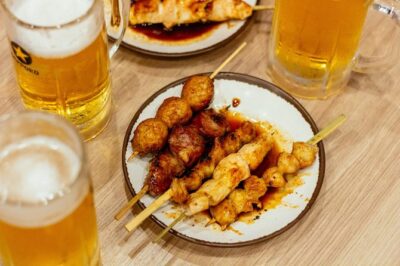 ★ 5.0The 10 Tastings of Tokyo With Locals: Private Street Food TourFrom $199
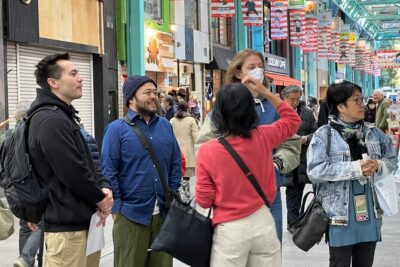 ★ 5.0Explore Kichijoji: Walk Through One of Tokyo’s Beloved DistrictsFrom $45
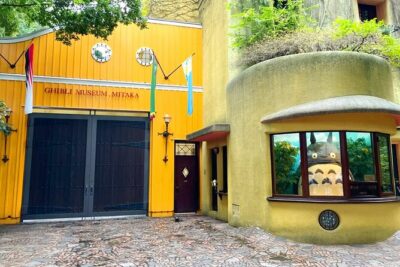 ★ 4.5Whimsical Walk to a Hidden Anime World: Tokyo Half-Day TourFrom $43
 ★ 5.0Kichijoji Food & Anime Tour in Tokyo with LunchFrom $120
 ★ 5.03-Hour Manga Drawing Workshop in TokyoFrom $97
 ★ 5.0Tokyo Kichijoji Twilight: Explore Instagram-Worthy Hidden SpotsFrom $39