Reviewed · SAMURAI & NINJA EXPERIENCES
Tokyo: Samurai Experience with a real sword
The sharpest part of this Tokyo experience is that you do more than pose with a sword. You learn how to draw and sheath a katana, watch Shiden-ryu swordsmanship, practice basic forms, and take part in a controlled sword-to-sword session. The real-sword cutting segment is available from age 12.
In This Article
- Key points to know before booking
- Why the real-sword element changes the experience
- Getting dressed in kimono and hakama
- Zarei, the seated etiquette lesson
- Watching Shiden-ryu swordsmanship
- Learning sword forms and basic movements
- The sword-to-sword combat session
- Cutting objects with a genuine samurai sword
- Calligraphy and a small meal may be part of the visit
- Meeting point and timing in Tokyo
- Is $102 a fair price?
- Who will enjoy this most?
- Cancellation and booking details that matter
- Should you book the Tokyo samurai experience?
- FAQ
- How long does the samurai experience last?
- Where do I meet the staff?
- How early should I arrive?
- Is the real-sword cutting activity suitable for children?
- What should I bring?
- Is the activity available in English?
I like the full kimono and hakama dressing, which turns a short activity into a proper samurai presentation. I also like the take-home video and photos, since your friends can see the cutting demonstration rather than just hearing about it. The main consideration is that two hours passes quickly, and some instruction may rely on translation tools if your coach is not fluent in English.
Key points to know before booking
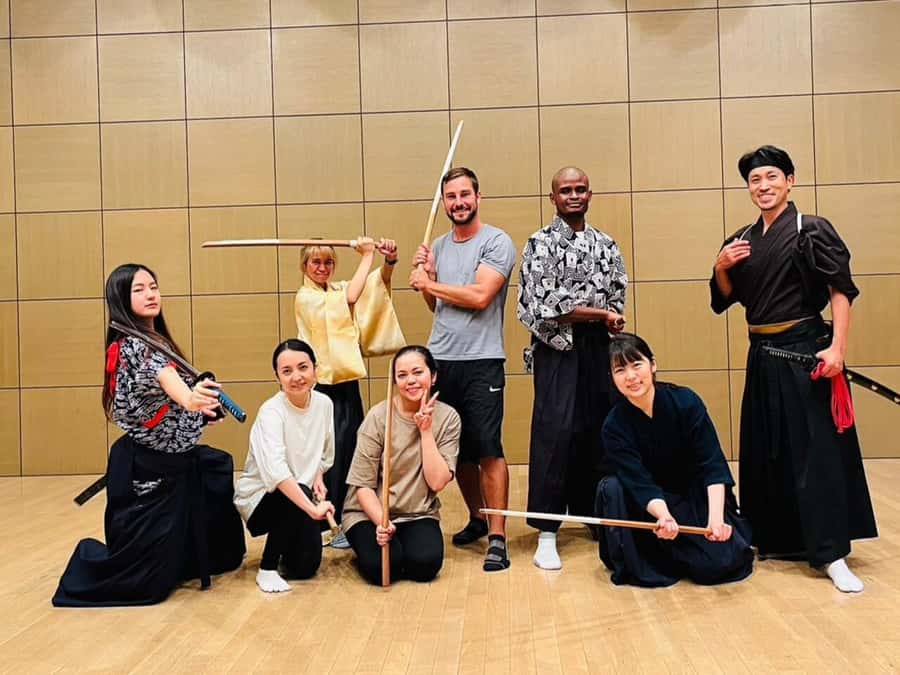
- Real sword cutting from age 12: You can cut objects with a genuine samurai sword, with video recording available for this part.
- A full samurai routine: The session includes seated etiquette, sword handling, forms, combat practice, presentation, changing clothes, and photos.
- Hiryu may add cultural depth: One session included explanations of samurai history and philosophy, plus calligraphy and a small meal.
- English support is provided: The activity lists English-speaking staff and an English instructor, though Google Translate may help during some sessions.
- Plan around the clothing: Bring comfortable clothes, a change of clothes, and water in a bottle with a secure lid.
- The meeting point can change: Meet staff 20 minutes early at the stated Tokyo location, and check your booking notice for any updated meeting place.
Why the real-sword element changes the experience
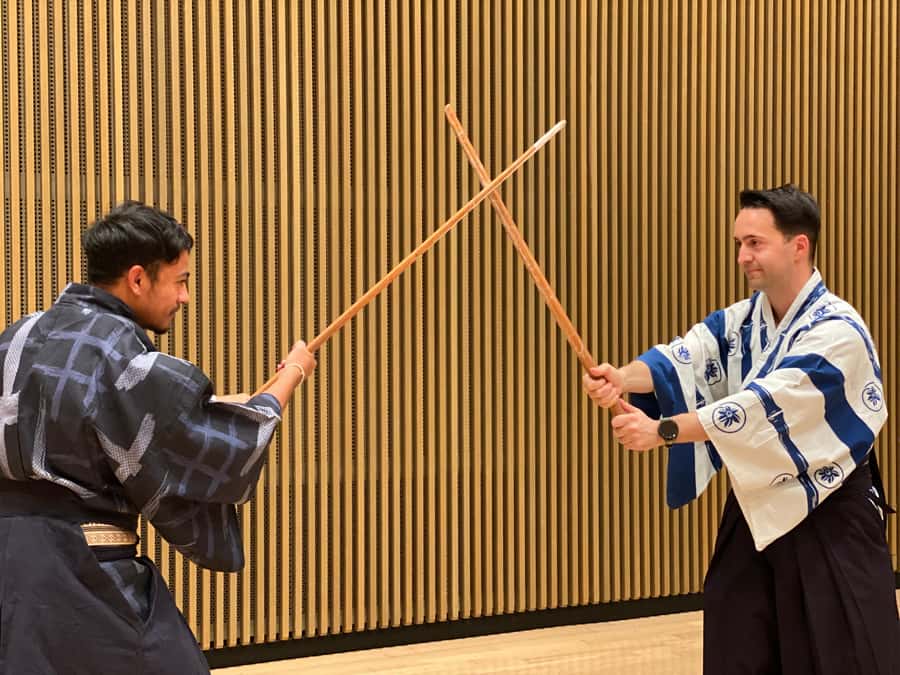
Many samurai-themed activities are mainly costume sessions. This one adds actual handling practice and a cutting demonstration, so you get a better sense of the discipline behind the image.
You are taught how to hold and move a sword before the more dramatic parts begin. That order matters. Drawing a katana, keeping control of the blade, and returning it to its sheath are deliberate actions, not quick movie gestures. The opening lessons help you understand that samurai swordsmanship is built on posture, restraint, and repeated movement.
The sword-to-sword section, called uchikomi, is presented as an interactive exercise. You should expect a controlled practice session rather than a free-for-all fight. You will be shown the basic movements first, then take part under the direction of the coach.
The most unusual feature is cutting objects with a genuine samurai sword. This is not available to children under 12, so families should plan around that age rule. If you are 12 or older, the cutting section can be recorded, giving you a useful souvenir beyond the standard portrait photos.
A few more Tokyo tours and experiences worth a look


Getting dressed in kimono and hakama
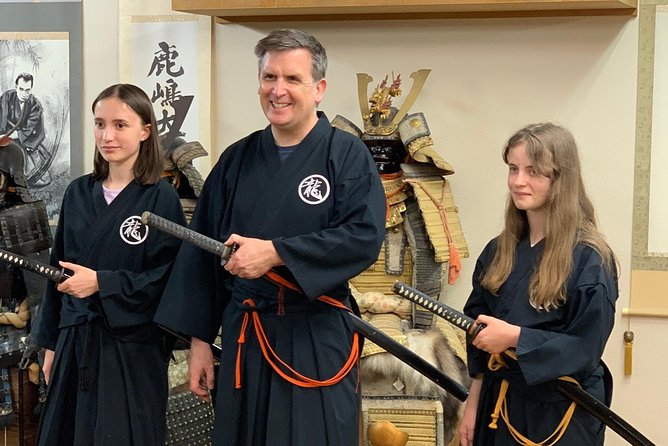
Your visit begins with reception and changing into traditional clothing. The kimono and hakama provide more than a photo opportunity. They make you adjust your stance and movement, which helps you pay attention to how the body works during sword practice.
You are asked to provide your height and weight on the reservation form. That information is used for clothing preparation, so give accurate details when booking. Wear comfortable clothes underneath and bring a change of clothes for the end.
The clothing also gives the session a clear structure. You arrive as a visitor, get dressed, learn the etiquette, practice the sword forms, take part in the presentation, and change back before returning to the meeting point. It feels more like a short cultural lesson than a simple costume rental.
One practical point: hakama and kimono are not ideal for rushing around. Follow the coach’s instructions and expect careful, measured movements. The activity is not a place for casual sword swinging, and that restraint is part of its value.
Zarei, the seated etiquette lesson
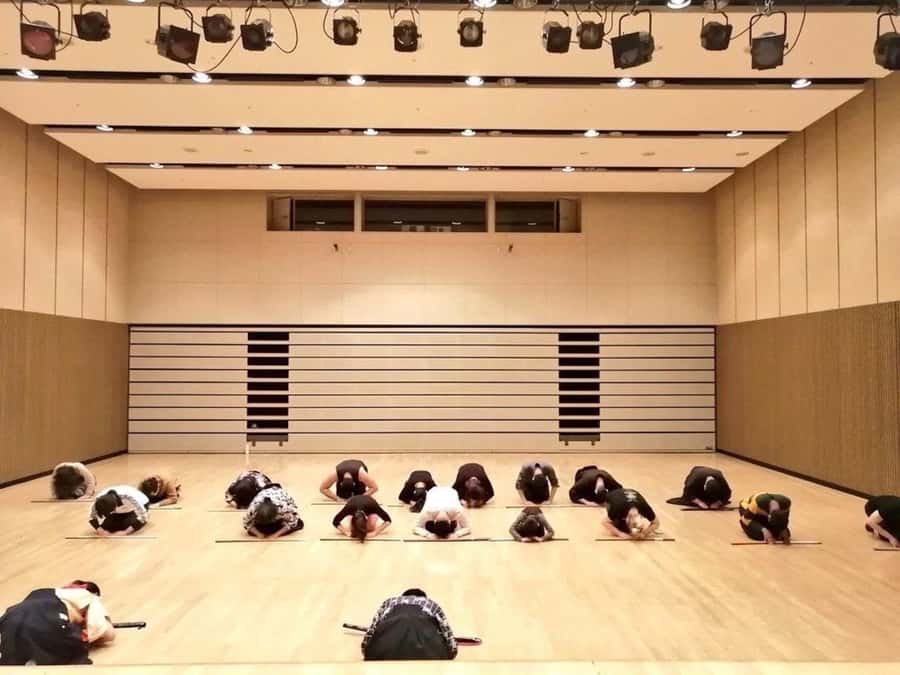
Before the sword work begins, you are introduced to zarei, the formal seated bow used in Japanese etiquette. This may seem like a small part of the schedule, but it sets the tone for everything that follows.
The bow teaches respect and control before the sword is placed in your hands. It also gives you a small window into the manners that surround traditional martial arts. You are not simply dressing up as a samurai. You are being shown how the role is framed through posture, silence, and ceremony.
You will return to seated etiquette later in the session. That repetition gives the activity a beginning and an ending, rather than a loose collection of sword tricks.
Watching Shiden-ryu swordsmanship
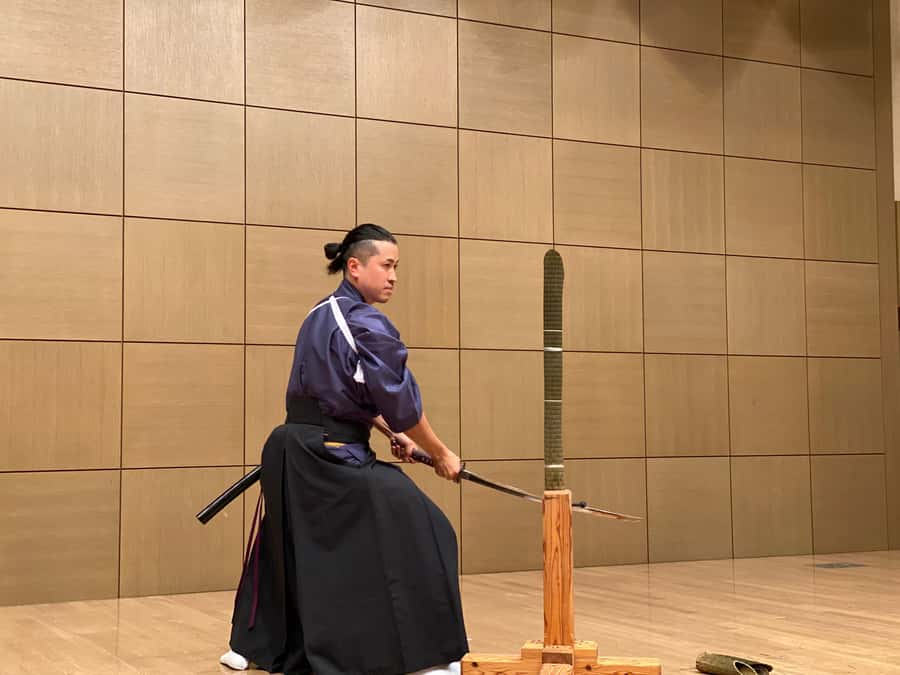
A demonstration by Shiden-ryu gives you a reference point before you practice. Watching an experienced swordsman draw, move, and sheath the blade makes the techniques easier to understand.
This is likely to be one of the best moments for visitors who want cultural context as well as action. The demonstration shows the clean lines and calm pace of the art. It also makes clear why safe handling matters when you begin your own practice.
One guide mentioned in the experience is Hiryu. In one session, he explained samurai history and philosophy as part of the lesson. That kind of conversation can add meaning to the movements, especially if you are interested in more than a quick photo in costume.
English instruction is provided, but communication may not always be effortless. One participant used Google Translate during the sword lesson, calligraphy, and meal. Bring patience and watch the demonstrations closely. Martial arts instruction often depends on copying a movement, and the visual example can help when a spoken explanation is brief.
Learning sword forms and basic movements
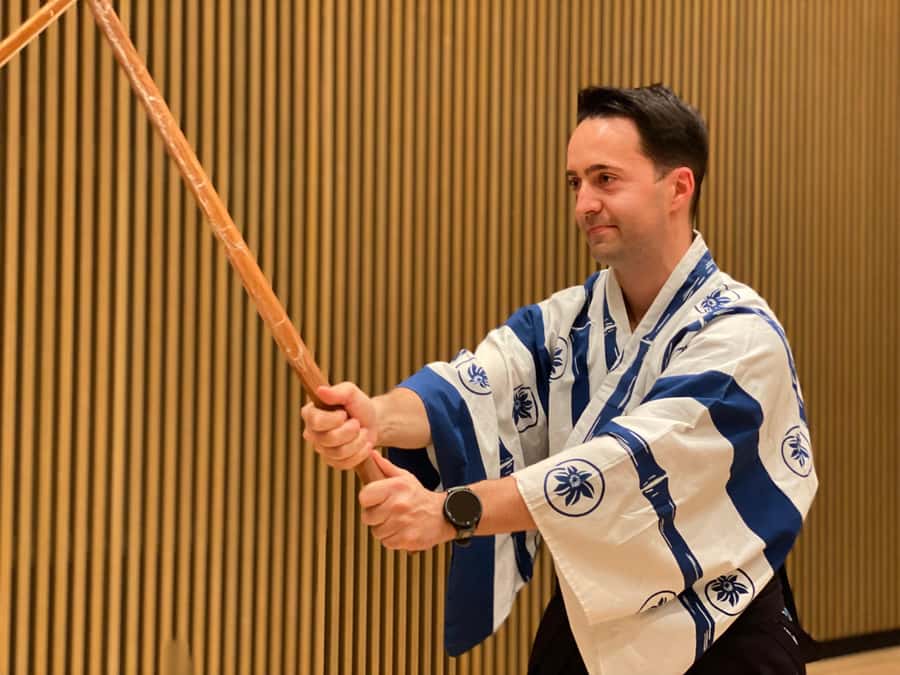
After the demonstration, you learn how to handle the sword and practice samurai forms. The schedule lists sword handling techniques, forms, movements, and uchikomi, or sword-to-sword practice.
You should not expect a complete martial arts course in two hours. The benefit is an introduction. You learn enough to understand the basic sequence and feel the difference between holding a real sword and posing with a prop.
The coach’s role is important here. A professional instructor guides the activity, and the structure keeps the session focused. You are not left to guess where to place your hands or how to move the blade.
I would book this for someone who enjoys learning by doing. If you want a long technical training session, the short duration may feel limited. One participant wished the training had lasted longer, which is a fair complaint for anyone already interested in sword arts.
For most people, though, two hours is a sensible length. The clothing, etiquette, demonstration, practice, cutting, photography, and changing clothes all need room in the schedule. A longer class would offer more technique, but it would also require more time and physical focus.






The sword-to-sword combat session
The uchikomi portion is where the experience becomes most active. You use the learned movements in a controlled sword-to-sword exercise, following the coach’s instructions.
This is the part that gives the activity its theatrical energy, but it still depends on discipline. The goal is not to overpower another person. The goal is to perform the movement correctly and safely.
You should listen carefully during this section and avoid treating it like a movie scene. The real sword element makes attention especially important. The supplied information does not promise a particular number of rounds, group size, or combat format, so do not book expecting a long duel or a private match unless your confirmation says so.
The activity is not suitable for pregnant women or wheelchair users. Comfortable clothing and a secure-lid drink are required practical choices, and you should arrive 20 minutes before the scheduled meeting time.
Cutting objects with a genuine samurai sword
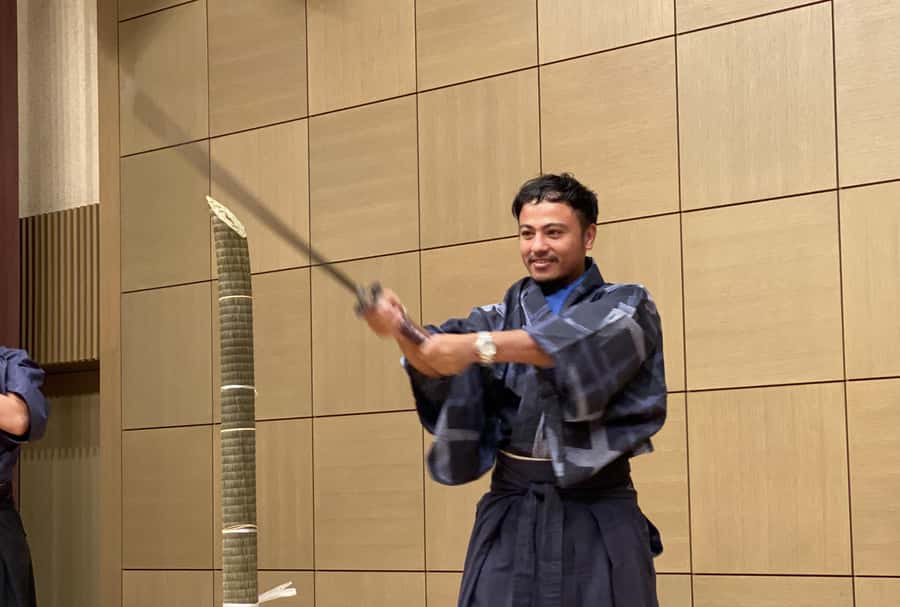
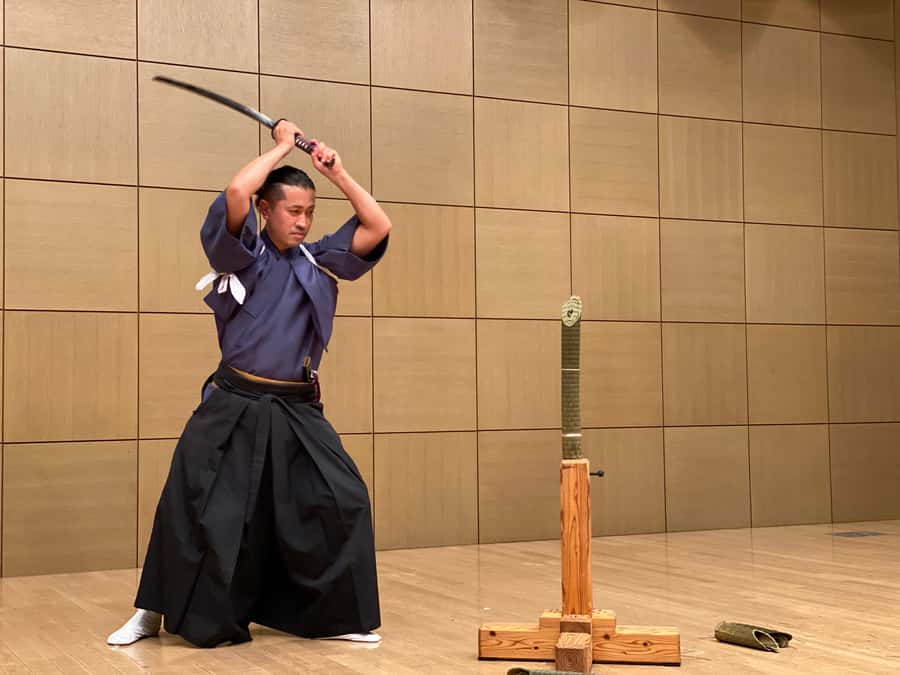
The cutting section is the experience’s clearest point of difference. After learning the basic handling and movements, eligible participants can cut objects with a genuine samurai sword while the action is filmed.
The cutting is available from age 12. This age rule is easy to miss, so families should check it before booking. If younger children are attending, they may still take part in the clothing, etiquette, demonstration, and other portions only if the provider permits it, but the supplied details specifically limit the cutting activity to participants aged 12 and above.
The video makes this segment more valuable. A still photo can show the outfit, but video captures the movement, the cut, and the formal presentation. Photography charges are included, and you take home photos and a video as keepsakes.
Do not assume the video will replace all other photography. The schedule includes both video recording and a separate commemorative photo session. Ask the staff how the files will be delivered if that matters to you, since the available details confirm that you receive them but do not explain the exact format.
Calligraphy and a small meal may be part of the visit
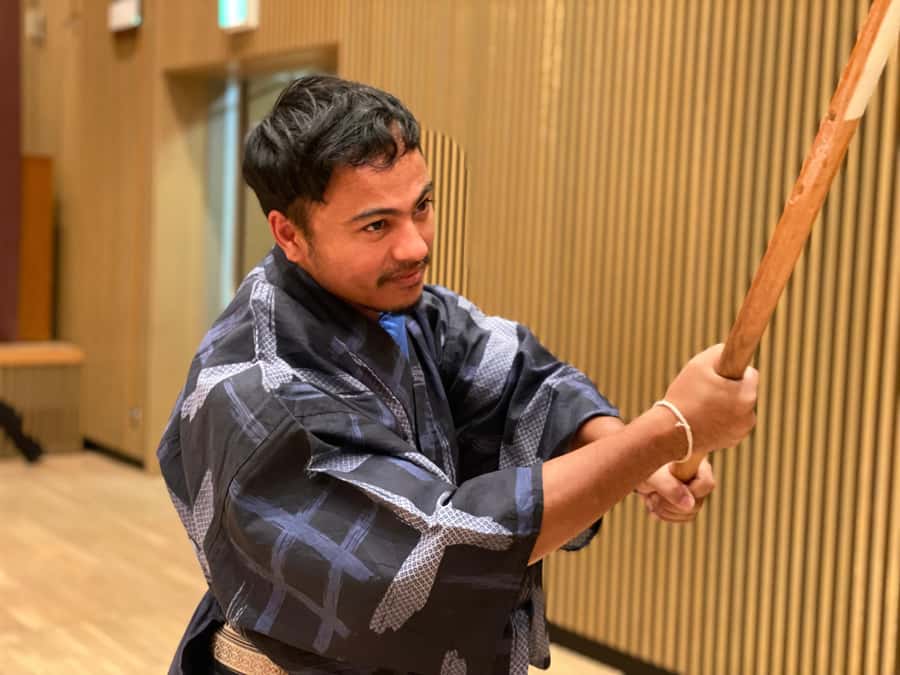
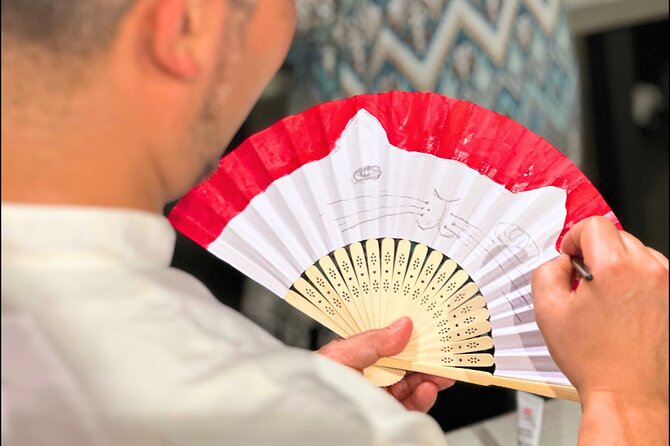
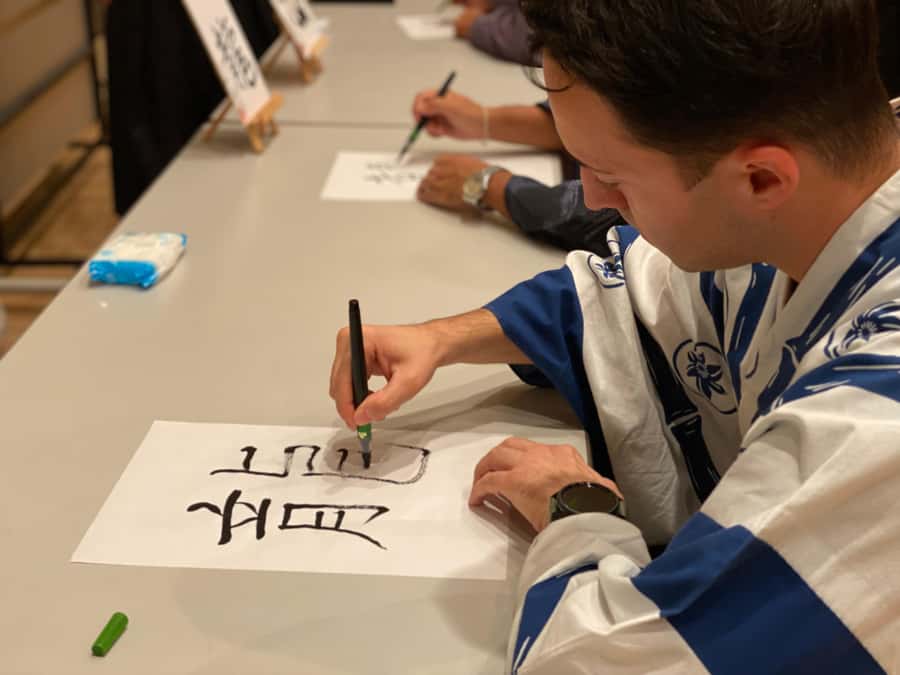
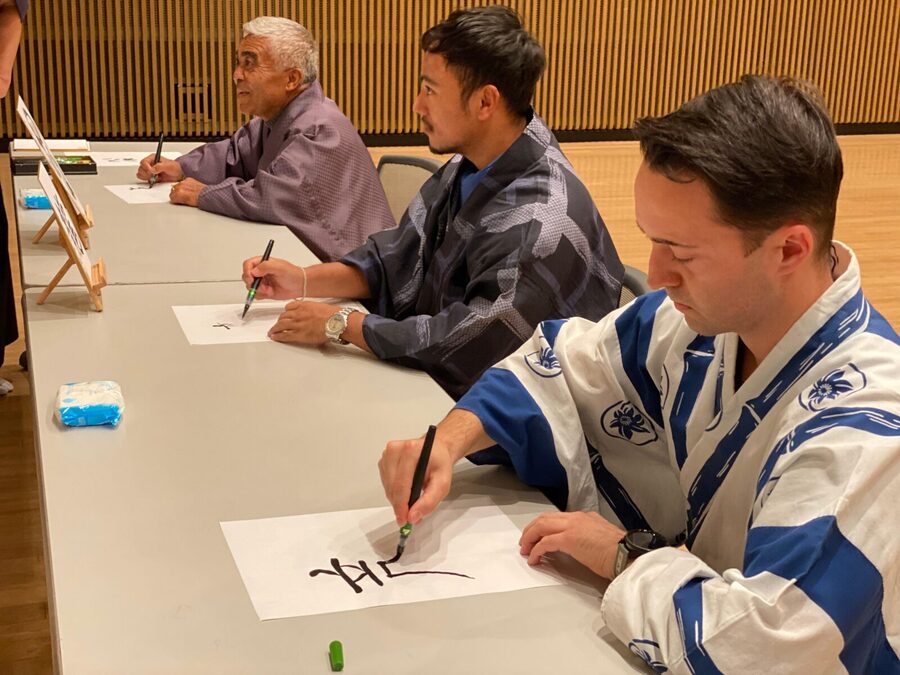
The listed program centers on swordsmanship, but one session also included calligraphy and a small meal. These additions are worth mentioning because they broaden the activity beyond combat.
Calligraphy offers a quieter counterpoint to the sword lesson. After working on controlled physical movements, putting brush to paper gives you another way to focus on posture and precision. It also provides a souvenir with a more personal feel than a standard photograph.
The meal was a pleasant surprise in that session, but it is not listed among the formal inclusions. Treat it as something that may be offered, not as a guaranteed part of the price. The same applies to the exact cultural extras and the specific guide you will meet.
Meeting point and timing in Tokyo
The activity begins at a designated meeting point and ends back there. The stated directions say to exit the station ticket gates, use the west exit, go down to ground level, and meet near McDonald’s. Staff will hold a meeting board.
The meeting location may vary by date within Tokyo. Check the final instructions you receive rather than relying only on a saved map pin. Arrive 20 minutes early. This is especially important when you need to find the west exit and locate staff before changing clothes.
The information does not specify the transfer time from the meeting point to the training center. Leave room in your day rather than scheduling a tight museum reservation or restaurant booking immediately afterward. The activity itself lasts two hours, but meeting, transfer, dressing, and the final change can affect your total time.
Is $102 a fair price?
At $102 per person, this is not a budget activity. The value depends on what you want from a samurai experience.
You are paying for a professional coach, English support, the venue, the activity itself, clothing, photography, and the chance to handle a real sword. The video and photos add lasting value, particularly if this is a special occasion or a highlight of your Japan trip.
It is a stronger deal for someone who wants active participation. If you only want to wear kimono and take photos, less expensive costume options may suit you better. If you want a polished introduction to sword etiquette, forms, controlled combat, and real-sword cutting, the package has more substance.
The 4.7 rating from 17 reviews points to a consistently positive experience, though the sample is small. The strongest praise centers on the careful organization, the sword lesson, the warm welcome, and the sense of learning something rather than simply posing.
A small group or private format is not specified, so check the booking details if that affects your decision. Group size can change how much individual coaching you receive during the sword and cutting portions.
Who will enjoy this most?
I would recommend this activity to adults, couples, families with older children, and anyone interested in Japanese martial arts. It works especially well as a memorable break from temples, shopping, and city sightseeing.
It suits people who enjoy a clear hands-on lesson and do not mind following instructions closely. The kimono, forms, etiquette, and photos make it appealing to first-time visitors, while the real-sword practice gives martial arts fans a more serious point of interest.
It may not suit you if you want a relaxed, purely photographic activity. The clothing and sword work require attention, and the program is not suitable for pregnant women or wheelchair users. It is also less suitable if you need extensive English explanation at every step, since some sessions may use translation support.
Bring water in a bottle with a secure lid, comfortable clothes, and a change of clothes. Smoking and alcohol are not allowed, and alcoholic drinks are not permitted in the vehicle.
Cancellation and booking details that matter
You can cancel up to 14 days before the activity for a full refund. That is a useful safety net, but check the exact deadline attached to your booking.
The starting times vary, so you need to check availability for your date. Provide your height and weight on the reservation form, arrive 20 minutes early, and confirm the meeting point if the date-specific instructions differ from the general west-exit directions.
The experience provider is H.I.S. Co Ltd, with English listed for the instructor and staff. The advertised price is $102 per person, and no unspecified expenses are included, so plan to pay separately for anything outside the stated package.
Should you book the Tokyo samurai experience?
Book it if you want more than a costume photo. The real-sword handling, controlled sword-to-sword practice, cutting video, formal bowing, and kimono dressing create a well-rounded two-hour introduction.
I especially like that you leave with both photos and video. You also get a taste of the quiet discipline behind samurai swordsmanship, not only its dramatic side. Hiryu’s added explanations of philosophy, along with possible calligraphy and a small meal, can make the session feel personal and cultural.
Skip it if you are looking for a long martial arts course, a guaranteed private lesson, or a low-cost activity. For everyone else, $102 is reasonable when you value the coach, venue, clothing, real sword, photography, and video together. Check the age rule, accessibility limits, meeting instructions, and language arrangements first, then book this as a focused cultural experience rather than a full day of training.
FAQ
How long does the samurai experience last?
The activity lasts two hours. Starting times vary, so check availability for your chosen date.
Where do I meet the staff?
After exiting the ticket gates, use the west exit and go down to the ground floor near McDonald’s. Meet staff holding a meeting board. The location can change within Tokyo depending on the date, so follow the final notice you receive.
How early should I arrive?
Arrive 20 minutes before the scheduled meeting time.
Is the real-sword cutting activity suitable for children?
Cutting objects with a real sword is available for participants aged 12 and above.
What should I bring?
Bring comfortable clothes, a change of clothes, and water in a bottle with a secure lid. You should also provide your height and weight on the reservation form.
Is the activity available in English?
Yes. English-speaking staff and an English instructor are listed. Some sessions may still use Google Translate for parts of the communication.
More Samurai & Ninja Experiences in Tokyo


More tours in Tokyo we've reviewed












Samurai & Ninja Experiences, compared.
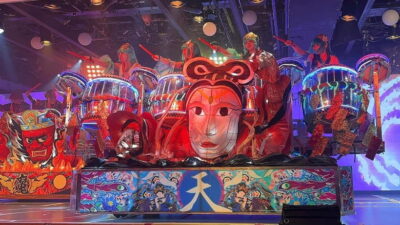 ★ 4.5Tokyo: Samurai Restaurant Show Ticket with 2 DrinksFrom $551h 30m
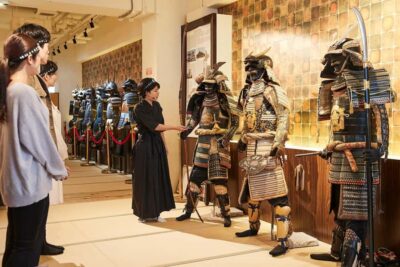 ★ 4.6Tokyo: Samurai Ninja Museum Guided tour and ExperienceFrom $27
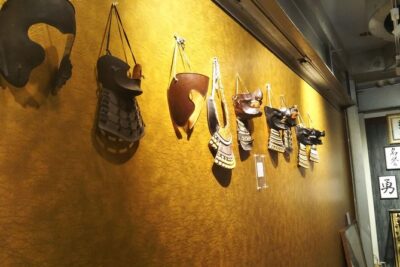 ★ 5.0Skip the lines Basic Ticket at SAMURAI NINJA MUSEUM TOKYOFrom $28
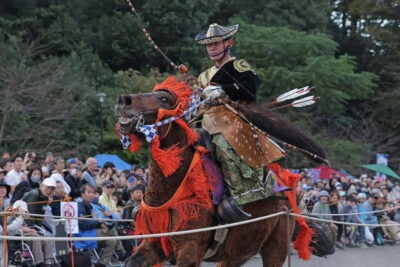 ★ 5.0Tokyo: Authentic Samurai Training at a DojoFrom $211
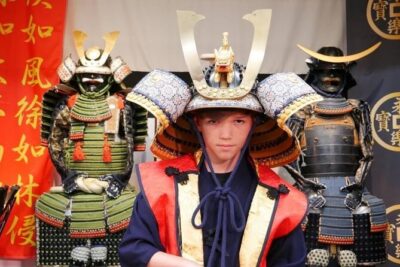 ★ 5.0Best Samurai Experience in TokyoFrom $65
 ★ 4.6Tokyo: Legend Samurai Entertainment Night in Kanda ShrineFrom $44