Reviewed · TSUKIJI MARKET TOURS
Tokyo Tsukiji Food & Culture 4hr Private Tour with Licensed Guide
Tokyo’s food culture is best understood one bite and one neighborhood at a time. This private tour lets you choose from Tsukiji, Toyosu, Asakusa, Ueno, Kappabashi, Tsukishima, and Yanaka, with a local guide to explain what you are seeing and help you order.
In This Article
- Key points at a glance
- What this private Tokyo food tour really offers
- Start with a realistic two-stop plan
- Tsukiji Outer Market, Tokyo’s best food stop
- Toyosu Market, modern and timing-sensitive
- Asakusa, Senso-ji, and Nakamise
- Ameyoko and Ueno for everyday shopping
- Kappabashi Street, Tokyo’s kitchenware district
- Tsukishima and the local comfort of monjayaki
- Yanaka Ginza and old Tokyo atmosphere
- What the guides add to the day
- Duration, walking, and extra costs
- How I would plan the four hours
- Should you book this Tokyo food tour?
- FAQ
- How long is the Tokyo Tsukiji Food and Culture tour?
- Is the tour private?
- How many places can I visit?
- Is hotel pickup included?
- Are train fares included?
- Is lunch included?
- Is admission to Tsukiji included?
- When is Toyosu Market closed?
- Can I see the fish auction?
- What is the cancellation policy?
I like the one-to-one format and the practical help with Tokyo’s trains, food stalls, and local customs. I also like that your guide can shape the outing around sushi, kitchenware, temples, shopping, or old Tokyo streets. The catch is simple: four hours is enough for two sites, or three at most, not the entire menu of stops.
Key points at a glance
- Tsukiji is the food heart of the tour: Sample sushi, sea urchin, wagyu beef, crab, tamagoyaki, and other market foods with help choosing stalls.
- You choose the route: Focus on two or three locations instead of following a fixed sightseeing circuit.
- The private format helps families: Guides can adjust the pace and explain train tickets, customs, menus, and neighborhood history.
- Toyosu requires careful planning: It is closed Wednesdays, Sundays, and occasional irregular days, and early starts matter if you hope to see auction activity.
- Pickup is on foot: Your guide meets you within the designated Tokyo area, but train fares, meals, and entry costs are extra.
- The tour reaches beyond food: Senso-ji, Nakamise, Yanaka Ginza, Hamarikyu Garden, and Tokyo shopping areas may fit your chosen plan.
What this private Tokyo food tour really offers
At $109.01 per person, this is not a cheap way to collect Tokyo landmarks. It is a paid day of local guidance, food orientation, and city navigation. The value improves when you use the guide well: ask for help choosing dishes, explain your food interests before the meeting, and settle on two or three stops rather than trying to cross the city for all eight.
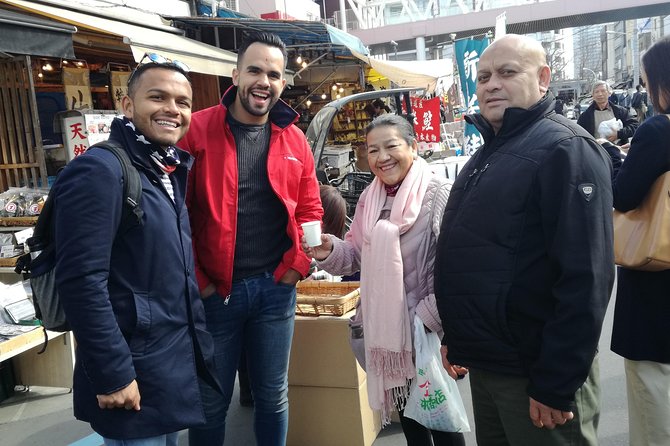
The private format is the main advantage. Your group has the guide to itself, so you can slow down at Tsukiji, skip a shop that does not interest you, or adjust the plan for children and older family members. Guides including Hiromi, Nori, Toru Higaki, Maki, Koji, and Koba have helped visitors with food sampling, subway travel, temple visits, shopping, and local etiquette.
This is a walking tour, even though the route may use trains between neighborhoods. There is no private vehicle, and transportation costs are not included. Hotel pickup means meeting your guide on foot, not being collected in a car.
A few more Tokyo tours and experiences worth a look
Start with a realistic two-stop plan
The tour description gives you a long list of possible places, but the practical limit matters more than the list. In four hours, choose two major areas, or three compact stops that sit reasonably close together. Tsukiji plus Asakusa is a sensible food-and-culture pairing. Tsukiji plus Kappabashi works well if you care more about cooking tools than temples.
Trying to combine Toyosu, Tsukiji, Ueno, Asakusa, and Yanaka can turn the outing into a train timetable exercise. One dissatisfied customer spent too much of the available time moving between places after expecting to see more. Take that as useful advice: the best itinerary is focused, not ambitious.
Before the day, tell the operator what matters most. You might ask for sushi and market snacks, a family-friendly route, Japanese cooking tools, old neighborhoods, shrine and temple customs, or help using the subway. A guide can then make the four hours feel purposeful.
Tsukiji Outer Market, Tokyo’s best food stop
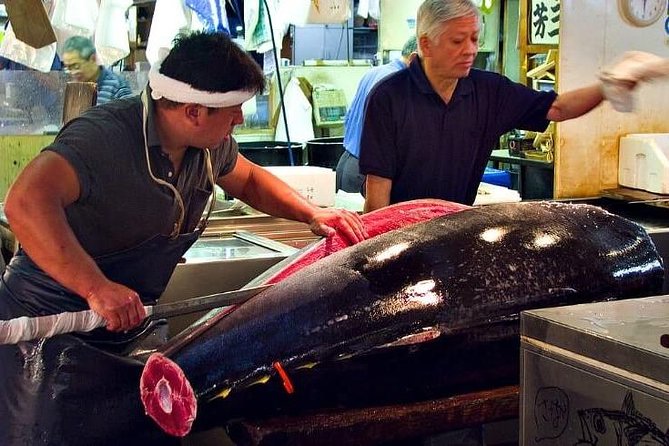
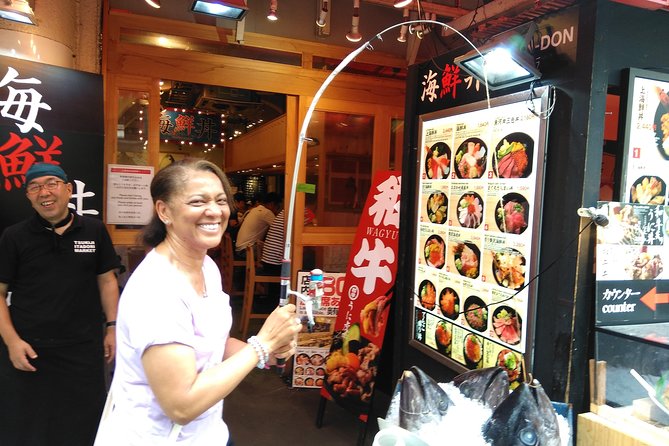
Tsukiji is the strongest choice for most people. The wholesale fish market moved to Toyosu, but the outer market at Tsukiji remains a maze of food stalls, small shops, and cooking-related businesses. It is the place to browse, taste, and ask questions without needing a full meal at one sitting.
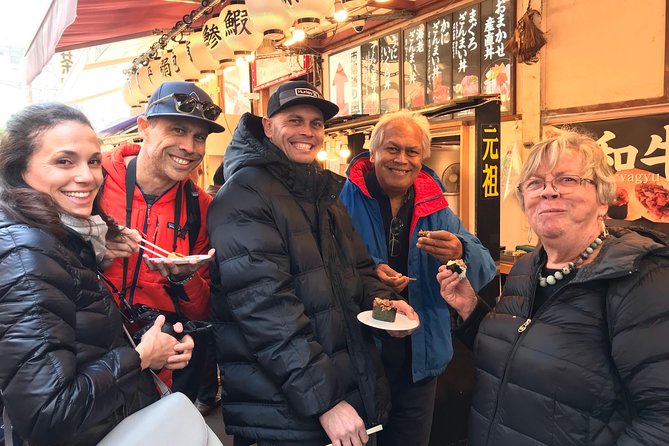
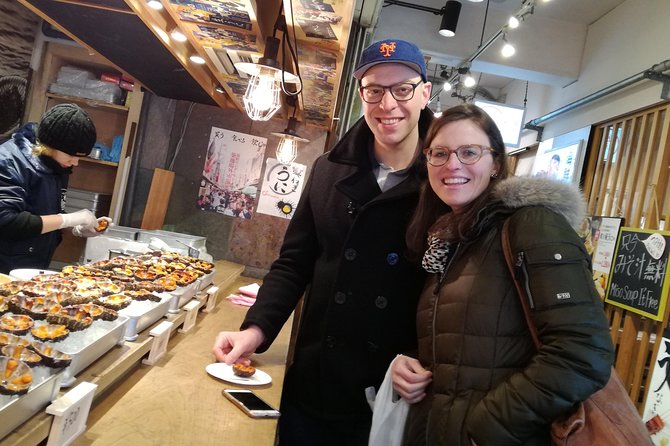
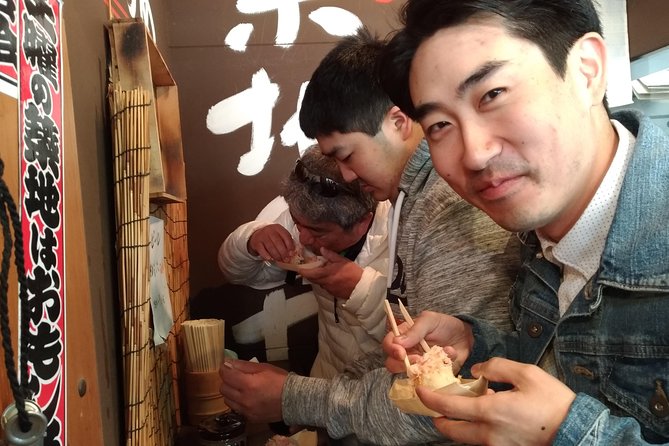
A good guide can help you make sense of the choices. Foods mentioned during guided visits include sushi, sea urchin, wagyu beef, beef bowls, egg rolls, snow crab, king crab, and fresh oysters. One especially food-focused outing included tastings at 13 stalls, though you should not assume your route will include that many. Four hours covers the whole selected tour, and eating at every counter would take time.
I like Tsukiji because it gives the guide something useful to do. Instead of simply pointing at shops, your guide can explain how ingredients are prepared, which foods are easy to sample, and where lines may be shorter. Maki, for example, helped visitors identify different foods and decide what would be fun to try. Nori was praised for matching a visitor’s sushi interests with suitable stalls.
Remember that food is extra. The tour price covers the guide, not lunch or personal purchases. Bring an appetite, but do not arrive expecting an all-inclusive tasting menu. It is better to budget separately and choose a few things that genuinely appeal to you.
Toyosu Market, modern and timing-sensitive
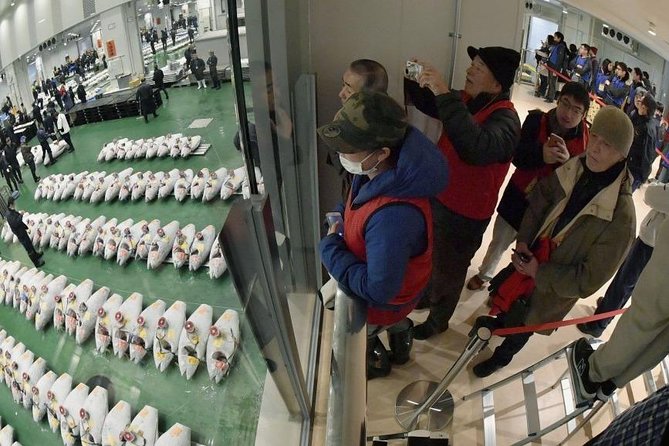
Toyosu Market is the newer wholesale market complex and can add a different side of Tokyo’s seafood trade. The scheduled visit is listed as 30 minutes, with admission not included. That short time makes it more of a market orientation than a full food morning.
The important warning is timing. Toyosu is closed on Wednesdays, Sundays, and some irregular days. Many Tsukiji shops also close when Toyosu is closed, so a closure can affect more than one stop.
Do not book this outing assuming an ordinary 8 a.m. start will show you the fish auction. One person arrived at that time and found the auction long finished, with many retail booths closed or nearly finished for the day. If the auction matters to you, ask specifically about the start time and what can actually be seen on your date. The information provided here does not promise auction access.
Toyosu makes sense for someone interested in how Tokyo’s wholesale fish system works. Tsukiji is usually better for eating and browsing. If you have only four hours, ask your guide which market best fits your priorities and the day’s opening schedule.
Asakusa, Senso-ji, and Nakamise
Senso-ji gives the tour a welcome change of pace. This famous Buddhist temple traces its history back about 1,300 years and is entered through Kaminarimon, the gate with the large red lantern. The temple visit is listed as free, though personal purchases and any separate costs remain your responsibility.
The nearby Nakamise shopping street runs about 250 meters toward Senso-ji. Its shops sell traditional souvenirs, snacks, and small gifts. This is a useful stop if you want something more rooted in Japanese tradition than a generic airport purchase.
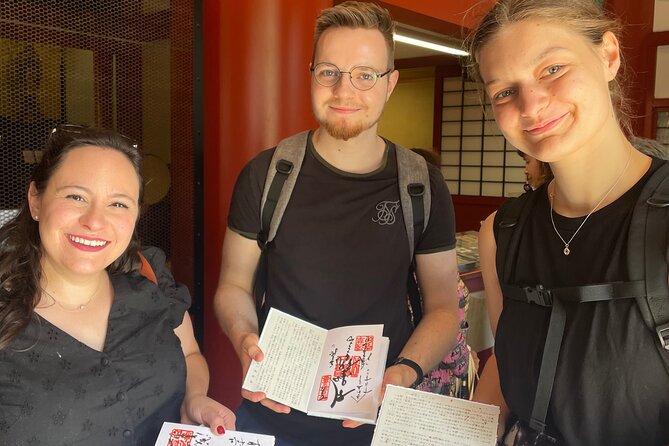
A guide can explain how to approach the temple and what you are looking at, which makes the visit less like a quick photograph. Sally was singled out for arranging an especially memorable Senso-ji visit and explaining the site clearly. Other guides have paired Asakusa with Tsukiji, allowing you to eat first and then spend time in one of Tokyo’s best-known historic districts.
The drawback is that Asakusa is not a quiet secret. Nakamise can feel crowded, and the shopping street is commercial by design. Still, it works well for first-time visitors, families, and anyone who wants a clear cultural stop alongside market food.
A few more Tokyo tours and experiences worth a look


Ameyoko and Ueno for everyday shopping
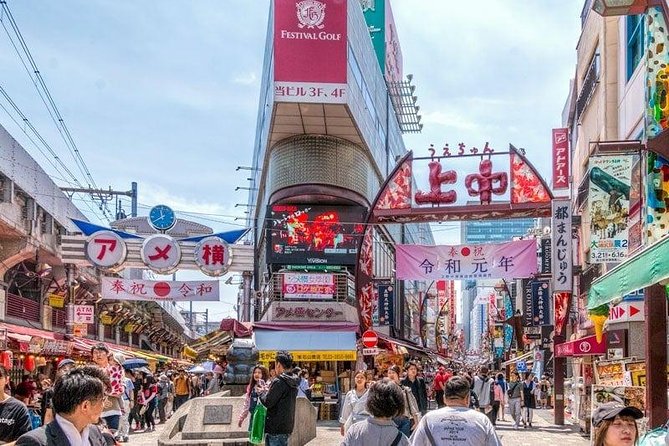
Ameyoko Shopping Street near Ueno is a good choice if you want market energy and bargain hunting rather than polished department stores. The stop is listed as 30 minutes, so think of it as a quick walk and orientation, not a leisurely shopping afternoon.
The tour information describes Ameyoko as a favorite place for souvenir shopping and good deals. Your guide may help you identify food products, small gifts, or local shopping areas, but purchases are not included.
Ameyoko pairs naturally with Ueno, though the wider area can compete with Tsukiji and Asakusa for your limited time. Choose it if shopping is a serious goal. Skip it if your main interest is sushi, temples, or restaurant equipment.
Kappabashi Street, Tokyo’s kitchenware district
Kappabashi Dogugai is one of the most distinctive options on the list. The street between Ueno and Asakusa is lined with stores selling supplies used by restaurant operators. You may find cooking tools, tableware, knives, serving pieces, and other practical items, though the exact shops and products are not specified.
This is the right stop for a serious home cook or anyone who likes useful souvenirs. It offers something different from Tsukiji’s edible purchases and Nakamise’s traditional gifts. A guide can help you understand what the shops sell and how to shop without wasting your short visit.
Kappabashi is also a good place to ask for cooking-inspired souvenirs before you arrive. If you want Japanese knives or specialist kitchen tools, state that clearly when arranging the tour. The guide can then decide if this stop deserves one of your two or three places.
Tsukishima and the local comfort of monjayaki
Tsukishima Monjya Street introduces you to monjayaki, a Tokyo specialty made from a thin flour-and-dashi batter with other ingredients mixed in. It is famously loose and liquid compared with the more familiar okonomiyaki. The appearance may not win you over at first, but the dish is part of Tokyo’s local food identity.
The tour lists admission as not included, which in practical terms means any meal or tasting is your own expense. Ask your guide how the dish is prepared and where to try it, rather than assuming the tour price covers lunch.
Tsukishima is a better fit for repeat visitors or food-focused people who want something beyond sushi. It may be less useful for a first Tokyo morning if you also want to see the temple district or shop at Tsukiji.
Yanaka Ginza and old Tokyo atmosphere
Yanaka Ginza Shopping Street offers a gentler look at Tokyo. The surrounding Yanaka area retains a Shitamachi, or old downtown, character, with a more nostalgic feel than the major market and temple districts. The stop is free and listed for about 30 minutes.
This is a strong choice if you want small neighborhood shops and everyday Tokyo rather than headline attractions. Koba helped visitors shop for daily-use items in Yanaka Ginza, showing how the area can produce practical souvenirs rather than just decorative ones.
Yanaka is not the obvious partner for Toyosu. It works better with Asakusa or another eastern Tokyo stop, provided your guide can keep train time under control. Choose it for atmosphere and local shopping, not for a major monument.
What the guides add to the day
The guide is the reason to pay for this format. You can visit Tsukiji or Senso-ji alone, but you may spend time guessing what to order, how to use the trains, or which customs matter. A private guide can remove that friction.
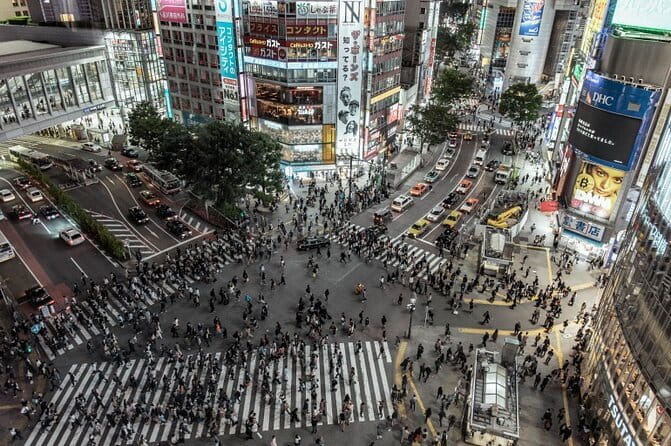
Several guides have helped with subway navigation. Hiromi patiently showed visitors how to use the metro while leading them through Tsukiji and a peaceful garden. Shuji adjusted a route for two adults and two teenagers, combining the market with a shrine and Shibuya Crossing. Masa explained both fish-market operations and the public market food.
The strongest guidance is personal rather than scripted. One guide supplied wet wipes, chopsticks, and maps, while also explaining customs and local history. These small touches matter when you are eating at market stalls or moving through unfamiliar stations.
Guide quality can vary, as it can with any experience that assigns different people. The overall score is 4.8 from 79 ratings, with 95 percent recommending it, but there was also a serious no-show incident caused by a guide’s accident and poor communication at the time. A refund was processed, yet the disruption was understandably severe. Confirm the meeting details and contact method before the day.
Duration, walking, and extra costs
Four hours sounds generous until you add Tokyo train transfers, food queues, shopping, and temple visits. Plan on walking and standing. The tour is private, so the pace can be adjusted, but it is not a vehicle-based sightseeing ride.
The listed price is $109.01 per person. Transportation, entrance fees, lunch, and personal expenses are extra. Guide entry fees are covered only for sights included in the expected stop list, so ask before adding a garden, museum, tower, or other attraction.
The price is easiest to justify for a first visit, a family group, or anyone nervous about navigating Tokyo’s markets. It is less compelling if you already know the subway and are happy to browse Tsukiji independently. Group discounts may improve the value for a larger private party, but groups cannot be combined with other tour parties.
Pickup is offered within a designated Tokyo area, but it happens on foot. The tour is near public transportation, and most people can participate. Service animals are allowed.
How I would plan the four hours
For a first visit, I would choose Tsukiji and Asakusa. Eat and shop at Tsukiji, then let the guide explain Kaminarimon, Senso-ji, and Nakamise. This gives you food, tradition, and a manageable route.
For cooks, I would choose Tsukiji and Kappabashi. For a repeat visit, I would consider Tsukishima and Yanaka Ginza. For market mechanics, choose Toyosu, but confirm the operating day and start time first.
If you want a garden, shrine, Ginza, Tokyo Station, the Imperial Palace exterior, or Shibuya Crossing, discuss that before booking. Guides have arranged combinations involving Hamarikyu Garden, a shrine, Ginza, Tokyo Station, and Shibuya, but the four-hour limit still applies. A custom tour is flexible, not unlimited.
Should you book this Tokyo food tour?
Book it if you want personal help with Japanese food, market etiquette, and Tokyo transport, especially on your first visit. It is also a good match for families, older visitors who prefer a flexible pace, and food lovers who want a guide to select and explain unfamiliar dishes.
Think twice if your main goal is the Toyosu auction, since the usual start time may be too late and auction viewing is not promised. Also skip it if you want to see every listed neighborhood in one morning. Choose two or three places, confirm the market schedule, and tell the guide what you want to eat or buy.
The best version of this tour is a focused outing with Tsukiji at its center, followed by one cultural or shopping district. Used that way, $109.01 buys more than directions. It buys context, confidence, and a much better chance of spending your limited Tokyo time on food and places that suit you.
FAQ
How long is the Tokyo Tsukiji Food and Culture tour?
The tour lasts approximately four hours.
Is the tour private?
Yes. Only your group participates, and multiple separate tour groups cannot be combined.
How many places can I visit?
The tour includes a customizable choice of two or three sites from the listed options. Four hours is generally suitable for two sites, or three at most.
Is hotel pickup included?
A guide meets you on foot within the designated area of Tokyo. This is not private vehicle pickup.
Are train fares included?
No. Transportation fees are not included in the tour price.
Is lunch included?
No. Lunch, food tastings, and other personal expenses are extra.
Is admission to Tsukiji included?
Tsukiji Fish Market is listed with free admission. Food purchases and personal expenses are not included.
When is Toyosu Market closed?
Toyosu Market is closed on Wednesdays, Sundays, and occasionally on other irregular days. Some Tsukiji shops also close when Toyosu is closed.
Can I see the fish auction?
Auction viewing is not guaranteed. An 8 a.m. start may be too late because the auction can already be finished and some market shops may be closed. Ask about timing before booking.
What is the cancellation policy?
You can cancel for a full refund up to 24 hours before the experience start time. Cancellations or changes made less than 24 hours in advance are not accepted for a refund.
More Guided Tours in Tokyo

More Food Experiences in Tokyo
More Tsukiji Market Tours in Tokyo
More tours in Tokyo we've reviewed












Tsukiji Market Tours, compared.
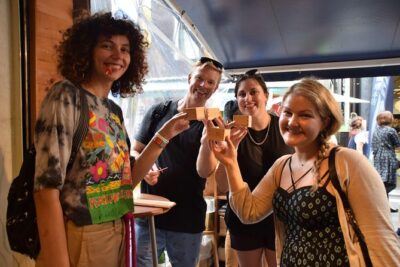 ★ 5.0Tokyo Tsukiji Fish Market Food and Culture Walking TourFrom $99
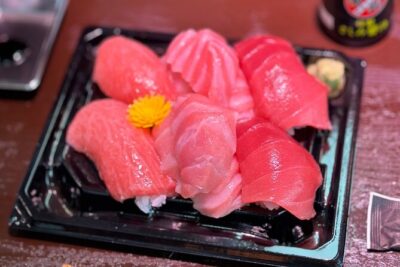 ★ 5.0Tokyo: Tsukiji Fish Market Food and Walking tourFrom $30
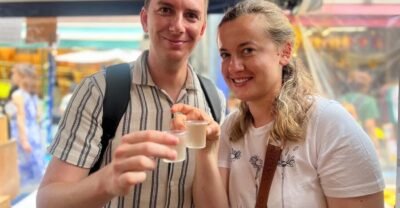 ★ 4.9Tokyo: Tsukiji Fish Market Guided Walking TourFrom $222 hours
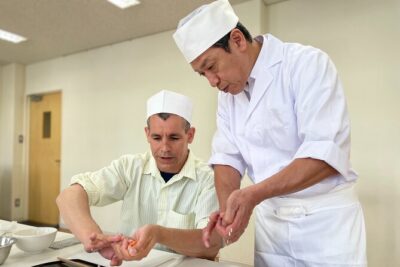 ★ 5.0Tokyo Sushi Making Class in Tsukiji with Professional ChefFrom $49
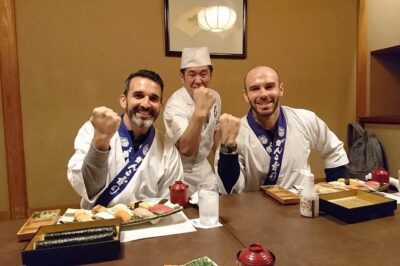 ★ 5.0Tsukiji Fish Market Guided Tour and Sushi Making with Pro ChefFrom $104
★ 4.7Tokyo: Tsukiji Fish Market Food and Culture Walking TourFrom $963 hours
★ 5.0Tsukiji Fish Market Guided Tour and Sushi Making with Pro ChefFrom $104
★ 4.7Tokyo: Tsukiji Fish Market Food and Culture Walking TourFrom $963 hours