Reviewed · SUSHI MAKING CLASSES
Japanese Knife Skills & Tuna Don/Sushi Workshop in Tokyo
The sharpest part of this Tokyo workshop is not the tuna. It is the moment you take a Japanese knife in hand and learn why its edge matters. An instructor demonstrates sashimi cutting, then guides you as you slice the fish yourself before preparing a traditional meal.
In This Article
- Key points to know before booking
- Why the knife lesson matters more than a basic sushi class
- A practical start with Japanese knife culture
- The sashimi demonstration and your first careful cuts
- Whetstone sharpening, explained without the mystery
- Making tuna zuke-don or a 10-piece sushi set
- Miso soup, sake, and the best part of the two-hour schedule
- What the $127 price includes
- Who will get the most from this Tokyo workshop
- Small details that improve the experience
- Should you book the Japanese Knife Skills and Tuna Don Workshop?
- FAQ
- Where does the workshop take place?
- How long does the class last?
- How much does the experience cost?
- Is transportation included?
- What languages are available?
- How many people are in the group?
- What food will be prepared?
- Is a meal included?
- Do I need to bring cooking tools or ingredients?
- Who cannot join the workshop?
- Is cancellation allowed?
I like the small group of up to eight, which gives the practical work room to breathe. I also like the clear mix of craft and food: you learn about Japanese knife-making and whetstone sharpening, then sit down to a generous serving of fish, soup, and sake.
The main consideration is time. Two hours moves quickly, and this is a hands-on class rather than a long culinary seminar. Fish depends on availability, and people with food allergies or children under 12 should choose another activity.
Key points to know before booking
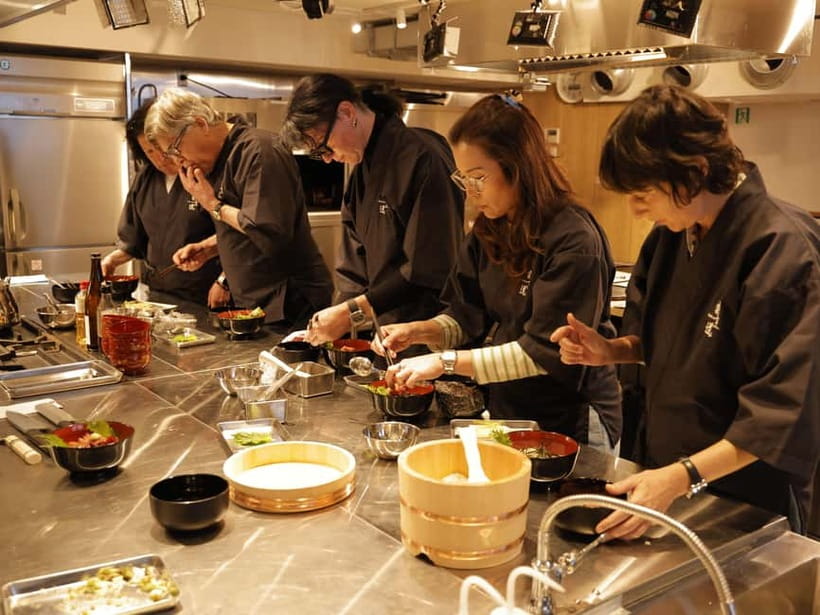
- Slice the tuna yourself: The sashimi-cutting practice is the most memorable part of the class.
- Learn the knife behind the meal: The instructor explains Japanese blade-making and shows how sharpening affects each cut.
- Choose your finished dish: Prepare a tuna zuke-don rice bowl or, where offered, a 10-piece sushi set.
- Eat a full Japanese lunch: Your meal includes miso soup, sake, and green tea, with the food and tools supplied.
- Keep a useful souvenir: You receive a recipe, a participation certificate, and 10 percent off purchases at the first-floor shop that day.
- Expect a compact class: The two-hour session is designed for up to eight people and is taught in English or Japanese.
Why the knife lesson matters more than a basic sushi class
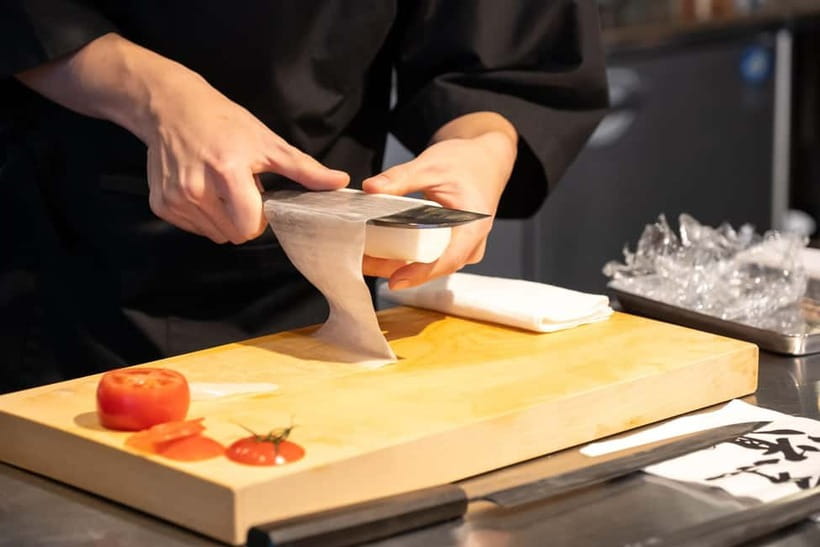
Many Japanese food classes focus on rolling sushi or arranging ingredients. This one begins earlier, with the tool itself. You learn how Japanese knives are made, why their sharpness is prized, and how different knives suit different food tasks.
That background gives the cooking a practical point. You are not simply told to cut tuna in a certain way. You see how the blade, angle, pressure, and motion affect the texture of sashimi. A clean cut helps the fish keep a neat shape, while a rough cut can damage its delicate surface.
I especially like this approach for anyone who already cooks at home. A recipe can teach you what to add, but knife technique changes how you work with many ingredients. The whetstone lesson is another useful touch. Sharpening can seem mysterious if you have never tried it, so step-by-step guidance makes the skill less intimidating.
This is still an introductory workshop, not professional chef training. You should expect a guided first lesson, not mastery of Japanese blades in a single sitting. The value is in learning the basic habits and leaving with a better feel for the knife in your own kitchen.
A few more Tokyo tours and experiences worth a look
A practical start with Japanese knife culture
The building is easy to identify by its samurai-style murals. Transportation is not included, so you need to arrange your own way to the meeting point, but the visual marker should help once you are in the area.
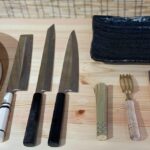
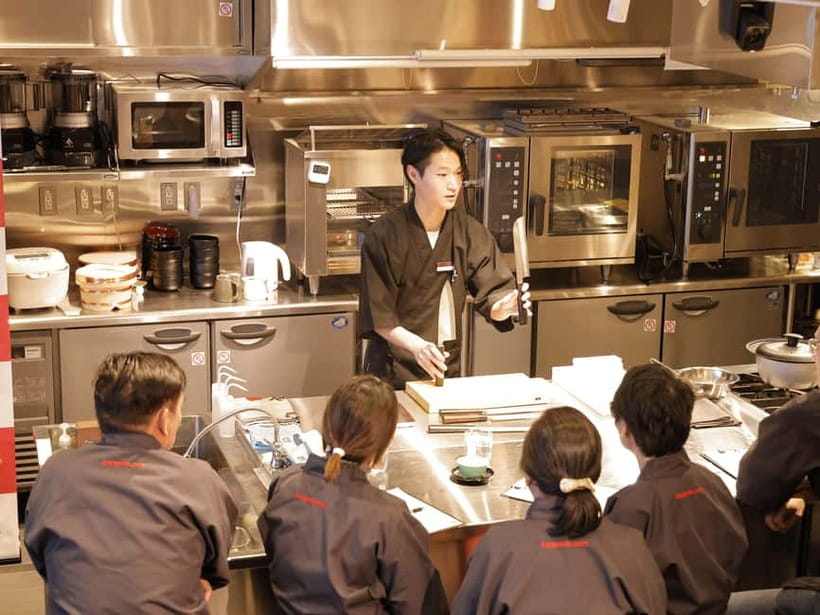
At the beginning, the instructor introduces Japanese knives and the people and processes behind them. The class covers how the blades are made and why Japanese knives have such a strong reputation for sharpness and precision.
This opening matters because it gives the rest of the session a cultural frame. You are learning a cooking technique, but you are also seeing how much care goes into an everyday kitchen object. The knife is treated as a working craft item, not just a piece of equipment pulled from a drawer.
The instructor speaks English or Japanese. If you are attending in English, the small group should make it easier to follow the demonstration and ask questions. The class is capped at eight people, a useful limit when everyone needs time with knives, fish, and sharpening tools.
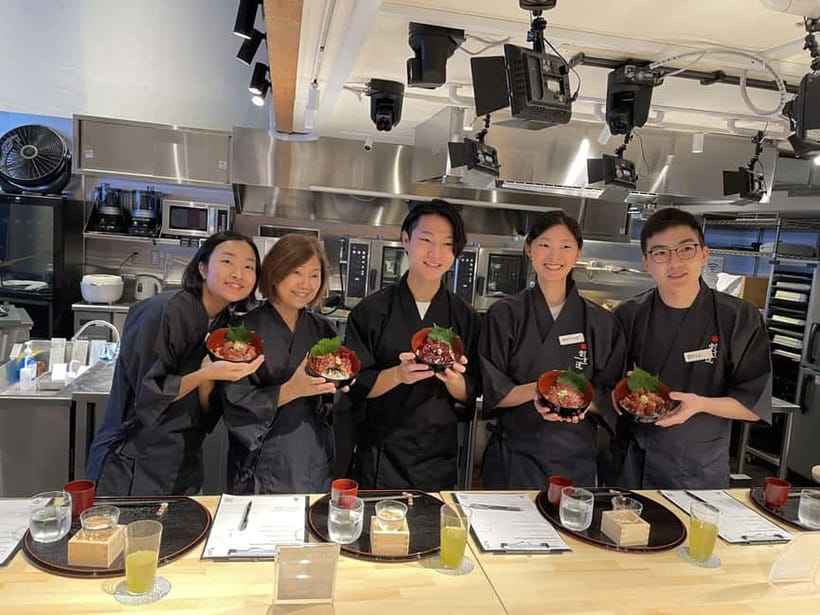
You are asked to wear comfortable clothing suitable for cooking. The experience includes a kappodo costume rental, which adds a traditional visual touch without requiring you to arrive in special clothing. Since this is practical work, comfort matters more than dressing up for the occasion.
The sashimi demonstration and your first careful cuts
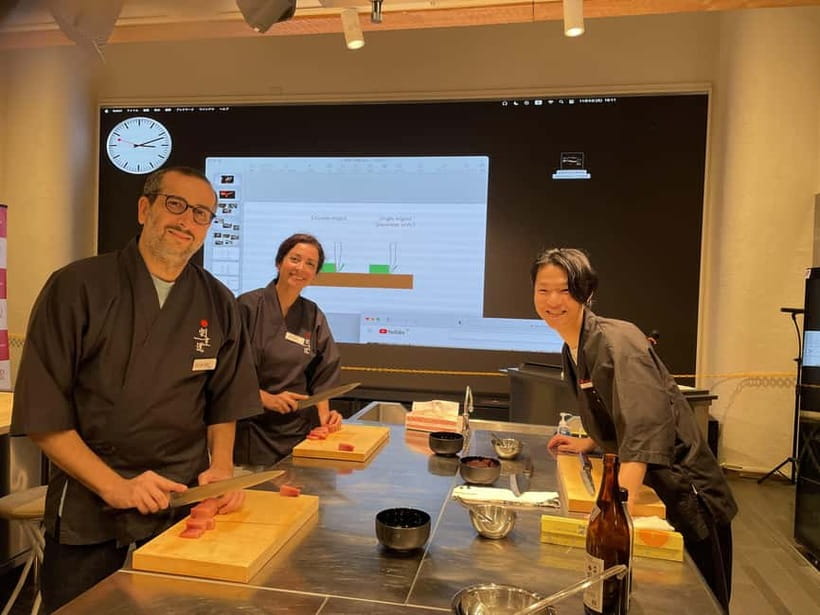
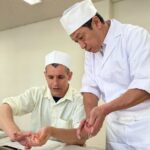
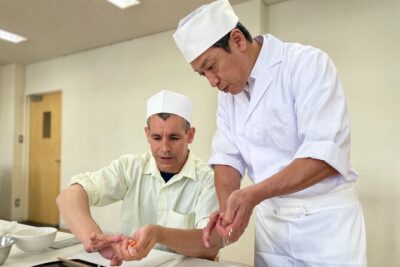
The instructor then gives a knife skills performance, with sashimi cutting as the main event. Watch closely here. The important lesson is not speed. It is the controlled movement of the blade and the way the fish is handled.
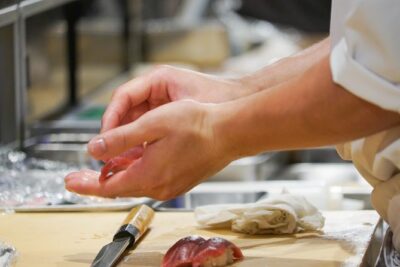
After the demonstration, you get to try the technique yourself. The fish used can vary according to availability, though the description specifically centers on tuna and tuna zuke-don. The hands-on portion is where the class earns much of its appeal.
Cutting sashimi yourself changes the way you see the dish. At a restaurant, the slices arrive finished and tidy. Here, you notice the precision needed to make them look that way. You also get a direct feel for the difference a properly sharpened Japanese blade can make.
Take your time. This is not a speed test, and there is no need to imitate the instructor’s pace. Focus on the angle and motion you are shown, then let the knife do the work. A sharp blade should not require force, which is one of the basic ideas the class helps you understand.
People who love sushi but have little kitchen experience should not assume they need advanced skills. The class is built around instruction and practice. Still, you need to stay attentive and follow directions, since you are working with sharp tools.
Whetstone sharpening, explained without the mystery
Knife sharpening is often the part home cooks postpone. The workshop gives it a proper place rather than treating it as an afterthought. You learn basic sharpening techniques using a whetstone, with the instructor guiding you through the process.
The useful lesson is learning how to maintain an edge rather than simply being handed a sharp knife. You begin to understand that sharpening requires a steady angle and consistent movement. The technique takes practice, but seeing it demonstrated makes the task more approachable.
This section may appeal most to cooks who want a skill they can use long after leaving Tokyo. The class does not turn you into a knife maker or sharpening specialist, but it gives you a starting point and a better vocabulary for caring for Japanese blades.
It also helps explain why the earlier sashimi demonstration looks so precise. The cut depends partly on the person holding the knife, but the condition of the blade matters too. The two lessons fit together neatly.
Making tuna zuke-don or a 10-piece sushi set
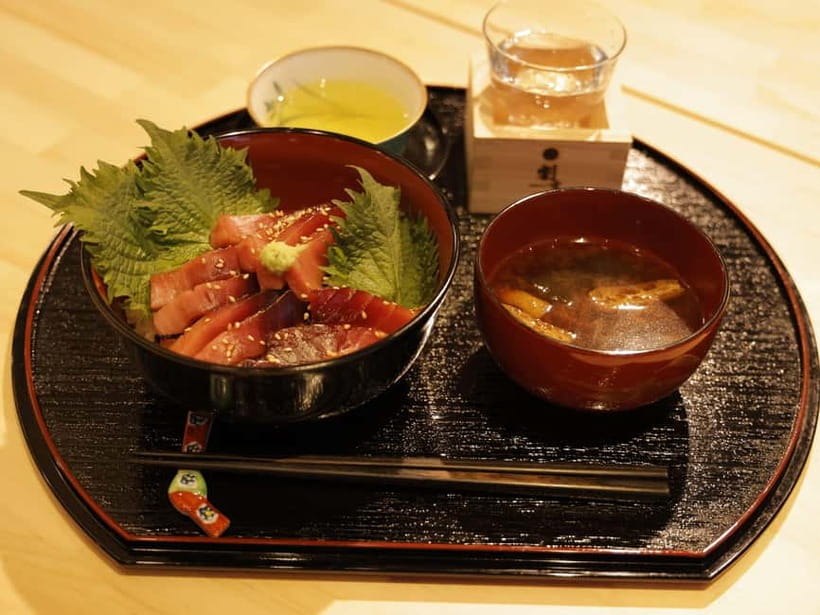
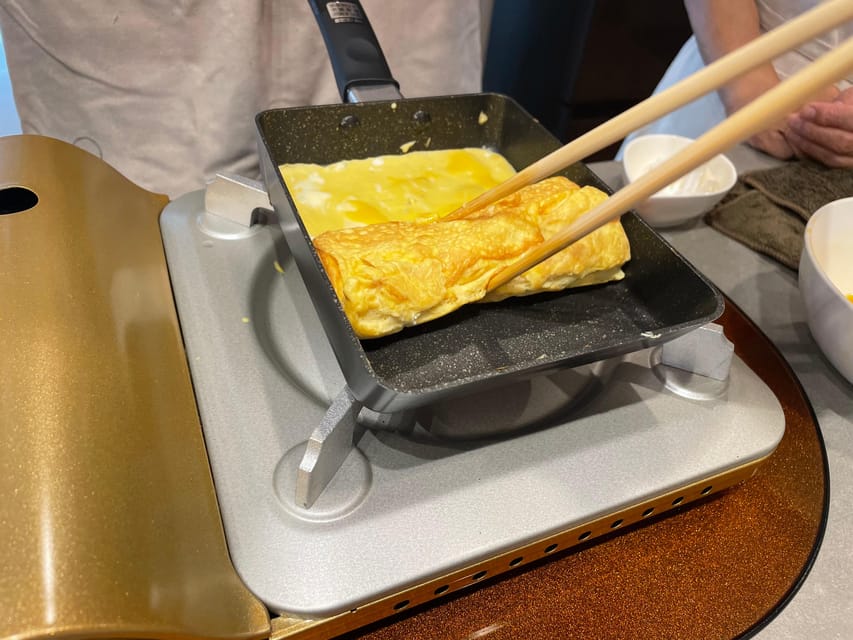
Once the knife work is underway, you prepare the main dish. The featured option is tuna zuke-don, a rice bowl topped with marinated sashimi. The marinated fish gives the meal a different character from plain sashimi, and the rice turns it into a filling lunch rather than a small tasting.
The experience also describes a 10-piece sushi set as an available cooking option. Confirm the choice when booking or at the start of the class, since the included meal information specifically lists sashimi zuke-don. Fish can change with market availability, so the exact ingredient should not be treated as fixed.
The cooking segment connects directly to the cutting practice. You have worked with the fish yourself, then use it in the dish you prepare. That sequence makes the meal feel earned without turning lunch into a difficult production.
You also receive the ingredients and tools, so there is no need to bring kitchen equipment. That keeps the class convenient for someone fitting it into a Tokyo sightseeing day. Your part is the technique and assembly, not shopping for supplies or cleaning out a kitchen before you leave.
The portion appears to be generous. One particularly positive account describes a substantial serving of fish, soup, and sake. That makes the $127 price easier to assess, especially when you count the instruction, ingredients, equipment, costume rental, sharpening lesson, and meal together.
A few more Tokyo tours and experiences worth a look


Miso soup, sake, and the best part of the two-hour schedule
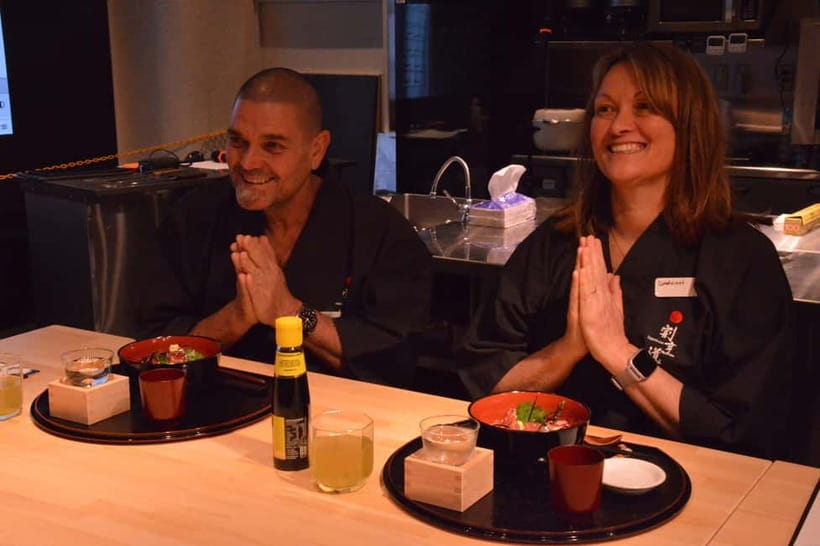
After preparing the dish, you sit down to eat it with miso soup. Sake and green tea are also included, and the sake is presented as an original tasting from the provider.
This meal gives the class a pleasant finish. You are not rushed out after the last knife exercise, and you get to taste the result while the techniques are still fresh. The combination of rice, sashimi, soup, and sake also makes the experience feel like a complete lunch rather than a short demonstration.
The schedule is compact. Two hours is long enough for an introduction, a demonstration, practice, sharpening, cooking, and a meal, but not long enough for every step to receive extensive repetition. If your main goal is to become highly skilled with a whetstone, you may want a longer specialist course.
For most people, the short format is a benefit. You can fit the class around other Tokyo plans without surrendering half a day. It also keeps the focus tight: learn the blade, cut the fish, prepare the dish, and eat.
What the $127 price includes
At $127 per person, this is not a cheap lunch. It is priced as a small-group craft and cooking lesson with food included. The cost covers the instruction, ingredients, tools, kappodo costume rental, zuke-don lunch or stated sushi option, miso soup, sake, green tea, and a participation certificate.
You also receive a recipe to recreate the dish at home. That matters because the class continues to have value after the meal. If you actually practice the recipe and knife method later, the cost becomes easier to justify than it would be for a one-time food tasting.
The same-day 10 percent discount at the first-floor shop is another practical extra. It may be useful if you want to buy a knife or related item, though you should treat the discount as a bonus rather than a reason to book. Personal purchases are not included in the class price.
I would call the price fair for someone who wants several connected activities in one sitting: Japanese knife culture, sashimi cutting, sharpening, cooking, and lunch. It is less compelling if you only want to eat sushi or watch a chef work. In that case, a restaurant meal costs less and gives you more time to relax.
Who will get the most from this Tokyo workshop
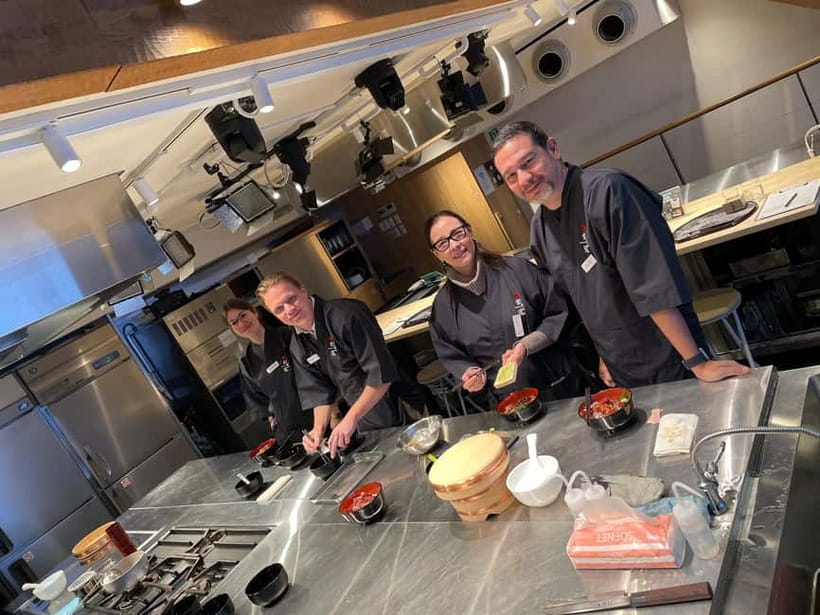
I would recommend this class to:
- Home cooks who want to improve knife handling.
- Sushi and sashimi fans curious about preparation.
- Food-focused visitors looking for a practical Japanese activity.
- Couples or friends who prefer a small group over a large cooking school.
- People who want a recipe and technique to take home.
- Beginners who are comfortable following careful instructions.
It is less suitable for young children, since the class does not accept children under 12. It is also not suitable for people with food allergies. Fish availability can vary, so anyone with strict dietary needs should not count on a particular ingredient or substitution.
The class works best for people who are willing to participate. You will not spend the entire two hours watching an expert. You handle the knife, practice slicing, work with the ingredients, and prepare your meal.
Small details that improve the experience
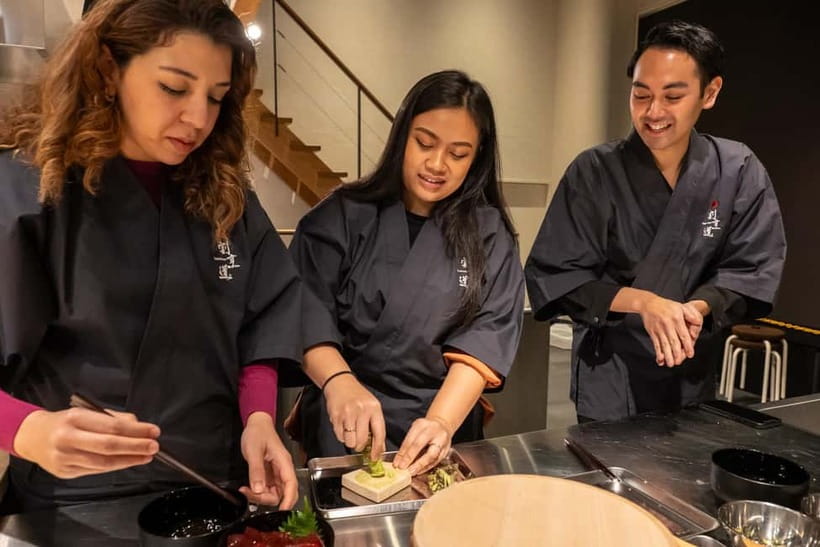
Wear comfortable clothes that are suitable for cooking. You are given a costume rental, but practical clothing still matters because the class involves food preparation and knife work.
Keep your schedule reasonably open around the two-hour session. The formal duration is short, but you may want time to find the building, locate the samurai murals, and browse the first-floor shop if the 10 percent discount interests you.
Pay attention during the first demonstration. The instructor’s sashimi performance is more than entertainment. It gives you a visual guide for the movement you will later attempt yourself.
Do not rush the sharpening section. It is tempting to focus only on the tuna, but the whetstone lesson is one of the few parts you can directly repeat at home with your own knife.
The experience has a perfect rating from three recorded bookings, with praise focused on the professional teaching, warm atmosphere, quality fish, generous meal, and practical tuna-cutting session. The consistent point is clear: the hands-on sashimi work is the heart of the class.
Should you book the Japanese Knife Skills and Tuna Don Workshop?
Book it if you want to understand Japanese food through the knife that prepares it. The class gives you real participation, not just a photo opportunity, and the small group keeps the practical work manageable.
The strongest reasons to choose it are the sashimi cutting, sharpening instruction, full meal, and recipe for home use. The food is also a major part of the value, with tuna, miso soup, sake, and green tea included.
Skip it if you only want a relaxed meal, have a food allergy, are booking for a child under 12, or expect advanced chef-level training. For everyone else, this is a focused two-hour Tokyo activity that turns lunch into a useful skill lesson.
FAQ
Where does the workshop take place?
The experience takes place in Tokyo on Honshu. The building can be identified by its samurai-style murals.
How long does the class last?
The workshop lasts two hours.
How much does the experience cost?
The listed price is $127 per person.
Is transportation included?
No. Transportation to and from the experience is not included.
What languages are available?
The instructor teaches in English or Japanese.
How many people are in the group?
The class is limited to eight participants.
What food will be prepared?
You can learn to make a tuna zuke-don rice bowl, and the experience also describes a 10-piece sushi set option. Fish used in the class can vary according to availability.
Is a meal included?
Yes. The included meal is sashimi zuke-don with miso soup. Sake and green tea are also included.
Do I need to bring cooking tools or ingredients?
No. Ingredients and tools are supplied. You should bring comfortable clothes suitable for cooking.
Who cannot join the workshop?
Children under 12 and people with food allergies cannot join this activity.
Is cancellation allowed?
Yes. You can cancel up to 24 hours in advance for a full refund. You can also reserve now and pay later.
More Workshops & Classes in Tokyo
More Sushi Making Classes in Tokyo
More tours in Tokyo we've reviewed












Sushi Making Classes, compared.
 ★ 5.0Sushi Making Tokyo Roll and Authentic Japanese Sushi ClassFrom $59
 ★ 4.9Tokyo: Roll and Authentic Sushi Making Class in AsakusaFrom $581h 40m
 ★ 4.9Tokyo: Sushi Making Class in a Happi Coat near a Famous SpotFrom $421h 30m
 ★ 5.0Sushi Making Tokyo! Popular Maki Sushi & Japanese Sushi(+Recipe!)From $63
 ★ 5.0Tokyo Sushi Making Class in Tsukiji with Professional ChefFrom $49
 ★ 5.0Tokyo Night Foodie Tour in Shinjuku – Seasonal Sushi, Wagyu BeefFrom $111