Reviewed · TOURS
Day Tour from Tokyo : Experience Kawagoe and Edo Japan
Kawagoe gives you a taste of old Japan without sending you far from Tokyo. In one six-hour outing, you can see part of the original Edo Castle at Kitain Temple, walk among Kurazukuri clay warehouses, and step through rooms once used by the Shogun at Kawagoe Castle.
In This Article
- Key points to know before you book
- Why Kawagoe makes a smart Tokyo day trip
- Kitain Temple and the Edo Castle connection
- Walking through Little Edo’s warehouse streets
- Fishing for a fortune at Hikawa Shrine
- Inside Kawagoe Castle’s Honmaru Palace
- Your last hour in Kawagoe
- What the $135 price really covers
- Who will enjoy this six-hour outing
- Should you book the Kawagoe tour?
- FAQ
- How long is the Kawagoe day tour?
- Where do I meet the guide?
- What language is the tour conducted in?
- Are train tickets included?
- Which admission fees are included?
- Is the tour suitable for wheelchair users?
I like the mix of history and ordinary pleasures: a shrine where you can fish for a paper fortune, plus street food and small local shops. I also like the way guide Beth adapts the walk to your interests, with practical help on trains, restaurants, and nearby sights. The main drawback is the price, $135 per person before trains and food, and the walking-heavy schedule is not suited to wheelchair users or people with mobility limits.
Key points to know before you book
- Kawagoe is close to Tokyo: The train ride from the Ikebukuro meeting point takes about 55 minutes each way, making this an easy change of pace from the city.
- Kitain Temple preserves Edo Castle history: Part of the temple’s main hall came from the original castle in Tokyo, and the grounds include 540 Rakan statues.
- Old Town is the tour’s centerpiece: You’ll see Kurazukuri warehouses, the famous Toki no Kane Bell Tower, an old sake brewery, shops, and food stalls.
- Hikawa Shrine adds a playful stop: You can fish for your fortune, a small activity that makes this shrine visit more memorable.
- Kawagoe Castle still feels personal: The Honmaru Palace lets you walk through preserved rooms rather than simply viewing ruins from outside.
- The guide adds real value: Beth is especially good at explaining history, helping with transport, and adjusting the day to your interests.
Why Kawagoe makes a smart Tokyo day trip
Tokyo can fill several days without effort, but its scale and modern energy can leave you wanting a slower look at Japan. Kawagoe, in Saitama Prefecture, gives you that change without a long journey. It is about 30 minutes from Tokyo by train from Ikebukuro, or roughly an hour from Shinjuku and Shibuya, depending on your connection.
The town is often compared with Kyoto because of its preserved streets and traditional buildings. That comparison needs a little care. Kawagoe is much smaller, and you should not expect Kyoto’s great temples or wide range of grand sights. Its appeal is more focused: a compact old town, castle remains, shrines, food, and an easy sense of place.
This tour works well because you do not have to piece together the route yourself. You meet at 9am inside Ikebukuro Station, travel together, and move between the main sights on foot. The English-speaking guide explains what you are seeing instead of leaving you to decode signs and museum displays alone.
The morning starts at Hattendo, outside the Tobu blue entrance gate. Ikebukuro Station is large, so allow time to find the Tobu Line signs marked TJ and Central Gate 1. The directions point you past Tantan and Uniqlo toward the green JR gates, with the blue Tobu entrance directly ahead. This is the sort of meeting detail worth reading before breakfast, not while rushing through the station.
Kitain Temple and the Edo Castle connection
Your first major stop is Kitain Temple, one of Kawagoe’s most important Buddhist temples. The visit lasts about 50 minutes and includes admission and a guided explanation of the grounds.
The key detail here is easy to miss without a guide. Part of Kitain’s main hall was built from structures moved from the original Edo Castle in Tokyo. The castle itself no longer survives as a complete visitor site, so these rooms give you one of the clearest physical links to the Shogun’s former seat.
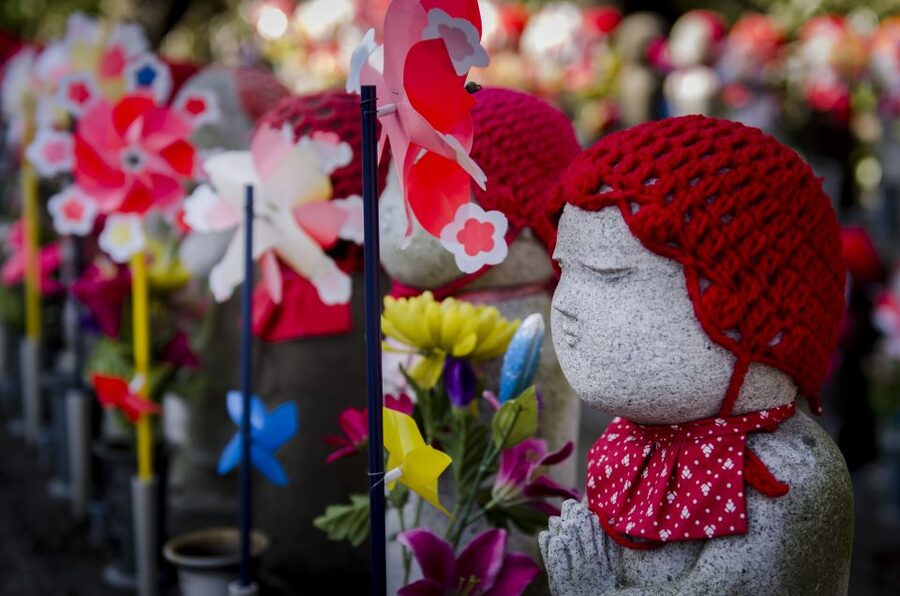
The temple is also known for its 540 Rakan statues. These stone figures represent disciples of the Buddha, and their individual expressions make the collection more engaging than a quick count would suggest. You’ll have time to take photos and look around at your own pace after the guided portion.
I like starting here because it sets the historical frame for the rest of the day. Kawagoe is not simply a pretty shopping street. Its buildings and religious sites are tied to the political world of Edo Japan, and Kitain helps you understand that before you reach the old town.
The stop is not a long temple tour, so you will not get an exhaustive study of Buddhist art or architecture. That is probably a benefit for most people on a six-hour outing, but anyone wanting a slow, specialist temple visit may find the timing brisk.
Walking through Little Edo’s warehouse streets
From Kitain, you walk about 15 minutes to the Kurazukuri district. This is where Kawagoe’s nickname, Little Edo, makes the most sense.
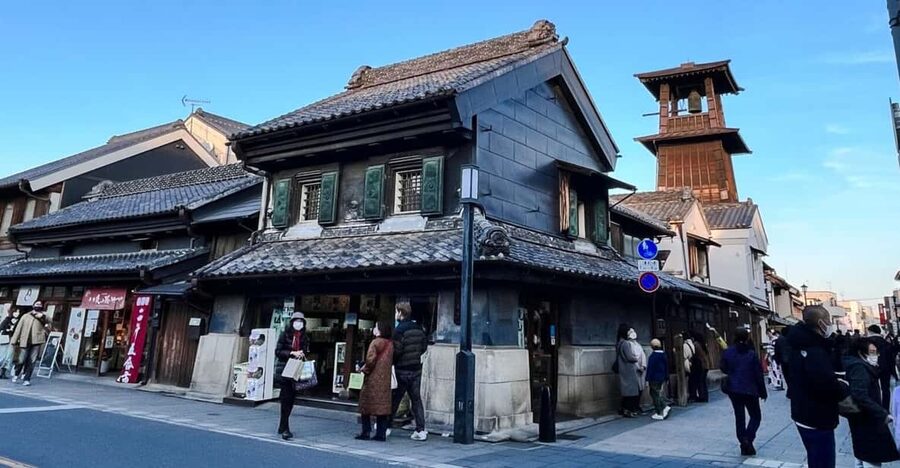
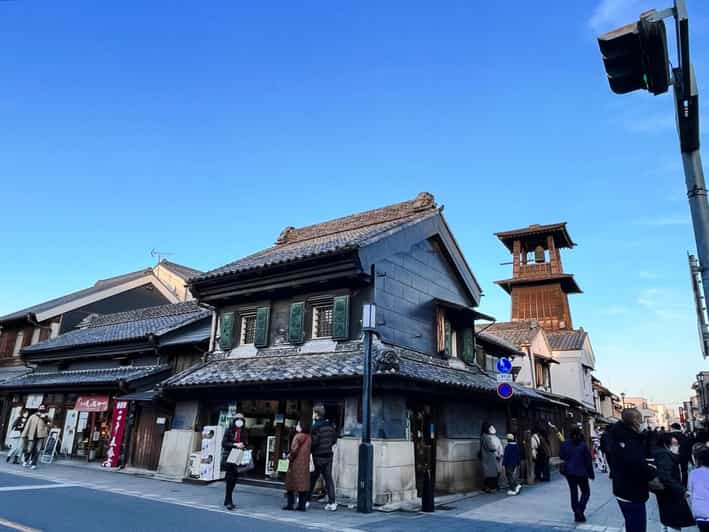
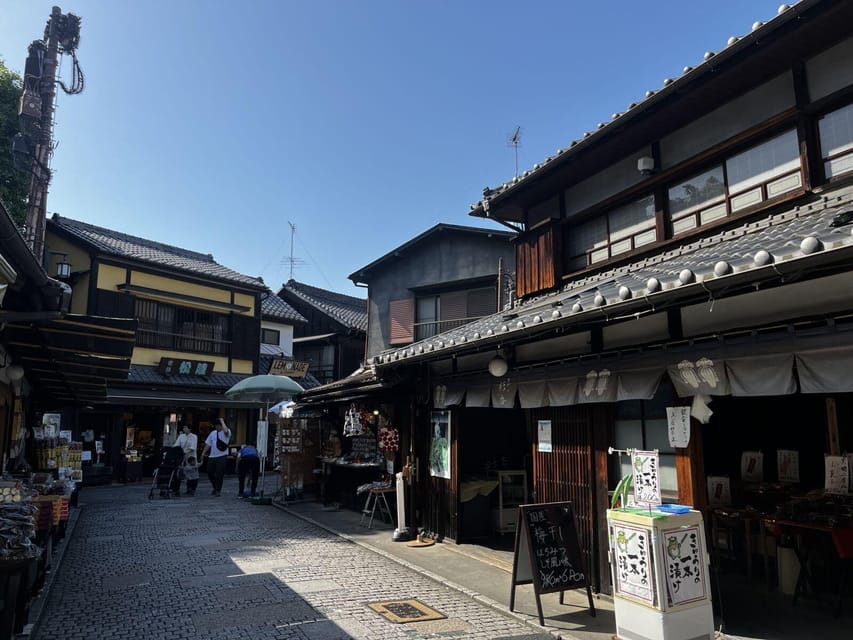
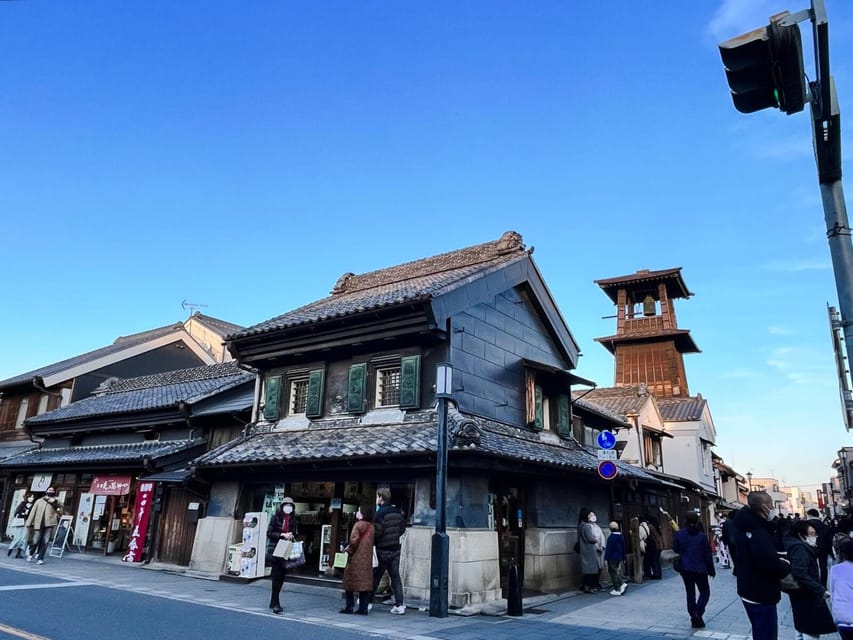
The Kurazukuri buildings are traditional clay warehouses, designed with thick walls that helped protect stored goods from fire. Their dark facades, tiled roofs, and closely packed street frontage give the old town its distinct look. You’ll also pass the Toki no Kane Bell Tower, one of Kawagoe’s best-known landmarks.
The guide-led walk covers the main streets, side lanes, local shops, food stalls, and an old sake brewery. You get context for the buildings, but the pace also leaves room for the pleasures of simply looking around. Kawagoe is a good place to notice details such as shop fronts, roof lines, and the way old structures now serve modern businesses.
This part of the tour lasts more than two hours, including lunch and free time. That matters. You are not forced to hurry past every shop in a line. You can pause for photos, browse local crafts, and choose something to eat.
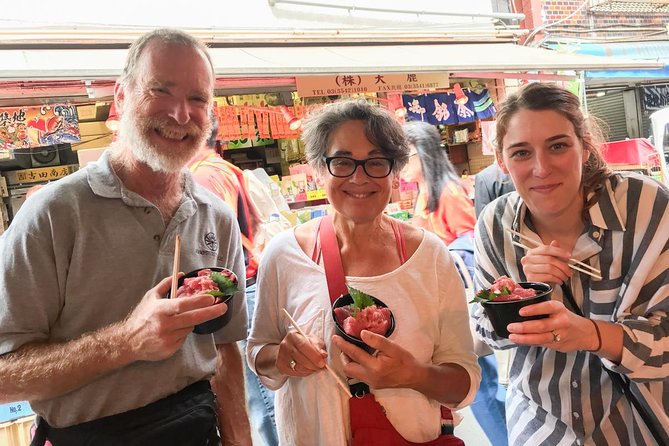
Kawagoe is especially known for sweet potatoes, so make room for a sweet-potato snack or dessert. A sweet-potato pie is one proven choice, and you might find other local variations among the stalls and shops. Food is not included, so bring money for lunch and expect to choose and pay for your own meal.
If you prefer a sit-down meal, ask Beth for help. She has directed people to a quaint coffee shop for a rest and to an old restaurant serving eel. Those details show why a guide can be useful here: you get more than a route between landmarks, and you can shape the break around your appetite and energy.
There is one practical catch. The old town is the busiest section of the day, and free time can disappear quickly if you want to shop, eat, photograph the bell tower, and visit every side street. Decide in advance if food, souvenirs, or architecture matters most to you.
Fishing for a fortune at Hikawa Shrine
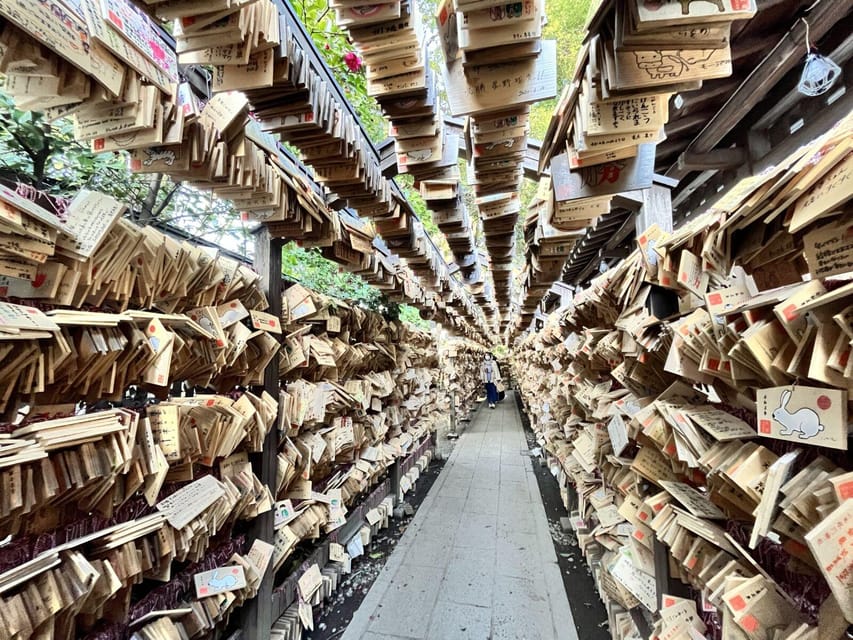
Kawagoe Hikawa Shrine adds a different mood after the warehouse district. The guided visit lasts about 45 minutes, enough to see the shrine and understand its place in local life without turning the stop into a long formal ceremony.
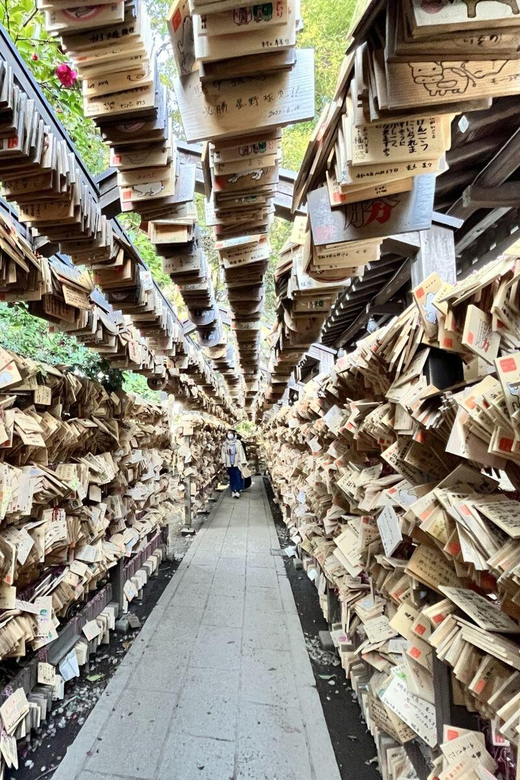
The memorable activity is fortune fishing. Instead of simply drawing a paper fortune from a box, you have the opportunity to fish one out. It is a small, lighthearted ritual, but it gives you something active to do and a keepsake to carry away.
The shrine visit also breaks up the architectural focus of the morning. After temples, warehouses, and castle rooms, you get a chance to see a living religious site. Your guide can explain how shrines differ from Buddhist temples and point out details that might otherwise pass unnoticed.
As with any working shrine, be mindful of the setting. This is not only a photo stop. Follow the guide’s lead on respectful behavior and allow space for people who have come to worship.
Inside Kawagoe Castle’s Honmaru Palace
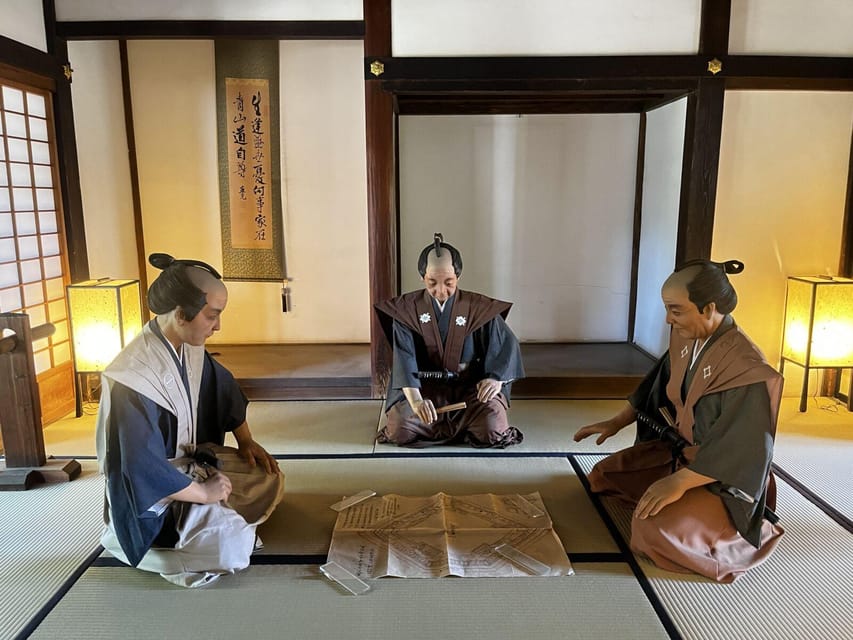
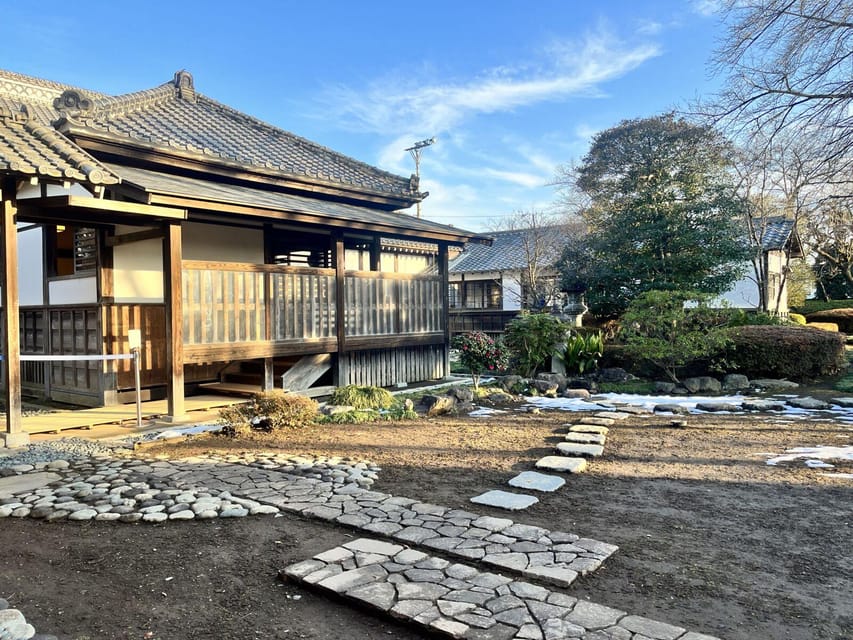
The final major sight is Kawagoe Castle Honmaru Palace, reached after the shrine. The 45-minute guided visit gives you access to preserved rooms and corridors from the castle’s central palace area.
Do not picture a towering stone fortress. Kawagoe was a flatland castle, and what remains is a low palace structure rather than a complete castle complex. That can sound less dramatic, but walking through the rooms is the strength of this stop. You see the interior spaces where officials and samurai once moved, rather than viewing a reconstruction from a distance.
The connection to the Shogun is important. Kawagoe’s location made it significant in the defense and administration of the region around Edo, and the palace helps place the town within that wider political system. The guide’s explanation is particularly useful here because the rooms alone may look spare if you do not know how they were used.
You can also collect a castle stamp as a free souvenir. It is a simple touch, but it gives you a physical reminder of the visit without adding another purchase to the day.
History fans should appreciate the contrast between Honmaru Palace and Kitain Temple. Kitain preserves pieces connected to Edo Castle in Tokyo, while Honmaru Palace lets you walk through a surviving part of Kawagoe’s own castle. Together, they make the town’s role in the Edo period easier to grasp.
Your last hour in Kawagoe
After the castle, you return to the old town for about an hour of guided time and free exploration before walking to Kawagoeshi Station. This second pass is useful because you will know the area better and can spend the final minutes on the things you skipped earlier.
You might use the time for a final snack, a souvenir, more photographs, or one of the nearby museums. The Kawagoe City Museum and Kawagoe Matsuri Museum are suggested additions, but they are not included in the covered visits, so check your time before committing to either.
The return train takes about 45 minutes. The tour ends back at the Ikebukuro area, making it practical for an evening in Tokyo. The day is listed as six hours, though the exact rhythm depends on train timing, walking speed, and how long you spend at lunch and in the shops.
What the $135 price really covers
At $135 per person, this is not the cheapest way to visit Kawagoe. You still pay separately for trains before and after the tour, local train transport during the outing, food, and drinks.
The price makes more sense if you value interpretation and organization. Admission to Kitain Temple and the Honmaru Castle remains is included, along with an English-speaking local guide. You are also paying for a carefully connected route that combines four different parts of Kawagoe: Buddhist history, traditional commerce, Shinto practice, and castle architecture.
I would compare the price with the value of your time. If you are comfortable navigating Japanese train stations, reading maps, choosing sights, and arranging your own lunch, independent travel will cost less. Kawagoe is close enough to Tokyo to visit without a full-day transport ordeal.
The tour earns its keep for first-time visitors who want historical background and a smooth day outside the city. Beth’s help with restaurant choices, travel apps, and transport options is especially useful if Kawagoe is part of a larger Japan itinerary. The tour can also work as a stop on the way toward Nagano, though you should confirm that your luggage and onward arrangements fit the plan before booking.
Who will enjoy this six-hour outing
I would choose this tour if you want more than a shopping street but less than a demanding museum day. It suits people interested in Edo-period Japan, traditional architecture, temples, shrines, and local food.
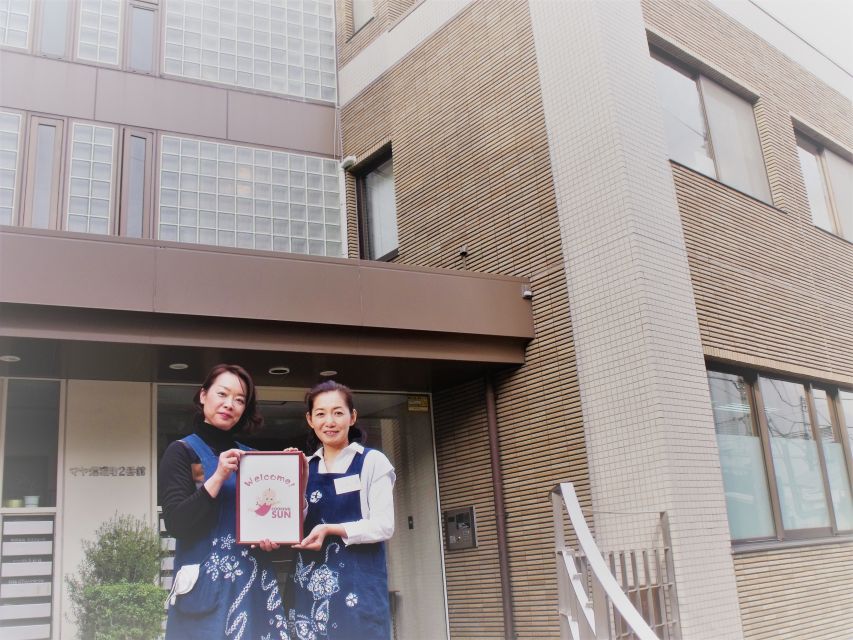
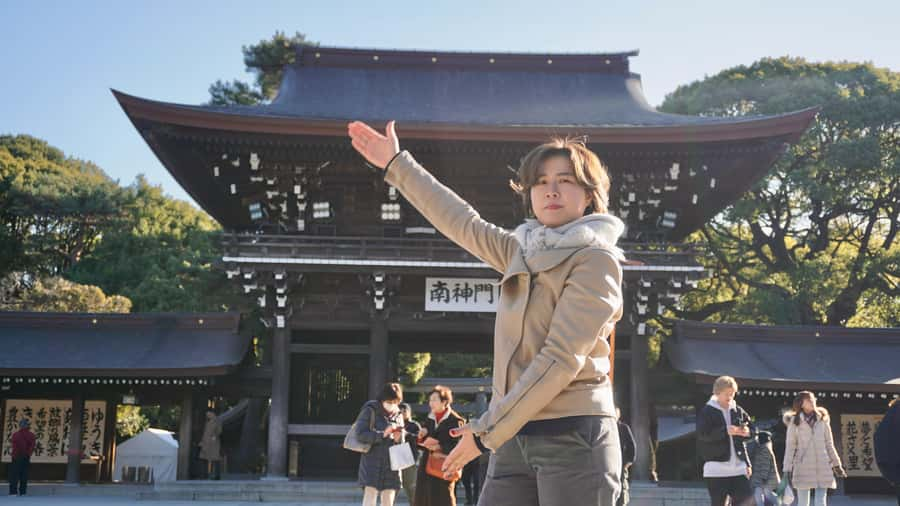
It is also a good match if you like a flexible guide. Beth has adjusted the route to focus on original buildings and architecture, taken time for a coffee break when needed, and offered practical suggestions beyond the formal sightseeing stops. That personal approach is one of the strongest reasons to choose this experience.
The tour is less suitable if you have limited mobility. It includes train travel, several walking sections, and movement through historic buildings that may not be easy to navigate. Wheelchair users and people with mobility impairments are specifically advised not to book.
You should also think about the six-hour format. It offers a broad introduction, but it cannot give every temple, museum, and shop the time it deserves. If you want to photograph every street or spend a long afternoon at the museums, plan an independent return visit.
The tour allows free cancellation up to 24 hours before departure, and you can reserve now and pay later. Those policies help if your Tokyo plans are still shifting, but they do not change the transport and food costs you will pay on the day.
Should you book the Kawagoe tour?
Book it if you want a guided, history-focused break from Tokyo and value having someone explain the connections between Edo Castle, Kitain Temple, Kawagoe Castle, and the old merchant streets. The combination of preserved buildings, shrine customs, castle rooms, and sweet-potato snacks gives you a well-rounded look at the town.
I would be especially inclined to book if Beth is your guide, since her strengths are clear: historical explanation, upbeat company, flexible pacing, and practical local advice. The experience has three published five-star ratings, and the most consistent praise centers on her communication and ability to tailor the day.
Skip it if $135 feels high for a nearby town, or if you prefer to set your own pace. Independent Kawagoe is possible, and the extra train and meal costs make the final bill higher than the headline price. For many first-time visitors, though, the guided context is what turns a pleasant old town walk into a useful picture of Edo Japan.
FAQ
How long is the Kawagoe day tour?
The activity lasts six hours. The scheduled train ride to Kawagoe takes about 55 minutes, and the return train takes about 45 minutes.
Where do I meet the guide?
You meet at 9am inside Ikebukuro Station, outside the Tobu blue entrance gate. Follow signs marked TJ for the Tobu Line and Central Gate 1, then continue past Tantan and Uniqlo toward the blue Tobu entrance.
What language is the tour conducted in?
The tour has a live English-speaking guide.
Are train tickets included?
No. Trains and transport before and after the tour are not included. Food and drinks are also separate.
Which admission fees are included?
Admission to Kitain Temple and Kawagoe Castle Honmaru Palace, the castle remains, is included.
Is the tour suitable for wheelchair users?
No. The activity is not suitable for wheelchair users or people with mobility impairments.
Tours, compared.
 ★ 5.0Mt Fuji and Hakone 1-Day Bus Tour Return by Bullet TrainFrom $163
 ★ 5.01-Day Tokyo Bus TourFrom $129
 ★ 5.0Tokyo: Shinjuku Food Tour (13 Dishes at 4 Local Eateries)From $86
 ★ 4.4Tokyo Mt Fuji 5th St & Hakone Cruise Bus Tour w/Bullet TrainFrom $15410 hours
 ★ 5.0Flagship 2-Hours Official Street Go-Kart Tour – Tokyo Bay ShopFrom $642 hours to 2 hours 30 minutes (approx.)
 ★ 4.7Tokyo: Mt. Fuji Tour, Hakone Ropeway, Owakudani, Lake AshiFrom $5410 hours