Reviewed · JDM & CAR CULTURE
Tokyo: Daikoku JDM Car Meet Tour + LibertyWalk & Autobacs!
Tokyo’s JDM car scene is best understood after dark, when modified cars gather at Daikoku Parking Area and the expressways turn into a moving show of lights, bridges, and engine noise. This small-group tour links the famous meet with LibertyWalk, SuperAutobacs, and a scenic drive through Yokohama and Tokyo.
In This Article
- Key points
- Why Daikoku Is the Main Event
- Starting Near Shibuya Scramble
- LibertyWalk: Tokyo’s Bold Custom-Car Style
- SuperAutobacs Shinonome and the Parts-Shop Experience
- The Shuto Expressway Night Drive
- One Hour at Daikoku Parking Area
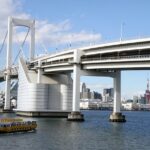
- Rainbow Bridge, Tokyo Tower, and SkyTree by Night
- Vehicle, Group Size, and Comfort
- What $112 Buys You
- Who Will Enjoy This Most
- Should You Book This JDM Tour?
- FAQ
- Where does the tour begin and end?
- How long does the tour last?
- What places does the tour visit?
- Is the tour conducted in English?
- How large is the group?
- Is this a private GTR tour?
I like the mix of car culture and city sightseeing, and I like having an English-speaking guide who can explain what you are seeing rather than simply dropping you at a parking lot. The main consideration is simple: Daikoku is a real meet, not a staged event, so the cars on display can be spectacular one night and more ordinary the next.
Key points
- Daikoku PA for about one hour: See one of Japan’s best-known gathering places for tuned, classic, luxury, and performance cars.
- Three distinct car stops: LibertyWalk offers bold custom-car style, while SuperAutobacs gives you a look at Japan’s serious automotive retail scene.
- Night drive on the Shuto Expressway: Travel the C1 and Bayshore Route, with views of Rainbow Bridge, Tokyo Tower, and SkyTree.
- Small group of no more than nine: You ride together rather than joining a large bus excursion.
- Comfortable return to Shibuya: The roughly 110-kilometer round trip takes about 4.5 hours in a modified Hiace or 2024 Alphard Executive.
- Guides who know the scene: Past guides named Jack, Jamie, Alex, Henry, Bizhan, Ken, and Shannon have been praised for their car knowledge and friendly style.
Why Daikoku Is the Main Event

Daikoku Parking Area is not a museum, showroom, or ticketed car exhibition. It is a working service area near Yokohama where local drivers gather, particularly at night. That distinction matters.
You may see rare Japanese cars, heavily modified builds, older classics, performance machines, and newer models. You may also find a quieter night with fewer remarkable cars. The meet changes with the day, weather, and local activity. That unpredictability is part of its appeal, but you should not book this expecting a guaranteed row of one-off supercars.
The tour gives you about an hour at Daikoku, enough time to walk around with your guide and take in the mix. A good guide adds real value here. You get help understanding the difference between a factory performance car and a heavily altered one, and you can ask about the customs, parts, and local habits behind the cars.
The car park is also only one part of the experience. Getting there on the expressway, seeing the city from the vehicle, and watching the meet take shape around you all help explain why Daikoku has become such a famous stop in Japanese car culture.
A few more Tokyo tours and experiences worth a look


Starting Near Shibuya Scramble

The tour begins near Shibuya Station, at the familiar Shibuya Scramble area. This is a useful starting point if you are already spending the evening in central Tokyo, though you should check the exact meeting instructions and starting time when booking.
After a brief meet and greet, you board the tour vehicle. The group is limited to nine people, which is a sensible size for a night built around conversation and shared interests. You are not being herded through a major attraction. Instead, the guide can answer questions, point out details during the drive, and adjust the discussion to the people in the vehicle.
The tour uses either a modified Toyota Hiace or a 2024 Alphard Executive. The exact vehicle may vary, but the important point is that you are riding in a dedicated group vehicle rather than arranging your own complicated combination of trains, taxis, and local roads.
LibertyWalk: Tokyo’s Bold Custom-Car Style
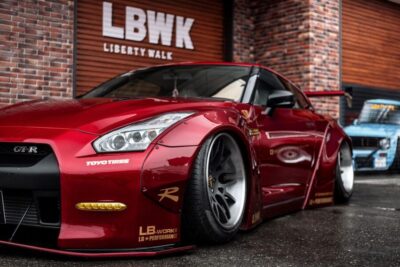
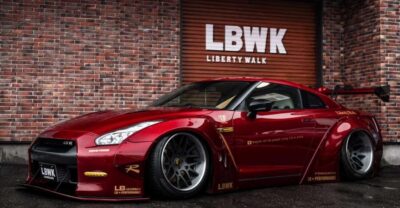
The first major stop is LibertyWalk Tokyo, with about 20 minutes to look around. LibertyWalk is known for an aggressive custom style, including wide-body designs, lowered stances, and dramatic visual changes.
This is a quick stop, so think of it as an introduction rather than a long visit. It gives you a chance to see the design language that has made the brand famous and to start a conversation with the guide before the longer drive to Daikoku.
I find this stop useful because it shows one recognizable side of Japanese car culture: cars treated as personal design projects, not just transport. If you prefer quiet factory-original vehicles, LibertyWalk’s style may feel excessive. That is precisely why it works early in the tour. You get a clear example of the bold end of the scene before seeing a wider mix at Daikoku.
The short visit also keeps the tour moving. With only 4.5 hours available, the schedule has to balance shops, car gatherings, expressway views, and the return to Shibuya.
SuperAutobacs Shinonome and the Parts-Shop Experience

Next comes SuperAutobacs Shinonome, also for around 20 minutes. The name can be confusing if you associate Autobacs with an ordinary repair shop. SuperAutobacs is a larger, more enthusiast-focused version of the Japanese automotive retailer, with products and equipment connected to driving, maintenance, and customization.
You may find performance parts, accessories, tools, interior items, and other car-related goods. The exact selection can change, but the stop offers a useful look at how car enthusiasm appears in everyday Japanese retail.
This is not simply another photo stop. LibertyWalk shows a finished custom-car identity. SuperAutobacs shows the buying, building, and tinkering side of the hobby. Together, the two stops help you see that JDM culture is not only about famous cars gathered for photographs. It also includes shops, parts, practical upgrades, and a large community of people who enjoy working on their vehicles.
Twenty minutes is enough for a quick look, but not enough for a relaxed shopping trip. If you are hoping to spend an hour comparing products, you may find this part rushed. The short timing makes sense within the wider tour, especially since Daikoku is the main stop.
The Shuto Expressway Night Drive
The tour then heads onto the Metropolitan Expressway, including the C1 loop and the Bayshore Route. For many people, this drive is nearly as important as the parking-area visit.
The Shuto Expressway is a dense network of elevated roads threading through Tokyo. The route offers changing views of the city, towers, bridges, and surrounding neighborhoods. The guide may also point out areas associated with the local car scene, including places where street racers have gathered. Any quick stops depend on conditions and the tour’s timing, so do not treat them as guaranteed itinerary items.
The Bayshore Route leads toward Yokohama and Daikoku. Along the way, you pass toward Rainbow Bridge and see Tokyo’s night lights from the road. The tour description also includes views of Tokyo Tower and SkyTree, so keep your camera ready during the drive. Since you are moving, these are scenic views rather than formal sightseeing stops.
This section gives the outing a stronger sense of place. You are not just being taken from one automotive venue to another. You are following the roads that form the setting for Tokyo’s modern car culture, with the city itself acting as the backdrop.
Still, remember that this is a vehicle-based night tour. You cannot expect long photo breaks at every landmark. Some of the best views may last only a few seconds, and your position inside the vehicle will affect what you can see.

One Hour at Daikoku Parking Area

At Daikoku, your guide leads the group through the parking area for roughly an hour. This is where the tour’s purpose becomes clearest.
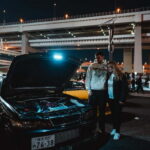
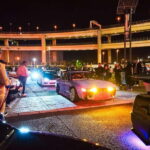
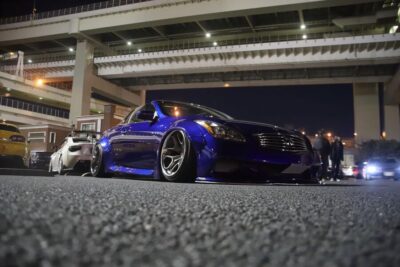
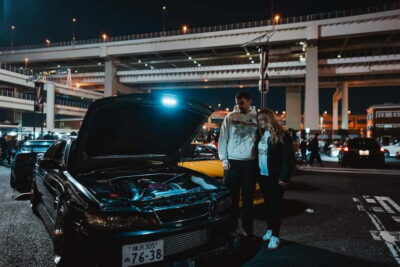
The appeal comes from the range of cars and the setting. You might see classic Japanese models, tuned street cars, modern performance vehicles, and unusual builds gathered in the same place. The atmosphere is informal. Cars arrive and leave, groups form and break apart, and the strongest lineup can occur on a different night from your visit.
That uncertainty should shape your expectations. The tour can take you to Daikoku, but it cannot control who shows up. One night may produce an exceptional collection. Another may still be enjoyable because of the setting, the drive, and the chance to see the local scene in its normal form.
A guide is especially useful here. Guides such as Jack, Jamie, Alex, Henry, Bizhan, Ken, and Shannon have been singled out for explaining cars and sharing stories about the area. Their role is not limited to pointing at a vehicle and naming the model. The better part of the experience is being able to ask why a car matters, what has been changed, and how it fits into the wider scene.
You should also follow the guide’s instructions and treat the parking area as a real public place. This is not a private car show arranged for tour groups. Respectful behavior makes the experience better for everyone, especially the people who have come with their own cars.
Rainbow Bridge, Tokyo Tower, and SkyTree by Night

The return route brings you back toward Tokyo, with views of Rainbow Bridge, Tokyo Tower, and SkyTree. These sights broaden the evening beyond a specialist car outing.
Rainbow Bridge is particularly effective from the Bayshore Route, where the surrounding water, road lighting, and towers create a strong night view. Tokyo Tower and SkyTree offer familiar points of reference as you move through the city. You will not get extended time at each landmark, but you do get a moving view of Tokyo that many standard walking tours do not provide.
This is one of the tour’s best features for mixed groups. If one person in your party is fascinated by Japanese cars and another mainly wants to see Tokyo after dark, the route gives both of you something worthwhile. The car meet remains the focus, but the city drive keeps the evening from feeling like a single-purpose outing.
Vehicle, Group Size, and Comfort

The tour covers more than 110 kilometers, or about 68 miles, during the return journey. That is a lot of road for a 4.5-hour experience, and transport quality matters.
You ride in a modified Hiace or a 2024 Alphard Executive. The vehicle used on your date is not specified in advance, so you should not book this expecting one particular model. The stated aim is a more comfortable ride without being packed tightly beside unrelated passengers.
A maximum of nine participants keeps the group manageable. It also makes conversation possible, which matters when the guide is explaining the expressway network or discussing the cars at Daikoku. A small group does not guarantee that every seat has the same view, but it is a better fit for this kind of mobile evening than a large coach.
The schedule is fairly full. You have the Shibuya start, two short stops, a lengthy expressway circuit, Daikoku, and the return drive. If you want an unhurried shopping visit or a long photography session, this may feel brisk. If you want to cover several parts of Tokyo’s car scene in one evening, the pace is a strength.
What $112 Buys You

At $112 per person, this is not the cheapest way to reach Daikoku. You are paying for more than transport, though.
The price includes the guided visits to LibertyWalk and SuperAutobacs, the expressway route, the Daikoku stop, city views, and drop-off back in Tokyo. You also avoid the work of figuring out how to reach a location that is not presented as a standard tourist attraction. The guide’s local car-scene knowledge is a central part of the value.
I would compare the price with what you would actually need to arrange independently. You would need transport to Yokohama, a way to reach Daikoku, enough confidence to know what you are looking at, and a plan for returning to central Tokyo late at night. The tour bundles those pieces into one evening and adds the two car-related stops and the scenic drive.
The value is strongest if you care about Japanese car culture or want a guided night out with a clear theme. It is weaker if you only want a quick photograph of Daikoku and have little interest in LibertyWalk, Autobacs, or the expressway ride.
The operator also states that it will not force departures in bad weather and will honor refunds in that situation. You can cancel up to 24 hours ahead for a full refund, and the reserve-now, pay-later option gives you some flexibility while finalizing your Tokyo plans.
Who Will Enjoy This Most

You should consider this tour if you:
- Follow Japanese domestic-market cars, tuning, drifting, or custom builds
- Want explanations and stories instead of a simple transfer to Daikoku
- Enjoy seeing Tokyo from the road at night
- Are traveling with a teenager, partner, or friend who likes cars
- Prefer a small group and an English-speaking guide
- Want several car-related stops in one evening
You may want something else if you need a guaranteed selection of specific models, dislike spending several hours in a vehicle, or prefer long visits at each location. Daikoku’s changing attendance is the biggest variable, and no guide can remove it.
The experience also suits people who are interested in Tokyo’s car scene but are not experts. You do not need to know every engine code or recognize every Japanese model. The guides are there to make the subject easier to follow, and past guide feedback has repeatedly highlighted friendly conversation and strong enthusiasm for the topic.
Should You Book This JDM Tour?
Book it if Daikoku is high on your Tokyo wish list and you want the road journey, local context, and extra stops that make the destination more meaningful. The small group, English-speaking guides, comfortable vehicle options, and return to Shibuya make the evening practical as well as entertaining.
Set your expectations correctly. This is a guided visit to a changing car meet, not a guaranteed supercar exhibition. If you can accept that, the tour offers a well-packed look at Tokyo’s JDM world for $112, with enough city scenery to keep non-specialists interested.
FAQ
Where does the tour begin and end?
The tour begins near Shibuya Station, close to Shibuya Scramble Crossing, and ends back at the same meeting area.
How long does the tour last?
The experience lasts approximately 4.5 hours.
What places does the tour visit?
The tour includes LibertyWalk Tokyo, SuperAutobacs Shinonome, the Shuto Expressway, Daikoku Parking Area, and views of Rainbow Bridge, Tokyo Tower, and SkyTree.
Is the tour conducted in English?
Yes. The tour has a live English-speaking guide.
How large is the group?
The group is limited to nine participants.
Is this a private GTR tour?
No. This is the standard JDM car meet tour. GTR tours are offered separately as private tours.
More JDM & Car Culture in Tokyo

More tours in Tokyo we've reviewed












JDM & Car Culture, compared.
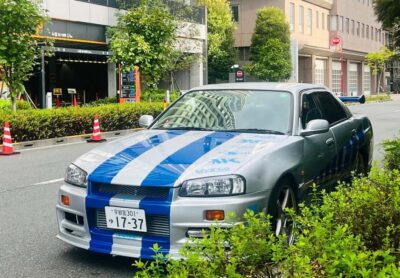 ★ 4.8Tokyo: Fast & Furious Tokyo Drift 3 Experience (Kaila Yu SP)From $157
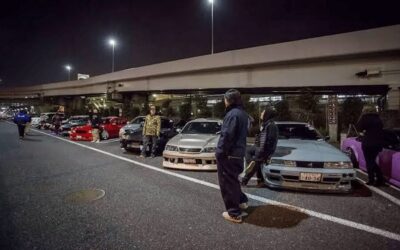 ★ 4.8Tokyo: FAST&FURIOUS EXPERIENCE Daikoku Tokyo Car ClubFrom $157
 ★ 4.8Tokyo Drift: GT-R Car Club R35 Liberty Walk Daikoku meetingFrom $240
 ★ 4.8Tokyo: Daikoku JDM Fast Furious Drift Style Car ExperienceFrom $123
 ★ 4.8Tokyo Drift: GO Daikoku Car Meet R34 Skyline Car ClubFrom $246
 ★ 4.7Tokyo Drift: Daikoku PA Supreme Car Experience 大黒PAFrom $583 hours