Reviewed · MT FUJI DAY TRIPS
Mt. Fuji, Hakone Full-Day Private Tour with English Driver
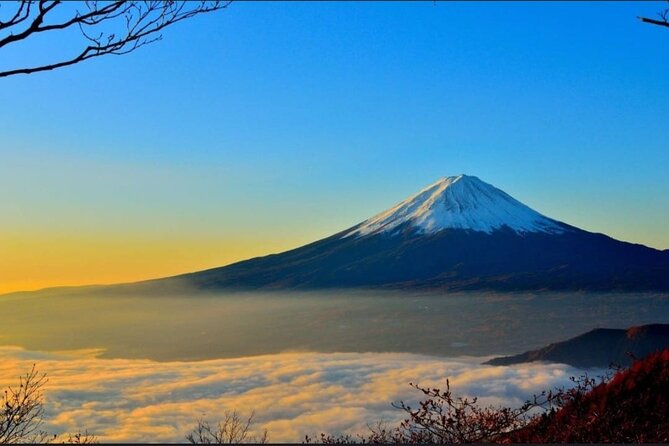
Mount Fuji is the star here, but the real appeal is the range of scenery packed into one long day: high mountain viewpoints, spring-fed ponds, lakeside Hakone, old shrines, and volcanic steam. You travel in a private vehicle for up to six people, so you are not waiting for a bus full of strangers.
In This Article
- Key points before you book
- Why this private Fuji day trip is appealing
- A long day made easier by private transport
- Fuji 5th Station at 2,300 meters
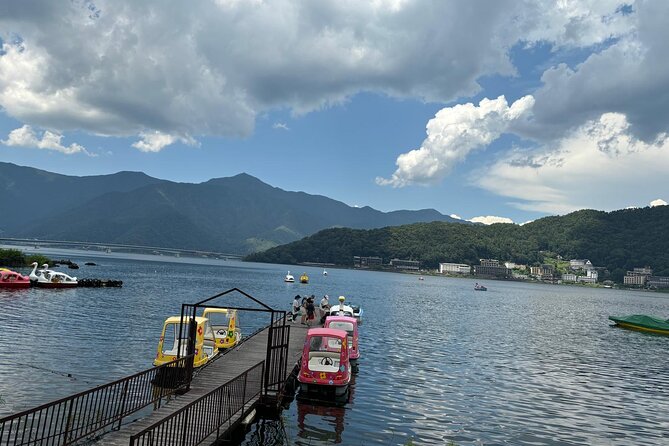
- Lake Kawaguchiko, the classic Fuji view
- Chureito Pagoda and its 400 steps
- Oishi Park and the north shore of Lake Kawaguchiko
- Oshino Hakkai and Fuji spring water
- Kitaguchi Hongu Fuji Sengen Shrine
- Lake Ashi and the Hakone pirate ship
- Owakudani’s steam and black eggs
- How to handle the nine-stop schedule
- Weather, closures, and the Fuji gamble
- Who gets the best value
- Should you book this Fuji and Hakone tour?
- FAQ
- How long does the private Mount Fuji and Hakone tour last?
- How many people can join the private tour?
- Is pickup from Tokyo offered?
- Are meals and attraction fees included?
- Can I cancel for a full refund?
- Is the Mount Fuji summit climb included?
I like the freedom to adjust the pace, and I like that drivers such as Wahab, Mustafa, Ali, Sunny, Busal, Bilal, Adeel, and Rioki have helped families with photos, restaurant choices, and last-minute changes. The main catch is time: nine listed stops cannot all receive equal attention in 10 hours, and clouds, traffic, closures, or weather can change the plan.
Key points before you book
- Private transport from Tokyo: Your group of up to six has an air-conditioned vehicle, hotel pickup, fuel, and highway tolls included.
- Nine possible sights in one day: The route can include Fuji 5th Station, five lakes-area stops, a shrine, Lake Ashi, and Owakudani.
- Fuji views are never guaranteed: Rain and low cloud have blocked the mountain for some departures, while other days have opened up beautifully.
- Flexible pacing is a real advantage: You can ask to spend more time at a pagoda, shrine, lake, or restaurant, but you must discuss priorities early.
- Some costs come extra: Lunch, the Fuji 5th Station fee, the Lake Ashi cruise, and Owakudani admission are not included.
- The tour suits small groups best: At $399 per group, the price becomes more attractive when divided among four to six people.
Why this private Fuji day trip is appealing
A Mount Fuji day trip from Tokyo often involves fixed bus schedules, crowded pickups, and little say over where you stop. This one gives your own group a driver and a car for about 10 hours. That matters when you want family photos, need a slower pace, or would rather skip a stop that does not interest you.
The route also gives you two different sides of the region. Around Fuji, you get open views, clear spring water, shrines, and mountain scenery. In Hakone, you shift to Lake Ashi and Owakudani, where volcanic steam and sulfurous air replace the calm lakeside views.
The cost is $399 per group, not per person. For six people, that is about $66.50 each before optional fees and lunch. For two people, it is a much higher $199.50 each, so the value depends heavily on group size. You are paying for privacy, door-to-door transport, and flexibility rather than the cheapest way to reach Fuji.
A few more Tokyo tours and experiences worth a look
A long day made easier by private transport
The tour begins in Tokyo, with pickup offered, and includes private transportation, an air-conditioned vehicle, bottled water, fuel, and highway tolls. Those inclusions remove several small costs and decisions that can add up on a full-day outing.
You should still expect a lot of time in the car. Tokyo, the Fuji Five Lakes area, and Hakone are not next-door stops, and the route covers a wide area. The private setting helps because you can talk with the driver, rest between stops, or change the order when weather shifts.
The English service can vary by driver. Several named guides, including Wahab, Ali, Sunny, and Mustafa, are praised for clear communication and helpful local suggestions. One account found the experience more like a driving service than a fully guided tour, and another noted that language made conversation less interactive. I would book this expecting an English-speaking driver who can explain places and help with the route, not a formal museum-style guide at every stop.
Fuji 5th Station at 2,300 meters
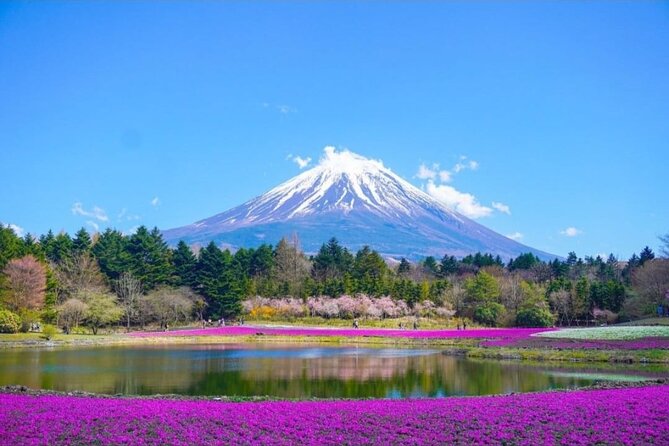
At Fuji 5th Station, you reach the highest listed road-access point on the mountain, at about 2,300 meters. It is popular with people who have no plan to climb because it offers a dramatic mountain setting and views toward the Fuji Five Lakes.
The stop is given up to three hours, which makes it the longest scheduled visit. That time may include sightseeing, photos, shopping, food, or a short walk. The supplied information also describes a gentle trek from the 5th Station along the Yoshida Trail toward the 7th Station at about 2,700 meters. The listed visit itself is only about one hour under the separate Mount Fuji trekking entry, so clarify with your driver how much walking is realistic on your date.
The entrance fee is listed as 2,100 yen per group and is not included. The details also repeat the Fuji 5th Station admission as an extra charge, so budget for it and confirm the current arrangement before departure.
Weather and access are the big issues here. Rain, cloud, snow, or safety restrictions can block the station. On some departures, Station 5 was closed and drivers checked access before turning back. If that happens, the day can still work, but the central Fuji viewpoint may be lost.
Lake Kawaguchiko, the classic Fuji view
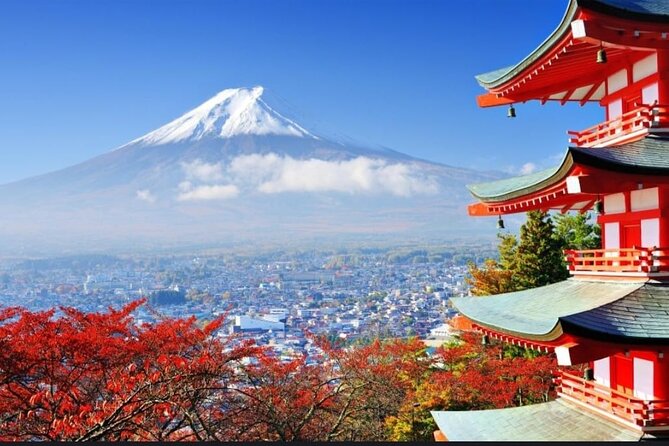
Lake Kawaguchiko sits at roughly 830 meters and offers a cooler setting than Tokyo. The lake is a useful change of pace after the higher mountain road, with seasonal scenery and places to stop for lunch.
You can add a boat cruise or ride the ropeway cable car, each costing about 1,000 yen per person. These activities are optional, not included, and time may be tight if you want to keep all the other stops. The surrounding restaurants give you a practical lunch option, and drivers have recommended places such as Spice Hut.
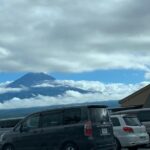
Kawaguchiko is also one of the better places to wait for Fuji to appear. The mountain may hide behind cloud at one stop and show itself from another, so do not judge the entire day by the first view. A flexible driver can pause for a photo when the summit briefly comes into sight.
Chureito Pagoda and its 400 steps
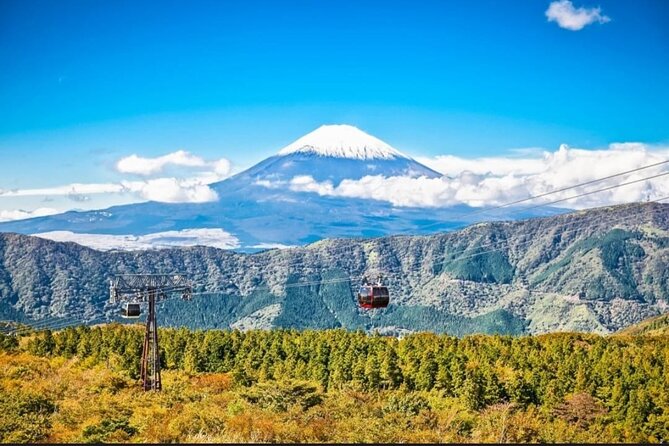
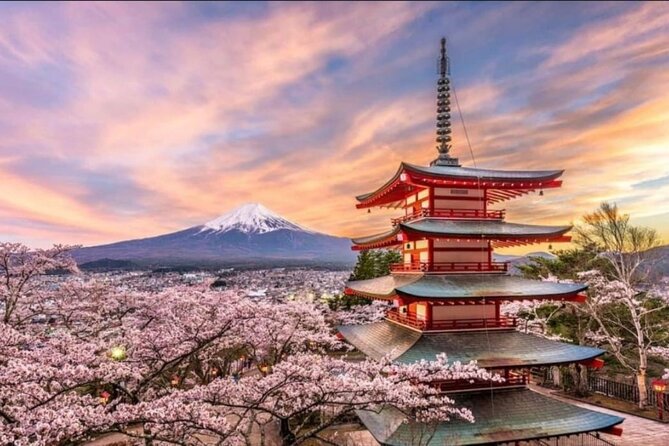
Chureito Pagoda is one of the region’s most recognizable photo spots. It sits above Fujiyoshida City at Arakura Sengen Shrine, with Mount Fuji behind it when the weather cooperates.
You reach the pagoda by climbing about 400 steps. The climb is not a technical hike, but it can be tiring after a morning on the road. Take your time, especially if you are traveling with children or anyone who finds stairs difficult. The steps also give you changing views of the shrine, city, and surrounding mountains.
The pagoda was built in 1963 as a peace memorial. That modern purpose is easy to miss when the camera-ready view takes over, so leave a moment to look around the shrine grounds. If Fuji is covered, the pagoda and mountain setting still provide a worthwhile visit, but the famous layered composition will not be complete.
A few more Tokyo tours and experiences worth a look
Oishi Park and the north shore of Lake Kawaguchiko
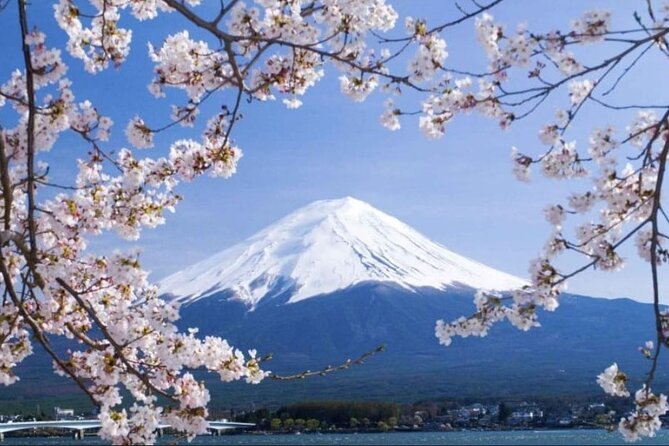
Oishi Park sits on the north shore of Lake Kawaguchiko, with views across the water toward Fuji. It is a simple stop, but a useful one for wide photos and a quiet break.
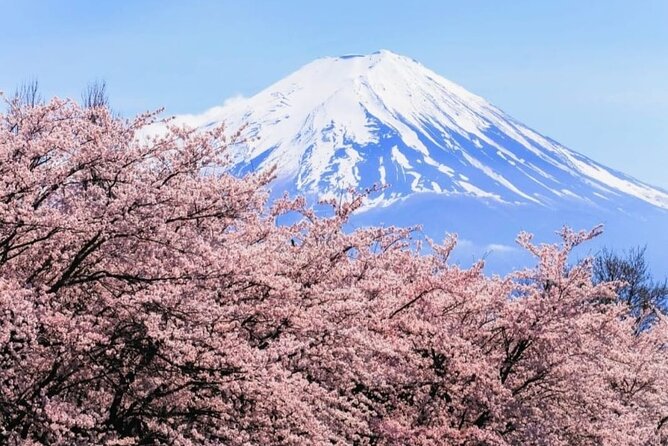
The appeal changes with the season. Flower displays and changing colors add interest at different times of year, while April can bring especially strong photo conditions if cherry blossoms are in bloom. The park is also less strenuous than Chureito Pagoda, so it helps balance the day.
Do not expect a long guided visit here. One hour is enough to walk, take pictures, and enjoy the view, but not enough to linger if traffic has already shortened the schedule. If your priority is photography, tell the driver early that you want time at Oishi Park rather than trying to squeeze it in at the end.
Oshino Hakkai and Fuji spring water
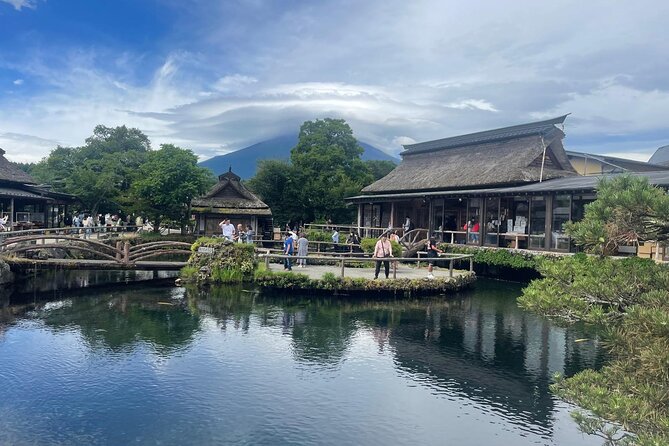
Oshino Hakkai is a historic village between Lake Kawaguchiko and Lake Yamanakako. Its eight ponds are fed by snowmelt from Mount Fuji. The water filters through layers of lava for more than 80 years before reaching the springs, which explains the remarkable clarity.
You can drink the spring water, walk among the ponds, and look for Fuji across the village when the air is clear. The stop offers a more grounded experience than a lookout point. Instead of only photographing the mountain, you see how its snow and volcanic rock shape the local water supply.
The village can feel more crowded than a shrine or park, and one hour goes quickly. Use the time for the ponds and Fuji view rather than trying to cover every shop. If you want local snacks or small souvenirs, this is one of the places where a short wander makes sense.
Kitaguchi Hongu Fuji Sengen Shrine
Kitaguchi Hongu Fuji Sengen Shrine provides the strongest cultural pause in the route. It is one of roughly 1,300 Asama shrines dedicated to Konohanasakuya-hime, the goddess associated with Mount Fuji and volcanoes.
The shrine forms part of the Mount Fuji UNESCO World Cultural Heritage site, recognized in 2013. Its connection to mountain worship gives the day more depth than a string of scenic stops. You are seeing a place tied to Fuji’s spiritual meaning, not just its shape on the horizon.
Asama shrines are often positioned with a view of Fuji. If trees or cloud block the mountain, small rock replicas of Fuji may appear within the grounds. That detail gives you something to look for even on a cloudy day.
Several accounts have singled out the shrine as a favorite stop when Fuji itself could not be seen. I agree with the logic: it is less dependent on perfect weather than the viewpoints, and the one-hour visit can be calm and rewarding.
Lake Ashi and the Hakone pirate ship
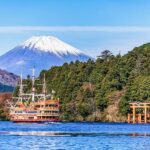
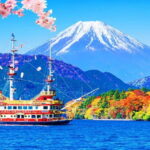
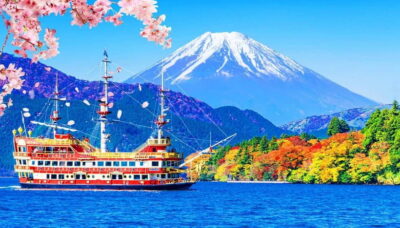
Lake Ashi brings you into Hakone, where the mood shifts from Fuji Five Lakes scenery to a broader lake and volcanic region. The sightseeing ship is designed like a pirate vessel, with three different ship designs and decorative details aimed at children and adults.
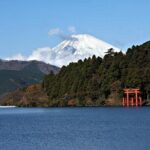
The cruise can offer a view of Mount Fuji and the torii gate of Hakone-jinja Shrine in the same frame when conditions line up. The ship itself is part of the attraction, so look at the details rather than treating the ride as only a way across the lake.
About 30 minutes is assigned here, and travel time is included in the itinerary. The admission fee is not included. Because this is one of the farthest parts of the route, it may be the first major feature cut when traffic or earlier stops run long. One group had to skip Lake Ashi to stay within the 10-hour limit.
If the boat matters to you, say so at the start. A private tour gives you a better chance of protecting the stop, but it cannot make a wide regional route shorter.
Owakudani’s steam and black eggs
Owakudani Valley is the most unusual stop on the Hakone side. Sulfurous fumaroles send steam into the air, while hot springs and boiling pools show the volcanic force beneath the ground.
The area offers short scenic walks, views toward Mount Fuji and Lake Ashi, and a visitor center with information about the valley. You can also try the local black eggs, cooked in volcanic water and said to add years to your life. Treat that claim as local folklore, but the eggs remain a fun and very specific Hakone snack.
Only about 30 minutes is assigned here, and admission is not included. That is enough for a quick look and a snack, but not a full visit to every trail or exhibit. Conditions can also affect access, so ask the driver what is open on the day.
How to handle the nine-stop schedule
The listed route contains more than most people can enjoy fully in one day. In practice, you may need to choose between extra time at Fuji, a boat or ropeway ride, a proper lunch, Lake Ashi, and the later Hakone stop.
I suggest choosing your top three priorities before pickup. For example:
- Fuji views, Chureito Pagoda, and Lake Kawaguchiko
- Fuji 5th Station, Oshino Hakkai, and the shrine
- Lake Kawaguchiko, Lake Ashi, and Owakudani
You can still add other stops if traffic and weather allow. But do not assume every place will receive the full time shown in the plan. One of the most useful things you can do is tell the driver exactly which sights you would regret missing.
A private tour works best when you take part in the planning. Drivers have been praised for shifting the order during rain, waiting for photos, helping with family pictures, and suggesting lunch. At the same time, unclear priorities can leave you feeling that the driver is deciding the day for you.
Weather, closures, and the Fuji gamble
Mount Fuji is a weather-dependent sight. Rain can hide it all day, while a cloudy morning can clear by the time you reach the mountain. Several departures had mixed results, including one rainy day with no Fuji view and another that began wet but cleared near the mountain.
The best attitude is to see Fuji as a possibility, not a guarantee. You still have shrines, ponds, lakes, parks, and volcanic scenery if the summit disappears. The private format helps because the driver can adjust the order, but it cannot control cloud cover.
Station 5 may also close for safety reasons. A responsible driver should check conditions rather than force the visit. If Fuji is your only reason for booking, consider the weather forecast carefully and understand the cancellation rule: you can receive a full refund if you cancel at least 24 hours before the start time, but changes or cancellations inside 24 hours are not refunded.
Who gets the best value
This tour makes the most sense for a family or group of friends who can share the $399 cost. Six people pay far less per person than two, and the private car gives you room to travel at your own pace without managing several train and bus connections.
It is also a good fit if you want door-to-door pickup, have limited time in Tokyo, or prefer a driver to handle a complicated route. Families have found the flexibility useful, and several drivers have helped take couple and group photos.
I would be more cautious if you want long walks, a slow lunch, a full Lake Ashi cruise, and detailed guiding at every stop. Ten hours is not enough to linger everywhere. People looking for a serious Mount Fuji climb should also treat this as a sightseeing day with a short trail option, not a full summit expedition.
Should you book this Fuji and Hakone tour?
Book it if you value privacy, comfort, and a flexible route more than a fixed sightseeing program. The strongest parts are the private vehicle, the wide mix of sights, the chance to shift plans around weather, and the help some drivers provide with photos and food.
Before you commit, confirm your pickup details, ask which stops are realistic, and state your top priorities. Budget separately for lunch, the Fuji 5th Station fee, the Lake Ashi cruise, and Owakudani admission.
For four to six people, this is a sensible way to cover Fuji and Hakone in one demanding day. For two people, the price is harder to justify unless convenience and privacy are worth the premium. Most important, book with realistic expectations: you can greatly improve your chances of a good Fuji day, but no private driver can promise a clear mountain.
FAQ
How long does the private Mount Fuji and Hakone tour last?
The tour lasts approximately 10 hours, including travel between Tokyo, the Mount Fuji area, and Hakone.
How many people can join the private tour?
The tour is private for your group and accommodates up to six people.
Is pickup from Tokyo offered?
Yes. The starting location is Tokyo, Japan, and pickup is offered.
Are meals and attraction fees included?
No. Lunch is not included. The Fuji 5th Station fee is listed as 2,100 yen per group, and admission or activity fees for the Lake Ashi cruise and Owakudani are also extra.
Can I cancel for a full refund?
Yes, if you cancel at least 24 hours before the experience start time. Cancellations or changes made within 24 hours are not refunded or accepted.
Is the Mount Fuji summit climb included?
No. The listed experience describes an easy trek from the 5th Station toward the Yoshida Trail and 7th Station. A full summit hike would need to be arranged separately.
More Private Tours in Tokyo


More Hakone Day Trips in Tokyo
More Mt Fuji Day Trips in Tokyo

More tours in Tokyo we've reviewed












Mt Fuji Day Trips, compared.
 ★ 5.0Mt Fuji and Hakone 1-Day Bus Tour Return by Bullet TrainFrom $163
 ★ 4.0Mt Fuji & Hakone Cruise, Drum Show Bullet Train 1 Day from TokyoFrom $149
 ★ 4.4Tokyo Mt Fuji 5th St & Hakone Cruise Bus Tour w/Bullet TrainFrom $15410 hours
 ★ 4.5From Tokyo: Mount Fuji Full-Day Sightseeing TripFrom $6810 hours
 ★ 4.7Tokyo: Mt. Fuji Tour, Hakone Ropeway, Owakudani, Lake AshiFrom $5410 hours
 ★ 4.4Tokyo:Mt.Fuji,Kawaguchiko Oishi Park,Arakurayama Sengen ParkFrom $5410 hours