Reviewed · WALKING TOURS
Private Tokyo Walking Tour with A Guide: Higlights & Customizable
Tokyo is too large to understand through a single postcard view. This private walking tour lets you shape a short visit around the places you care about, then ask a local guide all the questions that never fit in a guidebook. The custom plan is the real attraction, especially if this is your first day in the city.
In This Article
- Key points to know before booking
- Why this short private walk can help you understand Tokyo
- Choosing the right two-hour route
- Tsukiji Outer Market for food and daily Tokyo
- Sensō-ji and the old streets of Asakusa
- Meiji Jingu and a forest in the city
- Akihabara for electronics, anime, and gaming
- Tokyo Skytree and the question of admission
- Ginza for polished Tokyo shopping
- Ueno Park for museums and seasonal scenery
- Roppongi Hills for art and city views
- What hotel pickup and language options mean
- Price, group size, and overall value
- Who should book this Tokyo walk
- Should you book this private Tokyo tour?
- FAQ
- How long is the private Tokyo walking tour?
- Is the tour private?
- Can the itinerary be customized?
- Which places can be included?
- Is hotel pickup available?
- Is transportation between districts included?
- Are food and drinks included?
- Is the experience wheelchair accessible?
- Can I cancel for a full refund?
I like the private format, since you are not waiting for a large group or following a fixed script. I also like the chance to combine famous sights with everyday Tokyo districts, from Tsukiji’s food stalls to Akihabara’s shops. The main drawback is time: two hours is brief, and the advertised stops are spread far across the city, so you will need to choose carefully.
Key points to know before booking
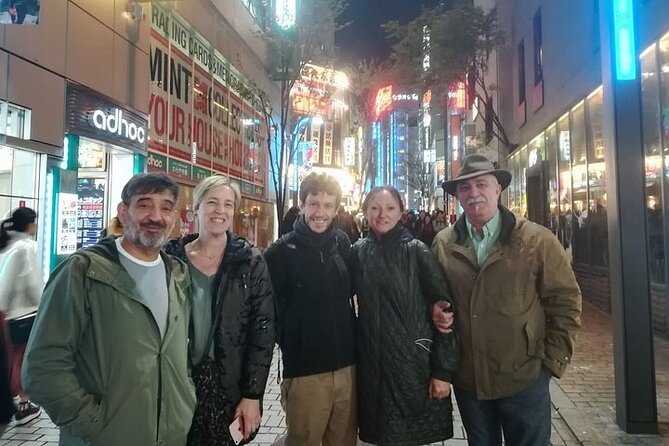
- Your own guide and itinerary: The tour is private, so your group can set the focus instead of following strangers’ interests.
- Eight possible Tokyo areas: Options include Tsukiji, Sensō-ji, Meiji Jingu, Akihabara, Tokyo Skytree, Ginza, Ueno Park, and Roppongi Hills.
- Hotel pickup in central Tokyo: Pickup is offered from your accommodation if it is located in the city.
- Walking does not include transport: Subway, train, and other local transportation costs are not included.
- Good for questions and orientation: You can ask about Tokyo life, food, customs, neighborhoods, and practical city details as you walk.
- Wheelchair accessible: The experience is listed as accessible, and most people can participate.
Why this short private walk can help you understand Tokyo
The best use of this experience is not trying to see all of Tokyo in two hours. It is using a guide to make sense of one part of the city, then picking up practical advice for the rest of your visit.
Tokyo can feel like several cities placed side by side. A traditional temple district, a food market, a fashion center, an electronics quarter, and a forested shrine may all be described as Tokyo, but they offer very different experiences. A private guide can explain those contrasts as you move through them.
I would treat this as an orientation walk rather than a sightseeing marathon. If you are new to Tokyo, ask your guide to help you understand the neighborhood where you are staying. If you already know the main sights, use the custom format for food, shopping, architecture, or local daily life.
The private setup matters at $52.86 per person. For one person, the price is less attractive than for two or more people sharing the experience. For a couple or small group, you are paying for personal attention, a flexible plan, and hotel pickup rather than a large organized tour.
Other walking tours we've reviewed in Tokyo
Choosing the right two-hour route
The possible route covers far more ground than anyone can reasonably walk in two hours. Tsukiji, Asakusa, Meiji Jingu, Akihabara, Skytree, Ginza, Ueno, and Roppongi are not one compact walking circuit.
That is not a flaw in the idea, but it is an important booking detail. You should make your priorities clear before the tour begins. Choose two nearby areas, or one district with time for questions and side streets. Trying to squeeze in all eight stops would leave you with rushed photo stops and little useful context.
For example, Tsukiji and Ginza can make a sensible pairing for food and shopping. Sensō-ji and Ueno fit well with a traditional and cultural focus. Meiji Jingu and Roppongi Hills offer a mix of shrine grounds, modern buildings, art, and city views. Akihabara needs time if you want to look through its stores rather than simply pass by.
Your guide can help adjust the plan, but local transportation is your responsibility. The experience is described as a walking tour, and car transfers are not included. If you want to connect distant districts, ask in advance how much time will be spent walking and how much will be spent moving between areas.
Tsukiji Outer Market for food and daily Tokyo
Tsukiji Outer Market is one of the strongest choices for a short private tour. You can walk among seafood sellers and food stalls while your guide explains what you are seeing, how different foods fit into Japanese eating habits, and what is worth trying.
The tour does not include food or drinks, so budget separately if you want a snack. That is useful, since the market is best approached with a little freedom. You can ask about unfamiliar dishes, then decide what suits you rather than accepting a preset meal.
The listed stop is about 15 minutes, which is enough for a quick look but not a full market visit. I would choose Tsukiji only if food is a top priority and you are ready to keep the route tight. A private guide is especially useful here because the market can be confusing when you do not know what you are looking at.
Sensō-ji and the old streets of Asakusa
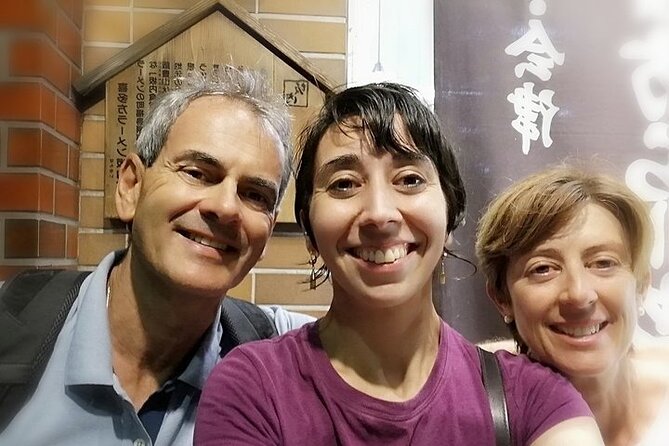
Sensō-ji gives the tour a traditional Tokyo center. Your guide can explain the temple’s past, take you through the Thunder Gate, and show you how to approach the customary rituals.
This is a good choice if you want cultural background instead of a quick temple photograph. Ask about the meaning of the gate, the incense, and the steps people take before entering the temple area. A guide can help you take part with respect and avoid treating the ritual as a stage prop.
Again, 15 minutes is a short visit. The area around Sensō-ji rewards slower walking, but the schedule only allows a brief introduction unless you make Asakusa the main focus. If you want a calmer experience, request more time here and drop several distant stops.
Meiji Jingu and a forest in the city
Meiji Jingu offers a different side of Tokyo. The shrine is surrounded by a large forested setting, giving you a break from towers, traffic, and dense commercial streets.
A guide can explain the Shinto customs, the torii gate, and the shrine’s place in Tokyo’s modern story. This is valuable if Japanese religious sites are unfamiliar to you. You will get more from the visit when you understand what you are doing, not just where to stand for a photograph.
The grounds can require walking, so tell the provider about mobility needs when you book, even though the experience is listed as wheelchair accessible. The 15-minute estimate suggests a quick introduction rather than a full walk through the shrine area.
Other guided tours in Tokyo


Akihabara for electronics, anime, and gaming
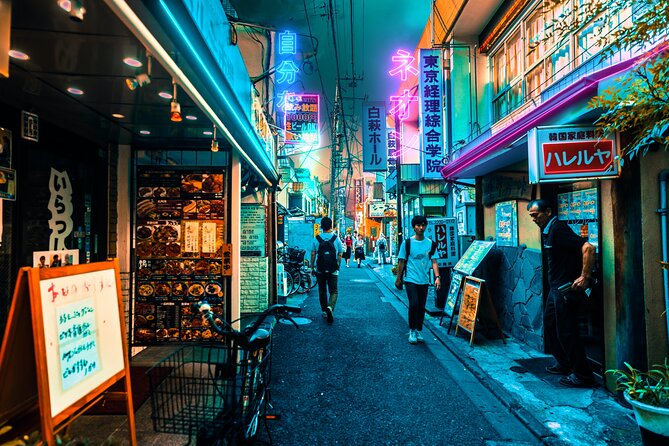
Akihabara is the natural pick for technology, anime, and gaming. Your guide can help you sort through the district’s different shops and explain the cultural meaning behind what you see.
This is one place where a private guide can save time. You can say what interests you, then focus on electronics, games, anime goods, or another part of the district instead of wandering without a plan. The available information does not promise special shopping access or purchases, so think of this as a guided introduction rather than a shopping service.
Akihabara is also a poor fit for a rushed 15-minute stop if you want to browse. Ask for more time here if you have a specific interest. The guide’s value comes from helping you choose where to look and giving context along the way.
Tokyo Skytree and the question of admission
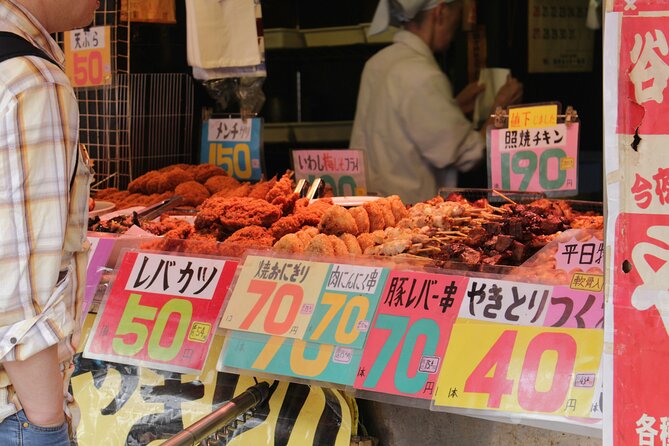
The Tokyo Skytree area offers a modern counterpoint to the temples and shrine. Your guide can explain the tower’s construction and importance, along with facts about Tokyo while you take in the city from the observation decks.
The tour information lists no admission charge for this stop, but it also says food and drinks are not included and does not clearly promise observation-deck admission. I would confirm exactly what is covered before booking if going up the tower is essential to you.
The Skytree is also far from several other listed areas. It makes the most sense as a focused stop or as part of an Asakusa and Skytree plan. Adding it to a route that also includes Ginza, Roppongi, and Tsukiji would make the schedule very tight.
Ginza for polished Tokyo shopping
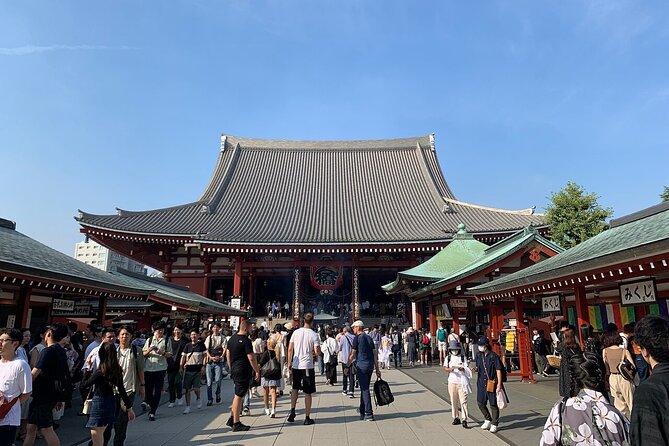
Ginza shows Tokyo at its most polished. You can explore upscale shops, entertainment, dining, and the area’s distinctive urban style while your guide points out places you might otherwise miss.
The private format works well here because you can set the goal. Ask for architecture, department stores, restaurants, luxury shopping, or the district’s history. The tour does not include purchases or meals, so you can keep this as a walking introduction or stop for something on your own.
Ginza is easy to pair with a food-centered Tsukiji visit, but do not expect a long shopping session in 15 minutes. If you want to buy special items, request a longer Ginza segment and cut other stops.
Ueno Park for museums and seasonal scenery
Ueno Park gives you a broad cultural choice. A guide can point out museums and other attractions, explain why Ueno matters, and direct you toward good cherry blossom viewing areas when the season is right.
The park is more than a quick green pause. It can anchor a museum-focused walk or provide a look at how Tokyo uses public space. Since the available information does not name specific museums or include admission, ask your guide what can realistically fit into your time.
Ueno also pairs naturally with Asakusa in a traditional Tokyo route, though the exact walking time and transport plan should be settled in advance. The cherry blossoms are seasonal, so do not book this stop solely for flowers unless your dates line up.
Roppongi Hills for art and city views
Roppongi Hills brings together art, shopping, entertainment, and modern architecture. Your guide can discuss the area’s buildings and cultural events and point you toward the Mori Art Museum.
This is a useful choice if you prefer contemporary Tokyo to temples and markets. It can also work for visitors who want a city view or an introduction to Tokyo’s modern cultural scene. Museum admission is not listed as included, so confirm costs if the Mori Art Museum is a priority.
Roppongi is best treated as its own district focus. A 15-minute stop can show you the setting, but it will not allow much time for a museum visit, shopping, and views all at once.
What hotel pickup and language options mean
Pickup is offered at your accommodation if it is located in the city. That can make the first meeting easier, especially after a long flight or if you are unsure how to reach a starting point.
The tour offers four language choices, though the supplied details do not name them. Check the available language when booking and state your preference clearly. This is one of the tour’s practical strengths, since the guide is there not only to show places but also to help you ask questions about local life.
You can also use the meeting time to ask about bins, eating customs, transport etiquette, and other small matters that affect your stay. One especially useful local tip associated with the provider’s guiding service concerns the scarcity of public rubbish bins in Japan. Knowing to keep a small rubbish bag with you can make market snacks and street food much easier to manage.
Price, group size, and overall value
At $52.86 per person, this is reasonably priced for a private two-hour introduction, particularly if two or more people share the booking. The value rests on the guide’s time and flexibility, not on included meals, attraction tickets, or vehicle transport.
Solo visitors should compare the cost with a standard group walk. A private tour can still be worth it if you have limited time, specific interests, or mobility and language concerns. For a family or small group, the per-person cost becomes easier to justify.
The tour includes hotel pickup in the city and customization. It does not include food, drinks, tips, or local transportation. Tips are optional. Confirmation is provided at booking, and the activity is near public transportation.
The 5 out of 5 rating from seven reviews is encouraging, but the sample is small. One especially positive account praised guide Amy for a friendly manner, useful local tips, and help with practical details such as finding rubbish bins during a Nara and Fushimi Inari outing. That praise supports the provider’s personal guiding style, but it does not guarantee that Amy will lead your Tokyo tour, so confirm your guide if a particular person matters to you.
Who should book this Tokyo walk
I would recommend it to first-time visitors who want a quick orientation, couples or families who want private attention, and people with a clear interest in food, temples, shopping, anime, art, or architecture.
It also suits anyone who dislikes large groups. You can ask questions without holding up a busload of people, and you can change the emphasis when your interests become clearer.
I would be more cautious if you want a full-day sightseeing program or expect to visit all eight areas. The two-hour limit and lack of included transport make that unrealistic. You should also be ready to pay separately for food, drinks, museum entry, observation decks, and trains or subways.
Free cancellation is available when you cancel at least 24 hours before the start time. Changes or cancellations made inside that window are not accepted for a refund.
Should you book this private Tokyo tour?
Book it if you value a personal guide, want hotel pickup, and can choose a focused route. The best plan is two nearby districts, not a race across every famous address in Tokyo.
I would choose Tsukiji and Ginza for food and city style, Sensō-ji and Ueno for traditional culture, Meiji Jingu and Roppongi for old and new Tokyo, or Akihabara alone for technology and pop culture. Confirm your language, meeting point, transport plan, and any entrance fees before you go.
At $52.86 per person, it is a fair buy for a small group seeking orientation and local explanation. It is less compelling if you want included attractions or a packed sightseeing schedule. Used as a smart introduction rather than a checklist, this tour can help you make better choices for the rest of your time in Tokyo.
FAQ
How long is the private Tokyo walking tour?
The experience lasts approximately two hours.
Is the tour private?
Yes. Only your group participates, and no other people are added to your booking.
Can the itinerary be customized?
Yes. Customization is included, so you can discuss your preferred Tokyo sights and interests with the guide.
Which places can be included?
Possible areas include Tsukiji Outer Market, Sensō-ji, Meiji Jingu, Akihabara, Tokyo Skytree, Ginza, Ueno Park, and Roppongi Hills.
Is hotel pickup available?
Yes. Pickup is offered from your accommodation if it is located within the city.
Is transportation between districts included?
No. Local transportation is not included. This is a walking tour, and car transportation is not provided.
Are food and drinks included?
No. You pay separately for any food or drinks.
Is the experience wheelchair accessible?
Yes. The experience is listed as wheelchair accessible.
Can I cancel for a full refund?
Yes, if you cancel at least 24 hours before the experience start time. Cancellations made less than 24 hours in advance are not refunded.
More Private Tours in Tokyo


More Guided Tours in Tokyo
More Walking Tours in Tokyo
More tours in Tokyo we've reviewed












Walking Tours, compared.
 ★ 5.0Tokyo Tsukiji Fish Market Food and Culture Walking TourFrom $99
 ★ 4.9Tokyo: Shinjuku Local Bar and Izakaya Guided Walking TourFrom $343 hours
 ★ 5.0Tokyo: Tsukiji Fish Market Food and Walking tourFrom $30
 ★ 4.8Tokyo: Asakusa Walking Tour with Sensoji Temple VisitFrom $222 hours
 ★ 4.9Tokyo: Tsukiji Fish Market Guided Walking TourFrom $222 hours
 ★ 4.7Tokyo Castle & Imperial PalaceーShogun Walking TourFrom $232 hours