Reviewed · JDM & CAR CULTURE
Tokyo: Daikoku JDM Fast Furious Drift Style Car Experience
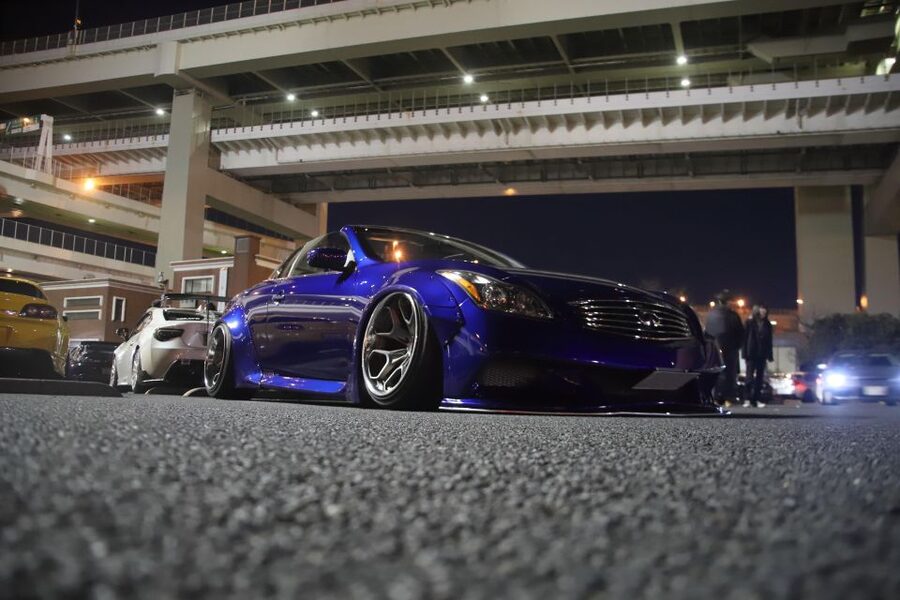
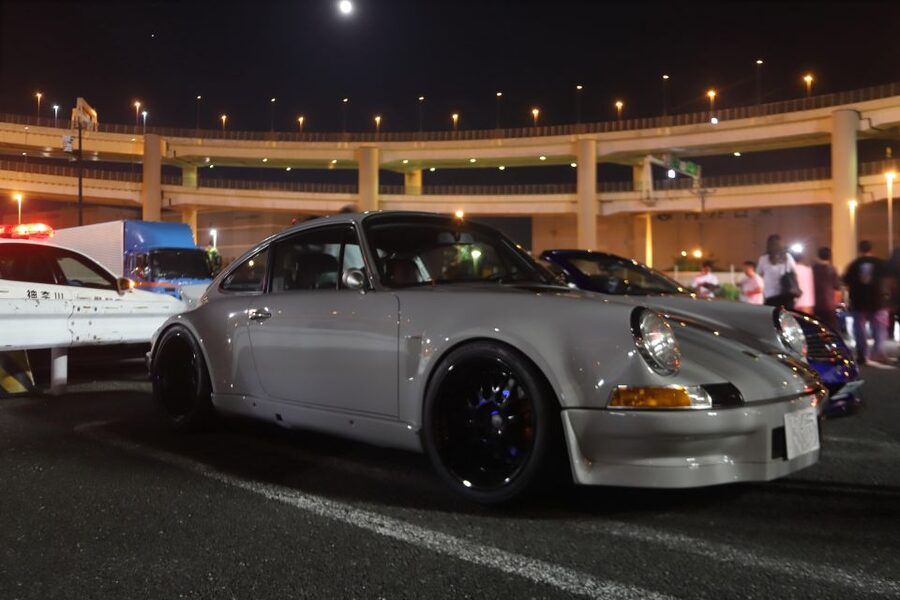
Tokyo’s car culture comes alive after dark, when a four-hour ride carries you along the C1 and Wangan highways to Daikoku Parking Area. You might see everything from kei cars and 1990s JDM icons to modern GT-Rs, European exotics, American cars, and wild custom builds.
In This Article
- Tokyo car culture begins on the road
- What kind of car will you ride in?
- From Shibuya to Rainbow Bridge
- Autobacs: a shop for serious gearheads
- Tatsumi 1st Parking Area and the changing itinerary
- Daikoku Parking Area: the main event
- Tokyo, Haneda, Yokohama, and the night views
- The guides make a real difference
- Is $123 a fair price?
- Who will enjoy this most?
- Should you book the Daikoku night drive?
- FAQ
- How long is the Tokyo Daikoku car experience?
- Where does the tour start and finish?
- Is Daikoku Parking Area included?
- Will I see a specific JDM car?
- Which languages are available?
- Can children join the experience?
- What is included, and what should I bring?
I like the mix of car culture and sightseeing, especially the views of Rainbow Bridge, Tokyo Tower, Yokohama, and the skyline. I also like the open conversation with guides such as Mori, Michael, Karim, and Miro, who discuss cars, Japanese life, and the roads you travel. The main consideration is that Daikoku’s lineup is never guaranteed, and traffic, weather, day, and time can change the route.
- Daikoku Parking Area: Spend about an hour at Japan’s best-known informal car gathering spot.
- C1 and Wangan highways: See Tokyo from the road instead of from a viewing deck.
- Tatsumi and Autobacs: Visit two very different parts of the Japanese tuning scene.
- Choice of vehicle: Ride in a JDM performance sedan, luxury van, or JDM legend, depending on the option booked.
- Real car culture: Expect impromptu gatherings, not a staged motor show.
- Four-hour evening outing: A useful change of pace from temples, museums, and crowded shopping districts.
Tokyo car culture begins on the road
This is not simply a transfer to Daikoku. The driving is part of the experience. You pass through Tokyo’s urban core, join major expressways, cross toward Yokohama, and watch the city change from dense towers to broad industrial views and elevated roads.
The route uses the C1 and Wangan highways, two names that matter to anyone interested in Japanese performance driving. You do not drive the car yourself. You ride with a guide, buckle up, and look out at the city while your host explains the roads, the cars, and the culture around them.
That setup works well for two reasons. First, you can enjoy the drive without worrying about navigation or rental-car rules. Second, the guide can point out details you would miss from a train or taxi. Mori, Michael, Karim, and Miro have each been praised for keeping conversation moving and adding useful background about Tokyo and Japan beyond the cars.
The experience is private or small-group, which helps. You have more room to ask about a Nissan, Toyota, Mazda, Honda, tuning parts, or the meaning behind a particular modification. It also feels more personal than a large sightseeing bus.
What kind of car will you ride in?
The available vehicle depends on the option you select. Choices include a JDM performance sedan, a luxury JDM van, or a JDM legend. The appeal differs by vehicle.
A performance sedan gives you the closest connection to the subject of the tour. You can enjoy the feel of a tuned Japanese car while moving through the city, even though the exact model is not guaranteed in the supplied details.
The van is a practical choice for a larger group or anyone who prefers easier seating. There is one important warning: depending on party size and remaining seats, your group may be split between two vans.
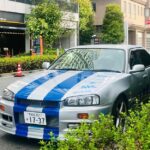
A JDM legend is likely to appeal most to serious enthusiasts, but the exact vehicle should be confirmed when booking. Do not assume you will receive a particular Supra, Skyline, RX-7, NSX, or other famous model. The experience promises a style of car, not a guaranteed make or model.
That uncertainty is part of the deal. You are paying for access to the scene, the route, and the guide’s insight, not for a fixed showroom display.
A few more Tokyo tours and experiences worth a look

From Shibuya to Rainbow Bridge
The listed starting point is at 2-chōme-29-8 Dōgenzaka, at the To-eido Building, though the exact meeting point can vary by booking option. The tour then moves through central Tokyo, with Roppongi Hills and Rainbow Bridge included as scenic passages.
Roppongi Hills gives you a quick look at Tokyo’s polished high-rise side. Rainbow Bridge provides one of the most recognizable urban views in the city, especially when lit at night. You may not stop for a long photo session at these points, so keep your camera ready inside the vehicle.
This part of the trip is useful for people who do not want four straight hours of car spotting. The guide connects the cars to the city around them. You get Tokyo Tower later, views near Haneda, the Skytree from a distance, and the broad route toward Yokohama.
The timing matters. Starting times vary, and weekend traffic can alter the order or length of stops. The illustrated route is based on a weekday experience, so treat the schedule as a guide rather than a promise.
Autobacs: a shop for serious gearheads
The planned stop at Autobacs Shinonome lasts about 25 minutes. This is not a normal convenience stop. Autobacs is an automotive retailer where you might find tuning parts, wheels, accessories, model cars, and performance brands such as HKS and Tein.
For a car enthusiast, this can feel like a candy store. You may see the practical side of Japanese car culture here: the parts, tools, styling pieces, and small upgrades that turn an ordinary car into a personal project.
Twenty-five minutes is enough to look around, but not enough for a slow shopping visit. One useful tip is to decide in advance whether you want photos, browsing time, or purchases. If you start examining every wheel and suspension part, the clock will move quickly.
The stop also gives non-enthusiasts a break from technical talk. Even if you cannot tell an R34 from an R35, the shop shows that car culture is not only about rare vehicles. It is also about accessories, maintenance, customization, and personal taste.
Tatsumi 1st Parking Area and the changing itinerary
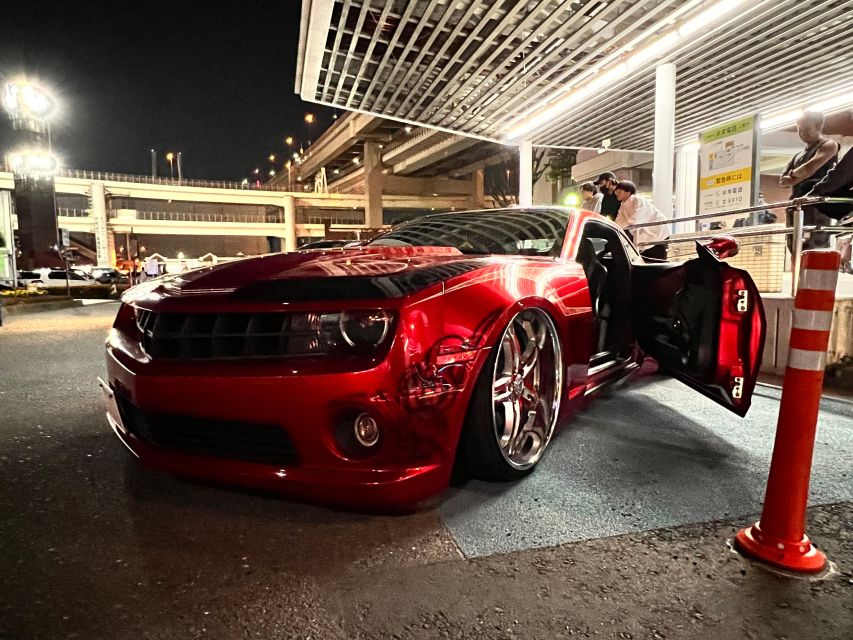
Tatsumi 1st PA is listed as a 15-minute stop. It is one of the expressway gathering points associated with Tokyo’s car scene, and it offers a shorter, quicker look than Daikoku.
Fifteen minutes is enough to stretch your legs, scan the cars, and take a few photos. It is not enough to expect a full event atmosphere every time. As with Daikoku, the cars present depend on the day.
The actual route can change. The operator makes at least three stops, and the other locations may include Tatsumi, Umihotaru, Autobacs, or Gaienmae. Weekend day and time can affect the plan, while traffic and weather remain in control.
That flexibility is worth understanding before you book. If you need every stop to happen in a fixed order, this may frustrate you. If you enjoy seeing what the night produces, the changing plan adds some fun.
Daikoku Parking Area: the main event
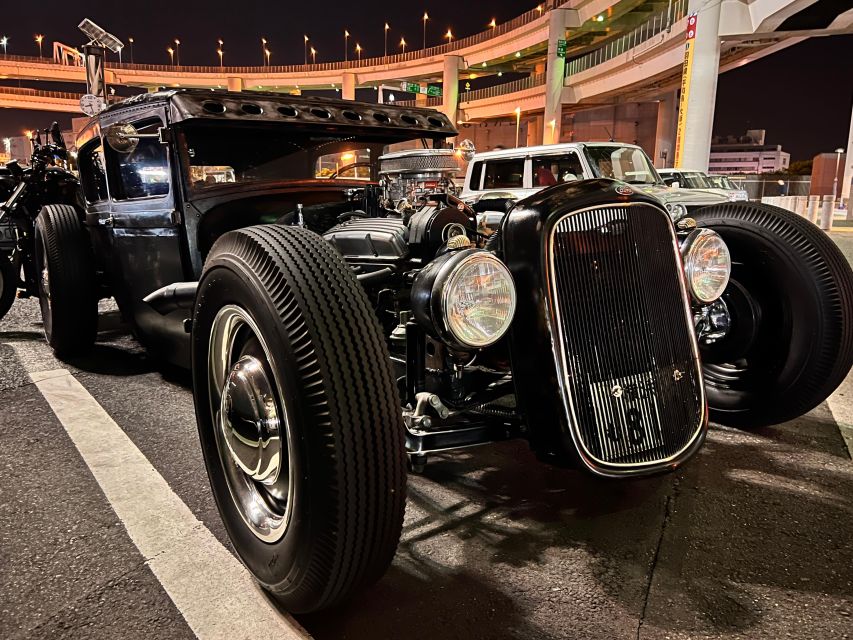
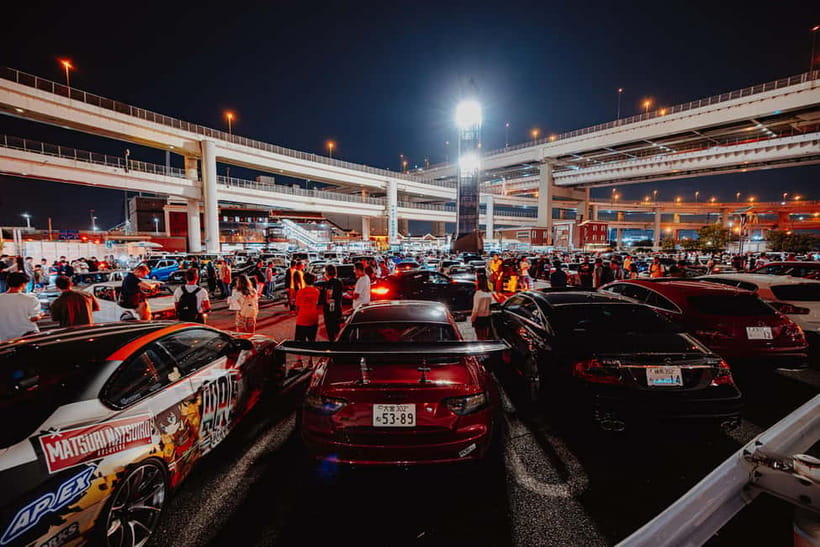
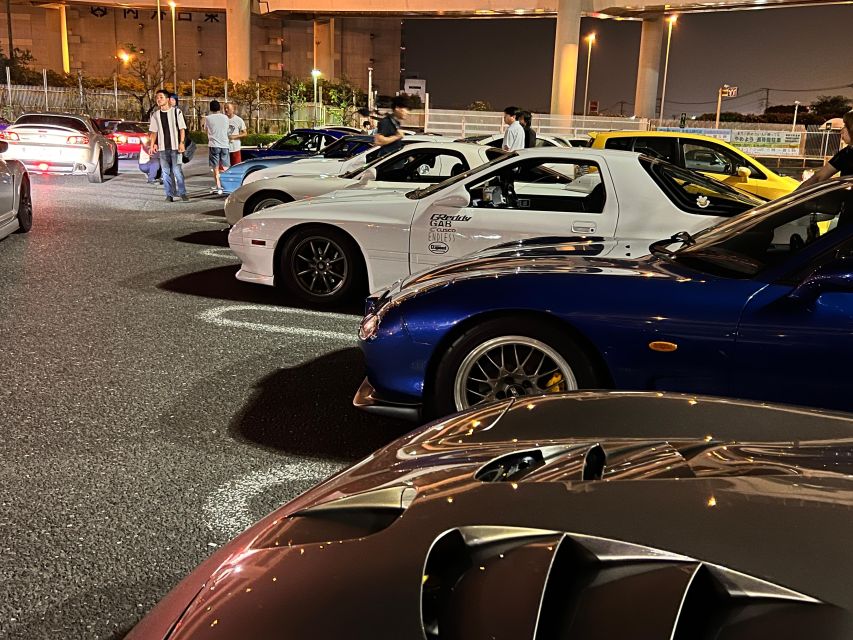
Daikoku PA is the center of the experience and receives about one hour. It is a highway rest area near Yokohama, but for car fans it is also a meeting point where unusual vehicles can appear without warning.
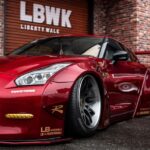
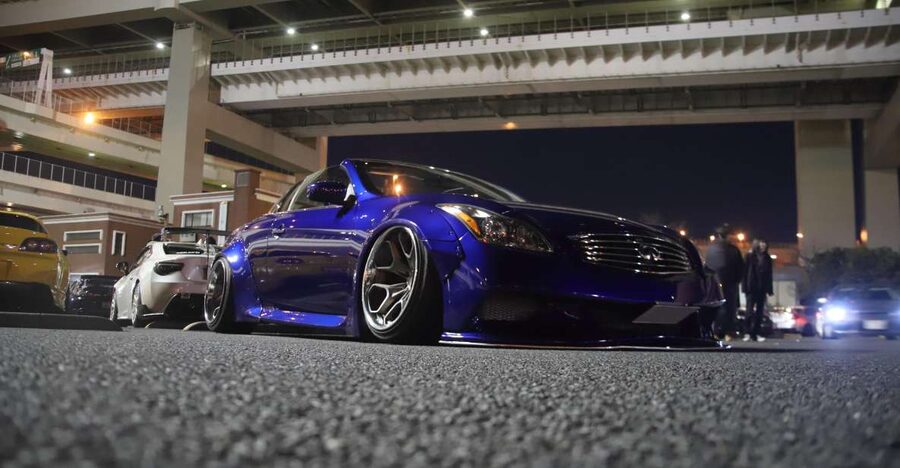
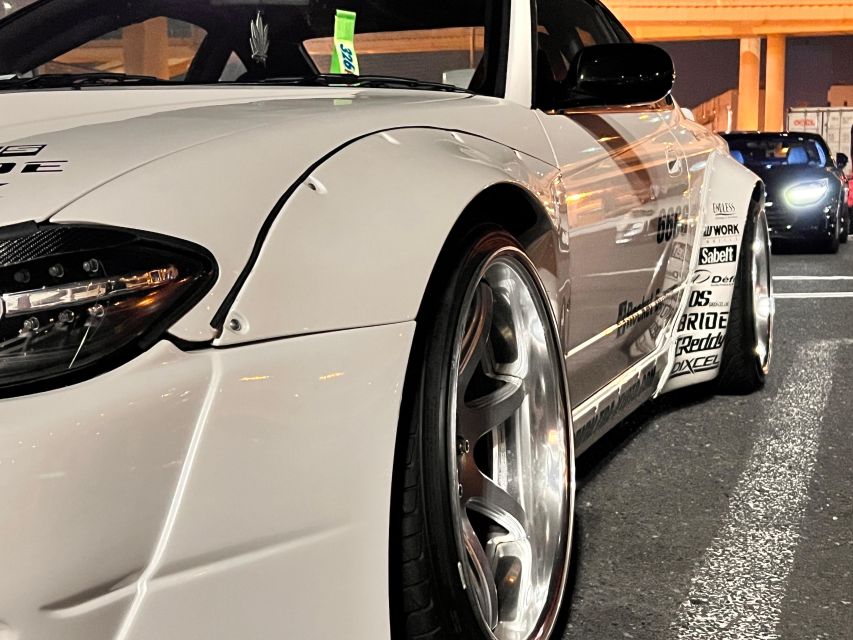
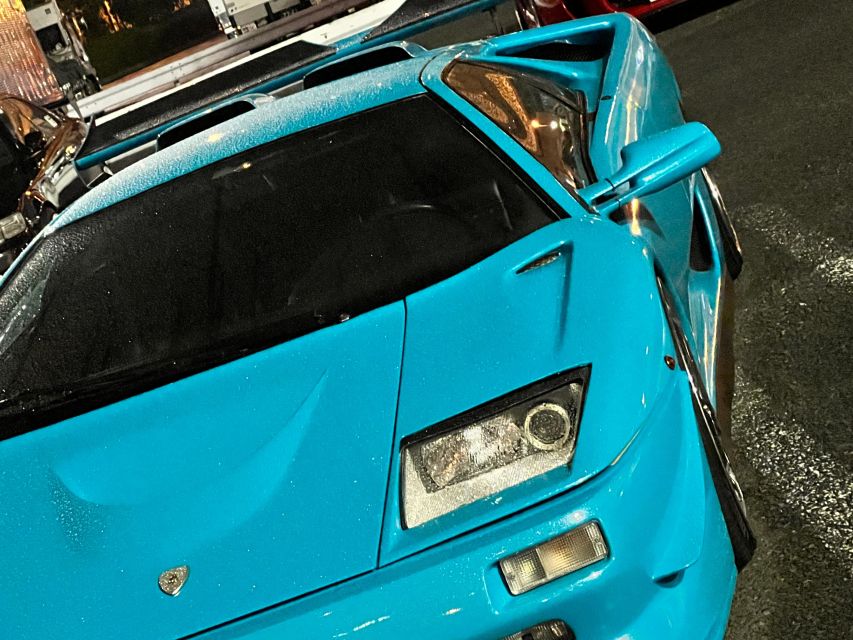
You might find classic Japanese sports cars, heavily modified sedans, kei cars, newer JDM performance models, European exotics, American cars, and film-inspired builds. Specific examples seen on past outings have included R34 and R35 GT-Rs, NSX models, RX-7s, Silvias, an NA Miata, Toyota 86s, Audi R8s, and a Lamborghini Murciélago. One outing even included a Swarovski crystal-covered Lamborghini.
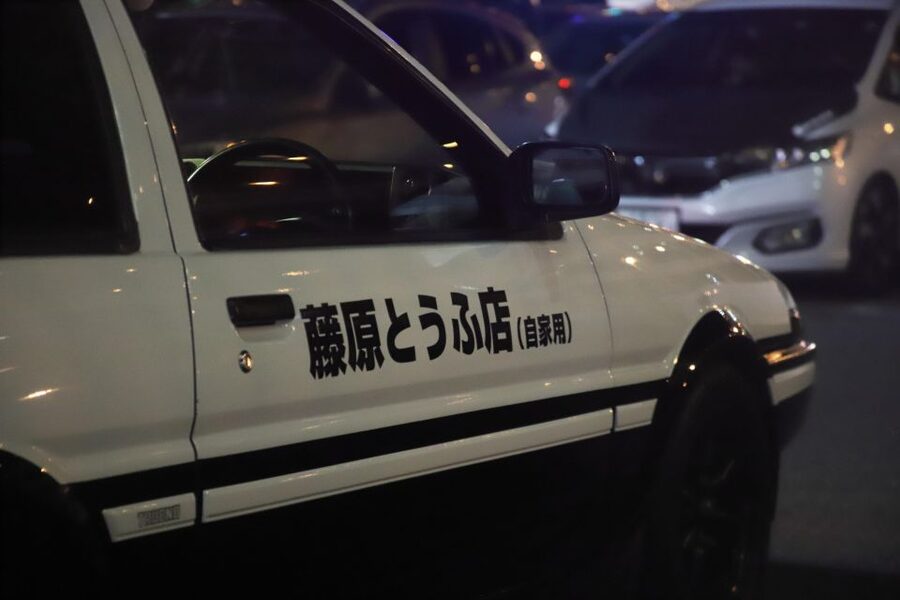
You might also see cars associated with the Fast and Furious films, including Supra and other recognizable builds. Still, these examples are not a promise for your date. Daikoku is an impromptu meeting place, not a scheduled exhibition. The number and type of cars can be excellent, modest, or somewhere in between.
That uncertainty is the most important thing to know. Do not book this expecting one famous car. Book it because you want a chance to see what local owners bring out that night.
The atmosphere can also change quickly. Police may close the lot, as happened during one evening outing, so the guide may need to move on earlier than planned. Rain does not necessarily ruin the experience. Past outings in wet weather still produced interesting cars, but rain can reduce attendance and make photography harder.
You are free to explore during the stop, while your guide remains available to explain what you are seeing. Some owners may speak English and chat about their cars, though this should not be treated as a guaranteed part of the tour.
Tokyo, Haneda, Yokohama, and the night views
The road between stops is not empty time. The tour passes Tokyo Skytree, central Tokyo, Haneda Airport, Yokohama, Rainbow Bridge, and Tokyo Tower.
The Skytree and Tokyo Tower appear as scenic landmarks rather than long visits. You will see them from the route, so this is not a substitute for going up either tower. It is still a good way to connect the car ride with Tokyo’s wider nighttime views.
Haneda adds a different stretch of the city, while Yokohama gives the route a broader port-side feel. The listed route returns toward Tokyo via Rainbow Bridge, with Tokyo Tower included near the end.
The views are strongest when traffic is moving and the weather is clear. On a rainy night, lights can reflect across the roads and windows, but visibility may be lower. Your guide can still keep the evening interesting with stories about the city and car scene.
One practical point: some people have arranged a drop-off in Yokohama during a particular outing, but the standard information says the activity ends back at the meeting point. Confirm your drop-off before booking if you need to finish somewhere other than the start.
The guides make a real difference
The car matters, but the guide can shape the whole evening. This company uses guides who speak English, Japanese, Polish, Italian, or German, depending on availability.
Mori has been singled out for explaining both car culture and Tokyo landmarks. Michael is known for lively conversation, safe driving, and a strong interest in the cars. Karim has added commentary about the areas along the route, while Miro has shared local car knowledge and Japanese background. Jason has also been praised for handling a late-arriving group with flexibility.
Names and guide assignments can vary, so you should not book on the assumption that one particular person will lead your tour. Still, the repeated pattern is clear: the best part is not only identifying cars. It is having someone who can talk about why the scene exists and how it fits into daily life in Japan.
I would encourage you to bring questions. Ask about Japanese brands, tuning, highway meeting places, traffic rules, car ownership, or how local enthusiasts use their vehicles. You will get more from the evening if you treat it as a conversation rather than a ride with background commentary.
Is $123 a fair price?
At $123 per person, the value depends on how much you want the guided access and transportation. You receive about four hours of transport, a live guide, the highway route, several scenic passages, and entry to places that are not simple tourist attractions.
A taxi to Daikoku would not give you the same context, and getting there independently can be awkward. You would also miss the guide’s explanations and the chance to combine Daikoku with Tatsumi, Autobacs, Tokyo landmarks, and the C1 and Wangan highways.
The price is harder to justify if you only want a guaranteed collection of rare cars. No operator can control what arrives at an informal meeting point. You are paying for the chance, the route, the vehicle, and the host.
For a serious car fan, the cost can be strong value, particularly if you would otherwise spend hours trying to reach Daikoku on your own. For a casual visitor, the value comes from the variety. The evening gives you a different view of Tokyo and does not require you to spend all day inside a museum.
Food and drinks are not included, and food or drinks are not allowed in the vehicle. Smoking and alcohol are also prohibited inside.
Who will enjoy this most?
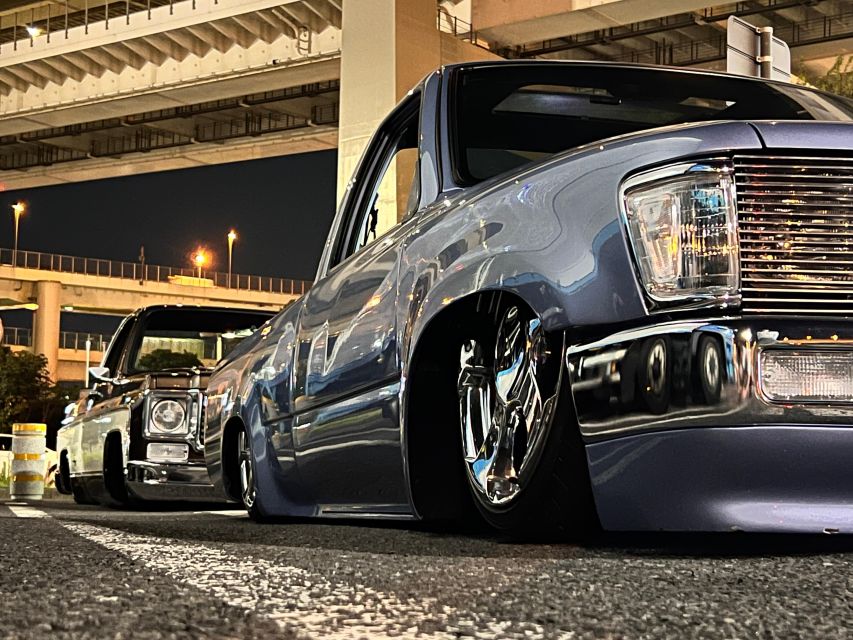
This is an obvious choice for fans of Japanese cars, tuning, drifting culture, performance sedans, and the Fast and Furious films. It also suits parents booking a special evening for an older child. One family used it as a treat for a 14-year-old custom-car fan.
You do not need to be an expert. The guides explain enough to make the evening accessible, and the city views give you something to enjoy between car stops. One past participant who was not a major car fan still found the outing worthwhile because it was different from ordinary sightseeing.
I would be more cautious if you dislike sitting in a vehicle for several hours, need a fully fixed schedule, or want guaranteed access to a specific car. The activity is not suitable for children under five or wheelchair users. If a child aged five to seven needs a booster seat, contact the provider before the date.
Bring your passport. Wear something comfortable for getting in and out of the vehicle, and keep your phone charged for photos. Since the tour is outdoors at parking areas, a rain layer is sensible, although weather can change the experience.
Should you book the Daikoku night drive?
Book this experience if you want to see Tokyo through its car culture, not just from a famous tower or shopping street. The strongest reasons are the highway ride, the personal guides, the chance to see an unpredictable mix of cars, and the rare access to Daikoku and Tatsumi without organizing the route yourself.
I would book it as a small-group outing, especially if you want to ask questions or share the ride with friends. Choose your vehicle option carefully, confirm the meeting point, and accept that the exact car lineup and route may change.
Skip it if you need a guaranteed supercar, a quiet sightseeing drive, or a formal show with fixed displays. For everyone else, the combination of Tokyo lights, Yokohama roads, Autobacs, and Daikoku makes this a memorable four-hour change of pace.
Free cancellation is available up to 24 hours ahead for a full refund, and you can reserve now and pay later. That flexibility helps when your Tokyo schedule is still shifting.
FAQ
How long is the Tokyo Daikoku car experience?
The experience lasts four hours. Starting times vary, so check the available options for the date you want.
Where does the tour start and finish?
The listed starting and drop-off location is 2-chōme-29-8 Dōgenzaka, at the To-eido Building. The exact meeting point can vary by option, and the standard activity ends back at the meeting point.
Is Daikoku Parking Area included?
Yes. Every itinerary includes a visit to Daikoku Parking Area, usually for about one hour.
Will I see a specific JDM car?
No specific make, model, or number of cars is guaranteed. Daikoku and the other parking areas are impromptu meeting places, so the selection depends on what arrives that day.
Which languages are available?
Live guides may be available in English, Japanese, Polish, Italian, or German.
Can children join the experience?
Children under five cannot join. For children aged five to seven who need a booster seat, contact the activity provider before the tour date.
What is included, and what should I bring?
Transportation and a guide are included. Food and drinks are not included, and food, drinks, alcohol, and smoking are not allowed in the vehicle. Bring your passport.
More JDM & Car Culture in Tokyo
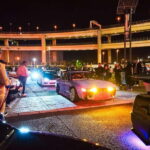
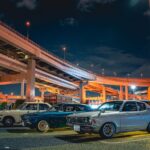
More tours in Tokyo we've reviewed












JDM & Car Culture, compared.
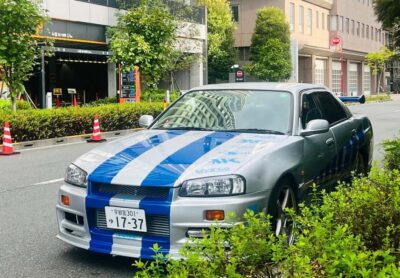 ★ 4.8Tokyo: Fast & Furious Tokyo Drift 3 Experience (Kaila Yu SP)From $157
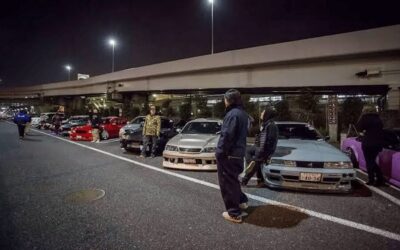 ★ 4.8Tokyo: FAST&FURIOUS EXPERIENCE Daikoku Tokyo Car ClubFrom $157
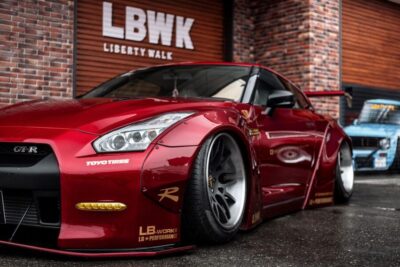 ★ 4.8Tokyo Drift: GT-R Car Club R35 Liberty Walk Daikoku meetingFrom $240
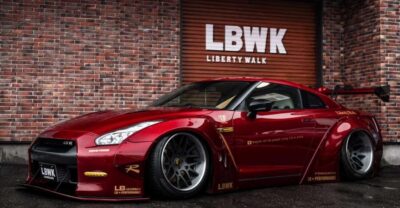 ★ 4.8Tokyo Drift: GO Daikoku Car Meet R34 Skyline Car ClubFrom $246
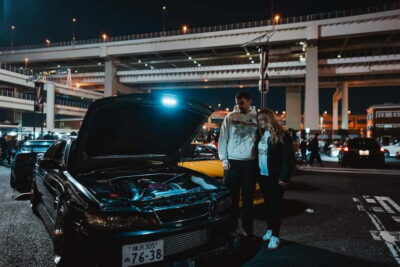 ★ 4.7Tokyo Drift: Daikoku PA Supreme Car Experience 大黒PAFrom $583 hours
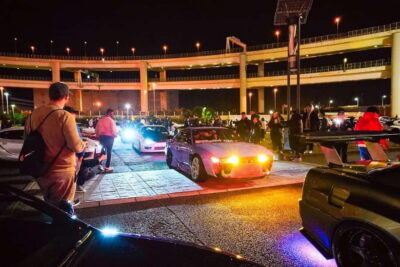 ★ 4.9Tokyo: Legendary JDM CAR Daikoku Underground MeetupFrom $824 hours