Reviewed · SHINJUKU TOURS
Tokyo: Shinjuku Chopstick Making Class
Your souvenir begins as a plain piece of wood, then slowly becomes something useful. In this small Shinjuku workshop, you’ll shave, shape, smooth, and personalize your own pair of chopsticks under the care of an English-speaking instructor. It is a hands-on look at Japanese craftsmanship, not just a quick purchase from a gift shop.
In This Article
- Key points
- A handmade souvenir in the middle of Shinjuku
- The first choice: selecting your wood
- Shaving the wood with traditional tools
- Smoothing, shaping, and finding your rhythm
- Personalizing the chopsticks
- Why chopsticks make a meaningful Japanese keepsake
- The value of one hour for $12
- How the instructors shape the experience
- Who should book this Shinjuku class?
- Practical details before you go
- Should you book it?
- FAQ
- Where is the chopstick-making class held?
- How much does the activity cost?
- How long does the workshop last?
- Is instruction available in English?
- What will I make during the class?
- Can I choose the type of wood?
- Is engraving included?
- Is the activity suitable for children?
- Can I cancel my reservation?
I like the calm, practical nature of the class and the fact that you leave with something you can actually use. I also like the patient instruction. Guides such as Koji, Mimi, Yuki, Masa, and Shu are repeatedly praised for clear demonstrations and friendly help, including taking photos for solo participants.
The main consideration is that the wood can be harder to shape than it first appears. Some people finish in about 30 minutes, while others use the full hour, and more advanced wood types cost extra. If you want engraving, plan on an additional 2,000 yen.
Key points
- Shape a useful souvenir: Make your own pair of wooden chopsticks instead of buying a ready-made gift.
- Choose your wood carefully: Two types are included, while other varieties may cost extra and can be harder to work.
- Learn with traditional tools: You’ll use authentic hand tools and Japanese techniques for shaving and smoothing wood.
- Get patient English guidance: Instructors including Koji, Mimi, Yuki, Masa, and Shu help beginners through each stage.
- Add a personal finish: Engraving is available for an extra 2,000 yen, making the chopsticks more personal.
- Good for families and solo visitors: Children as young as 8 have enjoyed the activity, and staff can take photos if you come alone.
A handmade souvenir in the middle of Shinjuku
Shinjuku is known for neon streets, tall buildings, crowded train stations, and late-night energy. This activity gives you a different side of the district: a quiet hour at a worktable, with wood shavings gathering under your hands.
The workshop is on the 10th floor of the Shinjuku West Building. Look for the building with 617 Bar, near the post office, then use the elevator to reach the meeting point. The location is practical if you are already exploring western Shinjuku, though the building entrance can be easy to miss among the surrounding city streets.
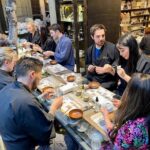
Once inside, the mood changes quickly. The setting is a small room with four working tables and around ten seats at each table, according to one detailed description. That means the class has a friendly, shared atmosphere, but it may feel crowded when every place is occupied.
I see the compact room as part of the appeal. You are close enough to watch the instructor demonstrate a technique and ask for help without waiting long. The tradeoff is that this is not a private studio session. If you prefer lots of personal space, choose a less busy starting time if availability allows.
A few more Tokyo tours and experiences worth a look
The first choice: selecting your wood
The class begins with a choice of wood. Two types are included in the standard $12 price, giving you a real decision before the carving starts. Other types may be available for an added charge.
This choice matters more than it might seem. Softer wood should be easier for a first attempt, while denser or more refined wood can require more effort. One parent specifically cautioned that the wood choice can affect how difficult the work becomes. If you are making chopsticks with children or simply want a relaxed hour, ask the instructor which included wood is easiest to shape.
The variety also adds a small lesson in materials. You can see how different pieces feel under the tool and how the grain affects the work. You are not just copying a craft project. You are learning that the finished object depends on the material as much as the maker.
Do not feel pressured to choose the most expensive option. The included woods are enough to make the activity worthwhile, and the point is the process. Upgrade only if you care about a particular appearance or want a more special keepsake.
Shaving the wood with traditional tools
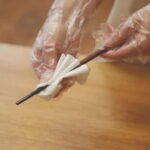
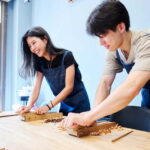
After the wood selection, the instructor shows you how to remove thin layers and begin forming the chopsticks. You work gradually, checking the shape as you go. The basic rhythm is simple: shave, inspect, adjust, and repeat.
This is where the class becomes more engaging than a standard souvenir activity. You must pay attention to the direction of the grain and the pressure of the tool. Push too hard and the wood may not respond neatly. Work too cautiously and the task takes longer. The guides step in when needed, but they let you do the work yourself.
English-speaking instructors explain the process clearly, and the teaching style appears to be a major part of the experience. Koji is praised for being positive and patient, while Mimi is noted for making sure everyone understood the directions. Yuki helped correct mistakes right away, and Masa offered steady encouragement when the wood became difficult.
That kind of support matters for beginners. You do not need previous carving experience, but you should expect to use your hands and concentrate. This is not a demonstration where you sit back and watch an artisan do everything. Your chopsticks will show your choices, your patience, and perhaps a few small imperfections.
Those imperfections are part of the charm. A handmade pair need not look factory-perfect to feel special. The instructor’s job is to help you finish safely and successfully, not to erase every sign that you made the piece yourself.
Smoothing, shaping, and finding your rhythm
As the chopsticks take form, you smooth the surface and refine the shape. The work becomes quieter at this stage. Several people describe the carving as soothing, and I can see why. Repeated hand movements, wood grain, and the steady pace give you a welcome break from Tokyo’s noise.
You will probably notice that making two chopsticks match takes care. It is easy to focus on one piece and forget to compare it with the other. Check them together as you work. Matching length and balance is part of the challenge, and the instructor can guide you if one side begins to look different.
The class is designed for beginners, but beginner-friendly does not mean effortless. Some people finish in around 30 minutes, while others need close to the advertised one-hour duration. Your pace may depend on the wood, how much personalization you want, and how carefully you smooth the surface.
Families should find the activity manageable, especially with an adult nearby and an instructor available. Children aged 8, 10, and 12 have been able to take part successfully, with guides offering patient help. Still, the tools require attention, so this is better for children who can follow step-by-step instructions than for very young kids who want a fast activity.
Personalizing the chopsticks
Once the shape is finished, you can decide how much personal detail to add. The basic experience already gives you a handmade souvenir, but optional engraving can make the result more memorable.
Laser engraving costs 2,000 yen extra. You might choose a name or another simple mark connected with your visit to Tokyo. Several people considered the engraving worth adding, especially when making chopsticks as a family or commemorating a trip.
The extra fee is significant compared with the $12 base price, so it is best to decide before you arrive how much you want to spend. If you are keeping costs low, skip the engraving and enjoy the handmade result. If you want a gift with a clear personal connection, the added name gives the chopsticks a finished, custom feel.
The staff may also take photos or videos during the activity. This is particularly useful if you are alone and want a record of the process. Mimi was specifically praised for helping solo participants with pictures, and other instructors have offered the same friendly assistance.
A few more Tokyo tours and experiences worth a look

Why chopsticks make a meaningful Japanese keepsake
Chopsticks are an everyday item in Japan, but their use carries cultural meaning. They are handled with care at the table and are connected with meals, family habits, and hospitality. Making your own pair gives you a closer look at the thought behind an object that is easy to overlook.
The activity also fits Japanese craft traditions in a modest, approachable way. You are not visiting a grand museum or watching a formal performance. You are learning through your hands, using a basic material and traditional tools to create something functional.
That makes the final souvenir more interesting than a mass-produced item. Each pair reflects the wood you chose and the shape you created. You can use them at home, display them, or give them as a present. The wrapping makes them easier to carry and ready for gifting at the end of the session.
You may also be allowed to keep the wood shavings. Some people use them later with essential oils for bath fragrance or potpourri. If you plan to take the shavings out of Japan, check the import rules for your home country first, since the raw wood is untreated.
The value of one hour for $12
At $12 per person, this is one of the easier Tokyo activities to justify. You receive instruction, materials, use of traditional tools, and a finished pair of chopsticks. Even if you skip every optional upgrade, the price is low for an activity that takes you away from sightseeing and gives you a useful keepsake.
The value is strongest if you enjoy making things. You are paying for the time, guidance, and chance to shape the object yourself, not simply for the raw wood. If your main goal is to buy inexpensive chopsticks, a shop will be faster. If you want a story attached to the souvenir, the workshop makes more sense.
Keep the add-ons in mind. Only two wood types are included, and upgraded wood can cost extra. Engraving is another 2,000 yen. Ask about any added charges before choosing, particularly if you are booking for a large family.
The class also works well as a short stop between larger Shinjuku plans. At one hour, it does not consume an entire afternoon. Some sessions may end sooner, around 30 minutes, so you can combine the activity with nearby shopping, food, or sightseeing.
How the instructors shape the experience
The teaching is the strongest part of this activity. The instructors do more than explain which tool to use. They watch your progress, step in when the wood misbehaves, answer questions, and help you recover from mistakes.
Koji receives frequent praise for his upbeat style and careful assistance. Mimi is described as patient and clear, with a talent for helping families and solo participants. Yuki is noted for correcting errors quickly and explaining the whole process in an easy-to-follow way. Masa, Shu, Fu, Mauro, Ken, Sayaka, Nana, and other staff members are also described as friendly and encouraging.
You cannot necessarily request a particular instructor, so book for the class itself rather than expecting one specific person. Still, the repeated pattern is reassuring: the activity depends on hands-on help, and the staff appear prepared to give it.
English is the listed teaching language. That makes the class a practical choice if you want cultural context and tool instructions without relying on translation apps. Clear guidance is especially useful when you are working with unfamiliar equipment.
Who should book this Shinjuku class?
I would choose this for a family wanting a calm activity with a souvenir at the end. Children who enjoy hands-on projects can take part, and the one-hour format is short enough to fit into a busy day.
It also suits couples, friends, and solo visitors. A shared worktable gives you a chance to talk with the people around you, while the staff can help take photos if you are on your own. The activity has a social side without requiring you to perform or speak in front of a group.
This is a good pick if you like practical crafts, Japanese design, or small local experiences. It is less suitable if you dislike repetitive handwork, have very little patience for shaping materials, or expect a polished professional product without effort.
The room may feel crowded, and the wood may resist you. That is not a flaw to hide. It is the honest part of making something by hand. Go in expecting guidance, not magic, and you are more likely to enjoy the process.
Practical details before you go
Meet at the 10th floor of the Shinjuku West Building. The building has 617 Bar and is close to the post office. Use the elevator rather than searching for a street-level workshop entrance. The listed coordinates are 35.6959774, 139.6984349.
The class lasts one hour, though some people complete their chopsticks in about 30 minutes. Check the available starting times when you book. The standard price is $12 per person, and you can reserve now and pay later, which helps if your Tokyo schedule is still shifting.
Cancellation is free up to 24 hours before the activity for a full refund. The experience is listed as having English instruction, and the ticket-line benefit means you can go directly to the arranged workshop rather than waiting for a separate admission process.
Wear something that lets you work comfortably at a table. The supplied information does not specify a dress code, but you should expect wood shavings and active use of hand tools. Ask the staff about keeping shavings and about any wood or engraving surcharge before you begin.
Should you book it?
Book this class if you want a small, affordable souvenir with a real connection to your time in Tokyo. The low base price, patient English-speaking instructors, family-friendly format, and chance to use traditional tools make it a strong choice for an hour in Shinjuku.
I would especially recommend it for first-time makers who want clear help without a formal or intimidating setting. Choose one of the included woods, take your time, and add engraving only if the extra 2,000 yen fits your budget.
Skip it if you want a purely passive cultural activity or if your schedule cannot spare even a flexible hour. For everyone else, this is a pleasant way to slow down, work with your hands, and go home with chopsticks that carry more meaning than anything picked up from a souvenir shelf.
FAQ
Where is the chopstick-making class held?
The meeting point is on the 10th floor of the Shinjuku West Building. It is the building with 617 Bar, near the post office, and you should use the elevator.
How much does the activity cost?
The listed price is $12 per person. Two wood types are included in that price.
How long does the workshop last?
The listed duration is one hour. Some participants finish in about 30 minutes, depending on their pace and the wood selected.
Is instruction available in English?
Yes. The instructor language is English, and English-speaking staff guide you through the process.
What will I make during the class?
You will carve, shape, smooth, and finish your own wooden chopsticks using traditional and authentic tools.
Can I choose the type of wood?
Yes. Two wood types are included. Other wood varieties may be available for an additional charge.
Is engraving included?
No. Engraving costs an additional 2,000 yen.
Is the activity suitable for children?
Yes. Children aged 8, 10, and 12 have taken part successfully, with instructors providing patient guidance. Children should be able to follow instructions when using the tools.
Can I cancel my reservation?
Yes. You can cancel up to 24 hours in advance for a full refund. You can also reserve now and pay later.
More Workshops & Classes in Tokyo
More Craft Workshops in Tokyo
More Shinjuku Tours in Tokyo
More tours in Tokyo we've reviewed












Shinjuku Tours, compared.
 ★ 5.0Tokyo: Shinjuku Food Tour (13 Dishes at 4 Local Eateries)From $86
 ★ 5.0Tokyo Bar Hopping Tour in Shinjuku (All-You-Can-Drink + Dinner)From $106
 ★ 4.9Tokyo: Shinjuku Local Bar and Izakaya Guided Walking TourFrom $343 hours
 ★ 4.9Tokyo: Shinjuku Food Tour (13 Dishes and 4 Eateries)From $97
 ★ 5.0Tokyo Night Foodie Tour in Shinjuku – Seasonal Sushi, Wagyu BeefFrom $111
 ★ 5.0Tokyo: Shinjuku Local Bar & Izakaya Crawl TourFrom $39