Reviewed · SHIBUYA TOURS
Private Handmade Ring Workshop Activity in Tokyo Shibuya
A small ring workshop on Shibuya’s Cat Street lets you take home more than a standard souvenir. You choose the metal, thickness, shape, and texture, then use Japanese metalworking methods called tankin to add the finish yourself. I like the personal help, especially for first-time makers, and I like that the ring is cleaned and ready to wear before you leave.
In This Article
- Key points to know before you book
- Starting on Cat Street in Shibuya
- Choosing the metal, shape, and finish
- Learning the Japanese tankin method
- What the private class feels like
- Shaping a ring you can actually wear
- A good choice for couples, anniversaries, and honeymoons
- Timing, price, and the value of the souvenir
- Practical strengths and small limitations
- Who should book this Shibuya workshop
- Should you book the nane tokyo ring workshop?
- FAQ
- Where does the ring-making workshop meet?
- How long does the activity take?
- Is this a private workshop?
- Is the material cost included in the price?
- Can I choose the ring material?
- Do I make the whole ring myself?
- Can I take the ring home on the same day?
- Is the workshop suitable for children?
- Are English-speaking customers supported?
- What is the cancellation policy?
The private setting also makes this a sweet date, anniversary, family, or honeymoon activity. Staff members including Hikari, Nana, and Tao have been praised for patient guidance and friendly English service. The main catch is simple: the advertised $21.80 price is the workshop fee, while the material cost is extra, and different metals or larger designs cost more.
Key points to know before you book
- You make the texture, not every part of the ring: Staff prepare and shape the base, while you choose the design and hammer the surface.
- Your ring is ready the same day: Skilled craftsmen handle the final polishing and cleaning.
- The class is private: Only your own group takes part, so you can ask questions without holding up a larger class.
- Material choice affects the final price: The basic rate does not include the metal, and silver, gold, blends, sizes, and other choices may add to the bill.
- It suits couples and families: Partners can make rings for each other, and children aged 12, 14, and 17 have taken part successfully.
- Plan for about one to one and a half hours: The making itself may be close to an hour, while the listed activity duration is approximately 90 minutes.
Starting on Cat Street in Shibuya
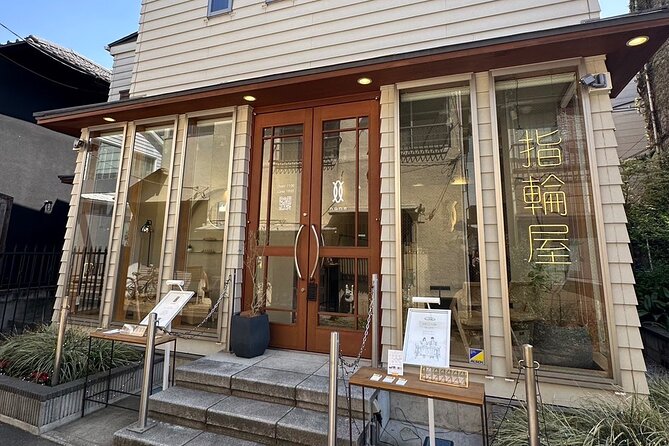
You meet at nane tokyo キャットストリート店, at 5-11-13 Jingumae, Shibuya, Tokyo 150-0001. The shop is on the first floor and the activity ends at the same place, so you do not need to manage a second meeting point or arrange transport back after the workshop.
The location makes sense for a short Tokyo activity. You can fit the ring making into a day around Shibuya, Harajuku, and Omotesando, but the workshop itself is the reason to come. I would not treat it as a quick stop between unrelated sights. Give yourself enough time to arrive calmly, choose your materials, and enjoy the making process.
The shop has been described as a small, charming boutique rather than a large industrial studio. That matters because the mood is closer to a personal jewelry appointment than a noisy group class. The private format gives your instructor time to explain the options, check your work, and answer questions as you go.
Confirmation is sent within 48 hours of booking, subject to availability. The experience is near public transportation, service animals are allowed, and most people can participate. The supplier does not set out special physical restrictions in the information provided, so you should ask in advance if you have concerns about handling tools or standing during the session.
A few more Tokyo tours and experiences worth a look



Choosing the metal, shape, and finish
The first part is design. You decide what kind of ring you want, including the material, thickness, shape, size, and surface texture. The available selection is broad enough to suit simple bands and more distinctive pieces, but you should remember that the basic advertised price is not the full cost of every ring.
This is the moment to ask for help. Staff can suggest which shape or texture will look best and explain the practical differences between the choices. If you are making rings as a couple, consider choosing each other’s designs. That small change turns the activity into a shared gift rather than two separate purchases.
The metal choice deserves careful attention. The workshop price covers the class, but materials are charged separately. A small basic ring may be the least expensive option, while different metals, gold, mixed metals, larger sizes, thicker bands, or extra design choices can increase the total.
I would ask for the final material price before work begins. Several people have found the rings more expensive than expected, not because the process was poor, but because the listed rate can look like the full ring price at first glance. Think of the payment as covering instruction and access to the workshop, with the finished piece priced according to what you select.
That structure is common sense once it is clear. You are taking home a real metal ring, not a plastic craft item. Still, a quick price check prevents an awkward surprise at the counter.
Learning the Japanese tankin method
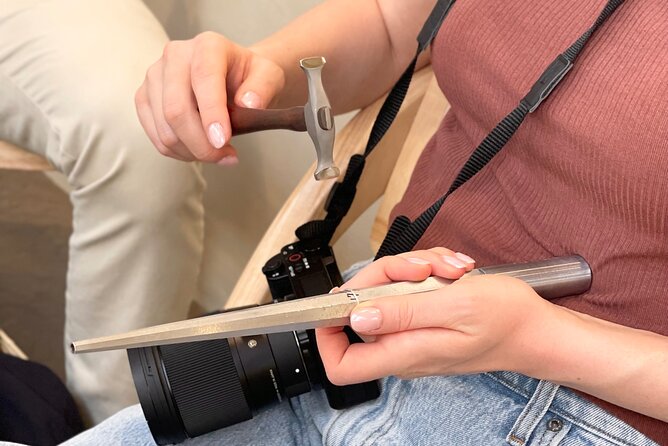
Tankin is the traditional Japanese metalworking craft used as the basis for this activity. You will learn how tools and special hammers create texture on the ring surface. The process is hands-on, but it is not a full apprenticeship in metalwork.
That distinction is important. You do not generally make the ring from raw metal from start to finish. Staff prepare the base and carry out parts of the shaping process, then you take part in choosing the design and applying the texture. The final forming, polishing, and cleaning are handled by skilled craftsmen.
I see that as a fair arrangement for a 60 to 90 minute experience. Making a finished ring entirely alone would require more time, training, and equipment. Here, you get the satisfying part of the craft without being responsible for a complicated or uneven final product.
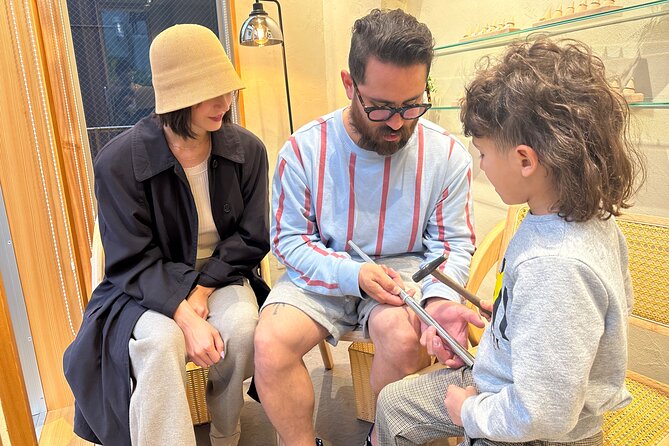
The instructor shows you how to use the hammer and tools, then watches as you try the technique. You can ask questions throughout the session. If your first strikes are not perfect, staff can help you correct the work and guide you toward a finish you like.
The texture is where your personal mark appears. Some people want a regular hammered surface, while others may prefer a less uniform look. You choose the amount and pattern of texture available through the workshop, then apply it with support. It is a small act, but it gives the ring a real connection to your time in Tokyo.
What the private class feels like
Only your group takes part, which is one of the strongest features here. A private class is especially useful for couples because you can work at your own pace and focus on each other rather than keeping up with strangers.
It also works well for a family. A family group with children aged 12, 14, and 17 was able to personalize each ring and enjoy the process together. The activity gives everyone the same basic project while leaving room for different choices in material, size, and texture.
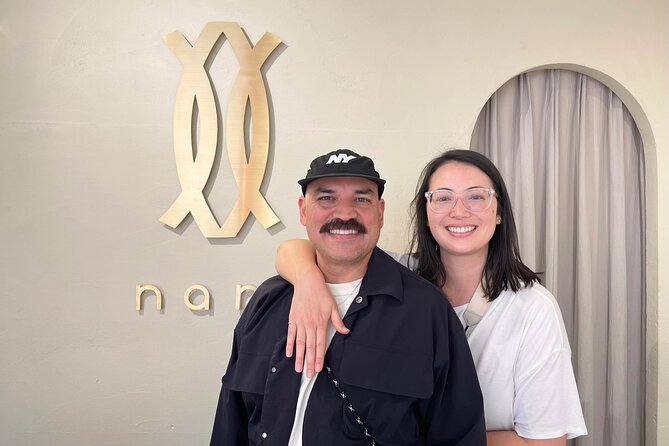
The staff style is warm and practical. Hikari has been singled out for careful guidance and kindness. Nana has been praised for her cheerful manner and easy conversation, while Tao has been noted for friendly instruction and taking photos during a wedding anniversary visit. Staff have also been described as clear when working with English-speaking customers.
You should still expect a craft lesson, not a long cultural lecture. The focus is on selecting the ring, learning the hammering technique, and completing a wearable souvenir. If you want a detailed history of Japanese metalworking, this is probably too short. If you want to try a traditional technique and leave with something useful, the format works well.
Some staff members take photographs during the process and may send them to you. This is not presented as a separate guaranteed photo package, so I would treat it as a welcome extra rather than the main reason to book.
Shaping a ring you can actually wear
After you choose the design, the ring base is formed and fitted to your selected size with staff support. You then work on the surface texture. The instructor checks your technique and helps keep the shape on course.
This division of labor makes the experience approachable. You get to handle the tools and make visible changes, but a trained person protects the final result. If you make a mistake, staff can help fix it. That safety net matters when the ring is meant as a wedding band, anniversary gift, engagement keepsake, or special souvenir.
The final product is not identical to a factory-made ring. The hammered texture gives it a handmade look, and small differences are part of its character. At the same time, the staff complete the technical finish, so you are not left with a rough-edged object that needs another appointment.
The shop’s craftsmen polish and clean each ring at the final stage. You can take it home the same day. That is a major advantage for visitors with a short Tokyo stay. You do not need to return later or arrange international shipping.
Do keep your expectations accurate. You are not solely hand-making every stage of the piece. You are choosing the design and adding the surface work, while professionals handle the base and final finish. For many people, that balance is ideal. For someone specifically seeking a full start-to-finish metalsmithing class, it may feel limited.
Other private tours in Tokyo





A good choice for couples, anniversaries, and honeymoons
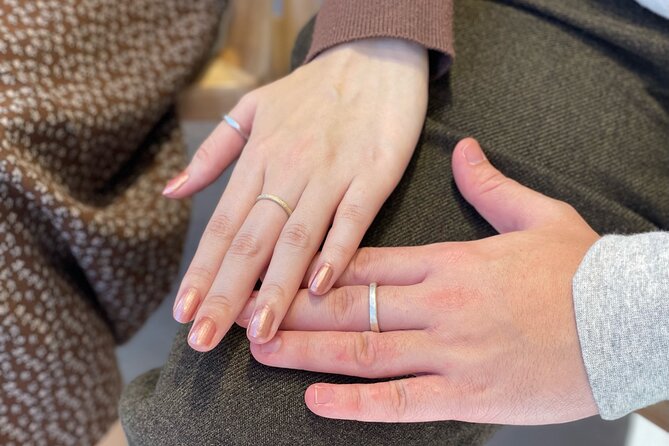
This activity has a natural place in a romantic Tokyo itinerary. Couples can make matching rings, contrasting rings, or rings for each other. The physical souvenir lasts longer than a meal or a photograph, and the design carries a memory of the trip.
It also suits an anniversary. One especially nice idea is to have each person make the other’s ring. You are not just selecting jewelry together. You are spending time shaping a gift for the person beside you.
The workshop has also been used for wedding rings and honeymoon keepsakes. I would be cautious about treating the session as a replacement for a formal custom jewelry consultation, since the class is short and the options are set by the shop. But it can create a meaningful pair of bands with a personal surface finish.
Families can make good use of it too. Every participant can choose an individual style, so the activity does not force a group into identical rings. Teenagers may appreciate that they get a real object to wear rather than a child-oriented craft.
Solo participants can also join, though the strongest emotional payoff comes from making a ring with someone close to you. The private format means you are not placed into a larger public class, which helps keep the mood personal.
Timing, price, and the value of the souvenir
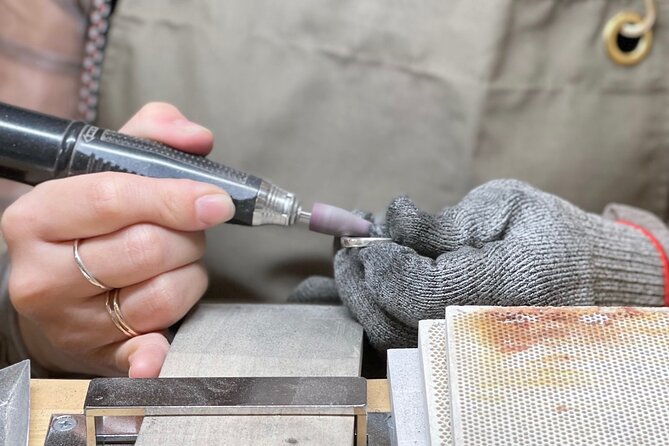
The stated duration is approximately one hour and 30 minutes. The workshop description also says the making takes around one hour. I would allow the full 90 minutes, since choosing materials, deciding on a texture, receiving instruction, and completing the final polishing all take time.
At $21.80 per person, the initial price looks accessible. The important qualification is that the cost of materials is not included. The final amount depends on your ring and its metal, so the experience can become noticeably more expensive than the starting figure.
The best way to judge the value is to separate the payment into two parts. You are paying for a private activity with personal instruction, and you are paying for a genuine ring made from the material you choose. If you only want the cheapest possible piece of jewelry, this is not the right purchase.
If you value a hands-on memory, the price makes more sense. You receive a ring, take part in its design, apply part of the texture yourself, and leave with it the same day. Some people still find the result overpriced, especially when comparing it with ordinary rings in Tokyo shops. I think the experience is worth considering as a craft activity first and a jewelry purchase second.
Before you start, ask what your selected metal and size will add to the total. That one question lets you decide clearly instead of discovering the full amount at the end.
Practical strengths and small limitations
The strongest practical benefit is same-day collection. Many Tokyo craft experiences involve shipping or a later pickup, but this one lets you place the finished ring in your luggage immediately.
The second benefit is personal attention. In a private class, your instructor can answer repeated questions, adjust the explanation, and help if your hammering needs correction. That is useful for people who have never worked with metal tools.
English communication has been described as clear, which is reassuring for international visitors. Still, the craft vocabulary may be new, so do not hesitate to ask for a demonstration before you begin.
The main limitation is the partial nature of the making. You contribute meaningfully, but staff handle the base and final polishing. The activity title may lead you to picture a complete start-to-finish process, so it is worth knowing the actual division of work.
Another limitation is price clarity. The starting price does not include materials, and the final cost can rise with your choices. I would not book this as a bargain souvenir.
The free cancellation policy is useful if your schedule changes. You can cancel for a full refund up to 24 hours before the start time. Changes or cancellations made less than 24 hours ahead are not accepted for a refund, and the cut-off follows Tokyo local time.
Who should book this Shibuya workshop
I would recommend it for:
- Couples marking an anniversary, engagement, wedding, or honeymoon
- Parents and older children who want a shared Tokyo activity
- Visitors seeking a small souvenir with a personal story
- People who enjoy craft workshops but do not need a full professional course
- Anyone with enough room in the budget for material upgrades
I would think twice if your top priority is the lowest possible jewelry price. I would also look elsewhere if you want to forge, shape, and finish a ring entirely on your own.
For most people, the appeal is the combination of choice, guided hammering, and a finished item in hand before leaving. You get a short, focused experience rather than a full day at a metalsmith’s bench. That makes it easy to fit into Tokyo plans, but it also limits how much technical work you personally complete.
Should you book the nane tokyo ring workshop?
Book it if you want a personal Tokyo keepsake and understand that the workshop fee does not include the metal. The best part is not simply owning a ring. It is choosing the style with someone you care about, adding the texture yourself, and watching the staff turn the work into a polished piece.
I especially like it for couples and families because the private format keeps the attention on your group. Hikari, Nana, Tao, and the other instructors provide the kind of hands-on help that makes the process relaxed rather than intimidating.
Go in with a clear budget and realistic expectations. You will not complete every stage alone, but you will make meaningful design choices and take home a wearable reminder of Tokyo the same day. For a distinctive souvenir with a story behind it, this is a strong pick. For inexpensive jewelry or advanced metalworking practice, spend your money elsewhere.
FAQ
Where does the ring-making workshop meet?
It meets at nane tokyo キャットストリート店, 5-11-13 Jingumae, Shibuya, Tokyo 150-0001. The activity ends back at the same meeting point.
How long does the activity take?
The listed duration is approximately one hour and 30 minutes. The workshop description says the ring-making process takes around one hour, so allowing the full 90 minutes is sensible.
Is this a private workshop?
Yes. Only your own group participates in the activity.
Is the material cost included in the price?
No. The workshop price is included, but the cost of materials is separate. Your final price depends on the ring material and design choices.
Can I choose the ring material?
Yes. You can choose the material, along with the ring’s thickness, shape, size, and texture. Different options may cost extra.
Do I make the whole ring myself?
No. You select the design and apply the texture with the hammer and tools. Staff prepare the base and skilled craftsmen complete the final polishing and cleaning.
Can I take the ring home on the same day?
Yes. The finished ring can be taken home on the day of the workshop.
Is the workshop suitable for children?
Most people can participate, and a family group with children aged 12, 14, and 17 took part. The provided information does not specify a formal minimum age.
Are English-speaking customers supported?
The staff have provided clear English-speaking customer service. You can also ask the instructor questions throughout the private class.
What is the cancellation policy?
You can cancel up to 24 hours before the start time for a full refund. Cancellations or changes made less than 24 hours before the activity are not accepted for a refund.
More Workshops & Classes in Tokyo




More Private Tours in Tokyo
More Shibuya Tours in Tokyo



More tours in Tokyo we've reviewed












Shibuya Tours, compared.
 ★ 5.0Official Street Go-Kart in ShibuyaFrom $76
 ★ 5.0Shibuya Meltdown Nightlife Tour: All-You-Can-Drink Bar HoppingFrom $106
 ★ 4.9Tokyo: Street Kart Experience in ShibuyaFrom $99
 ★ 5.0Shibuya Official Street Go-Kart in Shibuya AnnexFrom $69
 ★ 5.0Tokyo: Shibuya Food Tour (13 dishes and 4 Eateries)From $77
 ★ 5.0Best of Shibuya Food TourFrom $217