Reviewed · ASAKUSA TOURS
Yanaka and Asakusa Walk around DOWNTOWN TOKYO like a local
Tokyo feels most human in its older neighborhoods, where temple grounds, family shops, cemetery paths, and snack counters sit close together. This private Yanaka and Asakusa walk links two very different parts of downtown Tokyo, ending among the lanterns of Senso-ji.
In This Article
- Key points at a glance
- Why this Tokyo walk works so well
- Starting at Nippori Station and entering Yanaka
- Yanaka Cemetery and the temple lanes
- Yanaka Ginza’s old-fashioned shopping street
- A short stop for Japanese traditional crafts
- Senso-ji after dark
- Nakamise Shopping Street and Kaminarimon Gate
- What the private format adds
- Timing, transport, and walking effort
- Who should book this walk
- Booking details worth knowing
- Should you book the Yanaka and Asakusa walk?
- FAQ
- Where does the tour start?
- What time does the tour begin?
- Where does the tour end?
- How long does the experience last?
- Is this a private tour?
- What is included in the price?
- Is public transportation included?
- Is insurance included?
- What places are visited?
- Is the walk suitable for everyone?
- What is the cancellation policy?
I like the personal pace and the useful route. You get a guide who can explain what you are seeing, plus a local drink and snack, rather than simply following a checklist of sights. I also like that the walk includes both Yanaka’s quiet lanes and Asakusa’s grand temple setting.
The main consideration is the price: at $98.83 per person, it is a serious spend for three and a half hours, and public transportation costs another ¥210 per person. You also need a moderate level of fitness for a walking tour that crosses neighborhoods.
Key points at a glance

- Start in Yanaka Cemetery: Walk among temples and cherry trees in one of Tokyo’s older districts.
- Taste the neighborhood: Yanaka Ginza brings local street food and everyday shopping to the route.
- Learn about crafts: The Edo Taito Traditional Crafts Center offers a short look at handmade Japanese work.
- Finish at Senso-ji: See the temple gate, lanterns, Nakamise shops, and Tokyo Sky Tree views in the evening.
- Keep the experience private: Your group has the guide to itself, allowing for questions and a more flexible feel.
- Meet Hiroko at 3:30 pm: She can also help with practical needs, such as dinner arrangements, based on the experience described here.
Why this Tokyo walk works so well

The clever part of this experience is the contrast between Yanaka and Asakusa. Yanaka feels quiet and local, with temples, grave markers, and modest shops. Asakusa is more theatrical, centered on Senso-ji, its enormous gates, lanterns, and souvenir street.
On your own, you can certainly reach both districts. The challenge is knowing what deserves your attention and how the pieces fit together. A private guide gives you a person to ask about customs, buildings, food, and neighborhood life as you walk.
Hiroko is the named guide associated with this experience. Her approach includes taking photos for your group and helping with a dinner reservation after the walk when needed. She even walked one group to the restaurant, a small but useful touch if you are tired or unsure where to go next.
You should not expect a rushed parade of every attraction in the area. The scheduled stops are short in several places, so the value comes from the explanations, the route, and the chance to ask questions. If you prefer long museum visits or extensive free time for shopping, this may feel too structured.
A few more Tokyo tours and experiences worth a look



Starting at Nippori Station and entering Yanaka
The walk begins at Nippori Station at 3:30 pm. This is a practical meeting point because Yanaka is the first district, and the route then continues toward Asakusa rather than doubling back.
A mobile ticket makes the meeting process simple, but you should still allow enough time to find the correct station exit and guide. The supplied meeting address is 2 Chome-19 Nishinippori, Arakawa City, Tokyo 116-0013.
From there, you walk through the Yanaka area toward the cemetery and nearby temples. This opening section sets the tone. Tokyo is often pictured through neon signs and packed train platforms, but Yanaka offers a slower view of the city.
Yanaka Cemetery and the temple lanes

The Yanaka Cemetery stop lasts about 15 minutes, with admission included. You walk through the cemetery and temple area, where cherry trees line parts of the streets.
This is not a conventional sightseeing stop with one grand building to enter. It is a place to notice small details: the arrangement of graves, temple grounds, narrow lanes, and the way daily life continues around sacred spaces. Your guide can add context that would be easy to miss if you simply walked through on your own.
The short time here is both a strength and a limit. It keeps the tour moving toward Asakusa, but it does not allow for a slow, reflective visit to every temple or a long photography session. If you want to linger, tell Hiroko early and see what flexibility is possible within the private format.
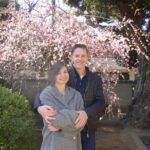
Cherry blossom trees make this section especially appealing in season, though the experience does not depend entirely on blossoms. The temples and cemetery provide the setting even when the trees are not flowering.
Yanaka Ginza’s old-fashioned shopping street

The next stop is Yanaka Ginza Shopping Street, with about 30 minutes to look around. This is one of the most useful parts of the walk for anyone who wants to see an ordinary shopping district rather than only famous monuments.
Yanaka Ginza is described as an old-fashioned street for local food and daily goods. You can use the time to watch the rhythm of small shops, browse practical items, and try local street food. One drink and one snack are included, which gives you a chance to taste something without having to guess what to order.
The included refreshment is modest, but it matters on a walking tour. You get a break, a taste of the neighborhood, and a chance to ask your guide about the food in front of you. Bring extra money if you want to buy more snacks or souvenirs.
Thirty minutes passes quickly. I would treat this as a sampling stop, not a full shopping visit. The private format may help if you have a specific interest, but the schedule still needs to move on to Asakusa.
A short stop for Japanese traditional crafts

The Edo Taito Traditional Crafts Center, also called the Edo Shitamachi Traditional Crafts Museum, receives about 15 minutes. You can see examples of traditional crafts produced in Asakusa and gain a basic view of Japanese handwork.
This stop is brief, so it is best understood as an introduction rather than a full museum visit. It adds another layer to the route: after seeing food and everyday shopping in Yanaka, you get a look at skilled work associated with Tokyo’s old downtown districts.
For many people, the value here is the explanation. Handmade objects can be easy to admire without understanding how they are made or why they matter. A guide can point out details and give you a better sense of Japanese artistic traditions.
If crafts are your main interest, ask questions while you are there. Fifteen minutes is enough for a focused look, but not enough for a leisurely study of every display.
A few more Tokyo tours and experiences worth a look

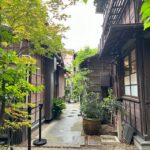
Senso-ji after dark

Senso-ji is the major stop, with about 40 minutes. It is one of Tokyo’s best-known and most historic temples, and the evening timing gives you a different experience from a daytime visit.
The temple gate and lanterns are the visual payoff. As daylight fades, the illuminated entrance takes on a strong presence, and the setting feels more atmospheric than a quick daytime photograph can suggest. You also get views toward Tokyo Sky Tree, one of the city’s most recognizable modern landmarks.
The tour does not include a long formal temple visit or a special entry arrangement. Instead, you walk through the landmark area with your guide, taking in the gate, lanterns, and surrounding activity. That makes the 40-minute stop a good fit if you want orientation and atmosphere.
Senso-ji can be crowded, and the tour information does not promise quiet conditions. Keep your expectations realistic. You are visiting a major Tokyo sight, not a private temple courtyard. The guide’s value is helping you focus on the important parts and understand what you are seeing.
Nakamise Shopping Street and Kaminarimon Gate

The final stop is Nakamise Shopping Street near Kaminarimon Gate, with about 20 minutes. This is where the route becomes especially easy to enjoy after the temple visit.
Nakamise offers rice crackers, red bean sweets, and traditional souvenirs. You can sample familiar Japanese flavors, pick up small gifts, or simply walk beneath the shopfronts toward the gate. The street gives you a direct connection between Senso-ji and the commercial side of Asakusa.
Again, twenty minutes is enough for a taste, not a major shopping expedition. If you already know you want souvenirs, decide what interests you before the tour ends. The guide can help explain foods or products, but the walk will not leave unlimited time for comparing shops.
The official end point is Asakusa-Kaminarimon, at 2 Chome-16 Kaminarimon, Taito City. Ending here is convenient because you finish beside one of Asakusa’s key landmarks rather than having to return to Yanaka.
What the private format adds

A private tour means only your group participates. That changes the experience in practical ways. You can ask more questions, pause for a photo, and explain what interests you without worrying about holding up strangers.
The available information suggests that Hiroko is attentive beyond the basic route. She took photos for one group, helped arrange a dinner reservation, and walked them to the restaurant afterward. That sort of help can be valuable on your first evening in Tokyo, especially when restaurant names, booking customs, and directions feel unfamiliar.
Still, do not treat extra help as a guaranteed part of the advertised route. The confirmed inclusions are a professional guide, one drink, and one snack. Dinner, restaurant costs, and any reservation are separate.
The private setup also explains part of the price. At $98.83 per person, the tour costs more than joining a large group or walking the same districts with a map. You are paying for a personal guide, a connected route, local food, and the convenience of moving from Yanaka to Asakusa with someone handling the explanations.
The value is strongest for first-time visitors, couples, families, and small groups who want personal attention. If you are already comfortable navigating Tokyo and enjoy researching temple districts yourself, the price may be harder to justify.
Timing, transport, and walking effort
The experience lasts about three hours and 30 minutes and starts at 3:30 pm. That timing lets you see Yanaka in late afternoon and Senso-ji during the evening portion, including the temple gate and lantern views.
Public transportation is not included. The stated cost is ¥210 per person, so budget for that on top of the tour price. Insurance is also not included.
You need moderate physical fitness. The route combines neighborhood streets, temple areas, shopping streets, and transfers between districts. The information does not state the exact distance or number of steps, so wear comfortable shoes and expect to stay on your feet for much of the experience.
A drink and snack are included, but this is not a full meal. Eat beforehand if you need a substantial dinner, or plan to eat after the tour in Asakusa. Hiroko may be able to help with a reservation, but that is practical assistance rather than part of the paid inclusions.
Who should book this walk
I would recommend this experience to you if you want more than a quick photo at Senso-ji. The route gives you temples, a cemetery, local shopping, food, crafts, and a major landmark in one connected outing.
It is also a good choice if you value a human guide over a fixed audio tour. Hiroko’s personal attention, photo help, and willingness to assist with dinner plans make the experience useful for people who want support as well as sightseeing.
Families and small groups may appreciate the private format because the pace can feel less formal. Couples may like the late-afternoon start and evening temple views. The walk also suits first-time visitors who want an introduction to two older Tokyo districts without spending a full day on a single neighborhood.
I would be more cautious if you have limited mobility, dislike walking, or want extensive time inside museums and shops. The schedule moves through several stops, and some visits last only 15 or 20 minutes.
Booking details worth knowing
Confirmation is sent within 48 hours of booking, subject to availability. The experience is near public transportation and uses a mobile ticket.
Free cancellation is available if you cancel at least 24 hours before the local start time. Cancellations or changes made less than 24 hours before the start are not accepted for a refund.
The tour provider is ALL STAR OSAKA WALK. Despite the company name, this experience takes place in Tokyo, beginning near Nippori Station and ending at Asakusa-Kaminarimon.
Should you book the Yanaka and Asakusa walk?
Book it if you want a private, guided introduction to old Tokyo and like the idea of ending at Senso-ji as the lights come on. The route is varied, the start and end points are practical, and Hiroko adds personal help that can make the evening easier.
Skip it if $98.83 feels too high for a short walk, or if you prefer to explore at your own speed. You can visit these districts independently, but you will give up the guide’s explanations, the included snack and drink, and the convenience of a planned route between Yanaka and Asakusa.
For the right visitor, the price buys clarity and companionship, not just entrance to famous sights. That is the real reason to choose it.
FAQ
Where does the tour start?
The tour starts at Nippori Station, at 2 Chome-19 Nishinippori, Arakawa City, Tokyo 116-0013, Japan.
What time does the tour begin?
The start time is 3:30 pm.
Where does the tour end?
The tour ends at Asakusa-Kaminarimon, also known as Asakusa-Kaminarimon Gate, at 2 Chome-16 Kaminarimon, Taito City, Tokyo 111-0034.
How long does the experience last?
The walk lasts approximately three hours and 30 minutes.
Is this a private tour?
Yes. Only your group participates in the activity.
What is included in the price?
The price includes a professional guide, one drink, and one snack.
Is public transportation included?
No. Public transportation costs ¥210 per person and is not included.
Is insurance included?
No. Insurance is not included.
What places are visited?
The route includes Yanaka Cemetery, Yanaka Ginza Shopping Street, the Edo Taito Traditional Crafts Center, Senso-ji Temple, and Nakamise Shopping Street near Kaminarimon Gate.
Is the walk suitable for everyone?
Participants should have a moderate level of physical fitness. The experience is a walking tour through several Tokyo neighborhoods.
What is the cancellation policy?
You can cancel for a full refund up to 24 hours before the experience start time. Cancellations or changes made less than 24 hours before the start are not accepted for a refund.
More Walking Tours in Tokyo



More Ueno & Yanaka Walks in Tokyo
More Asakusa Tours in Tokyo

More tours in Tokyo we've reviewed












Asakusa Tours, compared.
 ★ 4.8Tokyo: Japanese Dance Cabaret Theater Asakusa-Kaguwa TicketFrom $492 hours
 ★ 4.7Tokyo: Meiji Shrine, Asakusa, Skytree Bus Tour and CruiseFrom $12210 hours
 ★ 4.9Tokyo: Roll and Authentic Sushi Making Class in AsakusaFrom $581h 40m
 ★ 4.8Tokyo: Asakusa Walking Tour with Sensoji Temple VisitFrom $222 hours
 ★ 5.0Tokyo Asakusa Rickshaw TourFrom $42
 ★ 4.5Tokyo Panoramic 1 Day: Meiji Shrine, Asakusa, Odaiba and SKYTREE®From $85