Reviewed · SAMURAI & NINJA EXPERIENCES
Tokyo: Elite Ninja Experience for Solo Travelers, 90 min
Tokyo’s Honjin Dojo offers something more focused than a costumed photo stop. In a small session limited to two participants, you learn formal bows, stealth steps, shuriken throwing, short-sword handling, and blowgun shooting, with time to ask questions along the way. The training draws on techniques said to date back more than 420 years.
In This Article
- Key points at a glance
- A private ninja lesson in central Tokyo
- Starting with meditation and dojo etiquette
- Changing into the dogi
- Five skills packed into 90 minutes
- Stealth steps
- Shuriken throwing
- Short-sword handling
- Blowgun shooting
- One secret technique
- An authentic-feeling setting, with limits
- What the $132 price really covers
- Finding the dojo in Matsugaya
- Who will enjoy this most
- Important booking rules before you commit
- Should you book the Honjin Dojo session?
- FAQ
- How long does the ninja experience last?
- Where does the experience take place?
- What landmarks identify the dojo building?
- How many participants can join?
- Is the ninja outfit included?
- Is a sword provided?
- What activities are included in the session?
- Can children take part?
- Can I request a specific start time?
- Is the experience refundable if I cancel?
I like the small group size and the fact that your dogi outfit and wooden sword are provided, so you can arrive with nothing but comfortable clothes. I also like the mix of physical practice and explanation, including clan history and dojo etiquette. The main drawback is the price: at $132, this is a serious splurge for 90 minutes, and the strict cancellation policy means you need to be sure before booking.
Key points at a glance
- Only two participants: The session is designed for a very small group, giving you room to ask questions and repeat movements.
- More than sword posing: You practice stealth steps, shuriken throwing, a short sword, a blowgun, and one secret technique.
- Outfit and equipment included: Dogi rental, wooden sword rental, an instructor, and an interpreter are covered.
- A formal start: Meditation, bowing, and dojo etiquette set the tone before weapons practice begins.
- Asakusa location: The dojo is on the third floor at 3-Chome 1-13 Matsugaya, in Taito City.
- Plan carefully: The booking is non-refundable, and spectators pay an additional 2,500 yen at arrival.
A private ninja lesson in central Tokyo
The best reason to book this experience is its scale. The session is limited to two participants, which makes it feel like a lesson rather than a staged show. You are not simply handed a sword for a photograph. You are shown how to stand, bow, move, and handle each item before trying it yourself.
The session lasts about 90 minutes. That is enough time to cover several skills without turning the class into an all-day commitment. You can also ask questions during the training, a useful feature if you want more than a quick introduction to ninja weapons.
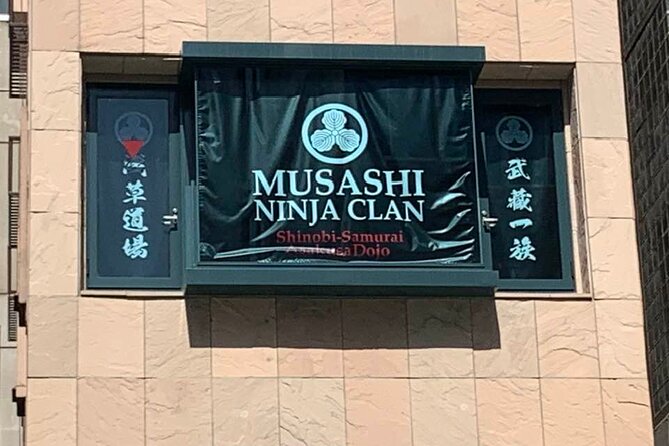
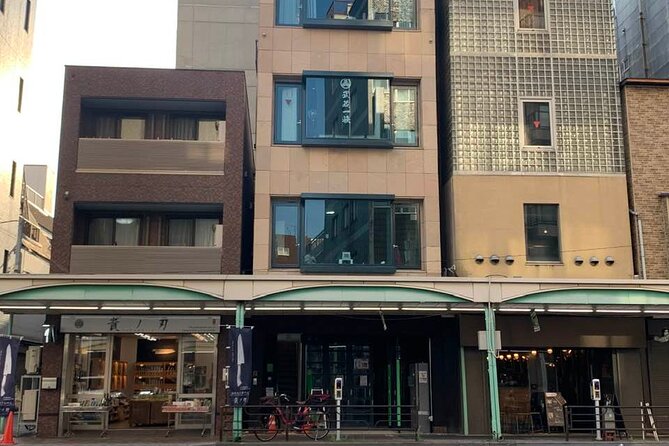
The dojo is called Musashi Ninja Clan Shinobi Samurai Honjin Dojo. It sits in Matsugaya, in Tokyo’s Taito City. The exact address is the third floor of Matsugaya, 3-Chome 1-13. Look for the five-story beige building between the Japanese knife shop Takanojin and the coffee shop Sensing Touch of Earth. A red cafe bar called Kiraku is on the first floor.
That address matters. The meeting details are specific, but the building is not described as a large tourist attraction with an obvious street entrance. Give yourself time to locate the right building, then go up to the third floor. If you provide your hotel name, the dojo can give you directions.
A few more Tokyo tours and experiences worth a look

Starting with meditation and dojo etiquette
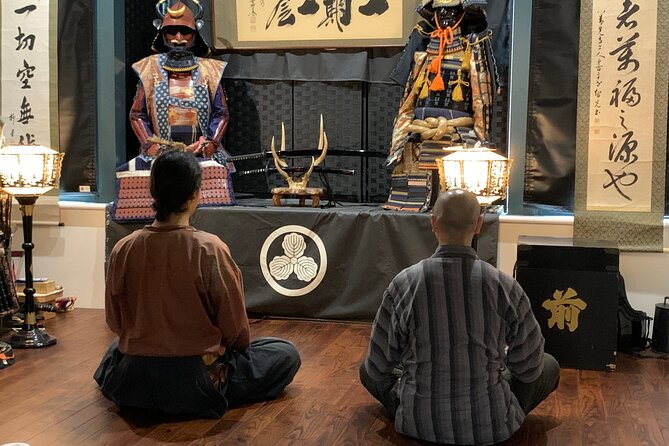
The class opens with meditation. This may sound surprising if you are expecting a fast run through weapons, but it gives the session a clear rhythm. The emphasis is not only on action. You first learn that the setting has rules and that attention matters.
You are also taught how to bow and behave in the dojo. This is one of the more useful parts of the experience because it gives context to the physical training. The bow is not just a theatrical gesture for a photograph. It helps explain how the lesson is organized and why quiet, careful conduct is expected.
The instructor then demonstrates the techniques before asking you to try them. That order is helpful for first-time participants. You can watch the movement in full before breaking it into smaller steps.
An interpreter is included, and the class combines instruction with explanations about the clan and its traditions. The names of the instructor and interpreter are not provided in the booking details, so you should not expect to choose a particular teacher. What is clear is that the class uses one instructor and one interpreter to guide the lesson.
Changing into the dogi
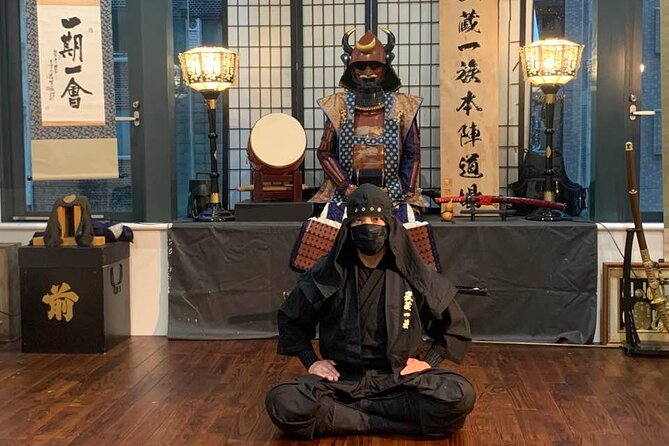
You change into a dogi, the traditional training outfit, before the weapons work begins. The rental is included, as is the wooden sword, known as a bokken. This keeps the experience simple for someone packing light or fitting the class into a busy Tokyo day.
The outfit also changes the feel of the session. You are not handling a practice sword in street clothes while posing for a quick picture. You are dressed for the lesson and introduced to the setting as a participant.
The practical point is that you do not need to buy or arrange equipment in advance. The dojo supplies the dogi and bokken, along with instruction and interpretation. Food, drinks, hotel pickup, and hotel drop-off are not included, so plan around the class rather than expecting a full half-day package.
Five skills packed into 90 minutes
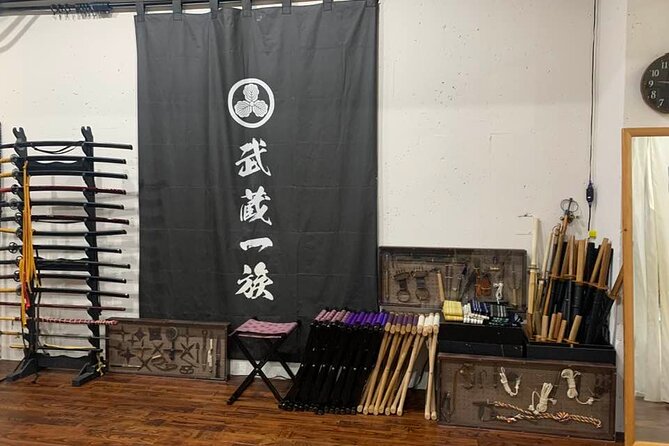
The experience is described as an Elite Ninja 5-Tech session. Its sequence covers several different parts of ninja training, and each one offers a different kind of challenge.
Stealth steps
You learn how to move quietly and with control. This is less about speed than awareness. You will need to pay close attention to foot placement and posture while following the instructor’s demonstration.
For many people, this may be the most unfamiliar part of the class. Sword handling can look dramatic, but quiet movement requires patience. The dojo’s rule about staying attentive makes sense here. If you chat while another participant is training or stop paying attention, you may be asked to leave.





Shuriken throwing
The class introduces shuriken, often called ninja stars. You learn how to throw them under instruction, rather than simply handling them as props.
This is one of the activities that makes the session feel hands-on. It also requires you to follow directions closely. The experience is presented as a safe way to learn basic techniques, but the dojo’s conduct rules still matter. Listen before you throw and follow the instructor’s directions throughout.
Short-sword handling
You practice with a short sword as part of the lesson. The included bokken is wooden, which makes it a training tool rather than a sharp blade. That is an important distinction for anyone who wants an introduction without handling a live weapon.
The class also teaches a set of movements called the Sunset Cloud. The supplied information does not spell out every movement in that sequence, so you should expect to learn it by demonstration and practice rather than arrive with a detailed technical syllabus.
Blowgun shooting
The class gives you a chance to try a blowgun. It is a welcome change of pace after footwork and sword movements, and it adds another side of ninja tools to the session.
The details do not specify the exact range, number of shots, or target setup. You should treat it as a guided introduction rather than a full archery-style lesson.
One secret technique
The final technique is presented as one of the dojo’s secrets. The name and details are not given in advance, which is part of the fun. You will learn what it involves during the session.
The class also leaves time for questions and for learning something additional if the schedule allows. That flexibility is valuable in such a small group. You may want to ask about the weapons, the clan, or the meaning behind a movement rather than rushing from one activity to the next.
An authentic-feeling setting, with limits
The dojo has a traditional atmosphere, and the training includes meditation, bowing, clan history, and formal conduct. That combination gives the lesson more substance than a simple martial-arts demonstration. The setting has also been described as nicely arranged, with a temple-like feel.
Keep your expectations sensible. A 90-minute session cannot turn you into a ninja or provide a full study of Japanese martial history. The value is in getting a close-hand introduction to a few techniques and the customs that surround them.
The word authentic can mean many things in Tokyo. Here, it is best understood as a structured practice session with traditional elements, not as proof that every technique is unchanged from the past. The experience presents its methods as dating back over 420 years, but the class itself is designed for modern participants and short-stay visitors.
That balance works well. You get a taste of the discipline without signing up for a long course.
What the $132 price really covers
At $132, this is not a bargain activity. You are paying for a highly limited session, an instructor, an interpreter, outfit rental, wooden sword rental, and access to several guided activities. The two-person maximum is the key value point.
If you compare it with a large group class, the price may feel high. If you want personal attention, the equation looks better. A very small group allows you to ask questions, correct your movements, and spend more time practicing than you might in a crowded demonstration.
The price also covers items that could otherwise create hassle. You do not need to arrange a dogi or bokken, and you do not need to know the etiquette before arriving. You should still consider how much you value the historical explanation and the private setting. Someone mainly seeking a dramatic photograph may find cheaper options elsewhere.
The activity is listed as an admission ticket free experience in the session details, but the advertised tour price is $132. Treat the $132 amount as the cost to plan for when comparing this activity with other Tokyo experiences.
Finding the dojo in Matsugaya
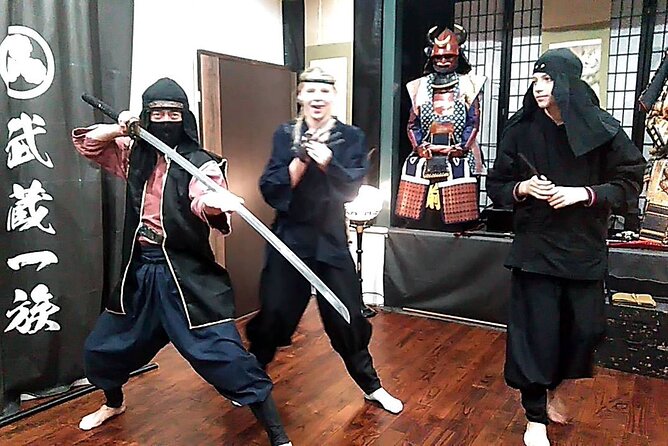
The meeting point is:
Japan, 〒111-0036 Tokyo, Taito City, Matsugaya, 3-chome 1-13, Mets Hachibankan, third floor.
The building is beige and five stories high. It is between Takanojin, a Japanese knife store, and Sensing Touch of Earth, a coffee shop. On the ground floor, look for the red cafe bar Kiraku.
The experience begins and ends at the dojo. There is no hotel pickup or drop-off. The provider can offer directions if you give them your hotel name, which is worth doing if you are unfamiliar with the area or concerned about finding the entrance.
Start times are variable. If you need a particular time, ask the dojo to check availability rather than assuming every listed time is guaranteed. This flexibility can help you fit the class between sightseeing in Asakusa and other Tokyo plans, but it also means you should confirm the start time before building a tight schedule around it.
Who will enjoy this most
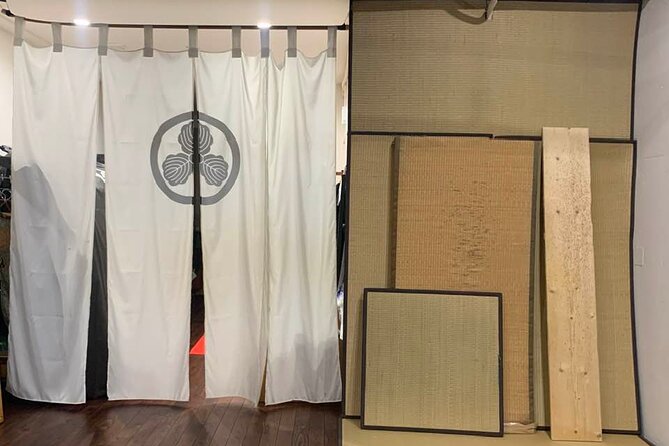
I would recommend the class to a solo visitor or pair who wants a focused cultural activity rather than a large entertainment show. It is especially suited to people interested in samurai history, ninja tools, martial arts, and the rules of traditional training spaces.
It also works for someone who prefers to ask questions. The two-person limit and interpreter give you a better chance to clarify a movement or ask about the clan’s history.
Children under 12 must be accompanied by a participating adult. Most people can take part, and service animals are allowed. The dojo does require attention and quiet while others train, so this is not a good choice for someone who does not want to follow instructions or sit through formal explanations.
You do not need to purchase equipment. The dogi and bokken are included, and tuition is part of the experience. Food and drinks are not included, so plan a meal before or after the class.
Important booking rules before you commit
This experience is non-refundable and cannot be changed for any reason after booking. If you cancel or request an amendment, the amount paid will not be returned.
The activity also requires good weather. If poor weather causes the dojo to cancel, you are offered a different date or a full refund. That policy is worth noting because it gives you protection when the cancellation comes from the provider, but not when your own plans change.
Confirmation is sent within 48 hours of booking, subject to availability. Since start times are flexible and the class has a maximum of two participants, book only after you are confident about your Tokyo schedule.
Spectators are not free. Anyone watching without participating pays 2,500 yen per person upon arrival. Children under 12 need a participating adult, so check the adult arrangement before bringing a younger child.
Should you book the Honjin Dojo session?
Book it if you want close personal instruction, traditional etiquette, and a varied introduction to ninja weapons in a quiet, small setting. The meditation, bowing, clan explanation, stealth steps, shuriken, bokken, blowgun, secret technique, and final photographs give the 90 minutes a clear shape.
Skip it if your main goal is a cheap activity, a long historical tour, or an advanced martial-arts course. The $132 cost is easiest to justify when you value the two-person limit, interpreter, equipment rental, and chance to ask questions.
For the right person, this is a memorable way to spend part of a Tokyo day. Just locate the third-floor dojo carefully, confirm your start time, arrive ready to pay attention, and treat the class as training rather than a costume photo session.
FAQ
How long does the ninja experience last?
The session lasts approximately 90 minutes.
Where does the experience take place?
It takes place at Musashi Ninja Clan Shinobi Samurai Honjin Dojo, on the third floor at Matsugaya, 3-Chome 1-13, Taito City, Tokyo.
What landmarks identify the dojo building?
The dojo is in a five-story beige building between the Japanese knife store Takanojin and the coffee shop Sensing Touch of Earth. The red cafe bar Kiraku is on the first floor.
How many participants can join?
The Elite Ninja 5-Tech session has a maximum of two participants.
Is the ninja outfit included?
Yes. Dogi outfit rental is included.
Is a sword provided?
Yes. A bokken, or wooden sword, is included.
What activities are included in the session?
The session includes meditation, an instructor demonstration, changing into a ninja outfit, an introduction to ninja weapons and tools, stealth steps, shuriken throwing, short-sword handling, blowgun shooting, a secret technique, and photographs.
Can children take part?
Children under 12 must be accompanied by a participating adult. Most people can participate.
Can I request a specific start time?
Start times are variable. You can provide your preferred time, and the dojo will check its availability.
Is the experience refundable if I cancel?
No. The experience is non-refundable and cannot be changed for any reason. If the provider cancels because of poor weather, you are offered a different date or a full refund.
More Samurai & Ninja Experiences in Tokyo


More tours in Tokyo we've reviewed












Samurai & Ninja Experiences, compared.
 ★ 4.5Tokyo: Samurai Restaurant Show Ticket with 2 DrinksFrom $551h 30m
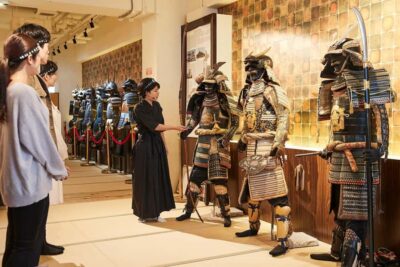 ★ 4.6Tokyo: Samurai Ninja Museum Guided tour and ExperienceFrom $27
 ★ 5.0Skip the lines Basic Ticket at SAMURAI NINJA MUSEUM TOKYOFrom $28
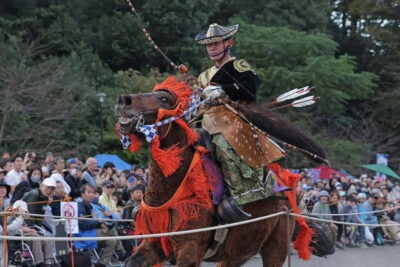 ★ 5.0Tokyo: Authentic Samurai Training at a DojoFrom $211
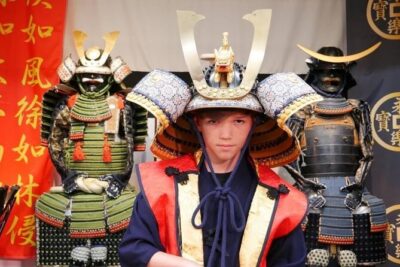 ★ 5.0Best Samurai Experience in TokyoFrom $65
 ★ 4.6Tokyo: Legend Samurai Entertainment Night in Kanda ShrineFrom $44