Reviewed · DESSERT TOURS
Japanese Traditional Sweets making
The most appealing part of this class is that you get to shape two seasonal nerikiri sweets with the same white and red bean paste used by long-established Kyoto shops. This is not just a demonstration. You handle the ingredients, form the sweets, arrange them on a plate, and eat your work at the end.
In This Article
- Making Edible Seasonal Art in 65 Minutes
- Why the Kyoto Bean Paste Matters
- The Flower-Shaped Nerikiri Comes First
- The Kinton Nerikiri Adds Texture
- A Japanese Instructor With Limited English Support
- The 55-Minute Making and Picture Period
- Eating Your Sweets on the Spot
- Is $11 Good Value in Tokyo?
- Who Will Enjoy This Class Most?
- Timing, Cancellation, and Small Practical Details
- Should You Book Japanese Traditional Sweets Making?
- FAQ
- Where does the Japanese sweets class take place?
- How long does the activity last?
- How many sweets will I make?
- What types of nerikiri will I make?
- Can I eat the sweets after making them?
- Are the ingredients from Kyoto?
- Is the class taught in English?
- Can I take the sweets home?
- What happens if I arrive late or need to cancel?
I like the $11 price and the compact 65-minute format. I also like the cultural detail: nerikiri changes with the seasons, so the finished sweets are small edible pictures of Japan’s calendar. The main caution is pace. One review found the class rushed, with little time to complete each step and eat slowly.
- Kyoto bean paste: Use white and red bean paste supplied by established Kyoto sweet shops.
- Two designs: Make a flower-shaped nerikiri and a kinton nerikiri.
- Seasonal focus: The designs match the time of year, giving the class a changing feature.
- Eat on site: Your handmade sweets are intended to be enjoyed immediately.
- Japanese-led class: The instructor teaches in Japanese, with English translation provided as much as possible.
- Strict timing: The activity lasts 65 minutes, and late arrivals may not be accommodated.
Making Edible Seasonal Art in 65 Minutes
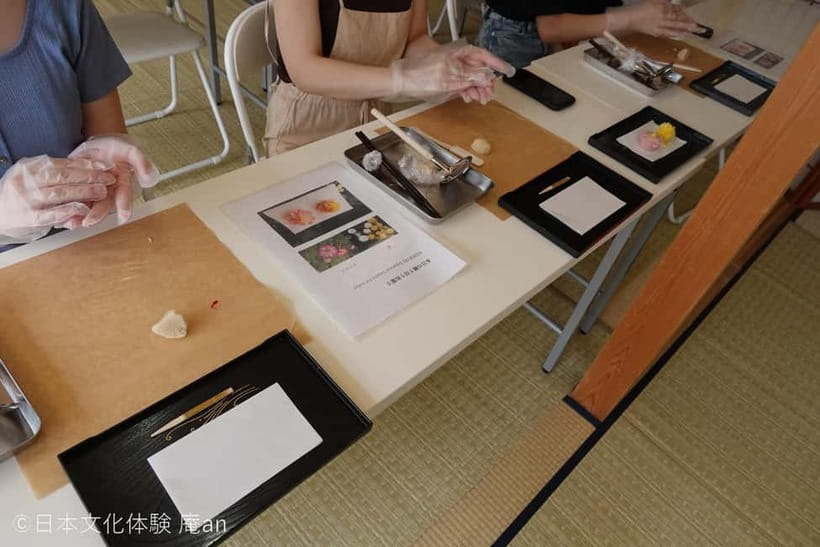
Japanese traditional sweets, known as wagashi, are often made to reflect flowers, leaves, weather, or festival seasons. Nerikiri is one of the most visual types. Its soft bean-paste dough can be shaped into petals, folds, points, and delicate color patterns.
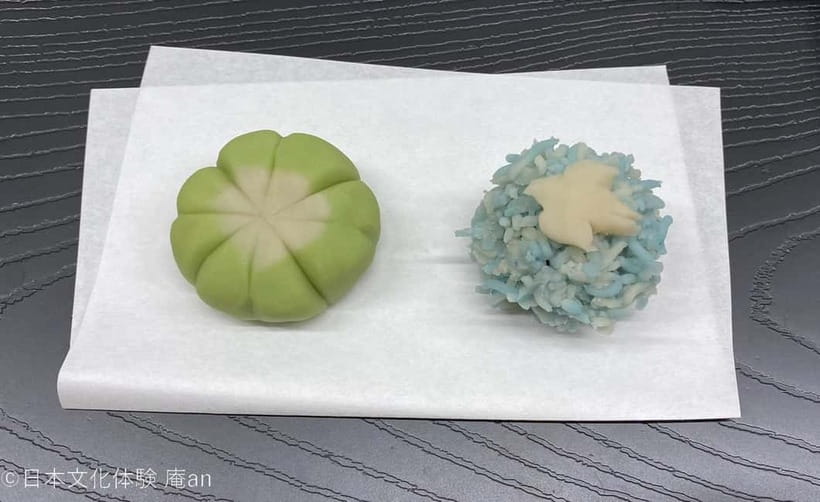
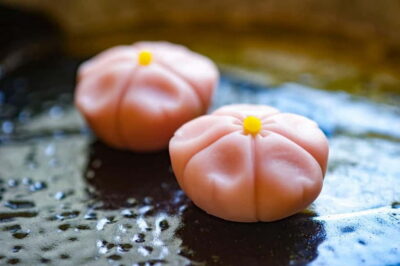
At AN TOKYO, you make two pieces. The first is a flower-shaped nerikiri. The second is a kinton nerikiri, a style formed from fine strands or textured pieces of sweet paste. The exact colors and seasonal appearance can change, but the point remains the same: you are making sweets that look like small works of art before you taste them.
I find this format appealing because it gives you a clear goal without taking half a day. In 65 minutes, you receive an explanation, make both sweets, take pictures, eat them, and leave. That fits neatly between sightseeing stops in Tokyo.
The short schedule is also the biggest compromise. A review described the hands-on stages as moving in roughly 30 to 40-second bursts, with the instructor quickly directing the class to the next task. You should arrive ready to follow instructions closely rather than expecting a slow, meditative workshop.
Why the Kyoto Bean Paste Matters
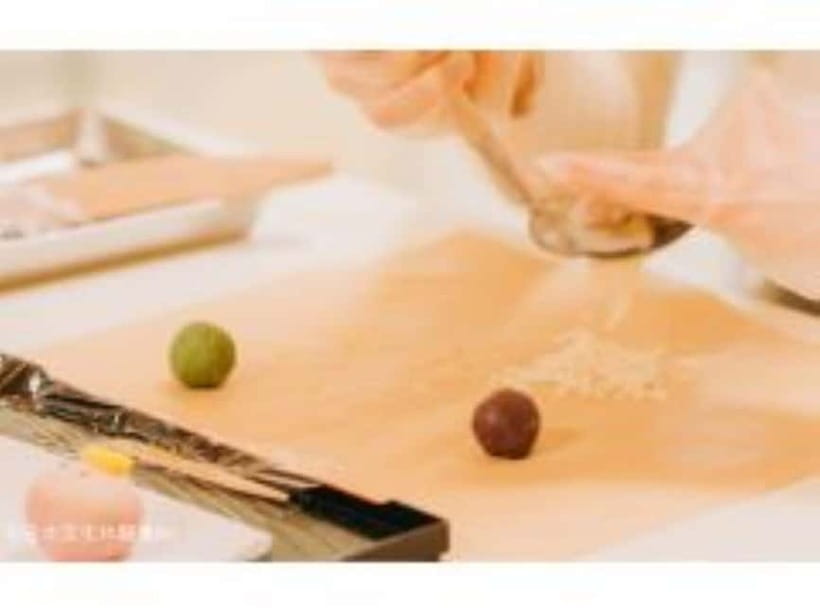
The class uses white and red bean paste produced by long-established shops in Kyoto. That detail gives the activity a useful link to Japanese confectionery beyond the simple novelty of molding food.
Bean paste is central to many Japanese sweets. Red bean paste, or anko, has a sweet, smooth flavor that may be familiar from dorayaki, taiyaki, or other wagashi. White bean paste has a lighter color and serves as a flexible base for seasonal shaping and coloring.
You are not being asked to make the paste from raw beans in 65 minutes. Instead, the class lets you focus on the craft: handling the paste, shaping it, and creating a presentable form. That is a sensible choice for a short Tokyo activity. The difficult part is not hidden behind a kitchen demonstration, but you also do not spend the entire session boiling and preparing ingredients.
The ingredients make the final result more than a simple craft project. You are working with food made for taste as well as appearance. The class describes the flavor as assured, but your own reaction will depend on how much you enjoy sweet bean paste. If you have already tried Japanese wagashi and liked it, this is a safe choice. If you have not, the small portions make it an easy introduction.
A few more Tokyo tours and experiences worth a look


The Flower-Shaped Nerikiri Comes First
The first making stage is the flower-shaped nerikiri. This is the clearest introduction to how the paste responds to your hands.
You receive guidance on the basic technique, then shape the paste into a flower form. The result is meant to reflect the season, so the design gives you a small lesson in how Japanese sweets connect food with nature and time of year.
The flower is also the part most likely to appeal to photographers. Once it is placed on a plate, the sweet looks less like a snack and more like a tiny decorative object. You get a picture period near the end of the session, which gives you a chance to record both pieces before eating them.
Do not expect unlimited time to refine every petal. The class must keep the whole room moving, and the instructor may advance to the next stage quickly. If you want a perfect shape, pay close attention during the explanation and copy the demonstration promptly.
The Kinton Nerikiri Adds Texture
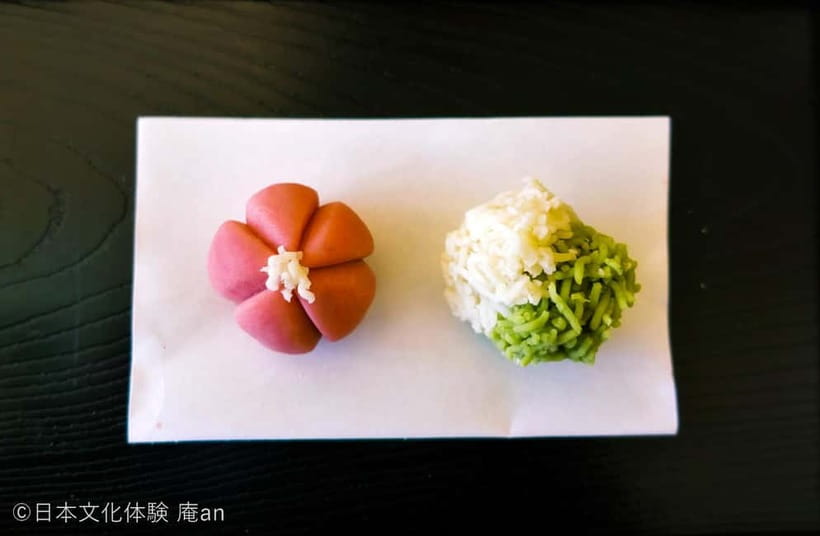
The second sweet is kinton nerikiri. Its appearance differs from the flower design, giving you two distinct shaping tasks instead of making the same item twice.
Kinton sweets are known for their fine, textured look. This gives the second piece a different character and helps you see that nerikiri is not one fixed recipe or shape. The two designs also make the finished plate more interesting.
The possibilities are described as wide, but the actual class follows a set program. That means you can be creative within the instructor’s instructions, not freely invent an entirely new confection. For most people, that structure is helpful. You do not need prior experience, and you can concentrate on getting the main forms right.
I would treat this part as a lesson in control rather than a test of artistic skill. The paste may look forgiving, but small changes in pressure and handling affect the shape. The reward comes from seeing a recognizable seasonal design emerge under your hands.
A Japanese Instructor With Limited English Support
The instructor teaches in Japanese. English translation is provided as much as possible, and the activity information asks participants who want added English support to contact the provider.
That wording matters. You should not assume a fully bilingual class with every instruction delivered slowly in English. One review found the Japanese and English explanations rushed, while another praised the instructor and described the activity as informative and fun. Your experience may depend on where you sit, how large the group is, and how comfortably you follow visual demonstrations.
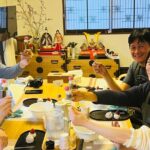
The room has been described as large enough to hold around 30 people, and sitting at the back may make it difficult to see the demonstration. This is a practical concern, especially because the shaping stages move quickly. Arrive on time and, if seating is not assigned, try to position yourself where you can watch the instructor’s hands.
Even with limited English, the activity has a strong visual element. You can copy the shape and motion shown in front of you, but you should contact AN TOKYO in advance if detailed English explanation is important to you.
The 55-Minute Making and Picture Period
The formal making portion ends at about 55 minutes. Before you leave, there is time for pictures. This timing gives you a useful pause after the hands-on work, but it is not a long open-ended photo session.
Your finished sweets are placed on a plate, turning the final arrangement into part of the activity. That small presentation step matters. Nerikiri is designed to be seen, and taking a moment to look at the completed plate helps you understand why shape and season are so important.
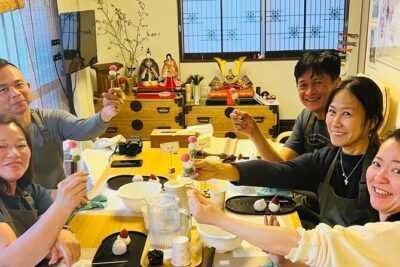
If you are with friends or family, this is the natural time to photograph each other’s work. Solo participants can still photograph their own plate. One positive review specifically found the class a good way for solo participants to socialize, so you do not need to arrive with a group to make the activity worthwhile.
Bring realistic expectations about the room. A large class can make it harder to see details, and a review also noted that coats and bags had to stay on the floor because there was nowhere to hang coats. Travel light if you can.





Eating Your Sweets on the Spot
After the picture period, the schedule allows about 10 minutes for eating before room departure. You do not have to wonder what to do with the finished sweets. The main experience includes eating them on site.
This is one of my favorite features. The class connects making and tasting, so you immediately learn how the appearance relates to the food itself. A handmade sweet can look almost too pretty to eat, but nerikiri is made to be enjoyed, not preserved behind glass.
The eating period may feel short if you want to admire your work, take many pictures, or chat with the people beside you. One critical review said the instructor pushed participants to eat quickly and leave. Plan to begin eating when the class moves into that stage rather than treating it as an optional extra.
If you want to take the sweets away, a box costs 100 JPY. That is a small added fee, but you should arrange it as part of your plan. The included activity covers making the nerikiri, not a take-out box.
Is $11 Good Value in Tokyo?
At $11 per person, this is an inexpensive hands-on activity by Tokyo standards. The price includes the full nerikiri-making set, instruction, two sweets, the picture period, and eating time. You are paying for participation rather than simply watching a cultural presentation.
The value is strongest if you want a short activity with a clear local theme. You use ingredients associated with Kyoto confectionery, learn two different forms, and leave with a memory that is more personal than buying a packaged sweet at a shop.
The low price also explains why you should keep expectations modest. This is not a private lesson or a long artisan workshop. The room can be large, the instructor’s pace may be brisk, and English support is limited. If you want individual coaching and plenty of time for detailed decoration, a higher-priced small-group class may suit you better.
For a quick introduction, the cost is hard to criticize. The class has a 4.1 rating from 19 reviews, with strong praise for the value, staff, food, and social side, alongside clear complaints about rushing and organization. I would call it good value for the right type of participant, not a flawless premium experience.
Who Will Enjoy This Class Most?
I would recommend this activity to you if you want one of the following:
- A low-cost Japanese food activity in Tokyo
- A short break from museums, shopping, or city sightseeing
- A cultural experience that does not require a full day
- A hands-on activity for solo participants or small groups
- A chance to try wagashi while making it yourself
- A seasonal craft with a finished object to photograph
Families may also find it appealing, with one important rule: children under 2 who sit on a parent’s lap are free. The information does not specify other child pricing or special arrangements, so check before booking for older children.
This is less suitable if you need extensive English instruction, dislike sweet bean paste, or want a relaxed workshop with plenty of time for mistakes. It is also a poor fit if your Tokyo schedule is unpredictable. The class will not be held for late arrivals, and missed travel to the venue is not compensated.
Timing, Cancellation, and Small Practical Details
The operating hours are 10:00 to 17:00. Reservations received after 17:00 are processed the next day, so do not expect an evening response.
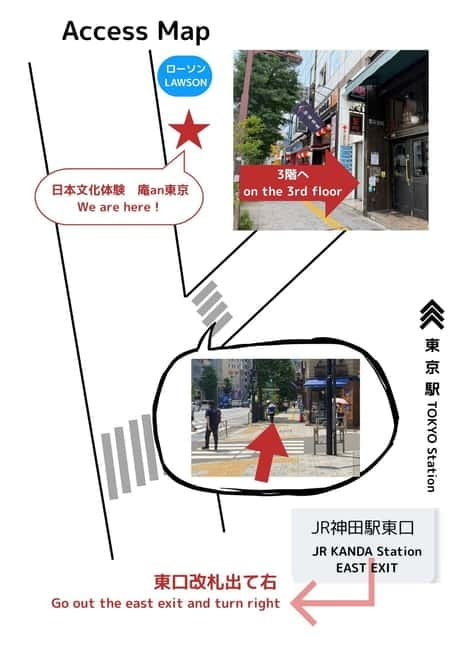
You meet at AN TOKYO Japanese Culture Experience in Tokyo. The listed coordinates are 35.6916541, 139.7715022. Check the exact meeting instructions before setting out, since the activity will not wait for delayed arrivals.
Cancellation is free up to 24 hours in advance for a full refund. After that point, a cancellation fee applies, including when the reason is unexpected. Changing the date or time after a fee has been incurred can also bring an additional specified charge.
You can reserve now and pay later, which helps if you are still arranging your Tokyo schedule. Still, do not treat that flexibility as permission to arrive late or cancel at the last minute.
The completion certificate costs 300 JPY. If you want a named certificate, provide the names in advance. Otherwise, the name space is left blank.
Should You Book Japanese Traditional Sweets Making?
Book this class if you want an affordable, authentic-feeling introduction to seasonal Japanese confectionery and you are happy to work at a quick pace. The Kyoto bean paste, two different nerikiri forms, and on-site tasting give the activity real substance for its modest price.
Before booking, decide how important English instruction and personal space are to you. Contact AN TOKYO about added English support, arrive early enough to avoid a rushed entrance, and try to sit where you can see the demonstration. Bring minimal luggage because coat and bag storage may be limited.
I would choose it for a flexible Tokyo afternoon, a solo cultural stop, or a first taste of wagashi. I would skip it only if you want a slow, highly personalized class. At $11, it offers a lot, provided you accept the brisk schedule and large-class setting.
FAQ
Where does the Japanese sweets class take place?
The meeting point is AN TOKYO Japanese Culture Experience in Tokyo, Japan. The listed coordinates are 35.6916541, 139.7715022.
How long does the activity last?
The full activity lasts 65 minutes. The making and picture period ends at about 55 minutes, followed by eating time before departure.
How many sweets will I make?
You will make two seasonal Japanese sweets called nerikiri.
What types of nerikiri will I make?
The program includes a flower-shaped nerikiri and a kinton nerikiri.
Can I eat the sweets after making them?
Yes. Eating your handmade sweets on the spot is included in the activity.
Are the ingredients from Kyoto?
Yes. The class uses white and red bean paste produced by long-established shops in Kyoto.
Is the class taught in English?
The instructor is Japanese, and English translation is provided as much as possible. You can contact the provider if you would like additional English support.
Can I take the sweets home?
A sweets take-out box is available for 100 JPY. It is not included in the main activity price.
What happens if I arrive late or need to cancel?
The event cannot be held for delayed arrivals. You can cancel up to 24 hours in advance for a full refund. After that, a cancellation fee applies.
More Dessert Tours in Tokyo


More tours in Tokyo we've reviewed












Dessert Tours, compared.
 ★ 5.0Matcha Making Class in Tokyo with Authentic Japanese Sweets SetFrom $21
 ★ 4.9Tokyo: Matcha Making Experience with Mochi Sweets in AsakusaFrom $221 hour
 ★ 5.0Make Traditional Nerikiri Sweets & Matcha experience in ShibuyaFrom $60
 ★ 5.0Private Mochi Sweets Making class near Shibuya areaFrom $79
 ★ 5.0Sweets Making and Kimono Tea Ceremony at Tokyo MaikoyaFrom $112
 ★ 4.7Japanese Traditional Sweets making and Tea CeremonyFrom $181h 35m