Reviewed · MT FUJI DAY TRIPS
4 Day Tour – Mount. Fuji, Tokyo, Hakone, Kamakura and Yokohama
Tokyo’s neon districts, Kamakura’s temples, Mount Fuji viewpoints, and Hakone’s volcanic valleys make up this ambitious four-day private tour. You travel by air-conditioned car with an English-speaking driver, so you avoid working out Japan’s train and bus connections while fitting in far more than most independent day trips allow.
In This Article
- Key points at a glance
- A private way to connect five very different places
- Day 1: Tokyo from Tsukiji to Shibuya
- Day 1’s modern Tokyo: Meiji Shrine, Harajuku, and Odaiba
- Day 2: Kamakura’s temples and the Great Buddha
- Day 2: Yokohama after the temples
- Day 3: The classic Mount Fuji circuit
- The Fuji 5th Station and Gotemba shopping
- Day 4: Hakone’s lake and volcanic valley
- What $3,000 means for your group
- Guides, pace, and the details to settle early
- Who should book this four-day Japan tour?
- Should you book it?
- FAQ
- How long is the tour?
- What places are included?
- Is transportation provided?
- Is this a private tour?
- Is a guide included?
- Is accommodation included?
- Are attraction tickets included?
- How much does the tour cost?
- What happens if the weather is poor?
I like the door-to-door private transport, especially for families or small groups carrying luggage. I also like the flexible format: you choose your accommodation, and the route can be adjusted rather than following a fixed group schedule. The main drawback is the pace. Several days list close to 10 hours including driving, and Day 1 packs in enough Tokyo stops to feel more like a highlights sprint than a relaxed city visit.
Key points at a glance
- Four major destinations in one trip: Tokyo, Kamakura, Yokohama, Mount Fuji, and Hakone all fit into one private itinerary.
- A car changes the logistics: You can move between scattered sights without learning several train and bus routes.
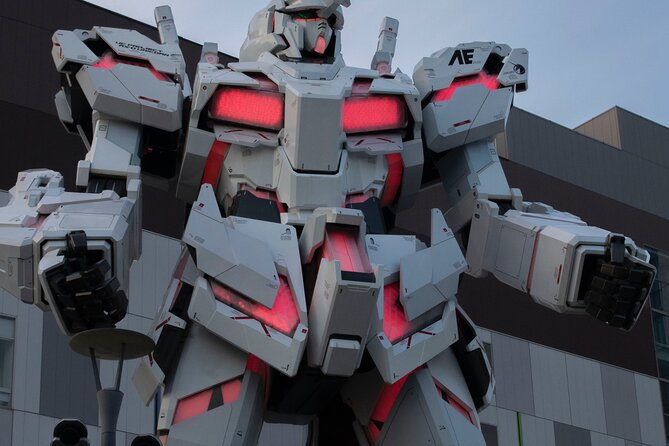
- Tokyo Day 1 is packed: Tsukiji, Asakusa, Akihabara, Harajuku, Shibuya, Odaiba, and more compete for your time.
- Mount Fuji depends on clear weather: The views from Lake Kawaguchiko, Chureito Pagoda, and the 5th Station can change quickly.
- You pay per group: The $3,000 price covers up to five people, making the math more attractive for a full group than for one or two people.
- Tickets and hotels are separate: Ropeways, temples, observation decks, museums, and accommodation require extra planning and payment.
A private way to connect five very different places
This is not a standard guided coach excursion. It is a private activity for your group, with pickup offered and a mobile ticket. The basic promise is simple: an English-speaking driver takes you between sights in a comfortable car, while you decide where to stay and, within reason, how to shape the days.
That setup matters in Japan. Tokyo, Kamakura, Yokohama, Mount Fuji, and Hakone are close enough to combine on a map, but their sights are spread out. Public transport works well in Japan, yet changing trains, finding the right bus, and handling crowded stations can eat into a short visit.
You get personal attention, but the standard service is not a full guided tour. If you want formal commentary at every temple or museum, a guide can be added for an extra fee. Otherwise, expect your driver to manage the road journey and offer information about the region.
The four days are long. The stated touring time is approximately 10 hours including commuting, so you should think of this as an efficient sightseeing framework, not a slow holiday. It works best if you want to see a lot and accept that some stops will be brief.
A few more Tokyo tours and experiences worth a look
Day 1: Tokyo from Tsukiji to Shibuya
The first day tries to show you several faces of Tokyo. At Tsukiji Fish Market, you have about 45 minutes to browse food stalls and market lanes. The wholesale tuna auctions moved elsewhere, but Tsukiji remains a useful place to see Tokyo’s food culture and sample market specialties.
Next comes Senso-ji in Asakusa, Tokyo’s oldest religious building and one of the city’s most colorful stops. Allow about an hour. Walk through the Kaminarimon gate and along Nakamise Street toward the temple, but remember that this is an active religious site as well as a sightseeing destination.
Tokyo Skytree follows, with another hour scheduled. The observation deck ticket is not included. This is one of the day’s optional-cost decisions, and you may want to check visibility before paying for a view. On a clear day, the height gives you a strong sense of Tokyo’s immense scale. In poor weather, the expense is harder to justify.
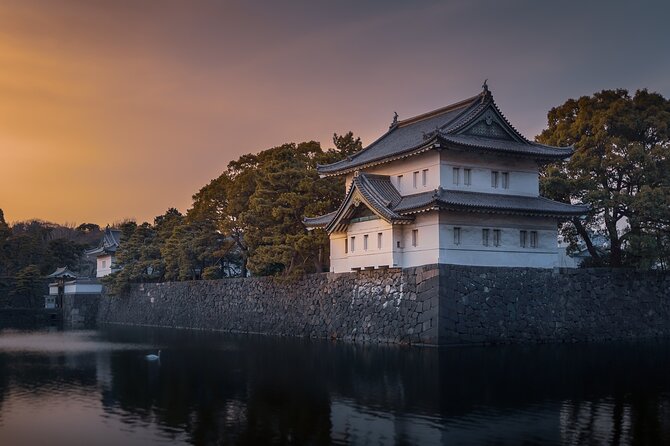
The Imperial Palace East Garden offers a sharp change of mood. You get about 45 minutes to see part of the grounds connected with the former Edo Castle. Admission is free, though advance booking may be required for the East Garden. The palace itself is not generally the main visual reward here, so keep your expectations focused on gardens, stonework, and the old castle setting.
A short stop in Akihabara introduces Tokyo’s electronics, manga, anime, and game culture. Thirty minutes is enough for a quick look, not a serious shopping session. If you have a particular store or hobby interest, tell the driver ahead of time so the stop can be adjusted.
Day 1’s modern Tokyo: Meiji Shrine, Harajuku, and Odaiba
Meiji Jingu Shrine gives the busy city day some breathing room. Its wooded setting makes the half-hour visit feel removed from nearby Shibuya. The shrine is dedicated to Emperor Meiji and Empress Shoken, and it offers a chance to see Shinto customs without leaving central Tokyo.
Takeshita Street in Harajuku is livelier and louder. An hour lets you browse youth fashion, novelty shops, and sweet shops, including the famous oversized crepes. It is a commercial street, not an old neighborhood, but it captures a particular side of Tokyo’s youth culture.
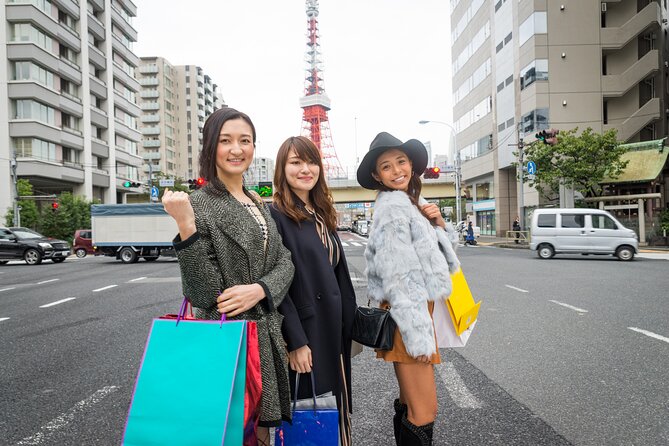
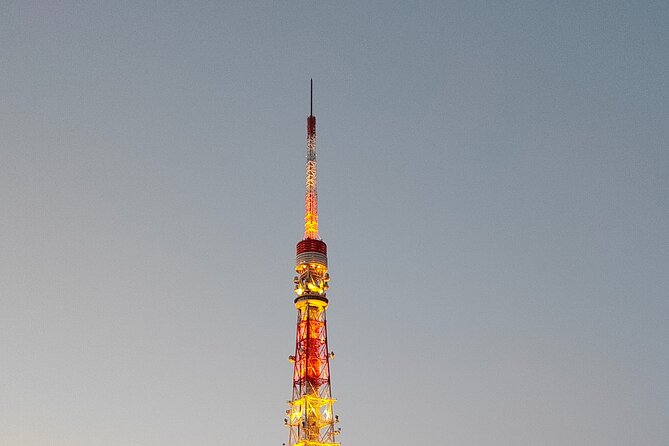
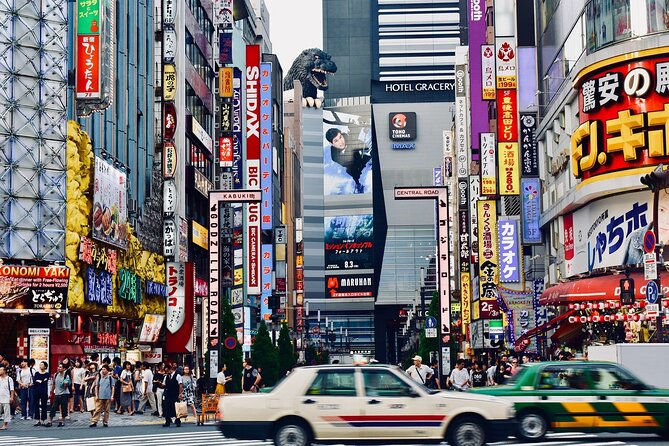
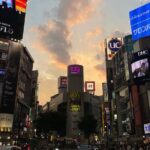
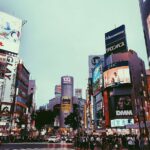
At Shibuya Crossing, the planned 20 minutes is enough to watch the famous scramble and take photographs. It is not enough for a full Shibuya visit. Tokyo Tower appears as a 10-minute photo stop, rather than a climb, and the listing’s tower description contains an error: Tokyo Tower is not 634 meters tall. That height belongs to Tokyo Skytree. The tour can still give you a useful exterior view of the red-and-white landmark.
TeamLab Planets in Toyosu is possible if time allows, with admission extra. The installation includes water, flower-filled spaces, four large exhibition areas, and two gardens. It is not an automatic part of the day, so confirm in advance if this is important to you.
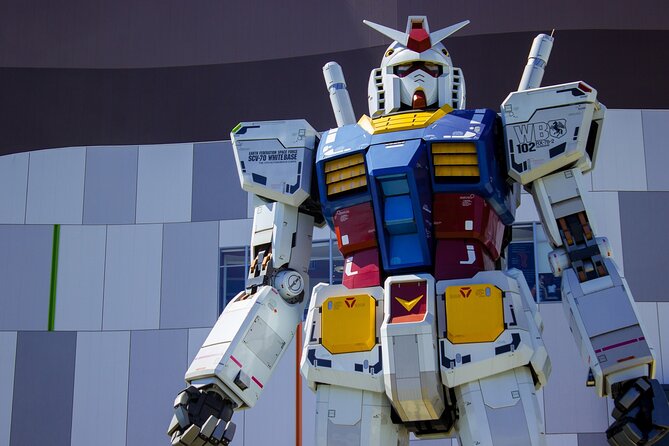
The Statue of Liberty replica on Odaiba’s waterfront is another optional stop if time remains. It is an 11-meter copy with Rainbow Bridge behind it, best treated as a quick photograph rather than a major attraction.
My practical advice for Day 1: choose your priorities before pickup. You cannot give full attention to every stop listed. A family might favor Senso-ji, Skytree, Takeshita Street, and teamLab Planets. A first-time visitor focused on traditional Tokyo might skip Akihabara and Odaiba for longer at Asakusa and Meiji Jingu.
Day 2: Kamakura’s temples and the Great Buddha
Kamakura is the most rewarding day for visitors who want temples, gardens, and a slower coastal-city feel. Start at Hokoku-ji, known as the Bamboo Temple. The bamboo garden is compact, and the one-hour visit gives you time to walk among the tall green stalks and pause at the temple’s tea area if open.
Hasedera Temple takes about 45 minutes. It is known for its large wooden statue of Kannon and for its hillside setting. The grounds include steps, so anyone who prefers easy walking should tell the driver and set a comfortable pace.
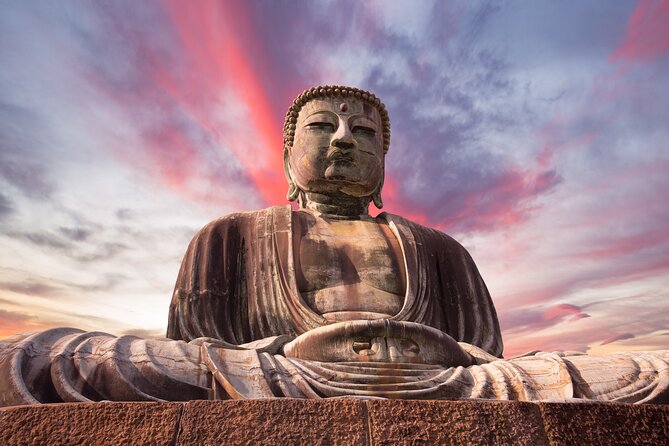
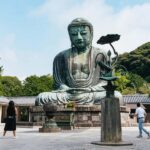
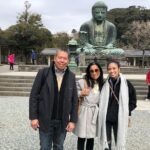
The Great Buddha at Kotoku-in is a shorter, focused stop of about 30 minutes. The outdoor bronze figure is one of Kamakura’s defining sights. Admission is not included, and the visit works well alongside Hasedera because both are in the same general part of town.
Tsurugaoka Hachimangu Shrine gets an hour. This is Kamakura’s major cultural center, with ponds linked to the Taira and Minamoto clans and museums nearby. The long approach helps you understand the shrine’s place in the city, while seasonal festivals can make the area especially active.
After the temples, Komachidori gives you 90 minutes for food and shopping. The pedestrian street has clothing, souvenirs, sweets, and casual eateries. This is a good place to build in a proper meal, though the scheduled time can disappear quickly if you stop often.
Day 2: Yokohama after the temples
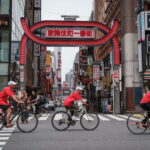
Yokohama Chinatown is about 160 years old and remains the most obvious place in the city to look for Chinese food and architecture. One hour is enough for a walk and a meal, but not for a careful food tour. You may want to decide in advance if you care more about eating or sightseeing.
Sankeien Garden provides a calmer second half. Created by silk trader Tomitaro Hara and opened in 1906, the traditional Japanese garden includes historic-style buildings, ponds, bridges, and seasonal plantings. Admission is extra, and the one-hour visit is a sensible minimum.
Minatomirai is included only if time permits. Its waterfront skyline, boutiques, observation facilities, and modern plazas give you a final look at Yokohama’s newer side. If traffic or a long Kamakura visit slows the day, this is the stop most likely to disappear.
A few more Tokyo tours and experiences worth a look
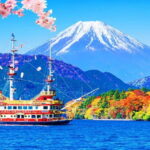
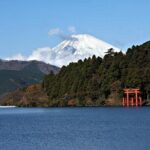
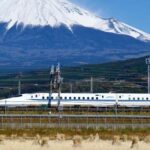
Day 3: The classic Mount Fuji circuit
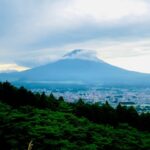
Mount Fuji days are always weather-dependent. A clear morning can transform the whole experience, while cloud cover may hide the mountain at the exact viewpoint you hoped would be perfect. Keep your plans flexible and avoid treating any single photo stop as guaranteed.
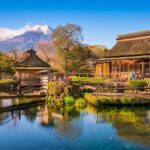
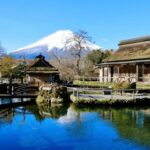
Oshino Hakkai begins the day with eight springs fed by water from Mount Fuji’s aquifer. The 30-minute stop is short, but the clear water and traditional setting make it a useful introduction to the Fuji region.
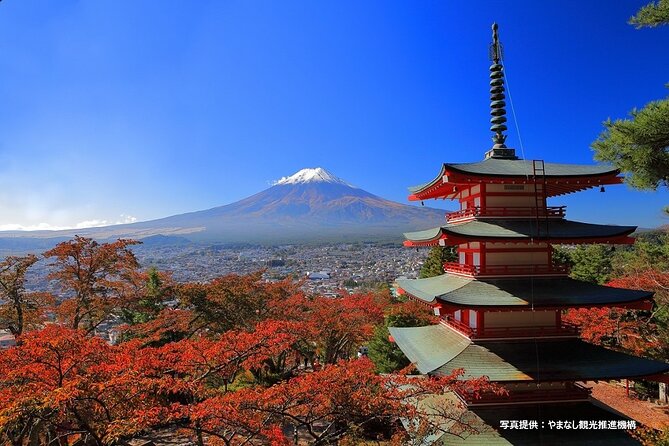
Chureito Pagoda is one of Japan’s most recognizable viewpoints, combining a five-story pagoda, Fujiyoshida, and Mount Fuji. The scheduled 30 minutes may feel tight because the viewpoint involves an uphill approach and stairs. If you have limited mobility or want time for photographs, ask whether this stop can be extended.
Lake Kawaguchiko gives you another half hour near the most accessible of the Fuji Five Lakes. The area has hot springs, tourist facilities, and open views toward the mountain. The Mount Fuji Panoramic Ropeway then takes about an hour, with the ticket extra. It rises from the lake toward Mount Tenjo and gives you a broader view over Kawaguchiko.
Oishi Park is another 30-minute photo stop. Its appeal comes from the layering of lavender or other seasonal flowers in the foreground, Lake Kawaguchiko in the middle, and Mount Fuji beyond. The exact appearance changes with the season, so you should not expect lavender at every time of year.
Saiko Iyashi no Sato Nemba recreates an old Japanese village with thatched-roof buildings. Admission is extra, and the half-hour visit offers a more staged but still attractive look at traditional rural design. It is especially useful if your Japan trip has otherwise been almost entirely urban.
Arakura Fuji Sengen Shrine adds another scenic mountainside setting. The shrine and nearby park are associated with cherry blossoms in spring, but the view remains the main reason to stop. Again, half an hour is a quick visit.
The Fuji 5th Station and Gotemba shopping
The 5th Station is planned for two hours, making it the longest Fuji stop. It is the usual halfway starting point for climbers and gives you the chance to experience the mountain at a higher elevation without climbing it. Conditions can be colder and visibility can change, so bring suitable layers.
The day ends at Gotemba Premium Outlets for two hours. This is a major change of pace from shrines and lakes. You can shop with Mount Fuji in the distance when visibility allows, but the outlet is not essential if your priority is nature.
The full day includes many stops: springs, pagoda, lake, ropeway, park, recreated village, shrine, 5th Station, and outlets. That is excellent for variety, but too much for a relaxed visit to every place. I would ask in advance which stops can be shortened or dropped when weather, traffic, or your interests call for it.
Day 4: Hakone’s lake and volcanic valley
Amazake-chaya Tea House is listed before the numbered stops. Founded 400 years ago, it serves amazake made from an unchanged recipe. The information does not give a fixed visit length, so confirm whether this is included as a proper stop or used as a brief rest.
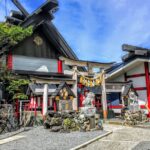
Hakone Shrine sits in dense forest beside Lake Ashi. Its buildings are partly hidden among the trees, and the setting feels quieter than central Tokyo. Allow an hour, with admission extra according to the tour details.
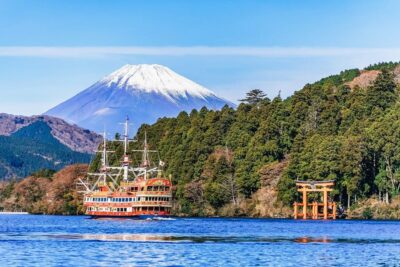
Lake Ashi gets another hour. The crater lake formed after Mount Hakone’s eruption about 3,000 years ago, and its shore is one of Hakone’s main scenic areas. The attraction here is the combination of water, mountains, and the shrine setting, not a long list of individual sights.
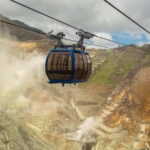
The Hakone Ropeway links Sounzan and Togendai through Owakudani. The aerial ride takes about an hour on the itinerary and requires a separate ticket. It is one of the clearest reasons to visit Hakone, since you see the volcanic terrain from above rather than only from the road.
At Owakudani, sulfurous volcanic ground and steaming areas create a sharp contrast with Lake Ashi. The famous black eggs are associated with the local hot springs. Admission is listed as free, though you should expect to pay for food or optional purchases.
Gora Park is a 30-minute stop with a fountain, greenhouses, a tea house, and a western-style garden layout. The Hakone Open-Air Museum then gives you an hour among outdoor sculptures spread across 70,000 square meters. Admission is extra. The museum is a strong final stop because the art is viewed among hills, gardens, and open space rather than inside a conventional gallery.
What $3,000 means for your group
The listed price is $3,000 per group of up to five people. That works out to $600 per person for five people, $750 each for four, $1,000 each for three, and $1,500 each for two.
The value comes from the private vehicle, driver, pickup, and time saved on complicated transfers. If you have four or five people, the cost can make sense, especially when you value comfort and door-to-door movement. For a couple, public transport and separate day tours may cost less, though they require more planning.
Accommodation is not included. You can choose your own hotels in each place, but you must coordinate where the driver drops you and collects you. Attraction tickets are also extra, including Tokyo Skytree, TeamLab Planets, several Kamakura temples, the Mount Fuji ropeway, Saiko Iyashi no Sato Nemba, the 5th Station, Hakone attractions, and the Open-Air Museum.
The tour is often booked well ahead, with an average booking point of 243 days in advance. That suggests you should reserve early if your dates are fixed, particularly for a small group with specific hotel plans.
Guides, pace, and the details to settle early
The strongest personal touch comes from the driver assignment. Armad handled Tokyo for one detailed booking and was praised for taking photographs and parking in convenient locations. David handled the next three days and was credited with going out of his way to show unusual attractions. Those are useful qualities on a private trip, so ask whether either guide is available, while understanding that assignments are not guaranteed.
Tell the company your priorities before the first morning. The itinerary has enough optional stops that a good plan can make the difference between a satisfying day and a rushed checklist.
Free cancellation is available up to 24 hours before the start time. Changes made inside that period are not accepted, and poor weather can lead to a new date or a full refund. Since Mount Fuji views are central to the trip, the weather rule matters.
Who should book this four-day Japan tour?
I would choose this for a group of friends or a family of up to five that wants a broad first look at the Tokyo region without managing every connection. It is also a good fit if you have limited time and care more about seeing major sights than spending a whole afternoon in one neighborhood.
You should be comfortable with long days and frequent car rides. The tour is less suitable if you want slow temple visits, long meals, serious shopping time, or detailed guiding at every stop.
The best way to improve it is to treat the itinerary as a menu. Keep the sights that matter most to you, and ask the driver to cut weaker or duplicate photo stops. Tokyo especially needs trimming, while Mount Fuji needs flexibility for clouds and traffic.
Should you book it?
Book this private tour if convenience, range, and personal scheduling matter more to you than low cost. With five people, the per-person price is easier to defend, and the car can save hours of transfers across a wide region.
Skip it if you prefer independent train travel, flexible sleep-in mornings, or a deep visit to fewer places. The plan is ambitious, but its strength is exactly that ambition: in four days, you can see Tokyo’s major districts, Kamakura’s temples, Yokohama’s waterfront, Fuji viewpoints, and Hakone’s volcanic sights without changing transport plans at every turn.
FAQ
How long is the tour?
The experience lasts approximately four days. Each touring day is listed as approximately 10 hours including commuting time.
What places are included?
The route covers Tokyo, Kamakura, Yokohama, Mount Fuji, and Hakone.
Is transportation provided?
Yes. You travel in a comfortable air-conditioned private car, with pickup offered.
Is this a private tour?
Yes. Only your group participates, and the standard group size is up to five people.
Is a guide included?
An English-speaking driver is included. This is not a formal guided tour, but a guide can be arranged for an additional cost.
Is accommodation included?
No. You choose and pay for your own accommodation in each place.
Are attraction tickets included?
Not always. Several attractions list separate admission charges, including Tokyo Skytree, TeamLab Planets, Hokoku-ji, Hasedera, Kotoku-in, Tsurugaoka Hachimangu Shrine, the Mount Fuji Panoramic Ropeway, Saiko Iyashi no Sato Nemba, the Mount Fuji 5th Station, Hakone attractions, and the Hakone Open-Air Museum.
How much does the tour cost?
The listed price is $3,000 per group of up to five people.
What happens if the weather is poor?
The experience requires good weather. If it is canceled because of poor weather, you can receive a different date or a full refund.
More Kamakura & Enoshima Day Trips in Tokyo


More Hakone Day Trips in Tokyo
More Mt Fuji Day Trips in Tokyo

More tours in Tokyo we've reviewed
Mt Fuji Day Trips, compared.
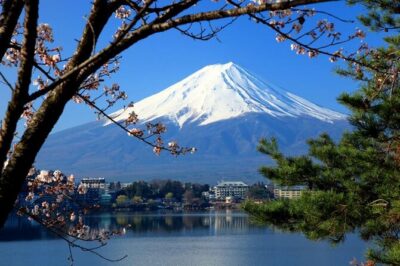 ★ 5.0Mt Fuji and Hakone 1-Day Bus Tour Return by Bullet TrainFrom $163
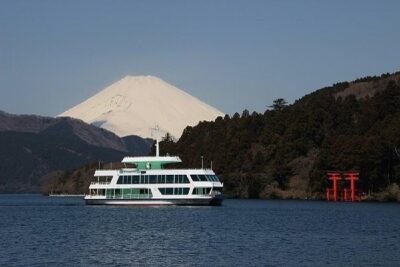 ★ 4.0Mt Fuji & Hakone Cruise, Drum Show Bullet Train 1 Day from TokyoFrom $149
 ★ 4.4Tokyo Mt Fuji 5th St & Hakone Cruise Bus Tour w/Bullet TrainFrom $15410 hours
 ★ 4.5From Tokyo: Mount Fuji Full-Day Sightseeing TripFrom $6810 hours
 ★ 4.7Tokyo: Mt. Fuji Tour, Hakone Ropeway, Owakudani, Lake AshiFrom $5410 hours
 ★ 4.4Tokyo:Mt.Fuji,Kawaguchiko Oishi Park,Arakurayama Sengen ParkFrom $5410 hours