Reviewed · WALKING TOURS
Tokyo: Private Custom Walking Tour with Local Guide
Tokyo is easiest to enjoy when you stop trying to conquer the whole city. This private custom walking tour lets you choose the focus, from Akihabara’s pop culture to the quiet grounds of Meiji Jingu Shrine. I like the personal pace, and I like having a guide such as Fares, June, or Kwon help with Tokyo’s metro and local customs. The trade-off is that entrance fees, food, and your own transport fares cost extra, so the $56 price is not the final bill.
In This Article
- Key Points at a Glance
- Why a Custom Walk Works So Well in Tokyo
- Building Your Day Around the Right Tokyo Theme
- Meiji Jingu Shrine and Tokyo’s Traditional Side
- Akihabara and Tokyo’s Pop Culture Districts
- Using the Metro Without Losing Your Day
- Lunch, Dinner Ideas, and Everyday Tokyo
- The Personal Touch: Fares, June, and Kwon
- Is $56 Per Person Good Value?
- Who Should Book This Tokyo Walk?
- Booking Advice and Final Verdict
- FAQ
- What is included in the Tokyo private walking tour?
- Are transportation fees included for me?
- Are entrance fees included?
- Is food included?
- What language is the tour offered in?
- Can I choose what to see?
- What is the cancellation and payment policy?
I especially like that you can ask for a day built around your own interests instead of following a fixed route. I also like the practical help: Fares helped one group find a suitable lunch, suggested dinner spots, took photos, and sent them later. The main thing to consider is that the experience depends on the guide you receive and the plan you agree on before starting.
Key Points at a Glance
- Your interests shape the route: Choose historic shrines, temples, pop culture, food markets, modern districts, or a mix.
- Private attention keeps the pace flexible: Guides can slow down, explain more, or move on when a place is not for you.
- Tokyo’s metro becomes less daunting: Your guide helps you get around by walking and public transport.
- Named guides praised for personal service: Fares, June, and Kwon are specifically noted for friendly, attentive help.
- The price covers guidance, not every expense: At $56 per person, you still pay your own transport, meals, and entrance fees, including the guide’s entrance fee.
- Best for first-time visitors: You get orientation, cultural tips, and help shaping the rest of your Tokyo stay.
Why a Custom Walk Works So Well in Tokyo
Tokyo is not one city in the usual sightseeing sense. It is a collection of districts with different moods, connected by a large rail and subway network. A first visit can feel like a puzzle of station exits, signs, queues, shrines, shopping streets, and fast-moving commuters.
A private guide gives you a way to make sensible choices. You might spend more time on traditional Japan, focus on anime and electronics, or combine a major shrine with a food market. You are not tied to a group’s fixed speed or forced to spend an hour at a place that does not interest you.
That freedom matters most in Tokyo because the city rewards small adjustments. If you are tired, you can keep the walk easy. If you are eager to see more, public transport helps cover ground. If you have a specific food preference, you can say so before lunch rather than settling for whatever appears on a standard route.
The tour is offered in English. The named guides include Fares, June, and Kwon, though your assigned guide may differ. The strongest praise centers on friendly service, good communication, attention to requests, and help with the Tokyo metro.
Other walking tours we've reviewed in Tokyo

Building Your Day Around the Right Tokyo Theme
Before the tour, think in terms of priorities rather than a long wish list. Tokyo is too large to treat every famous district as a box to tick, especially on foot.
If you want traditional sights, ask for shrines and temples. Meiji Jingu Shrine is specifically given as an example, and it offers a calmer setting within a city known for bright signs and crowded streets. A guide can explain how to behave at a shrine, how to pray, and what you are looking at, instead of leaving you to copy the nearest person.
If modern Tokyo appeals more, Akihabara is the obvious choice. Its electric streets connect with games, anime, electronics, and Japanese pop culture. The area can feel confusing if you do not know what you are looking for, so a local guide can help shape the visit around your interests.
Food can also be part of the plan. The tour information points to local food markets, and one guide arranged a lunch stop around what the group wanted to eat. That is useful if you have dietary preferences or simply want something more specific than a generic restaurant break. Your meal is not included, so treat the guide’s recommendation as useful local direction, not part of the tour price.
You can also request less obvious neighborhood stops. The experience promises off-the-beaten-path treasures, but no fixed list is provided. That means you should explain what off the beaten path means to you. You might want a quieter street, a local market, a small shrine, or a neighborhood with fewer major attractions.
Meiji Jingu Shrine and Tokyo’s Traditional Side
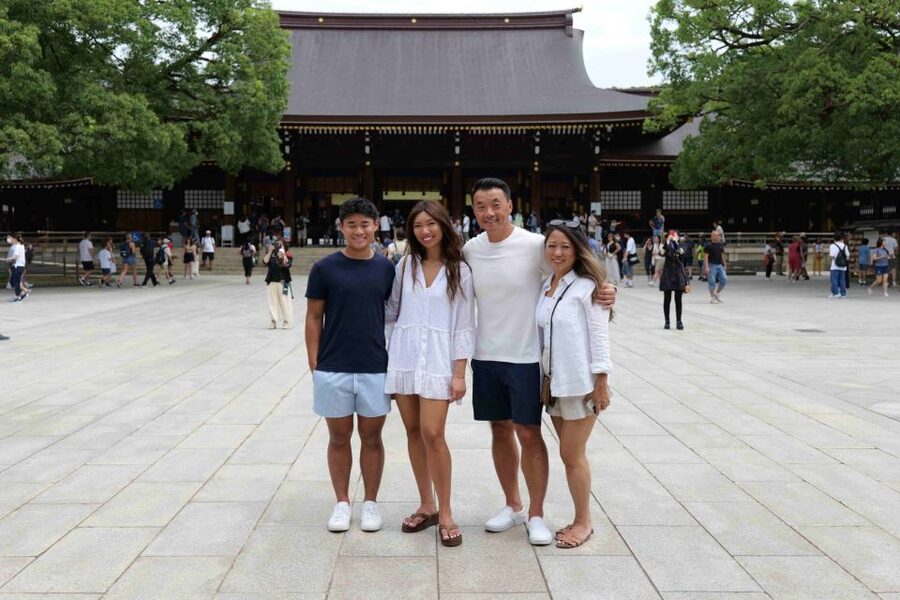
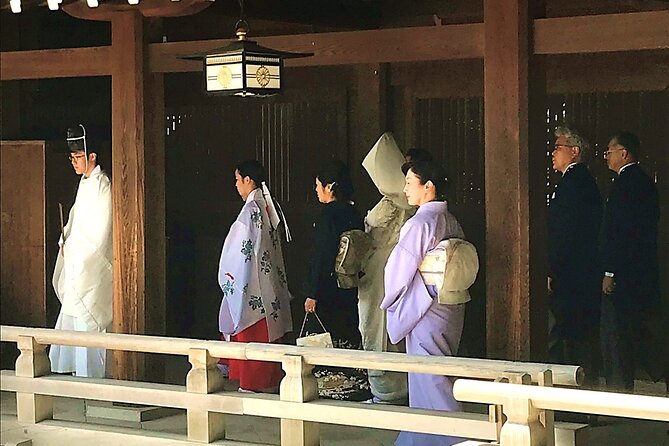
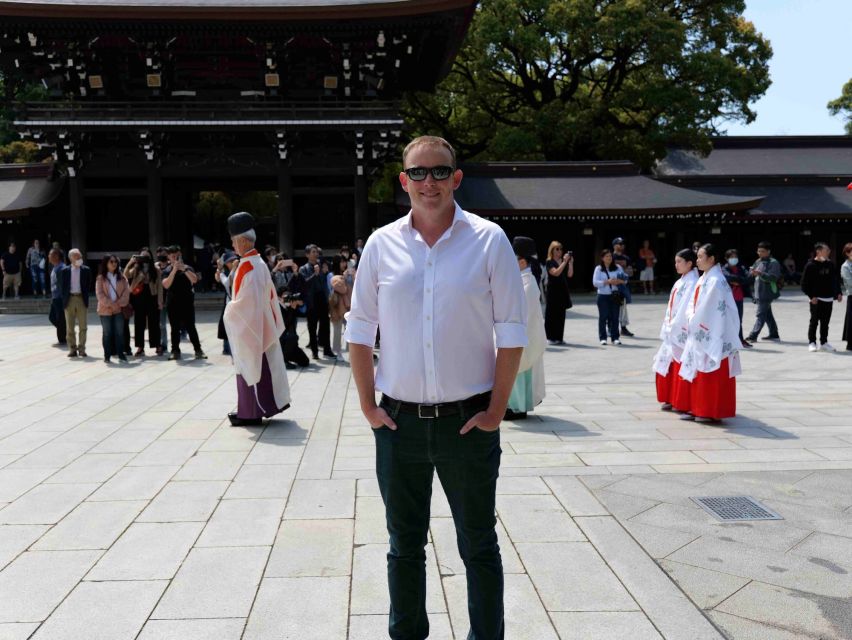
Meiji Jingu Shrine is one of the clearest examples of the contrast this tour can provide. Tokyo’s modern districts can be loud and crowded, while the shrine offers a more peaceful setting and a chance to learn about Japanese religious customs.
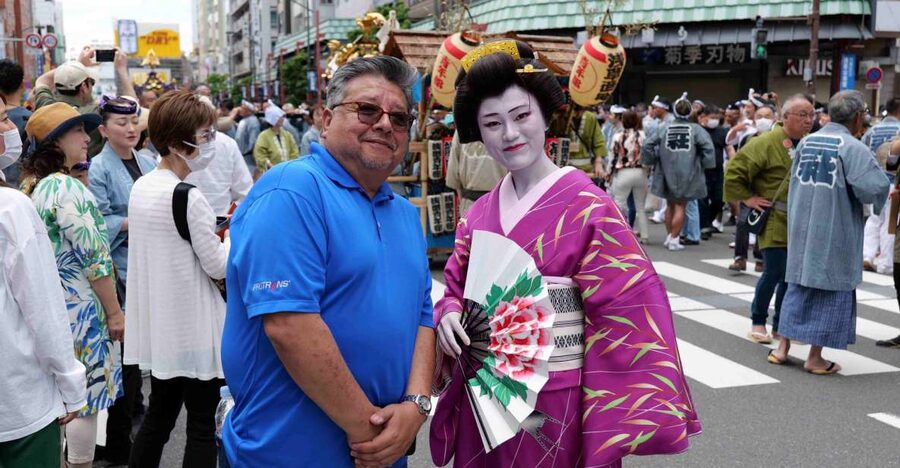
Do not treat the shrine as just a photo stop. Ask your guide about the proper way to approach the shrine, the washing ritual, and prayer etiquette. June specifically helped explain Japanese culture, praying, and food, so this type of practical explanation is part of the tour’s value.
The drawback is simple: the tour does not include entrance fees. If a site charges admission, you pay for yourself and the guide. Meiji Jingu itself may not require the same kind of ticket as a paid museum or garden, but the general rule remains important. Ask your guide what planned stops may cost before you commit to the route.
A shrine visit also works best when you leave room for quiet. A custom tour should not become a race from one famous place to another. Tell your guide if you would rather spend time noticing details than collecting a long list of stops.
Akihabara and Tokyo’s Pop Culture Districts
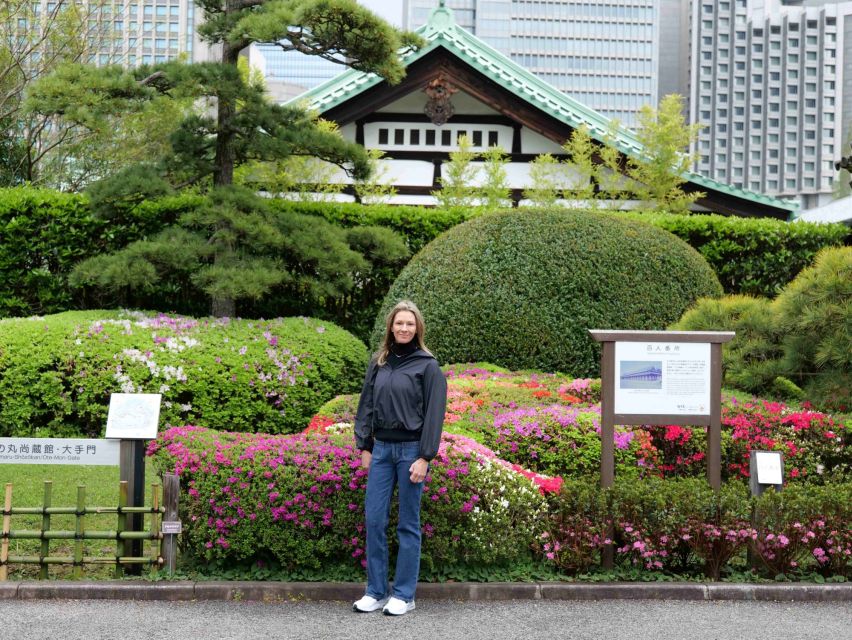
Akihabara gives you a very different view of the city. The district is known for its electric streets and pop culture, making it a natural choice for anime fans, game enthusiasts, and visitors curious about modern Japanese entertainment.
The value of a guide here is not simply pointing out bright signs. You can ask for a route that matches your interests. Someone interested in electronics may want a different afternoon from someone looking for anime, games, or unusual shops.
The tour does not promise specific stores or purchases, and personal spending is excluded. Keep that in mind if Akihabara is your main reason for booking. The guide can help you explore and understand the area, but shopping costs are entirely your responsibility.
Akihabara can also be paired with a traditional stop to give the day a better rhythm. A morning around a shrine and an afternoon in a modern district would show you two sides of Tokyo without forcing you into a standard sightseeing package. Your guide can help decide if that combination is practical for your interests and pace.
Using the Metro Without Losing Your Day
Tokyo public transport is one of the tour’s most useful features. Walking alone limits how much ground you can cover, while using the metro without help can eat up time, particularly when you are still learning stations and transfers.
Your guide travels with you by public transport and on foot. This can help you connect districts that would otherwise feel far apart. June was specifically praised for helping a first-time visitor navigate the Tokyo metro and reach all the requested places in one day.
There is an important cost detail. Public transportation is part of how the tour operates, but your own transport fees are not included. The guide’s transportation expenses are also not presented as included in the price. Set aside money for fares, and ask how those costs will be handled before the tour begins.
The walking pace is another strength. Fares led one group at an easy pace, which is welcome in a city where stations alone can involve plenty of walking. Tell your guide about mobility concerns or a preferred speed at the start. The tour is private, so the plan has more room to adjust than a large group outing.
No tour can remove every bit of Tokyo’s complexity. Stations can still be large, and the city can still feel tiring. The difference is that you have someone beside you to explain the route and reduce the guesswork.
Other guided tours in Tokyo


Lunch, Dinner Ideas, and Everyday Tokyo
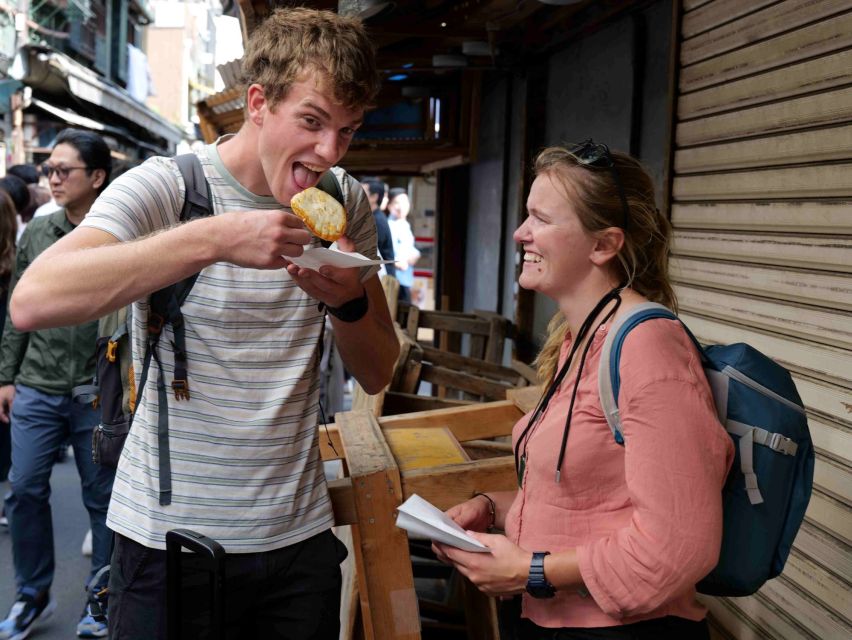
A custom tour becomes more useful when it helps with ordinary decisions, not just famous sights. A good lunch stop can save time and help you avoid choosing a restaurant at random when you are tired.
Fares made a point of finding lunch that suited the group’s wishes and later suggested dinner places. That kind of help is especially useful if you have a preferred style of food or need to explain what you do and do not eat. The tour does not include food, so you pay for all meals yourself.
Food guidance can also help you understand Tokyo beyond the plate. June offered tips on Japanese food and other places to visit later in the trip. This is a practical benefit for a first visit because one well-planned day can improve the rest of your stay.
Still, do not book this expecting a food tour. Markets and lunch can be included if they fit your requested plan, but the experience is primarily a private walking and sightseeing tour. Be clear about how much time you want to spend eating, shopping, and visiting sights.
The Personal Touch: Fares, June, and Kwon
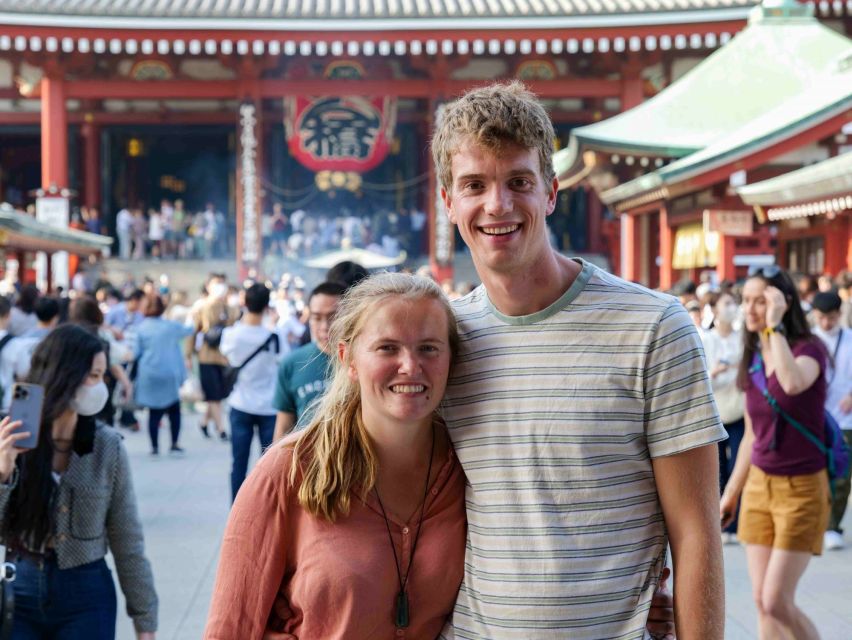
The strongest part of this experience is the private attention. Fares is praised for being friendly, obliging, and willing to make sure the group saw what it wanted. His English and Japanese language skills were also singled out, along with his habit of taking photos and sending them later that day.
June is praised for making Tokyo’s metro easier to use and for creating a more personal plan than a large group tour. Her cultural advice included praying, food, and ideas for other places to visit. Kwon is described as professional, well informed, and attentive to requests.
These details show what you should ask for from your guide. Do not simply say you want to see Tokyo. Explain your top interests, how quickly you like to walk, what you want to eat, and which famous places matter most.
Guide quality can vary from person to person, and the experience is not built around one guaranteed named guide. Still, the available feedback points to a service style based on flexibility and personal care rather than a memorized speech.
Is $56 Per Person Good Value?
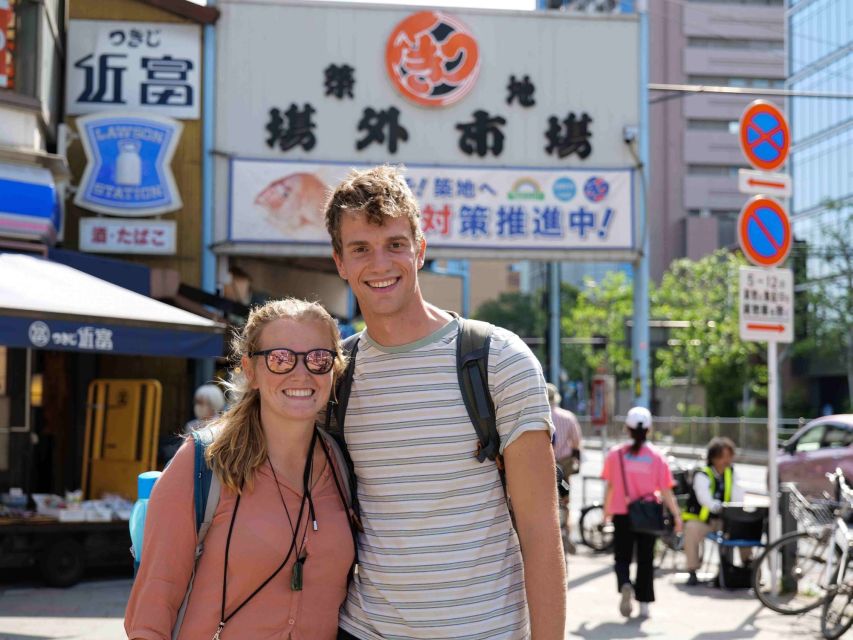
At $56 per person, this is a reasonable price for a private introduction to Tokyo, especially if you are traveling with another person or a small party. You are paying for a guide’s time, a custom plan, and help using the city, not for admission tickets or a packaged meal.
The value is highest on a first visit. If Tokyo’s size and rail system feel intimidating, the guide may save you time and frustration. Cultural explanations can also help you avoid missing the meaning behind a shrine visit or local custom.
The calculation changes if you want many paid attractions. You must pay entrance fees for yourself and your guide, along with your own transport and food. Add those costs before booking, particularly if your preferred plan includes several ticketed sites.
I would compare this with a larger group tour only if price is your main concern. A group option may cost less, but it will not give you the same control over pace, food stops, or neighborhood choices. For a private day that targets your interests, the base price is fair, provided you understand the extras.
Who Should Book This Tokyo Walk?
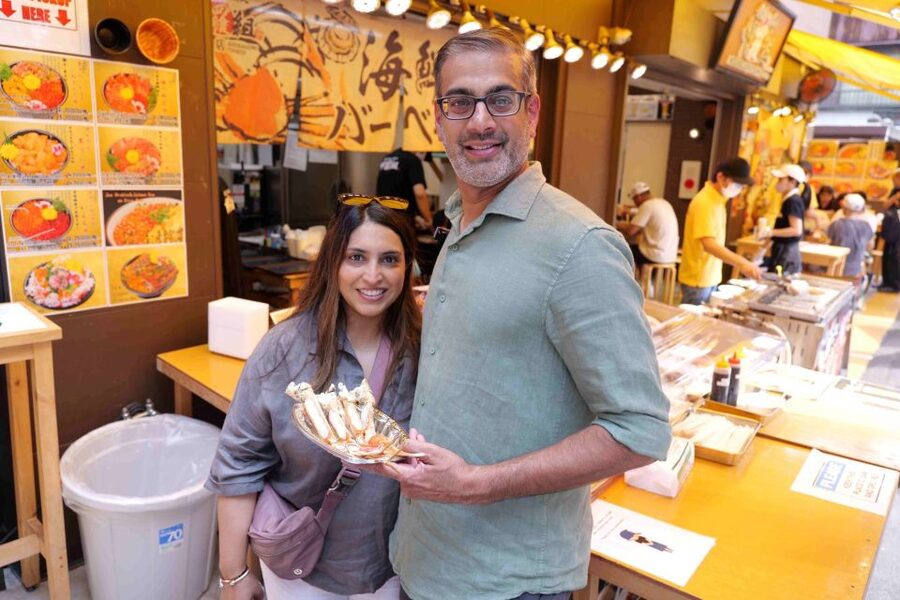
This tour suits first-time Tokyo visitors who want help getting oriented without surrendering control of the day. It is also a good match for couples, families, and small groups with different priorities.
You will get the most from it if you arrive with a short list of requests. Choose two or three main themes rather than naming every district in Tokyo. A focused plan gives your guide a better chance to create a relaxed day.
It is less suitable if you want a fixed itinerary with guaranteed attractions, included meals, or admission tickets bundled into the price. The tour is built around conversation and adjustment, so you need to take part in shaping it.
The private format is also useful for anyone who dislikes large groups. You can ask questions freely, stop for photos, change the pace, and request practical help without waiting for strangers.
Booking Advice and Final Verdict
Book this tour if you want a personal introduction to Tokyo and value local guidance more than a fully prepaid package. Tell the provider your interests in advance, and confirm the planned neighborhoods, expected walking pace, transport costs, entrance fees, and meal arrangements.
The $56 per-person rate offers good value for a flexible private experience, but budget beyond the headline price. You pay your own food, transport, personal expenses, and entrance fees for both yourself and the guide. The ability to reserve now and pay later adds flexibility, and cancellation is free up to 24 hours before the tour.
I would choose it for a first day in Tokyo, especially if you want to combine a shrine, a modern district, and local food without wrestling with the city alone. I would skip it only if you already know Tokyo well or prefer to plan every stop yourself.
FAQ
What is included in the Tokyo private walking tour?
The tour includes hotel pickup, walking, public transportation as part of the touring method, and customization around your interests.
Are transportation fees included for me?
No. Your own transportation fees are not included. Budget separately for train or subway fares.
Are entrance fees included?
No. You pay entrance fees for yourself and the guide when a planned attraction charges admission.
Is food included?
No. Food is not included, so you pay for your own meals and snacks.
What language is the tour offered in?
The stated tour language is English.
Can I choose what to see?
Yes. The tour is customizable. You can request historic shrines, temples, modern districts, pop culture, local food markets, or other places that match your interests.
What is the cancellation and payment policy?
You can reserve and pay later, with nothing due today. You can cancel up to 24 hours in advance for a full refund.
More Private Tours in Tokyo


More Guided Tours in Tokyo
More Walking Tours in Tokyo
More tours in Tokyo we've reviewed












Walking Tours, compared.
 ★ 5.0Tokyo Tsukiji Fish Market Food and Culture Walking TourFrom $99
 ★ 4.9Tokyo: Shinjuku Local Bar and Izakaya Guided Walking TourFrom $343 hours
 ★ 5.0Tokyo: Tsukiji Fish Market Food and Walking tourFrom $30
 ★ 4.8Tokyo: Asakusa Walking Tour with Sensoji Temple VisitFrom $222 hours
 ★ 4.9Tokyo: Tsukiji Fish Market Guided Walking TourFrom $222 hours
 ★ 4.7Tokyo Castle & Imperial PalaceーShogun Walking TourFrom $232 hours