Reviewed · SHIBUYA TOURS
Private Japanese Calligraphy Class in Shibuya Tokyo
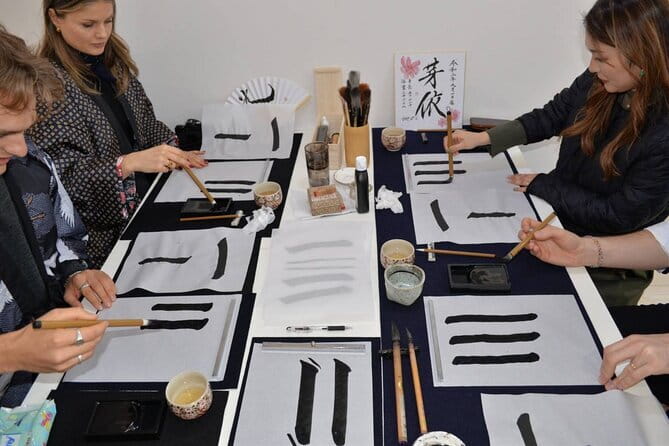
The most appealing part of this experience is its personal scale. At a private lesson near Hatagaya Station, certified calligrapher Koka teaches you the basics of Shodo, then helps you produce a finished piece with your own name, favorite Kanji, or chosen Japanese word. It is a hands-on souvenir, not just a demonstration.
In This Article
- Key points to know before booking
- Why this calligraphy class feels personal
- Arriving near Hatagaya Station at 9:00 a.m.
- The first lesson: learning the basic brush technique
- Writing your name and choosing a favorite Kanji
- The matcha pause after the brushwork
- What $95 means for the value
- Who will enjoy this most
- Practical details that affect your morning
- Should you book Koka’s Shodo lesson?
- FAQ
- Where does the Japanese calligraphy class meet?
- What time does the activity start?
- How long does the calligraphy class last?
- Is this a private experience?
- Who teaches the calligraphy lesson?
- Can children take part?
- What will I create during the class?
- Is matcha included after the lesson?
- What is the cancellation policy?
I like the private format, since Koka can give your group direct guidance instead of sending you through a crowded workshop. I also like the calm finish: after the lesson, you may enjoy traditionally prepared matcha, an extra touch that helps the class feel like a cultural visit rather than a quick craft stop.
The main point to consider is the meeting location and timing. The class begins at 9:00 a.m. near Hatagaya Station, not in central Shibuya itself, and the full visit may take 1.5 to 2 hours rather than exactly 90 minutes. Check the meeting details carefully before setting out.
Key points to know before booking
- A truly private class: Only your group participates, making this a good choice for families, couples, and friends who want individual attention.
- Koka teaches the basics of Shodo: You learn technique first, then apply it to your own calligraphy work.
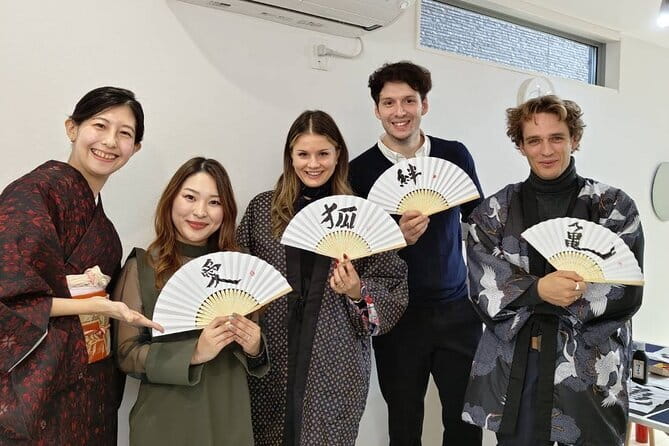
- Your name and favorite Kanji are part of the lesson: The finished piece can become a personal souvenir or a gift.
- Matcha follows the lesson: You may enjoy matcha afterward if you would like.
- Children are welcome: The activity is suitable for families, though each child will need to take part in a brush-based lesson.
- Hatagaya is the practical base: The meeting point is near Hatagaya Station in Shibuya, with the activity ending back there.
Why this calligraphy class feels personal
Japanese calligraphy, or Shodo, is more than writing Japanese characters with a brush. The shape of each stroke, the pressure of the brush, and the spacing on the paper all matter. Even a simple character can look very different depending on how it is written.
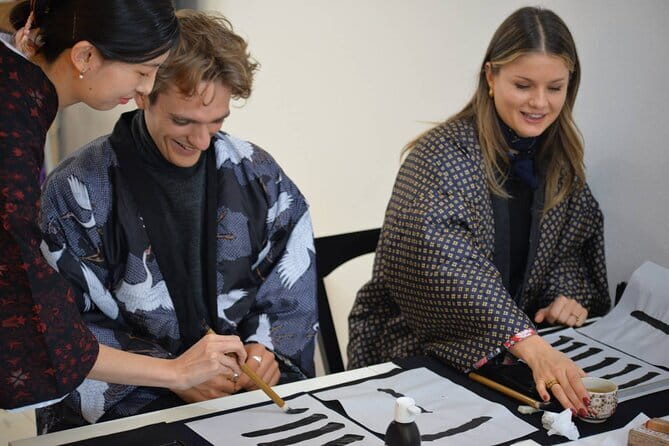
That is why a private lesson can be more useful than simply watching someone work. You can try a stroke, receive a correction, and try again while the motion is still fresh. Koka teaches the basic technique before asking you to create your own work, so you are not expected to arrive with artistic skill or prior knowledge.
I would choose this class if you want an activity with a clear result. By the end, you create calligraphy of your own rather than taking home a mass-produced item. You can write your name in Japanese, choose a favorite Kanji, or select another Japanese word. The personal choice gives the experience a different feel from a standard souvenir hunt.
The class is also easy to share. A private booking means your companions can learn at the same pace, and the setting suits a family or a small group of friends. One family particularly enjoyed the instructor’s patience and careful guidance, which is exactly what beginners need when handling a brush for the first time.
A few more Tokyo tours and experiences worth a look


Arriving near Hatagaya Station at 9:00 a.m.
The stated starting point is Hatagaya Station, in Tokyo’s Shibuya area. The supplied address includes Japanese characters and several location details, so I would keep the booking confirmation open on your phone and verify the exact meeting instructions before leaving your hotel.
The early start has both advantages and limits. At 9:00 a.m., you can fit the calligraphy lesson into the first part of your day and still have plenty of time for other Tokyo plans. If you are staying far from Hatagaya, though, allow enough time for the journey. The meeting point is not the same as Shibuya Station, one of Tokyo’s best-known transport hubs.
This is a mobile-ticket activity, and confirmation is provided when you book. That makes the practical side simple, but the location deserves attention because the address information is written in a mix of English and Japanese. I would not rely on recognizing the general Shibuya name alone. Match the station, street details, and meeting instructions before the morning of your class.
The activity ends back at the meeting point. That is helpful if you plan to continue sightseeing from Hatagaya, since you are not left to find a separate ending location.
The first lesson: learning the basic brush technique
The class begins with an introduction to Shodo and its basic technique. The information provided does not set out every exercise in order, so you should not expect a fixed list of characters or a precise school-style syllabus. The clear goal is to learn the fundamentals and then use them in your own finished work.
For a beginner, the value is in the correction and repetition. A brush can feel less familiar than a pencil, and the amount of ink or pressure can change the appearance of a stroke. Koka’s role is to guide you through that process with patience and clarity.
One previous participant described Koka as kind, patient, and easy to follow. That matters here. Calligraphy can feel intimidating if the teacher moves too quickly or assumes you already understand the forms. A private class gives you room to ask questions and repeat a movement without worrying about holding up a large group.
I would approach the lesson with modest expectations. The goal is not to become a calligraphy expert in one morning. The goal is to understand enough about the brush and the characters to make a piece that carries your own effort. That is a realistic and satisfying target for a 90-minute cultural activity.
Writing your name and choosing a favorite Kanji
A highlight of the class is the chance to write your name in Japanese. You can also work with a favorite Kanji or another Japanese word. This choice makes the final piece more meaningful, especially if you want a souvenir connected to your own trip.
If you already have a word in mind, it is sensible to decide before class. If you do not, the opportunity to choose during the lesson keeps the activity open and relaxed. The available information does not specify a set menu of words, so the exact character or phrase should be discussed with Koka.
Your name may require a Japanese rendering rather than a direct conversion of alphabet letters. The class is designed to teach you how to write it in Japanese, which gives the finished work a stronger connection to the language and culture. You are not simply copying an English signature with a brush.
The final work can serve several purposes. You might frame it at home, give it to family or friends, or keep it as a reminder of Tokyo. The item is lightweight and personal, though the provided details do not specify the paper size, mounting method, protective sleeve, or shipping options. If you need to carry it safely on a long trip, ask Koka what is supplied.
The matcha pause after the brushwork
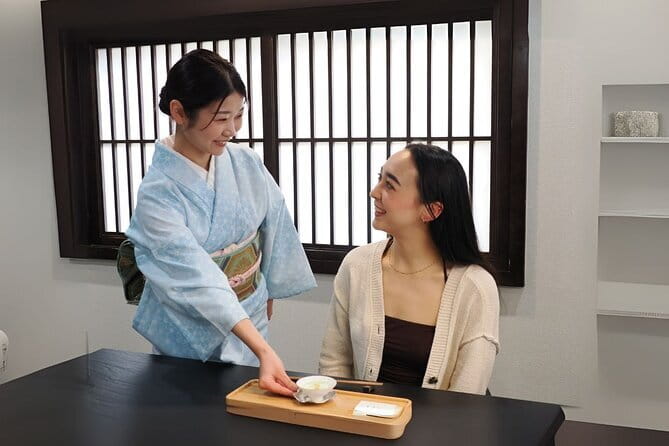
After the lesson, you may enjoy matcha if you would like. This is optional, so you can decide based on your schedule or taste. If you have never tried matcha, it adds a second cultural element without turning the class into a long formal ceremony.
One participant specifically praised the welcome tea and the authentically prepared matcha served after the lesson. That detail suggests the refreshment is treated as part of the hospitality, not simply a drink placed on a table. Still, you should view it as a pleasant addition rather than the main reason to book.
The matcha also gives you a natural moment to look at your completed calligraphy. After concentrating on brush movements, a quiet drink can help you slow down and enjoy the result. Families may appreciate this pause, while visitors with a tight schedule can keep it brief or skip it.
The class itself takes about 1.5 to 2 hours according to the description, while the tour summary lists approximately 1 hour 30 minutes. I would plan for the longer window, especially if you want the full lesson and matcha. That small bit of extra time prevents you from booking another activity too closely afterward.
A few more Tokyo tours and experiences worth a look


What $95 means for the value
The listed price is $95 per person. That is more than you would pay for a casual museum ticket or a simple self-guided activity, but this is a private lesson with an instructor and a personal finished work.
The value depends on what you want from a Tokyo experience. If your priority is a low-cost introduction, the price may feel high for a class lasting around two hours. If you want direct teaching, a private setting, and a souvenir made by your own hand, the price is easier to justify.
I especially see value for a small group that would otherwise pay separately for several short activities. Your booking includes only your own party, so you do not share the lesson with strangers. That makes it easier for adults and children to work at a comfortable pace.
The final piece also changes the calculation. You are paying for instruction and time, but you are also creating something you cannot buy in quite the same form at a shop. The price does not appear to include transportation, and the provided details do not specify whether materials or any additional calligraphy pieces carry an extra fee. Confirm those points if your budget is tight.
Who will enjoy this most
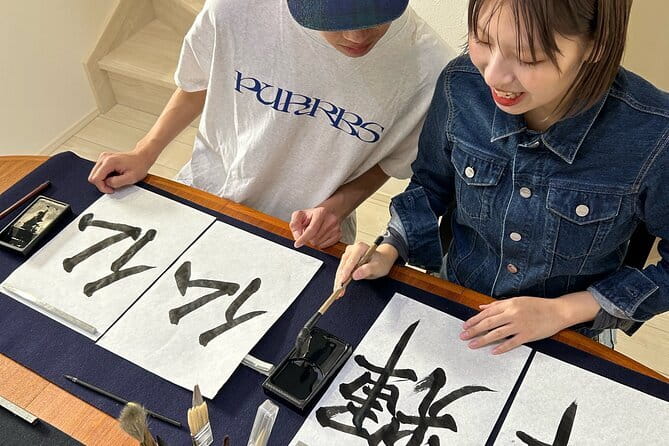
This class suits first-time learners, couples, families, and small groups of friends. Children are welcome, and the private format gives parents more control over the pace than a large public workshop would.
It is a good match for you if you enjoy making things, want a quiet cultural activity, or prefer souvenirs with a personal story. It can also work well on a first morning in Tokyo, when you want an organized activity before spending the afternoon elsewhere.
You may want to choose another experience if you dislike seated, careful handwork or want a fast activity with lots of sightseeing. This class does not promise a tour of Shibuya’s famous streets or a broad introduction to Tokyo. Its focus is narrow: learning Shodo and creating calligraphy.
The early start may also shape your decision. A 9:00 a.m. meeting time works well for an active day, but it is less convenient after a late night or a long journey. Families should also consider each child’s patience with focused brush practice, even though children are explicitly welcome.
Practical details that affect your morning
You receive booking confirmation at the time of purchase, and the mobile ticket makes it easy to keep the essential information on your phone. I would save a screenshot as a backup, particularly if you expect weak service while moving through Tokyo.
The class is near public transportation and ends where it begins. That keeps the route simple, but you still need to identify the exact Hatagaya meeting point. The address information includes both English and Japanese details, so copying the Japanese address into a map may help.
Cancellation is flexible up to 24 hours before the start time, with a full refund available if you cancel by then. Changes or cancellations made less than 24 hours before the 9:00 a.m. start are not accepted for a refund. The cut-off follows local Tokyo time, so check the deadline if your plans are still changing.
The experience is private, but the available information does not give a maximum group size. If your party is larger than a family or small group, ask the operator how the lesson will be arranged. The description confirms that only your group participates, not how many people can join.
Should you book Koka’s Shodo lesson?
Book this experience if you want a personal Tokyo souvenir, direct instruction, and a calm cultural activity away from the biggest sightseeing crowds. Koka’s patient teaching, private setup, and optional matcha make the class especially appealing to beginners and families.
Think twice if you are mainly looking for a cheap activity, a full Shibuya tour, or a quick stop under an hour. Also confirm the Hatagaya meeting details and allow up to two hours, not just the advertised 90-minute estimate.
For the right audience, $95 buys more than brush practice. It gives you a chance to slow down, learn a small part of Japanese culture, and leave with work that carries your own hand and choice of words.
FAQ
Where does the Japanese calligraphy class meet?
The class meets near Hatagaya Station in Tokyo’s Shibuya area. The provided location includes Hatagaya, Shibuya, Tokyo 151-0072, along with Japanese address details.
What time does the activity start?
The activity starts at 9:00 a.m.
How long does the calligraphy class last?
The tour summary gives an approximate duration of 1 hour 30 minutes. The fuller description says the whole class may take 1.5 to 2 hours.
Is this a private experience?
Yes. Only your group participates in the activity.
Who teaches the calligraphy lesson?
A certified Japanese calligrapher named Koka teaches the class.
Can children take part?
Yes. Children are welcomed.
What will I create during the class?
You will learn basic Shodo technique and create your own calligraphy work. The lesson includes writing your name in Japanese and may also include a favorite Kanji or another Japanese word.
Is matcha included after the lesson?
You may enjoy matcha after the lesson if you would like. The description presents it as an optional part of the experience.
What is the cancellation policy?
You can cancel at least 24 hours before the local start time for a full refund. Cancellations or changes made less than 24 hours before the start are not accepted for a refund.
More Private Tours in Tokyo



More Craft Workshops in Tokyo
More Shibuya Tours in Tokyo

More tours in Tokyo we've reviewed












Shibuya Tours, compared.
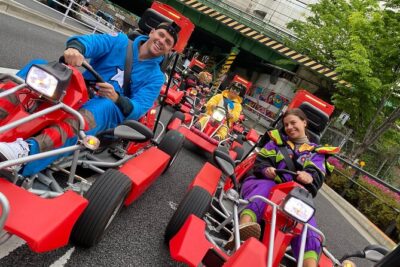 ★ 5.0Official Street Go-Kart in ShibuyaFrom $76
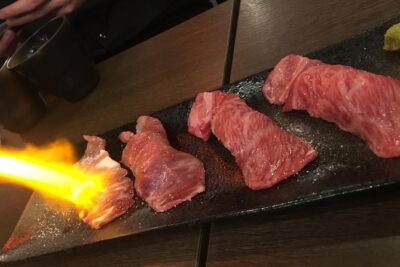 ★ 5.0Shibuya Meltdown Nightlife Tour: All-You-Can-Drink Bar HoppingFrom $106
 ★ 4.9Tokyo: Street Kart Experience in ShibuyaFrom $99
 ★ 5.0Shibuya Official Street Go-Kart in Shibuya AnnexFrom $69
 ★ 5.0Tokyo: Shibuya Food Tour (13 dishes and 4 Eateries)From $77
 ★ 5.0Best of Shibuya Food TourFrom $217