Reviewed · SAKE TASTING
Casual Japanese sake tasting and snack experience, Kabukicho
Kabukicho is an unexpected place to learn about sake. Just five minutes from Shinjuku Station, this small tasting introduces eight carefully selected drinks, including cold, warm, cocktail-style sake and sweet amazake. Traditional snacks help show how food changes the taste in your glass.
In This Article
- Key points to know before booking
- What the Kabukicho sake tasting is really like
- Finding the meeting point near Shinjuku Station
- The first pours make sake less intimidating
- Eight drinks, from cold sake to cocktail-style pours
- Snacks show why the pairings matter
- Amazake gives the session a sweet finish
- Is $38 a fair price?
- How the small group changes the experience
- Who should book this sake experience?
- Final verdict: a friendly introduction with real variety
- FAQ
- How much does the sake tasting cost?
- How many drinks are included?
- Are snacks included?
- Is the experience suitable for someone who has never tried sake?
- Is amazake included?
- Where is the meeting point?
- What languages are available?
- Is the venue wheelchair accessible?
- Can I cancel for a refund?
I like the easy comparison format, especially for a first sake tasting. I also like the small group size, capped at six, and the friendly help from Mai, who has been praised for answering questions and making the session easy to follow.
The main drawback is the setting. The venue is on the second floor with no elevator, and the entrance sign can be hard to spot. Kabukicho can also feel a little rough around the edges, especially if you arrive by an unfamiliar side street.
Key points to know before booking

- Eight drinks in one sitting: Compare several styles instead of committing to one bottle or glass.
- Cold, warm, cocktail-style and sweet options: The tasting shows how much Japanese rice-based drinks can vary.
- Traditional snacks are included: Small pairings help you notice how sake works with food.
- Good for beginners: The tasting starts with simple alcoholic drinks and lower-alcohol sake before moving on.
- Small group of six or fewer: You get a more personal setting than at a large food tour.
- Amazake finishes the tasting: This sweet fermented rice drink provides a soft, dessert-like ending.
What the Kabukicho sake tasting is really like

This is a guided tasting rather than a full meal or a long cultural tour. You meet in a bar setting near Shinjuku, take a seat, and work through a set of drinks with simple explanations and snack pairings.
The aim is not to turn you into a sake expert in one afternoon. Instead, you learn how to compare sake by alcohol level, temperature, style and taste. That makes this a useful introduction if labels in a Japanese shop usually leave you guessing.
The experience is open to people who already enjoy sake, too. Eight samples give you a chance to compare rather than simply sip one house pour. The selection includes different serving styles, with cold and warm sake as well as a cocktail version. That variety keeps the tasting from feeling repetitive.
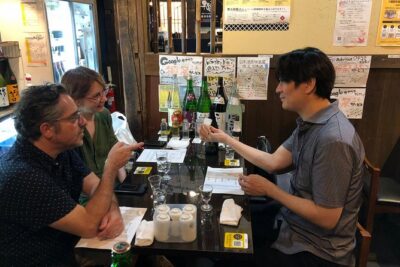
The group limit of six matters here. In a larger group, a tasting can become a quick pour-and-move-on routine. With six people or fewer, you have a better chance to ask about a drink, check a translation or talk through what you taste.
If you're still narrowing it down, here are other tours in Tokyo we've reviewed.


Finding the meeting point near Shinjuku Station
The meeting point is about a five-minute walk from Shinjuku Station on the JR Yamanote Line. Walk along Kabukicho Central Road in the direction of TOHO Cinemas.
Look for Shinjuku Ale next to Karaoke 747 on your right. The venue is on the second floor. The supplied Google Plus Code is MPV2+VR Shinjuku City, Tokyo, which can help if the sign is not obvious.
Give yourself a few extra minutes to find the entrance. One useful detail from the experience is that the sign could be larger and easier to see. Do not assume you will spot a large tour banner from the street.
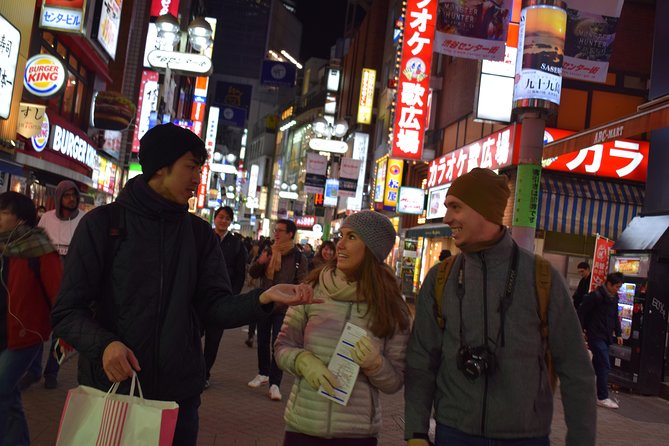
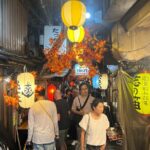
Kabukicho is packed with signs, bars and late-night businesses. The district is perfectly practical for an evening tasting, but the route may feel more intense than a quiet neighborhood street. One French participant found the approach a little unsettling. My advice is simple: use the exact meeting instructions, arrive before dark if that makes you more comfortable, and do not wander down side streets looking for a different entrance.
The venue is not wheelchair accessible because there is no elevator. If stairs are difficult for you, this is not the right choice.
The first pours make sake less intimidating

The session begins with basic information about alcoholic drinks, then moves into sake with a lower alcohol level. Standard sake often sits around 15 to 16 percent alcohol, though individual drinks can be lower or higher.
That opening is useful because sake is not one fixed style. A first-time drinker may expect every pour to taste similar, but alcohol strength, serving temperature and preparation can change the experience quite a bit.
You do not need to arrive with technical vocabulary. The activity is designed to make comparison easy. You can focus on simple questions: Is it light or strong? Sweet or dry? Smooth or sharp? Does it seem better cold or warm?
This approach is one of the best reasons to book the tasting. Buying several bottles on your own could cost more and leave you unsure how to compare them. Here, the structure does that work for you.
English and Japanese are offered, but language support may vary by staff member. Some explanations may be handled with a translation machine. That is worth knowing if you want a detailed lecture in polished English. The activity is better suited to visitors who are happy with short explanations, tasting, gestures and direct questions.
Eight drinks, from cold sake to cocktail-style pours

The heart of the activity is the comparison of eight drinks. The exact brands and order can vary, so you should think of this as a guided set of styles rather than a fixed bottle list.
You can expect the selection to include chilled sake, warm sake, a cocktail-style drink and other carefully chosen Japanese pours. Serving temperature is an especially useful comparison. A sake that seems sharp or unfamiliar when cold may feel softer when warm, while another may be more enjoyable chilled.
The cocktail-style option adds a different angle. It shows that Japanese sake is not limited to a traditional small cup at a formal restaurant. If you are still finding your taste, this format may be less demanding than a strong straight pour.
The tasting also works for people who already know whisky or other spirits. One participant specifically praised the whisky-related aspect of the host or presentation, though the main focus remains sake. If your interest is strictly in premium labels, production regions or advanced brewing methods, this may feel too introductory. If you want a broad, relaxed comparison, it fits well.
You should pace yourself. Eight drinks can add up, even when each sample is small. The activity is for tasting and enjoying Japanese sake, not for drinking as much as possible. Pregnant women and anyone under 20 cannot take part.
Snacks show why the pairings matter

Traditional Japanese snacks are served with the drinks. They are not described as a full meal, so plan to eat beforehand if you need dinner.
The snacks have a useful purpose. Food can soften alcohol, bring out sweetness or make a dry sake seem more balanced. Sampling a drink alone tells you one thing. Trying it with a bite of food tells you how it might work at a Japanese restaurant.
I like this part because it turns the tasting into a practical lesson. You are not just memorizing drink names. You are learning how to order and enjoy sake with food later in your trip.
The pairings also help keep the pace social. You can take a sip, try a snack, compare notes and move on. Several people gave high marks to the combination of sake and small bites, which matches the main strength of the experience: it gives you several simple ways to taste the difference.
Do not expect extra meals or drinks to be included. The $38 price covers the tasting, snacks described as part of the activity, and all fees and taxes. Any additional food or drinks cost extra.


Amazake gives the session a sweet finish
The final drink is amazake, a sweet fermented beverage made from rice malt. It is served as dessert rather than as another strong sake sample.
Amazake is worth including because many visitors have never tried it. The name can cause confusion, since amazake may be nonalcoholic or contain very little alcohol depending on how it is made. In this experience, the important point is its sweet, rice-based character and its role as the closing drink.
Ending with amazake gives the tasting a clear shape. You begin with simple alcoholic drinks, compare sake in several forms, then finish with something gentle and dessert-like.
If you prefer dry drinks only, amazake may not be your favorite part. Still, it makes the experience feel broader than a standard bar flight.
Is $38 a fair price?

At $38 per person, this tasting is priced for convenience and variety rather than for a full evening meal. You receive eight drinks, snack pairings, guidance, and a small group setting. All fees and taxes are included.
The value is strongest if you are new to sake or want to compare styles without buying several bottles. The activity also gives you a safe place to ask basic questions. That can be more useful than ordering at a busy izakaya, where staff may not have time to explain each drink.
The value is weaker if you want a large dinner, generous pours or a long formal seminar. Additional meals and drinks are not included, and transportation to the meeting point is your responsibility.
I would treat this as a compact tasting before dinner. Afterward, you can use what you learned to choose a sake with your meal. The central location near Shinjuku makes that plan easy, though no hotel pickup or drop-off is offered.
How the small group changes the experience

A maximum of six participants gives the tasting a personal feel without making it private. You can hear the explanations and ask questions without competing with a large crowd.
Mai has received especially warm praise for being friendly, welcoming and able to answer questions. Her explanations are described as simple and progressive, which is exactly what a beginner needs. The tone appears relaxed rather than formal.
Do keep expectations realistic about language. English and Japanese are available, but some staff members may rely on a translation device. You should be able to follow the main tasting process, but highly detailed discussion may take patience.
The small group also means the atmosphere can depend on the people booked that day. You may share the table with couples, solo visitors or friends. That can make the tasting more social, but it is not presented as a private lesson.
Who should book this sake experience?

I would recommend it to first-time sake drinkers, curious food lovers and visitors who want a simple introduction before ordering more sake in Japan. It is also a good fit if you like trying several styles in one sitting and do not want a formal ceremony.
It suits people who enjoy small snacks with drinks, ask questions and are comfortable with a casual bar environment. The location works well if you are already visiting Shinjuku or Kabukicho.
I would hesitate if you need step-free access, want a full meal, or expect every explanation to be delivered in fluent English. I would also skip it if you are under 20, pregnant, or looking for a nonalcoholic activity.
Book at least one day before your planned tasting if you want the full cancellation protection, since cancellation up to 24 hours in advance allows a full refund. The reserve-now, pay-later option is useful if your Tokyo schedule is still shifting.
Final verdict: a friendly introduction with real variety
This is a good-value sake sampler for people who want to learn by comparing. The strongest points are the eight-drink format, the cold and warm options, the food pairings, and the relaxed small-group setting.
The drawbacks are clear but manageable: the upstairs venue has no elevator, the sign may be difficult to see, the Kabukicho approach can feel uneasy, and English support may sometimes depend on a translation machine.
Book it if you want a low-pressure way to understand Japanese sake before exploring Tokyo’s bars and restaurants. Skip it if you want a substantial meal or a technical master class. For most curious beginners, the tasting offers a pleasant, practical starting point at a fair price.
FAQ
How much does the sake tasting cost?
The experience costs $38 per person. All fees and taxes are included.
How many drinks are included?
Eight carefully selected types of drinks are included in the tasting.
Are snacks included?
Yes. The sake tasting is served with traditional Japanese snacks. Additional meals and drinks are not included.
Is the experience suitable for someone who has never tried sake?
Yes. The session begins with simple alcoholic drinks and lower-alcohol sake, making it suitable for first-time sake drinkers.
Is amazake included?
Yes. Amazake is served as a dessert at the end of the experience. It is a sweet fermented drink made from rice malt.
Where is the meeting point?
The meeting point is about a five-minute walk from Shinjuku Station on the JR Yamanote Line. Walk along Kabukicho Central Road toward TOHO Cinemas, then look for Shinjuku Ale next to Karaoke 747 on your right.
What languages are available?
The experience is offered in English and Japanese. Some staff members may use a translation machine when needed.
Is the venue wheelchair accessible?
No. The venue is on the second floor and does not have an elevator.
Can I cancel for a refund?
Yes. You can cancel up to 24 hours in advance for a full refund. The reserve-now, pay-later option lets you book without paying immediately.
More tours in Tokyo we've reviewed

Sake Tasting, compared.
 ★ 5.0Ramen and Sushi Cooking Class with Sake Pairing Set in TokyoFrom $79
 ★ 5.0Sake Tasting Masterclass in Shinjuku (8+ Varieties with a Pro)From $72
 ★ 5.0Sake Omakase in Tokyo: Guided Tasting by Certified SommeliersFrom $79
 ★ 5.0Tasting All Types of Sake with SommelierFrom $62
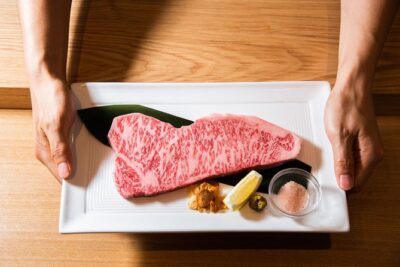 ★ 5.0Wagyu & Sake Pairing in Shinjuku – Steak, Shabu-Shabu & MoreFrom $148
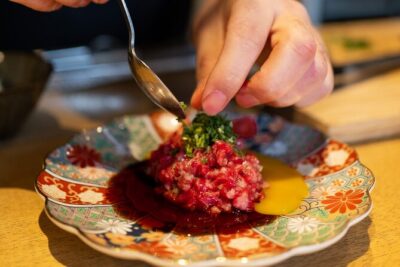 ★ 5.0Tokyo Wagyu & Sake Pairing Tasting Experience with Local FlavorsFrom $151