Reviewed · WALKING TOURS
Discover your Tokyo -Private Tokyo Customized Walking Tour-
Tokyo is easiest to enjoy when someone helps you connect its many faces. This private day tour moves from the food stalls and temple lanes of Tsukiji and Asakusa to the forest of Meiji Jingu, the style shops of Harajuku and Omotesando, and the famous crossing at Shibuya. That range is the real attraction.
In This Article
- Key points to know before booking
- A full day that shows Tokyo in contrast
- Tsukiji for one hour, with food at your own expense
- Asakusa and Senso-ji, Tokyo’s most traditional stop
- Meiji Jingu, a forest break beside the city
- Harajuku, from youth style to adult shopping
- Omotesando, Tokyo’s polished fashion avenue
- Shibuya Crossing in a compact 30 minutes
- What the private format changes
- Is $402.34 per person a fair price?
- Timing, transport, and the shape of the day
- Who will get the most from this Tokyo day?
- Should you book this private Tokyo tour?
- FAQ
- How long does the private Tokyo tour last?
- Which places are included in the route?
- Is Tokyo Tower included?
- Is transportation included?
- Is the tour private?
- Are meals and drinks included?
- Are admission tickets included?
- Can I cancel the booking for a refund?
I like the private format, since your guide can answer questions, adjust the pace, and help with practical tasks such as buying Shinkansen tickets. I also like that transport during the tour, plus hotel pickup and drop-off, is included. The main caution is the price: at $402.34 per person, this makes the most sense for a small group that values personal attention.
Key points to know before booking
- Six very different Tokyo areas in one day: You move from Tsukiji’s market district to Senso-ji, Meiji Jingu, Harajuku, Omotesando, and Shibuya.
- A private guide for your party: Only your group participates, so the day can focus on your questions and interests.
- English-speaking guides with different strengths: Seiko, Sho, Machiko, Shota, and Syun are among the guides named in the experience information.
- Transport and hotel transfers included: You do not have to arrange the day’s local transport on your own.
- Useful help beyond sightseeing: Sho has helped visitors buy Shinkansen tickets and order Ghibli cream puffs.
- A packed route with little wasted time: The listed stops total five and a half hours, leaving the rest for transport, transitions, and conversation.
A full day that shows Tokyo in contrast
The best feature here is the route. Tokyo does not offer one single face, and this tour gives you several in quick succession. You begin in the Tsukiji area, visit historic Asakusa, walk through a shrine forest, then shift into youth fashion, luxury shopping, and the spectacle of Shibuya.
That makes this a useful first-day plan, especially if you have limited time or do not yet know how Tokyo’s neighborhoods fit together. You will not study every district in depth, but you will get a clear sense of the city’s range.
The pace is active. Each main stop is allotted about an hour, with only 30 minutes at Shibuya Crossing. You should expect walking, public transport, and regular movement rather than long seated explanations. Comfortable shoes will matter, even though the tour description does not set out a specific walking distance.
Other walking tours we've reviewed in Tokyo
Tsukiji for one hour, with food at your own expense
The day begins in the Tsukiji area, where you have about an hour. The admission fee is listed as free, but that does not mean the stop costs nothing. Tsukiji is a place where you may want to buy food or drinks, and meals are not included.
This is a good opening stop because it gives your guide room to explain how Tokyo’s food culture works while you look around. The market district can also be a practical place to ask for recommendations about dishes, etiquette, or places to eat later in your trip.
Keep your expectations in check. The experience provides a visit to the Tsukiji area, not a promised food tasting or a private market workshop. If you want to eat, budget separately and tell your guide what interests you. Since the tour is private, this is one point where personal preferences should be useful.
The one-hour slot is enough for an introduction, but not for an exhaustive food tour. I would treat Tsukiji as a lively orientation to Tokyo’s culinary side, not as the main meal of the day.
Asakusa and Senso-ji, Tokyo’s most traditional stop
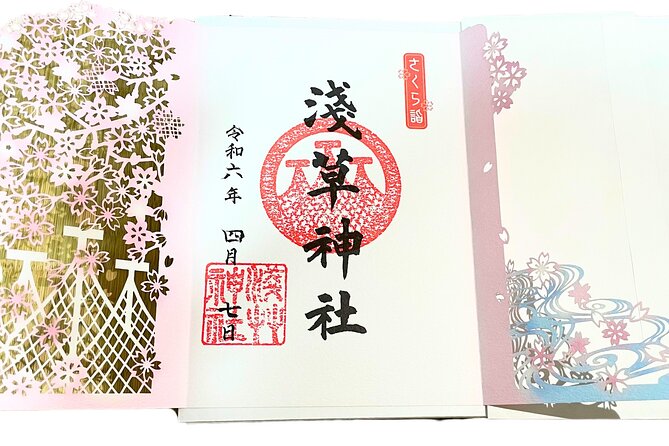
Next comes Asakusa, with roughly an hour at Senso-ji. This is the clearest change of mood on the route. After Tsukiji, you move into one of Tokyo’s best-known traditional areas, where the temple gives the day a strong cultural anchor.
Your guide can help explain what you are seeing and answer questions as you move through the temple area. That matters in Japan, where a shrine and a temple are not interchangeable, and small details can be easy to miss when you explore alone.
The admission fee is listed as free. Food, drinks, and any purchases remain your responsibility. The hour should give you a solid introduction, though it will not cover every corner of Asakusa.
I like this pairing of Tsukiji and Senso-ji. One shows everyday food culture, while the other offers a more formal and historic setting. You get context before the tour shifts to modern Tokyo.
Meiji Jingu, a forest break beside the city
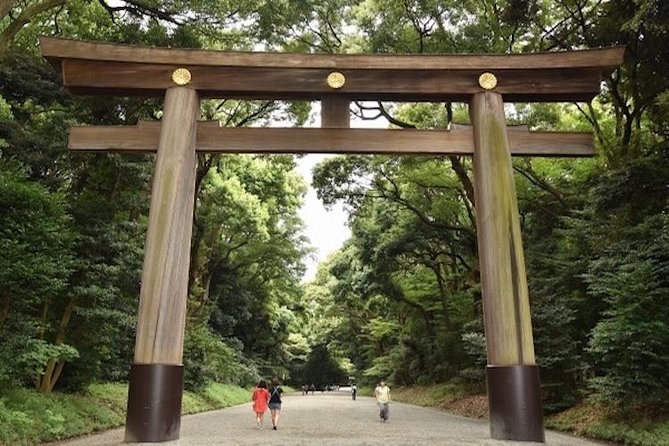
Meiji Jingu receives another hour, and this may be the most calming stop of the day. The shrine sits in a forest covering about 170 acres, with 365 different tree species donated from across Japan when the shrine was established.
That detail helps explain why this visit feels different from a simple urban sightseeing stop. You are still close to major shopping streets, yet the setting gives you a quiet stretch of paths and trees. It is a useful reminder that Tokyo is not only towers, trains, signs, and crowds.
Your guide can explain the shrine’s cultural role and the customs connected with visiting. This is also a place where a private guide is valuable because you can ask what to do before entering, how to behave at the shrine, and what the various features mean.
The route gives Meiji Jingu a full hour, which is sensible. You need time to walk through the wooded approach rather than rush in, take one photograph, and leave. The drawback is that the entire day includes several one-hour visits, so you should not expect a slow, reflective shrine visit with extended free time.
Harajuku, from youth style to adult shopping
Harajuku follows Meiji Jingu and gives you a sharp change in tone. The area is known for unusual teenage fashion and youth culture, but it also has shopping for adults and historic sites.
That contrast makes Harajuku more interesting than a simple shopping stop. You can ask your guide to explain how the district’s image developed, then compare the fashion scene with the quieter shrine you have just visited. The tour allows about an hour, so you will get an overview rather than an extended shopping session.
This is also one of the places where the private setup can save time. If you are interested in fashion, your guide can help you focus on the parts of the neighborhood that fit your taste. If you are more interested in history or local life, you can steer the conversation in that direction.
Do not assume that every shop visit or purchase is included. The experience covers the guiding and transport, not food, drinks, or admission charges. Shopping is naturally extra.
Other private tours in Tokyo

Omotesando, Tokyo’s polished fashion avenue
Omotesando is close to Harajuku, but it has a different feel. The street is associated with leading fashion brands, so this is the tour’s clearest stop for polished retail and major labels.
I see the value here in the comparison. Harajuku gives you youth style and an informal edge. Omotesando lets you see Tokyo’s more refined shopping side without requiring a separate day.
The one-hour visit should suit anyone who wants a quick look at the area or needs help understanding how it fits into Tokyo’s shopping map. It may feel less rewarding if you have no interest in fashion, brands, or urban design. In that case, ask your guide if time can be adjusted, since this is a private tour.
The route description does not promise specific stores, purchases, or admission-based attractions. Think of Omotesando as a guided neighborhood walk, with explanations and orientation rather than a planned shopping package.
Shibuya Crossing in a compact 30 minutes
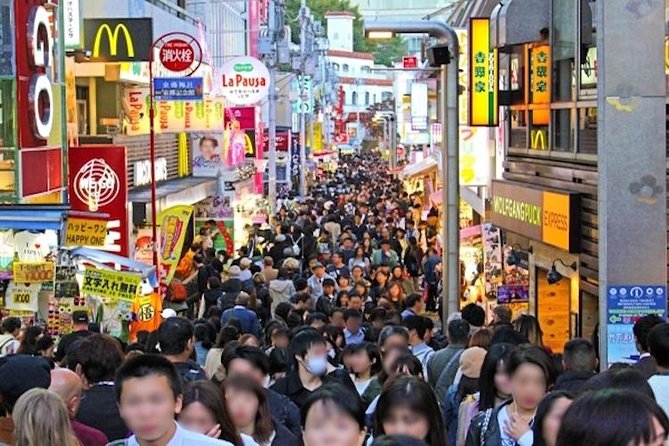
The final listed stop is Shibuya Crossing, one of Japan’s busiest intersections. You have about 30 minutes here, which is enough to experience the crossing and take in the surrounding streets, but not enough for a long exploration of Shibuya.
This short stop works because Shibuya is powerful even in small doses. You can watch the crossing, walk through it, and ask your guide about the district’s role in modern Tokyo. It is a visual finish after the shrine, temple, and market visits earlier in the day.
The practical help described by past guests adds another layer to this tour. Sho has helped with Shinkansen tickets and ordered Ghibli cream puffs, showing that the guide’s role can extend beyond reciting facts. If you have an important train booking or a particular food item in mind, ask in advance rather than waiting until the final stop.
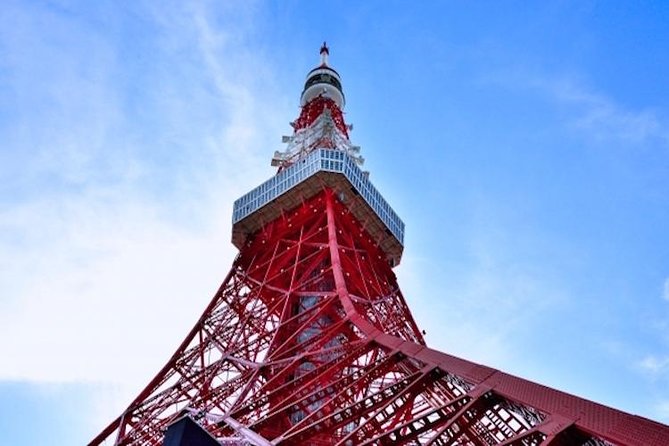
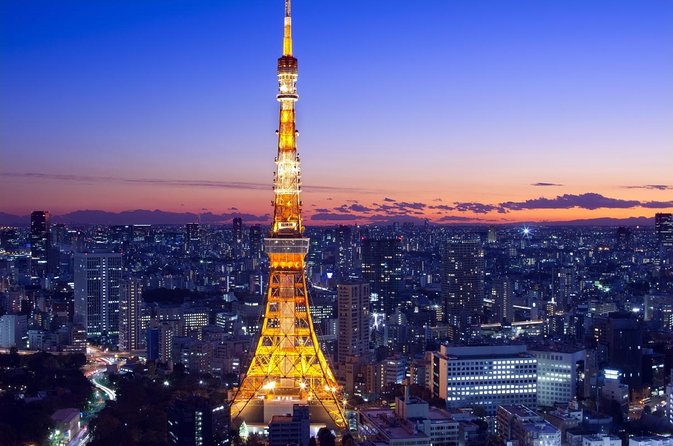
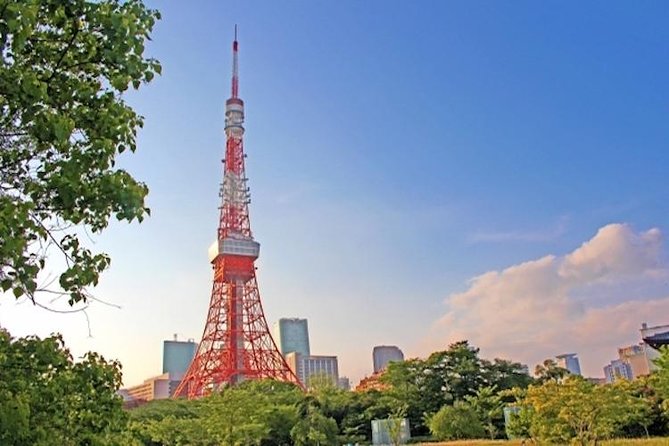
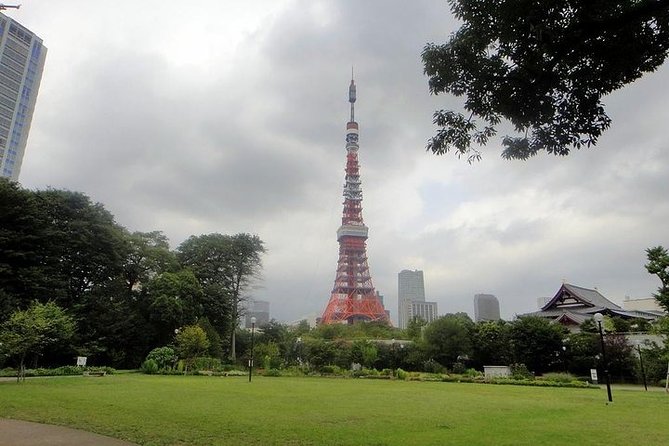
The overview also names Tokyo Tower among the attractions you may visit, but the detailed stop list does not include a separate Tokyo Tower visit. If seeing the tower is essential to you, confirm the route before booking.
What the private format changes
A private tour is not automatically better than a group tour, but here it changes the experience in useful ways. You travel only with your chosen companions and guide, so you do not have to wait for a large group or listen to questions that do not concern you.
The guide can also respond to the needs of your party. One person may want shrine customs explained. Another may care about shopping. Someone else may need help with rail tickets. The strongest part of this experience is the chance to combine those needs in one day.
The guide names associated with the experience include Seiko, Sho, Machiko, Shota, and Syun. The information describes Seiko as organized and detailed, while Sho is noted for practical help and an engaging style. Machiko is described as punctual, pleasant, and well informed. Shota is praised for finding less obvious viewpoints, and Syun for clear English and willingness to share local knowledge.
You cannot necessarily choose a specific guide unless the provider confirms it. Still, these details give you a useful idea of the guide-led approach: personal, flexible, and focused on conversation as well as sightseeing.
Is $402.34 per person a fair price?
At $402.34 per person, this is a serious purchase. The value depends heavily on the number of people in your party and how much you value convenience.
You are paying for about eight hours, a private English-speaking guide, transportation during the tour, and hotel pickup and drop-off. If you are a family or small group, the cost may be easier to justify because you share the private experience while avoiding the limits of a large scheduled group. Group discounts are offered, but the exact terms are not provided.
The price is harder to defend if you are alone or mainly want transportation between famous sights. Tokyo’s public transport system is extensive, and the listed stops do not require admission fees. Food, drinks, and paid activities are also extra.
I would pay this price for a first day in Tokyo when I want a human guide, help with trains, and the freedom to ask constant questions. I would skip it if I prefer to move slowly, spend hours shopping, or explore fewer areas in greater depth.
Timing, transport, and the shape of the day
The tour runs for approximately eight hours, with operating hours listed as 9:00 a.m. to 5:00 p.m. The individual stops account for about five and a half hours, so the remaining time is important. It covers transport, hotel transfers, movement between neighborhoods, and conversation with the guide.
That timing also explains why the itinerary can cover so much ground. You are not walking from one end of Tokyo to the other. Transportation during the tour is included, which removes one of the day’s biggest planning tasks.
Hotel pickup and drop-off are included, though the supplied details do not specify every pickup area or the exact meeting procedure. Confirm those points when you book. The tour is near public transportation, and most people can participate, but you should still be ready for a full day on your feet.
The tour requires good weather. If poor weather causes cancellation, you are offered another date or a full refund. It also requires a minimum number of participants, and if that minimum is not met, you are offered another date, another experience, or a full refund.
Your own cancellation rule is strict: the booking is non-refundable and cannot be changed for any reason. That makes travel insurance and firm planning sensible, especially for an expensive private booking.
Who will get the most from this Tokyo day?
I would recommend this tour most strongly to first-time visitors with limited time. It gives you a broad introduction without forcing you to build a complicated route across several parts of the city.
It also suits families and small groups that want to stay together. A private guide can adjust explanations for different ages and interests, and hotel pickup makes the start and finish easier.
This is a good fit if you want:
- A quick introduction to traditional and modern Tokyo
- Help using local transport during a busy day
- A guide who can answer personal questions
- A route that combines temples, a shrine, shopping districts, and a famous city intersection
- Assistance with practical tasks such as train tickets
I would be more cautious if you want a food-focused tour, a shopping day, or a slow cultural visit. Tsukiji is not a meal package, shopping purchases are not included, and each neighborhood receives limited time.
Should you book this private Tokyo tour?
Book it if you want to cover Tokyo’s major contrasts in one organized day and are willing to pay for personal attention. The strongest reasons are the private format, included transport, hotel transfers, and the practical help a good guide can provide.
Before paying, confirm two details: whether Tokyo Tower is part of your exact route, and which guide is available for your date. I would also tell the provider your priorities, especially if Shinkansen help, food, shopping, or shrine customs matter to you.
Skip it if the price exceeds your budget or if you prefer independent exploration. The stops are free to enter, and the schedule is broad rather than deep. For a first look at Tokyo with a flexible guide beside you, though, this is a well-planned use of one full day.
FAQ
How long does the private Tokyo tour last?
The tour lasts approximately eight hours. The listed operating hours are 9:00 a.m. to 5:00 p.m.
Which places are included in the route?
The listed stops are Tsukiji Fish Market, Asakusa and Senso-ji, Meiji Jingu Shrine, Harajuku Station, Omotesando, and Shibuya Crossing.
Is Tokyo Tower included?
Tokyo Tower is named among the attractions in the overview, but it is not listed as a separate detailed stop. Confirm this with the provider before booking if it is important to you.
Is transportation included?
Yes. Transportation fees during the tour are included, along with hotel pickup and drop-off.
Is the tour private?
Yes. Only your group participates in the activity.
Are meals and drinks included?
No. Lunch, dinner, food, and drinks are not included.
Are admission tickets included?
The listed stops show free admission. Any separate admission fees are not included.
Can I cancel the booking for a refund?
The experience is non-refundable and cannot be changed for any reason. If the provider cancels because of poor weather or because the minimum number of participants is not met, you are offered another date or experience, or a full refund.
More Private Tours in Tokyo
More Walking Tours in Tokyo
More tours in Tokyo we've reviewed












Walking Tours, compared.
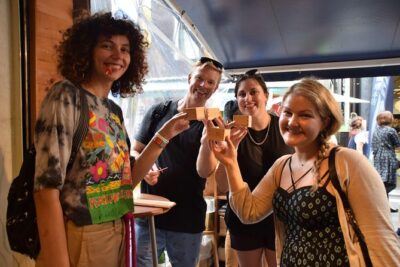 ★ 5.0Tokyo Tsukiji Fish Market Food and Culture Walking TourFrom $99
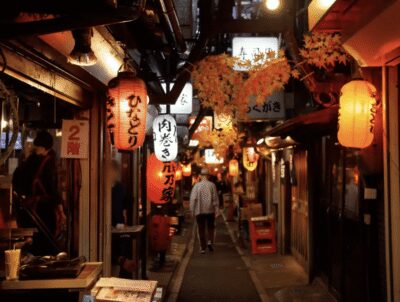 ★ 4.9Tokyo: Shinjuku Local Bar and Izakaya Guided Walking TourFrom $343 hours
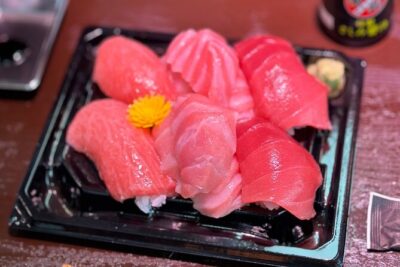 ★ 5.0Tokyo: Tsukiji Fish Market Food and Walking tourFrom $30
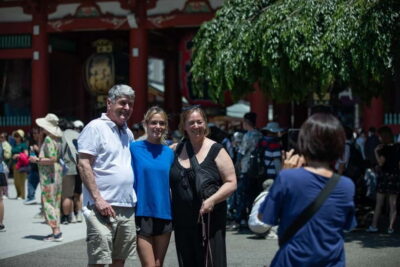 ★ 4.8Tokyo: Asakusa Walking Tour with Sensoji Temple VisitFrom $222 hours
 ★ 4.9Tokyo: Tsukiji Fish Market Guided Walking TourFrom $222 hours
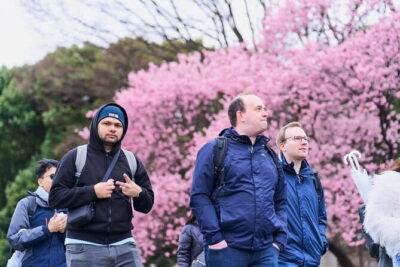 ★ 4.7Tokyo Castle & Imperial PalaceーShogun Walking TourFrom $232 hours