Reviewed · ASAKUSA TOURS
From Asakusa: Old Tokyo, Temples, Gardens and Pop Culture
Tokyo’s old and new faces come together on this four-hour East Tokyo walk. You begin at Senso-ji and finish among anime shops or quiet garden paths, depending on the route’s timing. I like the contrast between Asakusa’s temple traditions and Akihabara’s pop culture, plus the included local train rides that let you cover more ground without paying extra. The main drawback is pace: several major districts in four hours means you will sample each place rather than explore any one of them fully.
In This Article
- Key Points To Know Before Booking
- Why This East Tokyo Route Works
- Starting in Asakusa, Tokyo’s Temple District
- Senso-ji and the Story Behind the Temple
- Ueno and Okachimachi, Where Tokyo Gets Practical
- Akihabara, From Electric Town to Otaku Culture
- Koishikawa Korakuen, A Calm Finish
- What $68 Really Gets You
- Guides, Language, and Walking Comfort
- Who Will Get the Most From This Tour?
- Should You Book This East Tokyo Walk?
- FAQ
- How long is the East Tokyo tour?
- Where does the tour meet?
- Which neighborhoods are included?
- Is transportation included?
- Is admission to the Tokyo National Museum included?
- What language is the tour conducted in?
- Is the tour wheelchair accessible?
I also like the small group limit of eight, which should make it easier to ask questions and keep up with your guide. Past guides named Taka, Takee, Toru, and Michelle have been praised for being warm, clear, and attentive, with Michelle also speaking fluent Italian. Bring good walking shoes, and expect the most time on your feet around busy streets and station areas.
Key Points To Know Before Booking

- Four East Tokyo districts in one morning or afternoon: Asakusa, Ueno, Okachimachi, and Akihabara give you a broad look at the city.
- Senso-ji with context: Your guide explains the importance of this early Buddhist temple instead of leaving you to decode the grounds alone.
- A real market stop: Ueno and Okachimachi show a scruffier, more local side of Tokyo through shops, food stalls, and street commerce.
- Akihabara beyond electronics: You get an introduction to anime, manga, gaming, cosplay, and the district’s older identity as Electric Town.
- A quiet change of pace: Koishikawa Korakuen brings Edo-period garden design into the middle of modern Tokyo.
- Good practical value: The $68 price includes the guide, standard admissions, and local train rides, but not food or the Tokyo National Museum.
Why This East Tokyo Route Works

Many Tokyo tours concentrate on one theme: temples, shopping, food, or modern entertainment. This one is more useful if you want to understand how different parts of the city fit together.
Asakusa shows Tokyo’s religious and commercial roots. Ueno and Okachimachi bring you into everyday buying and selling. Akihabara presents a modern identity built around machines, games, manga, and anime. Koishikawa Korakuen then slows everything down with ponds, paths, and carefully arranged scenery.
That variety is the main reason to book. In four hours, you get a strong first look at East Tokyo without spending the whole day on trains. You will not become an expert in each neighborhood, but you will leave with a clearer sense of how Tokyo layers different eras side by side.
The small group format matters here. Tokyo streets can be crowded, and a group of up to eight is easier to manage than a large bus tour. You can hear explanations at temple gates and market lanes, and guides such as Taka, Takee, and Toru have been noted for making the experience friendly as well as informative.
A few more Tokyo tours and experiences worth a look


Starting in Asakusa, Tokyo’s Temple District
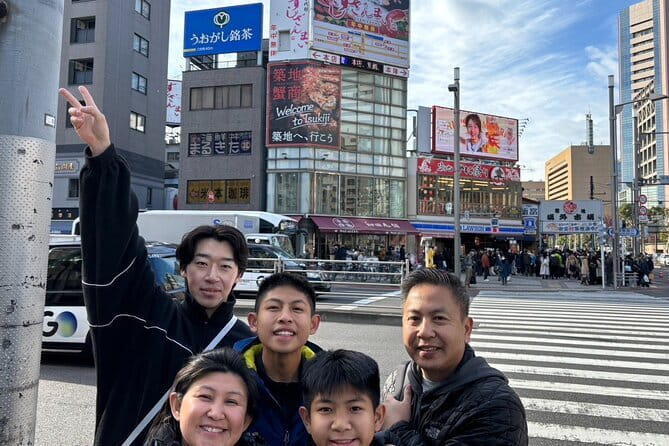
The meeting point is Kamiya Bar in Asakusa, near the stated starting address at 1-chome-1-1 Asakusa. Confirm the exact meeting instructions before setting out, since Asakusa has many streets, stations, and landmarks with similar names.
Asakusa is the best possible opening for a tour built around Tokyo’s past. The neighborhood is known for Senso-ji, but it also carries the memory of older entertainment, shopping, and transport links. Your guide uses the area to explain how a historic district has adjusted to present-day Tokyo.
The 45-minute Asakusa portion should give you more than a quick photograph at the temple gate. You can expect a guided walk through the neighborhood and an explanation of how its busy streets developed. The focus is not only on pretty buildings. It is also on the link between religious sites, shops, visitors, and local commerce.
That context helps you read the district. Nakamise-dori, the shopping street leading toward Senso-ji, is a place to look at as well as walk through. It offers souvenirs, snacks, and traditional goods, but it can also feel crowded and commercial. A guide helps separate the older cultural role of the area from the modern shopping experience.
Senso-ji and the Story Behind the Temple

The dedicated Senso-ji stop lasts about 15 minutes. That is brief, so do not expect a long private lecture or extended time for every corner of the temple grounds. Still, a short guided explanation can make a major difference when you are seeing the site for the first time.
Senso-ji is an early Buddhist temple in Japan, and its importance gives the opening section weight. Your guide explains the temple’s place in Japanese religious history and points out what you are seeing rather than leaving you to guess.
This is also a good place to ask practical questions about temple behavior. The supplied details do not promise a formal ceremony or a special access arrangement, so treat this as an outdoor sightseeing visit with interpretation. If you want quiet time for photographs or personal reflection, you may need to use free moments between stops.
Asakusa also introduces the tour’s central idea: old Tokyo is not sealed away in a museum. It remains part of a living neighborhood, surrounded by shops, transit, food, and daily movement.
Ueno and Okachimachi, Where Tokyo Gets Practical
From Asakusa, the route continues toward Ueno. The Ueno section is planned for about 25 minutes, followed by another 25 minutes in Okachimachi. Standard local train rides are included, which is useful because these districts are connected by Tokyo’s transport network but are too far apart for a relaxed walk within the tour’s short schedule.
Ueno is associated with museums, cherry blossoms, and open public spaces. The tour information also notes the Tokyo National Museum, but admission is not included if you choose to enter. That is an important value detail: you can see the area as part of the tour, but a museum visit would require extra time and money.
The better choice depends on your priorities. If you want a broad neighborhood overview, stay with the group. If the Tokyo National Museum is high on your list, ask whether a separate visit would work better on another day. A four-hour walking tour already has a full schedule.
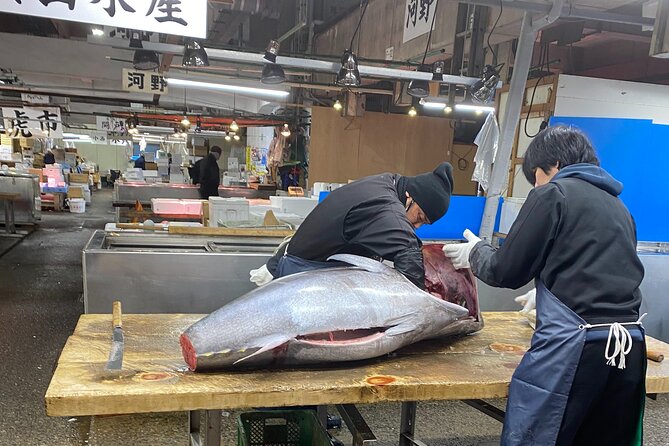
Okachimachi gives the route a different texture. This is a marketplace district shaped by street vendors, small shops, and food sellers. It is less polished than Tokyo’s major department-store areas, and that is precisely its appeal.
I like this stop because it shows the city at working level. You see commerce that is direct, noisy, and practical. It is not designed only for sightseeing. The area helps explain why Tokyo can feel both highly organized and wonderfully untidy, sometimes on the same block.
Do not expect a full food tour. Food and drinks are not included, and there is no promise of tastings. You may find tempting stalls and shops, but the tour’s purpose is to explain the district rather than feed you lunch.
Akihabara, From Electric Town to Otaku Culture
The Akihabara section lasts about 45 minutes. This is enough for an introduction to the district, but not enough to inspect every electronics store, game center, or anime shop.
Akihabara first became known as Electric Town, a center for cutting-edge electronics since the pre-war period. Its later identity developed around otaku culture, including anime, manga, games, and other forms of Japanese pop culture.
That change is one of the tour’s strongest subjects. Akihabara is not simply a neon shopping zone. It shows how a neighborhood can change its main appeal over time while keeping traces of its earlier role. Your guide explains that shift and helps you understand why the district feels so different from Asakusa, even though both are in East Tokyo.
You may encounter cosplay and displays that make the streets feel close to a manga or anime setting. The details provided do not promise a specific shop visit, purchase, or performance, so think of this as a guided district walk rather than a shopping package.
If you love anime and games, you will probably want more time here after the tour. If you are new to the subject, the guide’s explanation gives you a useful starting point without requiring specialist knowledge. The short stop is also a benefit for families or mixed-interest groups, since nobody has to spend half a day in shops they do not understand.
One memorable guide detail comes from a family outing with Takee, who reportedly added origami and a pub stop to the experience. Those extras were personal touches, not guaranteed parts of the schedule, but they suggest that some guides may adapt the conversation or add small cultural moments when time and group interests allow. Do not book expecting those exact additions.

Koishikawa Korakuen, A Calm Finish

Koishikawa Korakuen receives about 45 minutes, including sightseeing and scenic views along the way. This traditional Japanese garden is a useful counterpoint to Akihabara’s signs, screens, and crowds.
The garden reflects Edo-era design, with paths and views arranged to create changing scenes as you walk. Seasonal appeal is a major reason to visit. Cherry blossoms bring spring color, while autumn brings stronger red and gold tones. The garden is not just a green pause between city stops. It shows how older Japanese ideas about space, water, borrowed views, and careful composition continue inside the modern capital.
This may be the most restorative part of the route. After several busy districts, you can slow down and notice details that are easy to miss on a station street. The time is still limited, however. Forty-five minutes gives you a good taste of the garden, not a leisurely exploration of every path.
The order of the final stops may feel unusual because the stated route includes both Koishikawa Korakuen and Akihabara. Your exact movement may depend on the guide and local train connections. The important point is that local transport is covered as part of the standard tour cost, so you are not left figuring out each connection alone.
What $68 Really Gets You

At $68 per person, this is priced as a guided orientation rather than a full-day private tour. The value is strongest if you want someone to connect the neighborhoods and handle the basic movement between them.
The price includes:
- Guide costs
- Standard admissions during the tour
- Local train rides
It does not include food, drinks, optional customization, or admission to the Tokyo National Museum. Those exclusions are reasonable, but they affect your budget. Bring money for anything you want to eat or drink, and do not assume the museum can be added without extra cost or time.
The tour is described as private in its overview, while the booking details identify it as a small group limited to eight participants. The safest reading is that you should expect a small, intimate group rather than a large public tour. If having a fully exclusive guide is essential, confirm that point before paying.
The included transport is especially helpful in Tokyo. The route covers several districts, and paying individual fares while keeping track of directions would add friction. Here, the guide can keep the group moving while you focus on the city.
Guides, Language, and Walking Comfort

The tour is conducted in English. The guide names connected with strong feedback include Taka, Takee, Toru, and Michelle. Michelle is also noted as fluent in Italian, which may be useful if that is your preferred language, though English is the stated tour language.
The most praised guide qualities are clear explanations, patience, humor, and attention to the people in the group. One guide was described as especially good with children, while another was treated more like a helpful travel companion than a formal presenter. These details matter because the route covers subjects that can otherwise feel disconnected.
Wear comfortable shoes. That sounds obvious, but this is a walking tour through several districts, with station movement and time spent standing at temples and markets. Wheelchair access is listed, though the route still includes busy public areas and local train travel. If you use a wheelchair, ask for current route details before booking so the guide can account for station and street conditions.
The tour lasts four hours, with starting times depending on availability. A morning start may suit you if you want to continue exploring Akihabara or Ueno afterward. An afternoon start could work well if you prefer to begin with Asakusa independently, but the best time depends on the schedule offered.
Who Will Get the Most From This Tour?
I would choose this experience for a first visit to Tokyo when you want orientation with substance. It gives you several useful neighborhoods in one compact outing and explains how their roles changed over time.
It also suits families, especially if children are curious about anime, games, temples, and unusual city streets. The route has enough variety to prevent one long subject from taking over, and the small group size should make it easier to keep younger participants involved.
This is a good fit for anyone who likes contrasts:
- Temple grounds and pop culture shops
- Market stalls and formal gardens
- Old transport links and modern city life
- Religious tradition and consumer culture
I would not choose it if your priority is a slow museum visit, a food-focused experience, or extended shopping. You may also feel rushed if you want detailed photographs at every stop. The tour’s strength is range, not depth at one site.
Should You Book This East Tokyo Walk?
Book it if you want a well-priced introduction to East Tokyo that connects places many first-time visitors might otherwise see separately. The combination of Senso-ji, Okachimachi’s market streets, Akihabara, and Koishikawa Korakuen gives you a more thoughtful picture of the city than a single-neighborhood walk.
The $68 cost is fair because guide service, admissions, and standard local train rides are included. Just budget separately for food and any Tokyo National Museum visit.
Skip it if you already know these districts well or want a slow, specialized tour. For everyone else, especially families and first-time visitors, this is a practical way to get your bearings while seeing both Tokyo’s old character and its modern obsessions.
FAQ
How long is the East Tokyo tour?
The tour lasts four hours.
Where does the tour meet?
The meeting point is Kamiya Bar in Asakusa.
Which neighborhoods are included?
The route includes Asakusa, Senso-ji Temple, Ueno, Okachimachi, Akihabara, and Koishikawa Korakuen.
Is transportation included?
Standard local train rides during the tour are included.
Is admission to the Tokyo National Museum included?
No. Admission to the Tokyo National Museum is not included if you choose to visit.
What language is the tour conducted in?
The tour is conducted in English. Michelle, one of the named guides, is also noted as fluent in Italian.
Is the tour wheelchair accessible?
Yes, the activity is listed as wheelchair accessible. Comfortable shoes are recommended, and the route includes walking through several urban districts.
More Asakusa Tours in Tokyo
More tours in Tokyo we've reviewed




Asakusa Tours, compared.
 ★ 4.8Tokyo: Japanese Dance Cabaret Theater Asakusa-Kaguwa TicketFrom $492 hours
 ★ 4.7Tokyo: Meiji Shrine, Asakusa, Skytree Bus Tour and CruiseFrom $12210 hours
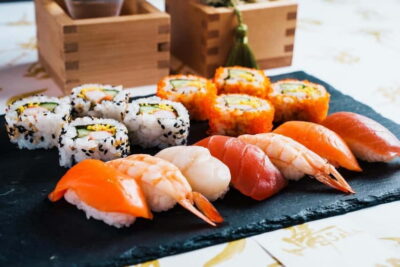 ★ 4.9Tokyo: Roll and Authentic Sushi Making Class in AsakusaFrom $581h 40m
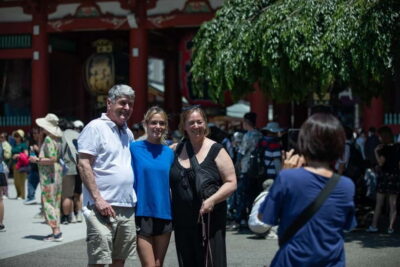 ★ 4.8Tokyo: Asakusa Walking Tour with Sensoji Temple VisitFrom $222 hours
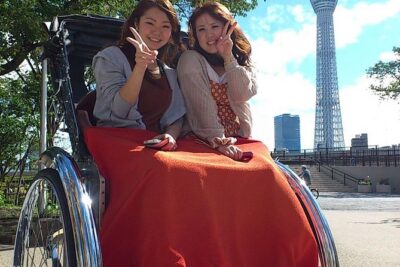 ★ 5.0Tokyo Asakusa Rickshaw TourFrom $42
 ★ 4.5Tokyo Panoramic 1 Day: Meiji Shrine, Asakusa, Odaiba and SKYTREE®From $85