Reviewed · HALF-DAY
Private Tokyo Custom Half-Day Tour by Chartered Vehicle
Tokyo is too large for a casual four-hour wander, so this private tour takes a useful shortcut: you choose the sights, then ride between them in a vehicle reserved for your group. You can build a temple-and-market morning, a city overview, or a family-friendly route with stops such as Asakusa, Tsukiji, Meiji Jingu, and the Imperial Palace.
In This Article
- Key points to know before booking
- A private way to get your Tokyo bearings
- What the $849 group price really means
- Asakusa and Sensoji: Tokyo’s most approachable first stop
- Tokyo Skytree: modern Tokyo from 634 meters
- Tsukiji: a market stop with room for food
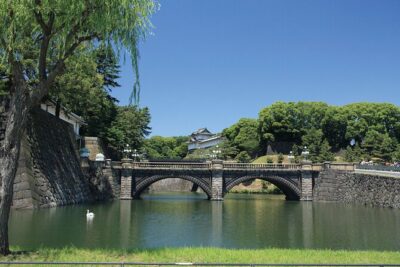
- Adding Meiji Jingu or the Imperial Palace
- The guide can change the whole experience
- Timing, pickup, and comfort
- Who should book this Tokyo tour?
- My call: book it for flexibility, not bargain transport
- FAQ
- How long does the private Tokyo tour last?
- How many people can join the private tour?
- Is hotel pickup included?
- What type of vehicle is used?
- Is a guide included?
- Which places can be included?
- Are admission fees included?
- Are food and drinks included?
- Can most people participate?
- What is the cancellation policy?
I like the door-to-door convenience and the freedom to choose a private limo, van, or bus for up to five people. I also like the option of booking a guide, with past groups praising people such as Seiko, Naomi, Syun, Sho, Emiko, and Fumiko for keeping the day engaging and well organized.
The catch is the short four-hour clock. Traffic can eat into sightseeing time, and without the guide option, you may get a comfortable ride but less context about what you see. Admission fees and food are extra, so the final cost can rise.
Key points to know before booking
- You shape the route: Choose from major Tokyo sights instead of following a fixed, one-size-fits-all schedule.
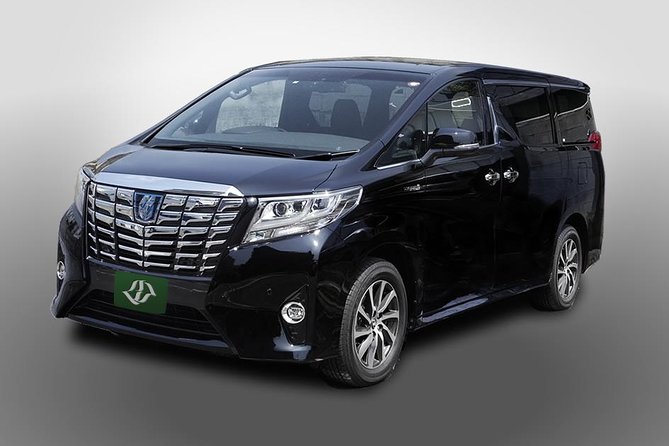
- Private transport for up to five: Your group rides together in a limo, van, or bus suited to its size.
- Three useful sample stops: Asakusa, Tokyo Skytree, and Tsukiji each receive about an hour in the suggested plan.
- A guide is optional: The driver and vehicle are included, while a guide costs extra if you select that option.
- Central Tokyo pickup is offered: Pickup and drop-off are arranged from a designated meeting point in central Tokyo.
- Plan carefully around time: Four hours is enough for a focused introduction, not a full tour of Tokyo.
A private way to get your Tokyo bearings
This experience works best as a custom city sampler. You are not locked into a standard sightseeing loop. Instead, you can select the parts of Tokyo that matter most to you and let a private vehicle handle the distances between them.
That matters in Tokyo. Asakusa, Tsukiji, Meiji Jingu, the Imperial Palace, and Tokyo Skytree are not all next door to one another. Public transport is excellent, but transfers, station corridors, and finding the right exit can consume precious time when you have only half a day.
The private format also gives you control over the pace. A family with a two-year-old can avoid changing trains. A group with older parents can limit unnecessary walking. A wheelchair user can request an accessible van, and one group was provided with one without needing to ask first. That is a meaningful practical advantage, though you should still confirm your needs when booking.
The tour is private, so only your own group participates. For a group of two to five people, that can feel far more relaxed than joining a large bus. You can talk openly with your guide, adjust the order of stops, and spend more time at a place that catches your interest.
Other private tours in Tokyo

What the $849 group price really means
The listed price is $849.17 per group of up to five people, not per person. For five people, that works out to roughly $170 per person. For two people, it is more than $424 each, so group size has a major effect on value.
That price buys privacy, a driver, private transport, and pickup and drop-off from a designated central Tokyo meeting point. It does not include food, drinks, admission fees, or the guide if you select the guided option. Check the exact guide surcharge and vehicle arrangement before committing, since those extras change the total.
I see the best value for a family or small group that wants comfort and time savings. Five people sharing one vehicle can make the price reasonable, especially if getting around Tokyo independently would be tiring or confusing. A couple on a budget may find trains and a self-guided route much cheaper.
The guide choice is important. The driver gets you from place to place, but a guide adds explanation and local context. Some groups had guides who built a day around gardens, temples, food, Japanese history, architecture, and neighborhood differences. Another group felt the tour was little more than a taxi ride because the sightseeing commentary was limited. That difference makes the guided option worth serious thought if you want to understand what you are seeing.
Asakusa and Sensoji: Tokyo’s most approachable first stop
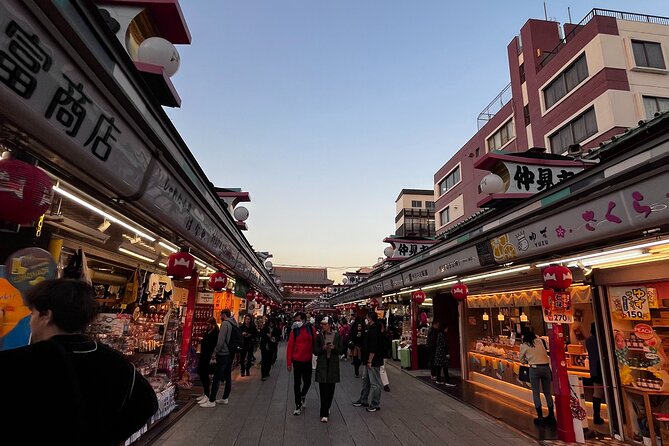
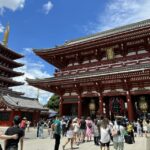
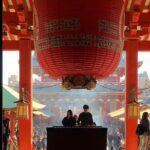
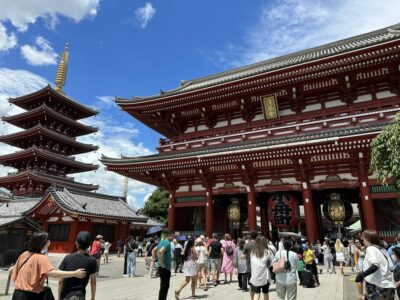
Asakusa is the clearest place to begin if you want old Tokyo atmosphere in a short amount of time. Sensoji, also called Asakusa Kannon Temple, is a Buddhist temple and one of the city’s best-known religious sites.
The approach runs along Nakamise, a shopping street more than 200 meters long. It leads toward the temple and gives you a concentrated look at Tokyo souvenirs, snacks, and traditional-style storefronts. The area is easy to understand, visually strong, and well suited to a first introduction.
The suggested timing gives Asakusa about one hour. That is enough to walk through Nakamise, see the temple grounds, and get a sense of the neighborhood. It is not enough for a slow exploration of every side street or a long stop for food, so tell your guide early if Asakusa is your main interest.
I like this stop for groups with mixed interests. People who care about religion, architecture, shopping, photography, or Japanese culture can all find something here. The drawback is that Asakusa can absorb your time quickly, especially if you stop at shops or want to eat. Keep an eye on the clock.
Tokyo Skytree: modern Tokyo from 634 meters
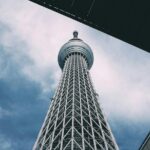
Tokyo Skytree gives the itinerary a sharp change of mood. At 634 meters, it is Japan’s tallest structure, with two observation decks and wide city views. Its design also draws on traditional Japanese ideas while using modern engineering, including earthquake-resistant construction.
The suggested visit lasts about one hour. That allows time to reach the observation area and take in the view, but it leaves little room for a leisurely meal or extended shopping nearby. If the tower is one of your priorities, make sure the custom route gives it enough time.
Admission fees are not included in the tour price. The supplied stop information lists no admission ticket included, and the general conditions say entrance fees are extra. Confirm current Skytree ticket costs before you book, especially if you want access to an observation deck.
Skytree is a good choice when you want a broad sense of Tokyo rather than a close look at one neighborhood. It also gives children and first-time visitors a clear visual reference for the city. On the other hand, the view depends on conditions, and the tower itself can consume a large part of a four-hour tour.
Tsukiji: a market stop with room for food
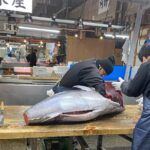
The Tsukiji area adds a food-focused stop to the route. The suggested plan allows about one hour there, and food and drinks are not included, so you should budget separately if you want to sample something.
The key advantage of visiting Tsukiji with a private vehicle is simple: you do not need to work out the route between the market area and your other stops. You can use the hour to look around, eat, or ask your guide about the area before moving on.
The information provided does not promise a particular tasting, meal, or vendor visit. Treat Tsukiji as an area stop rather than a food tour. If eating is central to your plans, say so when arranging the route, but do not assume that meals are part of the package.
Tsukiji pairs nicely with Asakusa because the two stops show different sides of Tokyo. One centers on a major Buddhist temple and traditional shopping street. The other gives you a chance to focus on food and daily city life. Together, they make a practical half-day theme.
A few more Tokyo tours and experiences worth a look


Adding Meiji Jingu or the Imperial Palace
The tour description also names Meiji Jingu Shrine and the Imperial Palace as possible choices. They are not guaranteed stops, since the point of the experience is to customize the route.
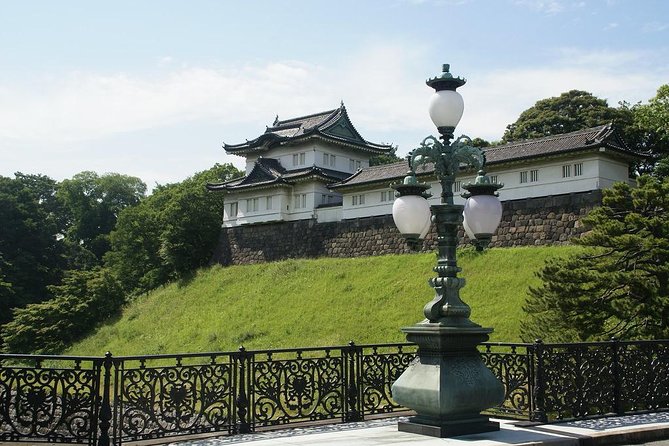
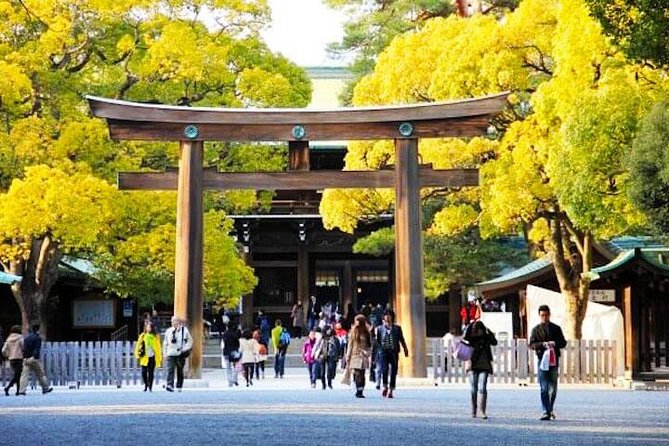
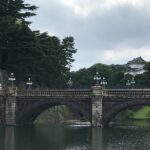
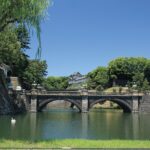
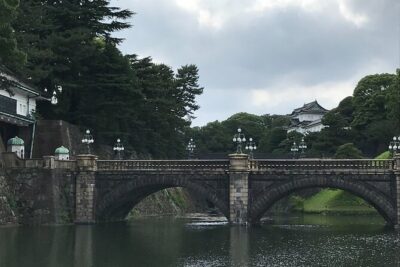
Meiji Jingu suits you if you want a major Shinto shrine and a calmer break from the city streets. It is a strong choice for a culture-focused itinerary, especially when paired with Asakusa. The Imperial Palace works for visitors who want one of Tokyo’s most important central landmarks, though the time available for exploring will depend on the route and access conditions.
Do not try to force every named sight into four hours. A plan that includes Asakusa, Skytree, Tsukiji, Meiji Jingu, and the Imperial Palace may look good on paper but can become rushed once driving time is counted. I would choose two major stops and one lighter stop, then leave a little room for traffic.
Your booking discussion should be specific. Tell the provider which places matter most, how much walking your group can manage, and if food, photography, history, or temples are your priority. The more precise you are, the more useful this format becomes.
The guide can change the whole experience
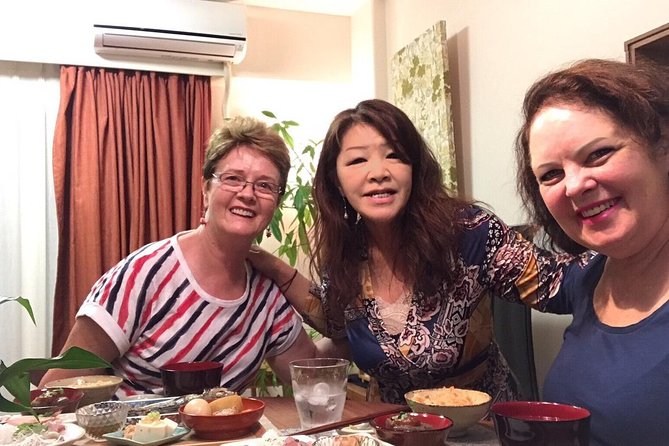
Several guides have received especially warm praise. Seiko was described as friendly and well informed, while Naomi was praised for shaping the day around a group’s exact wishes. Syun helped one group connect food, gardens, temples, Japanese history, architecture, and different neighborhoods.
Sho provided a strong first day in Tokyo for one group, and Emiko made a family outing enjoyable during a Christmas Eve visit. Fumiko was singled out for her conversational English and her help with a wheelchair user. These details suggest that guide quality can be a major strength when the right match is available.
Still, guide assignments are not guaranteed in the information provided. One scheduled tour was disrupted when the guide became ill, and the group received a fast refund. Another group felt the commentary was too thin and that they could have used a taxi instead.
That is why I would select the guide option if your aim is learning, not simply transport. Ask what language support is available and confirm the added cost. If you only need a private vehicle and a driver to connect a few sights, the no-guide option may suit you, but set realistic expectations.
Timing, pickup, and comfort
The experience lasts about four hours and offers pickup and drop-off from a designated meeting point in central Tokyo. The exact meeting arrangement matters, so read the confirmation carefully and be ready at the agreed time.
A punctual start is especially important here. One delayed start lost nearly an hour, which is a serious cut into a four-hour tour. I would arrive early and keep the first part of the day free of anything that cannot be moved.
Vehicle choice depends on your group size. You may ride in a private limo, bus, or van. The private car was described as comfortable, but comfort does not remove the need to plan stops carefully. Tokyo traffic can make a short map distance take longer than expected.
Most people can participate, and the tour is near public transportation. The private format is particularly useful for families, older adults, and groups with mobility needs. Accessible transport was provided for one wheelchair user, but you should state your requirements before the day rather than rely on an automatic arrangement.
Who should book this Tokyo tour?
I would consider it for a small group that values time, privacy, and a flexible route more than the lowest price. It is also a sensible choice for a first Tokyo day, when you want a broad introduction without spending hours learning the transit system.
Families may appreciate the private vehicle and the ability to adjust the pace. Older parents can benefit from fewer transfers. A group of friends can build a food, temple, shopping, or city-view route around its shared interests.
Independent visitors who enjoy trains, planning, and walking will probably pay less on their own. You also have more freedom to linger when you are not watching a four-hour vehicle schedule. The tour makes its strongest case when comfort and coordination matter.
I would not book it expecting a full Tokyo tour. Four hours gives you a useful taste, but not a complete look at the city. I would also avoid packing in every famous sight. A short, focused plan will feel much better than a rushed checklist.
My call: book it for flexibility, not bargain transport
Book this private Tokyo tour if you are traveling with up to five people, want a custom route, and care about avoiding transit hassles. Add the guide if you want clear explanations of temples, markets, Japanese history, and architecture.
Skip it if you are a solo visitor or couple focused mainly on saving money. Tokyo’s public transport can handle a simple self-guided route at a lower cost.
The cancellation terms are strict enough to note: cancel at least six full days before the start for a full refund, two to six days ahead for a 50 percent refund, and less than two full days ahead with no refund. Confirmation is sent within 48 hours, subject to availability, so leave time to settle the details before your sightseeing day.
FAQ
How long does the private Tokyo tour last?
The tour lasts approximately four hours.
How many people can join the private tour?
The listed price covers a group of up to five people.
Is hotel pickup included?
Pickup and drop-off are offered from a designated meeting point in central Tokyo.
What type of vehicle is used?
The group travels in a private chartered vehicle, which may be a limo, bus, or van suited to the group size.
Is a guide included?
A guide is optional. The driver and private vehicle are included, while the guide costs extra if that option is selected.
Which places can be included?
Possible sights include Asakusa, Sensoji Temple, Tokyo Skytree, Tsukiji, Meiji Jingu Shrine, and the Imperial Palace. The route is customizable.
Are admission fees included?
No. Admission fees are not included in the tour price.
Are food and drinks included?
No. Food and drinks are not included.
Can most people participate?
Yes. The supplied information says most people can participate, and the tour is near public transportation.
What is the cancellation policy?
Cancel at least six full days before the start time for a full refund. Cancel two to six full days ahead for a 50 percent refund. Cancellations less than two full days before the start are not refunded.
More Half-Day in Tokyo
More Private Tours in Tokyo
More tours in Tokyo we've reviewed





Half-Day, compared.
 ★ 4.0Half-day Tokyo Afternoon Tour by Hato BusFrom $41
 ★ 4.6Tokyo: A Half-Day Trip Bus Tour in the MorningFrom $404 hours - 270 minutes
 ★ 4.0Half-day Tokyo Morning Tour by Hato BusFrom $41
 ★ 5.0Tokyo Private Half-Day Tour with a Local – Secrets & HighlightsFrom $143
 ★ 4.9Old and Nostalgic Tokyo: Half-Day Yanaka Walking TourFrom $833h 30m
 ★ 5.0Tokyo Half-Day Canyoning AdventureFrom $60