Reviewed · HALF-DAY
Tokyo Private Half-Day Tour with a Local – Secrets & Highlights
Tokyo is easiest to enjoy when someone helps you read the city. This private half-day walk begins in Asakusa and can lead through temples, old shopping lanes, riverside paths, Showa-era alleys, or the quieter streets of Kagurazaka, depending on what you want to see.
In This Article
- Key points to know before booking
- Why this private Tokyo walk works well
- Starting beside Senso-ji in Asakusa
- Nakamise, Japan’s oldest shopping street
- A calmer walk beside the Sumida River
- Showa-era character in narrow backstreets
- Kagurazaka’s alleys, shrines, and cafés
- The guide makes or breaks the experience
- What four hours can realistically cover
- Price, transport, and what you actually receive
- Who should book this experience
- Small practical details that matter
- Should you book the Tokyo private half-day tour?
- FAQ
- How long is the Tokyo private tour?
- Where does the tour begin?
- Where does the tour end?
- Is this a private experience?
- Can I choose what to see?
- Are transportation costs included?
- Are food, drinks, and attraction tickets included?
- Can I cancel for a full refund?
I like the one-party format, which lets your guide adjust the pace and skip sights that do not interest you. I also like the personal contact before the tour, including a short questionnaire and direct planning with your host. The main catch is that $143.14 per person buys guiding time, not a vehicle, meals, or attraction tickets, and public transport costs extra if your route stretches across Tokyo.
Key points to know before booking

- Your interests shape the route: Choose history, food, shopping, cultural sites, quiet neighborhoods, or a mix.
- Asakusa gives you a strong starting point: The meeting point is the Asakusa Culture Tourist Information Center, beside Senso-ji and Kaminarimon.
- The tour stays private: Only your party joins, so the guide can adjust timing, walking speed, and stops.
- Four hours goes quickly: A long cross-city route may require trains or taxis, with those fares paid separately.
- Local detail is the main product: Guides such as Kay, Hiroko, Maruf, Patrick, and Taishiro have been praised for flexibility, personal attention, and useful Tokyo advice.
- Book early for popular dates: The experience is booked an average of 63 days ahead.
Why this private Tokyo walk works well

A standard Tokyo tour often tries to cover too much. You rush from one famous place to the next, hear a few facts, and leave with a camera full of pictures but little sense of how the city fits together.
This experience takes a different approach. You send your interests before meeting your host, then work through Tokyo on foot with a guide assigned to your group. You might spend more time in old downtown Asakusa, shift toward shopping and technology, or ask for quieter streets and local cafés.
That flexibility matters in Tokyo. The city is large, train stations can be confusing, and crowded crossings can eat up time. A private host can help you find a sensible route and explain what you are seeing without forcing you to follow a fixed schedule.
The published score is 4.9 out of 5 from 53 ratings, with 100 percent recommending it. The strongest praise centers on friendly guides, helpful communication, good pacing, and the ability to shape the walk around personal interests.
Guides named in the feedback include Chiara, Taishiro, Mari, Hiroko, Ack, Emir, Kay, Noah, Chista, Maruf, Marc, Patrick, Royce, and Alberto. That list also tells you something important: this is a host-led experience, and the exact personality and style will depend on who is assigned to you.
Other private tours in Tokyo


Starting beside Senso-ji in Asakusa
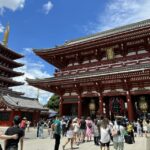
The stated meeting point is the Asakusa Culture Tourist Information Center at 2-chome-18-9 Kaminarimon. This is a practical place to begin because it sits near Kaminarimon Gate and Tokyo’s oldest and most famous temple, Senso-ji.
Asakusa is one of the best districts for a first look at Tokyo’s older side. The temple grounds give your guide plenty to explain, from the meaning of the gate and temple layout to everyday customs connected with Japanese worship. You can expect to walk through impressive religious grounds rather than simply stop for a quick photograph.
Senso-ji is also a busy place. A guide is useful here because the crowds can make it hard to know where to pause or how to move through the site. If you prefer quiet corners and slower observation, tell your host early. If you want the classic Tokyo introduction, Asakusa provides it immediately.
One practical point: the meeting point is fixed in the supplied details, but the pre-tour contact allows the host to discuss plans. One guide, Hiroko, was specifically praised for arranging a meeting place and staying relaxed when the start was delayed. Do not assume every arrangement will be identical, but direct communication is part of the service.
Nakamise, Japan’s oldest shopping street
After the temple, the walk can continue along Nakamise, described as Japan’s oldest shopping street. This is where the spiritual side of Asakusa meets the practical side of souvenir hunting.
You can browse traditional crafts, snacks, and gifts while your host explains what is worth noticing. A local guide can help separate items with real cultural value from things that simply look Japanese in a shop window. The experience is more useful if you tell your guide what you want to buy, such as food gifts, small crafts, or keepsakes.
Nakamise is not a quiet lane. Expect plenty of people and a strong commercial feel. That is part of its character, but it may not suit you if your ideal morning is a peaceful stroll. The advantage of a private guide is that you can limit your time here and move on when the shopping street becomes tiring.
Asakusa also provides a good test of your guide’s style. A strong host will not only point out buildings, but help you understand how the district works today. Guides in the feedback were repeatedly praised for explaining local history in an approachable way and for responding to the needs of the person they were with.
A calmer walk beside the Sumida River

The route may include a riverside stroll with views across old Tokyo. This offers a useful change of pace after the temple grounds and shopping street.
The river is especially appealing during cherry blossom season, when the scenery takes on a softer look. At other times of year, the walk gives you open views and a chance to notice Tokyo’s older downtown districts from a different angle.
This stop is also a reminder that a four-hour tour needs choices. If your priority is shopping or technology, you may not want to spend much time by the water. If you have just arrived in Japan and need a less crowded stretch, the riverside can be a smart part of your first day.
I would tell your host how much walking you want before the tour begins. The experience is primarily on foot, and the exact route is not locked in. A private walk is more enjoyable when you set a realistic pace rather than trying to collect every possible stop.
Showa-era character in narrow backstreets

The tour can move into a historic district with narrow alleys and a strong Showa-era feel. The supplied details do not name this district, so you should treat it as a possible part of the route rather than a guaranteed stop.
These lanes appeal to anyone who wants a sense of Tokyo beyond large avenues and famous monuments. Your guide can point out small details that reveal the city’s layered past and explain how older neighborhoods continue to sit alongside modern Tokyo.
The reward here is atmosphere, not a checklist of major attractions. You may find small corners, older buildings, and streets where the scale feels more intimate. Because the district is not specified in advance, ask your host exactly where the route will go if this is a major reason for booking.
A few more Tokyo tours and experiences worth a look
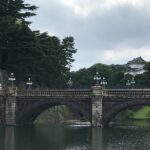
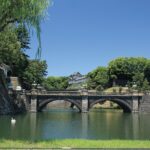


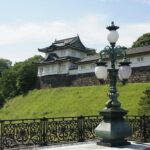
Kagurazaka’s alleys, shrines, and cafés

Kagurazaka offers another possible direction. Its winding lanes combine an old Tokyo mood with modern boutiques, cafés, and quiet shrines.
This district is a good fit if you want a neighborhood walk rather than a string of headline sights. The narrow side streets provide a welcome contrast to Tokyo’s major crossings, while the shops and cafés give the area a more current feel.
Kagurazaka is also useful for understanding how Tokyo preserves traces of its past without becoming a museum. You can ask your guide to focus on architecture, small shrines, food, or the district’s local atmosphere.
Do not expect a long café stop or a paid food tour to be included. Food and drinks are not covered, and any purchases are your responsibility. Still, having a local host nearby can help you decide when to pause and what kind of place matches your interests.
The guide makes or breaks the experience

The most praised part of this tour is not one particular monument. It is the host’s ability to listen and adjust.
Chiara was singled out for meeting a participant at a hotel and focusing on the places that mattered to that person. Kay was praised for changing the start time and fitting a broad list into a short visit. Hiroko kept communication open before the walk and handled a delay without adding pressure.
Other guides bring different strengths. Maruf was described as kind and thoughtful while covering famous sights and lesser-known corners. Patrick showed off unusual viewing points for Shibuya Crossing, an artistic bookstore, and a garden tucked inside Ginza 6. Alberto added a photographer’s eye, while Emir kept a family group moving and entertained.
Taishiro was particularly useful for handling Tokyo’s crowds, technology shops, and packed trains. That detail is worth taking seriously. Tokyo’s rail system is efficient, but trains can be full, and station signs may be difficult if you cannot read Japanese characters. A local who helps you read the scene can save time and reduce stress.
The guides are not interchangeable, so use the questionnaire well. State your walking comfort, must-see places, food interests, shopping goals, preferred pace, and any mobility concerns. You can also use the direct communication channel to discuss local recommendations before the tour.
What four hours can realistically cover

Four hours is enough for a useful introduction, not a complete tour of Tokyo. You can comfortably explore one main area in detail, or connect two nearby areas with limited public transport.
Asakusa alone can fill the morning if you want time at Senso-ji, Nakamise, the river, and nearby lanes. A route that reaches Kagurazaka or another distant district may leave less time for each stop because trains or taxis take part of the clock.
The tour ends back at the meeting point, according to the supplied information. That makes planning simple, but it also means you should not expect a final drop-off at your hotel or at a different attraction.
Flexible start times are available when booking. I would choose a start that matches your energy and other plans, rather than squeezing this into the middle of a packed sightseeing day. A private half-day walk works best when you have room to pause, ask questions, and change direction.
Price, transport, and what you actually receive
At $143.14 per person, this is not a budget walking tour. The value depends heavily on your group size and how much you value personal planning.
For one person or a couple, the price pays for a private guide who spends four hours with only your party. For a family or small group, group discounts may improve the value because the cost is shared. You are paying for time, flexibility, and local help rather than admission to a major attraction.
The price does not include food, drinks, attraction tickets, gratuities, or transportation. The walk is primarily on foot, but public transport or local taxis may be used to move between areas. Those costs can be discussed with your host after the reservation, so ask for a rough plan if your interests involve several districts.
This arrangement is fair, but you should budget beyond the headline price. Tokyo transport costs can vary with the route, and food stops become additional purchases. If you only want a quick look at Senso-ji, you can explore Asakusa on your own for far less. If you want help making decisions in a huge city, the private format is easier to justify.
Who should book this experience
I would recommend this tour most strongly for first-time Tokyo visitors who want orientation without a rigid group schedule. It also suits families, couples, solo visitors, and anyone with a short stay who needs to make four hours count.
It is a good choice if you want to combine famous places with ordinary neighborhood streets. It is also useful if you are unsure how to use Tokyo’s trains, dislike large groups, or want a local perspective on shopping and food.
You may want something else if you prefer a fixed historical lecture, a private vehicle, a full-day city tour, or guaranteed entry to specific attractions. The route is flexible, which is its strength, but flexibility also means the exact experience depends on your planning conversation and assigned host.
The walk may not suit you if you want to avoid crowds completely. Senso-ji and Nakamise can be busy, and Tokyo’s trains can be packed. Tell your host if quiet streets matter more to you than checking off famous sights.
Small practical details that matter
Confirmation arrives at booking, and a short questionnaire follows. Take it seriously. Specific answers should produce a more useful route than a general request to see Tokyo.
Service animals are allowed, and the meeting point is near public transportation. Most people can participate, but this remains a walking experience, so explain any mobility needs before the day.
Gratuities are optional. If you need to cancel, free cancellation is available up to 24 hours before the start time for a full refund. Changes or cancellations inside that 24-hour window are not accepted for a refund, and the cut-off follows Tokyo local time.
Should you book the Tokyo private half-day tour?
Book it if you want a flexible introduction led by one person who can adjust the day around you. The best reasons are the private format, pre-tour planning, and access to districts such as Asakusa and Kagurazaka without a large group setting.
I would especially choose it for a first or second day in Tokyo. A host can help you understand the city’s scale, handle crowded stations, and point you toward places that fit your interests.
Skip it if you want the lowest possible price, a private car, or a guaranteed list of distant attractions. For everyone else, the tour offers a sensible four-hour starting point, as long as you plan a focused route and remember that transport, food, and entrance fees are extra.
FAQ
How long is the Tokyo private tour?
The experience lasts approximately four hours.
Where does the tour begin?
It begins at the Asakusa Culture Tourist Information Center, 2-chome-18-9 Kaminarimon, Taito City, Tokyo 111-0034, Japan.
Where does the tour end?
The activity ends back at the meeting point.
Is this a private experience?
Yes. Only your party participates in the tour.
Can I choose what to see?
Yes. After booking, you receive a questionnaire about your interests, preferences, and must-see places. Your host then uses that information to plan a personalized route.
Are transportation costs included?
No. The tour is mainly a walking experience. Public transport or local taxis may be used between sites, but those costs are additional.
Are food, drinks, and attraction tickets included?
No. Food, drinks, and tickets to attractions are not included.
Can I cancel for a full refund?
Yes, if you cancel at least 24 hours before the experience starts. Cancellations or changes made less than 24 hours before the start time are not eligible for a refund.
More Half-Day in Tokyo
More Private Tours in Tokyo

More tours in Tokyo we've reviewed












Half-Day, compared.
 ★ 4.0Half-day Tokyo Afternoon Tour by Hato BusFrom $41
 ★ 4.6Tokyo: A Half-Day Trip Bus Tour in the MorningFrom $404 hours - 270 minutes
 ★ 4.0Half-day Tokyo Morning Tour by Hato BusFrom $41
 ★ 4.9Old and Nostalgic Tokyo: Half-Day Yanaka Walking TourFrom $833h 30m
 ★ 5.0Tokyo Half-Day Canyoning AdventureFrom $60
 ★ 4.5Whimsical Walk to a Hidden Anime World: Tokyo Half-Day TourFrom $43