Reviewed · TOKYO FOOD TOURS
Adventurous Japanese Food Tour in Tokyo
Tokyo has plenty of food tours for ramen and sushi. This one takes a sharper turn, serving fugu blowfish, horse sashimi, beef organs, and other unusual dishes in local eateries around Ginza and Shimbashi. It is built for curious eaters who want a story to take home, not just another bowl of noodles.
In This Article
- Key points
- Why this Tokyo food crawl is different
- Meeting your guide near Ginza Station
- First tastes in Ginza or Shimbashi
- Fugu, the dish that brings the risk factor
- Horse sashimi and the limits of your food comfort zone
- Sushi, yakitori, seafood, and familiar Japanese flavors
- What the guides add to the meal
- How much value do you get for $303.18?
- Who should book this experience?
- FAQ
- How long does the Japanese food tour last?
- Where does the tour begin?
- Where does the tour finish?
- Is this a private tour?
- What foods are included?
- Are drinks included?
- Who can take this tour?
- What happens if I arrive late?
- Should you book the Ginza adventurous food tour?
I like the small scale and the guides, who include Izumi, Shoji, Asami, Kitamura, and others with strong local food knowledge. I also like that the route can lead you to family-run spots and Japanese-focused restaurants you probably would not find on your own. The main concern is value: at $303.18 per person for about two and a half hours, this is an expensive meal, especially if you are cautious about adventurous foods.
Key points

- Fugu is the main event: You may try pufferfish as sashimi, fried fish, or served with the tail in a cup of sake.
- Horse sashimi is part of the challenge: It is served raw and can be a memorable first taste of a Japanese specialty.
- The route stays local: Ginza and Shimbashi eateries are aimed at Japanese diners rather than a standard sightseeing crowd.
- You get a personal guide: The private activity is capped at 10 people, with English-speaking hosts such as Izumi, Shoji, and Asami.
- The food list goes beyond fish: Depending on the evening, tastings can include yakitori, chicken, beef organs, whale meat, angler fish, sushi, and other seafood.
- The setting can be smoky: Some Tokyo establishments allow smoking, so a face mask may be useful if smoke bothers you.
Why this Tokyo food crawl is different

The most interesting thing here is not the number of stops. It is the willingness to put foods on the table that many first-time visitors never encounter.
Japanese cuisine is often reduced to sushi, ramen, tempura, udon, and curry rice. Those foods deserve their fame, but they represent only part of what people eat in Japan. This crawl introduces dishes with stronger cultural and culinary stories, including fugu and horse meat. You may like them, dislike them, or simply decide that one taste was enough. All three reactions are fair.
The experience lasts about 2 hours and 30 minutes. That is enough time for several tastings and some conversation, but not enough for a full meal at a leisurely pace in every restaurant. You are paying for access, explanation, and the guide’s ability to make the evening work, not just for food portions.
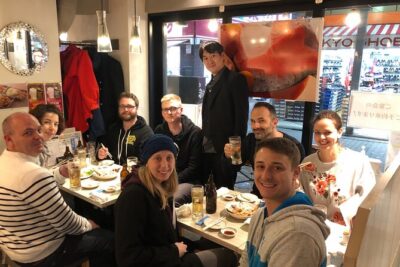
The tour is described as private, with only your group taking part, and group size is capped at 10 people. That matters in small Japanese restaurants, where a large party can feel awkward and a guide may struggle to explain each dish. A smaller group also gives you room to ask direct questions about ingredients, preparation, and Japanese eating habits.
A few more Ginza tours and experiences worth a look
Meeting your guide near Ginza Station
The stated meeting point is Ginza Station at 4-chōme-1-2 Ginza, Chuo City. The activity finishes back at the same meeting point, which makes the logistics simple if you are already exploring central Tokyo.
Give yourself extra time to find the exact meeting place. Ginza Station serves a busy part of the city, and one person specifically found the meeting area crowded and difficult to identify. A more precise landmark would make things easier, so check your confirmation carefully and arrive early rather than trying to locate your guide at the last second.
The guide waits up to 30 minutes after the scheduled start. After that, the experience is treated as cancelled. In practical terms, this is not a good activity to pair with a tight train connection or a long cross-town journey immediately beforehand.
English-speaking guides have included Izumi, Shoji, Asami, Kitamura, Shun, Mack, and Gary. The names may vary by date, but the guide is central to the experience. Strong hosts have helped explain menus, answered questions patiently, and added small observations about Ginza, Japanese food, and local customs.
First tastes in Ginza or Shimbashi

The route may move through Ginza or Shimbashi, depending on the arrangement for the day. Both areas are well placed for food, though the character can shift from polished Ginza streets to more compact restaurant districts around Shimbashi.
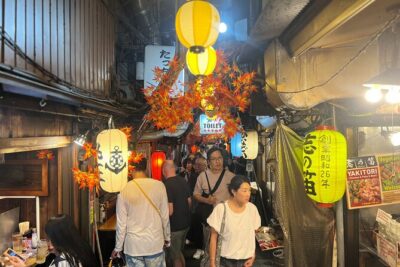
You will weave through crowded streets and stop at eateries serving food that is common enough for local diners but unfamiliar to many people from abroad. The appeal is the setting. These are not only photo stops or carefully staged demonstrations. You are entering places where the food has a place on an ordinary Japanese menu.
The precise order and number of restaurants can change. One evening included three different places: a seafood-focused restaurant, a fugu restaurant, and a restaurant centered on horse meat. Another account described two restaurants and felt that the evening was more of a guided dinner than a broad food tour.
That difference is worth understanding before you book. The tour promises unusual food, but not a fixed parade of ten or more stops. You might visit two restaurants, or you might visit three. The guide may also change the order if a restaurant is full.
Fugu, the dish that brings the risk factor

Fugu is the food most associated with the tour. The pufferfish has a reputation because some parts contain poison, but the fish served in licensed restaurants is prepared by trained professionals. Your guide can explain the differences between species and how toxicity varies by season, which adds useful context to the meal.
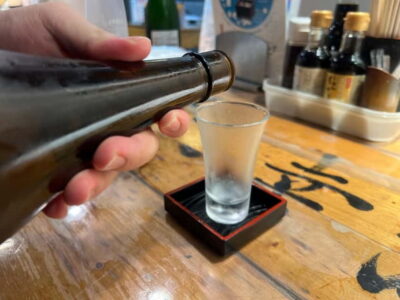
The tastings have included several versions of fugu. You might receive thinly sliced sashimi, fried pieces, or a preparation with the fish tail in a cup of sake. These forms give you more than one texture and show why fugu is valued even though its flavor is often subtle.
Do not book this expecting a powerful taste. Some people find the flavor mild, while others simply enjoy the unusual nature of the dish. The experience is as much about learning how fugu is handled and regarded in Japan as it is about discovering a new favorite food.
One important practical point: restaurant availability can change. When the planned fugu restaurant was full, Asami took the group to another restaurant and then went farther to find a second option. That sort of flexibility is a real benefit of having a guide who knows the area.
Still, the tour cannot guarantee that every particular restaurant will be available at every sitting. If fugu is the single reason you are booking, confirm what happens if the planned venue changes.
Horse sashimi and the limits of your food comfort zone

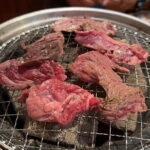
Horse sashimi is another featured tasting. It is served raw, and it is likely to be the most psychologically difficult dish for some people. The taste has been compared favorably by some diners, while others simply did not enjoy it.
This is a good example of why the tour works best when you treat each bite as an experiment. You do not need to love horse meat to gain something from trying it. The guide can explain where horse meat is traditionally produced and how it fits into regional Japanese food culture.
The menu may also include beef organs or intestines, chicken meat, and other meat dishes. One reported meal included deep-fried angler fish along with horse sashimi and fugu. These additions make the evening less narrow than a simple two-dish challenge, but the exact selection depends on the restaurants and the group.
If you have firm dietary limits, this is not the place to improvise. The activity is specifically built around foods that many standard food tours avoid. You should communicate dietary needs before booking and understand that the adults in the group are responsible for their own requirements.


Sushi, yakitori, seafood, and familiar Japanese flavors

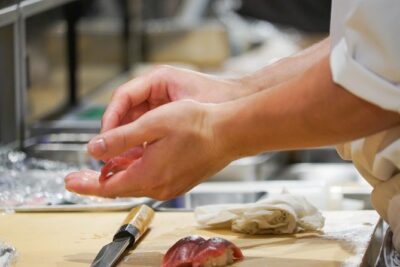
The tour is not only about shock value. Traditional dishes such as sushi and yakitori can appear alongside the more unusual tastings. Chicken, seafood, and fried dishes provide familiar points of reference when a raw horse dish or fugu preparation feels like a leap.
I appreciate that balance. A food crawl made entirely of extreme dishes could become a stunt. Familiar foods help you compare flavors and keep the meal enjoyable if one course does not suit you.
The included food list also names blowfish, chicken, horse meat, and whale meat. The individual experiences described different combinations, so you should view this as a range of possible tastings rather than a guaranteed checklist. Alcohol and non-alcoholic drinks are not included, though you can buy drinks during the activity.
The included tastings and drinks listed in the package help explain part of the price, but you should still budget for beverages and a tip. Gratuities are optional. Transportation to and from the meeting point, admission fees, and optional add-ons are not included.
What the guides add to the meal

The strongest part of this experience is often the host rather than any single plate. Izumi has been described as patient with basic Japanese language skills and good at explaining local dishes and neighborhoods. Shoji has combined food knowledge with scientific detail, including information about fish species and fugu toxicity.
That sort of explanation changes the meal. Without a guide, horse sashimi is simply raw horse meat. With context, you can understand how it is produced, where it is eaten, and why it appears on the menu.
Asami has shown useful flexibility when a restaurant could not accept the group. Kitamura has helped guests navigate menus and explore Ginza beyond the meal. Shun and Mack have also led food-focused evenings that included several different restaurant styles.
The quality of guiding may vary from person to person, as it does on any activity with several hosts. English ability can be strong enough for food and culture explanations, though one account described it as sufficient rather than polished. Ask questions, stay curious, and let the guide know what interests you.
How much value do you get for $303.18?

At $303.18 per person, this is not a budget food walk. For two people, the basic cost is more than $600 before optional drinks and gratuity. The price can make sense if you value a private guide, included tastings, and access to restaurants you would be unlikely to identify or enter alone.
The food portions are part of a guided progression rather than a large banquet. You are also paying for coordination, translation, restaurant selection, and backup plans when a venue is unavailable. In an unfamiliar city, those services have real value.
But you should not expect a full evening of sightseeing or a long, relaxed dinner. One account found the experience somewhat rushed, while another felt it was more like a private dinner at two restaurants than a wide-ranging crawl. At 150 minutes, the schedule has limits.
I would compare this price with your own priorities. If you want an affordable introduction to Tokyo food, choose a less specialized ramen, market, or neighborhood tour. If you specifically want fugu, horse sashimi, and a local guide who can make those dishes approachable, the cost is easier to defend.
The tour is booked an average of 53 days in advance, which suggests that planning ahead is sensible. It is also a non-refundable experience, with no refund for cancellation or amendments. Because of that strict rule, book only when your Tokyo schedule is firm.
Who should book this experience?
You are a good match if you enjoy trying unfamiliar food, asking questions, and accepting that not every bite will be a hit. It also suits repeat visitors who have already covered the standard sushi and ramen circuit.
Food-focused couples and small groups should find the private format useful. A group of up to 10 can keep the evening personal, and a private booking means you are not mixed with an unrelated party.
You should think twice if you are vegetarian, have serious food restrictions, dislike raw food, or want a predictable menu. The experience is built around meat, seafood, and unusual specialties. It is also intended for people age 18 and older.
Some restaurants in Tokyo allow smoking. That is outside the operator’s control, and a face mask may help if smoke is a concern. The route involves walking through city streets, so a moderate level of physical fitness is expected.
FAQ
How long does the Japanese food tour last?
The experience lasts approximately 2 hours and 30 minutes.
Where does the tour begin?
It begins at Ginza Station, at 4-chōme-1-2 Ginza, Chuo City, Tokyo 104-0061, Japan.
Where does the tour finish?
The activity ends back at the meeting point near Ginza Station.
Is this a private tour?
Yes. Only your group participates, and the group size is capped at 10 people.
What foods are included?
Included tastings can feature fugu blowfish, chicken, horse meat, and whale meat. The route may also include sushi, yakitori, seafood, beef organs, intestines, or angler fish, depending on the restaurants visited.
Are drinks included?
Alcoholic and non-alcoholic drinks are not included. You can purchase drinks during the tour.
Who can take this tour?
The tour is for people age 18 and older. All guests must be accompanied by an adult who is 18 or older, and adults are responsible for dietary requirements in their group.
What happens if I arrive late?
The guide will wait up to 30 minutes after the scheduled start time. If you do not arrive within that period, the tour is considered cancelled.
Should you book the Ginza adventurous food tour?
Book it if fugu and horse sashimi genuinely interest you, and if you want a guide to handle the restaurant choices and explain the food. The local settings, small group format, and flexible hosts give you a better chance of finding places you would not locate on your own.
Skip it if you want a cheap, broad sampling of Tokyo classics, a guaranteed list of dishes, or a slow dinner with no pressure to try challenging foods. The price is high, the cancellation terms are strict, and the evening may feel short if you expect a full food crawl.
For the right eater, this is a memorable way to see another side of Japanese dining. You may leave with a new favorite dish, or simply with a better story about the one you could not finish.
More Food Experiences in Ginza
More Tokyo Food Tours in Ginza
More tours in Ginza we've reviewed

Tokyo Food Tours, compared.
 ★ 5.0Tokyo: Shinjuku Food Tour (13 Dishes at 4 Local Eateries)From $86
 ★ 4.9Tokyo: Shinjuku Food Tour (13 Dishes and 4 Eateries)From $97
 ★ 5.0Tokyo Night Foodie Tour in Shinjuku – Seasonal Sushi, Wagyu BeefFrom $111
 ★ 5.0Eat and Drink Like a Local: Tokyo Ueno Food Tour-Taverns&RamenFrom $95
 ★ 5.0Tokyo: Shibuya Food Tour (13 dishes and 4 Eateries)From $77
Tokyo: Shinjuku Food Tour – 15 Dishes, 3 Drinks, 4 EateriesFrom $723 hours
★ 5.0Tokyo: Shibuya Food Tour (13 dishes and 4 Eateries)From $77
Tokyo: Shinjuku Food Tour – 15 Dishes, 3 Drinks, 4 EateriesFrom $723 hours