Reviewed · UENO & YANAKA WALKS
Yanaka District: Historical Walking Tour in Tokyo’s Old Town
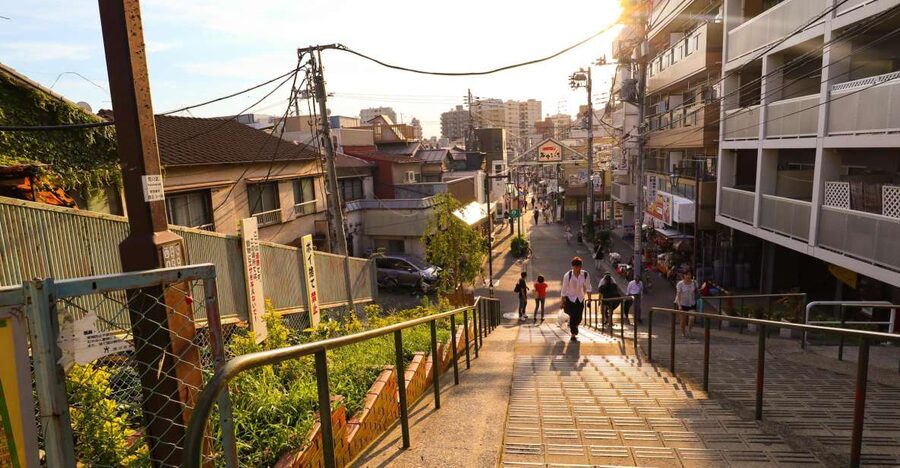
Yanaka gives you a Tokyo most first-time visitors miss: quiet lanes, small shops, local food stalls, cemeteries, shrines, and homes that survived war and earthquakes. The tour’s best surprise is how quickly the city’s modern noise fades once you leave Nezu Station and enter this old neighborhood. Nezu Shrine and its red Torii gates make a fine opening, but the real pleasure is seeing ordinary local life continue around them.
In This Article
- Key points about the Yanaka walking tour
- Why Yanaka makes a better change of pace
- Meeting at Nezu Station and entering the old town
- Nezu Shrine and the meaning of red Torii gates
- Hebimichi and the quiet residential lanes
- The 75-minute Maneki neko painting break
- Yanaka Ginza and the flavors of Old Tokyo
- What the 210 minutes are worth
- Group size, guides, and the personal feel
- Who should book this walk
- Booking, cancellation, and practical details
- Should you book the Yanaka tour?
- FAQ
- Where does the Yanaka walking tour begin?
- Where does the tour finish?
- How long does the experience last?
- What language is the tour conducted in?
- How many people are in the group?
- Is food included?
- Is the Maneki neko painting included?
- Should I bring cash?
- Is the tour suitable for wheelchairs or strollers?
- Can I cancel the booking?
I like the small group limit of seven, which gives your guide room to answer questions and adjust the walk to your interests. I also like the pause at a local cafe, where you paint a lucky Maneki neko while having a drink and sweet treat. The activity breaks up the walking and gives you a small souvenir with a personal touch.
The main consideration is stamina. This is a walking tour of about three and a half hours, with narrow streets and places that are not suitable for wheelchairs or strollers. Summer heat can be severe, winter can be cold, and many old shops accept cash only, so comfortable shoes and yen in your wallet matter.
Key points about the Yanaka walking tour
- Nezu Shrine opens the tour: Walk through its striking red Torii gates and learn about Shinto beliefs and shrine customs.
- Yanaka shows everyday Tokyo: Quiet residential lanes, old shops, a cemetery, and local stalls replace the high-rise energy of Shinjuku and Shibuya.
- The cafe stop lasts about 75 minutes: Paint your own Maneki neko, enjoy one drink and a sweet, and take a welcome rest.
- Yanaka Ginza is the food finale: Sample local deli foods, sweets, and street snacks along one of Old Tokyo’s best-known shopping streets.
- The group stays small: Fewer than seven participants makes it easier to ask questions and get help with photos, food, and shopping.
- Bring cash and wear good shoes: Extra food and drinks cost more, and many traditional shops do not take cards.
Why Yanaka makes a better change of pace
Tokyo is often presented through neon districts, giant crossings, department stores, and packed train stations. Those places are worth seeing, but they can make the city feel like one long commercial center. Yanaka offers a useful counterpoint.
This neighborhood survived the bombing of World War II and many major earthquakes. That does not mean every building is untouched or that the district feels frozen in time. It means Yanaka kept more of its older street pattern and small-scale character than many central parts of Tokyo.
You walk past homes, modest businesses, little temples, shrines, and shops serving people who live nearby. The appeal is not a single grand sight. It is the steady view of local routines, with your guide explaining what you are seeing and answering questions about Japanese customs.
I would use this tour early in a Tokyo visit if you want help getting your bearings. It shows you how the city works at neighborhood level before you spend more time in its huge commercial centers.
A few more Tokyo tours and experiences worth a look


Meeting at Nezu Station and entering the old town
The tour begins outside Exit 1 of Tokyo Metro Nezu Station. Your guide holds a red or orange MagicalTrip sign and waits at street level, directly in front of the stairs.
Arrive early. If you miss the group, you cannot join later, receive a refund, or reschedule. That rule is strict, and it makes sense for a walking tour that moves through small lanes rather than following a fixed vehicle route.
From the first steps, the setting feels calmer than central Tokyo. The walk is not a staged historic district built for sightseeing. You pass through a functioning neighborhood, so the experience depends partly on your willingness to look closely and listen.
The English-speaking guide is important here. Guides named in past departures include Ramesh, Mark, Masae, Kenji, Hina, Yoko, Inok, Hana, and Ken. Their role is more than pointing out buildings. They explain local customs, answer questions about religion and history, and help you understand what would otherwise look like an ordinary lane or shop.
Nezu Shrine and the meaning of red Torii gates
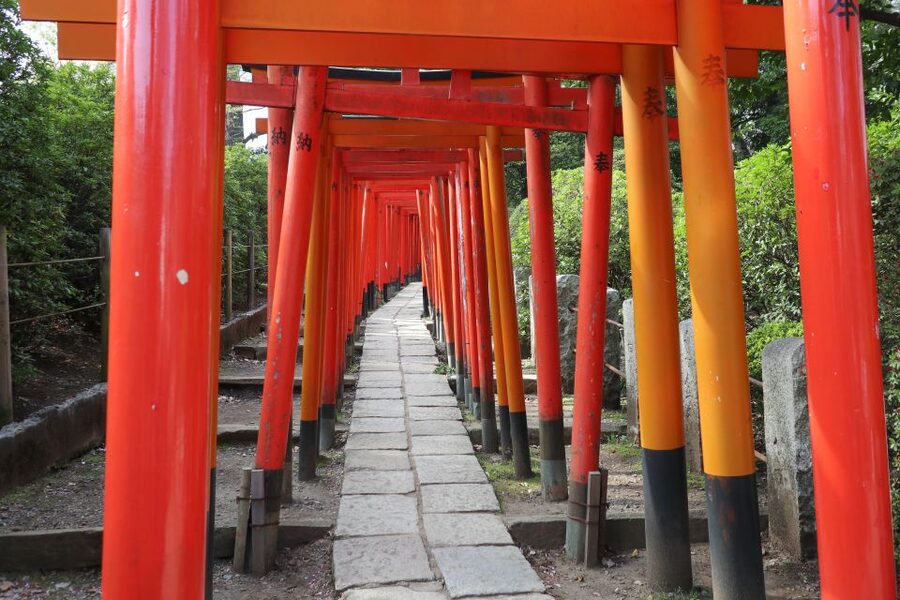
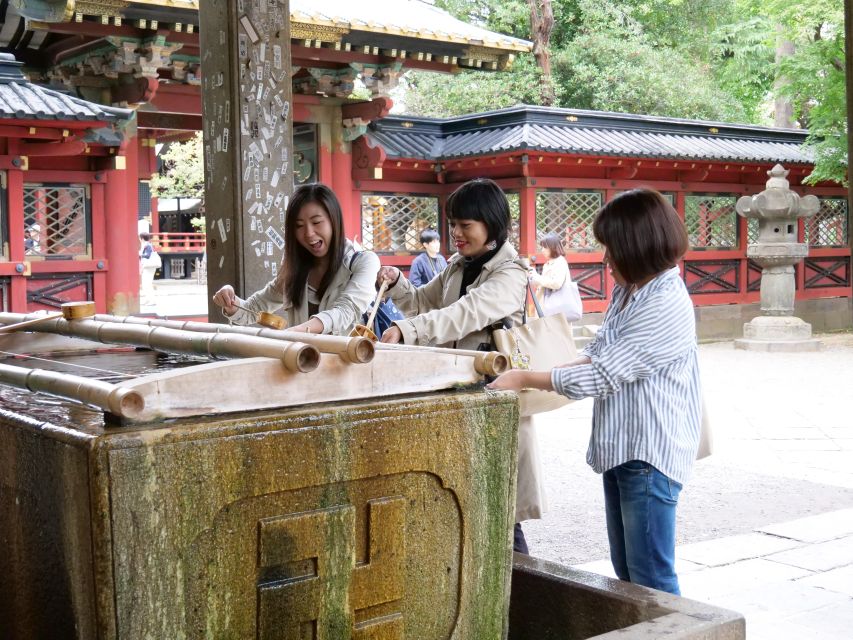
Nezu Shrine is the first main stop, with about 20 minutes set aside for the visit. It is described as the oldest shrine in Tokyo, and it gives the tour a clear introduction to Shinto, Japan’s traditional religious practice.
The red Torii gates provide the obvious photo opportunity. They also help explain how Japanese sacred spaces are marked. Your guide can put the shrine into context and discuss traditional views of religion, rather than leaving you to take pictures without knowing what you are looking at.
This is a useful part of the tour for anyone who plans to visit more shrines during a Japan trip. A guide can explain how to behave respectfully and what different features mean. One useful detail from the tour feedback is that the shrine explanation helped a participant feel more prepared at other shrines later in the trip.
Twenty minutes is enough for an introduction and photos, but not for a slow, detailed study of every part of the grounds. If Nezu Shrine is your main reason for booking, you may want to return independently with more time. On this tour, the shrine works best as the first chapter in a broader neighborhood walk.
Hebimichi and the quiet residential lanes
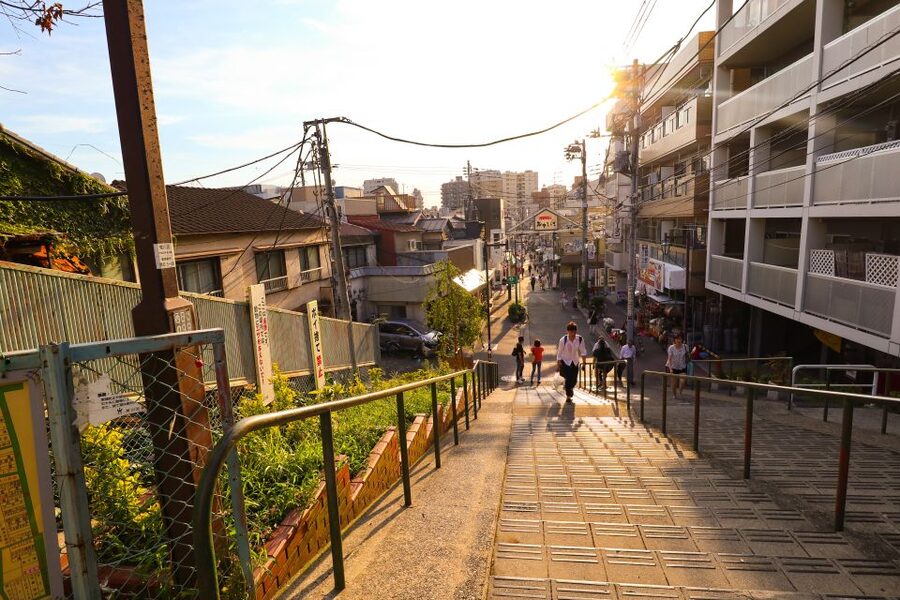
The route then spends about 45 minutes around Hebimichi. The name refers to a snake-like path, and the stop helps shift your attention from formal religious architecture to the shape and rhythm of the neighborhood.
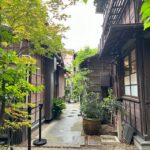
This is where Yanaka’s character becomes clearer. You move through narrow streets and residential areas, with small shops and stalls appearing along the way. The guide points out details that are easy to pass without noticing and shares stories about the area and its people.
The walk also includes local temple and cemetery areas. These spaces contribute to Yanaka’s quiet mood, but they are not presented as isolated attractions. They are part of the neighborhood’s daily setting, alongside homes and businesses.
I like this portion because it delivers the strongest contrast with Tokyo’s famous downtown districts. You are still in central Tokyo, yet the pace is slower and the streets feel more personal. One participant who had visited Japan often still appreciated the background about Yanaka’s monuments and history, which says something about the value of local explanation.
The drawback is that the walking can feel less structured if you prefer one famous sight after another. This tour is about connections between places. You need to enjoy pauses, side streets, and small observations.
The 75-minute Maneki neko painting break
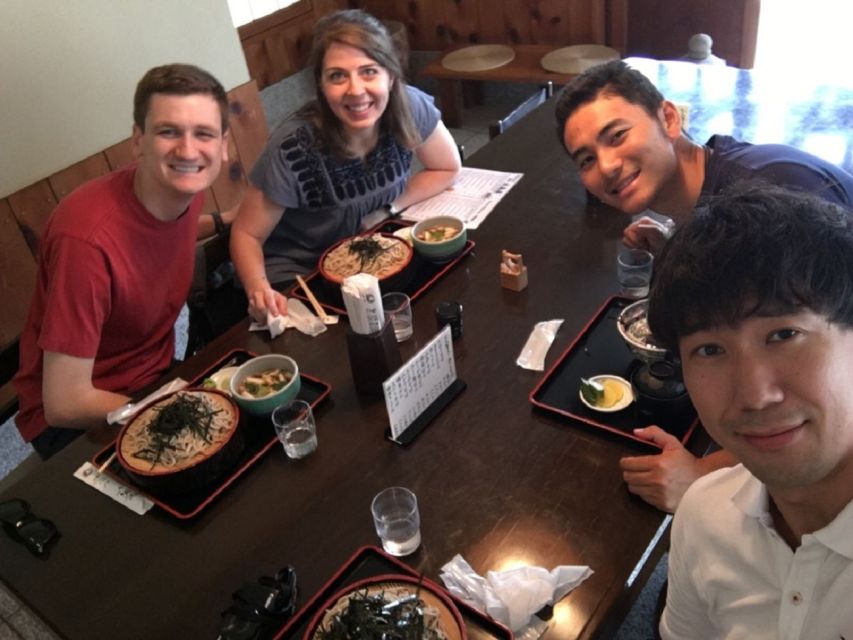
The local cafe stop lasts about 75 minutes, making it more than a quick refreshment break. You receive one drink and a sweet treat, then paint a Japanese beckoning cat, known as a Maneki neko.
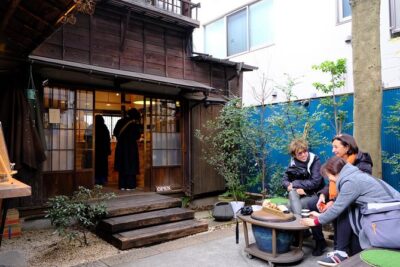
The craft is a smart part of the schedule. Yanaka is best explored on foot, but several hours of walking can wear you down. Sitting in an old house cafe gives you time to rest, talk with your group, and do something with your hands.
Your finished cat becomes a simple keepsake tied to the neighborhood rather than a mass-produced souvenir from a large shopping center. The painting also works well for families, couples, solo participants, and anyone who wants a calmer activity during a city sightseeing day.
You should not expect a formal art class or advanced instruction. The value is the relaxed setting and the chance to make something yourself. Guides have helped create an easy social mood at this stop, and solo participants in particular can find it a comfortable way to connect with a small group.
The cafe includes a drink and sweet, but additional food and drinks are not covered. Bring cash if you want to buy more. Also, the operator cannot guarantee food free from allergens or meet every dietary restriction, since the food is prepared in outside kitchens. Substitutions may not always be possible.
Other walking tours we've reviewed in Tokyo




Yanaka Ginza and the flavors of Old Tokyo
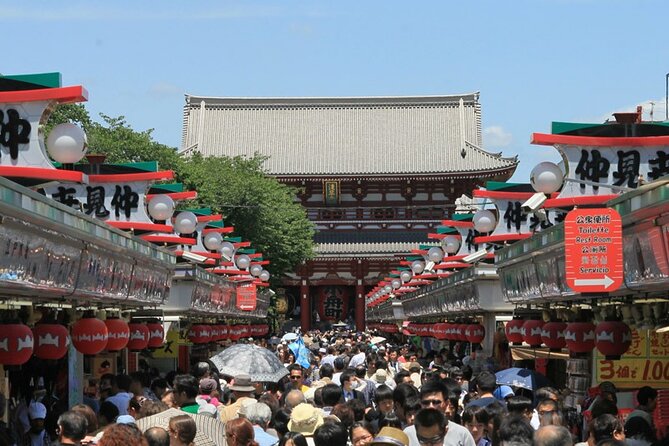
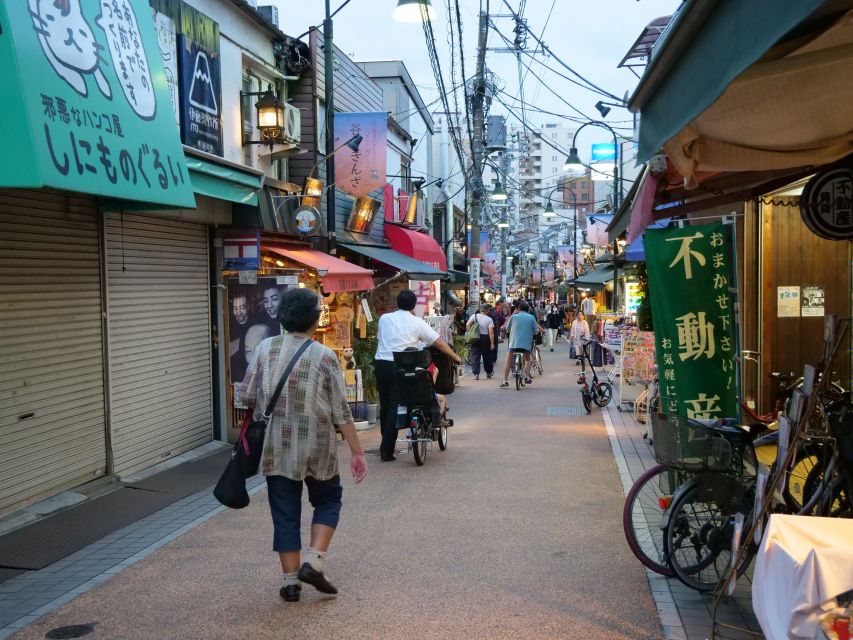
The final major section takes you to Yanaka Ginza, a shopping street associated with the flavors of old Tokyo. The walk through Yanaka lasts about 100 minutes, and this is where food sampling and browsing come together.
You can try local deli foods, sweets, and snacks from small shops. The included samples give you a starting point without requiring you to choose blindly. Your guide can explain what is being sold and help you understand how the shopping street fits local life.
This is also a good place to buy gifts. Handmade and locally connected items are available, and a guide can point you toward choices that feel more distinctive than standard airport souvenirs. One practical tip is to save some souvenir shopping for this stop, especially if you want small Japanese goods and snacks.
Do not arrive expecting a restaurant meal. The food is sampling rather than a full lunch or dinner, and extra purchases are your responsibility. If you have dietary restrictions, ask the guide what is safe, but do not assume every stall can provide a replacement.
Yanaka Ginza can also be more active than the residential lanes, especially when shops are serving local customers. It is still a far cry from Tokyo’s biggest commercial zones, but you should keep an eye on your group and your belongings while stopping at food stalls.
What the 210 minutes are worth
The price is $79 per person. That is not the cheapest way to walk through Yanaka, since you could visit the neighborhood on your own using public transport and buy food separately.
The price makes more sense if you want interpretation and structure. You receive an English-speaking guide, a small group limited to seven, a drink and sweet at the cafe, the Maneki neko craft, local food samples, and tour photos. You are paying for access to context, not just movement between sights.
A self-guided visit can show you Nezu Shrine and Yanaka Ginza. It is less likely to explain the religious customs, introduce you to small local shops, guide you through the food choices, and connect the neighborhood’s survival with its present-day life.
I consider the value strongest for a first visit to Tokyo, solo travelers, families who want an activity beyond temples, and visitors who enjoy history, architecture, crafts, and food in equal measure. If you already know Yanaka well or prefer exploring entirely at your own pace, the cost may be harder to justify.
The advertised duration is 210 minutes. The route includes long walking sections, a substantial cafe break, food sampling, and time at the shrine. You should plan for a full half-day commitment rather than treating it as a quick neighborhood introduction.
Group size, guides, and the personal feel
A group of fewer than seven is one of the tour’s strongest features. In a large group, narrow streets can turn a local walk into a line of people following a flag. Here, you have a better chance to hear the guide, ask follow-up questions, and pause when something catches your attention.
Guide quality matters greatly on a tour like this, and the individual guides have made a strong impression. Hina has helped visitors with cultural questions and later Japan trip planning. Yoko has adapted explanations to personal interests. Kenji has taken time to show less obvious places. Other guides, including Masae, Inok, Hana, and Ken, have been praised for warmth, humor, and flexibility.
You should still understand that guides differ in style. Some may focus more on shrine customs, some on local history, and some on food or daily life. The small group gives you a good chance to shape the conversation, so bring questions if you want more detail about architecture, religion, shopping, or neighborhood history.
One past participant wanted more discussion of what Yanaka looked like in earlier decades. That is a fair point. The tour covers the area’s past, but it is not a specialist architectural lecture or a museum visit. If historic buildings are your main interest, tell the guide at the start.
Who should book this walk
I would recommend it if you want:
- A slower side of Tokyo after busy days in Shibuya or Shinjuku
- A first introduction to Shinto shrine etiquette
- Small-group guiding in clear English
- A mix of neighborhood walking, food, history, and craft
- Help finding local snacks and practical souvenirs
- A friendly format for solo visitors
- A manageable way to see Yanaka without planning every turn yourself
You may want to skip it if you dislike extended walking, need wheelchair or stroller access, have strict dietary requirements, or prefer major landmarks over residential streets.
Wear comfortable shoes and clothes. Tokyo’s weather can be demanding, with summer highs reaching 40 degrees Celsius and winter lows around minus 5 degrees Celsius. Carry water and cash, especially if you want extra snacks or drinks at older shops.
Booking, cancellation, and practical details
You can cancel without charge up to 24 hours before the start time for a full refund. A reserve-now, pay-later option is available, which helps if your Tokyo schedule is still changing.
The tour is conducted in English and begins and ends at Nezu Station. You do not need to arrange separate transport between the stops, since the route is walked as one continuous neighborhood visit.
The itinerary includes places that are not accessible by wheelchair or stroller. People with mobility impairments should choose another activity or confirm whether a private alternative is possible before booking, since the supplied tour details describe this walk as unsuitable for them.
Food is included as samples, not as a complete meal. Bring cash for anything extra, and tell the guide about allergies or dietary needs before sampling, while understanding that the operator cannot promise allergy-free preparation.
Should you book the Yanaka tour?
Book it if you want Tokyo to feel like a lived-in city rather than a collection of famous districts. The combination of Nezu Shrine, quiet lanes, a cafe craft, local food, and a small group gives you a clear sense of Yanaka in one well-planned half-day.
At $79, it is best value when you will use the guide’s local knowledge and take part in every included element. I would especially choose it near the start of a Tokyo visit, or after several crowded days when a quieter neighborhood and a seated craft break sound welcome.
Skip it if you want a low-cost, fully independent walk or cannot manage narrow streets and several hours on your feet. For everyone else, this is a thoughtful way to meet an older, more human-scale side of Tokyo.
FAQ
Where does the Yanaka walking tour begin?
It begins outside Exit 1 of Tokyo Metro Nezu Station. The guide waits directly in front of the stairs at street level and holds a red or orange sign marked MagicalTrip.
Where does the tour finish?
The route returns to Nezu Station.
How long does the experience last?
The advertised duration is 210 minutes, or about three and a half hours.
What language is the tour conducted in?
The tour is conducted in English by a live local guide.
How many people are in the group?
The group is limited to fewer than seven participants.
Is food included?
Local snacks and sweets food samples are included. You also receive one drink and one sweet treat at the cafe. Extra food and drinks are not included.
Is the Maneki neko painting included?
Yes. The lucky cat painting activity at the local cafe is included in the tour price.
Should I bring cash?
Yes. Cash is recommended because many older shops in Yanaka do not accept credit cards. You will also need cash for additional food and drinks.
Is the tour suitable for wheelchairs or strollers?
No. Parts of the route are not accessible by wheelchair or stroller, and the activity is not suitable for people with mobility impairments.
Can I cancel the booking?
You can cancel up to 24 hours before the tour start time for a full refund. A reserve-now, pay-later option is also available.
More Historical Tours in Tokyo



More Walking Tours in Tokyo
More Ueno & Yanaka Walks in Tokyo
More tours in Tokyo we've reviewed












Ueno & Yanaka Walks, compared.
 ★ 5.0Eat and Drink Like a Local: Tokyo Ueno Food Tour-Taverns&RamenFrom $95
 ★ 4.5The Old Quarter of Tokyo – Yanaka Walking TourFrom $40
 ★ 5.0Yanaka Walking Tour: Historic and Traditional District of TokyoFrom $72
 ★ 4.8Tokyo: Old Quarter Yanaka Walking TourFrom $323 hours
 ★ 5.0Tokyo: Food Tour in Ueno with 10+ Tastings of Japanese ClassicsFrom $142
 ★ 4.9Tokyo:Stroll in Old traditional culture towns~Yanaka & NezuFrom $293h 30m