Reviewed · JDM & CAR CULTURE
Daikoku Parking : going by this mini JDM – one customer only
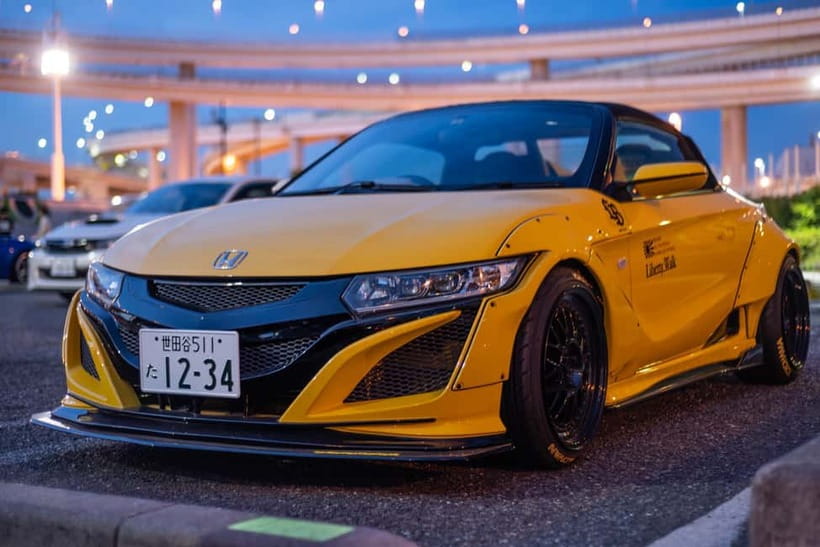
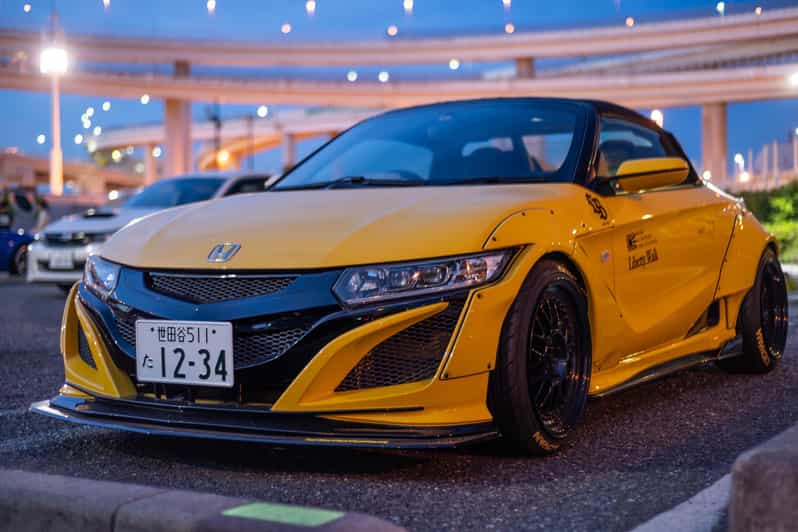
A custom yellow Honda S660 is the star of this experience. You ride alone with Toshiro, a local Japanese driver, through Tokyo’s Shuto expressway system to Daikoku Parking Area and Tatsumi 1st PA. The route also passes Tokyo Skytree and Tokyo Tower, with a trip across Rainbow Bridge.
In This Article
- Key points before you book
- Tokyo car culture from the passenger seat
- Why the one-seat format changes the experience
- The ride through Shuto and the Bay Shore Route
- Daikoku Parking Area, the first car-culture stop
- Passing Tokyo Skytree and Tokyo Tower
- Tatsumi 1st PA and the longer stop
- Rainbow Bridge on the return route
- A practical look at the $209 price
- Timing, weather, and meeting details
- Who will enjoy the yellow S660 most
- Should you book this Daikoku tour?
- FAQ
- Is this a shared minivan tour?
- Who is the guide?
- Where does the tour start and finish?
- How long does the experience last?
- Does the tour include self-driving?
- Can I bring luggage?
I like two things right away: there is no minivan or shared group, and the drive itself matters as much as the car parks. You get a close look at Japan’s modified-car scene while riding in a rare mid-engine JDM car that feels like part of the story.
The main caution is comfort. The S660 has no luggage space, and its seat is compared to an economy-class airplane seat. The 3-hour route is best for a single car fan who values the car and road views more than legroom.
Key points before you book
- One passenger only: You ride with Toshiro, not with a busload of strangers.
- A rare Liberty Walk Honda S660: The small domestic sports car is modified and designed to attract attention.
- Daikoku and Tatsumi: These are famous meeting points for Japan’s modified-car culture.
- The expressway is part of the tour: You cross Rainbow Bridge and pass Tokyo Tower and Tokyo Skytree.
- Night timing matters: Friday and Saturday departures may need to leave at 18:00 because police can close Daikoku from about 20:30.
- Tiny-car conditions: Bring no luggage, expect a very small seat, and do not expect racing or game-style driving.
Tokyo car culture from the passenger seat
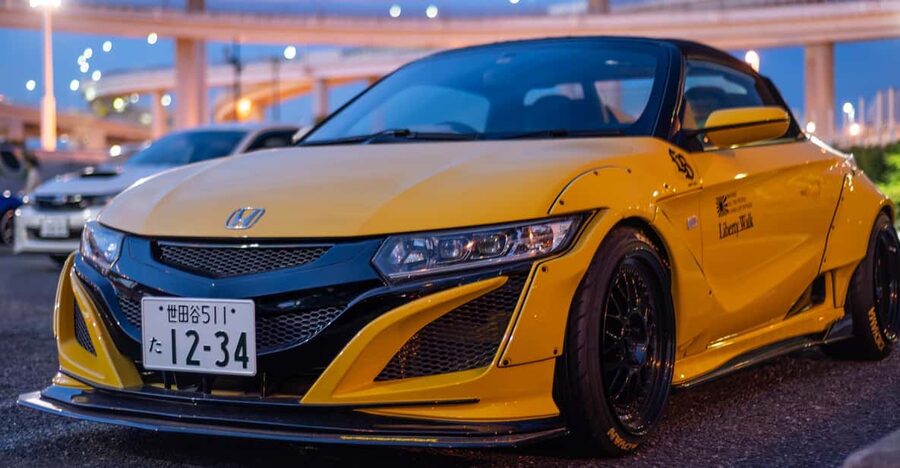
Many Daikoku trips focus on reaching the parking area, taking a few pictures, and returning in a standard vehicle. This one makes the road a central part of the experience. From the moment you meet in front of MOS Burger in Ōba and get into the yellow S660, the tour becomes a moving look at Tokyo’s car culture.
That distinction matters. You are not simply being taken to a meet. You are riding through the Tokyo Metropolitan Expressway and Bay Shore Route in a small, modified Japanese sports car. The route is intended to recall the roads and night-driving scenes associated with Japanese car games, films, and manga such as Wangan Midnight and Shuto Ko Battle.
The experience is not a driving lesson and it is not a racing activity. Toshiro drives, fuel and toll roads are included, and the tour follows traffic law. You get the atmosphere of the expressway, not illegal speed or staged competition. That is a good fit if you want the setting, lights, bridges, and cars without expecting a track day.
A few more Tokyo tours and experiences worth a look
Why the one-seat format changes the experience
The private format is the strongest practical feature here. The booking covers one group of up to one person, so you are not squeezed beside another customer or waiting for a full group to gather. You have direct conversation with Toshiro throughout the ride, and the small cabin makes the experience feel personal.
The tradeoff is that this format is not designed for couples or families. If you wish to bring more than two customers, you need to message the provider, and the stated setup is still built around one passenger. The listing does not promise a larger vehicle or a second car, so you should ask before booking if you are not traveling alone.
The car itself is a modified Honda S660, a Japanese domestic model with a mid-engine layout. The Liberty Walk, or LBWK, styling gives it a custom appearance rather than the look of a standard rental car. A tiny sports car also changes your view of the road. You sit low, close to the expressway, with less space around you and a stronger sense of motion than you would have in a minivan.
You should be comfortable with a tight cabin. There is no room for luggage, and the seat is described as similar in size to an economy airline seat. Leave suitcases at your accommodation and wear practical clothes. This is not the place to bring a large camera bag, shopping bags, or a bulky backpack.
The ride through Shuto and the Bay Shore Route
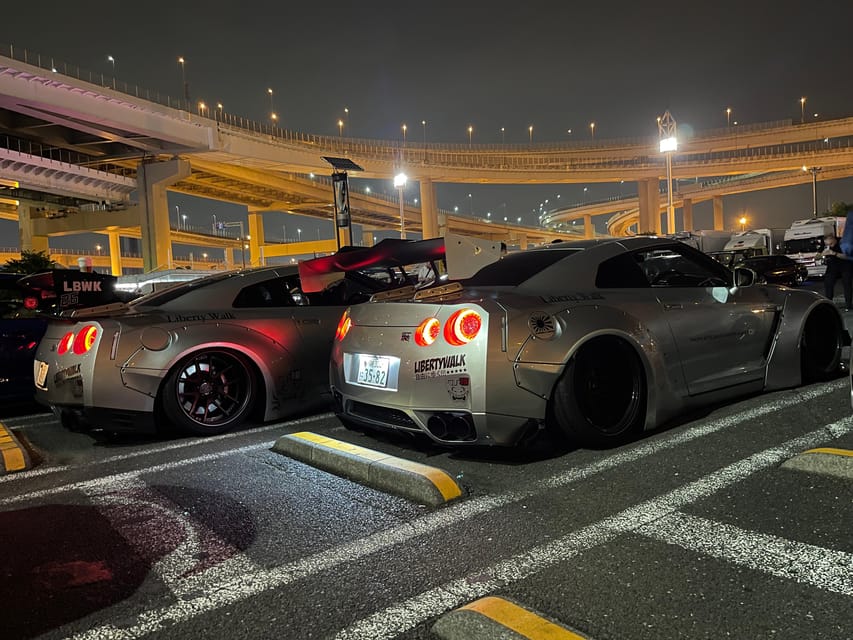
The expressway section is not filler between stops. It is one of the main reasons to choose this tour over a basic transfer to Daikoku. Tokyo looks different from the elevated road system, where ramps, towers, water, and city lights appear in quick succession.
The route offers several angles on the city. You pass through the Shuto system, use the Bay Shore Route, and cross Rainbow Bridge. The experience is less about stopping for a normal sightseeing view and more about seeing Tokyo while moving through it. You might catch a brief view of the skyline, a bridge span, or a landmark as the car continues along the road.
This is where the game and movie connection makes sense. If you know Wangan Midnight or similar Japanese car culture stories, the route has extra meaning. You are seeing the actual urban roads that give those scenes their mood. If you do not know those titles, you can still enjoy the contrast between the small yellow S660, the large expressway, and Tokyo’s night scenery.
Toshiro’s role adds context. The supplied information identifies him as the provider and the guide named in the customer comments. He speaks English and drives the route himself. The direct conversation is a key part of the private setup, especially if you want to ask about Japanese cars, modified vehicles, or what you are seeing at the parking areas.
Daikoku Parking Area, the first car-culture stop
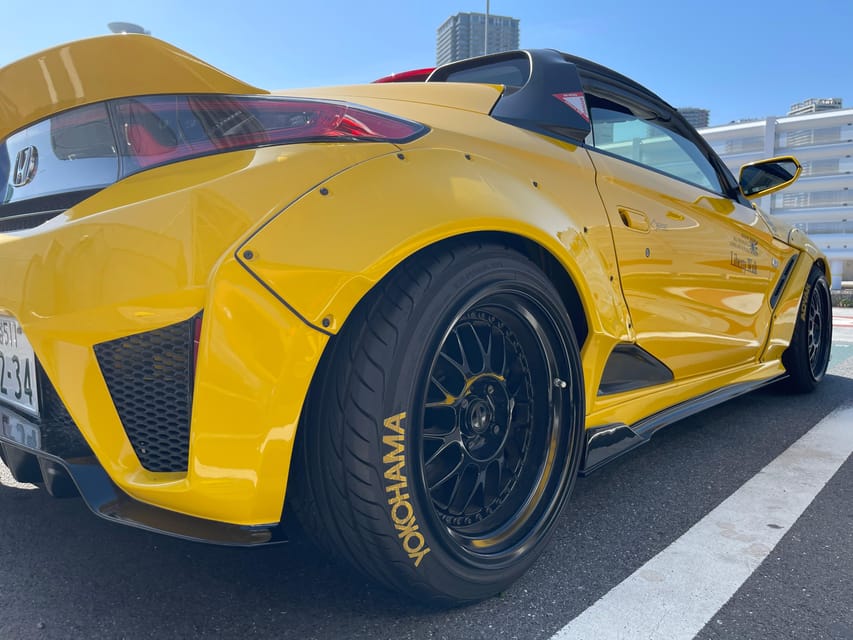
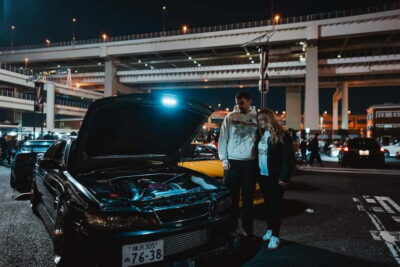
Daikoku Parking Area is the headline stop. It is well known among people interested in Japanese modified cars, and the attraction is the chance to see vehicles arriving and gathering in a real public parking area rather than in a museum display.
Your scheduled time at Daikoku is about 15 minutes for a break, photos, sightseeing, and a short walk. That is not a long visit, so set your expectations correctly. You may get a quick look at the cars and take photographs, but this is not a guaranteed major car show with a fixed display of specific models.
The atmosphere can change from one visit to another. Some nights may offer a strong mix of heavily modified JDM cars, while other nights may be quieter. Police controls and parking-area closures also affect access. Friday and Saturday nights are suggested as good choices, but the tour may need to leave at 18:00 and return around 21:00 because Daikoku can close from about 20:30.
That timing note is important. If you want a late-night meet, this tour may not provide one on every weekend evening. The provider says weekdays are possible, with Friday, Saturday, or Sunday generally preferred. Ask about the planned departure time before you commit to a date.
Do not confuse Daikoku with a permanent car museum. Cars can come and go, and access can be affected by traffic police. The value is in being taken there by a local enthusiast who knows the setting and combines it with the expressway ride.
Passing Tokyo Skytree and Tokyo Tower
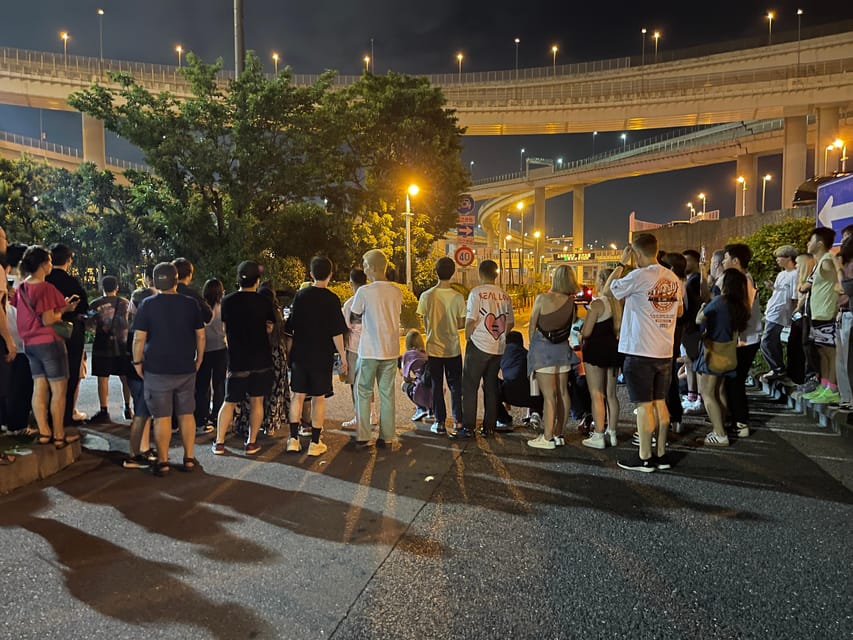
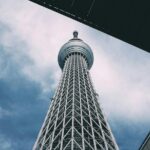
Tokyo Skytree and Tokyo Tower are passing points, not extended stops. That means you will not get a long visit, observation deck ticket, or dedicated photo session at either landmark. You see them as part of the moving city route.
For some people, that is exactly right. You can add two familiar Tokyo symbols to a night drive without turning the outing into a standard landmark tour. The brief views also help show how the route connects car culture with the wider city.
For others, the limited time may feel too short. If your main goal is a close photograph of Tokyo Tower or a visit to Skytree, book a separate sightseeing stop. Here, the landmarks are visual markers along the drive, not the central purpose.
Tatsumi 1st PA and the longer stop
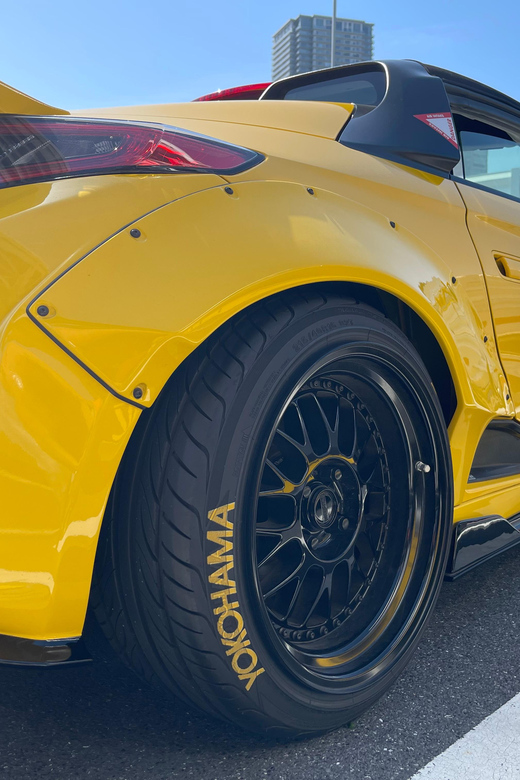
Tatsumi 1st PA receives the longest scheduled visit, about 1.5 hours. Like Daikoku, it is tied to Japanese car culture and can offer time to look around, take pictures, and watch cars arrive or leave.
The longer stop gives you room to slow down after the expressway ride. You can talk with Toshiro, look more carefully at modified vehicles, and enjoy the setting without having to rush through every photograph. The exact mix of cars is not fixed, so think of Tatsumi as a live meeting place rather than a guaranteed exhibit.
Tatsumi also makes the tour more than a quick photo stop at Daikoku. You visit two well-known parking areas, each with its own role in the car scene, then return through the city. If you are mainly interested in Japanese performance cars, this additional time is a meaningful part of the price.
Still, parking areas are working roadside facilities. They are not polished attractions with indoor exhibits, restrooms described in detail, or a scheduled presentation. Your enjoyment depends on the cars present, the night’s mood, and your interest in watching rather than being entertained.
Rainbow Bridge on the return route
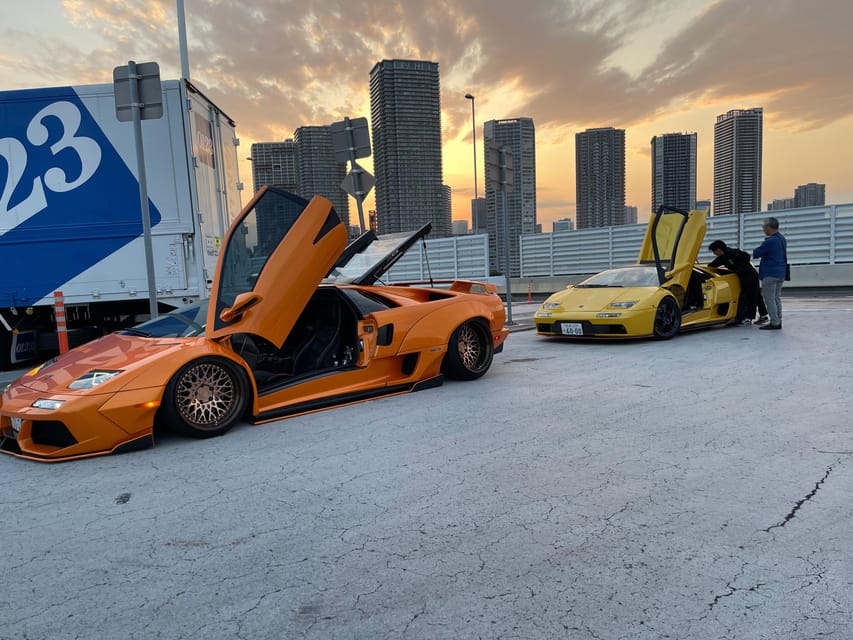
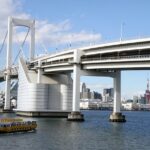
Rainbow Bridge is passed by car. You cross it as part of the route rather than stopping for a walk or viewing platform. The bridge gives the drive a clear sense of place, linking the car-meet visits with Tokyo Bay and the city’s illuminated roads.
This is one of the tour’s best visual transitions. You move from a parking area where modified cars are the focus to a major piece of Tokyo infrastructure. The small S660, city lights, and bridge crossing help create the night-drive feeling that the tour is built around.
Keep your camera ready, but do not expect unlimited time for photographs. You may see a good angle for only a few seconds, and the driver must focus on the road. The experience rewards watching the city as it passes rather than trying to document every moment.
A practical look at the $209 price
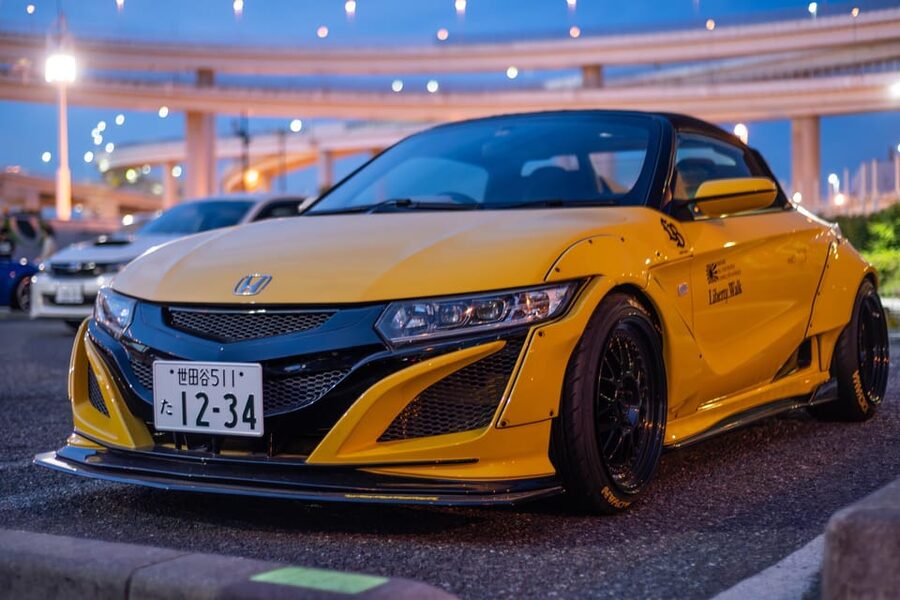
The price is $209 for a group of up to one person. That is not cheap transportation, but it includes more than a ride to Daikoku. Fuel, expressway tolls, the local English-speaking guide, the private format, and the modified S660 are included.
I would judge the value by asking what you want to buy. If you only need a transfer to a parking area, the price will seem high. If you want a private car-culture outing, a rare JDM vehicle, an informed local driver, and three hours on Tokyo’s expressways, the cost makes more sense.
The one-person format also explains the price. You are paying for a private car and driver rather than sharing the operating cost with a larger group. The experience has more in common with a specialist enthusiast outing than with a low-cost city tour.
The listed rating is 4.8 out of 5 from 12 ratings. The strongest praise centers on the car, Toshiro’s friendly conversation, the night ride, and the sight of heavily modified JDM vehicles at Daikoku. One customer described the return ride as feeling like a Wangan Midnight game, while another called the custom car a major part of the night.
That praise is useful, but you should match it to your own priorities. The same small car that makes the ride special also limits comfort. The same real-world route that creates atmosphere also brings traffic, closures, and changing car-meet conditions.
Timing, weather, and meeting details
The full experience lasts about three hours and starts and ends in Ōba. The meeting point is in front of MOS Burger, and the activity returns to that same meeting point. Hotel transportation is not included, so you need to reach Ōba on your own.
Night departures are the natural choice for the mood and car culture. Friday, Saturday, and Sunday are suggested, but the provider warns that Friday and Saturday may require an 18:00 departure. A typical window could be 18:00 to 21:00 if Daikoku access is limited later in the evening.
Weekdays are also possible. If you have flexibility, ask which date offers the best chance of visiting both parking areas at a useful time. Conditions at car meets are not fixed, and the provider may adjust plans if police close an area.
Rain is another reason to keep your schedule flexible. If it rains, the tour can be postponed to a convenient day. That policy is useful for an open-air experience where photographs and parking-area activity are part of the appeal.
Cancellation is free up to 24 hours before the activity for a full refund. You can also reserve now and pay later, which helps if you are still arranging your Tokyo schedule.
Who will enjoy the yellow S660 most
I would choose this outing if you:
- Follow JDM, Liberty Walk, modified Hondas, or Japanese car culture
- Want a private experience rather than a shared minivan
- Enjoy city driving, bridges, and expressway views
- Know Wangan Midnight or want to see the real-world setting behind Japanese car stories
- Are comfortable sitting in a very small sports-car cabin
- Can travel without luggage during the three-hour outing
I would look elsewhere if you want a roomy vehicle, hotel pickup, a self-drive experience, or guaranteed access to a large car meet. Self-driving is not included, and the tour does not promise racing, high-speed runs, or a fixed list of cars.
It is also not the best choice for a group of friends who want to ride together. The stated format is one customer and one local driver. Ask Toshiro directly before booking if your party is larger.
Should you book this Daikoku tour?
Book it if the car itself is part of the attraction. The rare modified Honda S660, private format, and Tokyo expressway route give this outing a clear identity. You are not just checking off Daikoku. You are seeing the city from a low, unusual JDM car and visiting two real meeting points along the way.
Skip it if your priorities are comfort, flexibility for luggage, or a guaranteed long evening at Daikoku. You should also skip it if you expect a racing simulation. The stated aim is to respect traffic law and enjoy the views.
For a solo car enthusiast with three free hours, this is a focused and memorable Tokyo night ride. Pack light, confirm the departure time, and treat the parking areas as living car meets rather than fixed attractions. That is the best way to get value from the $209 price.
FAQ
Is this a shared minivan tour?
No. It is a private experience for one customer and one local Japanese driver. The vehicle is a modified Honda S660, not a minivan.
Who is the guide?
The experience provider and driver is Toshiro. The tour is conducted in English.
Where does the tour start and finish?
It starts in front of MOS Burger in Ōba and ends back at the same meeting point. Hotel transportation is not included.
How long does the experience last?
The tour lasts about three hours. Check the available dates and starting times when booking.
Does the tour include self-driving?
No. Toshiro drives the car. Fuel and toll-road costs are included.
Can I bring luggage?
No. The S660 has no luggage space. The seat is also very small, similar in size to an economy-class airplane seat.
More JDM & Car Culture in Tokyo
More tours in Tokyo we've reviewed

JDM & Car Culture, compared.
 ★ 4.8Tokyo: Fast & Furious Tokyo Drift 3 Experience (Kaila Yu SP)From $157
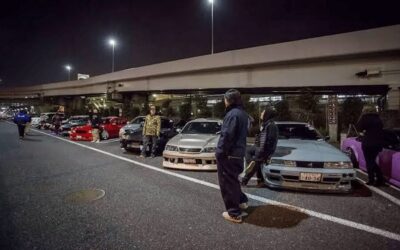 ★ 4.8Tokyo: FAST&FURIOUS EXPERIENCE Daikoku Tokyo Car ClubFrom $157
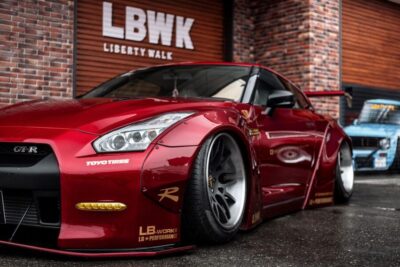 ★ 4.8Tokyo Drift: GT-R Car Club R35 Liberty Walk Daikoku meetingFrom $240
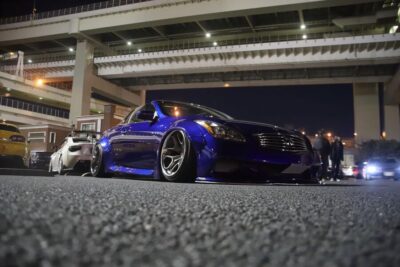 ★ 4.8Tokyo: Daikoku JDM Fast Furious Drift Style Car ExperienceFrom $123
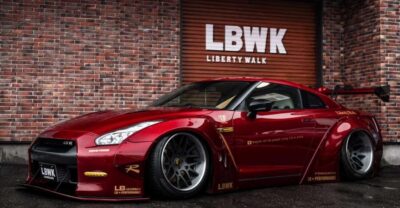 ★ 4.8Tokyo Drift: GO Daikoku Car Meet R34 Skyline Car ClubFrom $246
 ★ 4.7Tokyo Drift: Daikoku PA Supreme Car Experience 大黒PAFrom $583 hours