Reviewed · TOKYO FOOD TOURS
Tokyo: Shibuya Food Tour with 15 Dishes at 4 Eateries
Shibuya’s famous crossing is only the starting point on this three-hour food walk. You move from a backstreet stall to an izakaya, specialty restaurant, and gastrobar, eating as many as 15 Japanese dishes with three drinks along the way. It is a useful way to get beyond the obvious chain restaurants and see how Shibuya eats after dark.
In This Article
- Key points to know before you book
- Starting beneath Hachikō in Shibuya
- Dogenzaka: the first full meal stop
- Center Gai: food among Shibuya’s busiest lanes
- Hyakkendana: the tucked-away final stop
- What the 15 dishes really mean
- The guide makes the difference
- Timing, drinks, and age rules
- Is $109 a fair price in Tokyo?
- Who should book this Shibuya food tour?
- Should you book it?
- FAQ
- How long does the Shibuya food tour last?
- How many dishes and drinks are included?
- Which restaurants and areas does the tour visit?
- Where does the tour meet?
- Can people under 20 join?
- What languages are available, and how large is the group?
I like the small group of up to 10 people, which gives the guide room to explain dishes and keep the group moving. I also like the range: sushi, sashimi, gyoza, kushikatsu, tonkatsu, and sake offer a broad first taste of Japanese food rather than one narrow specialty. The main caution is communication and atmosphere. One family found the evening awkward, with too little explanation and some confusion because the company also appears to run pub crawls. If you want a lively, highly guided food lesson, set your expectations clearly.
Key points to know before you book
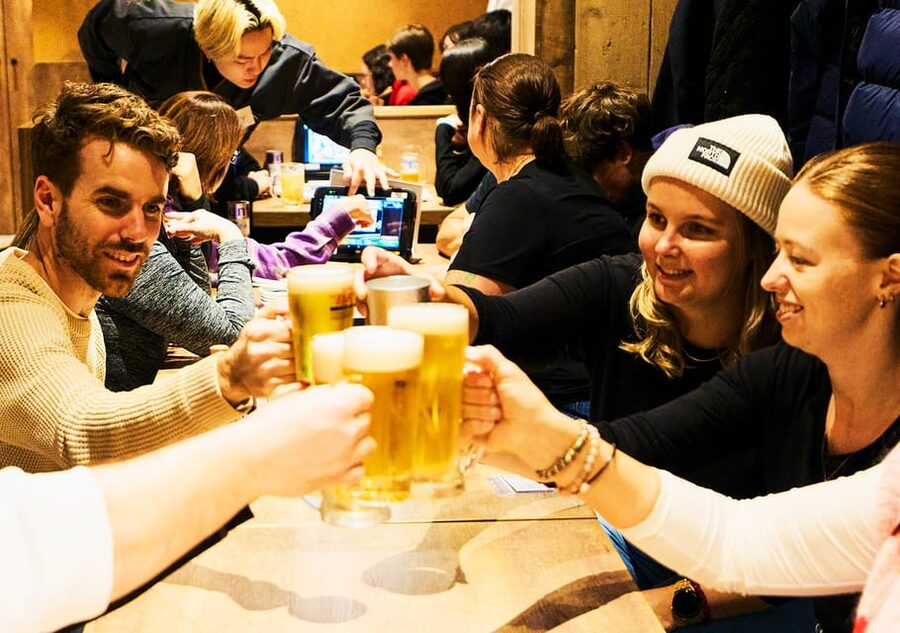
- Four different eating stops: You visit a backstreet stall, izakaya, specialty eatery, and gastrobar in the Dogenzaka, Center Gai, and Hyakkendana areas.
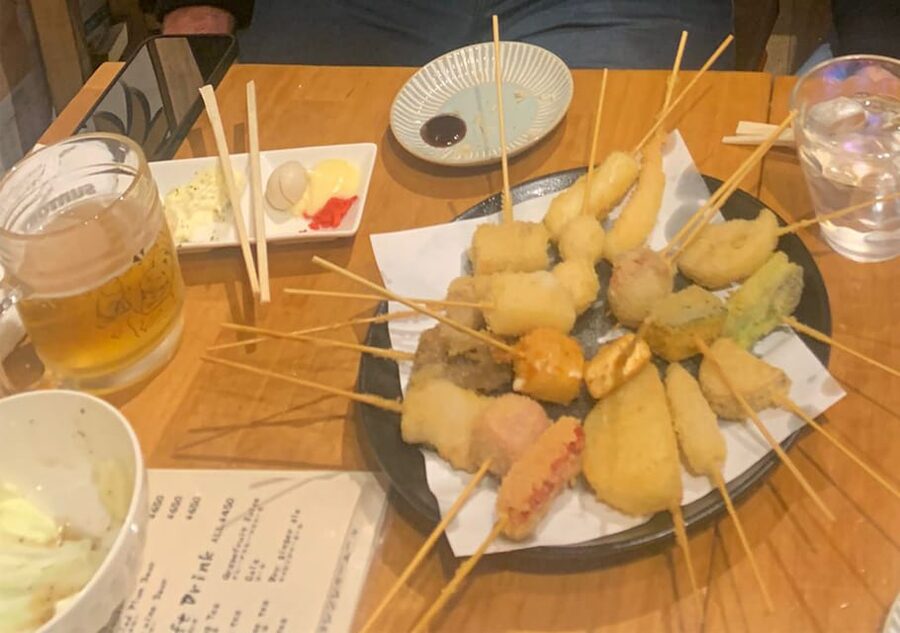
- A full meal, not a tasting nibble: Up to 15 dishes and three drinks are included, with food such as sashimi, sushi, gyoza, kushikatsu, and tonkatsu.
- Shibuya landmarks are built into the route: The evening begins at Hachikō and Shibuya Crossing before moving into smaller lanes.
- Naoto has earned specific praise: One highly positive review singles out Naoto as especially friendly and helpful.
- The group is capped at 10: That is a comfortable size for shared dishes and conversation, though the experience depends on how actively the guide engages the group.
- Alcohol is optional for younger participants: People under 20 may join, but they cannot drink alcohol.
Starting beneath Hachikō in Shibuya
Your meeting point is in front of the SHIBU HACHI BOX at the Hachikō gate of Shibuya Station. Look for a guide holding a Local Guide Stars sign. This is a sensible meeting place, but Shibuya Station has many exits and can feel confusing, so allow extra time to find the correct gate.
The tour opens with two of Tokyo’s best-known sights. At the Hachikō Statue, you receive a short five-minute guided visit. Then comes about 10 minutes around Shibuya Crossing. These stops are brief, so do not expect a full sightseeing tour or a long explanation of the district.
That short introduction works well for a food-focused evening. You get your bearings, see the landmark crowds, and then leave the main square for streets where the restaurants are less obvious. The contrast is part of the appeal. Shibuya is famous for neon, screens, and the crossing, but its food life is spread through narrow side streets and upper-floor or tucked-away businesses.
A few more Tokyo tours and experiences worth a look


Dogenzaka: the first full meal stop
The first substantial stop is in Dogenzaka, with about 55 minutes for dinner and a guided walk. Dogenzaka is one of Shibuya’s main nightlife areas, so this is where the evening begins to feel less like sightseeing and more like a local food outing.
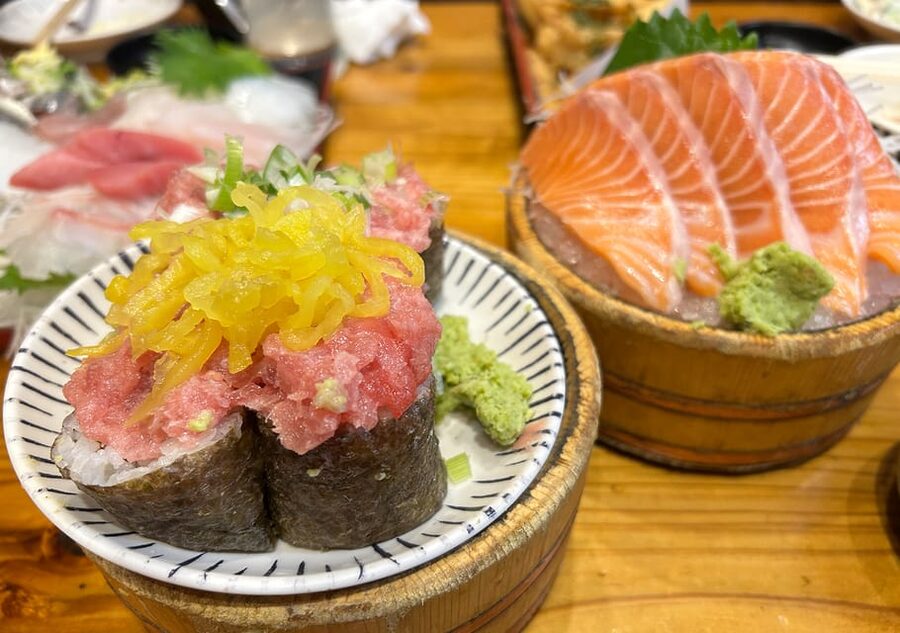
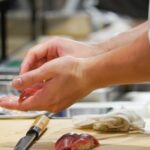
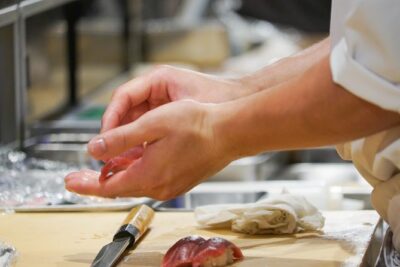
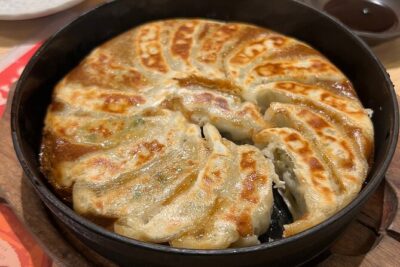
The exact dishes can change with the season and restaurant availability. The advertised selection includes fresh sashimi, sushi, crispy kushikatsu, juicy gyoza, tonkatsu, and other Japanese dishes. You may not receive every named item on every departure, but the promise is broad: as many as 15 dishes across four locations.
That number matters. A food tour can sound generous while leaving you hungry, but 15 dishes are described as enough for a full meal. Portions may be shared or tasting-sized, so you should think of the tour as a progressive dinner rather than 15 large individual plates. The advantage is variety. You can try foods you might not order alone, and you do not need to commit to a full serving of an unfamiliar dish.
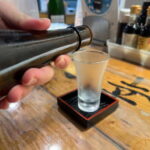
Three drinks are also included. The selection can include alcohol and non-alcoholic choices, with Japanese sake specifically highlighted. If you are interested in sake, this gives the guide a natural opening to explain what you are drinking. If you do not drink, the package still includes non-alcoholic options.
One point deserves attention here. A family traveling with a 14-year-old found the evening uncomfortable because the hosts seemed to expect a pub crawl. The food was good, and the family tried unfamiliar dishes, but the explanations were limited and the hosts sometimes watched rather than led the conversation. This does not mean every departure feels that way, but it is a useful warning for families and for anyone expecting a formal food class.
Center Gai: food among Shibuya’s busiest lanes
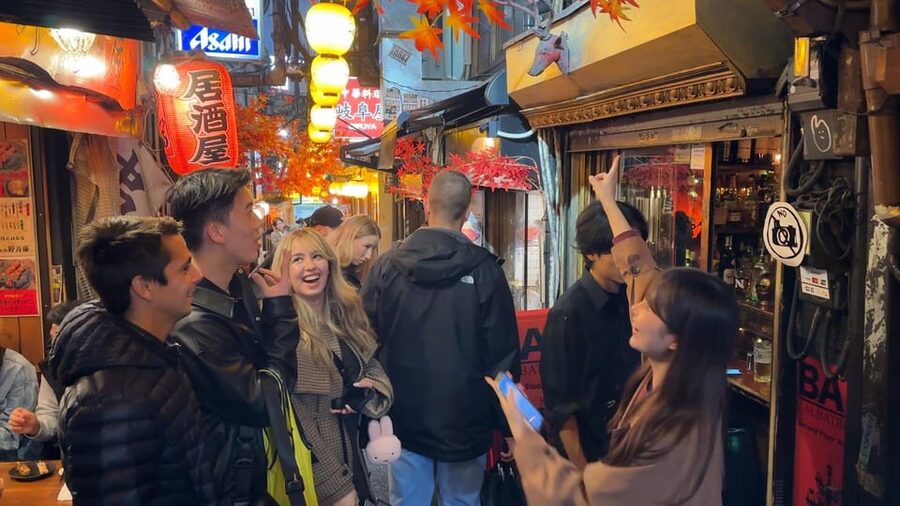
The second eating stop lasts roughly 55 minutes in Center Gai. This area is one of Shibuya’s most active pedestrian zones, lined with restaurants, shops, bars, and bright signs. The tour uses it as more than a backdrop. You are guided through the district while moving between food stops.
Center Gai is a good place to notice how quickly Tokyo changes from major tourist sight to ordinary dining street. The main routes can be packed, but the tour description points you toward arcades and side lanes that many first-time visitors miss. You still remain in central Shibuya, yet the food stops should feel less generic than grabbing a quick meal near the station.
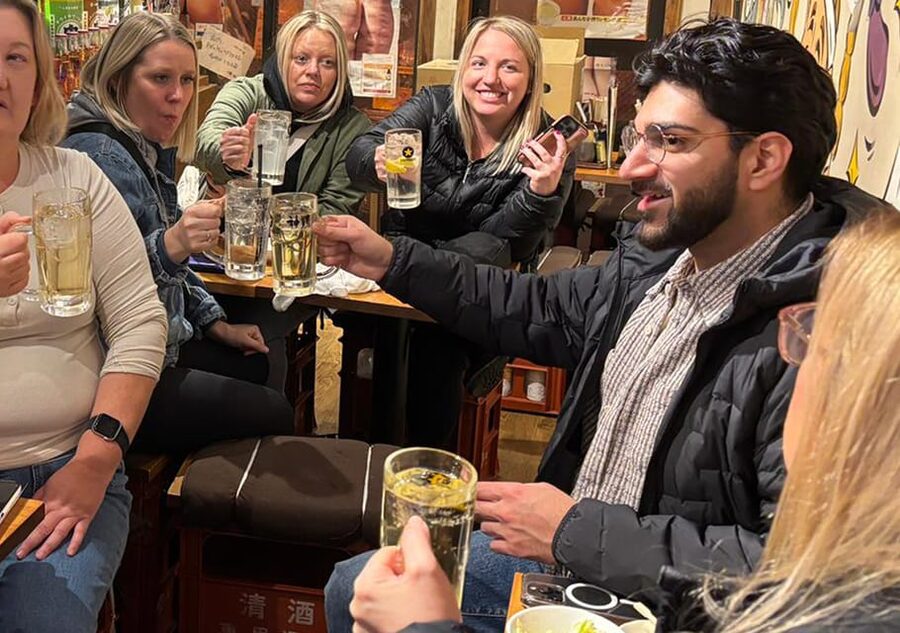
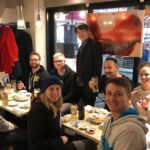
The eating format also suits a mixed group. One person may already know gyoza and tonkatsu, while another may be trying sashimi or sake for the first time. Shared dishes keep the pace social and let you compare reactions. With a group limit of 10, you are not joining a huge procession, although the guide’s willingness to explain will affect how much you learn.
If you prefer to spend a long time at each restaurant, this pace may feel quick. About 55 minutes at a stop includes eating, moving in, and any short explanation, so the evening is designed for variety rather than lingering over one plate. I would book it for a first or second night in Tokyo, when you want ideas for foods and neighborhoods to explore later.
Hyakkendana: the tucked-away final stop
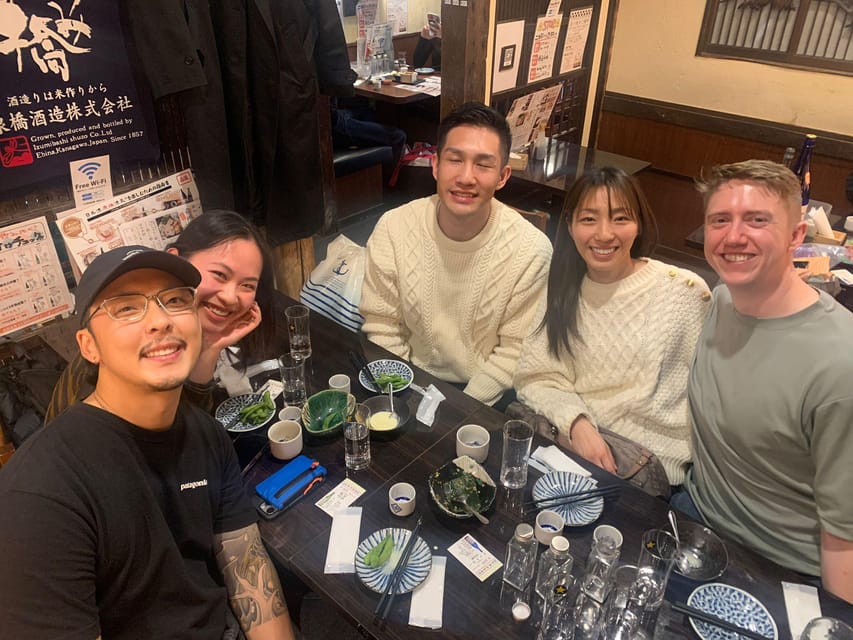
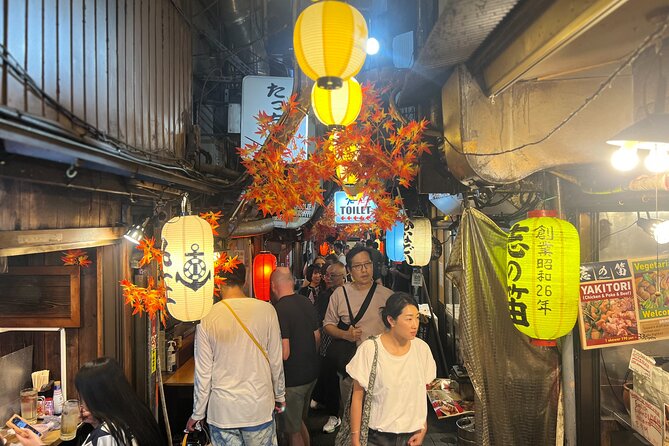
The third named district is Shibuya Hyakkendana, where you spend another 55 minutes eating and walking. Hyakkendana is known for compact nightlife streets, making it a fitting setting for a tour that finishes at a gastrobar after visits to more traditional food spots.
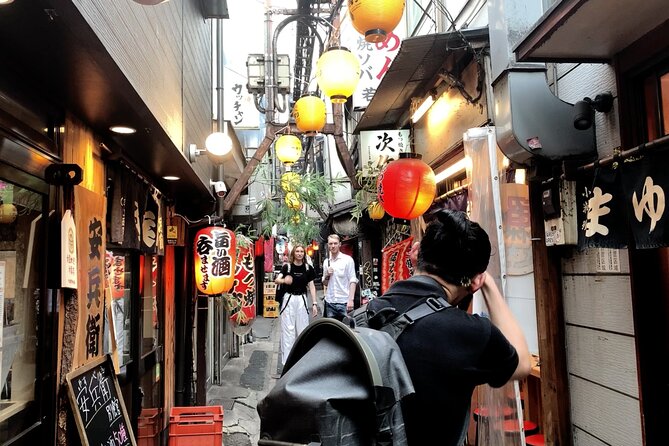
The four venues are meant to feel different from one another. You begin with a backstreet stall, then visit an izakaya and a specialty eatery before reaching the gastrobar. That sequence gives you a look at several restaurant styles without asking you to plan four reservations or work out the ordering system yourself.
This is also where the tour’s value is easiest to judge. At $109 per person, you are paying for food, three drinks, a guide, and the convenience of four organized stops. If you used the same amount to order independently, you might eat well, but you would need to know where to go, decide what to order, and handle the practical details at each place.
The price is less compelling if your main goal is simply the cheapest possible dinner. Shibuya has many places where you can order one filling meal for much less. The tour makes more sense if you place value on trying a wide range of dishes, getting help with the route, and enjoying a social evening without having to research four local eateries.
What the 15 dishes really mean
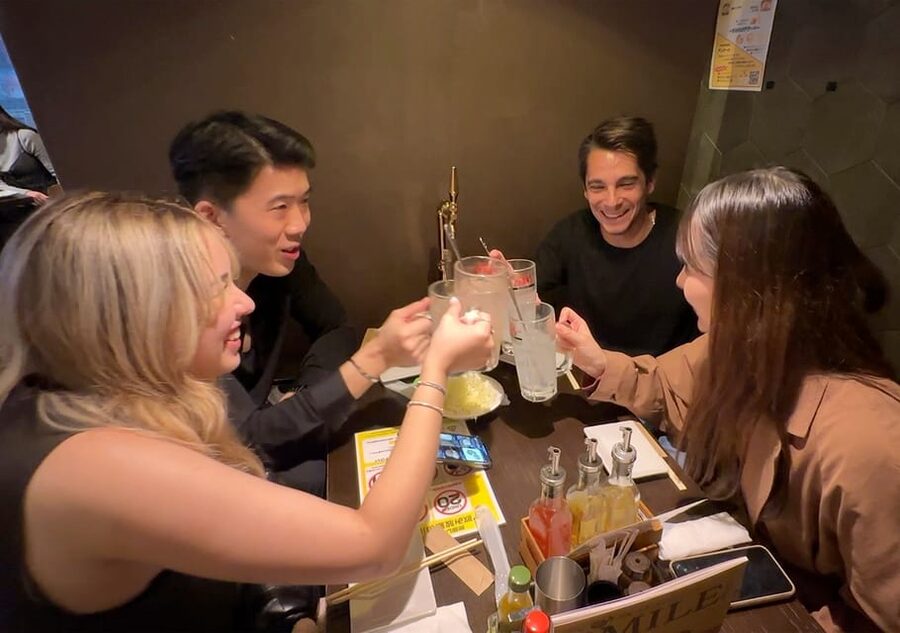
The food list is appealing because it covers several textures and styles. Sashimi and sushi bring fresh, delicate flavors. Gyoza adds a hot, juicy bite, while kushikatsu offers crisp fried skewers. Tonkatsu brings a heartier, breaded pork dish, and the sake gives you a drink associated with Japanese dining rather than a standard international beer or cocktail.
The dishes may vary by season and restaurant availability. Treat the named foods as examples of the tour’s style, not a fixed menu. If one item is especially important to you, ask the operator before booking instead of assuming it will be served.
You should also mention dietary needs before reserving if possible, but the supplied details do not promise substitutions or allergy handling. The tour is built around a set selection at four eateries, so people with strict dietary requirements should confirm that the menu can work for them.
The strongest part of the menu is its breadth. In three hours, you can get a useful introduction to dishes that are easy to overlook when ordering from a picture menu. The weaker point is that the food itself may not be the full story. The tour becomes much more valuable when the guide explains what each dish is, how to eat it, and why that particular restaurant was chosen.
A few more Tokyo tours and experiences worth a look

The guide makes the difference
The tour is offered in English and Japanese, with a local guide leading the group between stops. One direct account gives Naoto especially strong praise for being friendly. That is worth noting because the guide’s personality matters a great deal on a small-group food tour.
A good guide can turn a plate of gyoza into a useful lesson in texture, dipping sauces, and restaurant customs. A quiet guide can leave you feeling as if you are simply being escorted from one meal to the next. One mixed account describes courteous hosts but limited explanation and an awkward flow, with the participants needing to start much of the conversation themselves.
You can help the evening along by asking questions. Ask what makes one gyoza different from another, how the sake is served, which dishes are seasonal, or where the guide would eat nearby on another night. This is not a guaranteed formal cooking demonstration, so active conversation may bring out more of the local insight.
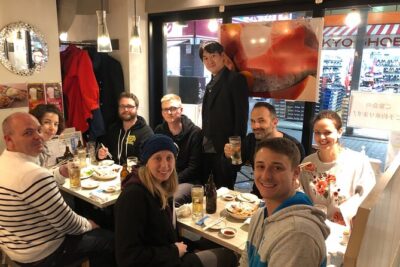
The 10-person limit helps. It is small enough for a guide to speak with each person, and it keeps shared dining from becoming unwieldy. Still, group chemistry matters. Solo visitors and couples who enjoy meeting people may find the format easy and sociable. Families should make clear that they booked a food tour, not a pub crawl, especially when children or young teenagers are joining.
Timing, drinks, and age rules
The activity lasts three hours and returns to SHIBU HACHI BOX at the end. Starting times vary, so check the available departure when you book. Since the tour includes dinner at several locations, an evening start is likely, but the confirmed time is the one that matters for your plans.
Three drinks are included, and they may be alcoholic or non-alcoholic. Participants under 20 can join, but they may not consume alcohol. This makes the tour possible for families and mixed-age groups, though the adult-focused restaurant setting and the pub-crawl confusion described above are reasons to set expectations in advance.
Additional food and drinks cost extra. With 15 included dishes, most people should not need to buy more food during the three hours. You may want to budget for an extra beverage if you particularly enjoy sake or want something beyond the three included drinks.
The tour ends where it begins, at the Hachikō meeting point. That is convenient for finding your way back to Shibuya Station, but the station itself is large. Keep the meeting instructions handy and use the WhatsApp contact system, since the guide will contact you through WhatsApp. Download the app before the tour.
Is $109 a fair price in Tokyo?
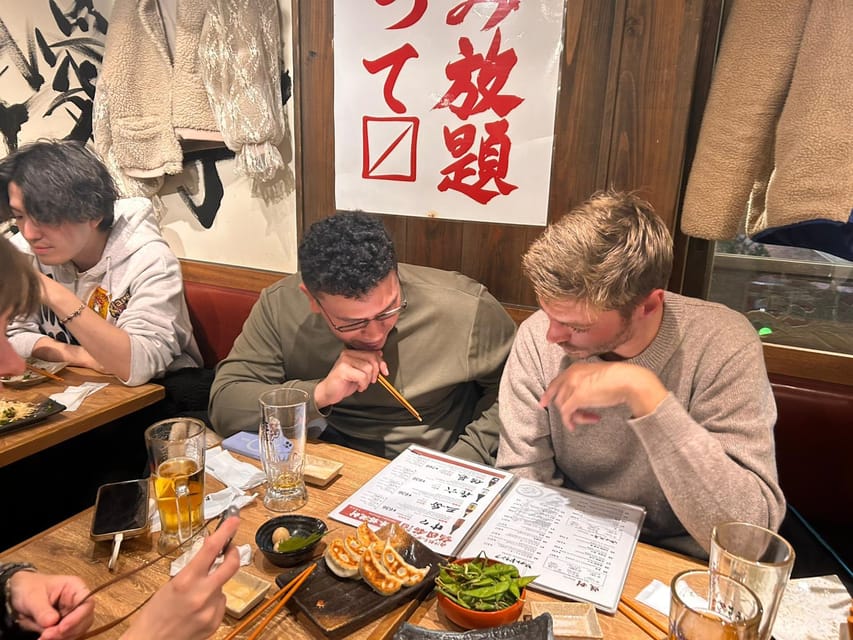
At $109, this is not a bargain dinner. It is a packaged evening with four stops, up to 15 dishes, three drinks, a local guide, and a planned route through central Shibuya. For someone who wants to taste widely without studying restaurant menus, the cost can be reasonable.
I see the best value in the combination of quantity and variety. You are not paying for one famous restaurant or one premium dish. You are paying to sample many foods in several settings, with someone handling the route and basic ordering.
The value drops if you already know Shibuya well, speak Japanese comfortably, and enjoy choosing your own restaurants. You could spend less by eating at one or two casual places. You may also prefer independent dining if you want control over portion sizes, timing, and drinks.
Free cancellation up to 24 hours before the tour and reserve-now, pay-later booking make it easier to fit into a changing Tokyo schedule. Those policies help, but they do not change the central question: do you want a guided food route or would you rather build your own dinner?
Who should book this Shibuya food tour?
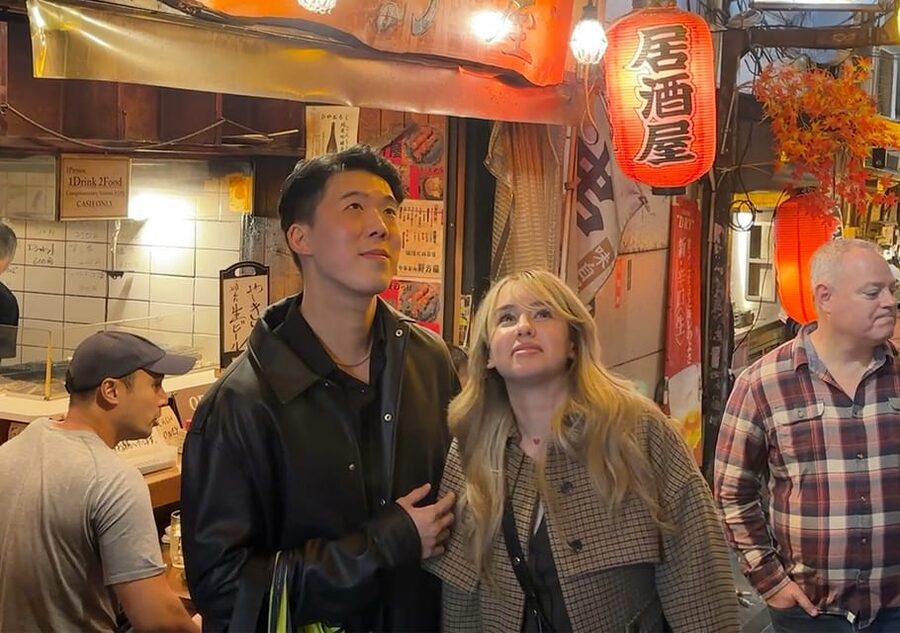
I would recommend it to first-time Tokyo visitors who want a broad introduction to Japanese food and do not want to decode every menu alone. It also suits solo visitors and couples who enjoy a small group, several restaurant styles, and a guide-led walk through Shibuya after dark.
It can work for families with children under 20, since younger participants may join. I would contact the operator first and clearly state the ages in your party, especially if anyone is 14 or younger. The supplied details do not promise a child-specific format, and one family found the tone awkward.
Food lovers who want a fixed list of regional specialties may find the changing menu frustrating. This experience is better for curiosity than precision. You receive a generous spread of Japanese dishes, but the exact plates depend on the season and restaurants available.
Should you book it?
Book this tour if you want four eateries, 15 dishes, and three drinks in one organized Shibuya evening. Its strongest features are the range of food, the small group, and the chance to move beyond the station area into Dogenzaka, Center Gai, and Hyakkendana.
Skip it if you want a quiet, deeply explained culinary class, a guaranteed menu, or the lowest-cost dinner in Tokyo. If you do book, download WhatsApp, arrive early at the SHIBU HACHI BOX, and tell the guide clearly that you want a food-focused experience. With the right expectations, this can be a cheerful and efficient introduction to eating in Shibuya.
FAQ
How long does the Shibuya food tour last?
The tour lasts three hours and finishes back at the SHIBU HACHI BOX meeting point.
How many dishes and drinks are included?
Up to 15 dishes and three drinks are included. The food is described as enough for a full meal, and drinks may be alcoholic or non-alcoholic.
Which restaurants and areas does the tour visit?
The tour visits four local eateries, including a backstreet stall, an izakaya, a specialty eatery, and a gastrobar. The route includes Dogenzaka, Center Gai, and Shibuya Hyakkendana.
Where does the tour meet?
Meet in front of the SHIBU HACHI BOX at the Hachikō gate of Shibuya Station, at Hachiko Square. The guide will hold a Local Guide Stars sign.
Can people under 20 join?
Yes. Participants under 20 may join, but they are not permitted to consume alcohol.
What languages are available, and how large is the group?
The tour is offered in English and Japanese, with a maximum of 10 participants. The guide will contact you through WhatsApp, so download the app before the tour.
More Food Experiences in Tokyo
More Tokyo Food Tours in Tokyo
More Shibuya Tours in Tokyo
More tours in Tokyo we've reviewed












Tokyo Food Tours, compared.
 ★ 5.0Tokyo: Shinjuku Food Tour (13 Dishes at 4 Local Eateries)From $86
 ★ 4.9Tokyo: Shinjuku Food Tour (13 Dishes and 4 Eateries)From $97
 ★ 5.0Tokyo Night Foodie Tour in Shinjuku – Seasonal Sushi, Wagyu BeefFrom $111
 ★ 5.0Eat and Drink Like a Local: Tokyo Ueno Food Tour-Taverns&RamenFrom $95
 ★ 5.0Tokyo: Shibuya Food Tour (13 dishes and 4 Eateries)From $77
Tokyo: Shinjuku Food Tour – 15 Dishes, 3 Drinks, 4 EateriesFrom $723 hours