Reviewed · TOKYO
Tokyo: Exquisite Wagyu Beef Experience at Yakiniku Nikunone
Tokyo’s Yakiniku Nikunone is built around A5 Wagyu, served in calm private rooms rather than a noisy grill hall. The meal moves from tongue and lean cuts to sushi, steak, and unusual ingredients such as caviar, sea urchin, and Oita’s Dragon Eggs.
In This Article
- Key points to know before booking
- What kind of Tokyo experience is this?
- Choosing between the three Wagyu courses
- The 12-dish Nikunone Course
- The 14-dish Kirameki Course
- The 14-dish Kinzakura Course
- Why the beef preparation matters
- Seafood, rice, and the unusual extras
- Private rooms and service
- Is $113 good value?
- Who should book this dinner?
- Timing, reservations, and practical details
- Should you book Yakiniku Nikunone?
- FAQ
- Is Yakiniku Nikunone a guided tour?
- How long does the meal last?
- What does the price include?
- Which Wagyu courses can I choose from?
- Are drinks included?
- Can I share dietary restrictions when booking?
I like the careful balance between luxury and Japanese restraint. I also like the choice of three set menus, which lets you decide how far to push the meal without ordering every expensive item separately. The main consideration is the price: at about $113 per person, this is a special-occasion dinner, not a casual yakiniku stop.
Key points to know before booking
- A5 Wagyu is the focus: Every course is built around carefully selected Japanese beef, including tongue, skirt steak, sirloin, rump, chateaubriand, and other prized cuts.
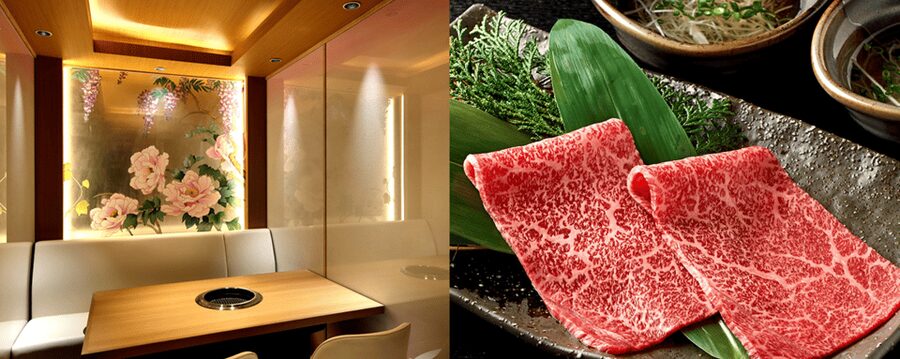
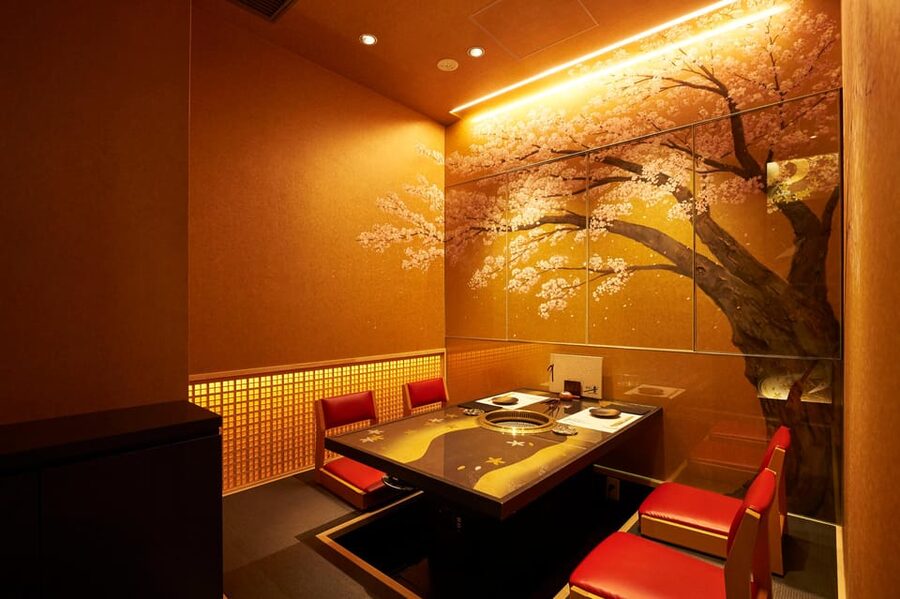
- Private rooms shape the experience: The rooms draw on Japan’s four seasons and offer a quiet setting for a meal that lasts about two hours.
- Three menus offer different levels of indulgence: The Nikunone, Kirameki, and Kinzakura courses range from 12 to 14 dishes, with different drinks and premium additions.
- Rare ingredients appear throughout: Depending on your menu, you might receive sea urchin, caviar, truffle salt, fruit champagne, Dragon Eggs, or Algae Salt Rice.
- This is a reservation only meal: You enter the restaurant directly at your reserved time. There is no tour guide or hosted activity.
- Book ahead: The restaurant can fill up, so early planning matters, especially if your Tokyo schedule is tight.
What kind of Tokyo experience is this?
Yakiniku Nikunone is a restaurant reservation, not a cooking class, walking tour, or guided food activity. You make your way to the restaurant, check in for your booking, and sit down for a fixed course served by the restaurant team.
That distinction matters. If you want a guide to explain Tokyo’s food culture or lead you between several shops, this is not the right choice. If you want an organized, polished dinner with the menu already planned, it is much easier.
Your table is reserved for a maximum of two hours. That gives the meal a clear rhythm, but it also means you should arrive ready to begin. I would not pair this reservation with another time-sensitive activity immediately afterward.
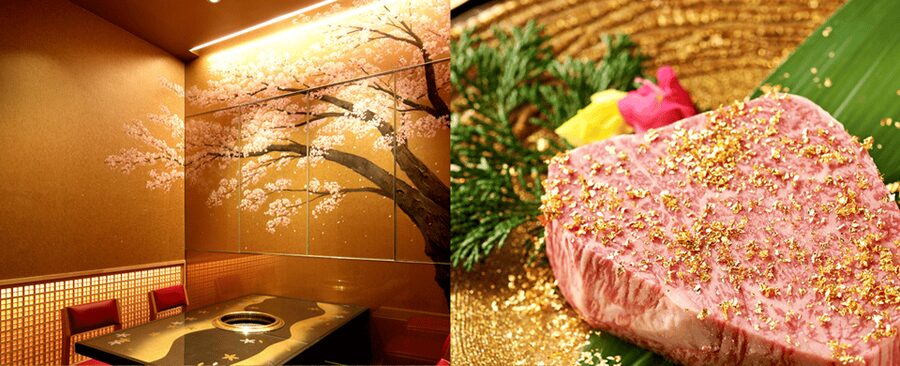
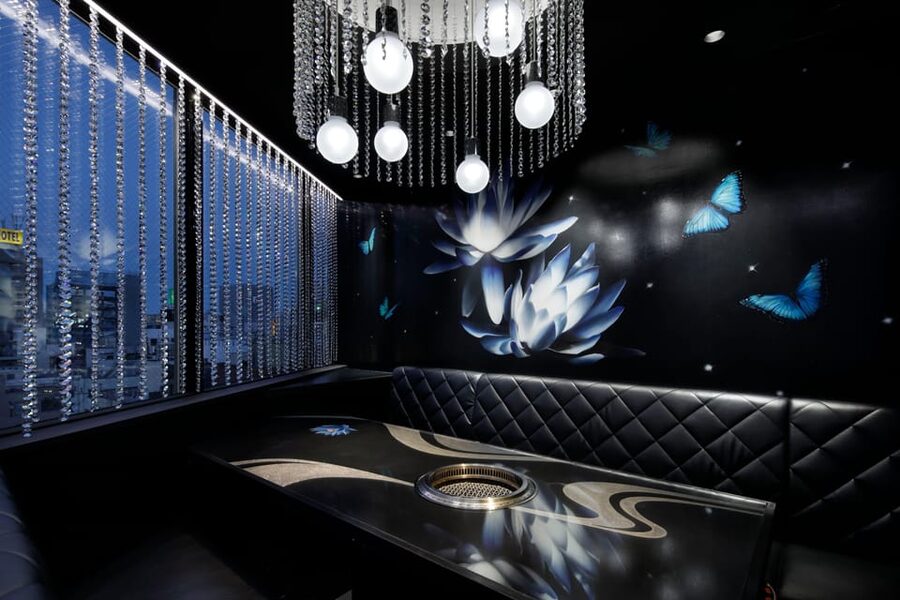
The setting is designed to feel separate from the city. Each private room takes inspiration from one of Japan’s four seasons. The supplied details do not specify exactly which room you will receive, and specific seats cannot be guaranteed, so think of the seasonal design as part of the general atmosphere rather than a room you can select.
The restaurant is across from Lawson Gran Customa. Use that landmark when finding the entrance, and allow enough time to get oriented before your reservation. Since no guide meets you, you are responsible for entering the restaurant directly at the booked time.
If you're still narrowing it down, here are other tours in Tokyo we've reviewed.
Choosing between the three Wagyu courses
The three menus are not just different lengths of the same dinner. Each changes the type of beef, seafood, drinks, and finishing dishes you receive.
The 12-dish Nikunone Course
The Nikunone Course is the shortest menu, but it still gives you a full progression through the restaurant’s style. It includes one drink, two kinds of kimchi and namul, Wagyu sinew stew, salad, special tongue grilled shabu-shabu, three exclusive cuts of beef served salted, chestnuts grilled shabu-shabu, two kinds of selected marinated lean meat, two pieces of grilled Wagyu sushi, and yuzu sorbet.
I like this course for diners who want luxury without making the meal too elaborate. The two pieces of grilled Wagyu sushi give it a clear signature moment, and the yuzu sorbet should offer a clean citrus finish after the richness of the beef.
The menu begins with familiar Korean-influenced yakiniku accompaniments, then moves into less common preparations. Wagyu sinew stew is useful here because it shows that the restaurant is not only interested in the most expensive slices. The tongue is treated with a grilled shabu-shabu preparation, while the chestnuts receive the same style of attention.
This course does not include the sashimi, skirt steak, sirloin or rump, steak sandwich, or caviar service found in the longer menus. That is its limitation, but it may also be its advantage. You get a substantial meal without paying for every premium addition.
The 14-dish Kirameki Course
The Kirameki Course adds a broader mix of beef and seafood. It includes one drink, kimchi and namul, Wagyu sinew stew, Miyazaki beef sashimi with sea urchin, one piece of grilled Wagyu sushi with caviar, salad, special tongue grilled shabu-shabu, special skirt steak with fresh wasabi, two salted exclusive cuts, three kinds of selected marinated lean meat, and a choice of sirloin or rump steak.
The meal finishes with either cold noodles or Wagyu ochazuke, followed by a choice of dessert. This is a useful middle option if you want more variety than the basic menu but do not need the full caviar-focused Kinzakura experience.
The beef sashimi with sea urchin changes the pace. Instead of another grilled course, you receive a raw preparation paired with seafood. The menu also brings in fresh wasabi with the skirt steak, which gives you a sharper contrast to the fatty beef.
I would choose Kirameki if you want to compare several cuts. You receive three marinated lean meats, two salted cuts, tongue, skirt steak, and a larger steak course. The tradeoff is volume. Fourteen dishes in two hours can feel brisk, especially if you want to linger over each plate.
The final choice between cold noodles and Wagyu ochazuke lets you decide how you want to close the meal. Cold noodles are the lighter direction. Ochazuke, traditionally rice with tea or broth, gives the beef course a warmer and more filling finish.
The 14-dish Kinzakura Course
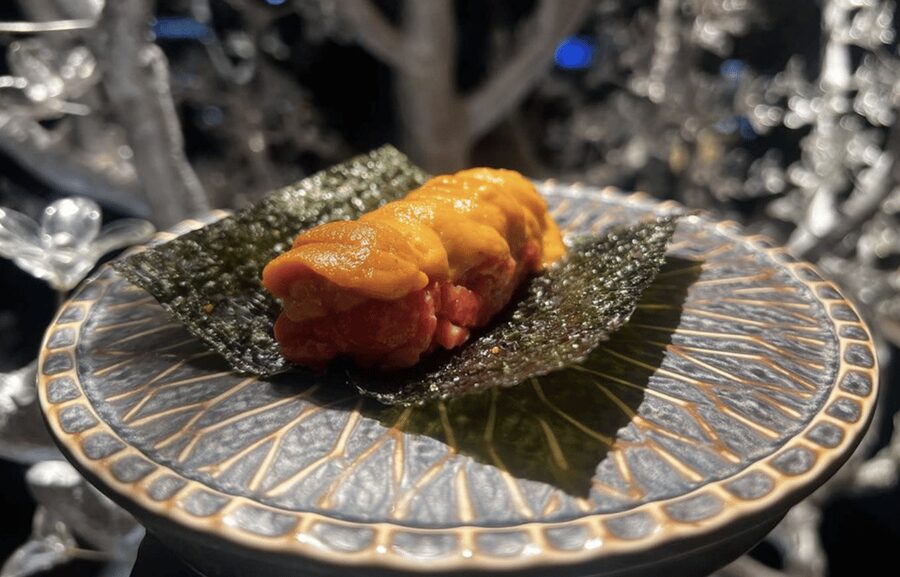
Kinzakura is the most lavish menu. It includes two drinks, with fruit champagne available, two kinds of kimchi and namul, sea urchin tartar hand-roll sushi with caviar, salad, special tongue grilled shabu-shabu, chateaubriand served with truffle salt, two salted exclusive cuts, chuck flap grilled sukiyaki, a selected Wagyu steak sandwich, a choice of cold noodles or two pieces of grilled Wagyu sushi with sea urchin, dessert, and a small bottle of caviar.
The separate caviar bottle is an unusual touch. You can use it with the sea urchin tartar or other dishes as you like, rather than receiving only a fixed spoonful on one plate. That gives you a little control over how the richest ingredient appears in the meal.
Chateaubriand is the headline cut here, served with truffle salt. The chuck flap prepared sukiyaki-style adds another texture and a more seasoned profile. Then comes the Wagyu steak sandwich, a playful change from the usual grilled slices.
This is the course for a birthday, anniversary, or a last-night-in-Tokyo splurge. It is not automatically the best choice for every diner. If you mainly want to understand the quality of the beef, the shorter course may provide enough. Kinzakura makes sense when the whole point is abundance and rare pairings.


Why the beef preparation matters
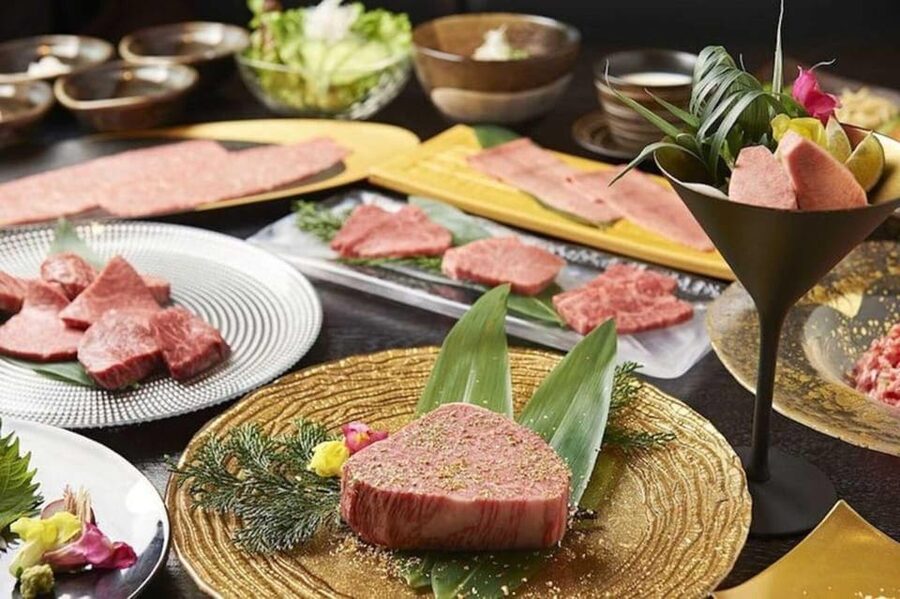
Yakiniku can mean cooking slices of meat over a tabletop grill, but this meal is more carefully staged than a simple order of beef and rice. The menu moves between salted cuts, marinated cuts, shabu-shabu-style grilling, sushi, sashimi, sukiyaki preparation, and steak.
That variety helps you notice how the same ingredient changes with seasoning and heat. Salted cuts put the texture and fat at the center. Marinated lean meats bring more seasoning. Wasabi, truffle salt, sea urchin, and caviar each push the beef in a different direction.
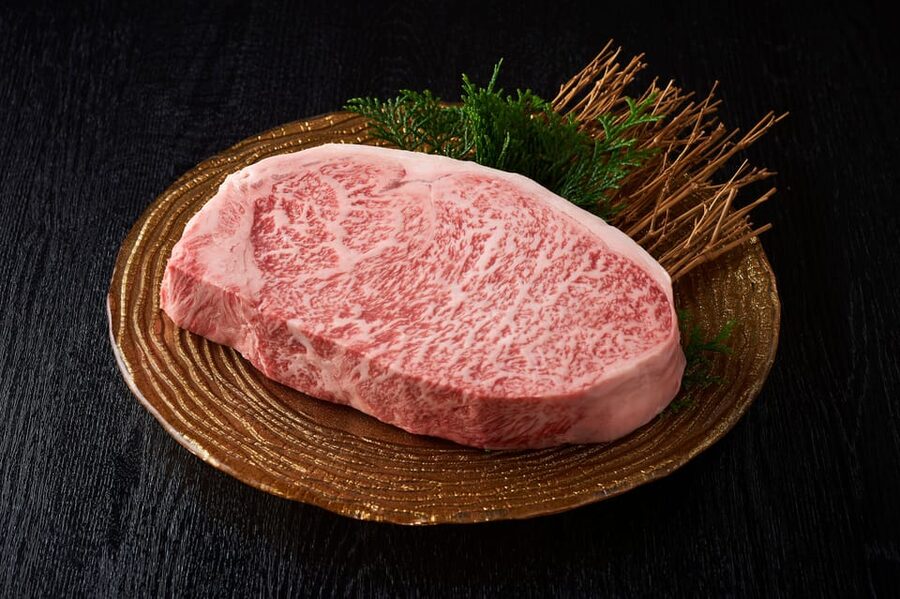
The emphasis on A5 Wagyu also explains the rich mouthfeel. A5 is Japan’s highest beef grade, and the menu is designed for small, carefully presented portions rather than one large steak. You should expect richness to build as the courses continue.
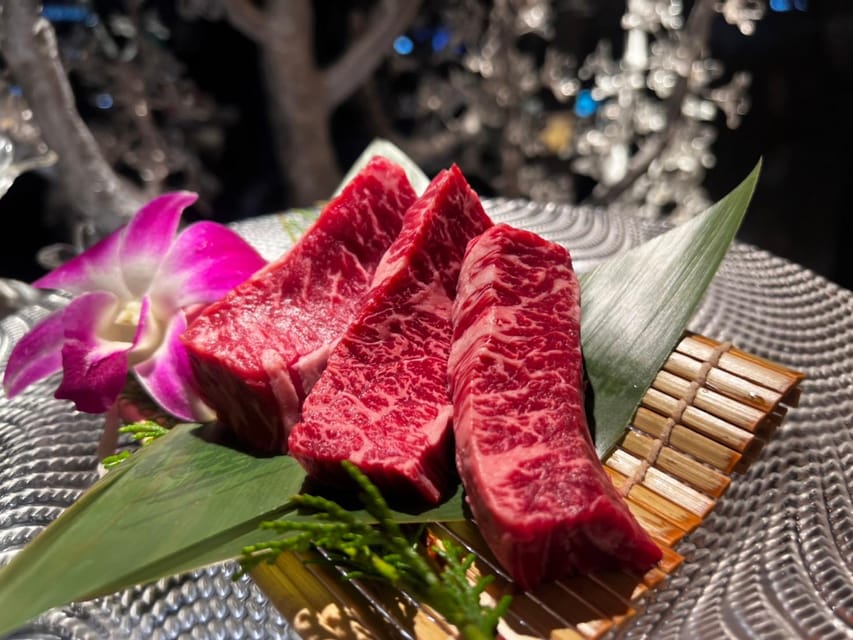
The tongue course is worth noting. It is not treated as a side order but as a special grilled shabu-shabu dish. A recent dining experience singled out the assorted beef tongue platter as especially tender and flavorful, which makes this a course to pay attention to rather than rush past.
The menu also includes cuts that are less familiar to many diners. The precise names of the three exclusive cuts on the Nikunone Course are not supplied, so you should ask the staff to explain them when they arrive. The restaurant team is described as attentive and willing to explain each course, and that guidance can make unfamiliar beef easier to appreciate.
Seafood, rice, and the unusual extras
The luxury here is not limited to beef. Sea urchin appears with Miyazaki beef sashimi on the Kirameki Course, in the Kinzakura sea urchin tartar hand-roll, and as an option with the final grilled Wagyu sushi. Caviar is paired with Wagyu sushi and supplied separately on the top course.
These combinations are worth considering before you book. If you are excited by beef alone, the seafood additions may feel like expensive decoration. If you enjoy Japanese ingredients served in small, high-end combinations, they are part of the appeal.
The meal may also feature rare regional ingredients such as Dragon Eggs from Oita and Algae Salt Rice from the Oki Islands. The supplied menu breakdown does not assign these items to a specific course, so do not book expecting a guaranteed appearance on one particular menu. They are best understood as examples of the restaurant’s interest in unusual Japanese ingredients.
The rice course differs by menu. Kirameki offers cold noodles or Wagyu ochazuke. Kinzakura offers cold noodles or grilled Wagyu sushi with sea urchin. The Nikunone Course finishes with grilled Wagyu sushi before dessert, including two pieces.
Dessert is yuzu sorbet on the Nikunone Course. The two longer courses offer a dessert choice. Yuzu is a smart ending after heavily marbled beef, since its citrus character clears the palate without adding more weight.
Private rooms and service
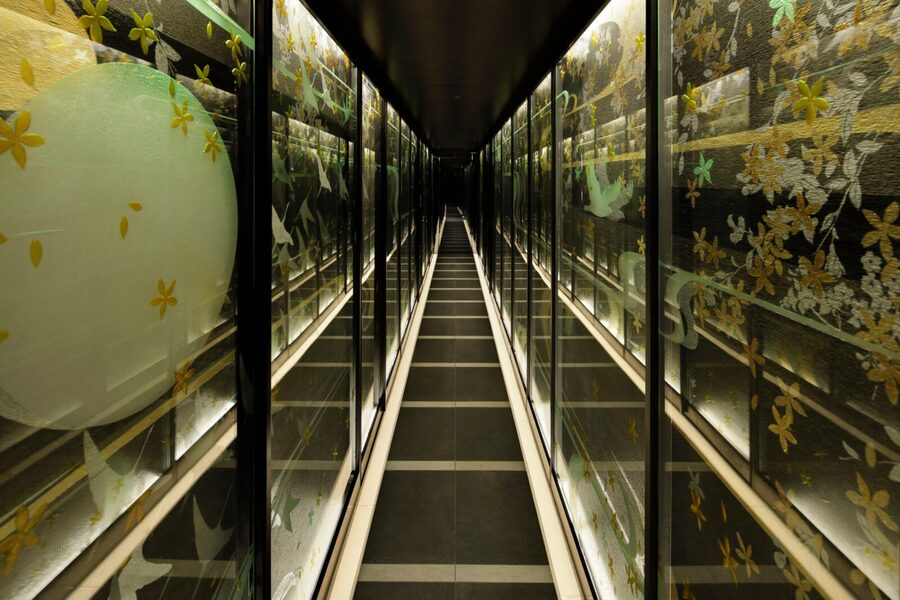
The private-room format is one of the strongest reasons to choose this restaurant. Yakiniku can be social and noisy, with smoke, conversation, and shared grills. Here, the seasonal room design and enclosed setting aim for a calmer dinner.
That privacy suits a special occasion. You can focus on the food and on the person at your table without feeling that the room is part of a large dining hall. The tradeoff is that the experience may feel less spontaneous than a busy neighborhood yakiniku restaurant.
The service is described as polite, professional, and attentive without being intrusive. Each course is explained with care, which is particularly useful when the menu includes unfamiliar terms and cuts. You should still remember that service style can vary by evening, and no individual guide or chef is assigned to your booking.
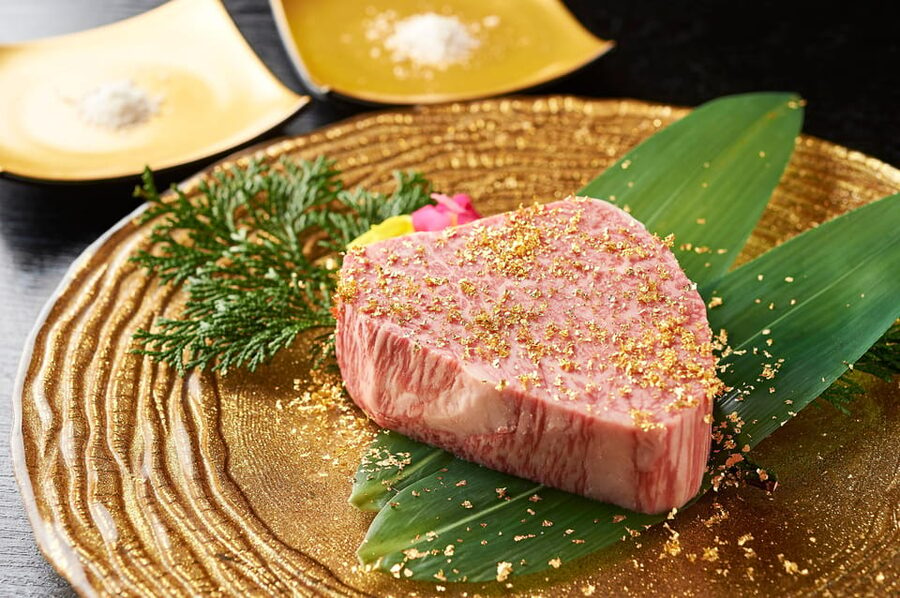
The restaurant’s attention to presentation is part of the price. Gold leaf has appeared on a Wagyu dish, though photos are for reference and specific presentations are not guaranteed. Treat visual details such as gold leaf as a possible flourish, not a promised course feature.
Is $113 good value?
At about $113 per person, the price includes the full course, sales tax, and the restaurant reservation. Other personal expenses are not included. That price is high compared with a casual yakiniku dinner, but the comparison is not quite fair.
You are paying for A5 Wagyu, private dining, multiple courses, premium seafood, carefully selected ingredients, and restaurant service. The Nikunone Course includes 12 dishes and one drink. The Kirameki Course includes 14 dishes and a broader range of beef and seafood. Kinzakura adds two drinks, fruit champagne as an option, a bottle of caviar, chateaubriand, and a Wagyu steak sandwich.
For value, I would first decide what you want from the night. Choose Nikunone if you want the restaurant’s signature style at the lowest listed level. Choose Kirameki if cut variety and a complete meal matter most. Choose Kinzakura only if caviar, sea urchin, top cuts, and the celebratory setting justify the extra indulgence for you.
The fixed-course format also makes spending easier to control. You are not building a bill one premium plate at a time. Still, drinks beyond what the course includes and other personal purchases are extra, so check what is covered before ordering more.
Who should book this dinner?
I would recommend Yakiniku Nikunone for a couple or small party marking a special night in Tokyo. The private rooms, careful service, and seasonal design suit an occasion where you want time together rather than a quick meal.
It also fits serious beef fans who want to compare different cuts and preparations. The menu gives you salted and marinated beef, tongue, skirt steak, sirloin or rump, chateaubriand, sukiyaki-style chuck flap, sushi, and steak sandwich formats.
Food-focused diners who enjoy sea urchin and caviar will find the Kirameki and Kinzakura menus more appealing. If you dislike raw seafood or want a simple steak dinner, the extra pairings may not justify the cost.
The restaurant is wheelchair accessible, and dietary restrictions can be noted during checkout. Since the menu is fixed and includes many specialized ingredients, I would provide those details in advance rather than wait until you arrive.
Japan’s legal drinking age is 20. The courses include welcome drinks, and Kinzakura includes two drinks, with fruit champagne available. Anyone under 20 should not be included in the drinking arrangements.
Timing, reservations, and practical details
This experience lasts two hours, and the table is held for a maximum of two hours. You should treat the reservation time seriously because there is no guide to call your group together or escort you inside.
The restaurant is in Tokyo on Honshu, with the meeting landmark listed as across from Lawson Gran Customa. You do not meet at that point for a tour. You use it to find the restaurant, then enter directly.
Reservations are important. The restaurant can fill up, so I would book as soon as your dates are firm. You can cancel up to two days in advance for a full refund, according to the booking terms.
Specific seat types cannot be guaranteed. If the room setting is important to you, request your preference when booking, but plan on receiving whichever private room is available.
The menu photographs are for reference only. Ingredients, plating, and small details can change, so focus your decision on the course structure rather than expecting an exact picture-perfect plate.
Should you book Yakiniku Nikunone?
Book it if you want a polished Tokyo dinner centered on A5 Wagyu, served in a private seasonal room with attentive staff and a clear two-hour format. The tongue, Wagyu sushi, sea urchin, caviar, chateaubriand, and unusual regional ingredients give the meal more range than ordinary grilled beef.
I would choose the Nikunone Course for a first taste at the lowest listed level, Kirameki for the best balance of variety, and Kinzakura for a major celebration. Skip it if you want a cheap, casual yakiniku meal, a guided food tour, or complete freedom to order from a menu.
Book early, note dietary needs, arrive ready to enter directly, and choose your course based on the ingredients you genuinely want. For the right diner, this is a focused splurge rather than just another dinner.
FAQ
Is Yakiniku Nikunone a guided tour?
No. This is a restaurant reservation only. You enter the restaurant directly at your reserved time, and no guide is provided.
How long does the meal last?
The experience lasts two hours, and seats are reserved for a maximum of two hours.
What does the price include?
The listed price of about $113 per person includes the selected full-course menu, sales tax, and the reservation. Other personal expenses are not included.
Which Wagyu courses can I choose from?
You can choose the 12-dish Nikunone Course, the 14-dish Kirameki Course, or the 14-dish Kinzakura Course. The menus differ in their beef cuts, seafood, drinks, desserts, and caviar service.
Are drinks included?
Yes. Each course includes welcome drinks. Nikunone and Kirameki include one drink, while Kinzakura includes two drinks, with fruit champagne available.
Can I share dietary restrictions when booking?
Yes. You can leave a comment about dietary restrictions during checkout. The restaurant is also wheelchair accessible.
More tours in Tokyo we've reviewed












Tokyo, compared.
 ★ 5.0Mt Fuji and Hakone 1-Day Bus Tour Return by Bullet TrainFrom $163
 ★ 5.01-Day Tokyo Bus TourFrom $129
 ★ 4.6Tokyo: teamLab Planets TOKYO Digital Art Museum Entry TicketFrom $251 day
 ★ 4.0Mt Fuji & Hakone Cruise, Drum Show Bullet Train 1 Day from TokyoFrom $149
 ★ 5.0Tokyo: Shinjuku Food Tour (13 Dishes at 4 Local Eateries)From $86
 ★ 4.4Tokyo Mt Fuji 5th St & Hakone Cruise Bus Tour w/Bullet TrainFrom $15410 hours