Reviewed · SUSHI MAKING CLASSES
Sushi Making Tokyo|JOY ASAKUSA -(Taught by real chef)
Sushi making is the main event here, but the unlimited drinks, including alcohol, make this more than a short cooking lesson. Chef Tosaka leads you through rice preparation, 12 pieces of sushi, and four gunkan rolls, then you sit down to eat what you made.
In This Article
- Key points to know before booking
- What makes JOY ASAKUSA different
- Starting near Kaminarimon in Asakusa
- Preparing sushi rice with original vinegar
- Shaping 12 pieces with Chef Tosaka
- Making four gunkan rolls
- Sitting down to eat your own sushi
- How the $107 price works out
- Language help and the small-group format
- Pairing the class with an Asakusa day
- Who should book this sushi class
- Cancellation and booking details
- Should you book JOY ASAKUSA?
- FAQ
- Where does the sushi-making experience take place?
- How long does the activity last?
- How many sushi pieces will I make?
- What fillings are used for the gunkan rolls?
- Are drinks included?
- Is a vegetarian menu available?
- How many people can join the class?
- Can I cancel for a full refund?
I like the small group limit of 10 and the fresh ingredients selected to match high-end sushi standards. I also like the help from Yui, who has been praised for making the lesson easy to follow. The main consideration is price: at $107 for about two hours, this works best if you want a guided food experience rather than a quick, inexpensive class.
Key points to know before booking

- Chef-led instruction: Chef Tosaka teaches the sushi-making steps in person, making the class suitable for beginners.
- Sixteen pieces to prepare: You make 12 pieces of sushi plus four gunkan rolls with tuna mayo and salmon roe.
- Drinks are part of the deal: Unlimited drinks, including alcohol, are included during the meal.
- Asakusa setting: The studio is a short walk from Asakusa Station, near the Kaminarimon area.
- Language support: Staff and the booking system support multiple languages, with Yui helping as a translator and sous-chef.
- Vegetarian option: A vegetarian menu is available, though you should confirm the exact substitutions when booking.
What makes JOY ASAKUSA different

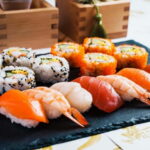
Many sushi classes focus on the novelty of shaping one or two pieces. This one gives you a fuller meal to work toward. You prepare sushi rice, make 12 pieces of sushi with Chef Tosaka, then create four gunkan rolls. That is enough food to feel like lunch or dinner, not just a taste.
The lesson is also built around the social side of Japanese dining. Once the sushi is ready, you eat it with unlimited drinks. Alcohol is included, which is a useful point to check when comparing this class with other Tokyo cooking activities. At some venues, drinks are an extra charge or limited to one serving. Here, they are part of the stated experience.
The setting adds another layer. JOY ASAKUSA opened in August 2024 and sits in Asakusa, one of Tokyo’s best areas for combining food with sightseeing. The address is on the fifth floor of The City Asakusa Kaminarimon building, at 2-18-16 Kaminarimon, Taito City. You finish where you started, so the class fits neatly into a day around Asakusa.
A few more Tokyo tours and experiences worth a look

Starting near Kaminarimon in Asakusa
You meet at SUSHI Making Experience JOY ASAKUSA, a short walk from Asakusa Station. The location matters because Asakusa is easy to pair with other plans, and the class does not send you out to an isolated cooking school far from the sights.
You can use a mobile ticket, which keeps the arrival process simple. Confirmation is provided when you book. Since the activity is in a building on the fifth floor, allow enough time to find the entrance and reach the studio, especially if you are coming directly from a temple visit or a train connection.
The class has a maximum of 10 people. That is not a private lesson, but it is small enough to give the chef a reasonable chance to watch the group and correct basic mistakes. For a hands-on activity, a small group is much better than a large demonstration where you spend most of the time looking over someone else’s shoulder.
Preparing sushi rice with original vinegar
The class begins with sushi rice. This is a smart place to start because good sushi depends on more than fresh fish. The rice needs the right texture and seasoning, and the vinegar blend affects the flavor of every piece you make.
JOY ASAKUSA uses its own original vinegar for the rice. You are not simply handed a tray of prepared sushi and asked to copy the shape. You take part in one of the basic steps that gives sushi its balance.
This part should appeal to you if you enjoy learning how familiar foods are built. It also gives beginners a useful foundation before the shaping begins. If you have never made sushi, rice handling can feel less straightforward than it looks. The chef’s guidance is important here, particularly for getting portions and texture under control.
The available information does not specify the full rice recipe or the exact teaching method, so you should expect a practical introduction rather than a professional culinary course. The value is in understanding the process and then eating the result.
Shaping 12 pieces with Chef Tosaka

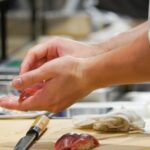
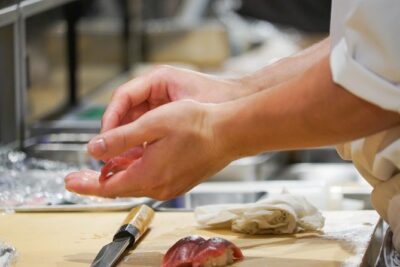
The central lesson is making 12 pieces of sushi with Chef Tosaka. The available details do not list every fish or topping, but the ingredients are described as fresh and selected to meet high-end sushi standards. That is important because the quality of the finished piece depends heavily on the ingredient, not just your technique.
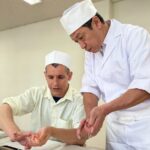
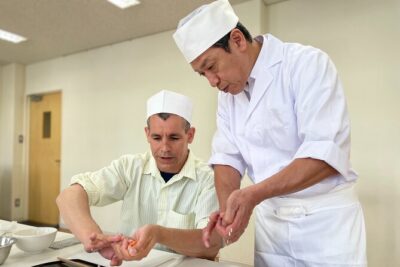
Chef Tosaka is the main instructor, so you get a real chef leading the work rather than a purely scripted demonstration. The class is designed for both first-timers and people with some sushi-making experience. You can expect the lesson to focus on handling the rice and forming the sushi neatly enough to eat.
Do not worry if your first pieces look uneven. That is part of the appeal. Sushi is precise food, and small differences in pressure and shape can change the result. A chef-led class gives you a chance to learn those small corrections as you go.
One useful point from the available feedback is the support from Yui, who helped with translation and acted as a sous-chef. If you are concerned about language, that extra assistance should make the physical steps easier to follow. The operation also provides multilingual staff and systems, though the exact languages are not specified.
Making four gunkan rolls

After the 12 pieces, you make four gunkan rolls. Gunkan means a sushi style formed with a strip of nori around the rice, creating a small cup for a softer topping. It is a different task from shaping ordinary nigiri, so this section adds variety to the lesson.
The listed fillings are tuna mayo and salmon roe. Tuna mayo gives you a familiar, creamy filling, while salmon roe brings a salty flavor and a very different texture. The contrast makes this more interesting than repeating the same sushi shape for the whole class.
Four rolls may sound like a small addition, but they bring the total to 16 pieces. That makes the meal more substantial and gives you two distinct techniques to practice. You also get a better sense of how sushi can vary in texture, appearance, and preparation.
The activity offers a vegetarian menu. If that matters to you, choose the vegetarian option when booking and confirm what the replacement ingredients will be, since the listed gunkan fillings contain tuna and salmon roe. The supplied details confirm availability of a vegetarian menu but do not specify its exact contents.
A few more Tokyo tours and experiences worth a look
Sitting down to eat your own sushi

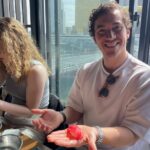
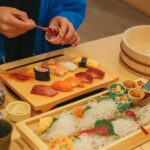
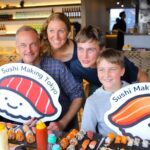
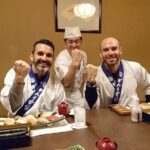
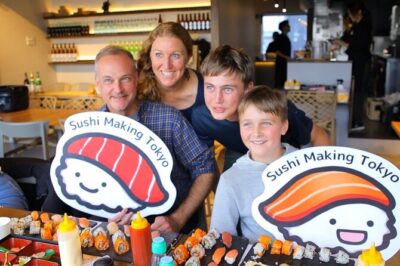
The final stage is meal time. You eat the sushi you prepared and can order unlimited drinks, including alcohol. This changes the pace of the class. Instead of rushing out after the last roll, you have time to enjoy the food and talk with the group.
I like this format because the meal gives the lesson a clear payoff. You have handled the rice, shaped the pieces, and made the rolls, so the food feels connected to the work. It is also a good setup for a relaxed break during a day of sightseeing.
The drinks are a major part of the value, but they may not matter equally to everyone. If you do not drink alcohol, the inclusion still suggests a generous beverage arrangement, but you should judge the price mainly on the food lesson and the amount of sushi you make. If you do drink, the unlimited option can make the $107 cost easier to justify.
The experience lasts about two hours. That is long enough for a complete activity without taking up a full morning or afternoon. You may want to avoid scheduling a tight reservation immediately afterward, since the exact pace of a group lesson can vary.
How the $107 price works out

At $107, this is not a budget meal. You are paying for instruction, a chef-led format, fresh ingredients, 16 pieces of handmade sushi, unlimited drinks, and a small group setting. The price makes more sense if you want the activity itself, not just sushi at the lowest possible cost.
The included alcohol is the strongest value point. Many cooking experiences charge separately for drinks, so you need to compare the full cost rather than the headline price of another class. Here, you know that drinks are included in the stated package.
The ingredient quality also matters. Fresh fish and roe can raise the cost of a meal, and the experience is designed around ingredients that match high-end sushi standards. Still, the exact fish selection is not listed, so you should not book expecting a specific type of tuna, salmon, or seasonal catch.
For a family, couple, or small group looking for a shared activity in Asakusa, the price may feel fair. For someone mainly seeking a cheap lunch, it probably will not. The experience earns its value through participation and time with the chef, not simply through the number of pieces on the plate.
Language help and the small-group format

Language can be a concern in any hands-on cooking lesson. You need to understand timing, hand position, portion size, and food choices. JOY ASAKUSA provides multilingual staff and systems, and Yui has been specifically helpful with translation and support during the class.
That does not mean every part of the lesson will be available in every language. The supplied information does not list the languages, so check the booking details if you need a particular language. Still, having a named support person who can help during the lesson is useful.
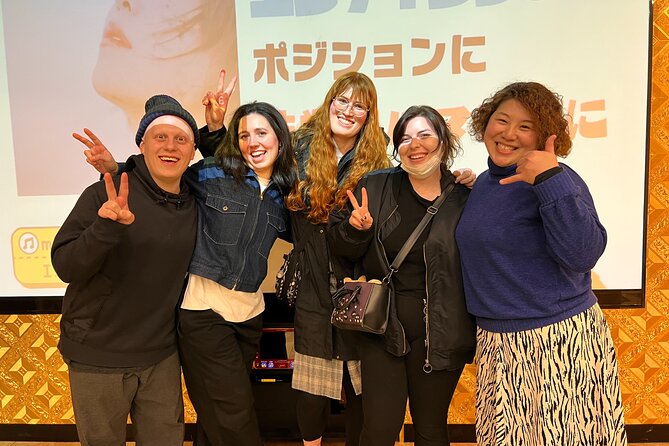
The maximum group size is 10. You may share the table with other people, and the class is not described as private. The smaller limit should make it easier to follow demonstrations and ask for help than in a large commercial session.
The high rating, 5 out of 5 from 35 reviews with 100 percent recommending it, points to strong satisfaction so far. That is encouraging, but the sample is still modest. I would treat it as a sign of consistent early approval, not a guarantee that every participant will love the price or the group format.
Pairing the class with an Asakusa day
The location is one of the best practical reasons to choose this activity. You meet near Kaminarimon in Asakusa, and the class ends at the same place. That makes it easy to build the experience into a day focused on the district.
You could schedule the sushi class before or after other Asakusa plans, but leave a little breathing room around the two-hour session. The activity is near public transportation, so you do not need to arrange a special transfer.
Asakusa is a useful area for first-time Tokyo visitors because several major sights are close together. The sushi class gives you a food-centered stop in the middle of sightseeing, rather than another observation deck or shopping visit. The supplied feedback also points out that the surrounding area is worth exploring, so plan to walk around instead of treating the class as an isolated appointment.
A large-screen cultural display is part of the venue’s entertainment. The details do not explain its exact content or length, but it adds a visual introduction to Japanese culture while you are at the studio. Think of it as a supporting feature, not the reason to book.
Who should book this sushi class
This experience fits you best if you want to do something hands-on in Tokyo and enjoy eating what you make. It is especially suitable for beginners, couples, families, and small groups who want an activity with a clear meal at the end.
It also works well for people who want a convenient Asakusa stop. The short walk from the station, mobile ticket, two-hour duration, and return to the same meeting point keep the logistics manageable.
You may want to choose another activity if you are looking for advanced knife skills, a detailed lesson on fish cutting, or a full chef-training course. The supplied details focus on rice, shaping sushi, making gunkan rolls, and enjoying the meal. They do not promise a professional-level curriculum.
Vegetarians can take part, but confirm the menu details before arriving. People with strict dietary needs should also ask what ingredients are used, since only the vegetarian option is specifically confirmed.
Cancellation and booking details
You receive confirmation at the time of booking, and the activity accepts mobile tickets. Free cancellation is available if you cancel at least 24 hours before the local start time.
Cancel within 24 hours and you will not receive a refund. Changes made inside that same 24-hour window are not accepted, so check your Tokyo schedule before booking. The activity ends back at the meeting point, and public transportation is nearby.
Should you book JOY ASAKUSA?
Book it if you want a friendly, chef-led sushi lesson with enough food to make a meal and drinks included afterward. Chef Tosaka, Yui’s language support, fresh ingredients, and a 10-person limit give the class a personal feel without requiring advanced cooking skills.
The $107 price is the main question. It is reasonable for a two-hour food activity with 16 pieces and unlimited drinks, especially if you value the instruction and the Asakusa location. It is less appealing if you only want to eat sushi or if alcohol and the social meal do not interest you.
For a first Tokyo visit, I would consider it a strong choice for an afternoon or evening in Asakusa. Leave room to explore the neighborhood, confirm the vegetarian details if needed, and book only when you are confident in your schedule because the cancellation deadline is 24 hours.
FAQ
Where does the sushi-making experience take place?
It takes place at SUSHI Making Experience JOY ASAKUSA, 5F, The City Asakusa Kaminarimon, 2-18-16 Kaminarimon, Taito City, Tokyo, 111-0034, Japan.
How long does the activity last?
The experience lasts approximately two hours.
How many sushi pieces will I make?
You will make 12 pieces of sushi and four gunkan rolls, for 16 pieces in total.
What fillings are used for the gunkan rolls?
The listed gunkan fillings are tuna mayo and salmon roe.
Are drinks included?
Yes. Unlimited drinks are included, including alcoholic drinks.
Is a vegetarian menu available?
Yes. A vegetarian menu is available, though the specific replacement ingredients are not provided.
How many people can join the class?
The activity has a maximum of 10 participants.
Can I cancel for a full refund?
Yes, if you cancel at least 24 hours before the experience start time. Cancellations within 24 hours are not refundable, and changes during that period are not accepted.
More Sushi Making Classes in Tokyo
More Asakusa Tours in Tokyo

More tours in Tokyo we've reviewed












Sushi Making Classes, compared.
 ★ 5.0Sushi Making Tokyo Roll and Authentic Japanese Sushi ClassFrom $59
 ★ 4.9Tokyo: Roll and Authentic Sushi Making Class in AsakusaFrom $581h 40m
 ★ 4.9Tokyo: Sushi Making Class in a Happi Coat near a Famous SpotFrom $421h 30m
 ★ 5.0Sushi Making Tokyo! Popular Maki Sushi & Japanese Sushi(+Recipe!)From $63
 ★ 5.0Tokyo Sushi Making Class in Tsukiji with Professional ChefFrom $49
 ★ 5.0Tokyo Night Foodie Tour in Shinjuku – Seasonal Sushi, Wagyu BeefFrom $111