Reviewed · SHIBUYA TOURS
Tokyo: Shibuya Crossing & Hidden Streets Walking Tour
Shibuya Crossing gets the headlines, but the best part of this two-hour walk is what happens after the traffic stops. You move from a tiny drinking alley to a serious public mural, a rooftop park, youth shopping streets, and old nightlife lanes. It gives you a useful introduction to Tokyo’s contrasts without eating up your whole day.
In This Article
- Key points at a glance
- Why this short walk works so well in Shibuya
- Finding Mark City before the walk starts
- Nonbei Yokocho: a small lane with an older feel
- The Myth of Tomorrow adds weight to the route
- Crossing Shibuya Crossing with a little guidance
- Miyashita Park shows Tokyo’s newer side
- Center Gai brings you into youthful Shibuya
- Maruyama-cho reveals another side of nightlife
- Ending with Hachiko and a better sense of place
- The guides make the difference
- Who should book this $22 experience
- My verdict: book it for orientation, not a full day out
- FAQ
- How long does the Shibuya walking tour last?
- How much does the tour cost?
- What language is the tour conducted in?
- Where does the tour meet?
- How can I find the meeting point?
- Where does the tour finish?
- What places are included on the walk?
- Is a guide included in the price?
- Can I cancel for a full refund?
I especially like the route’s variety and the practical help from guides such as Loc, Kumi, Rio, Daichi, and Grey. Several guides have helped solo visitors with photos, adjusted the pace for families and teenagers, and offered useful food and shopping suggestions. The main drawback is the meeting point: SABON inside Mark City can be confusing on a first visit, so arriving early matters.
Key points at a glance
- A strong first look at Shibuya: The walk connects major sights with smaller streets instead of stopping at the famous crossing alone.
- The Myth of Tomorrow: Taro Okamoto’s powerful mural adds art, history, and a message of hope to the route.
- Old and new Tokyo together: Nonbei Yokocho and Maruyama-cho feel very different from Miyashita Park and Center Gai.
- Useful for first-time visitors: Guides explain local customs, area layout, food, drinks, shopping, and ways to make sense of Shibuya.
- Good value at $22: Two hours with a live English-speaking guide costs less than many longer city tours.
- A central finish: You end at the Hachiko Memorial Statue, close to the heart of Shibuya and its transport links.
Why this short walk works so well in Shibuya
Shibuya can feel like a wall of sound, signs, crowds, and competing directions. You can walk out of the station and immediately face a district that seems designed for spectacle. That is exciting, but it is not always easy to understand.
This tour gives you a simple map of the area. You see where the old drinking lanes survive, where younger Tokyo gathers, where modern public space has replaced older buildings, and where nightlife has changed the character of a historic neighborhood. The guide’s explanations turn a collection of famous names into a connected picture.
At $22 per person, the price is modest for a live two-hour walk in central Tokyo. You are paying mainly for local explanation rather than entry tickets, since the listed stops are public places. That makes the tour a sensible choice if you want orientation, cultural context, and a few good photo stops before exploring Shibuya on your own.
The format is also easy to fit into a packed trip. One guest had four tours scheduled in a single day and still found this manageable, while another family appreciated that the guide kept teenagers interested. You will walk for most of the two hours, so comfortable shoes and a willingness to keep moving are more important than formal sightseeing gear.
A few more Tokyo tours and experiences worth a look


Finding Mark City before the walk starts
The meeting point is SABON Shibuya Mark City, inside Mark City on the third floor. This is the one part of the experience that deserves extra planning. Shibuya Station and Mark City have many entrances, levels, signs, and pedestrian flows, and a first-time arrival can easily lose several minutes.
The guide will hold a sign, but that does not remove the need to arrive early. The instructions specifically warn you not to be late. I would allow extra time to reach the building, find the third floor, and locate SABON without rushing.
The supplied coordinates are 35.6586643, 139.6999525. Keep the meeting address and coordinates ready on your phone. Once you find the correct floor, the guide’s sign should make the final step clear.
Nonbei Yokocho: a small lane with an older feel
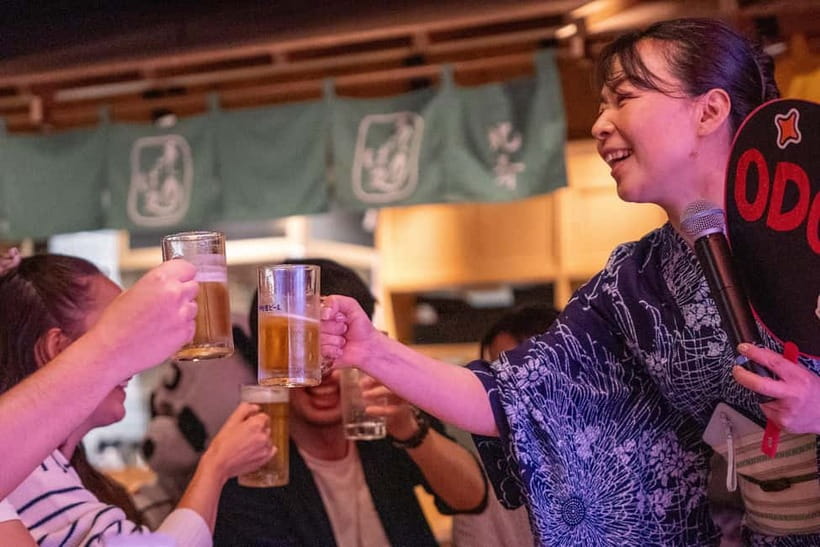
The walk includes about ten minutes in Shibuya Nonbei Yokocho, often translated as Drunkard’s Alley. This narrow pocket near the station gives you a sharp change of mood from Shibuya’s giant screens and broad crossings.
The lane is associated with small bars and compact eating places. You are not simply looking at old buildings, though. The guide can explain how this kind of intimate drinking district fits into Tokyo’s working and social life. It is a useful reminder that Shibuya is not only shopping, fashion, and neon.
Do not expect a long meal stop here. The scheduled visit is brief, so treat it as a guided look at the area rather than time to sit down for dinner. If you like small streets and local atmosphere, this may be one of the most rewarding stops. If you prefer major sights and open spaces, it will pass quickly.
The contrast is the point. Within a short walk, you move from a narrow lane where space is scarce to enormous pedestrian zones built for crowds. That change helps you read the district instead of seeing it as one continuous shopping center.
The Myth of Tomorrow adds weight to the route
The Myth of Tomorrow, by Taro Okamoto, is one of the most striking stops on the walk. This large mural reflects on the effects of nuclear destruction, yet it also carries a message of hope. It gives the tour a moment of seriousness before and around the more playful energy of Shibuya.
You get about ten minutes here for a visit, explanation, and photographs. That is enough time to look closely and hear why the work matters, though art lovers may wish they had longer. The mural adds something many quick Shibuya walks leave out: a chance to consider Japan’s modern history through public art.
I like this stop because it prevents the tour from becoming a parade of photo backgrounds. The guide’s context is important here. Without explanation, you might notice only the size and dramatic imagery. With a guide, you can better understand the work’s subject and its hopeful direction.
Crossing Shibuya Crossing with a little guidance
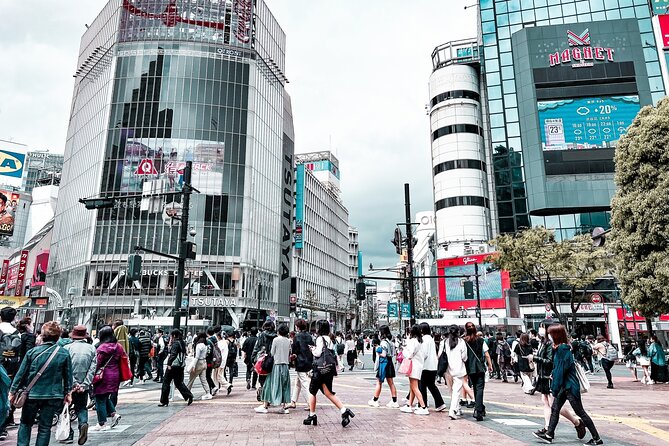
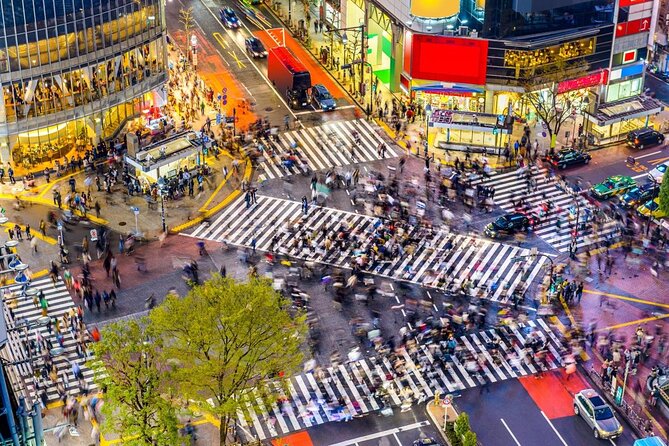
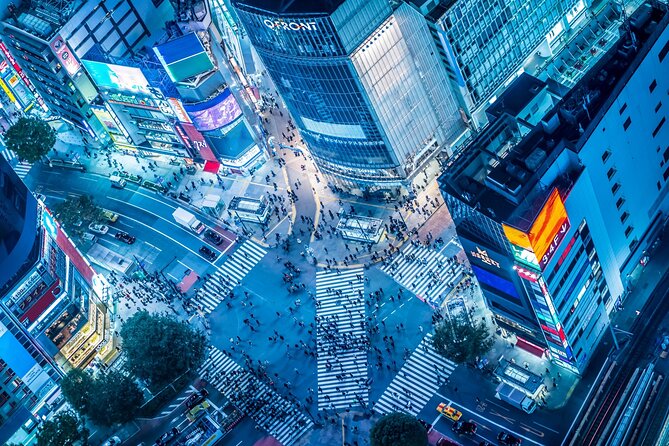
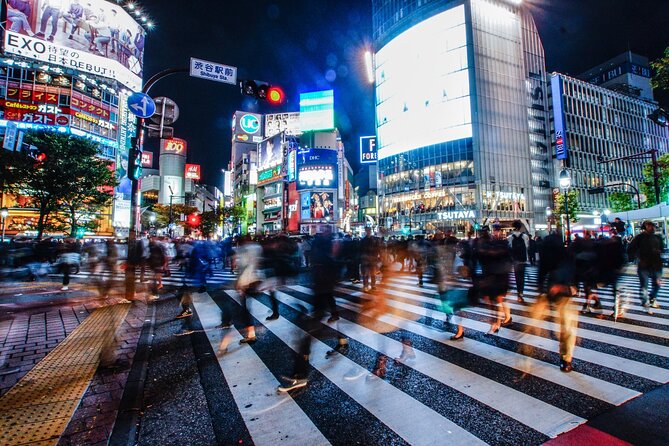
Then comes the scene most people picture when they hear Shibuya: Shibuya Crossing. At busy times, pedestrians move across the intersection from several directions while traffic pauses. The sight is famous for good reason, but the experience is more enjoyable when you know where to look and how to handle the crossing.
The tour allows around ten minutes for the crossing, a visit, and photos. That is not a long photography session. It is a short, lively encounter designed to show you the scale and rhythm of the place.
Guides have been especially helpful here for solo visitors and families. One guide took excellent photos for a solo participant, and another helped a family feel more confident about crossing with children. That sort of small assistance can make a difference when you are trying to enjoy the moment instead of managing your phone.
Keep your expectations sensible. A two-hour walking tour cannot promise a long stop at every famous viewpoint, and this experience does not include a listed admission to a viewing deck. You see the crossing as part of the street-level route, which is valuable if you want to feel the movement of Shibuya rather than only photograph it from above.
Other walking tours we've reviewed in Tokyo



Miyashita Park shows Tokyo’s newer side
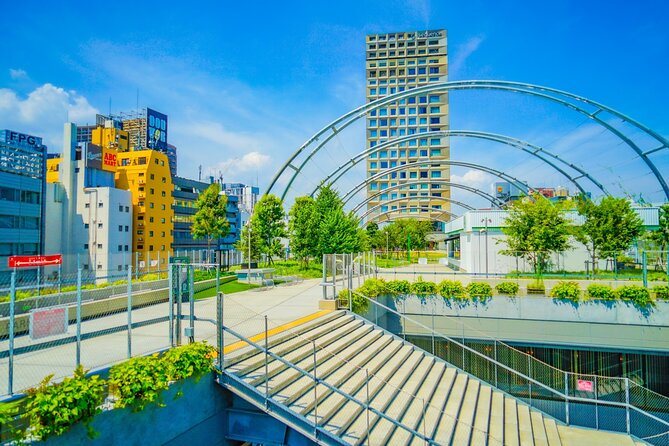
Miyashita Park receives the longest stop, about 20 minutes. That extra time makes sense. This multi-level urban park blends open public space with the commercial life of the surrounding district, giving you a clear example of newer Tokyo planning.
After the tight lane of Nonbei Yokocho and the packed crossing, Miyashita Park offers room to pause. The guide can help you understand how the park fits into present-day Shibuya and point out the difference between this polished, modern setting and the older streets nearby.
This is also a useful point for observing how Tokyo makes limited urban space work harder. The park is not a countryside escape. It is an elevated city space shaped by buildings, shops, and transport routes. That is precisely why it belongs on this route.
The 20-minute visit gives the group time to look around without turning the tour into a long break. If you are interested in architecture and city design, you may want to return later and explore at your own pace. If you are looking for quiet greenery, remember that this remains central Shibuya, not a traditional garden.
Center Gai brings you into youthful Shibuya
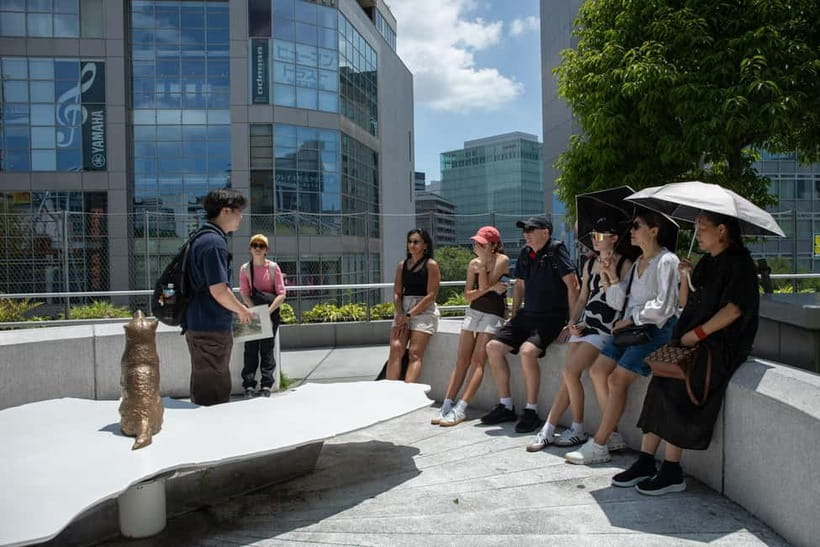
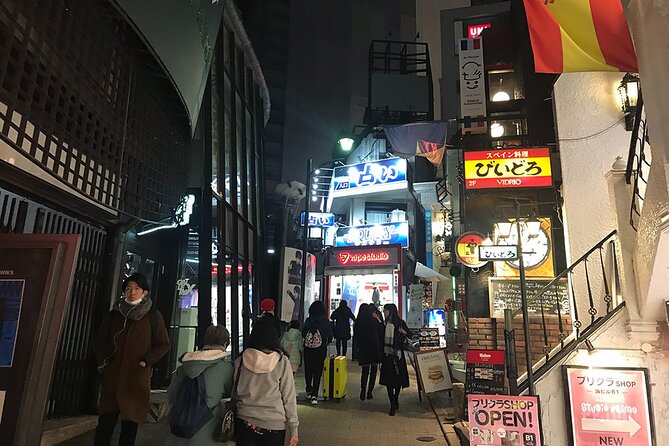
Center Gai is the route’s clearest look at Shibuya’s youthful energy. The stop lasts about ten minutes, enough to introduce the street and explain its role in the district.
Here, the focus shifts to fashion, shopping, food, and nightlife. The street can feel intense, especially if you are still finding your bearings in Tokyo. A guide helps you understand the area’s character and keeps the walk from becoming a simple march past signs and storefronts.
This is one place where practical advice can be worth as much as history. Guides have provided suggestions for eating, drinking, shopping, and vegan food, giving you ideas for what to do after the tour. Since the walk ends near Hachiko, you can use that advice immediately rather than trying to remember it several days later.
The brief stop is a benefit if you want a broad introduction. It is a limitation if you hoped to shop or eat during the tour. Plan to return on your own for those activities.
Maruyama-cho reveals another side of nightlife
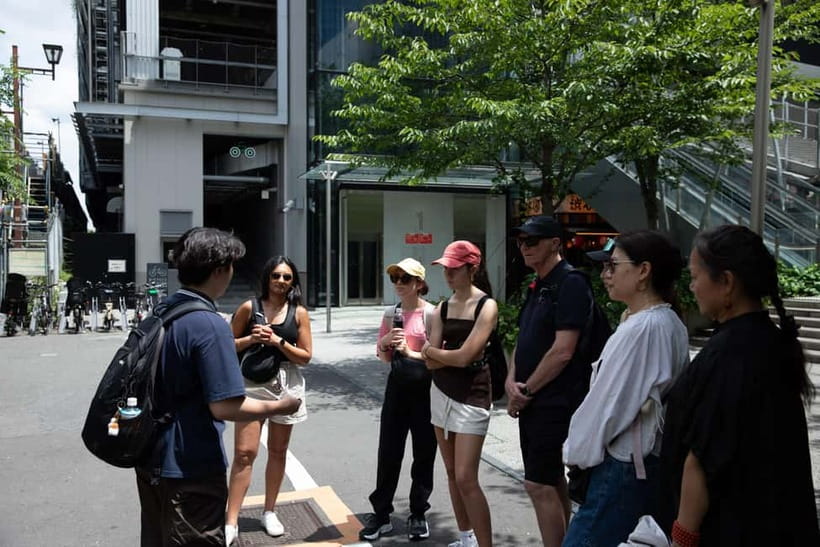
The walk continues to Maruyama-cho, an area with older streets that now serves as a modern nightlife hub. This is a particularly useful stop because it shows how neighborhoods change without losing every trace of their earlier character.
The guide spends roughly ten minutes here, explaining what you are seeing and how the area fits into Shibuya. You get a sense of streets that are less instantly recognizable than the crossing but often more interesting once you know what to notice.
Maruyama-cho is not presented as a museum quarter. Its appeal comes from the mixture of older street patterns and present-day restaurants, bars, and evening activity. If you are planning to go out in Shibuya, this explanation can help you choose an area that fits your mood.
As with Center Gai, the short visit is an introduction rather than a full nightlife outing. The guide can point you toward possibilities, but the tour does not include a meal, drinks, or a stop inside a venue.
Ending with Hachiko and a better sense of place
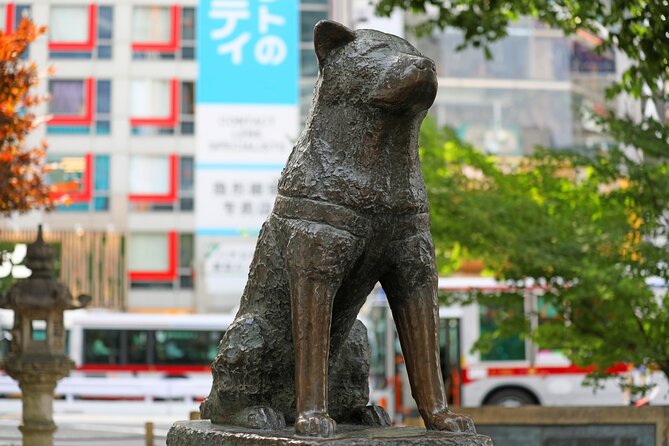
The final stop is the Hachiko Memorial Statue, one of Shibuya’s best-known meeting points. Hachiko is remembered as a symbol of loyalty, and the statue occupies a central place in the district’s public life.
Ending here works well. You finish beside a landmark that is easy to recognize and close to the area’s main transport routes. By this point, the statue is more than a quick photo stop. You have seen several parts of Shibuya, so you can place Hachiko within the wider district rather than treating it as an isolated attraction.
The statue area can be crowded, and the tour does not list a long stop. Take your photo, listen to the explanation, and use the location as a practical base for the rest of your day.
The guides make the difference
The activity is offered in English with a live local guide. Names that appear across the scheduled tours include Loc, Kumi, Rio, Ryo, Daichi, Grey, Zach, Annette, and Gray. Your guide will depend on the date and availability, so you should not book expecting one specific person unless the booking system confirms that detail.
The strongest pattern in the guide feedback is clear communication and personal attention. Loc is often praised for cultural explanations, area tips, photos, and an easy manner. Rio and Ryo have been noted for strong English, friendly conversation, and adapting information for families and teenagers. Daichi has adjusted the pace and answered questions carefully, while Grey has offered useful vegan food and shopping advice.
That matters because Shibuya rewards questions. Ask about a street, a food choice, a local custom, or where to return later. The experience appears at its best when you treat it as a conversation, not just a walk from one photo stop to the next.
A few practical qualities also come through. Guides have handled rain, helped people who arrived late, and adjusted the pace for different groups. Still, do not rely on a guide waiting for you. The meeting instructions say not to be late, and that is the safest assumption.
Who should book this $22 experience
I would recommend this walk most strongly to first-time Tokyo visitors, people with only a short stay, solo visitors who want help with photos, and families looking for a manageable introduction to Shibuya.
It also suits anyone who wants more than the famous crossing. The route gives you old lanes, public art, a modern park, shopping streets, and a nightlife district in one compact outing. That range is the main value.
You may want something else if you prefer a slow food tour, a long historical lecture, or extended time inside shops and restaurants. The route covers many places in two hours, so the pace is purposeful. You will see a lot, but you will not spend half an hour at every stop.
The walk is conducted in English. The tour fee includes the local guide fee, but no meals, drinks, or listed attraction admissions are included. At $22, that is a fair arrangement if your goal is explanation and orientation.
You can cancel up to 24 hours in advance for a full refund, and the reserve-now, pay-later option keeps your plans flexible. Starting times vary, so check availability for your date before booking.
My verdict: book it for orientation, not a full day out
Book this tour if you want to understand Shibuya quickly and use the rest of your day well. The route gives you the famous crossing, but it also takes you through places you might miss on your own, including Nonbei Yokocho, Miyashita Park, and Maruyama-cho.
The guides are the biggest reason to choose it. Their local suggestions, cultural explanations, family-friendly pacing, and willingness to take photos add practical value that a self-guided walk cannot always provide.
Arrive early at Mark City’s third floor, wear comfortable shoes, and expect a brisk street walk with several short stops. For $22, this is a compact, useful introduction to one of Tokyo’s most complicated districts.
FAQ
How long does the Shibuya walking tour last?
The tour lasts two hours.
How much does the tour cost?
The listed price is $22 per person.
What language is the tour conducted in?
The tour is conducted in English with a live guide.
Where does the tour meet?
The meeting point is SABON inside Shibuya Mark City on the third floor.
How can I find the meeting point?
Mark City can be difficult to find on a first day in Tokyo. The guide will hold a sign, and the coordinates are 35.6586643, 139.6999525.
Where does the tour finish?
The walk finishes at the Hachiko Memorial Statue.
What places are included on the walk?
The route includes Nonbei Yokocho, The Myth of Tomorrow mural, Shibuya Crossing, Miyashita Park, Center Gai, Maruyama-cho, and the Hachiko Statue.
Is a guide included in the price?
Yes. The local guide fee is included.
Can I cancel for a full refund?
Yes. You can cancel up to 24 hours in advance for a full refund.
More Walking Tours in Tokyo
More Shibuya Tours in Tokyo


More tours in Tokyo we've reviewed












Shibuya Tours, compared.
 ★ 5.0Official Street Go-Kart in ShibuyaFrom $76
 ★ 5.0Shibuya Meltdown Nightlife Tour: All-You-Can-Drink Bar HoppingFrom $106
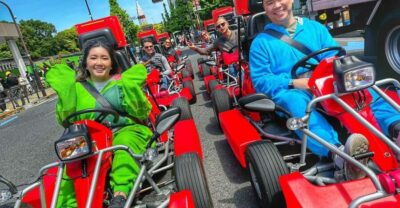 ★ 4.9Tokyo: Street Kart Experience in ShibuyaFrom $99
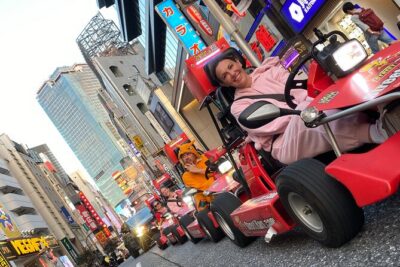 ★ 5.0Shibuya Official Street Go-Kart in Shibuya AnnexFrom $69
 ★ 5.0Tokyo: Shibuya Food Tour (13 dishes and 4 Eateries)From $77
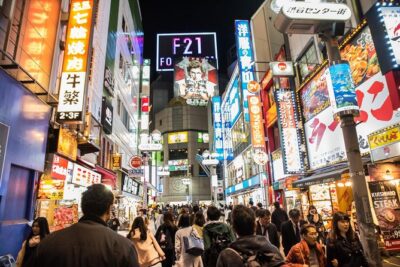 ★ 5.0Best of Shibuya Food TourFrom $217