Reviewed · FULL-DAY
Tokyo: Discover Traditional Tokyo Full-Day Bicycle Tour
Tokyo is best understood at street level, and this 20-kilometer bicycle ride gets you there. In about 4.5 hours, you pedal through central districts, quiet lanes, parks, temple grounds, markets, and old neighborhoods that are easy to miss from a train or tour bus.
In This Article
- Key points to know before you ride
- Why a bicycle works so well in central Tokyo
- Meeting at Toranomon Hills
- Getting fitted to a compact 20-inch bicycle
- Hibiya Park and the polished heart of Tokyo
- Tsukiji, bridges, and the waterfront
- Old Tokyo around Tsukudajima and Tsukishima
- Snacks, tea, and the human pace of the ride
- The Imperial Palace and Tokyo Station
- Guides who shape the experience
- Is $99 a fair price?
- Who should book this bicycle tour?
- Should you book it?
- FAQ
- How long is the bicycle tour?
- How far do you cycle?
- What sights are included?
- What size are the bicycles?
- Are helmets provided?
- Is food included?
- Where does the tour meet?
- Is hotel pickup included?
- What languages are available?
I like the small groups of up to eight and the personal care shown by guides such as Hiro and Brezza. I also like the thoughtful food stops, which can include pastries, anpan, sweet potato, ham and cheese sandwiches, matcha tea, and a picnic by the canal. The main consideration is stamina: 20 kilometers is mostly flat and taken at an easy pace, but you still need to be comfortable cycling for several hours.
Key points to know before you ride
- 20 kilometers on mostly flat roads: The route is manageable for riders used to city cycling, with stops built into the day.
- Small 20-inch bicycles: The compact bikes suit Tokyo’s narrow parking spaces, though taller riders may want to check their comfort before booking.
- Central Tokyo in one ride: You visit Hibiya Park, Ginza, Kabukiza, Tsukiji, Kachidoki Bridge, Tsukudajima, Tsukishima Monja Street, the Imperial Palace, Tokyo Station, and more.
- A guide-led introduction to city cycling: Before setting off, your guide explains the bike and local traffic rules.
- Food is part of the experience: Tea, a light snack, and several small treats help make the long ride feel like a day out rather than a workout.
- A useful first-day orientation: The broad route gives you a feel for central Tokyo and helps you choose places to revisit later.
Why a bicycle works so well in central Tokyo
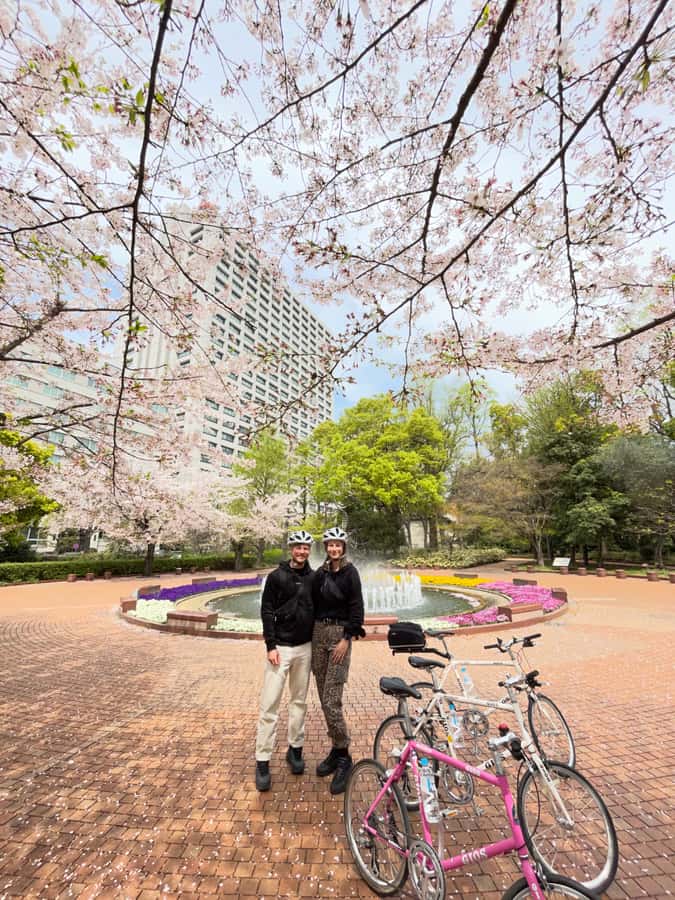
Tokyo can feel immense when you move through it by train. Stations whisk you from one major district to another, but they also hide the small changes between neighborhoods. On a bicycle, you notice the shift from office towers to shrine gates, from department-store streets to canals and older residential lanes.
This tour covers a lot without asking you to spend the day underground. The 20-kilometer route is long enough to give you a real sense of central Tokyo, yet it follows mostly flat roads and keeps an easy rhythm. You are not racing from sight to sight. You ride, stop, listen, and ride again.
The group limit of eight matters here. A bicycle group needs to stay together, especially in a large city, and the guide can keep an eye on each rider. Brezza has been praised for making sure nobody gets separated, while Hiro is frequently noted for his care with families, teens, and riders of different heights.
You should still treat this as an active sightseeing day. The route is described as easy, but 20 kilometers over four and a half hours calls for basic cycling fitness. Tokyo’s heat and humidity can make the ride feel harder in summer. Comfortable clothes, water, sunscreen, and shoes made for pedaling are sensible choices.
A few more Tokyo tours and experiences worth a look

Meeting at Toranomon Hills
The tour begins at Mori Tower in the Toranomon Hills Building. Meet your guide in the lobby on the third floor, in front of the flower shop. This detail is important because Toranomon Hills is divided into four towers. You need Mori Tower, not simply any Toranomon Hills entrance.
From Toranomon Station on the Ginza Line, use exit B1 or B6. The Mori Tower is directly connected to Toranomon Hills Station on the Hibiya Line. If you have trouble finding the meeting spot, the listed guide contact is +81-90-9567-0007.
There is no hotel pickup or drop-off, so allow time to reach the building. Tokyo stations can be large and confusing, especially if you are carrying luggage or arriving during a busy part of the day. The activity ends back at the same meeting point, which makes it easier to plan your next stop.
Getting fitted to a compact 20-inch bicycle
Before riding, your guide explains the bicycle and local traffic rules. This is not a throwaway briefing. City cycling feels much more relaxed when you understand how the group will move and what is expected on Tokyo’s roads.
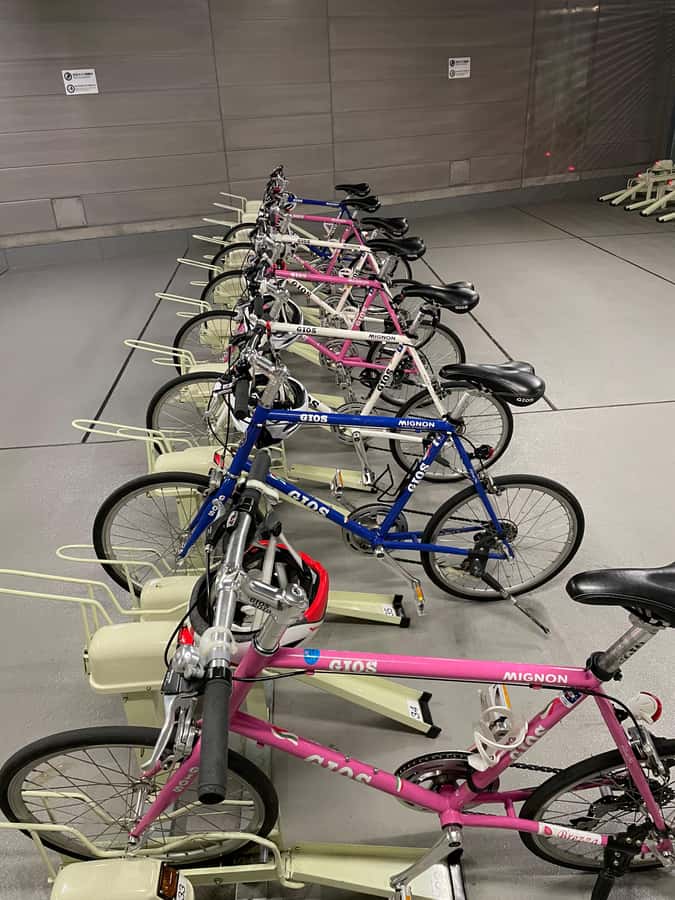
The bicycles have 20-inch wheels. That compact size is used because bicycle parking spaces in Tokyo are narrow. It also makes the bikes easier to handle for some riders, though wheel size can feel different if you normally ride a full-size bicycle.
The bikes are described as well maintained, and guides have been praised for finding suitable options for riders of different ages and heights. Still, I would ask for a careful fit before leaving the meeting point. If you are especially tall, have knee problems, or rarely cycle, the small frame may be the most important practical detail to consider.
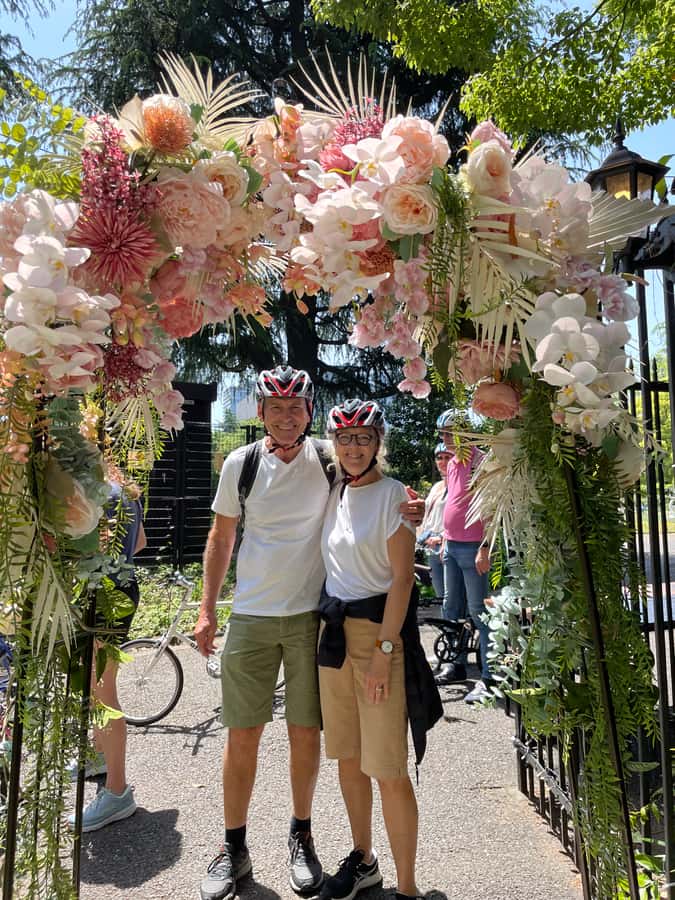
Helmets are included. Gloves are provided in winter. The route is guided, and the small group format lets the leader adjust attention to the riders rather than simply leading a large line through town.
Hibiya Park and the polished heart of Tokyo
Hibiya Park is an early taste of Tokyo’s contrasts. Around it, you find major offices, government buildings, and broad city avenues. Inside and nearby, the mood becomes greener and quieter.
From there, the ride reaches Ginza, one of Tokyo’s best-known shopping districts. Ginza is associated with grand department stores, polished storefronts, and expensive brands, but seeing it by bicycle gives you a more useful sense of its place in the city. You can observe how commercial Tokyo fits alongside older cultural institutions.
Kabukiza theater adds another layer. Kabuki is one of Japan’s major traditional theater forms, and the building gives the route a clear link to performance and Japanese culture. You may not have time for a theater performance, but a guided stop helps place the district in context.
This part of the ride is more about orientation than extended visits inside each attraction. If you want lengthy museum time, a full palace tour, or a detailed market visit, this is not that sort of activity. You are collecting a broad view of central Tokyo from the saddle.
Tsukiji, bridges, and the waterfront
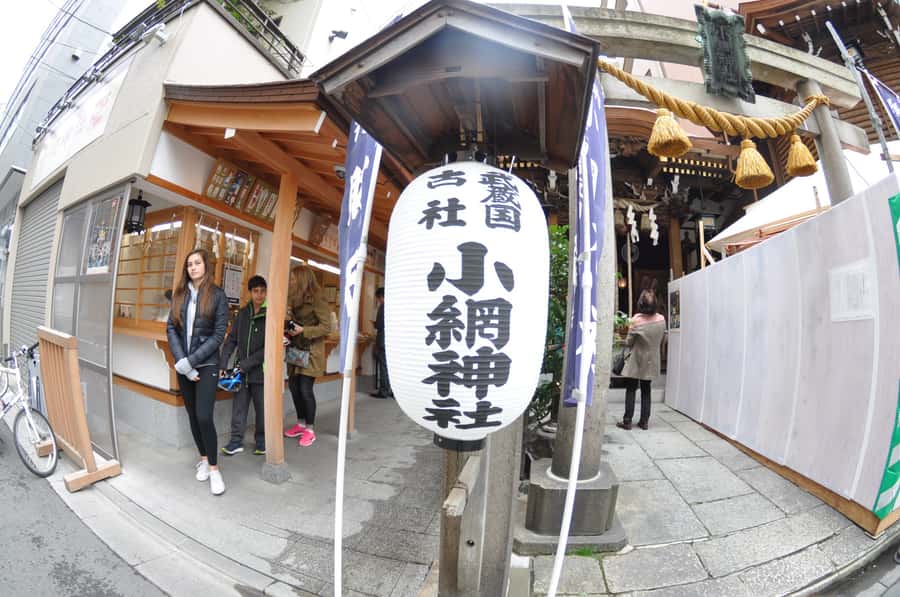
The route includes Tsukiji fish market, one of the city’s most recognizable food districts. The market area is a natural place to think about Tokyo’s relationship with seafood, small food businesses, and everyday eating.
Do not expect to spend the whole morning browsing every stall. A bicycle tour has to keep moving, and the market is one part of a larger route. The value comes from seeing Tsukiji as part of the city rather than treating it as an isolated food stop.
Kachidoki Bridge brings you to the waterfront. Bridges are useful viewing points in Tokyo because they show how the city is shaped by canals, rivers, reclaimed land, and dense development. The ride continues toward Tsukudajima and Tsukishima, areas with a more old-town feel than the glass-and-steel districts nearby.
Tsukishima Monja Street connects the ride to monjayaki, a local Tokyo specialty. The food is cooked on a hot griddle and has a softer texture than the okonomiyaki many visitors already know. The supplied information does not promise a full monjayaki meal, so think of this as a cultural and neighborhood stop rather than a guaranteed restaurant lunch.

Old Tokyo around Tsukudajima and Tsukishima
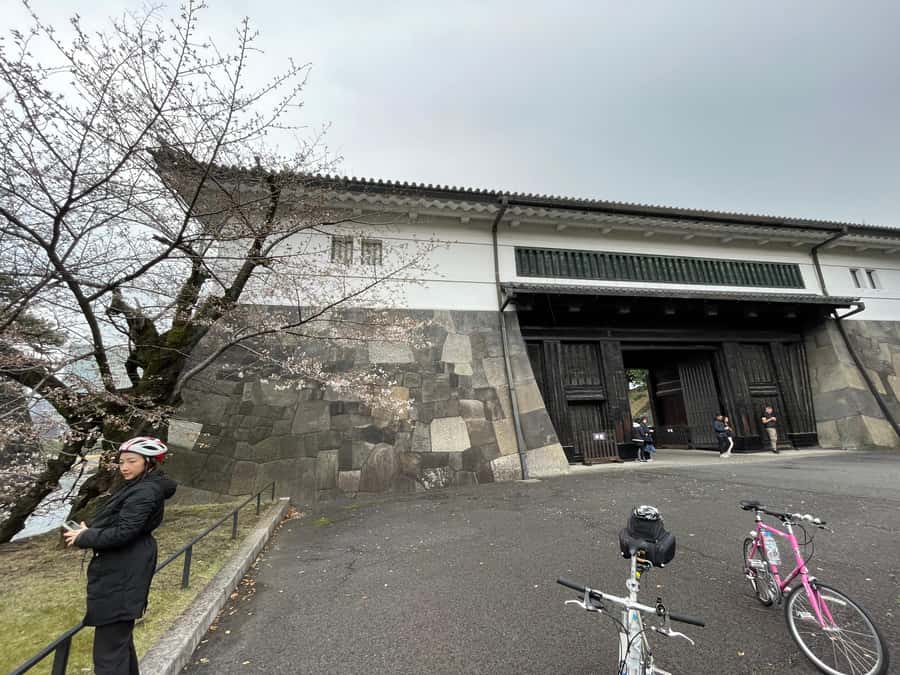
This is one of the strongest reasons to choose the bicycle route. The older districts show a side of Tokyo that can disappear behind the city’s famous towers and rail lines.
A guide who knows the area can point out changes in the city that are difficult to read on your own. Hiro has used maps to explain how Tokyo has changed over time, which can make the ride more meaningful than a simple list of landmarks.
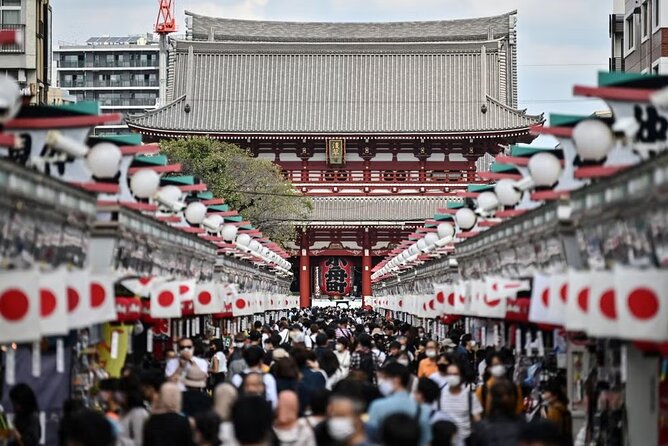
The route also includes temples and shrines. These stops are usually brief, but they provide chances to pause, see local religious architecture, and learn how sacred spaces fit into ordinary neighborhoods. You are not expected to spend hours at each site. Instead, the guide gives you enough context to recognize what you are seeing.
That approach suits families and teens particularly well. Several families with children from about 10 to 16 found the bicycle format more engaging than long indoor visits. You can absorb culture without asking young riders to stand quietly through an extended lecture.
Snacks, tea, and the human pace of the ride
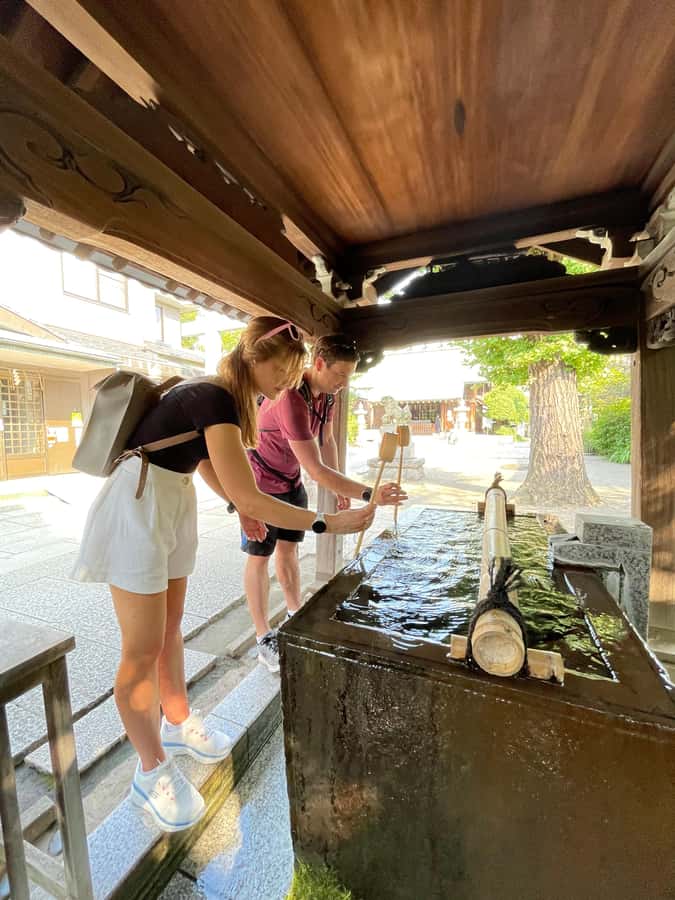
Food is not an afterthought here. The included package lists a light snack, teatime confectionary, and the bicycle equipment, while the exact food selection can vary.
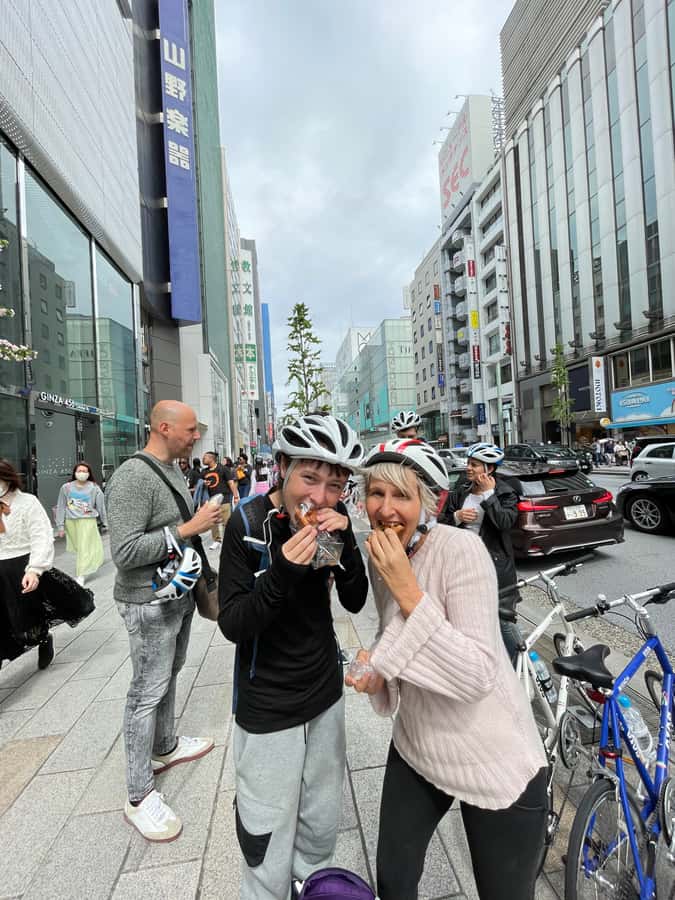
Past rides have included pastries, anpan, sweet potato, a ham and cheese sandwich, and matcha tea. One particularly appealing pattern is a few small stops followed by a tea picnic beside a canal or under a cherry tree. These breaks split the long ride into comfortable sections and give you time to talk with the guide.
You should not book this expecting a full lunch. The snacks may be enough for some people, but a large appetite could call for breakfast beforehand or a meal after the tour. The food is valuable less because it replaces lunch and more because it introduces flavors and everyday Japanese treats in a relaxed setting.
The guide’s personal touches are part of the appeal. Hiro has prepared matcha and selected local sweets, while other guides have added their own food choices. Since the exact guide and menu are not guaranteed, consider these examples rather than fixed promises.
The Imperial Palace and Tokyo Station
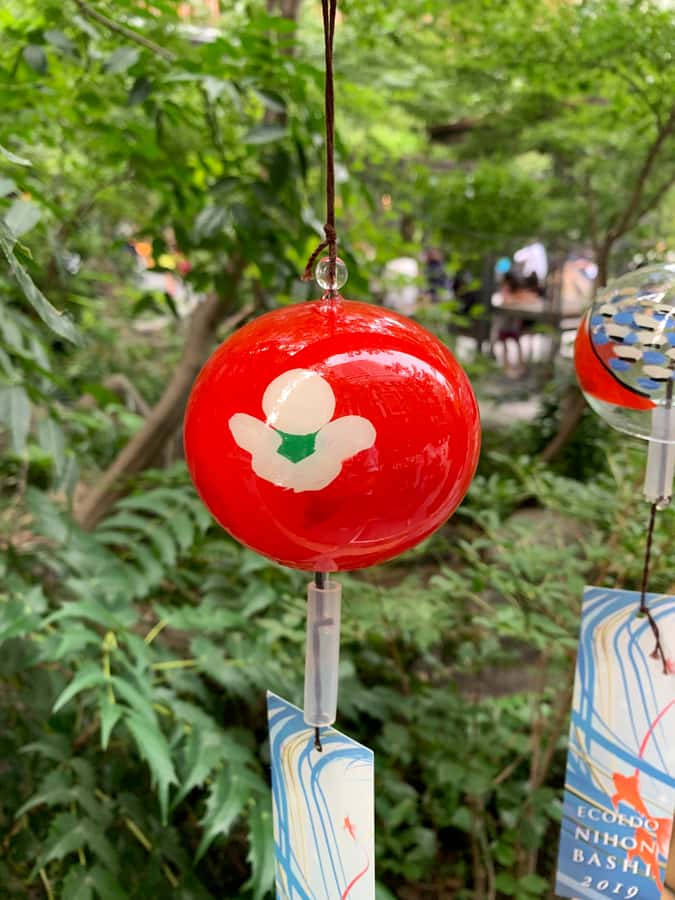
The Imperial Palace area gives the ride a major landmark and a chance to discuss Tokyo’s political and royal center. The palace grounds are extensive, so this tour cannot cover every section. You will see the area as part of a moving city route, with time for orientation and photographs rather than a full palace visit.
Tokyo Station provides a fitting final section. Its location links the historic center with modern rail travel, offices, shopping, and onward journeys across Japan. The contrast between the station’s grand exterior and the dense city around it is easier to appreciate when you have cycled through the surrounding districts.
The route includes these places along with other sights, but the exact order and timing can change. A bicycle tour must respond to traffic, group pace, weather, and the guide’s chosen route. That flexibility is useful, though it means you should not treat the experience as a guaranteed set of long stops.
Guides who shape the experience
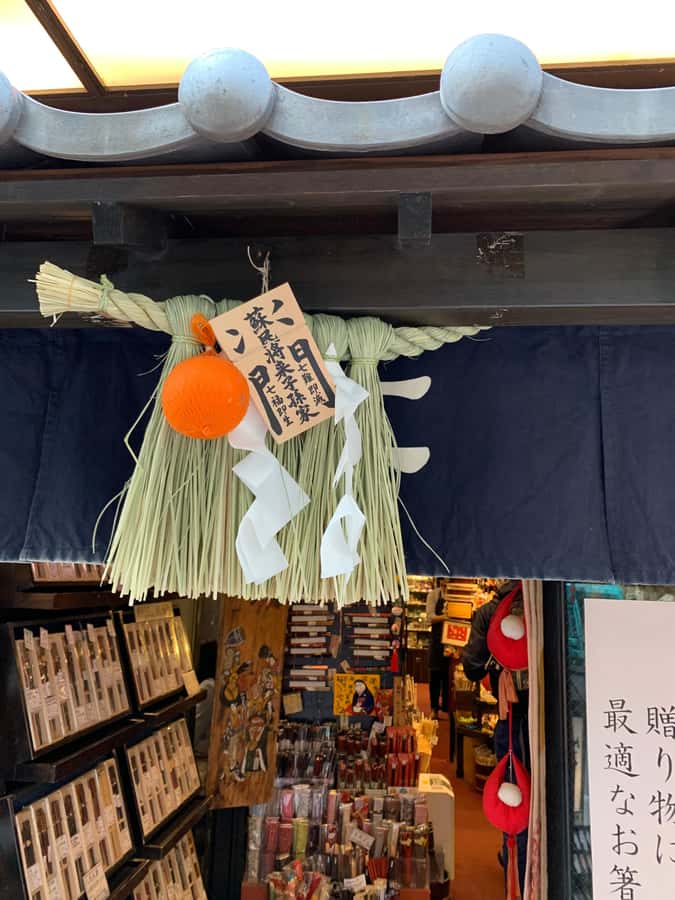
The guide can make or break a city cycling tour. Here, the guide team includes English- and Japanese-speaking leaders, with Hiro appearing frequently in the available guide details. Brezza and Thiery are also named, and one tour was led by Shiro and his daughter.
Hiro’s strengths are local stories, careful pacing, route selection, and attention to individual riders. He has used old maps to show how Tokyo developed, and he has looked after families with teenagers as well as couples and solo riders. Brezza is noted for keeping the group together and explaining Tokyo’s history and sights clearly.
Thiery is described as informative, engaging, and entertaining. Shiro and his daughter have led a kind, food-friendly version of the ride. The guide assigned to you may differ, but the small-group structure gives the experience a more personal feel than a large bus tour.
Is $99 a fair price?
At $99 per person, the tour is not the cheapest way to tick off Tokyo landmarks. You could ride trains and walk between major sights for less money, especially if you already know the city and are happy to plan your own route.
The value improves when you count what is included: a bicycle, helmet, winter gloves, guide, snacks, and tea. You are also paying for route planning, traffic awareness, local explanations, and access to less obvious streets that are hard to link together on your own.
The tour is strongest for a first or early visit, when you want a broad introduction to central Tokyo. It can also work for repeat visitors who have already seen the main sights and want a different angle. If you dislike cycling, need a slow walking day, or want long visits inside each temple and museum, spend the money elsewhere.
Free cancellation is available up to 24 hours before the tour, and you can reserve now and pay later. Check the available starting times before booking, since the duration is 4.5 hours rather than a literal full calendar day.
Who should book this bicycle tour?
I would choose this for active couples, solo visitors, and families with older children or teens. It is also a smart early-trip activity because you cover many central districts and can return later to places that catch your interest.
The ride suits you if you can cycle for several hours at an easy pace and are comfortable following a guide through an urban setting. The mostly flat roads help, but Tokyo’s summer heat can still be tiring.
You should think twice if you need a large bicycle, want a private vehicle, or prefer to linger at one attraction. The compact bikes and broad route are practical, not luxurious. Their purpose is to move you through the city efficiently and let you see how the neighborhoods connect.
Should you book it?
Book this tour if you want Tokyo to feel like a collection of neighborhoods rather than a string of train stations. The mix of Ginza, Tsukiji, old waterfront districts, shrines, bridges, the Imperial Palace, and Tokyo Station gives you a useful first picture of the city.
The best reasons to go are the small group, careful guides such as Hiro, mostly flat riding, and the snacks that turn a long cycle into a sociable day. Just arrive ready to ride 20 kilometers, and remember that the compact 20-inch bicycle may not suit every body type.
FAQ
How long is the bicycle tour?
The tour lasts 4.5 hours. Check availability for the starting times offered on your chosen date.
How far do you cycle?
The full route is 20 kilometers. Most roads are flat, and the tour follows an easy pace with stops along the way.
What sights are included?
The route includes Hibiya Park, Ginza, Kabukiza theater, Tsukiji fish market, temples and shrines, Kachidoki Bridge, Tsukudajima, Tsukishima Monja Street, the Imperial Palace, Tokyo Station, and other central Tokyo sights.
What size are the bicycles?
The bicycles have 20-inch wheels. This compact size is used because bicycle parking areas in Tokyo are narrow.
Are helmets provided?
Yes. A bicycle and helmet are included. Gloves are also included during the winter season.
Is food included?
Yes. A light snack and teatime confectionary are included. Food examples associated with the experience include pastries, anpan, sweet potato, sandwiches, and tea, but the exact selection may vary.
Where does the tour meet?
Meet your guide in Mori Tower, in the Toranomon Hills Building. The meeting point is in the lobby on the third floor, in front of the flower shop.
Is hotel pickup included?
No. You must make your own way to the meeting point, and the activity ends there as well.
What languages are available?
The tour is offered with live guides in English and Japanese. Guides named in the activity details include Hiro, Brezza, Thiery, and Shiro.
More Full-Day in Tokyo

More tours in Tokyo we've reviewed












Full-Day, compared.
 ★ 4.5From Tokyo: Mount Fuji Full-Day Sightseeing TripFrom $6810 hours
 ★ 4.9From Tokyo: Mount Fuji Full Day Customizable Private TourFrom $407
 ★ 5.0Tokyo Private Full-Day Tour by Car or VanFrom $321
 ★ 4.5Tokyo: Mt. Fuji and Kawaguchiko Full-Day English Guided TourFrom $82
 ★ 4.7From Tokyo: Must-Visit Mount Fuji Highlight Full-Day TourFrom $6911 hours
 ★ 4.5Mt. Fuji, Hakone Full-Day Private Tour with English Driver GuideFrom $495