Reviewed · PRIVATE
Perfect Start for your Japan Trip – Private Tour in Tokyo
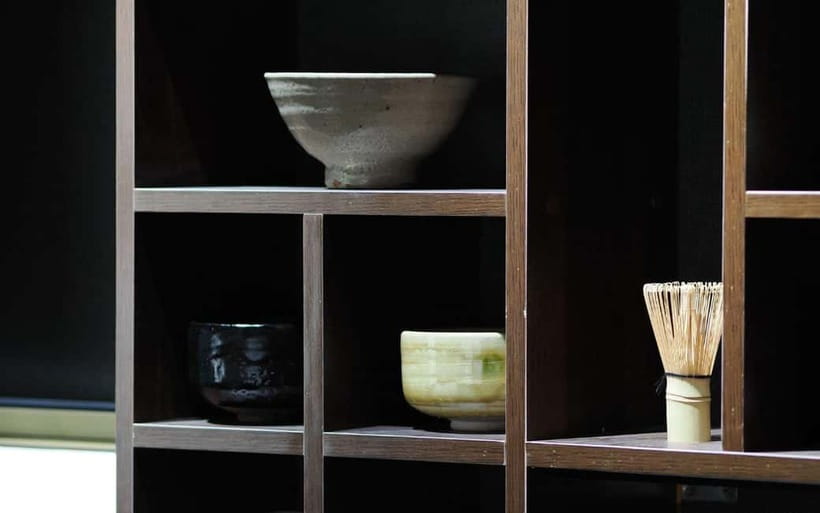
Tokyo can feel like several cities at once. This private walk lets you move from the quiet forest approach to Meiji Jingu Shrine to the candy-colored chaos of Takeshita Street, then on to Shibuya’s famous crossing and Shinjuku’s neon nights. Guide Jero shapes the route around your interests, which makes this a useful first look at the city rather than a simple march between photo stops.
In This Article
- Key points at a glance
- Why this makes a strong first look at Tokyo
- Meiji Jingu: a quiet start beside Harajuku
- Takeshita Street: Harajuku turns up the volume
- Harajuku style, Tokyu Plaza, and Cat Street
- Miyashita Park and Shibuya Crossing
- The train to Shinjuku and a neon finish
- What the private format is worth at $145
- Walking, weather, and practical preparation
- Who should book this Tokyo tour?
- Should you book it?
- FAQ
- How long is the private Tokyo tour?
- What areas does the tour visit?
- Is Asakusa included?
- Where is the meeting point?
- Who is the guide?
- Is the tour private?
- Is food included?
- Is transportation included?
- What should I bring?
- Can I cancel the booking?
I especially like the sharp contrast between the shrine and Harajuku, and the chance to ask questions as you go. I also like the personal touches: Jero provides green tea, a typical Japanese snack, landmark photos, and practical tips for the rest of your Tokyo stay. The main caution is the amount of walking, plus some uncertainty in the published route, which also lists Asakusa after Shinjuku even though the main description centers on three districts.
Key points at a glance
- Meiji Shrine to Takeshita Street: See Tokyo’s calm Shinto center and its youthful shopping street in one compact morning or afternoon.
- A private guide named Jero: Expect a personal pace, conversation in English or German, and room to focus on food, history, fashion, anime, or local customs.
- Harajuku street culture: Takeshita Street, Tokyu Plaza, and Cat Street show different sides of the district, from playful youth fashion to polished retail.
- Shibuya Crossing: Pause at Miyashita Park before facing one of Tokyo’s most famous urban scenes.
- Shinjuku after dark: Omoide Yokocho, Godzilla, and Kabukicho Tower provide a strong finish among food alleys and bright signs.
- A walking tour with practical limits: The price is $145 per person, food purchases are extra, and comfortable shoes are essential.
Why this makes a strong first look at Tokyo
I can see why this experience works well at the start of a Japan trip. In four hours, you get several basic pieces of Tokyo: Shinto practice, youth fashion, shopping, Japanese snacks, pop culture, giant city views, and the simple pleasure of watching crowds move with surprising order.
A private format matters here. Tokyo’s districts are easy to enjoy but not always easy to interpret. A guide can explain what you are seeing, answer the questions that pop up along the way, and adjust the balance between famous sights and side streets. The information provided for this tour places particular weight on Japanese culture and subcultures, so you are not limited to taking photos and moving on.
Jero is the guide named for this experience. His approach is warm, professional, and highly personal, with the route adjusted to match your interests. That is useful if you want more than a standard introduction. You can ask about shrine customs, street fashion, anime, local food, or the everyday details that make Tokyo feel different from home.
The tour costs $145 per person. That is not a bargain walking tour, but it can be fair value for a private four-hour experience if you want individual attention, a guide who can answer questions, and help connecting several neighborhoods. The included green tea, snack, landmark photos, and transportation fee to Shinjuku add some value, though they should not be mistaken for a full meal or a food tour.
Other private tours in Tokyo

Meiji Jingu: a quiet start beside Harajuku
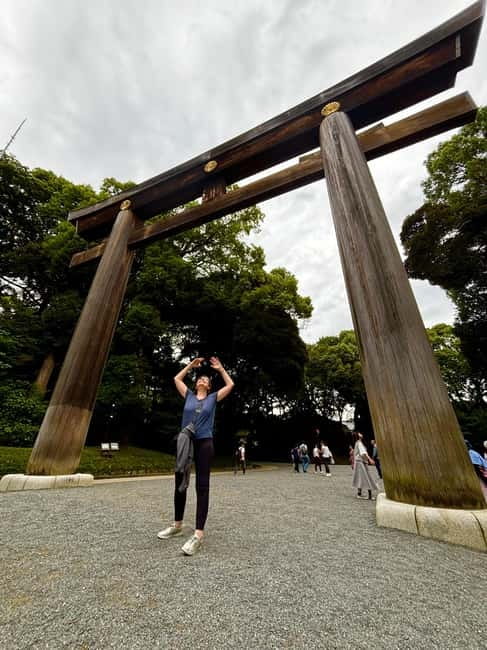
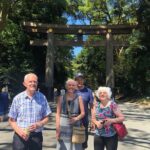
The meeting point is next to the large entrance gate on the left side of Meiji Jingu Ichino Torii. If you arrive on the JR Yamanote Line, use the west exit. This is a useful detail to note before you leave your hotel, since Tokyo station areas can have several exits and a wrong turn can cost time.
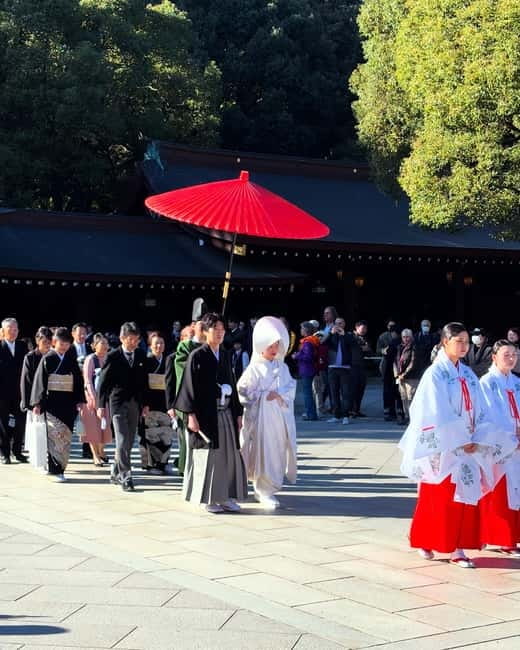
The first guided stop lasts about 50 minutes. Meiji Jingu is one of Tokyo’s major Shinto shrines, and the change in mood is immediate. You begin near Harajuku, one of the city’s most fashion-focused districts, yet the shrine grounds offer a much quieter setting.
Jero explains the culture and history of the shrine as you walk toward the main building. You also learn about traditional rituals, which gives the visit more meaning than simply standing before the entrance and taking a picture. You can expect guidance on how to behave respectfully at a Shinto shrine, although the supplied details do not promise a formal ceremony or special access.
This is one of the best parts of the experience for first-time visitors. It gives you a basic cultural reference point before the tour turns toward shopping, street food, and pop culture. I would pay close attention here, because the customs explained at Meiji Jingu can help you feel more comfortable at other shrines during your Japan trip.
Takeshita Street: Harajuku turns up the volume
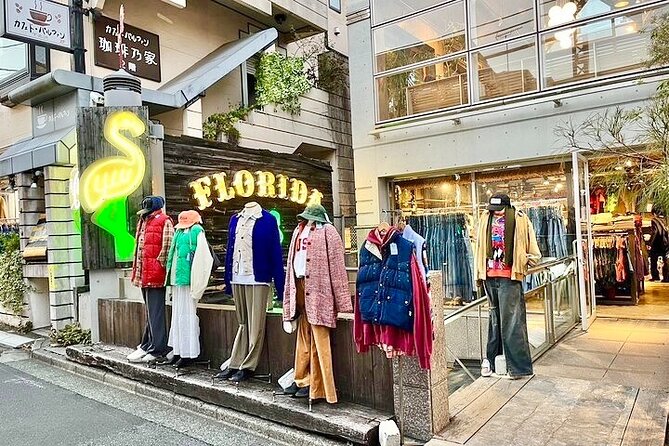
From the shrine, the route moves into Harajuku and along Takeshita Street for about 20 minutes of guided exploration. This is a famous shopping street packed with clothing, novelty goods, sweets, and food opportunities. The atmosphere is youthful and loud, a direct contrast with Meiji Jingu.
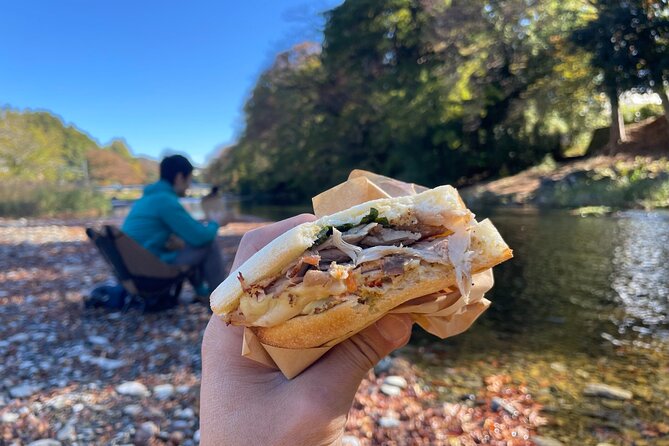
You will have chances to try street food and Japanese snacks, but food is not included in the tour price. Bring cash for purchases, since the practical advice for this experience specifically recommends having some on hand. The guide provides a typical Japanese snack and green tea, but anything else you eat or buy is your responsibility.
Takeshita Street is not a place to rush through while staring only at a map. Look at the mix of clothing, signs, colors, and small food stops. Jero’s role is especially useful here because he can explain the local style scene and help you understand why Harajuku became associated with youth fashion and unusual outfits.
The drawback is simple: this area can feel crowded and commercial. If you dislike busy shopping streets, 20 minutes may be enough. If you want to browse every shop or sample several foods, the schedule may feel tight.
Harajuku style, Tokyu Plaza, and Cat Street
The broader Harajuku section lasts about 40 minutes. Here the emphasis shifts from one shopping street to the district’s street-style culture, with its mix of colors, clothing, and youthful energy. The tour description presents Harajuku as a place where personal style takes center stage, and that is the right way to approach it.
You are also taken to Tokyu Plaza for photos. This gives you a polished, modern retail stop after the more chaotic feel of Takeshita Street. The tour includes photos of you with famous landmarks, so you can ask how that part is handled and how many pictures to expect.
Next comes Cat Street, a fashionable route linking the Harajuku and Shibuya areas. The experience does not promise a long shopping session, so think of this section as a guided look at the district’s changing character. You get a sense of the difference between youth-oriented Takeshita Street, sleek Tokyu Plaza, and the more style-conscious feel associated with Cat Street.
This is also where your private guide can make the largest difference. The route is not only about buildings. It is about how Japanese youth culture, fashion, pop culture, anime, and unusual subcultures appear in daily city life. If one of those subjects interests you, say so early.
Miyashita Park and Shibuya Crossing
Before the tour reaches Shibuya Crossing, it makes a short stop at the new Miyashita Park. You can grab a coffee or enjoy the rooftop atmosphere. The stop is brief, so it is better suited to a pause and a look around than a full meal or long shopping break.
That pause is well placed. Shibuya Crossing can be overwhelming, especially when you first arrive in Tokyo. Taking a moment at Miyashita Park gives you a chance to slow down before stepping into the crowd.
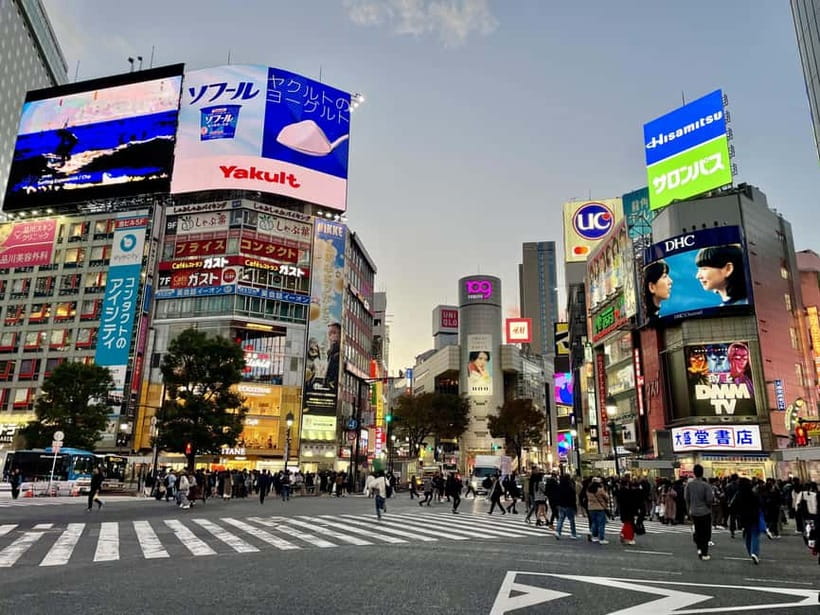
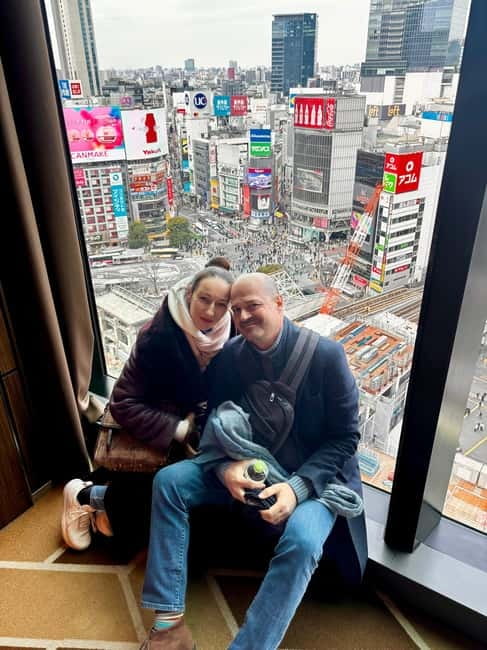
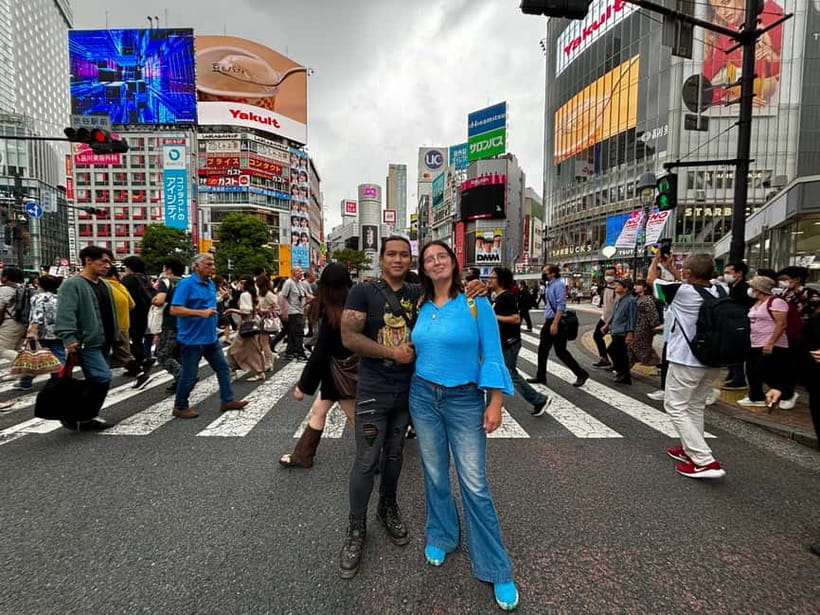
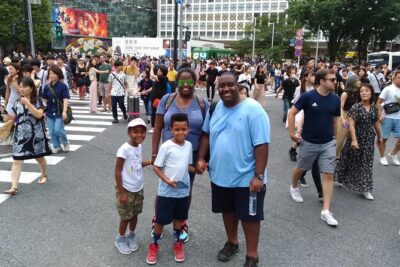
The guided time at Shibuya Crossing is about 40 minutes. You join the flow across the intersection and see the city’s urban energy from close range. It is a famous photo stop, but the real pleasure is watching the crossing operate as part of everyday life rather than as a staged event.
I like that this tour treats the crossing as more than a quick picture. The guide can help you understand where you are and point out the surrounding city scene. Still, expectations matter. The crossing itself is not a long attraction, and the experience depends on the crowd, weather, and how much time you spend on nearby views and photos.
The train to Shinjuku and a neon finish
The listed route includes about 10 minutes by train to Shinjuku, with the transportation fee to Shinjuku included. That makes the transition practical and gives you a short break from walking. You should still carry a transit card or some cash for your wider Tokyo plans, but the tour specifically covers the transportation fee to Shinjuku.
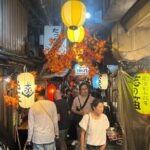
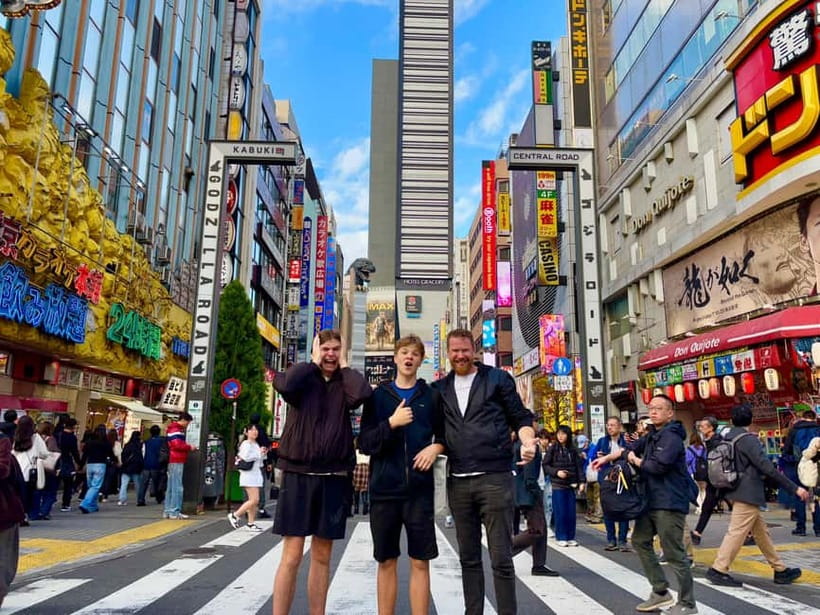
The Shinjuku section is scheduled for about 50 minutes. It includes Omoide Yokocho, an old food street with narrow lanes and traditional character, as well as the famous Godzilla sight. This part gives the tour a different texture from Harajuku and Shibuya.
Omoide Yokocho is the kind of place where I would slow down and look closely. You might find small food businesses and compact lanes that feel far removed from the broad scale of Shibuya. Food purchases are extra, so keep your cash ready if something catches your eye.
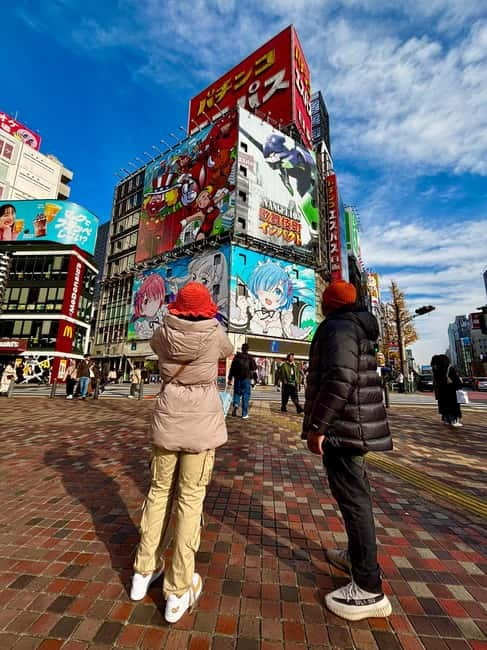
The tour finishes at Kabukicho Tower in Shinjuku’s Kabukicho district, described as a place to see Neon Tokyo. This is a fitting last stop if you want giant signs, bright city views, and the energetic side of Shinjuku. It also gives you a convenient visual ending after the calmer shrine and colorful Harajuku streets.
One point needs clarification before booking. The itinerary supplied for this experience also includes a one-hour guided visit to Asakusa after Shinjuku, followed by another 25-minute train ride and an unclear finish point marked only as 2. That does not fit neatly with the four-hour duration or the main route description, which ends in Shinjuku. Ask Shiny Tours Tokyo to confirm whether Asakusa is part of your booked route, an alternate plan, or a scheduling error.
What the private format is worth at $145
At $145 per person, this is best judged as a private orientation tour rather than a cheap way to cover Tokyo. You are paying for a personal guide, a flexible conversation, local context, a few included items, landmark photos, and help moving between districts.
The value is strongest for first-time visitors who want to understand what they are seeing. It is also useful if you have limited time and want to connect several major areas without planning every train, entrance, and walking turn yourself.
The value is weaker if you already know Harajuku, Shibuya, and Shinjuku well, or if you prefer exploring alone. The tour does not include general food and drinks, shopping costs, or other fees. You should budget extra for coffee, street food, and anything you buy along the way.
A private tour can also feel more relaxed than a large group, but it does not remove Tokyo’s crowds. Takeshita Street and Shibuya Crossing remain busy public places. You get personal guidance, not a private version of the entire city.
Walking, weather, and practical preparation
Wear comfortable shoes. The route covers several districts and includes long periods on foot, with trains used between some sections. The experience is not suitable for people with mobility impairments or wheelchair users.
Bring water, a camera, cash, and an umbrella or raincoat. The weather can affect how enjoyable the street sections feel, and the tour specifically advises you to prepare for rain. Cash is useful for street food and shopping.
Respect local customs at Meiji Jingu. Listen to the guidance about traditional rituals, avoid treating the shrine like a theme park, and remember that you are visiting an active religious site. The tour is designed to explain these customs, so use the opportunity to ask questions.
The guide speaks English or German, and the group is private. Cancellation is free up to 24 hours in advance for a full refund. You can also reserve now and pay later, which helps if your Japan schedule is still shifting.
Who should book this Tokyo tour?
I would recommend it most strongly to first-time visitors who want a fast, personal introduction to modern Tokyo and traditional Japan in the same outing. It suits couples, families with older children, solo visitors who want company, and anyone who likes asking questions instead of following a fixed script.
It is also a good match if you want a guide who can adjust the focus. Jero’s approach includes practical tips that remain useful after the tour, and the experience can be shaped around food, fashion, local customs, pop culture, or famous sights.
I would hesitate if you dislike walking, want a formal food tasting with included dishes, or prefer slow visits to one or two places. The four-hour schedule is ambitious, and the route covers a lot of ground. I would also confirm the Asakusa detail before paying, since the published information gives two different impressions of how the tour ends.
Should you book it?
Book this experience if you want Tokyo explained by a private guide rather than simply photographed. The route gives you a memorable set of contrasts: shrine rituals, Harajuku fashion, Shibuya crowds, old food lanes, and Shinjuku lights. Jero’s personal style and practical advice add value, especially at the beginning of a Japan trip.
At $145 per person, it is a worthwhile splurge for personal attention and a strong city orientation, but not a low-cost walk. Confirm the exact route, clarify whether Asakusa is included, wear good shoes, and keep extra money for food and shopping. If those terms suit you, this can give your Tokyo visit a clear and lively start.
FAQ
How long is the private Tokyo tour?
The activity is described as a four-hour private walking tour. The route includes walking through Harajuku, Shibuya, and Shinjuku, with train rides between some districts.
What areas does the tour visit?
The main description includes Meiji Shrine, Takeshita Street, Harajuku, Tokyu Plaza, Cat Street, Miyashita Park, Shibuya Crossing, Omoide Yokocho, Godzilla, and Kabukicho Tower in Shinjuku.
Is Asakusa included?
The itinerary also lists a one-hour guided visit to Asakusa after Shinjuku, followed by a 25-minute train ride. Because the main description focuses on Harajuku, Shibuya, and Shinjuku, confirm with Shiny Tours Tokyo whether Asakusa is included in your specific tour.
Where is the meeting point?
Meet next to the large entrance gate on the left side of Meiji Jingu Ichino Torii. If you arrive by the JR Yamanote Line, use the west exit.
Who is the guide?
The guide named for this experience is Jero. Tours are available in English or German.
Is the tour private?
Yes. It is offered for a private group, allowing the guide to adjust the experience to your interests.
Is food included?
General food and drinks are not included. The tour does provide typical green tea and a Japanese snack. You should bring cash if you want to buy street food, coffee, or other items.
Is transportation included?
The transportation fee to Shinjuku is included. The itinerary also lists train travel after Shinjuku, so confirm which transportation is covered if the Asakusa section applies to your tour.
What should I bring?
Bring comfortable shoes, water, an umbrella or raincoat, a camera, and cash. You should also be prepared for changing weather and respect local customs at Meiji Shrine.
Can I cancel the booking?
You can cancel up to 24 hours in advance for a full refund. The activity also offers reserve now and pay later booking.
More Private Tours in Tokyo
More tours in Tokyo we've reviewed












Private, compared.
 ★ 5.0Tokyo 6hr Private Tour with Government-Licensed GuideFrom $155
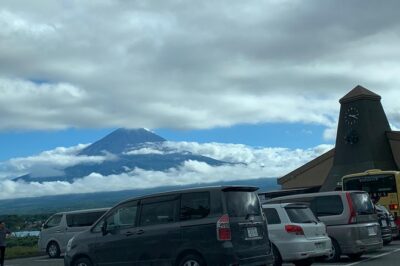 ★ 5.0Private Tour to Mt. Fuji and Hakone (Fully Licenced Operator)From $497
 ★ 5.0Tokyo Customized Private Tour (Must See Places in 1 Day)From $145
 ★ 4.8Tokyo: Private City Highlights Tour with Local GuideFrom $1064 - 8 hours
 ★ 5.0Private Custom Tour: Tokyo in a DayFrom $159
 ★ 5.0Tokyo 4hr Private Tour with Government-Licensed GuideFrom $109