Reviewed · TOKYO FOOD TOURS
Shinjuku: Food Tour – 15 Dishes at 4 Eateries
Shinjuku’s food life is easy to miss behind its giant station, neon streets, and endless restaurant signs. This three-hour walk gives you a useful shortcut, moving from Kabukicho’s entertainment district to old Omoide Yokocho and quieter Nishishinjuku for 15 dishes at four eateries.
In This Article
- Key points at a glance
- Why Shinjuku makes a strong food-tour base
- Starting near Shinjuku Station
- Kabukicho: food with a side of Tokyo nightlife
- Omoide Yokocho and the old izakaya mood
- Nishishinjuku: the quieter restaurant stop
- What the 15 dishes really mean
- The guides shape the evening
- Price, timing, and overall value
- Who should book this Shinjuku food tour?
- Should you book it?
- FAQ
- How long does the Shinjuku food tour last?
- How many dishes are included?
- How many eateries does the tour visit?
- What food might be served?
- Are drinks included?
- How large is the group?
- Where does the tour start?
- Where does the tour end?
- Does the tour visit Omoide Yokocho?
- Can I cancel for a full refund?
I like the small group limit of 10, which makes shared dishes and questions easier. I also like the range: sashimi, tonkatsu, Okinawan food, izakaya dishes, and drinks can turn one evening into a quick tour of Japan’s table. The main drawback is the walking pace and distance between stops. One poor experience described a guide moving too fast, while another found the food at some eateries only average.
Key points at a glance

- Fifteen dishes at four eateries: You get a full evening of tasting rather than one sit-down meal.
- Kabukicho after dark: The route adds context about Shinjuku’s entertainment district, including its more colorful past.
- Omoide Yokocho stop: Walk past the narrow lane of old izakayas, known as Memory Lane.
- Nishishinjuku for a local change of pace: The tour visits restaurants away from the areas most tourists see.
- Food and drinks are included: Reviews describe sashimi, tonkatsu, Okinawan dishes, sake sours, and other specialties.
- Groups stay small: The maximum of 10 people suits diners who want an easier time talking with the guide.
Why Shinjuku makes a strong food-tour base
Shinjuku is not one neat dining quarter. It is a giant mix of shopping streets, office towers, back lanes, bars, restaurants, and nightlife. The station is among the world’s busiest, and the district has more than 10,000 restaurants.
That scale is exciting, but it can make dinner planning a chore. Restaurant signs may be hard to read, menus can be unfamiliar, and the best small places are often easy to walk past. A guide gives you a starting point and removes much of the guesswork.
The value here is not just the number of bites. You get a sense of how different parts of Shinjuku fit together. Kabukicho has its entertainment history and bright signs. Omoide Yokocho preserves a narrow old-style alley lined with izakayas. Nishishinjuku offers a less obvious food stop, away from the main tourist flow.
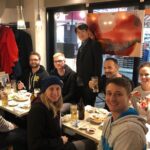
The tour is also a social meal. You eat in several places with a group of no more than 10, so it is easier to share plates and compare reactions. Guides named in past bookings include Dai, Mak, Lisa, Yota, Naoya, Haydn, Alma, Naruto, Izzy, and Agathe. The quality of the evening depends partly on who leads your group, but the best accounts describe guides who add useful details about customs, food, neighborhoods, and Tokyo life.
A few more Tokyo tours and experiences worth a look
Starting near Shinjuku Station
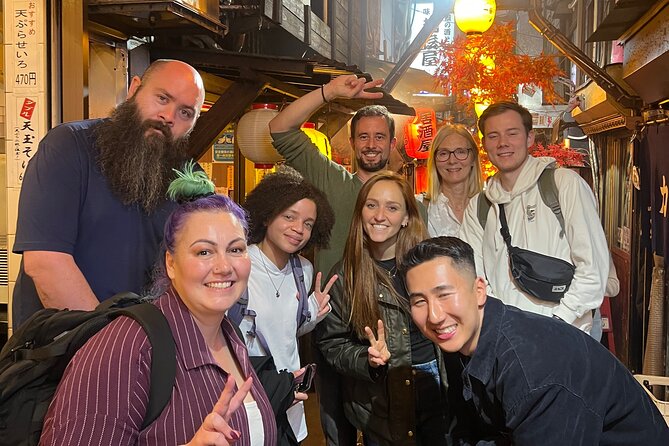
The meeting point is AOKI Shinjukunishiguchi Honten at 1-chome-8-5 Nishishinjuku. That places you on the west side of Shinjuku Station, near public transportation.
You should allow time to find the starting point. Shinjuku Station is large enough to make a simple exit feel like a small navigation exercise. The tour ends back at the meeting point, which is useful if you want to continue your evening from a known location.
The walking begins before the meal settles into a rhythm. Wear comfortable shoes, and keep your group in sight when crossing busy streets. The three-hour length is manageable, but this is a walking tour with food, not a series of restaurants placed next door to each other.
Kabukicho: food with a side of Tokyo nightlife
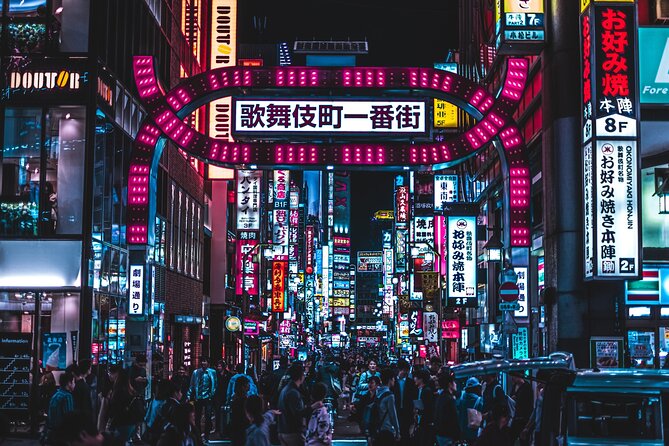
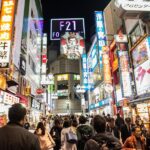
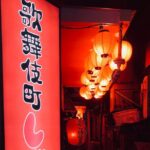
The first major stop is Kabukicho, one of Tokyo’s largest entertainment districts. You visit a local restaurant here, and this is where the tour begins to show its broader purpose.
Kabukicho is more than bright signs and late-night venues. A guide can help explain the district’s social character, its entertainment business, and the way food fits into an evening out. One especially useful aspect is the local context. Past tours have included discussion of the red-light district and areas once associated with yakuza control, subjects that can help explain why some streets feel different from ordinary shopping areas.
This part may appeal to you if you want more than a standard restaurant crawl. It can also be a drawback if you mainly want a quiet, food-focused dinner. Some people found the commentary about nightlife and organized crime more prominent than expected.
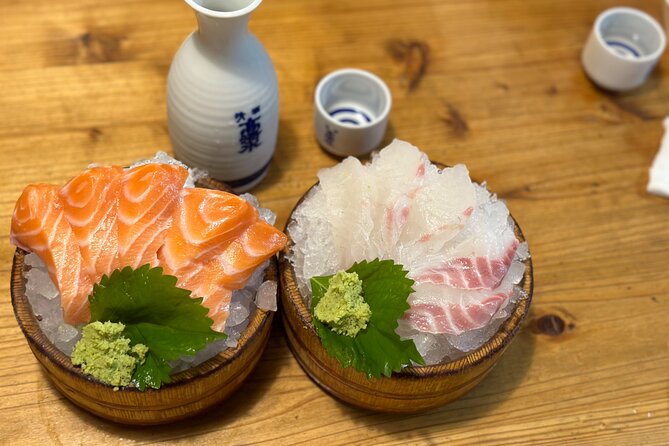
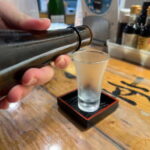
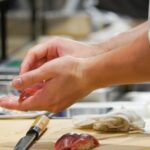
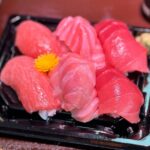
The food at the first eatery received some of the strongest praise. Accounts describe delicious seafood and drinks, and one menu included food from Okinawa along with sake sours. Another particularly positive account highlighted about seven varieties of sashimi, described as fresh and filling. Menus can change, so treat those dishes as examples rather than a promise.
Omoide Yokocho and the old izakaya mood
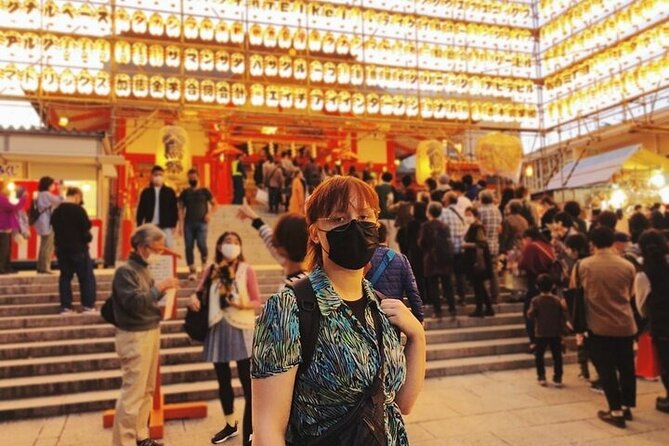
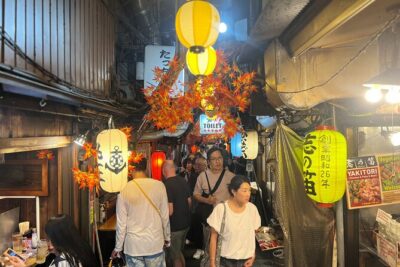
The walk continues past Omoide Yokocho, or Memory Lane. The listed stop lasts about 15 minutes, so you should not expect a long meal here. Instead, the point is to see one of Shinjuku’s most recognizable old food alleys.
The lane is filled with small izakayas and restaurants dating back to the 1950s. Its narrow setting offers a sharp contrast with the wider streets and giant signs around the station. You get a visual sense of the compact, informal places where people gather for small dishes and drinks.
For many people, this may be one of the most memorable parts of the walk because the setting feels tied to older Shinjuku. Still, it is important to understand the format. The route passes through Omoide Yokocho, but the included meal stops are listed in Kabukicho and Nishishinjuku. If you want a long meal inside the lane itself, this tour may not match that expectation.
A guide can also help you notice details you might otherwise miss, from the size of the kitchens to the way food and drinks are ordered in an izakaya. You may not leave with a full lesson in Japanese dining customs, but this short visit adds useful context between meals.
Nishishinjuku: the quieter restaurant stop
The tour then heads to Nishishinjuku, an area with local restaurants that many tourists miss. You dine at a restaurant described as a local favorite, giving the route a useful change of tone after Kabukicho.
This is where the tour’s claim to show more than the obvious Shinjuku sights matters most. You are not only being taken to the loudest or most photographed streets. The guide introduces a part of the district where everyday dining is the focus.
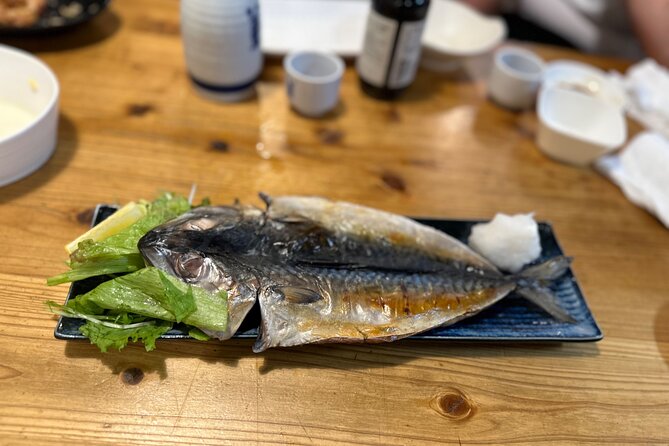
Food examples from past outings include pork tonkatsu, sashimi, Okinawan dishes, and other Japanese specialties. One account praised the tonkatsu but found the other items merely fine. That is a fair warning: 15 dishes does not mean every bite will be a personal favorite.
The strongest food experiences seem to come from variety. You may taste something familiar, such as fried pork, beside something you might not order alone. Okinawan food was repeatedly singled out as unusual and interesting, while seafood and sashimi earned strong praise. If you do not drink alcohol, the food remains the main reason to book, though the drinks are part of the included package.
A few more Tokyo tours and experiences worth a look

What the 15 dishes really mean
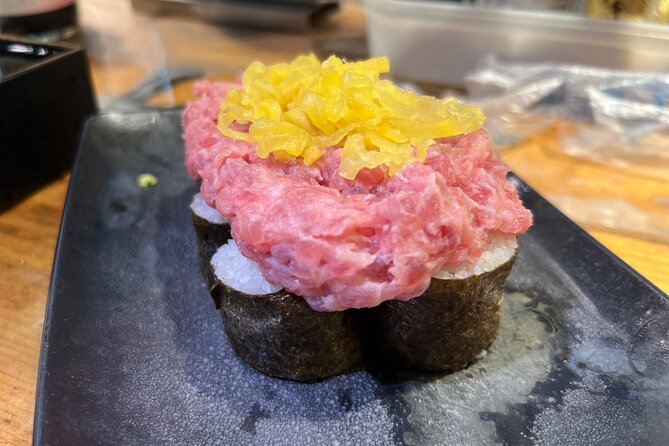
Fifteen dishes sounds large, and it is a substantial amount of food for a three-hour tour. The format lets you sample rather than commit to a full serving of one unfamiliar dish.
That works well in Japan, where a meal can involve several small plates. You can compare textures, seasonings, cooking methods, and regional styles without spending an entire evening at one restaurant. Several accounts describe the portions as plentiful, with enough food to leave you full.
The exact dishes and drinks are not specified in advance, so you should not book this expecting a fixed tasting menu. The experience may include seafood, tonkatsu, Okinawan specialties, izakaya fare, and drinks, but the actual selection can vary by date, restaurant, and guide.
Food quality is the main point of uncertainty. Most of the feedback is strongly positive, and the overall score is 4.9 from 493 ratings, with 98 percent recommending the activity. Still, some accounts found only the first stop worthwhile, and another described the meal as average apart from the tonkatsu. That split suggests the tour is best for curious eaters who value variety and access over a carefully staged fine-dining meal.
The guides shape the evening
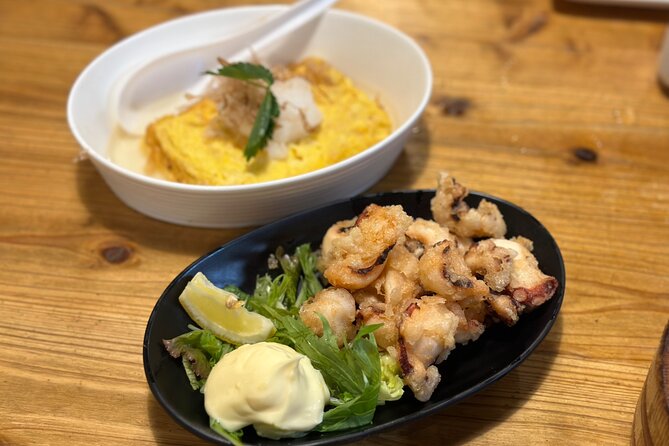
The guide is not a minor detail here. You move through crowded streets, change restaurants, share food, and receive explanations along the way. A good guide keeps the group together and helps the evening feel natural rather than rushed.
Several guides received especially warm praise for their energy and clear English. Dai was noted for combining food with local history and for being helpful and friendly. Mak was described as enthusiastic about both Shinjuku and the dishes. Naruto was praised for strong English, cross-cultural understanding, and an informative walk through a narrow alley and an area linked to yakuza history.
Other named guides, including Alma, Lisa, Yota, Naoya, Haydn, Izzy, and Agathe, were praised for their friendliness, food explanations, and ability to keep the group engaged. That does not guarantee the same guide on your date, but it shows how much the host can add to the basic restaurant route.
One practical point matters: stay close. A negative experience centered on a guide walking quickly and speaking mostly to the people nearest him. In a small group, that should be avoidable, but crowded Shinjuku streets can still split people up. If you cannot hear or keep pace, say so early.
Price, timing, and overall value
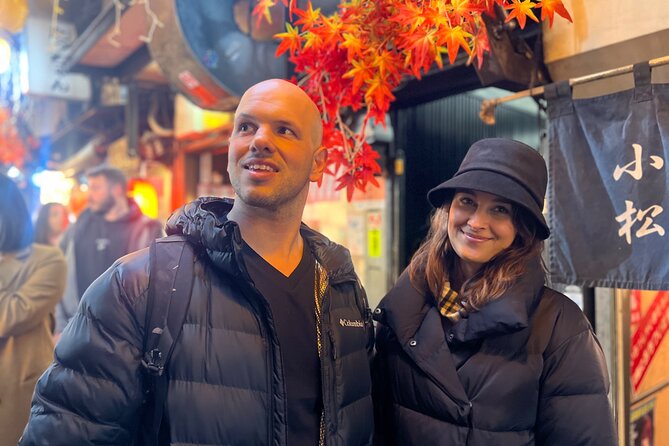
The price is $77.60 per person for about three hours. Food, drinks, an expert guide, and the walking and culture tour are included. Gratuity is optional.
For the right person, the price is reasonable. You are not paying only for 15 portions. You are also paying to enter several eateries without having to choose them, to move between different parts of Shinjuku, and to have someone explain what you are eating. If you tried four places independently, you could spend a similar amount, but you would need to handle ordering, navigation, and the risk of choosing a poor restaurant.
The value is weaker if you are already confident ordering in Tokyo or if you want to control every dish. You may prefer spending $77.60 on one or two restaurants you select yourself. The walking between stops is another factor. One positive account called the food plentiful and the tour a great bargain, while another rated it lower because the restaurants were far apart.
Book it early if the schedule matters to you. It was booked more than five times in the previous week, and the 10-person limit keeps the group from becoming unwieldy. Free cancellation is available up to 24 hours before the start time for a full refund. Changes or cancellations inside that window are not accepted and are not refunded.
Who should book this Shinjuku food tour?
I would choose this tour early in a Tokyo visit if you want help getting oriented. One useful feature is the combination of food, neighborhood history, and restaurant guidance. You can use what you learn later when deciding where to eat on your own.
It suits solo visitors, couples, and small groups who enjoy trying several dishes in one evening. It is also a good fit if you want to meet other people while eating, since the small group creates a shared dinner rather than a private meal.
You should think twice if you dislike walking, need a fixed menu, or want polished restaurant atmosphere at every stop. The food is generally praised, but not every dish or eatery will appeal to everyone. Alcohol is included, so tell the guide if you do not drink and focus on the food.
Should you book it?
Book this Shinjuku food tour if your goal is variety, local context, and easy access to places you might not find alone. The best parts are the spread of dishes, the Okinawan and seafood options, the small group, and guides such as Dai, Mak, Naruto, Lisa, or Yota who bring the neighborhoods to life.
Skip it if your top priority is a slow dinner in one excellent restaurant. The walking can be brisk, the exact menu is not fixed, and a few accounts found parts of the meal ordinary. For most curious eaters, though, the chance to taste 15 dishes across Kabukicho and Nishishinjuku makes this a useful and filling introduction to Shinjuku’s food scene.
FAQ
How long does the Shinjuku food tour last?
The tour lasts approximately three hours.
How many dishes are included?
The experience includes 15 dishes.
How many eateries does the tour visit?
The tour is described as visiting four eateries.
What food might be served?
Food examples include sashimi, pork tonkatsu, Okinawan specialties, seafood, and other Japanese dishes. The exact menu is not fixed in the provided details.
Are drinks included?
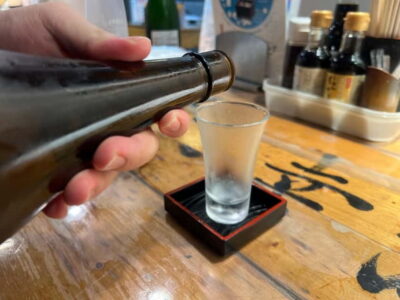
Yes. Food and drinks are included in the tour price. Past menus have included sake sours.
How large is the group?
The tour has a maximum of 10 people.
Where does the tour start?
It starts at AOKI Shinjukunishiguchi Honten, 1-chome-8-5 Nishishinjuku, Shinjuku City, Tokyo 160-0023, Japan.
Where does the tour end?
The activity ends back at the meeting point.
Does the tour visit Omoide Yokocho?
Yes. The route walks past Omoide Yokocho, also called Memory Lane, a street known for old izakayas and restaurants dating from the 1950s.
Can I cancel for a full refund?
Yes. You can cancel at least 24 hours before the experience start time for a full refund. Cancellations or changes made less than 24 hours before the start time are not accepted or refunded.
More Food Experiences in Tokyo
More Tokyo Food Tours in Tokyo
More Shinjuku Tours in Tokyo
More tours in Tokyo we've reviewed












Tokyo Food Tours, compared.
 ★ 5.0Tokyo: Shinjuku Food Tour (13 Dishes at 4 Local Eateries)From $86
 ★ 4.9Tokyo: Shinjuku Food Tour (13 Dishes and 4 Eateries)From $97
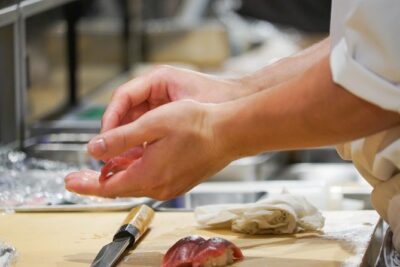 ★ 5.0Tokyo Night Foodie Tour in Shinjuku – Seasonal Sushi, Wagyu BeefFrom $111
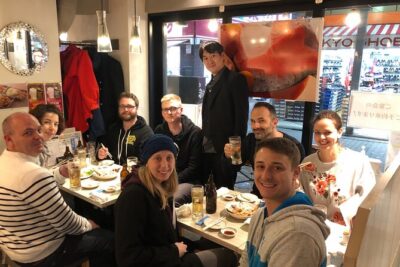 ★ 5.0Eat and Drink Like a Local: Tokyo Ueno Food Tour-Taverns&RamenFrom $95
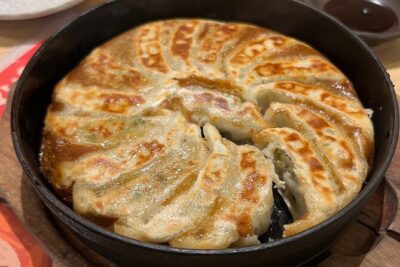 ★ 5.0Tokyo: Shibuya Food Tour (13 dishes and 4 Eateries)From $77
Tokyo: Shinjuku Food Tour – 15 Dishes, 3 Drinks, 4 EateriesFrom $723 hours
★ 5.0Tokyo: Shibuya Food Tour (13 dishes and 4 Eateries)From $77
Tokyo: Shinjuku Food Tour – 15 Dishes, 3 Drinks, 4 EateriesFrom $723 hours