Reviewed · SAMURAI & NINJA EXPERIENCES
Skip the lines Basic Ticket at SAMURAI NINJA MUSEUM TOKYO
Tokyo’s Samurai Ninja Museum turns a basic museum visit into a hands-on hour of Japanese history. You’ll see armor, swords, clothing, and ninja equipment, then dress in samurai gear and try shuriken throwing. The English-guided tour is the big advantage: you get context instead of simply staring at display cases. I also like the family focus, since children can take part rather than being expected to stand quietly.
In This Article
- Key points to know before you book
- What the one-hour museum visit is really like
- Samurai armor, swords, and the story behind them
- Dressing as a samurai
- Sword skills and the samurai performance
- Ninja techniques and the shuriken contest
- Tea ceremony and Zen meditation
- Is $28.52 good value?
- Who will enjoy this most?
- Planning this with Asakusa sightseeing
- The main strengths and the fair warnings
- Should you book the Samurai Ninja Museum?
- FAQ
- How long does the Samurai Ninja Museum experience last?
- What is included in the ticket?
- Is the tour conducted in English?
- Where does the activity meet?
- Can children participate?
- Can I cancel for a full refund?
The price is reasonable at $28.52 per person, especially if you want a short activity near Sensoji Temple. The main caution is that the one-hour schedule can feel uneven. Some sessions include a samurai performance and sword instruction, while one-hour visits may give a large share of the time to the throwing-star activity. Confirm the day’s program if the show is important to you.
Key points to know before you book
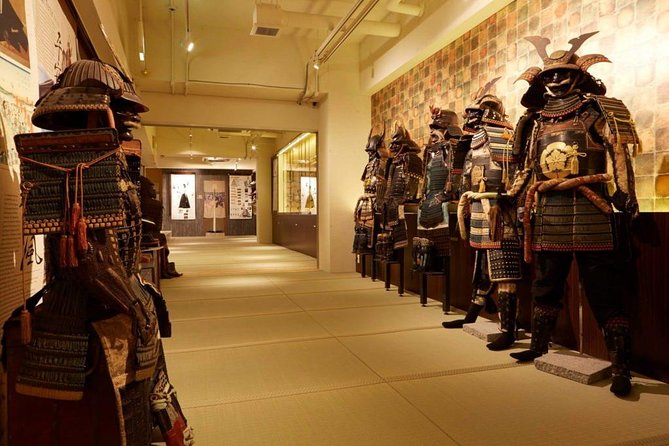
- Authentic-looking displays: See samurai armor, swords, clothing, and weapons connected with Japan’s warrior traditions.
- English guidance included: Guides explain the difference between samurai and ninja, along with why the samurai era ended.
- Dress-up and photographs: Try samurai armor, or a traditional women’s outfit, and take pictures.
- Shuriken competition: The ninja star activity is the most popular hands-on part, especially with children.
- Short, central activity: Plan roughly one hour at 1-chōme-8-13 Nishiasakusa, with the visit ending where it begins.
- Program details can vary: The samurai show, tea ceremony, Zen meditation, and sword practice may not all receive equal time in every session.
What the one-hour museum visit is really like
This is not a large national museum that you explore at your own pace. It is a compact, guided experience built around explanation, costume play, and simple activities. That format matters in Tokyo, where you may want a cultural stop that fits neatly between Asakusa sights.
You meet at the Samurai Ninja Museum Asakusa Tokyo in Nishiasakusa. The activity ends back at the same point, so it is easy to pair with a visit to the Sensoji shrine area. The museum is near public transportation, but transportation to and from the attraction is not included in the ticket.
The tour is conducted in English. That is useful here because the value comes from understanding what you are seeing. A sword or helmet can be impressive on its own, but the guide’s explanation gives it a place in the story of feudal Japan.
The museum experience is best thought of as a lively introduction. You get a broad look at samurai and ninja culture rather than a scholarly study of every period, weapon, or social custom. For a first visit, that is usually the right balance.
If you're still narrowing it down, here are other tours in Asakusa we've reviewed.


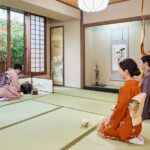
Samurai armor, swords, and the story behind them
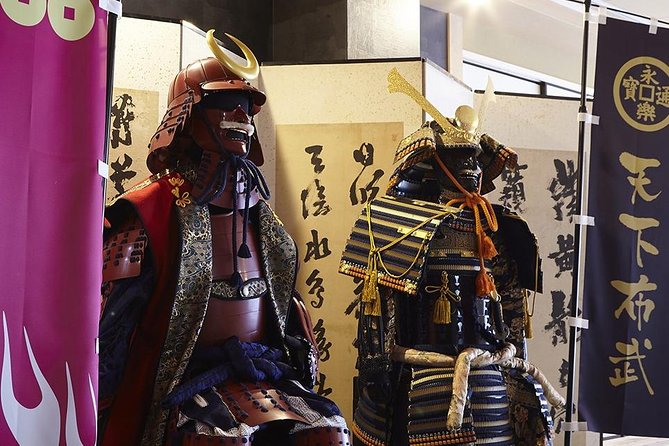
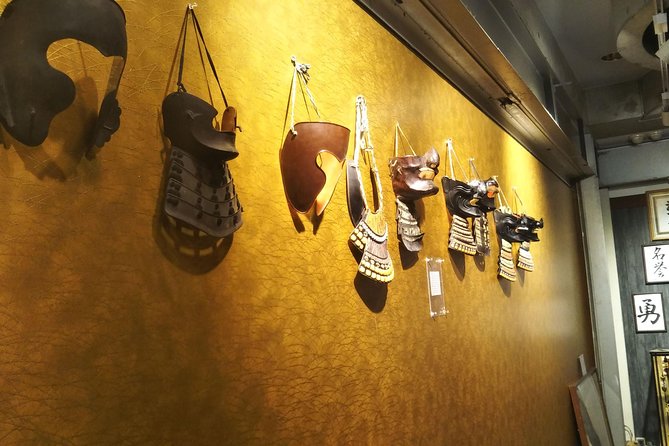
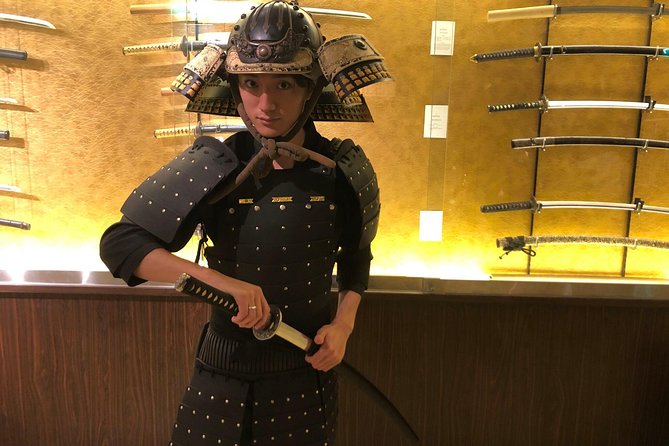
The display area includes real clothing and equipment associated with samurai and ninja traditions. You can expect to see samurai armor, swords, and other weapons, along with artifacts that help show how these figures presented themselves and worked.
The guide explains the difference between samurai and ninja, a useful distinction since popular films often blur the two. You also learn why there are no longer samurai, placing the end of the samurai era within the wider changes that reshaped Japan.
This explanation is one of the strongest reasons to choose the guided experience instead of simply buying museum admission. The plaques may not mean much if you cannot read Japanese, while a guide can point out what matters and answer questions as the group moves through the displays.
The quality of the presentation depends partly on your guide. Kenny has been praised for an upbeat style and clear explanations. Akira is noted for being approachable with children, while Hikaru and Mimu have been described as energetic presenters who involve the group. Guide assignments can change, so book this for the format rather than for one specific person.
The pace is brisk. That helps keep younger children interested, but it can also leave history fans wanting more time with the artifacts. If you prefer long museum visits and quiet reading, this may feel more like a hosted activity than a traditional museum tour.
Dressing as a samurai
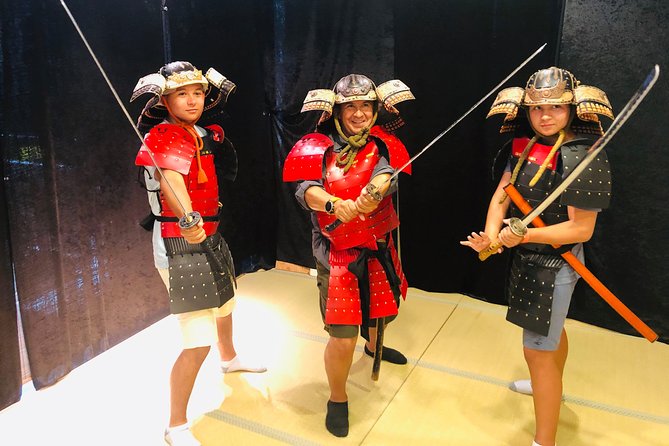
The costume portion gives the visit its most memorable visual moment. You can try samurai clothing and armor, then take photographs. A traditional women’s outfit is also available if you prefer that option.
This is especially effective for families. Children get a clear role in the experience, and the photographs provide a souvenir that feels more personal than a standard museum snapshot. Adults can join in too, and the costume activity works well for couples or groups who want something playful in the middle of a sightseeing day.
The gear is for trying on, not for a long theatrical performance. You should expect a short photo opportunity rather than a full historical reenactment. Still, wearing the outfit helps you notice how much armor and layered clothing would have affected movement.
One useful tip is to arrive on time. The experience runs as a guided group, so arriving late can mean missing the opening explanation or costume instructions. The meeting point is in a building reached by steep steps, so take that into account if stairs are difficult for anyone in your party.
Sword skills and the samurai performance
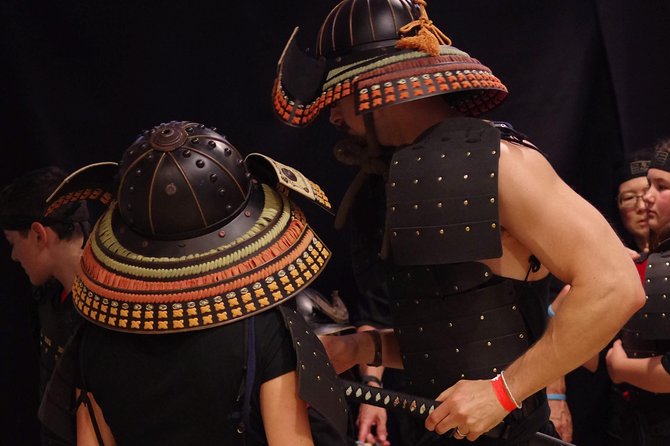
The experience advertises a samurai show, and the ticket price includes it when scheduled. Some sessions also offer a chance to learn how to use a samurai sword. These elements can be a major draw if you want more than displays and photographs.
The important point is that the program is not always experienced in exactly the same way. One published account describes a later booking in which the expected samurai demonstration did not take place. Another account notes that sword training was optional. This does not mean the show is never offered, but it does mean you should not treat every listed activity as guaranteed in equal measure.
If the samurai performance is the main reason you are booking, contact the operator, Maikoya, or check the specific time slot before paying. Ask whether that session includes the sword demonstration and how much time is allocated to it. This small check can prevent disappointment.
The sword element should also be viewed as an introduction, not martial-arts training. You are learning about the idea and handling of a samurai sword in a supervised tourist activity. It is a fun way to connect the object in the display case with a physical experience, but it will not replace a proper lesson.
Ninja techniques and the shuriken contest
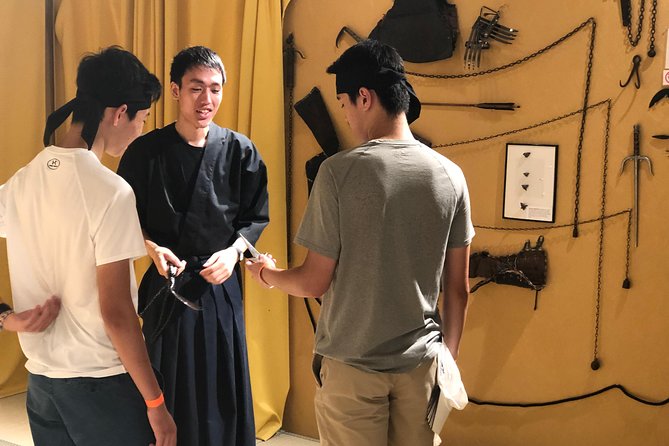
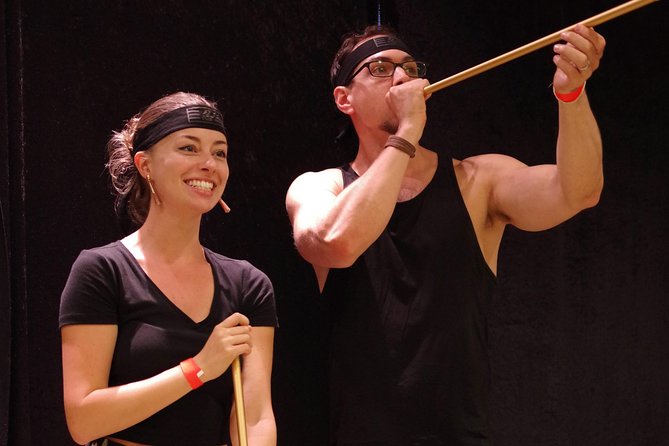
The final activity is usually the most hands-on part of the visit. You learn about ninja tools and take part in a ninja star throwing competition. The shuriken are used for the activity, and the group competes for accuracy.
This is where the museum feels most like a family attraction. Children can try several throws, and adults often get just as competitive. You do not need previous skill, and missing the target is part of the fun. The activity creates an easy ending because everyone has something to do at the same time.
Some sessions spend around 15 minutes on the throwing-star portion. That is a good amount of time for a family looking for action, but it may feel long if you mainly want historical information. If you are booking as an adult history enthusiast, ask how much of the hour is dedicated to the displays and how much to the activities.
The museum may also introduce other ninja techniques, including blowgun use. The supplied information specifically confirms the ninja star competition as included, while the broader ninja experience can vary. Do not assume every session will include every possible technique.
A few more Asakusa tours and experiences worth a look

Tea ceremony and Zen meditation
Tea ceremony and Zen meditation are listed among the traditional activities available through the museum experience. They offer a quieter contrast to dressing up, sword practice, and shuriken throwing.
These elements are appealing if you want to connect warrior history with other parts of Japanese culture. They also make the experience more than a weapons display. However, the confirmed included items are a professional guide, samurai costume, and ninja star competition. The information does not establish that every booking receives a full tea ceremony or meditation session.
I would treat tea and Zen as possible additions rather than the core reason to book. If they matter to your plans, ask in advance whether they are part of your chosen time. For a dependable one-hour introduction, the guided museum tour, costume, and shuriken activity are the safer expectations.
Is $28.52 good value?
At $28.52 per person, this is not the cheapest way to spend an hour in Tokyo, but it offers more than a simple entry ticket. The price covers a professional English-speaking guide, the museum presentation, costume use, and the ninja star competition. The show and some optional activities may add further value when included in your session.
I think the price works best for families and first-time visitors who want cultural context without committing to a half-day museum. You receive an organized activity, a guide, photographs in costume, and a hands-on finale. That is a solid package for a short stop near Asakusa.
The value is less clear for someone who wants a serious museum collection or a long samurai performance. A brisk hour can feel expensive if the demonstration is missing and you spend much of the visit on a single activity. Your expectations matter more here than the ticket price alone.
The skip-the-line wording is useful, but do not read it as a private tour. The experience has a maximum of 10 people according to the booking details, although bookings through other sites may be combined. The small-group format should allow some interaction, but the activity is still shared with other participants.
Who will enjoy this most?
I would recommend this for families with school-age children, couples looking for a playful cultural activity, and anyone who wants a simple introduction to samurai and ninja traditions. The one-hour length is a strong fit for a busy Tokyo itinerary.
It also suits visitors who have already seen castles or other historical sites and want a more interactive follow-up. The guide’s explanation of samurai, ninja, shogun, and the end of the samurai era can help connect those sights.
Younger children may enjoy the costumes and throwing stars more than the history talk. One account specifically warns that the explanation may bore very young children, so keep that in mind. The activity is family-friendly, but it is not nonstop action.
History enthusiasts should book only if they are happy with a broad overview. The artifacts are interesting, and the English commentary adds useful context, but the pace leaves limited time for detailed study.
Planning this with Asakusa sightseeing
The museum’s location in Nishiasakusa makes it easy to combine with Sensoji and the surrounding Asakusa area. One hour is short enough to place before or after temple visits without taking over your day.
Plan a little extra time for finding the meeting point and reaching the entrance. The activity begins and ends at the museum, and transportation is your responsibility. Since steep steps have been noted, consider that when planning for anyone with mobility concerns.
Arrive on time. The group moves through a set presentation, and joining late could mean losing part of the history explanation or missing a costume turn. Confirmation arrives at booking, and the activity is near public transportation.
You can book up to 10 people through Viator, while other booking sites may combine reservations. The published maximum is 10 participants, so check the final group arrangement if a small group is important to you.
The main strengths and the fair warnings
The strongest part is the mix of seeing and doing. You are not only shown armor and weapons. You hear the story, put on samurai clothing, and try a ninja skill yourself.
The English presentation is another major plus. Guides such as Kenny, Akira, Hikaru, and Mimu have been praised for energy, clarity, and interaction with children. A good guide makes a compact collection feel much more useful.
The weak point is consistency in the schedule. The samurai show, sword practice, tea ceremony, and Zen meditation may not all receive the same treatment in every session. The experience is also aimed at tourists, so visitors seeking an academic museum may find the tone light.
There is one practical solution: confirm the exact activities for your time slot before booking, especially the samurai demonstration. Then decide if the core package of guided history, costume, and shuriken throwing is enough for you.
Should you book the Samurai Ninja Museum?
Book it if you want a short, active, family-friendly introduction to samurai and ninja culture near Asakusa. The guide, artifacts, costume photographs, and shuriken contest create a good mix, and $28.52 is fair when those parts run as expected.
Skip it if you want a quiet, detailed museum visit or a guaranteed full-length sword show. The experience can feel rushed, and the program may not include every advertised element in the same way.
For most first-time visitors, I would book it as a one-hour Asakusa add-on. Just confirm the schedule if the samurai performance matters, arrive on time, and expect an entertaining introduction rather than expert-level training or a full historical museum.
Free cancellation is available up to 24 hours before the start time for a full refund. Cancellations or changes made less than 24 hours ahead are not accepted for a refund.
FAQ
How long does the Samurai Ninja Museum experience last?
The activity lasts approximately one hour. It begins and ends at the Samurai Ninja Museum Asakusa Tokyo.
What is included in the ticket?
The ticket includes a professional guide, a samurai costume, and participation in a ninja star throwing competition. A samurai show is listed as included, but its availability can depend on the session.
Is the tour conducted in English?
Yes. The museum tour includes an English-speaking guide who explains the displays and samurai and ninja history.
Where does the activity meet?
The meeting point is Samurai Ninja Museum Asakusa Tokyo, at 1-chōme-8-13 Nishiasakusa, Taito City, Tokyo 111-0035, Japan.
Can children participate?
Yes. Most people can participate, and the activity is designed as a family-friendly experience. Children must be accompanied by an adult.
Can I cancel for a full refund?
You can cancel up to 24 hours before the experience start time for a full refund. Cancellations or changes made less than 24 hours before the start time are not accepted for a refund.
More Tickets & Passes in Asakusa
More tours in Asakusa we've reviewed











Samurai & Ninja Experiences, compared.
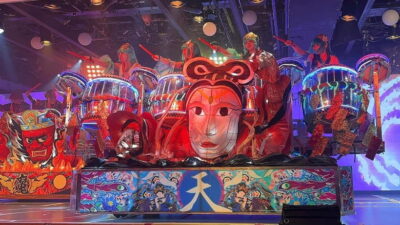 ★ 4.5Tokyo: Samurai Restaurant Show Ticket with 2 DrinksFrom $551h 30m
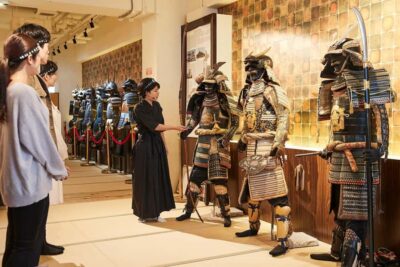 ★ 4.6Tokyo: Samurai Ninja Museum Guided tour and ExperienceFrom $27
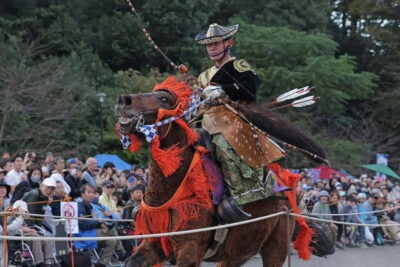 ★ 5.0Tokyo: Authentic Samurai Training at a DojoFrom $211
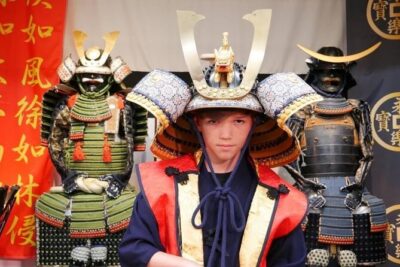 ★ 5.0Best Samurai Experience in TokyoFrom $65
 ★ 4.6Tokyo: Legend Samurai Entertainment Night in Kanda ShrineFrom $44
 ★ 4.2Tokyo: Ninja Kabuki PerformanceFrom $291 day