Reviewed · MT FUJI DAY TRIPS
Tokyo: Mt. Fuji, Hakone, Arakura Fuji Sengen w/ Ramen Making
Mt. Fuji is the star here, but the best surprise is that you do not simply point a camera at it and return to Tokyo. You cruise Lake Ashi, make ramen from your own noodles, climb toward Chureito Pagoda, and visit the spring-fed ponds of Oshino Hakkai. It is a big day with several distinct sides of the Fuji region.
In This Article
- Key points to know before booking
- Why this works as a Fuji day trip from Tokyo
- The 25-minute pirate ship cruise on Lake Ashi
- Making ramen from scratch near Mt. Fuji
- Arakura Fuji Sengen Shrine and the 398-step climb
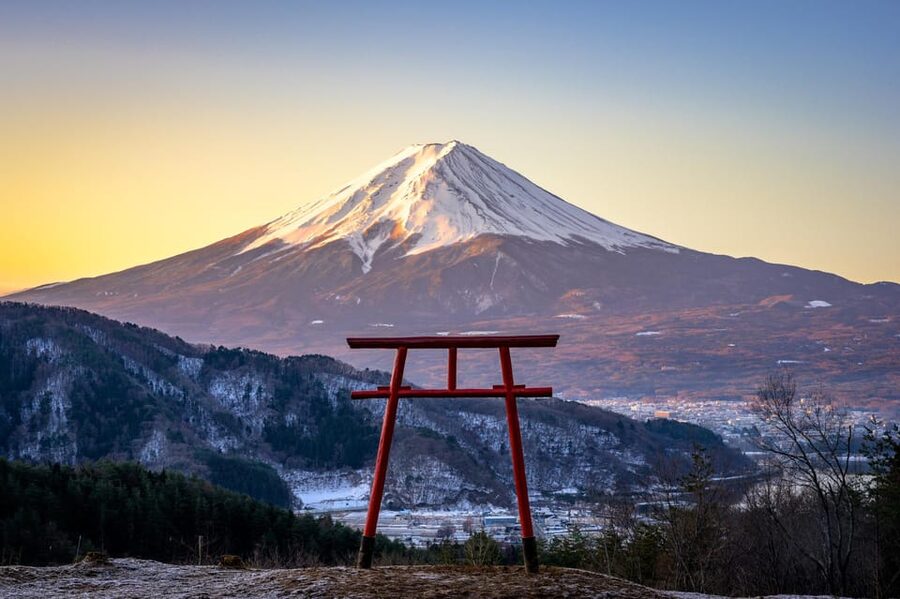
- Tenku no Torii and the changing Fuji plan
- Oshino Hakkai and the eight clear ponds
- The coach ride, timing, and pace
- Who should choose this tour
- Practical advice for a smoother day
- Should you book this Mt. Fuji tour?
- FAQ
- How long does the tour last?
- Where does the tour begin?
- How do I find the meeting point?
- Is lunch included?
- Can vegetarian, vegan, or halal meals be provided?
- How many steps lead to Chureito Pagoda?
- What happens if the weather hides Mt. Fuji?
I like the hands-on ramen lunch, which gives the long coach ride a tasty purpose, and I like the mix of famous sights with smaller cultural stops. Guides including Mayumi, Hiro, Kaori, and Mami have been praised for clear English, patience, and help with photos. The main drawback is the length: at 11.5 hours, traffic can make an already full day feel even longer.
Key points to know before booking

- Four different Fuji-area experiences: Combine Lake Ashi, ramen making, Arakura Fuji Sengen Shrine, and Oshino Hakkai in one day.
- Your Fuji view is never guaranteed: Clouds, fog, rain, and wind can hide the mountain or close parts of the planned route.
- The pagoda requires effort: You can climb 398 steps to Chureito Pagoda or use a gentler sloping path.
- A good guide makes a real difference: The English-speaking guide handles meeting instructions, timing, cultural background, and practical help.
- Plan for a long coach day: The outward ride is listed at about 2.2 hours, and the return can take about 2.5 hours.
- Check the meal terms carefully: Ramen making and lunch are listed among the inclusions, while another section says lunch is not included.
Why this works as a Fuji day trip from Tokyo
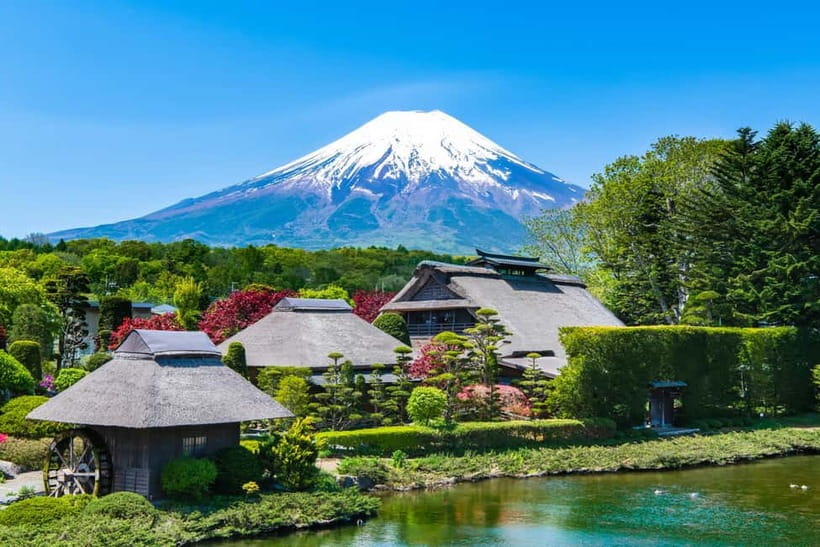
Seeing Mt. Fuji independently from Tokyo takes planning. You need to match trains or buses, work out the route around Hakone and Yamanashi, and accept that weather may spoil the mountain view. This tour removes that puzzle and links several places that are awkward to connect in one day.
You meet in front of Shinjuku Center Building at 7:30 a.m. for a 7:40 departure. The building entrance is brick-colored, and the meeting point is about a seven-minute walk from the west gate of JR Shinjuku Station. Look for a guide in yellow holding a LIMON sign. With many buses in the area, give yourself extra time. One practical complaint was difficulty spotting the correct bus, so do not arrive at the last second.
The price is $126 per person. That is reasonable if you value the convenience of a reserved coach, an English-speaking guide, the Lake Ashi cruise, and the ramen activity. You are paying for a full day of transport and coordination, not just admission to a single Fuji viewpoint. If you prefer slow meals, long photo sessions, or quiet time at each stop, the price will not solve the tour’s main limitation: the schedule is tight.
A few more Tokyo tours and experiences worth a look
The 25-minute pirate ship cruise on Lake Ashi
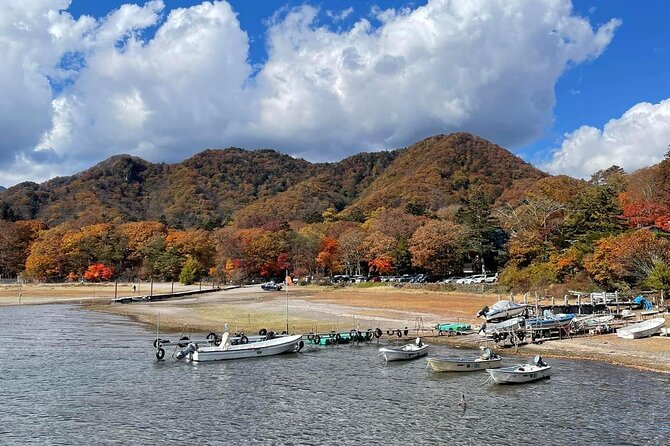
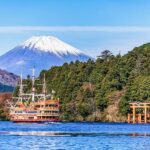
The first major stop is Lake Ashi, where you board the Hakone sightseeing boat for about 25 minutes. The ship is designed in a pirate-ship style, which adds a touch of playful theater to an otherwise peaceful ride. From the deck or windows, you can look across the water toward Hakone’s wooded slopes.
The boat ride gives your legs a break after the morning coach journey. It also changes the pace nicely. Instead of moving from one roadside viewpoint to another, you sit, breathe, and watch the scenery pass. On a clear day, the lake area can offer a memorable view toward Mt. Fuji, but clouds may block it.
The cruise is short. You should treat it as a scenic interlude, not a full Hakone exploration. You will not have time to wander widely around the lake, visit multiple museums, or build your own slow Hakone day. That is the tradeoff for fitting Fuji, the ramen factory, the shrine, and Oshino Hakkai into one outing.
Making ramen from scratch near Mt. Fuji
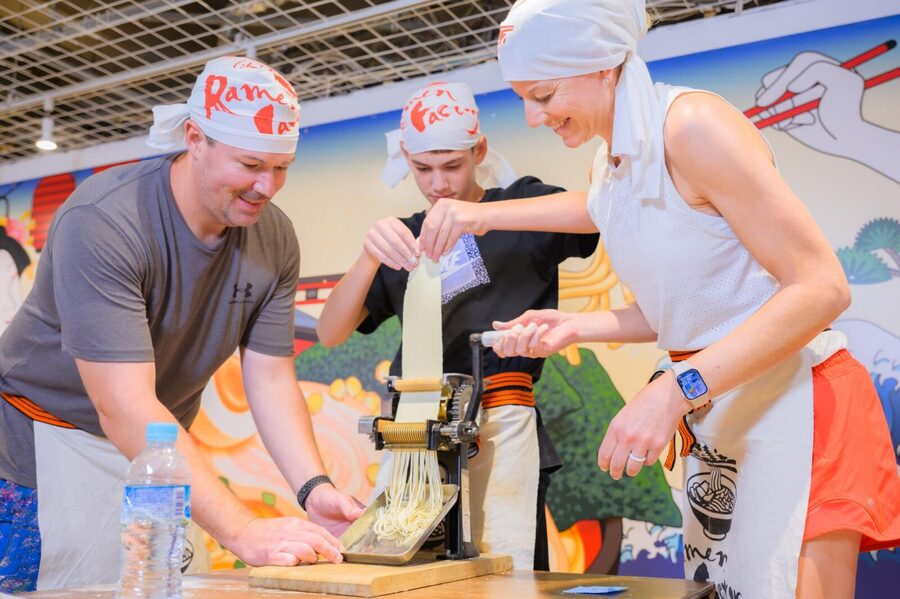
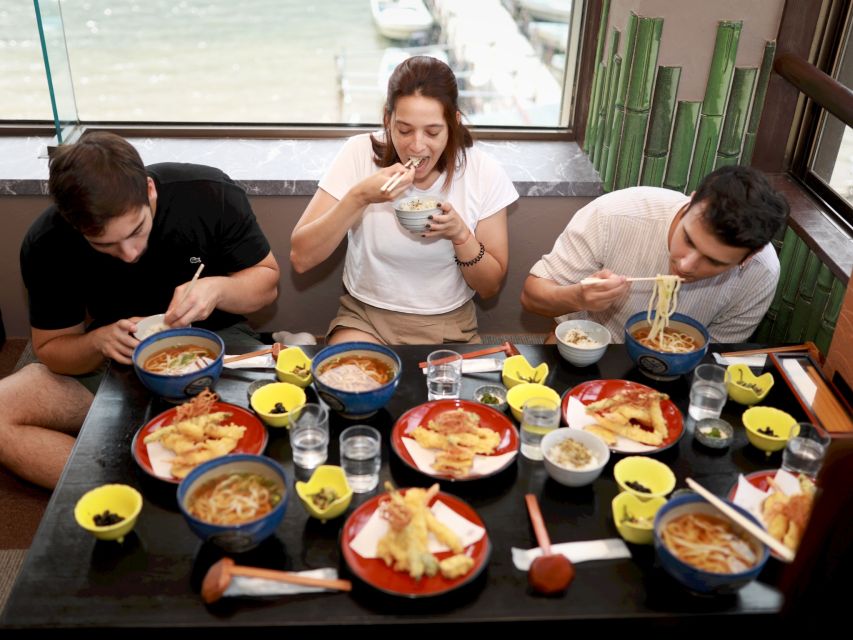
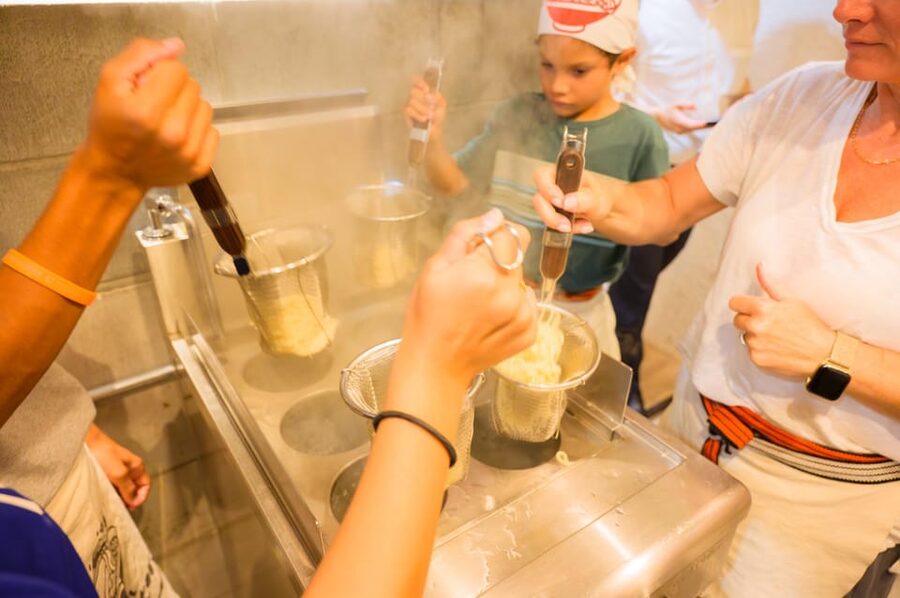
The Ramen Factory Mt. Fuji stop is the most unusual part of the day. You begin with the noodles rather than simply sitting down to eat a prepared bowl. You can choose a soup base, seasonings, and toppings, then boil the noodles to the firmness you prefer.
I like this stop because it turns lunch into an activity. You get a simple look at how a familiar Japanese meal comes together, and the finished bowl feels more personal because you made it yourself. It also suits families and anyone who wants more than a standard coach-tour restaurant break.
The cooking session lasts about an hour. That is enough for a focused workshop and meal, but not enough for a leisurely cooking school. Follow the guide’s instructions closely and keep an eye on the meeting time. The rest of the day depends on everyone returning to the coach promptly.
There is an important food-planning issue. The tour information lists ramen making and lunch as included, yet another section says lunch is not included, and some booking choices appear to treat lunch separately. Confirm exactly what your selected option covers before paying. Vegetarian meals require at least seven days of advance notice. Halal and vegan lunches are not available.
Arakura Fuji Sengen Shrine and the 398-step climb
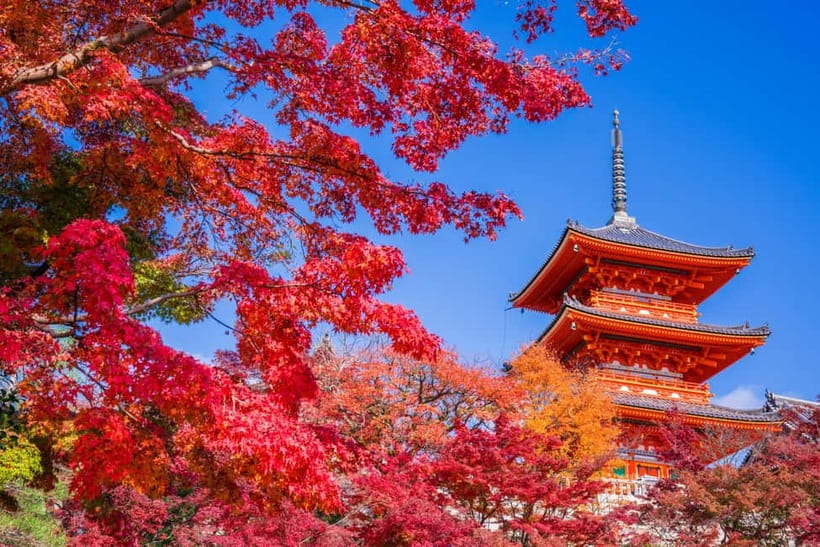
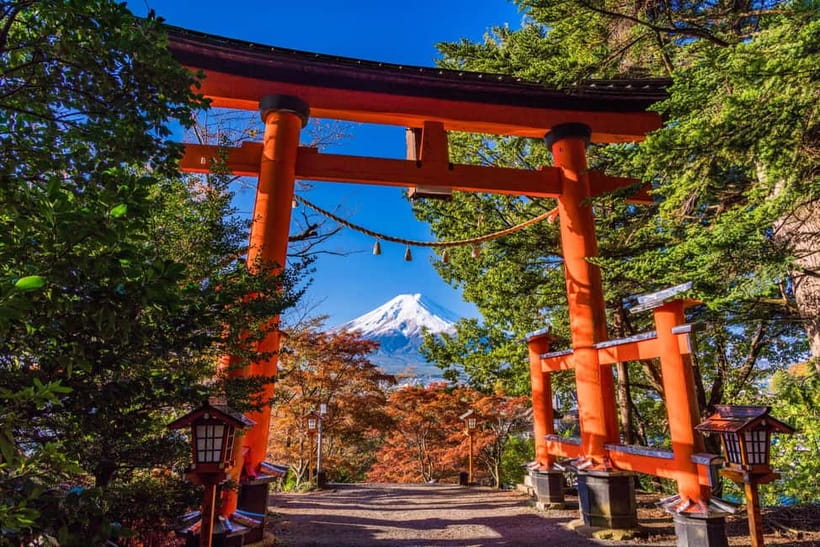
Arakura Fuji Sengen Shrine dates to 705 and has more than 1,500 years of religious history. You enter through a large red torii gate and walk toward the main hall. Along the stone route are the Shiogama Shrine, linked with safe childbirth, and Atago Shrine, associated with fire protection.
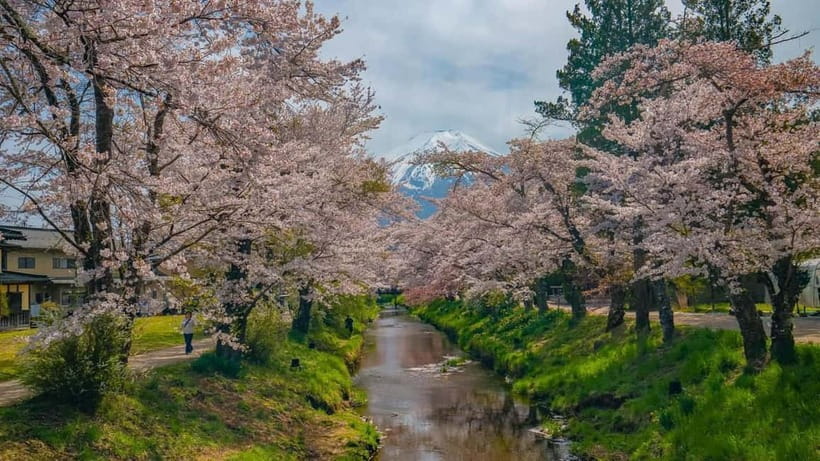
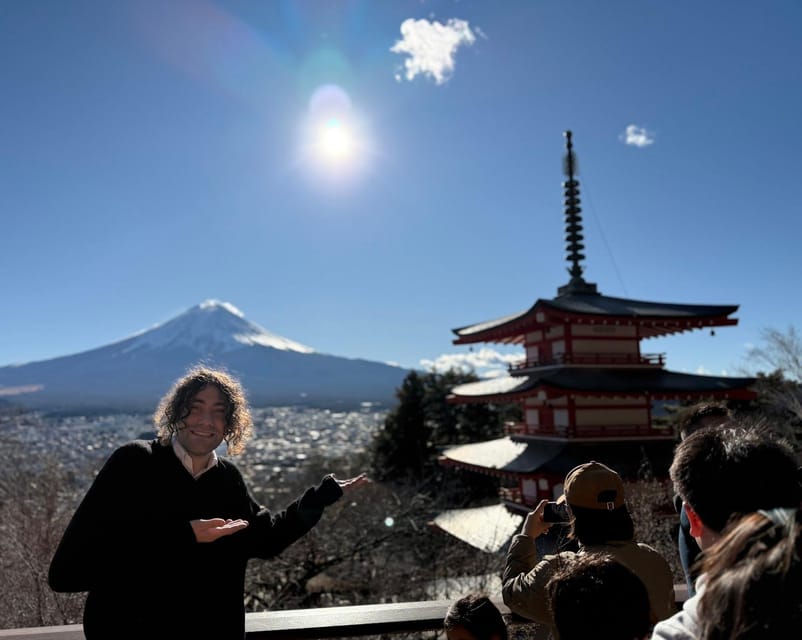
The famous view comes higher up. Chureito Pagoda is a five-story red-and-white pagoda on Mt. Arakura, with an observation area looking toward Mt. Fuji. In spring, cherry blossoms can frame the pagoda and mountain in the classic image many people associate with Fuji.
You have two routes to the pagoda. The direct Sakuya-Hime staircase has 398 steps. The gentler sloping path takes more time but avoids the full staircase. Comfortable shoes are essential, and you should think honestly about your energy before starting. The tour allows about 80 minutes here, so the climb, photos, and return to the coach all need to fit inside that window.
This is one of the places where weather matters most. A beautiful pagoda view without Fuji can still be worthwhile, but the famous composition depends on clear conditions. Do not book this day solely for one photograph. The shrine, smaller halls, and walk up the hill give the stop value even when the mountain hides.
Tenku no Torii and the changing Fuji plan
Tenku no Torii is listed among the highlights as a mountaintop viewpoint of Mt. Fuji. The exact running order can change with weather, road conditions, and safety needs. Strong winds, fog, or closures may lead the guide to adjust the plan or use an alternative stop.
That flexibility matters in the Fuji region. Fog can appear quickly, and a summer rain shower can erase the mountain from view. One outing had a route changed because of strong winds and a closure, while another reached a clear view later in the day after an earlier foggy stretch.
You should think of this as a regional sightseeing day, not a guaranteed mountain-view excursion. The guides work to find clear photo opportunities when conditions allow, but nobody can control the clouds. If Mt. Fuji is visible, you may get views from more than one point. If it is not, the lake, shrine, food activity, and village still give you a worthwhile day.
A few more Tokyo tours and experiences worth a look
Oshino Hakkai and the eight clear ponds
Oshino Hakkai is a small village area known for eight ponds fed by snowmelt from Mt. Fuji. The water filters through volcanic rock over roughly 80 years before reaching the ponds. That long natural process helps explain the clarity of the water and gives this stop more meaning than a quick souvenir market.
You have about 80 minutes here for sightseeing, a guided visit, and shopping. The area includes larger markets and smaller local stalls selling fruit, regional treats, souvenirs, and wine from Yamanashi, often called Japan’s Fruit Kingdom. This is a useful place to pick up edible gifts or try local produce.
I would use the time with some discipline. Oshino Hakkai can feel more commercial around the market areas, while the ponds and village setting reward slower looking. You might want to buy a snack, take photos, and then spend a few minutes simply watching the clear water rather than filling every minute with shopping.
This stop also helps balance the major attractions. Chureito Pagoda offers the iconic Fuji image, while Oshino Hakkai gives you a closer look at water, farming culture, local food, and village commerce in the Fuji region.
The coach ride, timing, and pace
The listed driving times are about 2.2 hours outbound and 2.5 hours back to Shinjuku. Traffic can make the return particularly slow. You should bring water, snacks, and something comfortable for the ride. Smoking is not allowed in the vehicle, and oversize luggage is not permitted.
The coach is the practical reason to choose this tour. You can rest between stops instead of changing trains and buses, and the driver handles roads that may be busy or unfamiliar. Several guide and driver comments praised smooth, safe driving and clear instructions.
The same convenience creates the day’s biggest weakness. You are traveling a long distance and visiting several sites, so each stop has a fixed limit. The schedule gives roughly 80 minutes at the shrine and Oshino Hakkai, but traffic or operating conditions can reduce your free time. On a quiet day, the pace may feel comfortable. On a crowded day, you may need to choose between photos, shopping, and a relaxed walk.
Guides such as Mayumi and Hiro have been singled out for taking photos, checking that everyone understands the instructions, and helping the group stay together. Kaori was praised for adding local background in clear English, while Mami and Masa were also noted for friendly, effective guiding. The specific guide varies, but the role matters: good timing and clear directions protect you from wasting precious minutes.
Who should choose this tour
I would choose this tour if you have one open day in Tokyo and want a broad introduction to the Mt. Fuji region. It suits first-time visitors who want famous views but also appreciate food, a boat ride, a shrine, and a village stop.
It is especially useful for families and small groups who would rather stay together on one coach. The ramen workshop gives children and adults an activity to look forward to, while the Lake Ashi cruise breaks up the sightseeing.
You should also consider it if you want an English-speaking guide. The guide provides cultural context, explains where to go, and helps with the practical details that can be confusing at a busy meeting point or large sightseeing stop.
I would hesitate if your priority is a long visit at one Fuji viewpoint, a serious Hakone visit, or a quiet photographic morning. You may find the day rushed, particularly with heavy traffic or large crowds. People who dislike long coach rides should also look at a shorter local excursion.
Practical advice for a smoother day
Wear shoes that can handle stone steps and a sloping path. Even if you choose the gentler route at Arakura Fuji Sengen Shrine, you will be walking and standing at several stops.
Bring a camera, water, snacks, and comfortable clothes. Weather can change the experience, so a flexible attitude helps more than a perfect forecast. Fog and rain may hide Fuji, while wind can affect the planned route.
Arrive early at Shinjuku Center Building. The meeting area can have several buses, and the yellow-clad guide with the LIMON sign is the detail to remember. The tour returns to the same meeting point in Shinjuku.
Cancellation is free up to 24 hours before departure for a full refund, and you can reserve now and pay later. That flexibility is useful when the forecast is uncertain, though you should still check the weather before committing to a Fuji-focused day.
Should you book this Mt. Fuji tour?
Book it if you want the most variety possible in one day from Tokyo. The combination of Lake Ashi, ramen making, Chureito Pagoda, Oshino Hakkai, and possible Tenku no Torii views gives you far more than a single photo stop. At $126, the package can offer good value when you factor in the coach, guide, cruise, and cooking activity.
Skip it if you want a slow, deeply focused visit to Hakone or a guaranteed view of Mt. Fuji. No tour can promise clear skies, and this one covers a lot of ground. For an organized first look at the Fuji area, though, it is a sensible choice, especially when you are willing to accept a long day and let the guide adjust the route to the weather.
FAQ
How long does the tour last?
The tour lasts about 11.5 hours. The listed schedule includes roughly 2.2 hours of coach travel outbound and about 2.5 hours returning to Shinjuku, though traffic can change those times.
Where does the tour begin?
You meet in front of Shinjuku Center Building at 7:30 a.m. for a 7:40 departure. The building is about a seven-minute walk from the west gate of JR Shinjuku Station.
How do I find the meeting point?
The ground and building entrance are brick-colored. Look for an English-speaking guide wearing yellow and holding a LIMON sign.
Is lunch included?
Ramen making and lunch are listed as included, but another part of the tour information says lunch is not included. Check the exact booking option and meal terms before purchasing.
Can vegetarian, vegan, or halal meals be provided?
Vegetarian meals may be possible if you contact the provider at least seven days before departure. Halal and vegan lunches are not available.
How many steps lead to Chureito Pagoda?
The Sakuya-Hime staircase has 398 steps. You may use a gentler sloping path instead, but you should still wear comfortable shoes and allow enough time to return to the coach.
What happens if the weather hides Mt. Fuji?
The schedule may change because of rain, fog, wind, traffic, or safety conditions. The guide may adjust the route or use an alternative stop, but a clear view of Mt. Fuji is never guaranteed.
More Hakone Day Trips in Tokyo
More Mt Fuji Day Trips in Tokyo

More tours in Tokyo we've reviewed












Mt Fuji Day Trips, compared.
 ★ 5.0Mt Fuji and Hakone 1-Day Bus Tour Return by Bullet TrainFrom $163
 ★ 4.0Mt Fuji & Hakone Cruise, Drum Show Bullet Train 1 Day from TokyoFrom $149
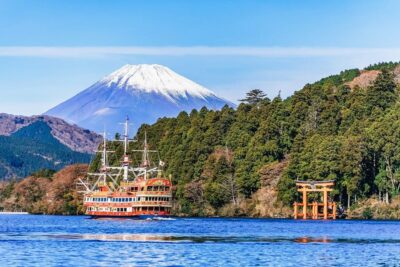 ★ 4.4Tokyo Mt Fuji 5th St & Hakone Cruise Bus Tour w/Bullet TrainFrom $15410 hours
 ★ 4.5From Tokyo: Mount Fuji Full-Day Sightseeing TripFrom $6810 hours
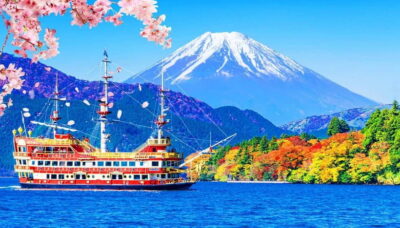 ★ 4.7Tokyo: Mt. Fuji Tour, Hakone Ropeway, Owakudani, Lake AshiFrom $5410 hours
 ★ 4.4Tokyo:Mt.Fuji,Kawaguchiko Oishi Park,Arakurayama Sengen ParkFrom $5410 hours

![[Self-Drive] Tokyo & Daikoku Custom Car Driving Tour - Choosing between the ER34 Skyline and JZA80 Supra](https://tokyoezine.com/wp-content/uploads/2026/08/self-drive-tokyo-daikoku-custom-car-driving-tour.jpg)