Reviewed · MT FUJI DAY TRIPS
Bullet Train and Mt. Fuji Famous Food Tour
Fujinomiya gives you a very different Mt. Fuji day than the usual photo stop. You ride the Shinkansen from Tokyo, eat regional specialties at six local food stops, visit a shrine and the Mt. Fuji World Heritage Centre, and sit down to lunch at an 80-year-old restaurant. I like the strong local focus and the fact that the train ride is part of the day, not just a way to get there.
In This Article
- Key details worth knowing
- Why Fujinomiya makes a good Mt. Fuji food day
- Starting at Marunouchi and boarding the bullet train
- The Mt. Fuji World Heritage Centre in 15 minutes
- Three hours of Fujinomiya food and local life
- Wagashi, tea, and sake without the usual rush
- Fujisan Honguu Sengen Taisha and Daisenji
- Fujitaro Honten and the return to Tokyo
- Is $638 a fair price?
- Who will enjoy this most?
- Small details that can improve your day
- Should you book the Fujinomiya food tour?
- FAQ
- Where does the tour start and finish?
- Is bullet train travel included?
- How long does the tour last?
- What food and drinks are included?
- Can dietary restrictions be accommodated?
- Can I cancel for a refund?
I also like the small maximum of 10 people and the all-inclusive tasting plan, which lets you try yakisoba, sake, tea, snacks, and traditional sweets without planning every bite yourself. The main drawback is the $638 price, a serious spend for seven hours, plus the early bento and snacks on the train may come before you feel hungry.
Key details worth knowing
- Six food stops in Fujinomiya: Taste local dishes, drinks, sweets, and regional specialties at small shops and restaurants.
- Round-trip Shinkansen travel: Your guide accompanies you from Tokyo, with train snacks and a bento lunch included.
- An 80-year-old lunch stop: The main meal uses local ingredients and gives the food tour a proper sit-down center.
- Mt. Fuji views depend on weather: The shrine and World Heritage Centre are worthwhile, but the mountain may be hidden.
- Small-group format: The tour accepts a maximum of 10 people, making it easier to ask questions and keep the group moving.
- Dietary needs are supported: Vegan, vegetarian, pescetarian, and gluten-free options are listed, but you should state your needs when booking.
Why Fujinomiya makes a good Mt. Fuji food day
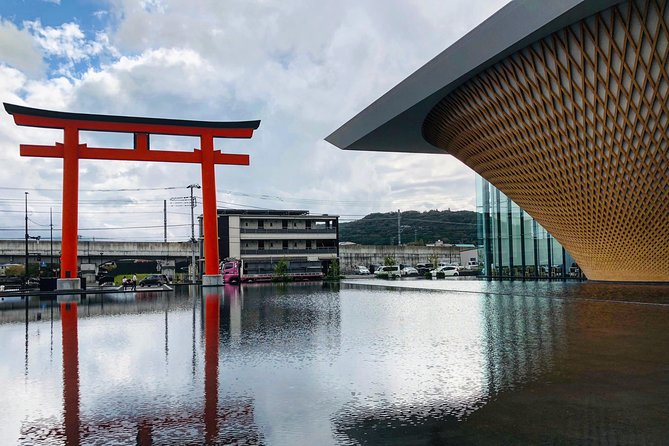
Most Tokyo visitors think of Mt. Fuji as a lookout, a cable car, or a distant cone across a lake. Fujinomiya offers another angle. This city sits on the mountain’s southern slopes in Shizuoka Prefecture, and the tour treats Mt. Fuji as part of a local food culture rather than as a background prop.
That distinction matters. You are not simply rushed to a viewpoint, given a few minutes for photos, and returned to Tokyo. The day is built around what Fujinomiya produces and eats. Local shops, restaurants, sake, green tea, sweets, and regional noodles form the main experience.
I especially like that the tour combines several small tastings with a proper lunch. Small portions at different stops can teach you more than one large restaurant meal, though you should expect to eat steadily throughout the day. The food is not an optional add-on. It is the reason to make the trip.
The tour runs for about seven hours and begins at 8:30 am. That makes for a full morning and afternoon, but the early departure gives you a useful chance to see Fujinomiya without giving up an entire second day in Tokyo.
A few more Tokyo tours and experiences worth a look

Starting at Marunouchi and boarding the bullet train
You meet at the Apple Marunouchi Mitsubishi Building near Tokyo Station at 8:30 am. Hotel pickup and drop-off are not included, so you need to reach the meeting point yourself and arrive ready for a prompt start.
Your guide travels with you from Tokyo. The Shinkansen ride is part of the pleasure here. Instead of treating transportation as dead time, the tour uses the journey to begin the food experience, with a bento and snacks provided on the train.
One practical point: a bento at roughly 10 in the morning may feel early, especially after breakfast. You can still appreciate the chance to sample a train meal and save room for the later stops. If you prefer to eat lightly before departure, that may work better than arriving full.
The tour listing notes that JR Pass holders can receive a price reduction if they contact the operator before booking. Do this in advance rather than assuming the adjustment will happen after purchase. Transportation costs are also listed separately from the included tour elements, so ask the provider what local transport, if any, you need to pay for on the day.
The Mt. Fuji World Heritage Centre in 15 minutes
The Mt. Fuji World Heritage Centre in Shizuoka is listed as an included stop, with about 15 minutes allocated. That is enough for a quick orientation and a look at the building, but not enough for a slow museum visit.
You should think of this stop as a compact introduction to the cultural importance of Mt. Fuji. The tour places the centre alongside food, religious sites, and local streets, giving you several ways to understand the area.
The short timing is both a strength and a limitation. You will not lose a large part of the day indoors, which leaves more time for eating and exploring Fujinomiya. If you want a detailed museum visit, you may find the schedule too brief. This tour is for seeing the centre as one piece of a wider day, not for studying every exhibit.
Three hours of Fujinomiya food and local life
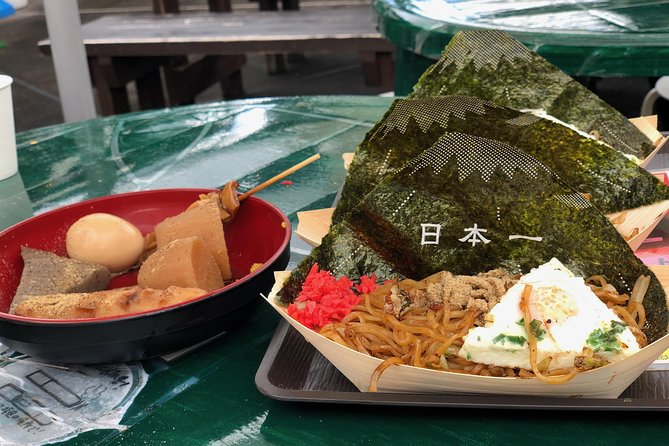
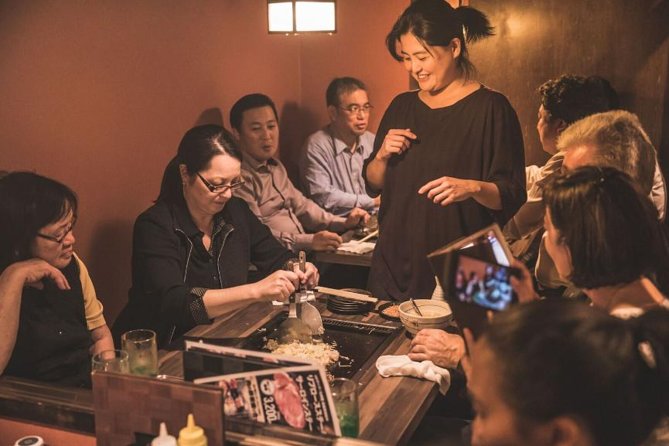
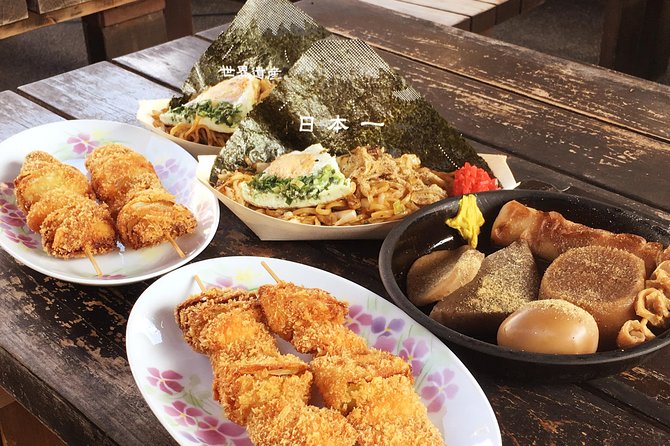
The main portion lasts about three hours in Fujinomiya. A local guide leads you to six shops and restaurants, with regional specialties served along the way.
This structure gives the tour a pleasant rhythm. You move between food stops, hear about local traditions, and see how everyday dishes connect with the place. The appeal is not just the number six. It is the variety of settings, from small local businesses to a traditional restaurant.
The strongest food highlight appears to be yakisoba. One past visitor called the yakisoba the best they had tasted, while another singled out the yakisoba restaurant as the day’s food highlight. You should not expect a generic noodle dish here. The point is to try Fujinomiya-style food in its home region, with the guide explaining why it matters.
Lunch takes place at a restaurant with 80 years of history and a focus on local ingredients. That gives the meal more weight than a quick tour stop. You get a proper chance to sit down, eat, and take stock of the morning’s tastings.
The day also includes sake and beer according to the available tour feedback, along with local green tea. The minimum drinking age is 21. If you do not drink alcohol, the tour also supports tea tasting and several food-focused stops, but you should check how substitutions are handled before booking.
Wagashi, tea, and sake without the usual rush
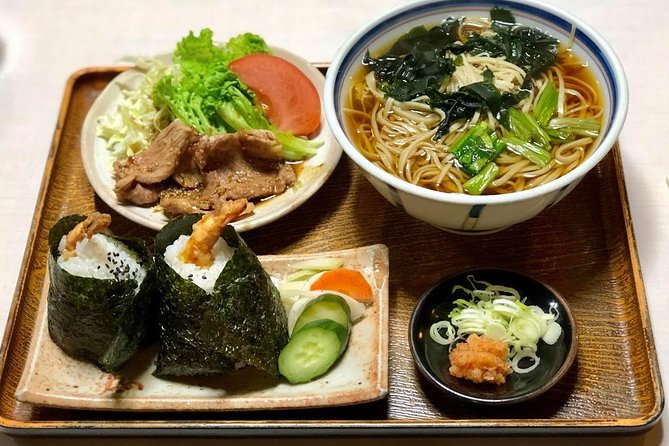
The experience includes a chance to learn how to prepare a traditional wagashi sweet. Wagashi is Japanese confectionery tied to tea culture, seasonal presentation, and careful handwork. The activity adds a hands-on element to a day that might otherwise be mostly tasting and sightseeing.
You also sample local green tea. Shizuoka is strongly associated with tea production, so this stop helps connect the drink in your cup with the wider region. It is a small detail, but it gives the tour more balance. You are not only eating prepared dishes. You are also meeting the drinks and sweets that shape local food customs.
Sake tasting adds another regional layer. A guide can help you understand the styles and flavors you are trying, though the exact selections may change. The tour notes that restaurants, public holidays, weather, and other unexpected conditions can lead to substitutions.
That flexibility is worth keeping in mind. You should book this for the overall food and cultural plan, not for one guaranteed restaurant or one exact dish. The yakisoba stop has drawn especially strong praise, but the route can change.
A few more Tokyo tours and experiences worth a look



Fujisan Honguu Sengen Taisha and Daisenji
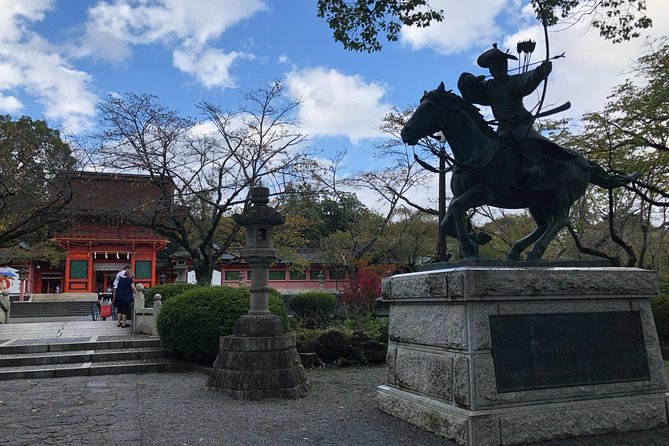
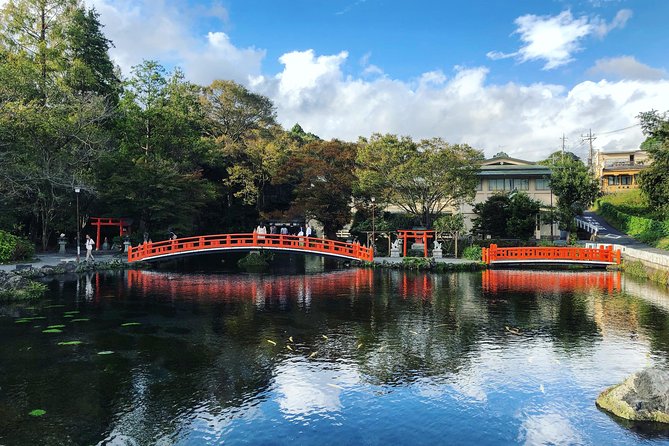
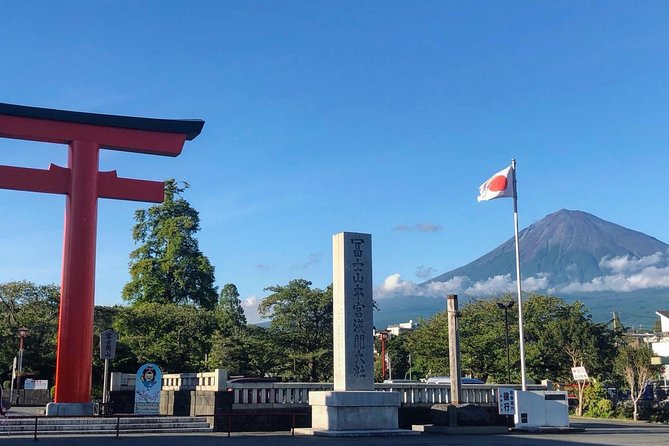
The route includes Fujisan Honguu Sengen Taisha, a major shrine connected with Mt. Fuji worship. It is one of the places where the mountain is treated as a sacred presence rather than simply a scenic object.
A visit here gives the day a needed pause from eating. You can take in the grounds, learn about the shrine’s connection to the region, and look for Mt. Fuji when conditions are clear. The tour also includes Daisenji, adding another religious and local point of interest.
The mountain views are never guaranteed. One past visit had poor visibility, with Mt. Fuji hiding behind the weather. That is not a flaw unique to this tour. It is simply the reality of planning a Fuji day. The food, shrine, cultural centre, and town visits keep the outing worthwhile even when the peak refuses to appear.
If clear views are your only goal, this is not the safest way to spend $638. If you want a full regional day where the mountain is one important part, the risk is easier to accept.
Fujitaro Honten and the return to Tokyo
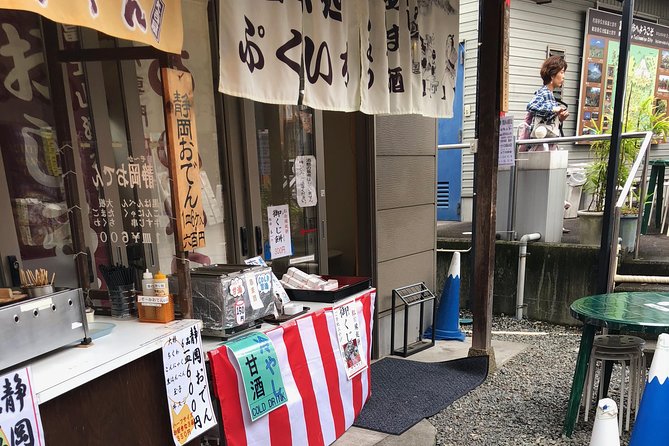
The listed ending point is Fujitaro Honten, after which you return to Tokyo and finish at the same Mitsubishi Building meeting point. The return train makes the day simple compared with arranging separate transport back from Shizuoka.
The exact pace may depend on restaurant schedules and the movement of a small group. Because the tour includes six stops, the schedule is likely active. You should wear comfortable shoes and be prepared for a good amount of walking. The operator advises that you need a strong level of physical fitness.
The day is family-friendly, but children must be accompanied by an adult. Children aged 10 and above require a copy of passport information. Solo visitors are asked to email the operator, so do not assume that an individual booking can be handled like a standard group reservation.
Is $638 a fair price?
At $638 per person, this is not a bargain food walk. The price makes sense only if you value the combination of round-trip bullet train travel, a guide from Tokyo, six tasting stops, lunch, local sightseeing, and the convenience of having the day arranged.
If you booked the train, meals, tastings, and local transport separately, you would have more control and possibly spend less. You would also need to research the best shops, manage train timing, arrange your route in Fujinomiya, and explain dietary needs at each stop.
I see the value in the tour for a short Tokyo stay. You get out of the city, visit a less typical Mt. Fuji base, and return the same day without having to build the plan yourself. You also receive a local guide who can connect the food with the area.
The price is harder to justify if you already have a JR Pass, especially since the operator offers a reduction for pass holders. It is also a poor match if your priority is a private guide, a long museum visit, or guaranteed clear views. The maximum group size of 10 helps, but this is still a scheduled group outing rather than a fully private day.
Who will enjoy this most?
I would choose this tour if you want food to lead the day. It suits you especially well if you have already seen central Tokyo and want a regional experience that includes Mt. Fuji without staying overnight.
It is also a good choice for people who enjoy trying unfamiliar dishes in small portions. You can sample local food, sake, tea, sweets, and yakisoba while a guide handles the route.
The tour may suit families, provided children can manage the pace and the early start. It can also work for people with dietary restrictions because vegan, vegetarian, pescetarian, and gluten-free options are listed. Still, tell the operator your requirements before you go, since the restaurants and stops may change.
You may want to skip it if you dislike structured tasting tours, do not drink and want a strictly non-alcoholic itinerary, or need a slow and flexible day. The physical demands, seven-hour schedule, and multiple food stops require some energy.
Small details that can improve your day
Arrive at the Marunouchi meeting point early. The tour begins at 8:30 am, and hotel pickup is not included.
Eat a light breakfast. A bento and snacks come on the train, but the main food program follows soon after.
Tell the operator about dietary restrictions before booking. The tour is listed as friendly to several diets, but exact substitutions can depend on the restaurant schedule.
Bring a camera, but do not make the day depend on a Fuji photo. Weather can hide the mountain, and the town, shrine, food, tea, and cultural centre still provide the substance of the outing.
Ask about JR Pass pricing before purchase. The reduction is available only through advance contact with the operator.
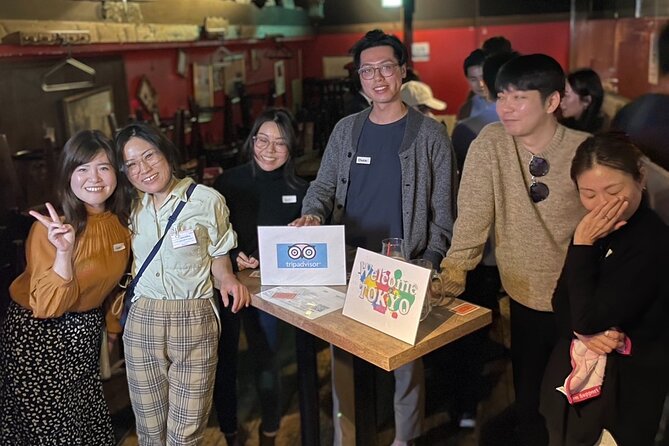
The guide team has included Norma, Sandra, Josh, Lauren, and Alex on past departures. The assigned guide can vary, but the useful pattern is clear: you are accompanied throughout the train journey and local route rather than handed a list of addresses.
Should you book the Fujinomiya food tour?
Book it if you want a carefully arranged day of local food and Mt. Fuji culture, and you are willing to pay for the train, guide, tastings, and convenience. The best parts are the six food stops, the old restaurant lunch, the praised yakisoba, the wagashi activity, and the chance to see a side of Japan that many Tokyo itineraries miss.
Think twice if you mainly want a guaranteed mountain view or the lowest possible price. The weather can hide Fuji, the schedule is active, and $638 is a premium fare. For food-focused visitors who want an easy escape from Tokyo, though, this offers a strong mix of eating, culture, and scenery in one well-packed day.
FAQ
Where does the tour start and finish?
The tour starts at the Apple Marunouchi Mitsubishi Building, 2-chōme-5-2 Marunouchi, Chiyoda City, Tokyo, at 8:30 am. It returns to the same Mitsubishi Building area at the end of the day.
Is bullet train travel included?
Yes. The tour includes guided bullet train travel from Tokyo and return travel to the starting city. JR Pass holders should contact the operator before booking to ask about a reduced price.
How long does the tour last?
The experience lasts about seven hours. The Fujinomiya portion is listed as approximately three hours, with additional time for the train journey and other stops.
What food and drinks are included?
The tour includes a bento and snacks on the train, tastings at six local shops and restaurants, lunch at an 80-year-old restaurant, sake, local green tea, and a wagashi-making experience. Additional food or drinks purchased outside the included tastings cost extra.
Can dietary restrictions be accommodated?
The tour is listed as vegan, vegetarian, pescetarian, and gluten-free friendly. You should tell the operator about your dietary needs before booking because stops can change.
Can I cancel for a refund?
You can cancel up to 24 hours before the experience start time for a full refund. Cancellations or changes made less than 24 hours before the start time are not accepted for a refund. Poor weather or failure to meet the minimum number of participants may result in a new date, another experience, or a full refund.
More Food Experiences in Tokyo
More Tokyo Food Tours in Tokyo
More Mt Fuji Day Trips in Tokyo

More tours in Tokyo we've reviewed












Mt Fuji Day Trips, compared.
 ★ 5.0Mt Fuji and Hakone 1-Day Bus Tour Return by Bullet TrainFrom $163
 ★ 4.0Mt Fuji & Hakone Cruise, Drum Show Bullet Train 1 Day from TokyoFrom $149
 ★ 4.4Tokyo Mt Fuji 5th St & Hakone Cruise Bus Tour w/Bullet TrainFrom $15410 hours
 ★ 4.5From Tokyo: Mount Fuji Full-Day Sightseeing TripFrom $6810 hours
 ★ 4.7Tokyo: Mt. Fuji Tour, Hakone Ropeway, Owakudani, Lake AshiFrom $5410 hours
 ★ 4.4Tokyo:Mt.Fuji,Kawaguchiko Oishi Park,Arakurayama Sengen ParkFrom $5410 hours