Reviewed · MT FUJI DAY TRIPS
Tokyo Mt. Fuji Hakone Shrine, Owakudani, Lake Yamanakai Day Tour
Mount Fuji is only part of the appeal here. This full-day circuit through Hakone and the Fuji Five Lakes links a lakeside shrine, steaming volcanic ground, swan-filled Lake Yamanaka, and the clear springs of Oshino Hakkai in about eight hours and 20 minutes. I like the variety, and I like that transport, fuel, tolls, and the listed ropeway ride are covered in the $76.96 price. The main catch is pace: you get several short stops, not a slow, in-depth visit.
In This Article
- Key points to know before booking
- Why this Tokyo day trip works
- Hakone Shrine and the red torii at Lake Ashi
- The Hakone Ropeway from Togendai to Owakudani
- Owakudani, Hakone’s volcanic valley
- Lake Yamanaka and the swans of Shiratorihama
- Oshino Hakkai’s clear spring ponds
- What the $76.96 price really covers
- Guides, transport, and the day’s rhythm
- Weather, walking, and what to pack
- Who should book this Fuji and Hakone tour?
- Should you book it?
- FAQ
- How long does the tour last?
- What places are included?
- Is the Hakone Ropeway included?
- Is Mount Fuji guaranteed to be visible?
- Are meals included?
- Are Owakudani’s black eggs included?
- How many people can join the tour?
- Can I bring luggage?
- Are young children charged?
- Can I cancel the tour for a refund?
I also like the small maximum group of 15, which should make the day easier than a large coach outing, and the chance to see Fuji from more than one angle. Guides connected with this experience include Jack, Tom, and Kousei. Weather is the big question. Rain, strong wind, or cloud can cut the ropeway ride and hide Mount Fuji, while the tour still continues.
Key points to know before booking
- Five contrasting stops: Visit Hakone Shrine, Owakudani, Lake Yamanaka, and Oshino Hakkai, with a ropeway ride between Togendai and Owakudani when conditions permit.
- About $76.96 per person: The fare covers the vehicle, fuel, tolls, highway charges, driver service, and the listed ropeway fee.
- Mount Fuji is never guaranteed: Clear views depend on weather, especially at Lake Ashi and the Fuji Five Lakes.
- Short visits keep the day moving: You have about 80 minutes at Hakone Shrine, 50 minutes at Owakudani, 20 minutes at Lake Yamanaka, and 40 minutes at Oshino Hakkai.
- Bring cash and good shoes: Food, personal purchases, and optional activities are extra, and some walking is involved.
- Weather can change the plan: Strong wind may replace the cable car with a bus, as happened on one departure.
Why this Tokyo day trip works
This is a sightseeing sampler rather than a deep visit to one place. From Tokyo, you reach several of the region’s best-known sights without arranging separate trains, buses, and admissions. That alone gives the tour real value for a first visit.
The route also has a useful backup built into its design. If Fuji disappears behind cloud, you still have Hakone Shrine, volcanic Owakudani, swans at Shiratorihama, and the spring ponds at Oshino Hakkai. I would not book this solely for a Mount Fuji photograph, but I would book it if you want a broad taste of the area in one day.
The group can be as large as 15 people, with a minimum of four needed for the trip to proceed. The vehicle service is limited to 10 hours under Japanese law, so the schedule is designed to fit inside that window. The remaining time is used for driving and lunch.
A few more Tokyo tours and experiences worth a look
Hakone Shrine and the red torii at Lake Ashi
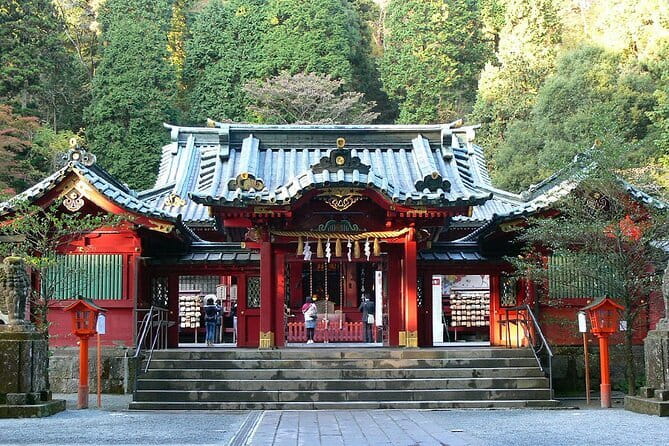
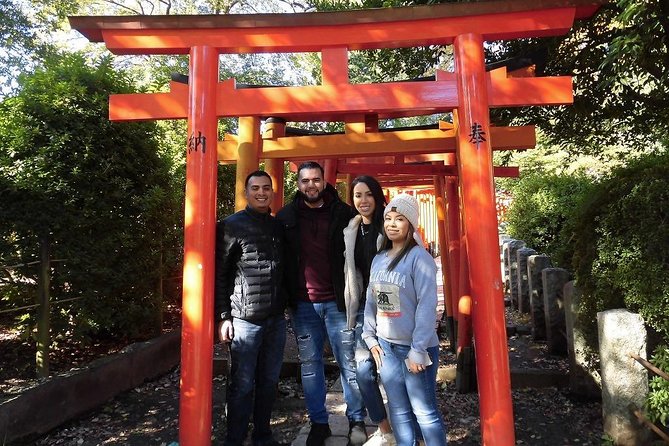
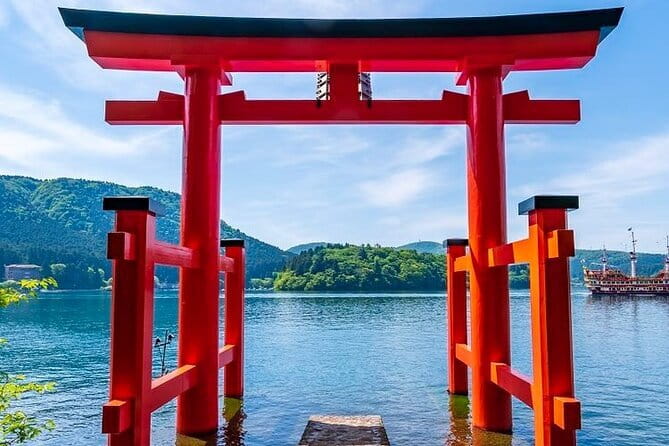
The day begins with roughly 80 minutes at Hakone Shrine and Lake Ashinoko’s Maritime Torii. The shrine sits in a wooded mountain setting beside Lake Ashi, a volcanic lake formed about 3,000 years ago. It is Kanagawa Prefecture’s largest lake and one of the best-known places in the Hakone area.
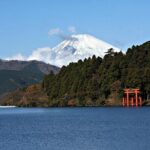
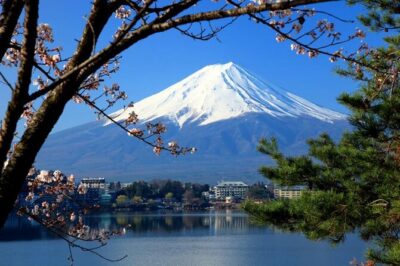
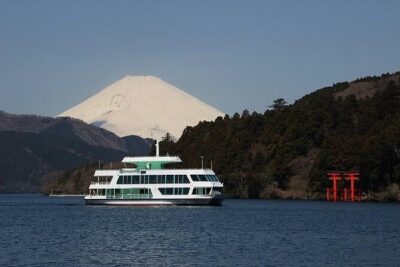
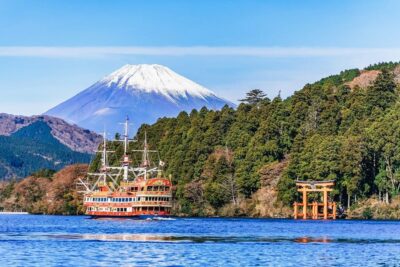
The red torii standing in the water is the picture most people come for. It marks the approach to Hakone Shrine and creates a striking contrast with the lake and surrounding mountains. On a clear day, this area can also give you a distant view of Mount Fuji, though cloud often decides what you see.
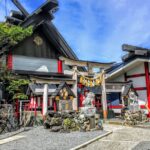
Hakone Shrine dates to 757. It grew from older mountain worship and later attracted powerful figures such as Minamoto Yoritomo and Tokugawa Ieyasu. Today, people pray here for safe travel, success in love, fulfilled wishes, and protection from misfortune.
Use your free time well. You can focus on the torii, visit the shrine, and take in the lake. The stop is long enough for a proper look, but not long enough for a leisurely exploration of every corner. If the torii is busy, be ready to wait for a clear photo position.
The Hakone Ropeway from Togendai to Owakudani
The planned ropeway section takes about 30 minutes and runs from Togendai toward Owakudani. The route is especially worthwhile near the volcanic area, where you can look across the crater region and, in good weather, catch Mount Fuji.
This is one of the tour’s most weather-sensitive parts. Strong wind can stop the cable cars. On one departure, the whole group traveled by bus instead. That is a sensible safety decision, but it changes the experience, so keep your expectations flexible.
The ropeway fee is included in the listed price. That makes the tour easier to budget, since you are not suddenly paying for the main transport link during the day. Still, an included ticket cannot guarantee a ride if weather conditions close the line.
Owakudani, Hakone’s volcanic valley
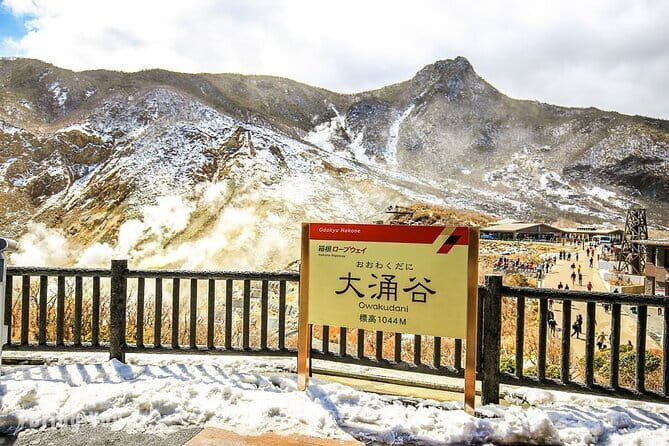
Owakudani is the most unusual stop on the route. The valley formed from volcanic activity around Mount Kamiyama, and steam rises from the ground in the area known for its sulfurous vents and crater remains. Its old nickname, Big Hell, gives you a sense of the dramatic setting.
You have about 50 minutes here. That is enough to walk around the main visitor area, see the volcanic activity, browse the shops, and try Owakudani’s famous black eggs at your own expense. The eggs are cooked in the valley’s hot waters, and their dark shells make an easy snack and a memorable travel photo.
Do not treat Owakudani as a normal park stroll. Some spring water in the area is poisonous, and the region is an active volcanic zone with conditions that can affect access. Stay within the permitted visitor areas and follow instructions from the guide and site staff.
The short time limit is the main compromise. You may want to spend longer around the volcanic vents or walk farther along the Nature Research Trail, but the tour must keep moving to reach the Fuji Five Lakes stops. A pair of sturdy shoes helps, especially if you want to walk beyond the immediate shop area.
Lake Yamanaka and the swans of Shiratorihama
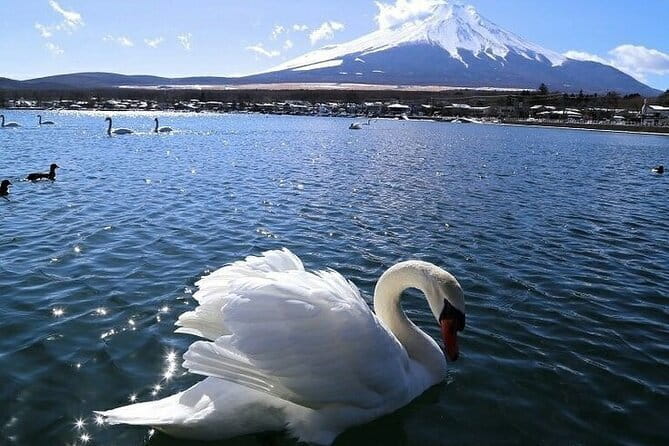
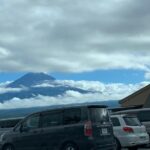
Lake Yamanaka is one of the Fuji Five Lakes, and the stop at Shiratorihama lasts about 20 minutes. The shore is known for its swans, which often approach people because they are fed by tourists. The simple photo goal is clear: frame a swan with Mount Fuji behind it.
Twenty minutes is enough for photographs if the birds are near the shore and Fuji is visible. It is not enough for a long lakeside walk. The stop works best as a quick change of pace after Owakudani, shifting from volcanic ground to open water and wildlife.
The view depends heavily on weather. Fuji may be hidden, but the swans still give you something to see. If you have a camera, keep it ready as soon as you arrive. The schedule is short, and the best bird and mountain alignment may not last.
A few more Tokyo tours and experiences worth a look
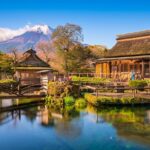
Oshino Hakkai’s clear spring ponds
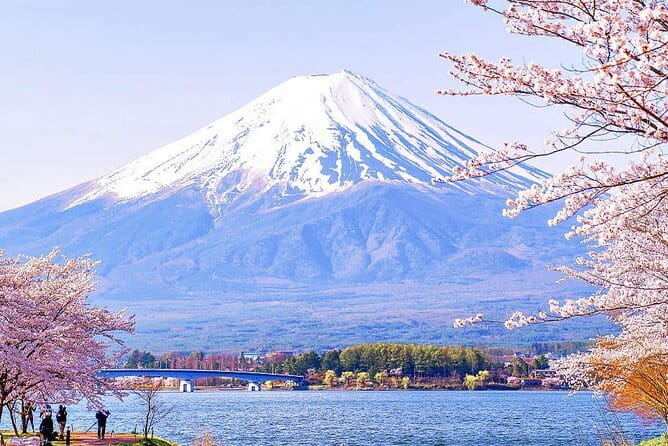
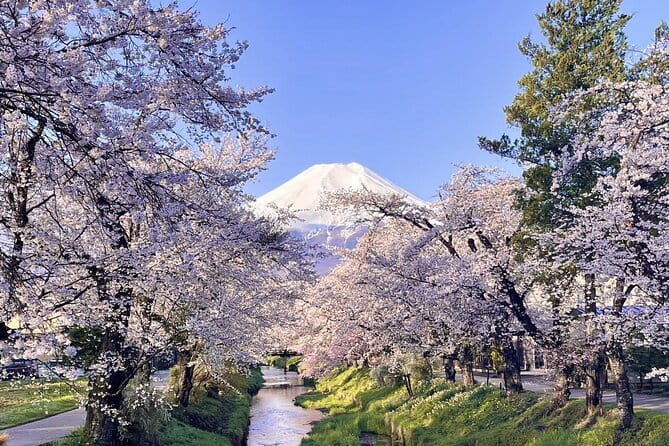
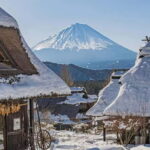
The final listed stop is Oshino Hakkai, with about 40 minutes to explore. Its eight springs were formed by snowmelt from Mount Fuji filtering through layers of rock. The water and the mountain views make this one of the most photogenic places on the route.
Oshino Hakkai is also a national natural monument. The appeal is quieter than Owakudani’s steam and much more focused on clear water, ponds, and views. If you enjoy taking photographs, this stop gives you a different Fuji setting from Lake Ashi and Lake Yamanaka.
Again, 40 minutes is a useful introduction, not a full visit. You can see the principal ponds and take photos, but you will need to keep an eye on the meeting time. The stop is also a reminder that this tour covers a wide area. You are collecting strong impressions rather than lingering in one village.
What the $76.96 price really covers
At $76.96 per person, the tour is priced as a practical transport package as much as a sightseeing experience. The fee includes the vehicle, fuel, tolls, highway charges, the driver service, and the ropeway ticket listed for the Togendai to Owakudani section.
That matters because Hakone and the Fuji Five Lakes are spread out. Organizing this route independently would mean comparing different transport connections and paying for each leg. The tour removes that work and gives you a fixed route.
You still need money for meals, black eggs, drinks, souvenirs, and any local activity not specifically included. One departure involved an optional boat cruise and lunch arrangements that cost extra. You may be offered similar additions, so ask clearly what is included before agreeing. The key practical issue is that the group may need to stay together to reach the next stop, which can make an optional activity feel less optional.
The price is strongest for solo visitors, couples, and small groups that value convenience. It is less attractive if you want complete control over timing or plan to spend most of the day at one place.
Guides, transport, and the day’s rhythm

Guide quality can shape this experience. Jack has been associated with a friendly, fun, informative style, while Tom and Kousei are also guide names connected with the tour. Your actual guide may differ, so book this for the route and transport first, not for a guaranteed person.
The supplied comments point to a real difference in guiding style. A warm guide can make the long drive and quick stops enjoyable, but there have also been departures where the guide gave little information about the sights. If historical context matters to you, ask questions as you go rather than assuming every stop will come with a full explanation.
The itinerary is a long loop, and driving takes up much of the day. You should expect a schedule that moves from stop to stop, with lunch and road time filling the remaining hours. That is the tradeoff for seeing so much in one outing.
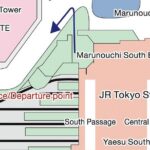
Pick-up instructions matter. A departure reminder is sent the night before with the meeting time, vehicle registration number, and guide contact details. Guides do not initiate contact, so you need to watch for the message and wait at the stated location. If pick-up is at a hotel, wait outside in advance because many Japanese hotels do not allow vehicles to park for long.
The tour accepts mobile tickets and runs daily when the minimum of four people is met. The maximum is 15. Bring no more than one piece of luggage per person, and note it during booking if you must carry bags. An extra 100 yuan per piece may apply if you fail to declare luggage or bring more than one item.
Weather, walking, and what to pack
Mount Fuji views are never guaranteed. Rain can spoil the opening hours, cloud can cover Fuji at every lake, and wind can close the ropeway. One rainy departure produced poor visibility throughout the day, while another still managed to see Fuji, black eggs, and cherry blossoms despite bad conditions earlier in the morning.
That makes this a tour where the season and forecast matter. If you have only one chance to see Fuji, check the weather before booking and understand that cancellation is only free up to 24 hours before the start time. Once inside that final 24-hour window, cancellations and changes are not accepted.
Wear comfortable shoes. Hakone Shrine, Owakudani, and Oshino Hakkai involve walking, and you may want to explore beyond the first photo stop. Pack cash for food and small purchases, as personal spending is not included.
Children under three are free if they do not occupy a seat, but you must tell the operator in advance. Children over three are charged as adults. Most people can take part, and the tour is near public transport, though the included vehicle is the practical way to handle this particular route.
Who should book this Fuji and Hakone tour?
I would recommend it to you if you want to see several famous sights in one day and do not want to manage regional transport. It suits first-time visitors, photographers who want several Fuji viewpoints, and anyone who enjoys a busy route with strong visual variety.
It also works for people who prefer a small group over a huge coach. A maximum of 15 is not private touring, but it is a manageable size for short stops and guide interaction.
I would hesitate if you want a slow cultural day. The Hakone Shrine visit is brief, the Lake Yamanaka stop is very short, and Owakudani and Oshino Hakkai are introductions rather than extended visits. I would also think twice if you need a guaranteed Fuji photograph or a firm, weather-proof ropeway ride.
Should you book it?
Book this tour if convenience and variety matter most. For $76.96, you get a well-packed route across Hakone and the Fuji area, with major transport costs covered and no need to piece together a complicated day.
Skip it if you dislike fixed schedules, extra offers for lunch or boat rides, or the risk of seeing Fuji only through cloud. The best approach is to treat Mount Fuji as a bonus, not a promise. The shrine, volcanic valley, swans, and spring ponds give the day enough substance even when the mountain hides.
FAQ
How long does the tour last?
The experience lasts approximately eight hours and 20 minutes. The vehicle service is limited to within 10 hours under Japanese law.
What places are included?
The route includes Hakone Shrine, Lake Ashi’s Maritime Torii, the Hakone Ropeway section from Togendai toward Owakudani, Owakudani Valley, Lake Yamanaka’s Shiratorihama, and Oshino Hakkai.
Is the Hakone Ropeway included?
Yes. The listed ropeway section and its cable car fee are included. Strong wind or other weather conditions may prevent the ropeway from operating, in which case transportation may be by bus.
Is Mount Fuji guaranteed to be visible?
No. Fuji views depend on weather, cloud, rain, and wind. The route includes several viewpoints, but none guarantees a clear view.
Are meals included?
No. Meals and personal food purchases are not included. Lunch may be offered as an additional arrangement, so confirm the cost before accepting.
Are Owakudani’s black eggs included?
No. You can buy the famous black eggs at your own expense.
How many people can join the tour?
The tour requires at least four people to proceed and accepts a maximum of 15 travelers.
Can I bring luggage?
One piece of luggage per person is allowed. You should declare it when booking. An extra 100 yuan per piece may be charged for undeclared or additional luggage.
Are young children charged?
Children under three are free if they do not occupy a seat, but you must notify the operator in advance. Children over three are charged as adults.
Can I cancel the tour for a refund?
You can cancel up to 24 hours before the experience starts for a full refund. Cancellations or changes made less than 24 hours before the start time are not accepted and are non-refundable.
More Temples & Meditation in Tokyo



More Hakone Day Trips in Tokyo
More Mt Fuji Day Trips in Tokyo

More tours in Tokyo we've reviewed












Mt Fuji Day Trips, compared.
 ★ 5.0Mt Fuji and Hakone 1-Day Bus Tour Return by Bullet TrainFrom $163
 ★ 4.0Mt Fuji & Hakone Cruise, Drum Show Bullet Train 1 Day from TokyoFrom $149
 ★ 4.4Tokyo Mt Fuji 5th St & Hakone Cruise Bus Tour w/Bullet TrainFrom $15410 hours
 ★ 4.5From Tokyo: Mount Fuji Full-Day Sightseeing TripFrom $6810 hours
 ★ 4.7Tokyo: Mt. Fuji Tour, Hakone Ropeway, Owakudani, Lake AshiFrom $5410 hours
 ★ 4.4Tokyo:Mt.Fuji,Kawaguchiko Oishi Park,Arakurayama Sengen ParkFrom $5410 hours