Reviewed · TICKETS
Catch a Baseball Game in Tokyo with a Local – Tickets Included
Japanese baseball is much more than nine innings and a scoreboard. The fun begins when the home crowd starts singing player chants, waving towels, and standing together behind its team. This small-group outing, limited to six people, gives you tickets without the language hassle and a local who explains what is happening.
In This Article
- Key points at a glance
- Japanese baseball is a night of organized noise
- Meeting at the station and walking to the game
- Tokyo Dome, Meiji Jingu Stadium, or Yokohama Stadium
- Learning team cheers with Jason or Kristi
- Snacks, team goods, and the beer vendors
- Is $110 a fair price?
- Group size, comfort, and access
- Who will enjoy this most?
- Booking and practical details
- Should you book this Tokyo baseball outing?
- FAQ
- What stadiums can this experience use?
- Are baseball tickets included?
- How long does the activity last?
- Where do I meet the guide?
- Are snacks included?
- Can I borrow a jersey?
- What happens if bad weather cancels the activity?
I especially like the chance to borrow a home jersey and cheering goods for some games, and I like that snacks are supplied rather than leaving you to find food in an unfamiliar stadium. The main caution is seat location: some groups sit in the home cheering section, while others may be placed higher up with a good view but less direct access to the chanting.
Key points at a glance

- Learn the chants before the first pitch: Your guide explains team songs and helps you join the home fans.
- Visit one of three major stadiums: Games may take place at Tokyo Dome, Meiji Jingu Stadium, or Yokohama Stadium.
- Tickets are already included: You avoid buying Japanese baseball tickets on your own.
- Keep the group small: The maximum is six people, so the outing can feel more like going with a local friend.
- Try snacks and watch the beer vendors: Food, drinks, and the sales routine are part of the show.
- Check your meeting instructions carefully: The meeting point is at a train station, and one booking note says the online chat details were clearer than the emailed reminder.
Japanese baseball is a night of organized noise
At a Tokyo game, the crowd does not wait for a dramatic late-inning moment to get loud. Home supporters often sing and clap through much of the game, with different cheers linked to individual players. Your guide brings song sheets or printed instructions for some outings and helps you learn the rhythm.
That makes this a good pick even if you do not follow baseball. You can watch the action while also taking in a local custom that is easy to miss from a regular spectator seat. Fans in the cheering area work together in a way that may feel closer to a football match than a typical North American baseball game.
The hosts, including Jason and Kristi, focus on helping you take part rather than simply handing over a ticket. Jason has helped with meeting instructions, seat choices, chants, and team background. Kristi has also helped with language support and practical needs, including arranging elevator service for a visitor who had difficulty walking.
You should know that the full cheering experience depends on your seats. Booking early has helped some groups get into the outfield home section, where the singing is most active. Other groups have been seated higher up. Those seats can offer a better broad view of the field, but you may be watching the chanting section rather than sitting inside it.
A few more Tokyo tours and experiences worth a look
Meeting at the station and walking to the game
The outing begins at a train station, not at the stadium entrance. You meet your guide there and walk together to the game. This is useful in Tokyo, where a station complex and several nearby exits can make a simple meeting point less simple than it sounds.
Pay close attention to the final meeting instructions. One visitor found the online chat information more useful than the emailed reminder, so I would check the latest message before setting out. Give yourself enough time to find the correct station exit and guide. The walk also lets your host explain the team you are about to see and point out places to buy merchandise.
The experience lasts about three to four hours, though the exact length depends on the game. That is long enough to enjoy the crowd and several innings without turning the whole evening into a rigid sightseeing program. Dinner is not included, so plan to eat before or after the game, or use the stadium concessions.
Tokyo Dome, Meiji Jingu Stadium, or Yokohama Stadium
The game location depends on the schedule and ticket availability. You may attend at Tokyo Dome, Meiji Jingu Stadium, or Yokohama Stadium. Each choice changes the feel of the evening, so check the confirmed venue when your booking is accepted.
Tokyo Dome is the practical choice in hot or wet weather because it is indoors and air-conditioned. One early-July outing was especially comfortable for this reason. The dome is also home to the Yomiuri Giants, one of Japan’s major baseball teams, and a Giants game can offer a strong home-fan atmosphere.
Meiji Jingu Stadium provides a different setting. It is an outdoor baseball ground, so weather matters more. Yokohama Stadium is another outdoor option and may give you a chance to see the Yokohama team in its home city. You are not selecting a sightseeing route through all three venues. You are attending the game available for your date.
The venue also affects how much time you should allow for walking from the station, finding the correct gate, and buying team items. Your guide handles much of the confusion, but the ticket confirmation and meeting messages still matter.
Learning team cheers with Jason or Kristi
A normal ticket gets you into the stadium. This experience adds the social code that makes Japanese baseball so fun. Your guide can explain the major teams, show you how the chants work, and help you follow the crowd when a player comes to bat.
Some groups have received printed cheer sheets, including transliterations that make Japanese words easier to pronounce. You do not need to memorize them. The point is to join in enough to understand the pattern and feel part of the section.
The guides have also helped visitors choose between seat options when possible. That matters because the difference between a general view and a home cheering section is noticeable. In the active section, you may chant for much of the game. From higher seats, you may have more space and a wider view while still seeing and hearing the crowd below.
The experience works best when you are willing to participate a little. You do not have to be a serious baseball fan, but sitting quietly and avoiding all interaction would miss much of the reason to book a guide.
Snacks, team goods, and the beer vendors
Snacks are included, and the guides have brought items such as rice treats for the group. That small touch helps you try something Japanese without having to guess what to buy during the first inning. You can also purchase food at the stadium, but dinner is not part of the price.
The guides may take you shopping for team merchandise before the game. This is handy if you want a cap, towel, jersey, or other item but do not know which shop or team colors to choose. A home jersey and cheering goods can be borrowed for some games, though this is not promised for every outing.
The stadium vendors are part of the entertainment. Beer sellers walk through the aisles carrying large tanks and pour drinks directly for fans. It is a distinctive sight, and you may find the service more theatrical than a standard concession run.
Outside food and drinks are allowed inside, with one firm limit: no glass bottles or cans. Cameras are fine, and backpacks and bags are allowed. Since dinner is excluded, bringing a permitted snack or planning for concessions gives you more control over the evening.

Is $110 a fair price?
At $110 per person, this is not the cheapest way to watch a Japanese baseball game. You can sometimes buy a ticket online for less if the game is not sold out and you are comfortable handling the process yourself. The price here pays for more than admission.
You receive a ticket, a small-group host, help reaching the stadium, explanations of the teams and customs, cheer instruction, and snacks. For a first visit to Japan, that can remove several small barriers at once. You do not have to work out which section to choose, decode a Japanese ticket page, or wonder why the whole crowd suddenly starts singing.
The value is strongest if you want the home-section atmosphere or if you are unsure how Japanese baseball works. It is also useful for families, first-time visitors, and people who want someone to explain the cultural side of the event. If you already speak Japanese, know the stadium system, and are happy to sit anywhere, buying directly may save money.
Seat placement is the biggest value question. Some groups have received excellent seats in the cheering section, especially when booking well ahead. Another group had part of its party in the active section while the rest sat higher up. Ask about the likely seating arrangement if joining with friends is important to you.
Group size, comfort, and access
The maximum group size is six. That is small enough for direct help with train directions, ticket questions, chants, and food choices. It also keeps the experience from feeling like a large guided excursion.
Most people can take part, and the activity is near public transportation. The route includes walking from the station to the stadium, so consider your own comfort. Elevator help has been arranged when needed, but you should tell the host about mobility concerns in advance.
Stadium seating may feel tight if you are a larger person. One visitor specifically found the bench seating at Tokyo Dome cramped. That is not a reason to skip the game, but it is useful to know before you expect North American-style seat width.
Games can also be hot outside, particularly in summer. Tokyo Dome offers air conditioning, while Meiji Jingu Stadium and Yokohama Stadium are outdoor venues. The activity requires suitable weather, and a cancellation for poor conditions brings a choice of another date or a full refund.
Who will enjoy this most?
I would recommend this to baseball fans who want local context, but the outing is not limited to sports followers. Families have enjoyed it, and one parent took a son who found it among the most fun activities of the Tokyo visit. You can follow the basic action without knowing every rule.
It is also a strong choice for anyone who wants an evening that feels connected to everyday Japanese entertainment. You are not just looking at a stadium from the outside. You are sitting among home supporters, trying the chants, eating snacks, and watching the crowd perform its own routine.
The experience may be less suitable if you need a guaranteed cheering-section seat, want a full dinner included, or prefer to arrange every detail yourself. It is also a poor match for a strict schedule, since the game and stadium determine the pace.
Booking and practical details
Confirmation arrives within 48 hours of booking, subject to availability. Since seat location and stadium depend on the schedule, booking early is sensible if the cheering section matters to you.
Tickets are included, and you receive a mobile ticket. Pickup is offered, though the stated plan is to meet at a train station and walk to the stadium. Group discounts may be available, so check the price if you are booking for several people.
The activity is non-refundable and cannot be changed after booking for personal reasons. If poor weather causes the outing to be canceled, you are offered another date or a full refund. This is especially relevant for outdoor games, though the activity may also be affected by the event schedule.
Should you book this Tokyo baseball outing?
Book it if you want the crowd as much as the game. Jason and Kristi add the help that turns a ticket into a cultural evening: train guidance, team background, snacks, cheer sheets, and a path into the home-fan routine.
I would book early and ask where the group is likely to sit. If you get the cheering section, you can chant with the home fans all night. If you receive higher seats, you will still have a good view and can watch the organized support from above, but the experience will be quieter for you.
For $110, you are paying for ease and local guidance rather than the lowest ticket price. For a first Japanese baseball game, that is a fair trade. If your priority is simply entering the stadium as cheaply as possible, buy directly. If you want to understand why the crowd sings for individual players and how to join in, this is the better choice.
FAQ
What stadiums can this experience use?
Games may take place at Tokyo Dome, Meiji Jingu Stadium, or Yokohama Stadium. The venue depends on the game schedule and availability.
Are baseball tickets included?
Yes. Tickets to the game are included in the price, and a mobile ticket is provided.
How long does the activity last?
The experience lasts approximately three to four hours. The exact timing depends on the game.
Where do I meet the guide?
You meet the guide at a train station and walk to the baseball stadium together. Check the latest meeting instructions carefully, especially the online chat information.
Are snacks included?
Yes. Snacks are included. Dinner is not included, though you can buy food at the stadium or bring outside food that meets the venue rules.
Can I borrow a jersey?
A home team jersey and cheering goods can be borrowed for some games. Availability is not guaranteed for every event.
What happens if bad weather cancels the activity?
If poor weather causes the experience to be canceled, you can choose a different date or receive a full refund. The experience itself is otherwise non-refundable and cannot be changed for personal reasons.
More Tickets in Tokyo

More tours in Tokyo we've reviewed












Tickets, compared.
 ★ 4.5Tokyo: TOKYO SKYTREE® Admission ticketFrom $131 day
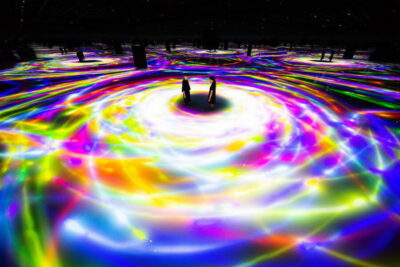 ★ 4.6Tokyo: teamLab Planets TOKYO Digital Art Museum Entry TicketFrom $251 day
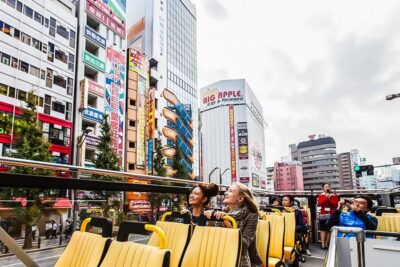 ★ 3.9Tokyo: Hop-On Hop-Off Sightseeing Bus TicketFrom $301 - 2 days
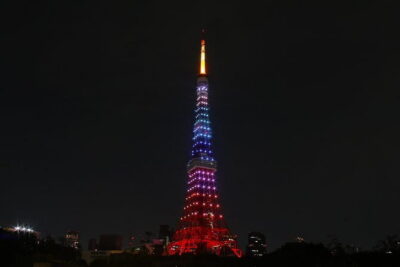 ★ 4.6Tokyo Tower: Admission TicketFrom $91 hour - 3 days
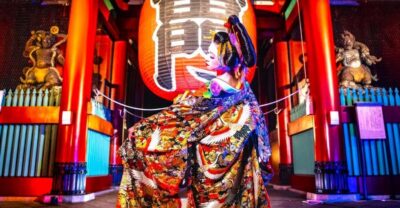 ★ 4.8Tokyo: Japanese Dance Cabaret Theater Asakusa-Kaguwa TicketFrom $492 hours
 ★ 4.5Tokyo: Kamakura & Enoshima Day Trip including Temple TicketsFrom $589 hours - 570 minutes